You’ve fallen in love with those big, beautiful eyes and that silky fur. Maybe you’ve been dreaming of cozy evenings with a purring companion curled up beside you. Selecting your first cat feels like the beginning of a beautiful friendship. Yet here’s something most first-time owners don’t realize until it’s too late: not every feline comes with that laid-back, easy-going temperament you might expect.
Some breeds pack personalities that can catch you completely off guard. We’re talking about sudden mood swings, seemingly random acts of aggression, and behavioral quirks that can leave even experienced cat lovers scratching their heads. Veterinarians and animal behaviorists have been noticing patterns for years, and the truth is, certain breeds demand far more patience, understanding, and energy than others. Think you know what you’re getting into? Let’s dive into the feline world where unpredictability reigns supreme.
Bengal: The Wild Card in Your Living Room

Picture a small leopard prowling through your kitchen at three in the morning. That’s essentially what life with a Bengal can feel like. These cats spend most of their waking hours playing, climbing, and chasing things, and they don’t do well alone for extended periods. Their wild ancestry shows through in ways that can shock unprepared owners.
Bengals require constant stimulation and exercise, and without proper enrichment, they may develop behavioral issues and destructive behavior. One minute they’re affectionate and purring in your lap, the next they’re scaling your curtains or knocking everything off your shelves. Their energy levels are relentless. They’re wilder than other breeds and don’t enjoy being handled, often responding aggressively if you pick them up. You’ll need to dedicate serious time to interactive play sessions, puzzle feeders, and possibly even leash training if you want to channel that boundless energy productively.
Turkish Van and Turkish Angora: The Aggressive Twins

Turkish Vans were the most likely to display aggression towards people in comprehensive breed studies. Turkish Vans commonly showed aggression toward both humans and other cats. These stunning felines with their distinctive markings might look regal, yet their temperament can be downright volatile.
Turkish Angoras require proper socialization, training, and boundaries. Both breeds are highly intelligent and can learn tricks, which sounds wonderful until you realize that intelligence combined with unpredictability creates a recipe for mischief. They can be pretty mischievous and playful, expecting to spend a lot of time with their family. When they don’t get the interaction they crave, or when something sets them off, their reactions can be swift and painful. I think what catches most people off guard is how quickly these cats can switch from affectionate to aggressive.
Siamese: The Demanding Diva

Let’s be honest, Siamese cats are absolutely stunning with those piercing blue eyes and sleek bodies. They’re known for their loud, vocal nature and high demand for attention. Their chattiness isn’t just cute meowing. We’re talking full conversations, loud protests, and constant commentary on everything you do.
They often bond with a single family member and can turn aggressive if another person tries to interrupt their snuggles, which is problematic if you have kids in the house. While they don’t require a lot of grooming, they’re high maintenance because they’re very demanding of your time, and if you spend a lot of time out of the house, you’ll need another pet to keep them company. Their neediness can become overwhelming. Siamese cats can become aggressive and territorial when their needs aren’t met. Their unpredictability stems from their intense emotional bonds and jealous nature.
Sphynx: The Hyperactive Attention Seeker
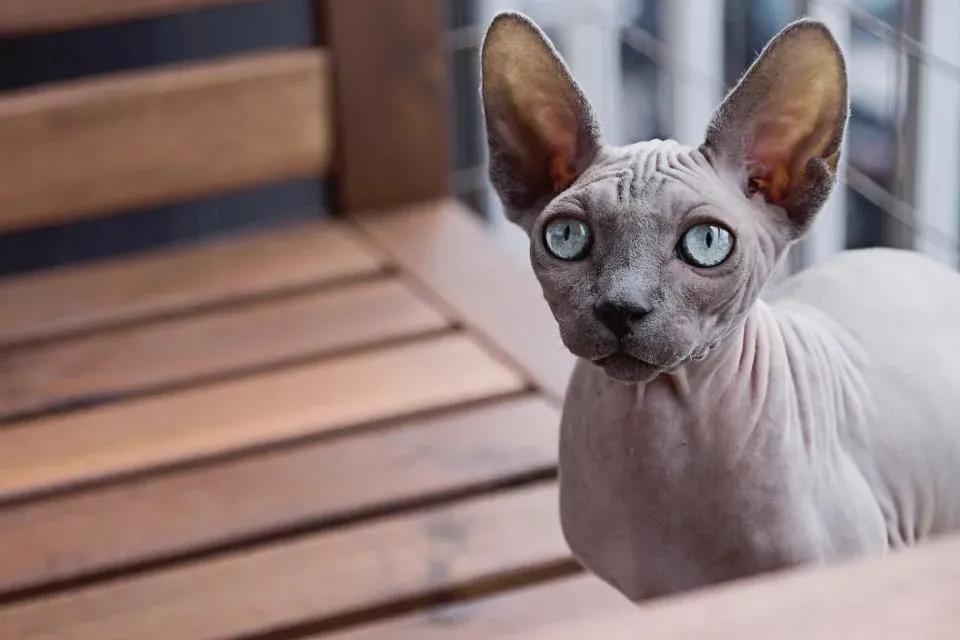
Sure, owning a hairless cat means less vacuuming, but it also means dealing with a feline tornado. Sphynxes are hyperactive cats that need plenty of playtime and are incredibly intelligent, yet high intelligence coupled with low stimulation could result in a Sphynx that lashes out of boredom, requiring constant entertainment to avoid aggressive tendencies.
Their hairless bodies require frequent bathing to remove oil buildup from their skin, and they’re highly social, craving constant attention, which can be overwhelming for a first-time owner. What really makes them unpredictable is how quickly boredom translates into destructive behavior. They’re not content to just sit around. They need jobs, puzzles, games, and interaction nearly constantly. Miss a day of adequate stimulation and you might come home to chaos. Their skin also makes them sensitive to temperature, so you’ll be constantly adjusting their environment.
Scottish Fold: The One-Person Wonder
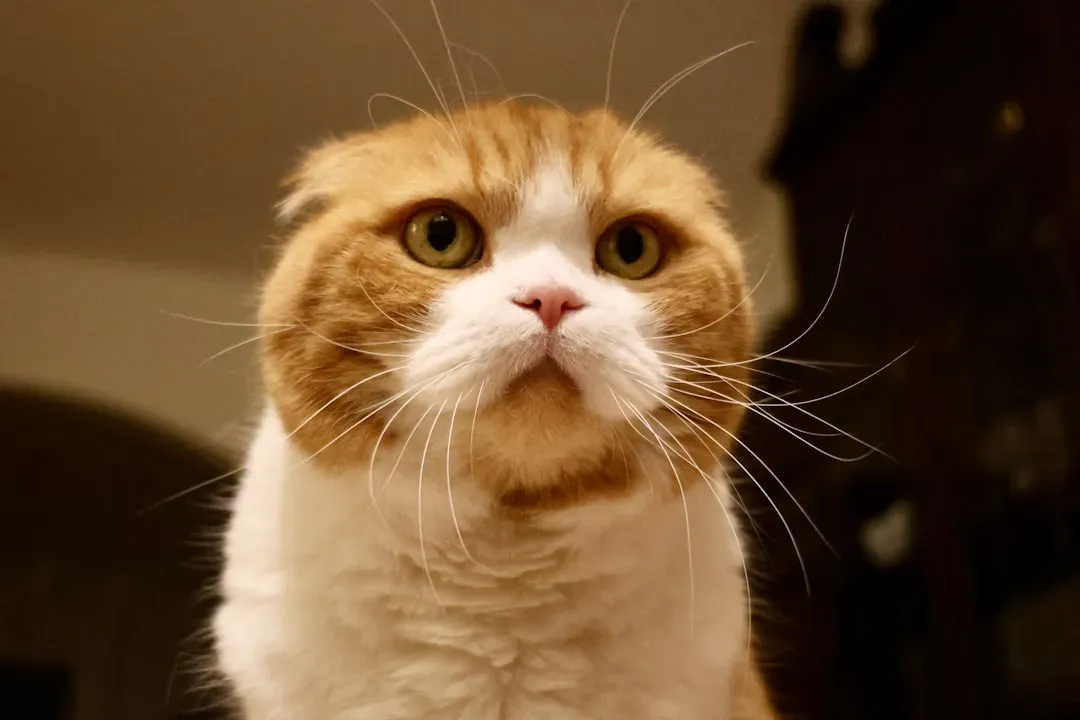
Those adorable folded ears have made Scottish Folds internet sensations. Many first-time owners have fallen in love with their folded-over ears and smushed faces, yet these cats bond with a single family member at the expense of everyone else. They choose their favorite human and basically ignore everyone else.
While generally even-tempered and content to have downtime, they tend to bond with only one or two people, showing extreme preference toward these people and avoiding others, and may show preference for quieter environments. Their unpredictability shows up in how they treat different family members. They’re also prone to genetic health issues, particularly joint and cartilage problems, which may lead to expensive vet bills and extra care needs. Pain can make any cat unpredictable, and Scottish Folds are particularly vulnerable to chronic discomfort that might manifest as sudden aggressive outbursts.
Savannah: The Not-So-Domestic Domestic Cat
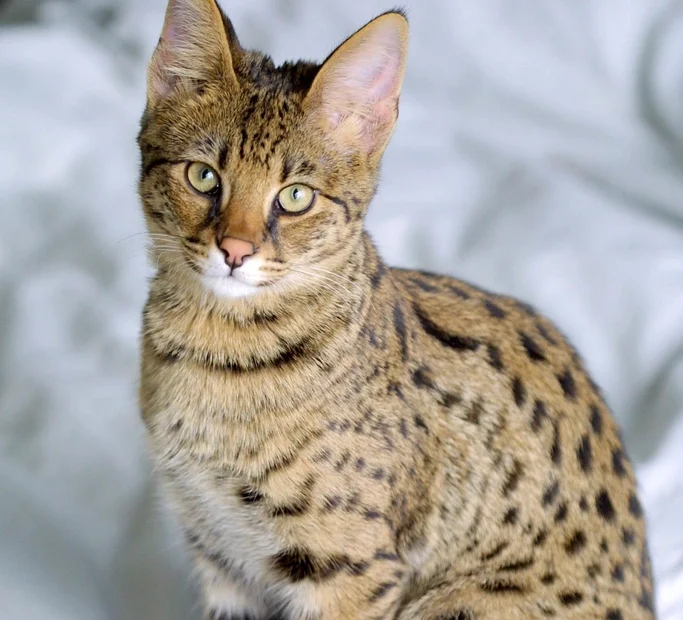
As a cross between a domestic cat and a wild African cat, the Savannah is a large cat breed that requires lots of attention and exercise and can be a challenge for inexperienced owners, with improper socialization potentially leading to all sorts of problems. These cats genuinely think they’re still wild.
Savannahs don’t like to be held and will let you know in the most forceful way possible, being independent and aloof, best suited for owners who know how to give cats plenty of space. They’re not legal to own in all areas, and like Bengal cats on steroids with a larger stature and wilder personality, they can be stubborn problem solvers, making some of them escape artists or adept at getting into places they shouldn’t be. Their unpredictability is rooted in their wild genetics. You never quite know if you’re dealing with a house cat or a miniature wild predator. Honestly, it’s hard to say for sure what will trigger them on any given day.
Devon Rex: The Mischievous Troublemaker
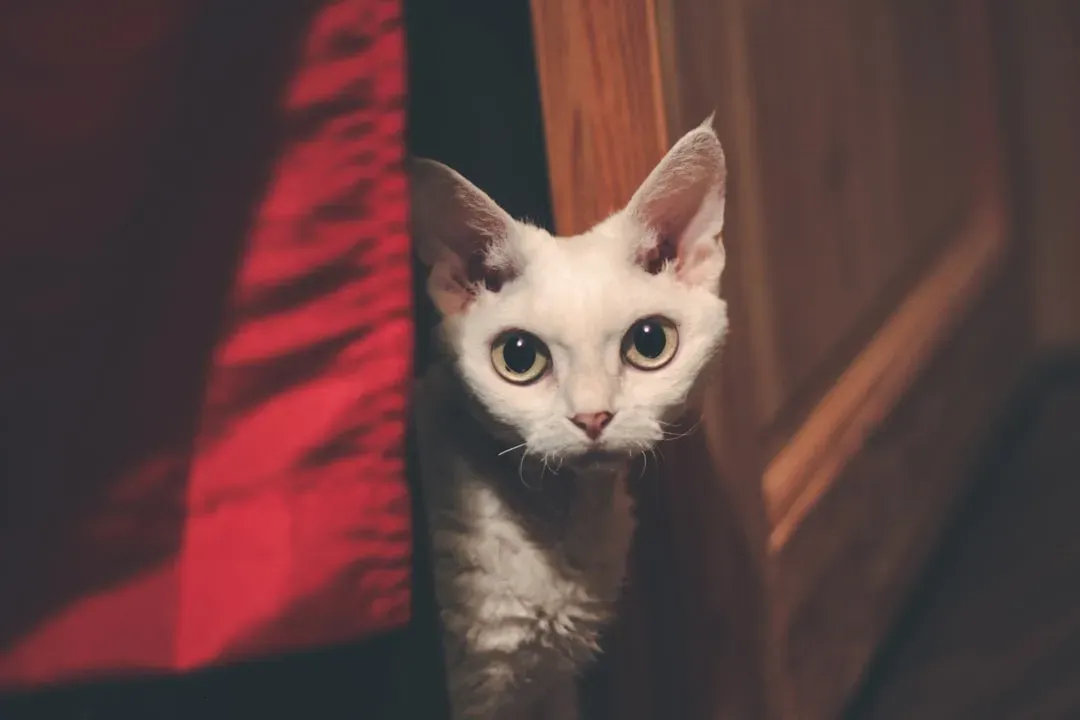
The Devon Rex is an incredibly energetic breed that requires lots of attention and stimulation, otherwise unwanted behaviors can pop up, and they’re tremendously social, needing a lot of time and attention from their owners. Their curly coats and pixie-like faces make them absolutely adorable, but don’t let that fool you.
These playful and bold cats require quite a bit of playtime every day and may become mischievous and rambunctious when bored, potentially turning to biting or misbehaving for attention, making it essential to keep them entertained to reduce behavioral issues and excess energy. Their unpredictability manifests when they’re understimulated. A bored Devon Rex is a destructive Devon Rex. They’ll get into everything, knock things over, and demand attention in increasingly disruptive ways. What makes them particularly challenging is how quickly their mood can shift from playful to outright destructive if they don’t get what they need.
Bombay: The Fearless Fighter
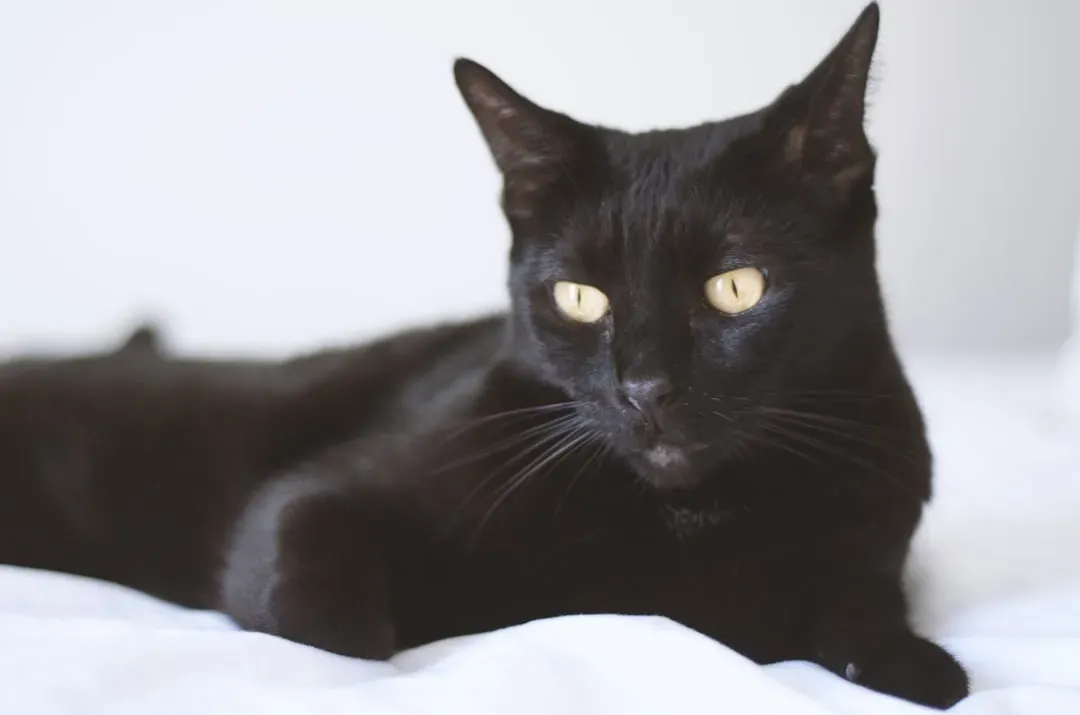
As a hybrid mix, Bombay cats have numerous strong behavior traits, being known as fearless, and having sturdy small-to-medium bodies that can be surprisingly forceful during playfights. These miniature panthers pack a serious punch.
Much like the Siamese and Sphynx cat, the Bombay requires a significant amount of attention, which when not met can come out in aggressive tendencies. They’re a rough-and-tumble breed, not necessarily prone to aggressiveness but liking to play rough, so expect to come away with scratches and bite marks. Their play style can quickly escalate beyond what most people consider acceptable. They don’t always seem to understand when playtime has crossed the line into actual aggression. Their unpredictability comes from their intense personality packed into a deceptively compact body.
Singapura: The Skittish Scratcher
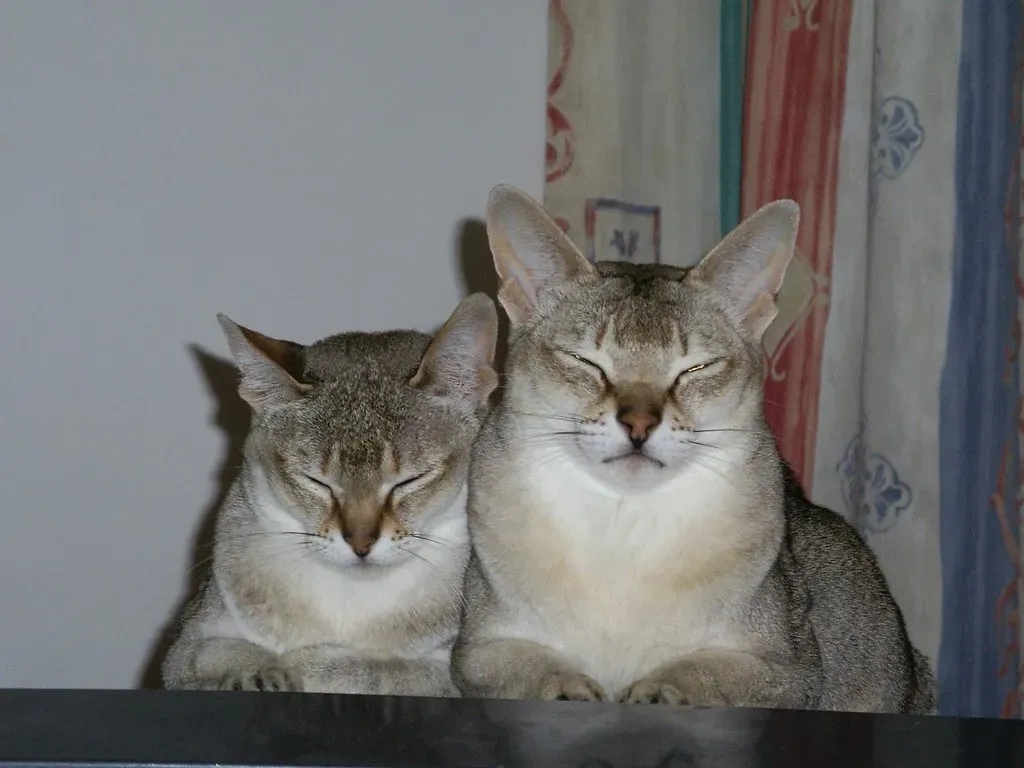
Despite their alien-like appearance making them tempting to adopt, they’re strong-willed and skittish, and if you surprise them they can react with a flurry of claws and teeth, also having a tendency to hide if not properly socialized, so you could own a cat you never actually see. These tiny cats have big reactions to small stimuli.
Because of their heightened sensitivity to surroundings, this breed tends to seclude into its surroundings, and if you happen to have lively children around, there’s a chance some have forgotten you have a four-legged roommate as well, with Singapuras being recommended for those who live a more laid-back lifestyle. Their unpredictability is rooted in anxiety and fear. You never know what seemingly innocent action will trigger a defensive response. One day they tolerate something perfectly fine, the next day that same thing sends them into hiding for hours or prompts a swift scratch.
Egyptian Mau: The Intelligent Aggressor
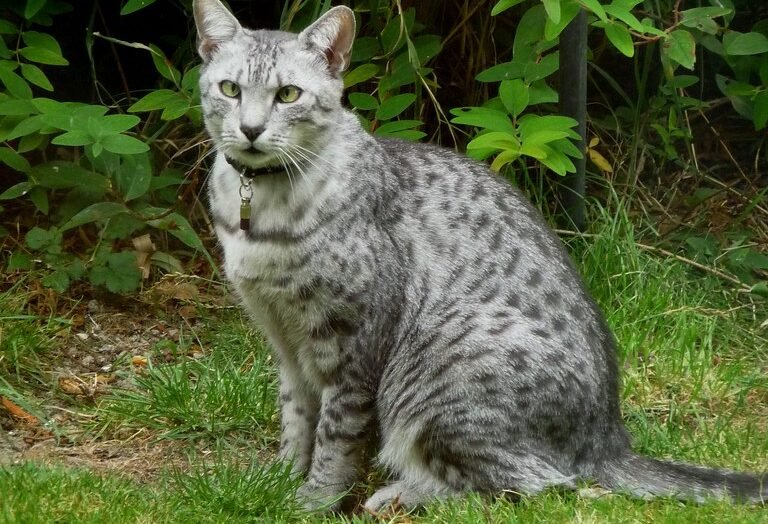
If you want a dog-like cat, the Egyptian Mau is the way to go, yet they are extremely intelligent cats, and if you don’t find ways to keep them mentally stimulated, they can lash out and be challenging to own. Their stunning spotted coats and athletic builds are gorgeous, but their brains need constant engagement.
These cats can be even-tempered and obedient when properly stimulated, yet the flip side is dramatic. When bored or understimulated, their behavior becomes genuinely unpredictable. They might become destructive, aggressive, or develop obsessive behaviors. Their dog-like loyalty means they bond intensely, which sounds wonderful until that loyalty turns into possessiveness or territorial aggression. The challenge lies in consistently meeting their intellectual needs. Miss a few days of adequate mental stimulation and their behavior can shift dramatically. They’re not forgiving of neglect, even unintentional neglect.
Conclusion: Know What You’re Getting Into

Bringing any cat into your home is a commitment, but with these particular breeds, you’re signing up for something significantly more demanding than your average tabby. Veterinarians recognize behavior differences at least between the most different breeds, and these warnings exist for good reason. Each of these breeds can make wonderful companions for the right owner, someone with experience, patience, and the time to meet their unique needs.
The unpredictability isn’t necessarily a flaw. It’s simply part of their genetic makeup and personality. Some people thrive on that challenge and wouldn’t have it any other way. Yet for first-time cat owners expecting a calm, predictable companion, these breeds can quickly become overwhelming. Remember that individual personalities vary within breeds, and early socialization makes a tremendous difference. Still, going in with realistic expectations about behavioral challenges will save both you and your potential feline friend a lot of stress. Are you truly prepared for the whirlwind these breeds can bring into your life?