Ever wonder if your cat truly loves you, or if they’re just pretending to care so you’ll keep filling their bowl? Cats might seem mysterious, even a bit aloof at times, yet they’re actually incredibly expressive once you learn their secret language. Their trust isn’t given freely like a dog’s enthusiastic tail wag or a happy slobbery kiss. Instead, they communicate through subtle gestures and behaviors that reveal the depth of their feelings.
Understanding the difference between genuine trust and polite tolerance can transform your relationship with your feline companion. Let’s be real, sometimes your cat is genuinely smitten with you, and sometimes they’re just putting up with your existence until dinnertime rolls around. If you’ve ever questioned where you stand in your cat’s heart, you’re about to get some answers.
The Slow Blink That Says “I Love You”
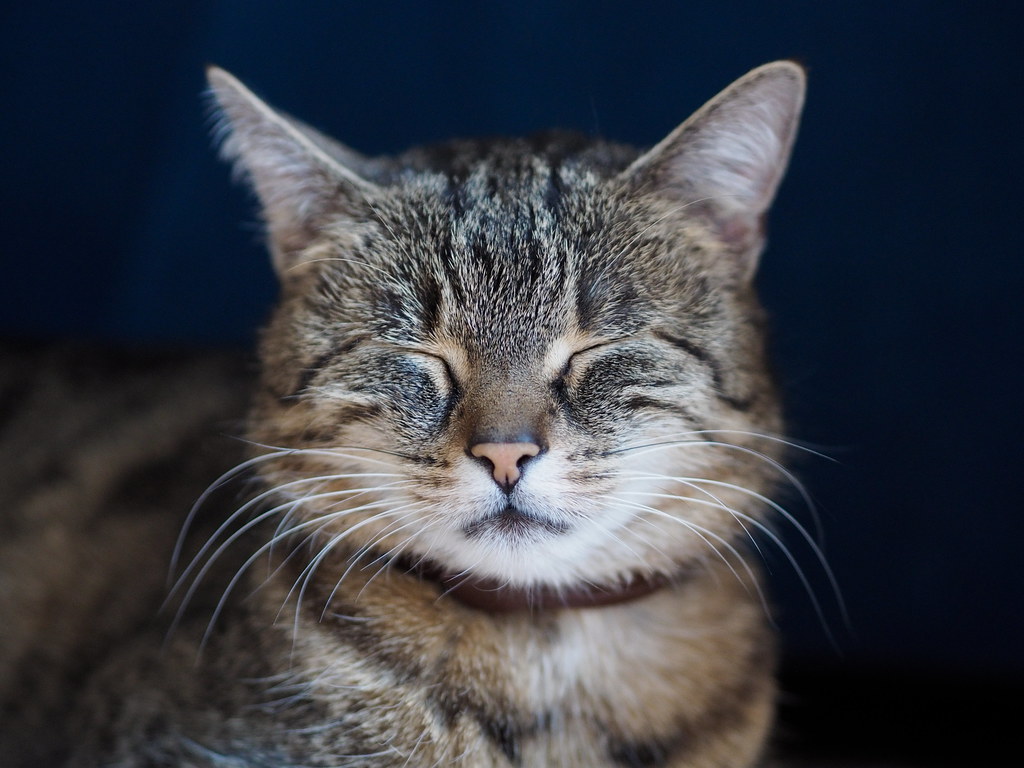
When your cat gazes at you and slowly closes their eyes, they’re offering you what many call a “cat kiss.” This slow blink is a sign of trust and affection that cats use to communicate with each other. Think about it from their perspective. In the wild, closing your eyes around another creature makes you vulnerable to potential threats. Anytime a cat’s eyes are closed, it can’t spot potential dangers nearby. When your cat makes themselves vulnerable by closing their eyes, even for a half-second, you’ve officially made it inside their circle of trust.
Cats are more likely to approach a person who slow blinks than someone with a neutral expression. If your cat catches your eye and offers you this lazy, deliberate blink, consider yourself honored. You can actually return the gesture by slowly closing your eyes at them, which strengthens the bond between you. Not all cats slow blink, though. Some cats prefer showing affection in different ways, and that’s perfectly normal.
Belly Exposure: The Ultimate Compliment
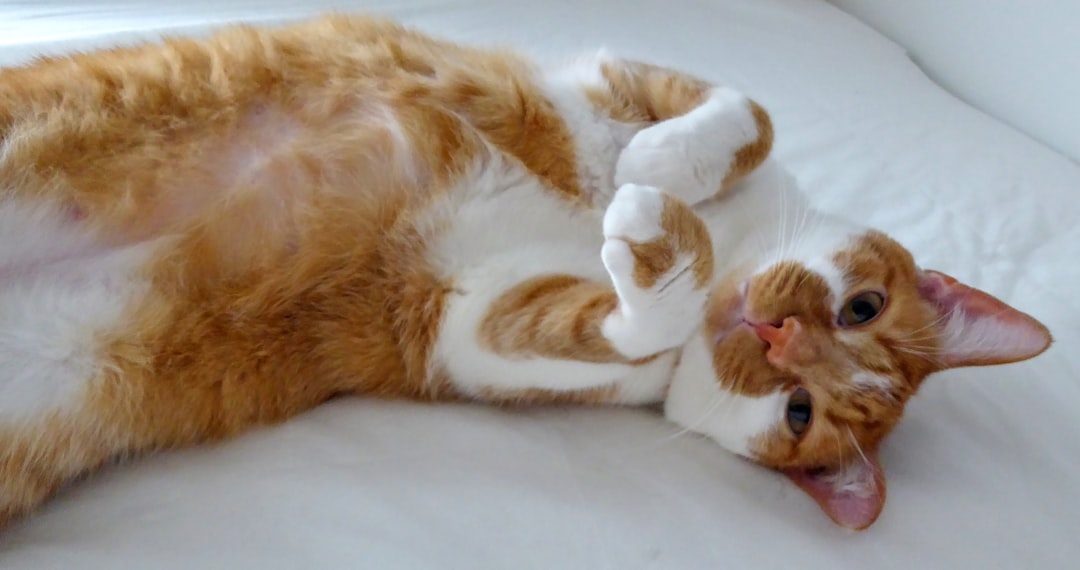
Cats don’t tend to show their belly to just anyone, so if they roll onto their back in front of you, this is a sure sign of trust. The belly is vulnerable, so showing it to you indicates that your cat feels comfortable and relaxed in your presence. This is one of the most profound gestures a cat can make. Their stomach area contains vital organs, and in the wild, exposing this region could mean serious danger.
Here’s the thing, though. The exposed belly is a sign of comfort and trust, but it is not necessarily an invitation for a belly rub. Many people fall into what’s affectionately called the “Venus Cat Trap.” Your cat shows you their belly, you think they want pets, and suddenly you’re dealing with claws and teeth. Not every cat appreciates a tummy rub, and some swipe and grab at any hands that venture anywhere close to that region. So appreciate the fluffy display from a safe distance unless you know your particular cat actually enjoys belly rubs.
Kneading: Making Biscuits on Your Lap
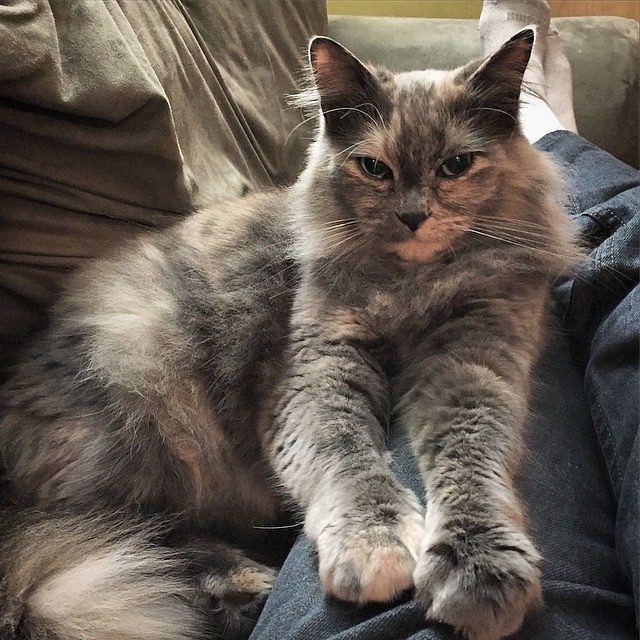
When a cat kneads on you, they demonstrate positive feelings in an instinctual way. This behavior is also a way for cats to release pheromones through the scent glands they have on their paws, to mark you as their territory. At the same time, they’re showing that they’re completely comfortable in your presence because they trust you enough to be that close to you. Kneading is a holdover from kittenhood, when baby kittens would knead their mother’s belly to stimulate milk flow.
When your adult cat kneads you, they’re experiencing the same safe, content feelings they had as a tiny kitten with their mom. Sure, those sharp claws can be uncomfortable, but it’s genuinely one of the most affectionate things a cat can do. Some cats knead blankets instead of people, others might knead the couch cushions. Regardless of what they’re kneading, it’s a sign they feel relaxed and happy in their environment.
Rubbing Against Your Legs Like You’re a Prize

Most of the time, a cat rubbing their head or body against your leg is a very good sign. This is often a sign of greeting, meaning your cat is happy to see you. You may notice this more when you’ve been gone for a long time. Cats have scent glands located on their cheeks, forehead, and the base of their tail, and when they rub against you, they’re depositing their unique scent.
Rubbing against you may serve as a sign of affection or a greeting; it is also a means of marking you as part of the cat’s territory or social group. This behavior helps strengthen the bond between you and your feline friend. By rubbing against you, your cat is reinforcing its connection with you as a trusted companion. Honestly, it’s pretty heartwarming when you think about it. Your cat is essentially claiming you as theirs, telling the world that you belong to them.
Bringing You “Gifts” from Their Hunting Adventures
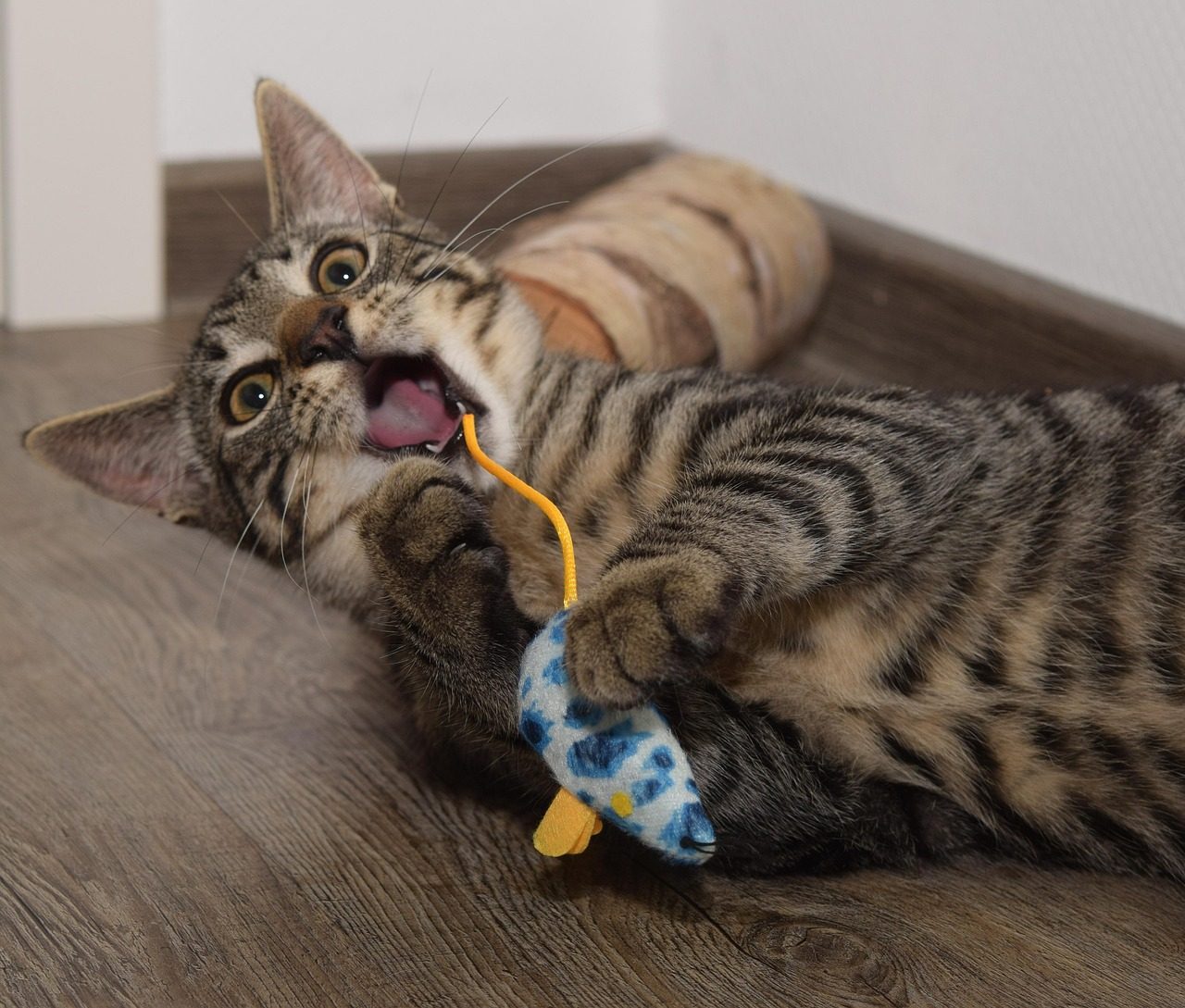
Wild cats would catch food for their young, so your cat’s gift of their latest catch just means they consider you family. If your cat brings you a dead mouse, bird, or even one of their favorite toys, don’t be grossed out. Though these gifts are certainly unwelcome, they’re your cat’s way of saying they consider you a member of their family and want to share their food with you.
This behavior is actually one of the highest compliments your cat can give. They’re sharing their most prized possessions with you. Indoor cats might leave toys by your pillow or at your feet instead. It’s the feline equivalent of cooking dinner for someone you care about. Sure, it might not be the type of gift you’d prefer, but the sentiment behind it is pure love and trust.
Following You Room to Room Like a Shadow
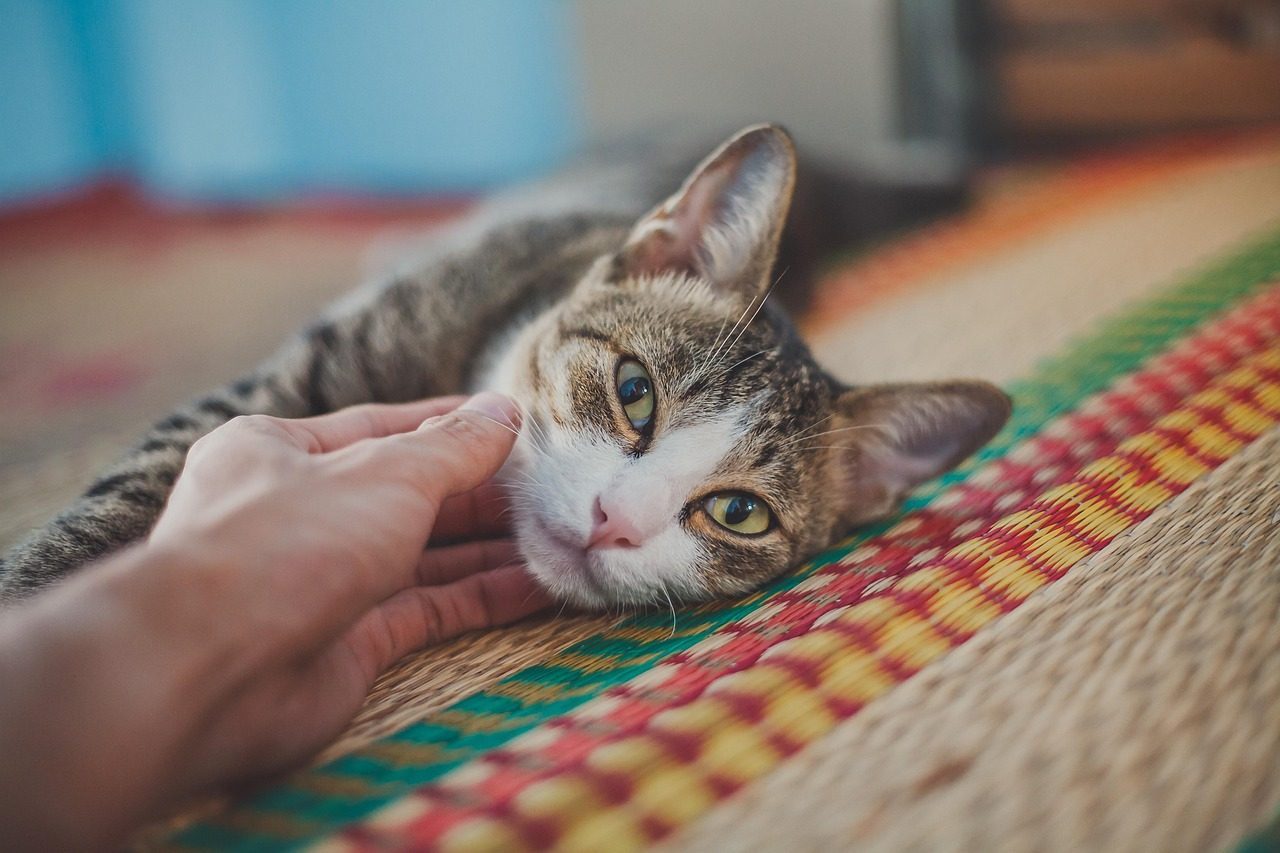
If your cat follows you from room to room or sits at your feet while you’re working, it’s a clear sign that they like being near you. Cats are independent animals, so when they choose to stick close to their humans, it’s a sign of attachment and affection. Think about how selective cats are. They could be napping anywhere in the house, yet they choose to be wherever you are.
This shadowing behavior shows they feel safest when they’re in your presence. Some cats will even wait outside the bathroom door for you, vocalize when they can’t find you, or settle down in whatever room you’re occupying. It’s hard to say for sure, but it seems like they genuinely enjoy your company rather than just tolerating it.
Sleeping On or Near You
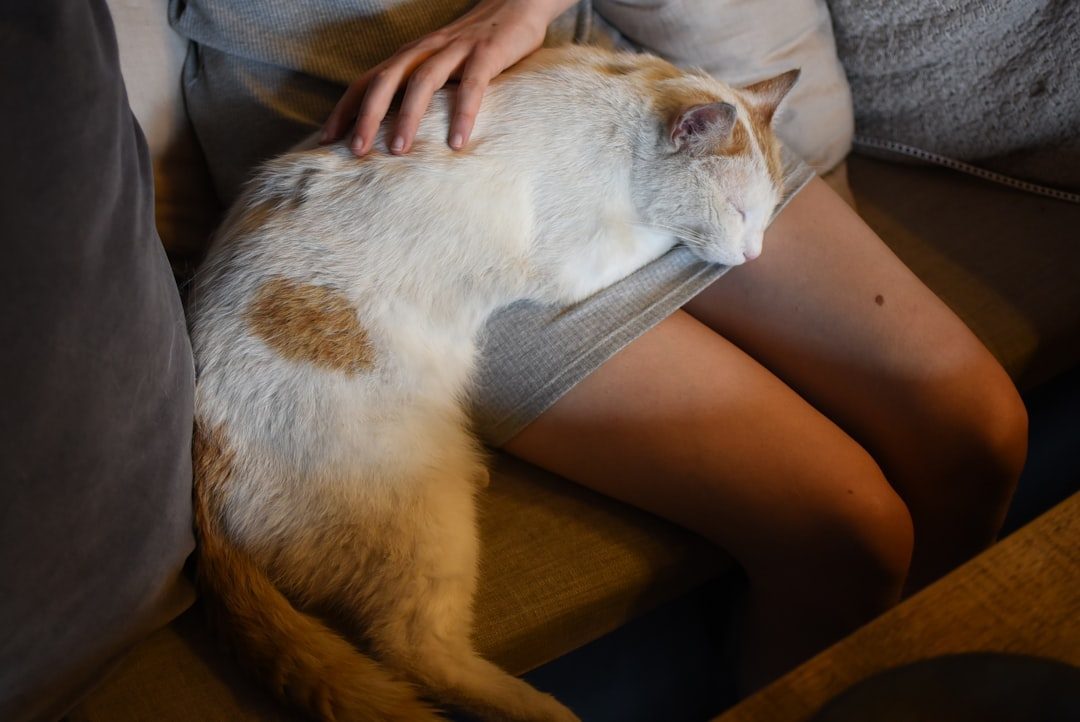
Cats are creatures of comfort, so if your feline friend snuggles up next to you while you’re sleeping or lounging on the couch, it’s a sign that they feel safe and secure in your presence. Cats are vulnerable when they’re sleeping, so when they choose to nap near you, it’s a testament to the bond you share. Sleep is when cats are at their most defenseless. Predators could strike, dangers could emerge, and yet your cat chooses to sleep beside you anyway.
Sleeping next to you, especially in a curled position, indicates that your cat sees you as a source of safety and warmth. Cats that keep a paw or part of their body against you while they sleep are demonstrating trust and bonding behavior. Whether they’re curled up on your chest, nestled at your feet, or just resting nearby on the couch, their choice to sleep in your vicinity speaks volumes about how they feel about you.
Grooming You Like You’re Part of the Family
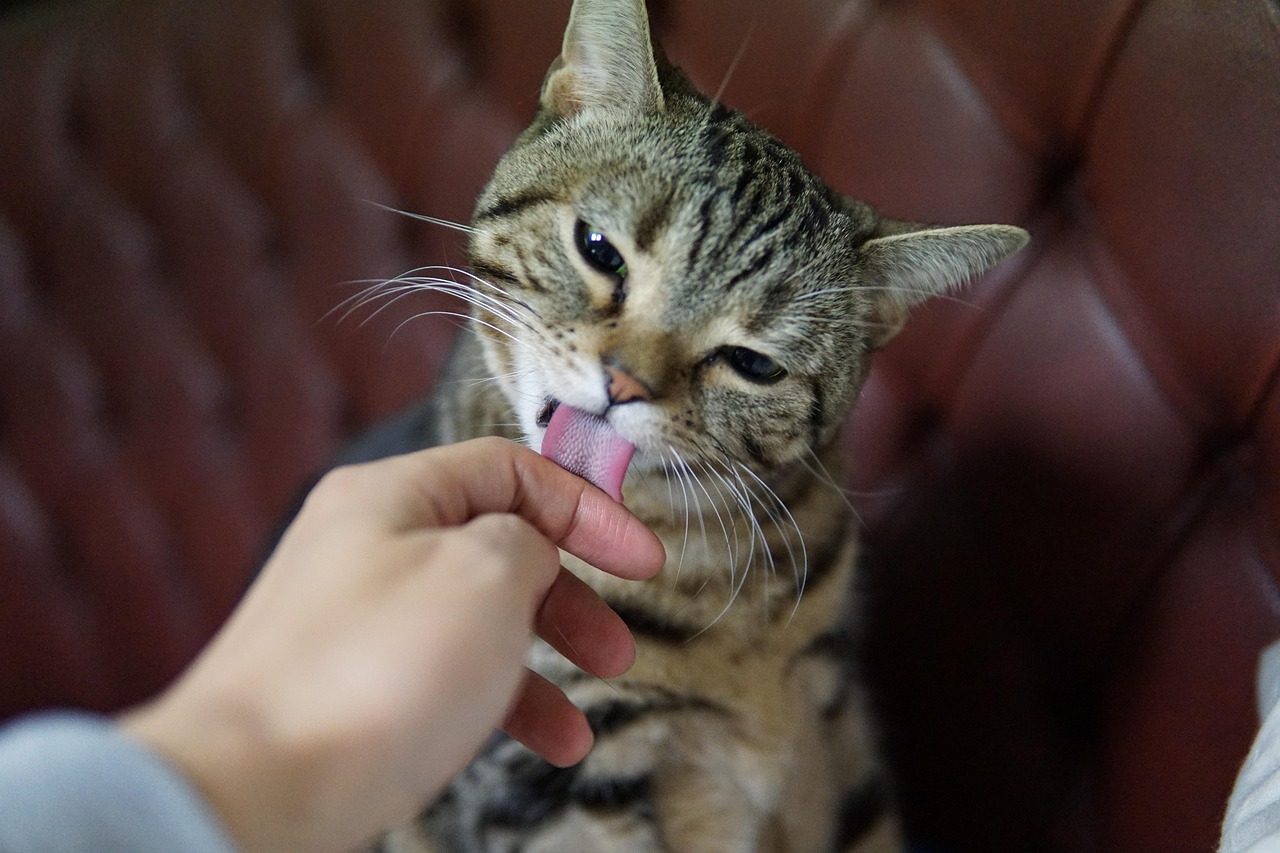
Cats groom one another not only to give a helping paw with keeping clean but also to bond and show love and friendship. So, if your cat grooms you, it’s a sure sign that they’ve bonded with you and are showing that they consider you a member of their social group. When your cat licks your hair, face, or hands, they’re treating you exactly like they’d treat another cat they care about.
When your cat tries to groom you by licking you, it’s a sign of affection – they want to mingle their scent with yours. Sure, their tongue feels like sandpaper and it’s a bit weird sometimes, yet this behavior is incredibly meaningful. Cats only groom those they trust and feel close to. If your cat nibbles at your hair or licks your fingers, they’re showing you love in the most feline way possible.
Purring in Your Presence
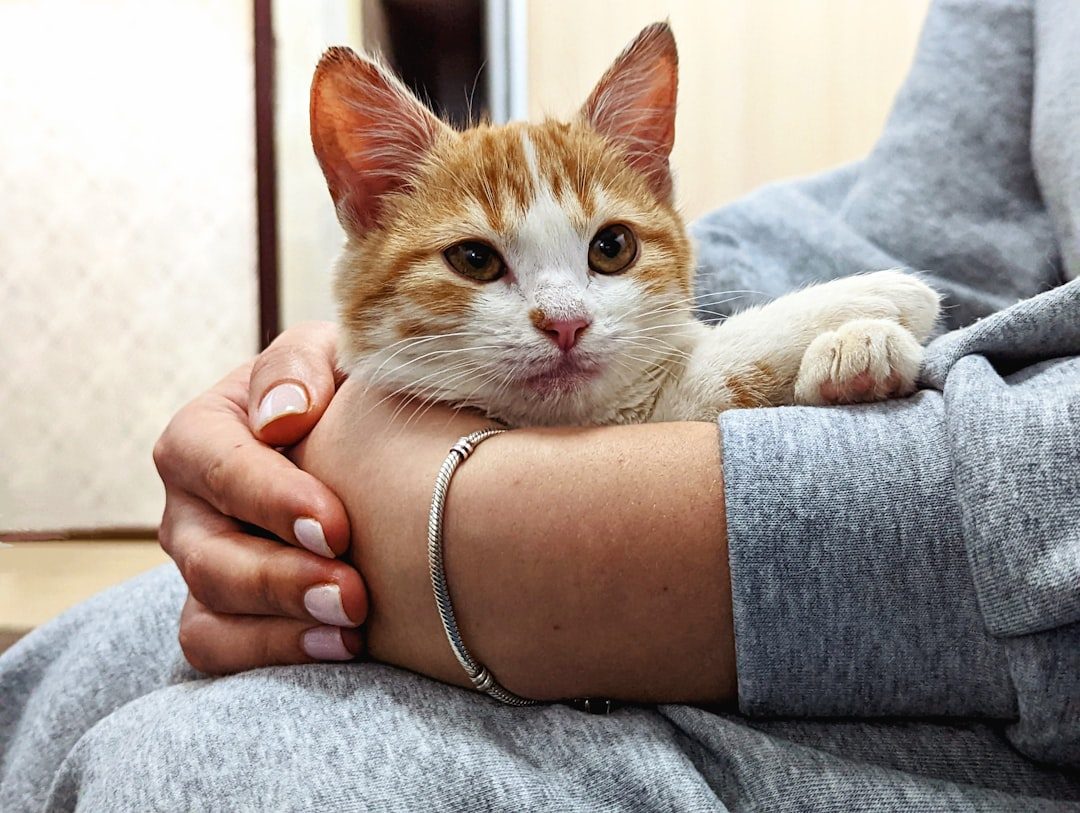
If a cat purrs in your presence, you’re pretty much golden. Cats purr when they feel very relaxed and happy and comfortable. If they’re doing it when they’re sitting by you, or when you’re petting them, you guys are definitely compatible. That gentle rumbling sound is one of the most universally recognized signs of a content cat.
While cats can purr for other reasons like self-soothing when stressed or in pain, context matters greatly. If your cat is relaxed, eyes half-closed, and purring while nestled near you, that’s a clear indication of trust and affection. Some cats purr so loudly you can hear them across the room, while others have quieter, more subtle purrs. Either way, it’s a beautiful sound that signals your cat feels good around you.
Showing You Their Tail Held High
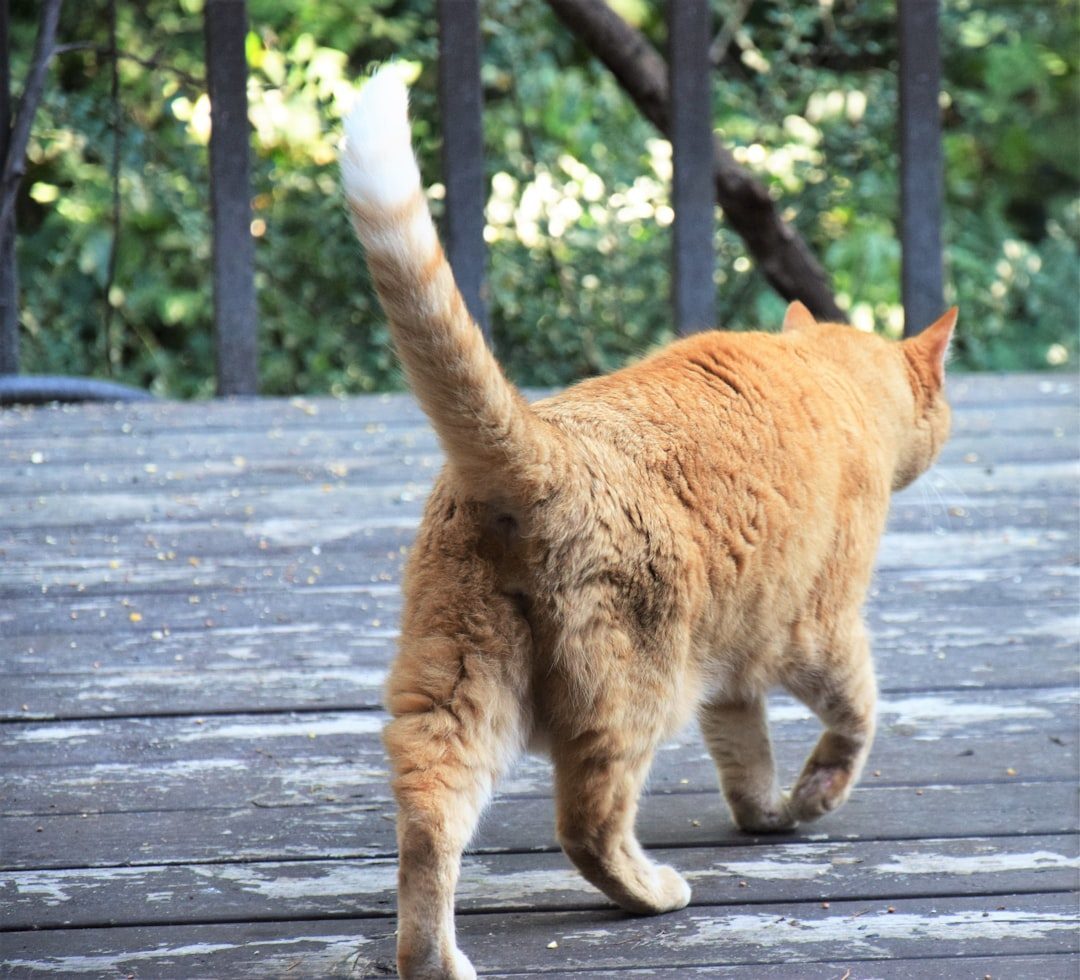
One simple way to know if your cat trusts you is if their tail stands straight up, especially when they sees you or walks toward you. Some cat experts consider it to be a “thumbs up” in cat lingo. If the tail quivers slightly, it’s even more indication that the cat has positive feelings toward you. Tail language is fascinating once you start paying attention to it.
A tail held high with a slight curve at the tip is essentially your cat’s way of saying hello with confidence and happiness. If the tail is quivering a little, that probably means you’re their favorite human and they’re really glad to see you. Next time your cat approaches you with that proud, upright tail, know that they’re expressing genuine affection and trust.
Only Seeking You Out When Hungry
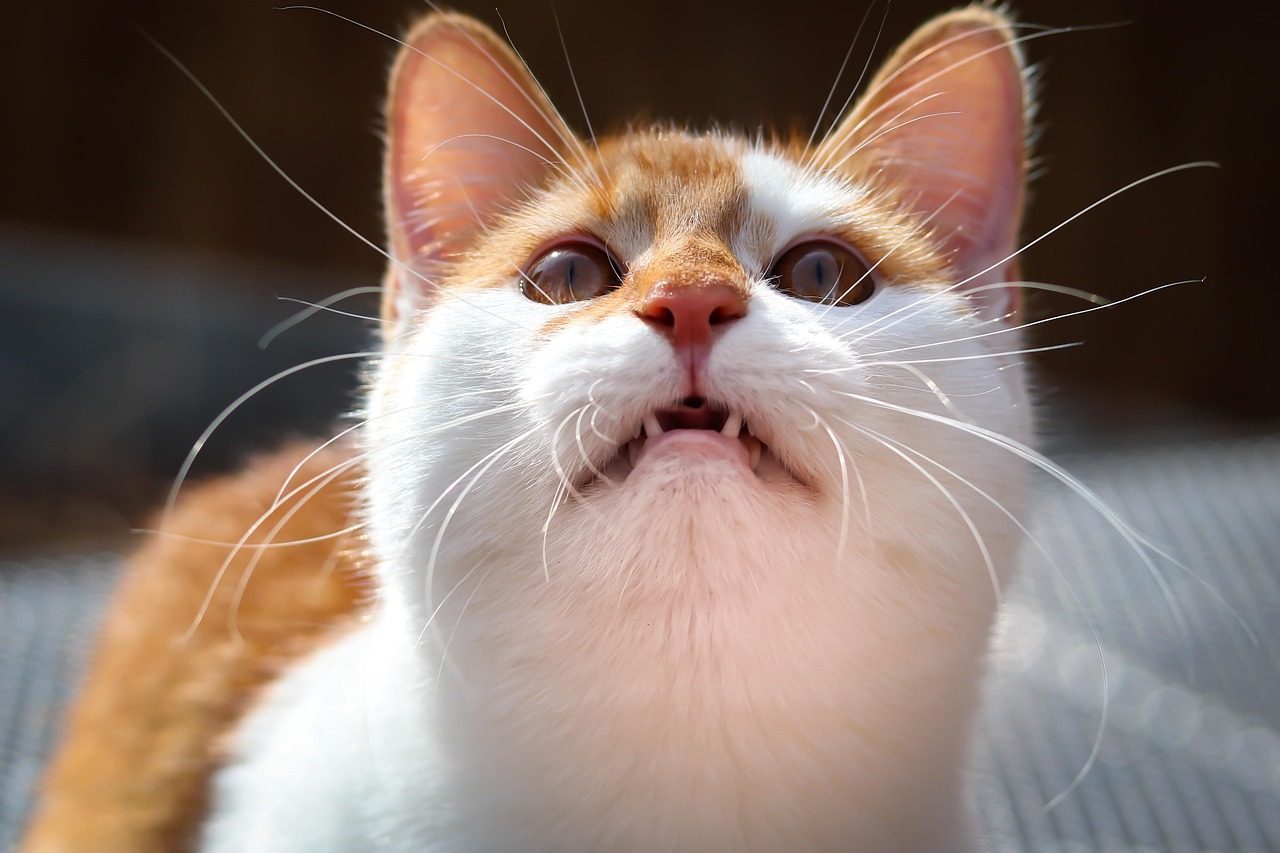
Almost all cats will behave sweetly with you as they get hungrier. A cat that just tolerates you will mainly keep its distance from you at most times. If your cat only appears when it’s feeding time and then vanishes immediately afterward, that’s a pretty clear sign they’re not exactly smitten with you. They’re fulfilling a transaction, not building a relationship.
Cats who genuinely love you will seek your attention throughout the day, not just when their stomach is growling. If your cat only rubs against you right before meals and ignores you the rest of the time, they’re probably just using you for your food-providing abilities. It stings a bit to realize, yet understanding this behavior can help you work on building a stronger bond with them over time.
Avoiding Eye Contact Consistently
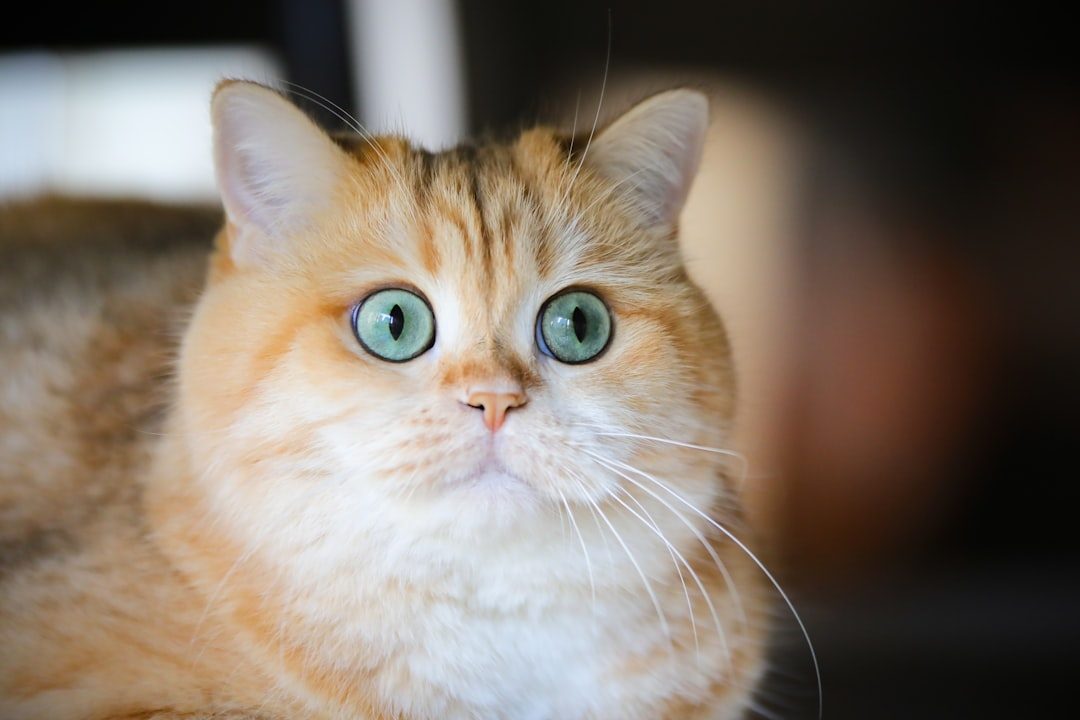
A consistent, unblinking stare is seen as a display of dominance, while a soft, droopy eyelid indicates trust. If your cat consistently avoids making eye contact with you or seems tense when you look at them, they might not feel entirely comfortable around you yet. Cats who trust you will look at you calmly and may even slow blink.
A cat that always looks away quickly, keeps their eyes wide with dilated pupils, or seems on edge around you is showing signs of wariness. This doesn’t mean they dislike you necessarily, but it does suggest they haven’t fully accepted you as a safe presence. Building trust takes time, patience, and respecting their boundaries.
Hiding Whenever You’re Around
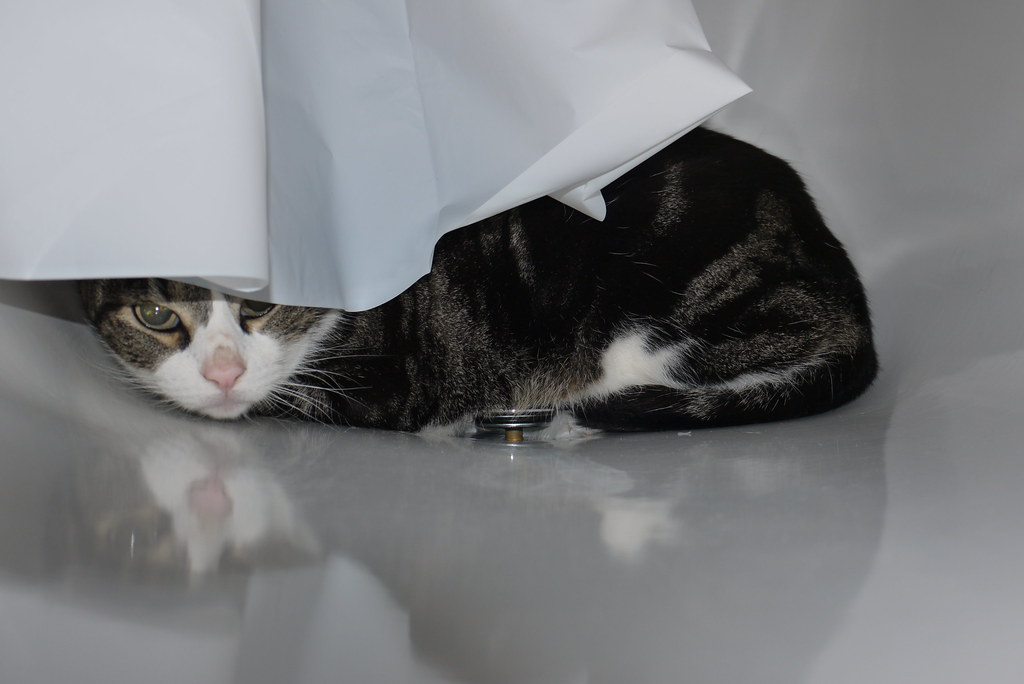
Cats generally enjoy interacting with their family members and owners. Cat owners should watch out for when their pets suddenly display aggressive behaviors and refuse social contact. This behavior can be brought on by stress or anxiety, caused by changes in the household. A cat that consistently hides under the bed, in closets, or behind furniture when you’re home is telling you they don’t feel safe or comfortable yet.
Evasive behavior and hiding indicate that they need more time. Cats need their alone time, sure, but if your cat is always hiding specifically when you’re around, that’s different from just wanting quiet space. They’re essentially removing themselves from your presence, which suggests they’re tolerating the living situation rather than embracing it. With patience, respect for boundaries, and positive interactions, you can help a hiding cat come out of their shell.
Keeping Their Body Low and Tense Around You
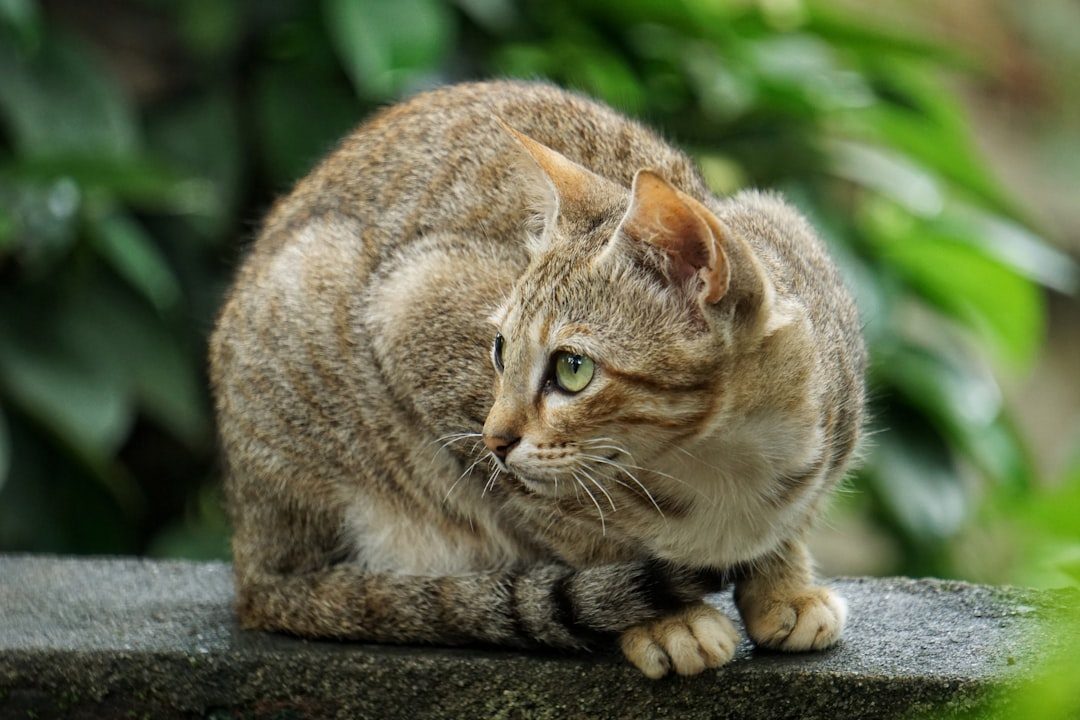
When a cat is feeling stressed, they may have a stiff and tense body held low to the ground. Body posture tells you everything you need to know about how a cat is feeling. A cat who trusts you will move with relaxed, fluid motions. Their body will be loose, their movements casual.
A cat that feels safe and secure will typically lie down in a relaxed, sprawled position. Their body will be loose, with no signs of tension in their muscles. This is the ultimate “I trust you” position. If your cat stays crouched, keeps their body low, and moves cautiously around you, they’re basically saying they don’t fully trust you yet. This is tolerance at best. They’re staying alert and ready to flee if necessary.
Never Purring or Vocalizing Positively
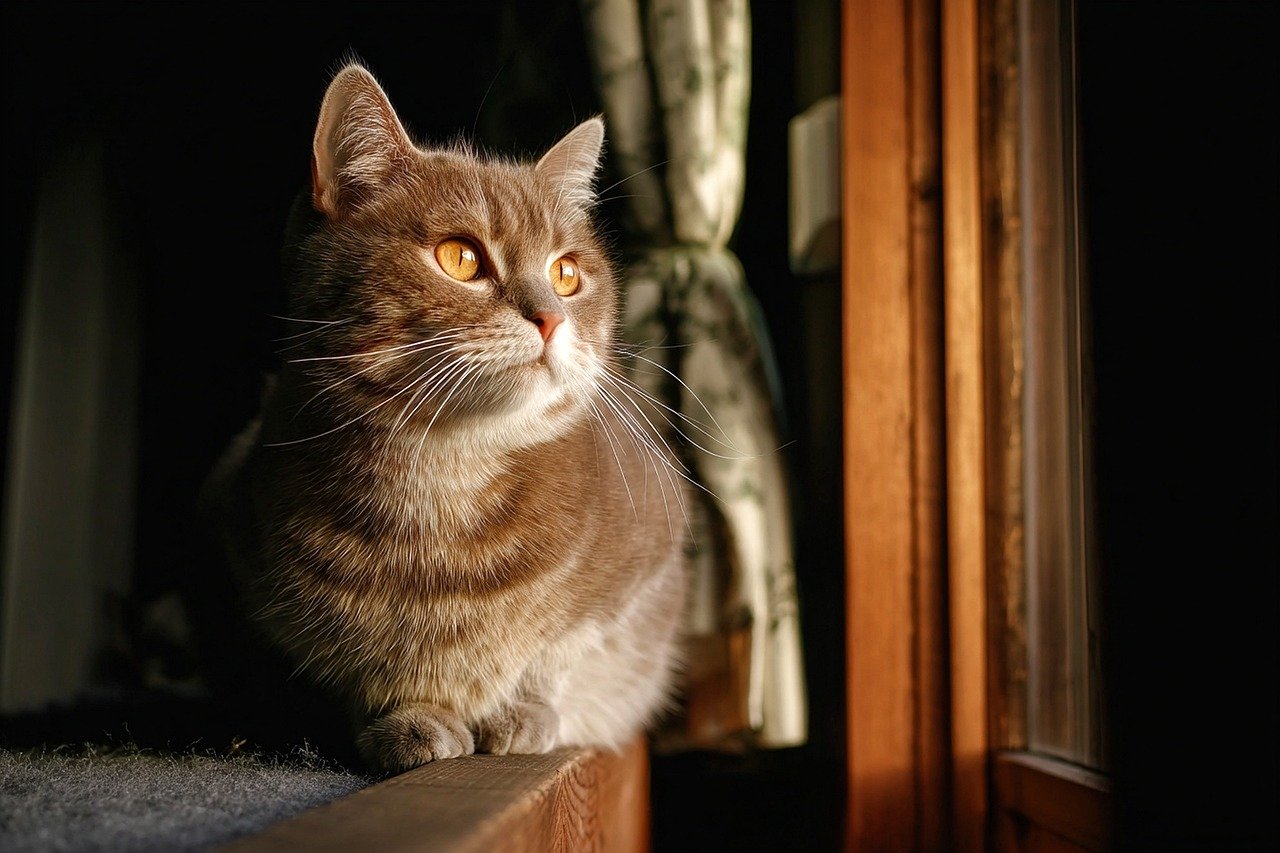
Purring and other vocalizations show that they trust you and your presence. Cats vocalize to communicate with you. While some cats are naturally quieter than others, a complete absence of positive vocalizations can suggest your cat is merely tolerating you rather than bonding with you. Cats who feel connected to their humans will chirp, trill, meow softly, or purr.
If your cat goes from not-that-frequent to frequent talking, it could be a sign that something’s off. However, if your cat never makes contented sounds around you, never greets you with a meow, and remains silent except for occasional hisses or growls, that’s a red flag. They’re keeping their distance emotionally. Some cats take longer to warm up than others, but with consistent care and respect, even the quietest cat can learn to trust.
Understanding the Cat-Owner Bond
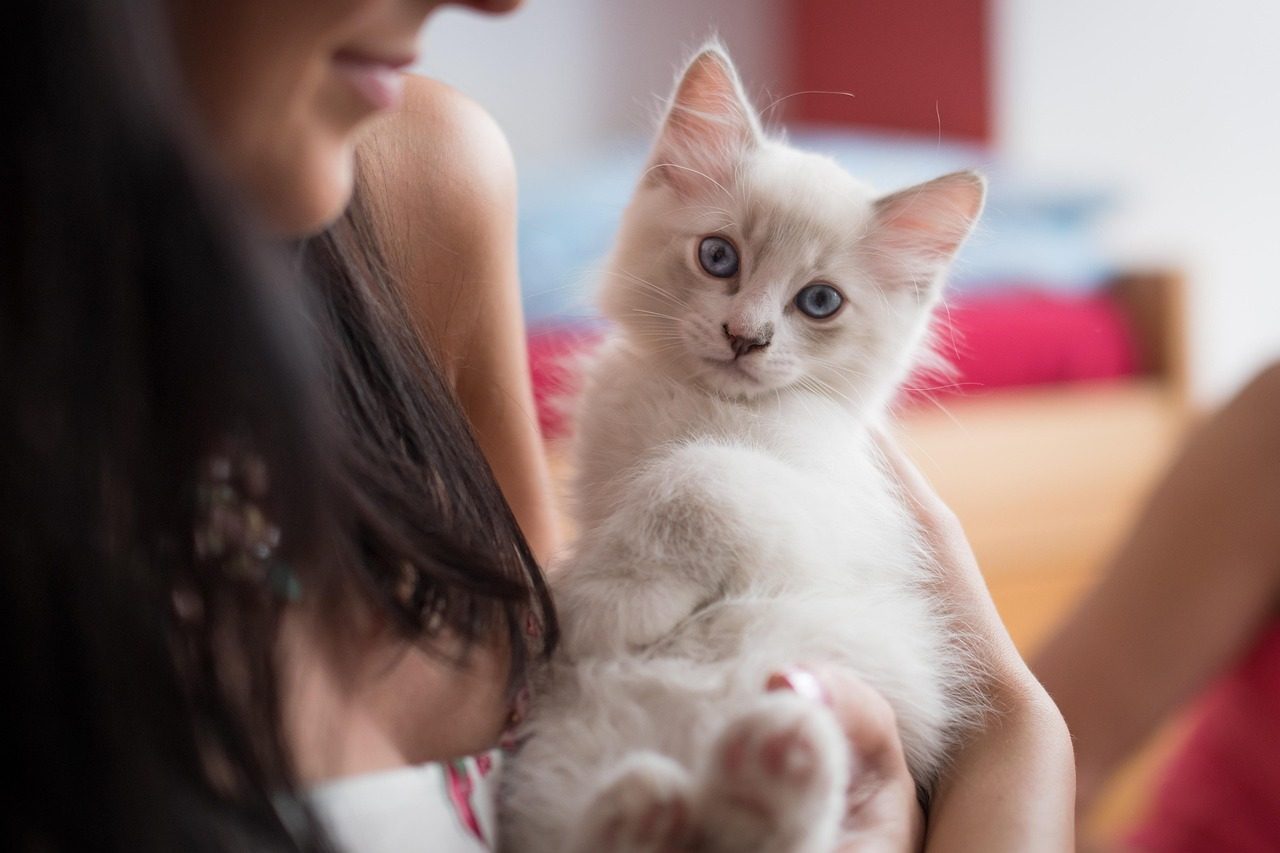
Cats are far from the aloof and solitary beings they’re often made out to be. In reality, they can form deep emotional bonds and meaningful connections with their human companions. The relationship between you and your cat is unique and constantly evolving. Every cat has their own personality, preferences, and ways of showing affection.
Even if your cat doesn’t do all of these things, don’t worry. Every cat is unique and will show you they trust and love you in their own way. Some cats are very in-your-face with their affection, whereas others are more subtle and reserved. Learning to read your cat’s individual signals is key to understanding where you stand in their world. Building trust with a cat requires patience, consistency, and a willingness to meet them where they are emotionally.
The connection between rubbing against legs and trust is particularly interesting. Rubbing is a common cat behavior typically used to signal affection, act as a greeting, or mark their territory. Rubbing and headbutting in the cat community are usually signs of marking territory, acceptance into the group, and greetings and affection. When your cat weaves between your legs after you’ve been out, they’re essentially reclaiming you as part of their family unit.
What do you think about your cat’s behaviors now? Do they truly trust you, or are they just politely tolerating your presence until something better comes along? Pay close attention to these subtle signs, and you’ll gain a much deeper understanding of your feline friend’s true feelings. Did any of these behaviors surprise you?