Ever wonder what your cat is really trying to tell you with all those mysterious sounds? From the gentle trill that greets you at the door to the spine-chilling hiss that makes you step back, felines have developed a surprisingly rich vocabulary to communicate with both humans and other cats. Understanding these vocalizations can transform your relationship with your furry companion and help you respond appropriately to their needs.
Scientists have documented numerous different noises in the cat dictionary, though there are likely many more variations. Each sound serves a specific purpose and carries important information about your cat’s emotional state and intentions. Let’s dive into the fascinating world of feline communication and decode what your cat is really saying.
The Classic Meow: More Complex Than You Think
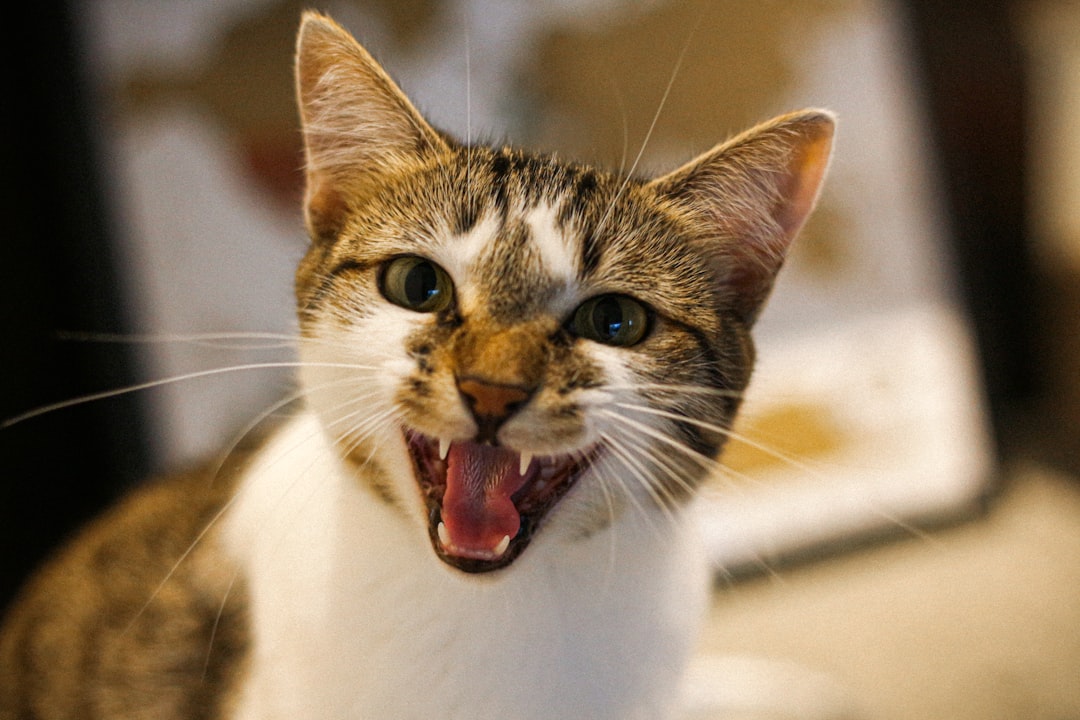
The meow is undoubtedly the most recognizable cat sound, yet it’s far more nuanced than most people realize. Kittens meow to attract their mothers, but in adult cats, the meow is almost exclusively used to communicate with humans. This fascinating evolution shows how cats have adapted their communication specifically for their human companions.
The type of meow can vary – a high-pitched meow, a short and sweet mew, several meows in a row or long and demanding. It really depends on the cat – and what they want from you. Short, cheerful meows typically serve as greetings, while rapid-fire meowing often indicates excitement about your return home.
Pay attention to pitch and duration for clues about your cat’s intentions. Sometimes a cat meow can indicate anxiety, boredom, frustration, or even illness, particularly if it’s lower-pitched and more drawn out compared to the short, high-pitched meow that often signifies a greeting or a want.
The Gentle Trill: A Cat’s Friendly Greeting
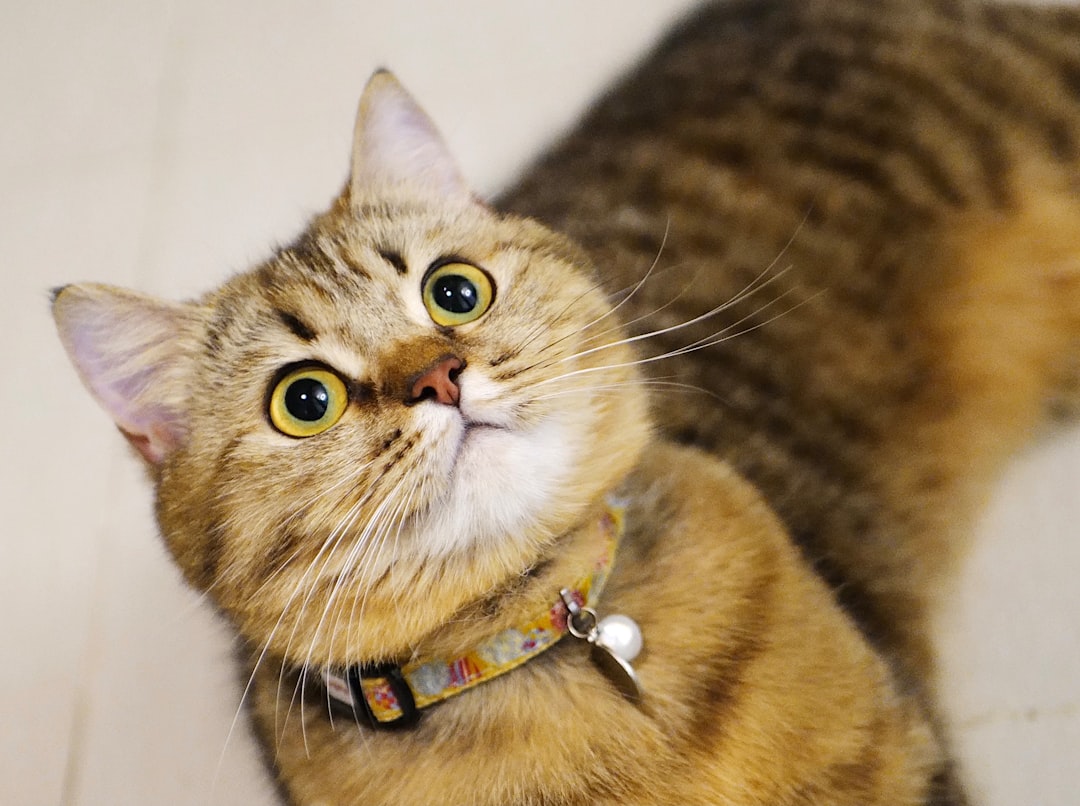
A trill is produced with a soft voice and sounds like a purr but with a higher pitch. This delightful sound represents one of the most positive vocalizations in a cat’s repertoire. A mix between a meow and purr, the trill is often described as a friendly “mrrp” or “cat activation” sound. High-pitched and repetitive, it comes out in short bursts.
Cats use trilling primarily as a greeting or acknowledgment sound. Cats may trill to greet and thank their human family members for something, such as a snack or a pet. It is one of the most common amicable sounds a cat makes. The trill carries overwhelmingly positive connotations and indicates your cat is happy to see you.
Cats trill when they see or approach a familiar and well-liked person, cat, or other animal. Studies show it is specifically associated with positive and familiar situations. When your cat trills at you, consider it a genuine expression of affection and contentment.
Chirping and Chattering: The Hunter’s Language
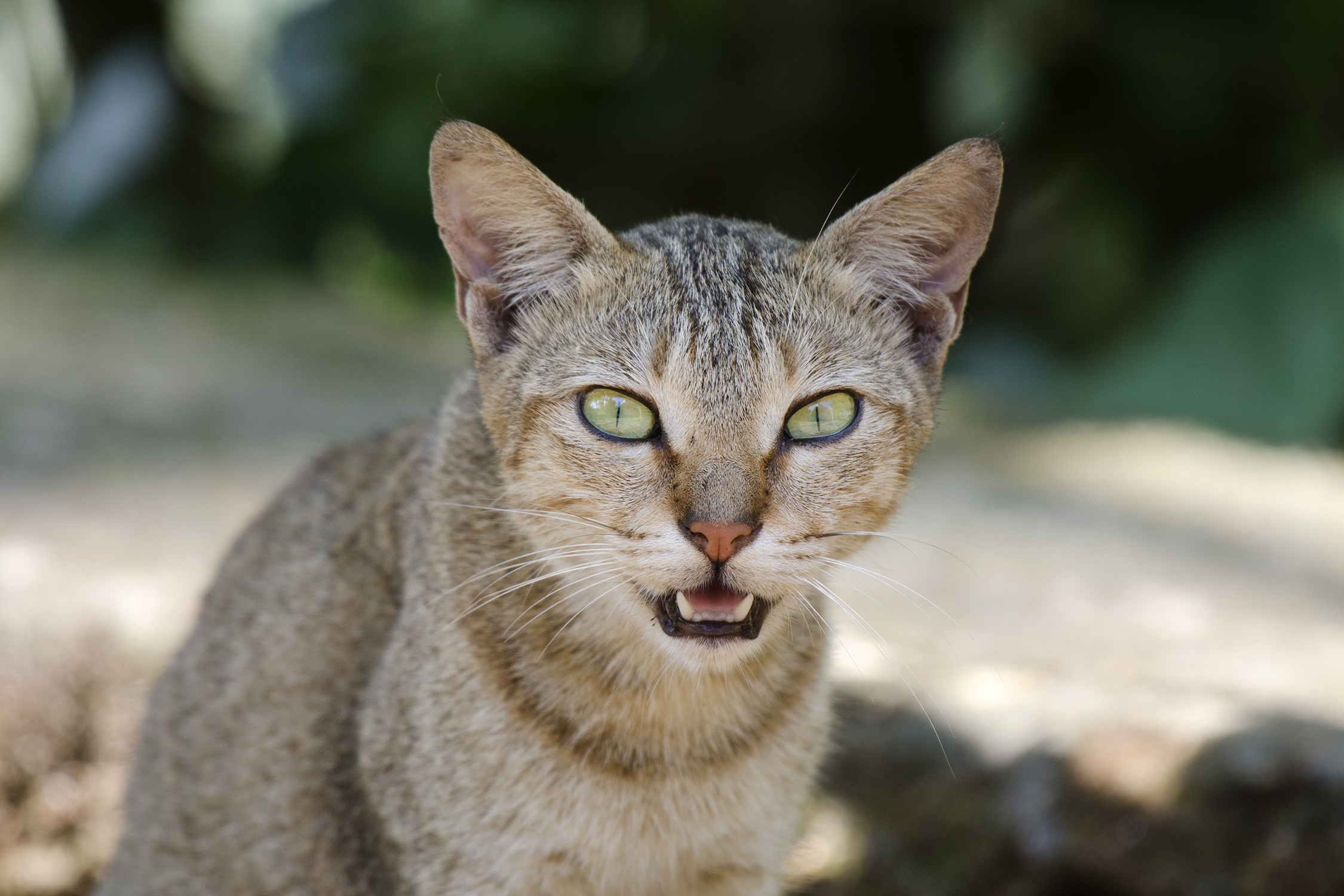
A chirp is a short, high-pitched call that sounds similar to a bird (hence the name). This sound serves multiple purposes in feline communication and reveals fascinating insights into your cat’s instincts and emotions.
Chattering, chittering or twittering are the noises your cat makes when they’re sitting in the window watching birds or squirrels. It usually translates to excitement … or they may be contemplating snack time. This behavior stems from their hunting instincts and represents a mixture of excitement and frustration.
This sequence of short, high-pitched calls is similar to that of a bird. Cat chirrups (also known as cat chirps) are relatively quiet even if the cat feels excited. Adult cats chirrup to get attention and to let other cats or people know their location – sort of like saying, “Hey! I’m over here!”
Purring: Not Always What It Seems
While purring is widely recognized as a sign of contentment, the reality is much more complex. A purr is a low, continuous, rhythmic tone produced during breathing. While most people recognize purring as a sign of contentment and pleasure, purrs can also mean that a cat is scared, sick, or in pain.
Like all feline communication, purring must be evaluated in context with the cat’s body language. If the cat’s ears are back, their pupils are dilated, they’re tense or hunched up, or they’re acting differently than normal, then purring may indicate that the cat is uncomfortable or unhappy. This context is crucial for accurate interpretation.
Cats also use purring as a self-soothing method if they’re experiencing pain, illness, anxiety or fear. Understanding this dual nature of purring helps you better assess your cat’s true emotional and physical state.
Yowling and Howling: Distress Signals
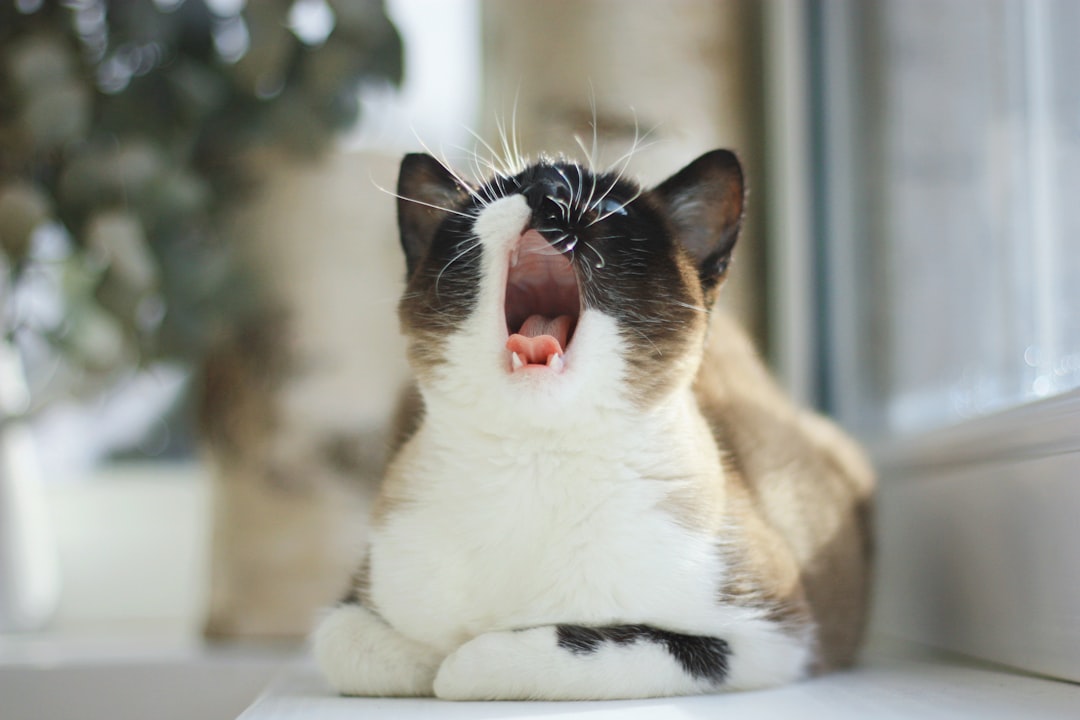
Often described as a louder, longer meow, a yowl is a drawn-out sound cats can make. A howl is similar to a yowl, but typically shorter in duration. These dramatic vocalizations demand immediate attention and investigation.
Yowling and howling are signs that a cat is in distress. This may be physical distress from pain or illness, or emotional distress from worry, frustration, boredom, or confinement. Unlike softer vocalizations, these sounds indicate something requires urgent attention.
Elderly cats may yowl if they suffer cognitive dysfunction syndrome, or dementia. If a cat yowls when the family is away from home, they may have separation anxiety. Cats may also howl or yowl as a warning so other cats don’t intrude on their territory. Unneutered cats may make these sounds as part of mating behavior.
Hissing: The Universal Warning Signal

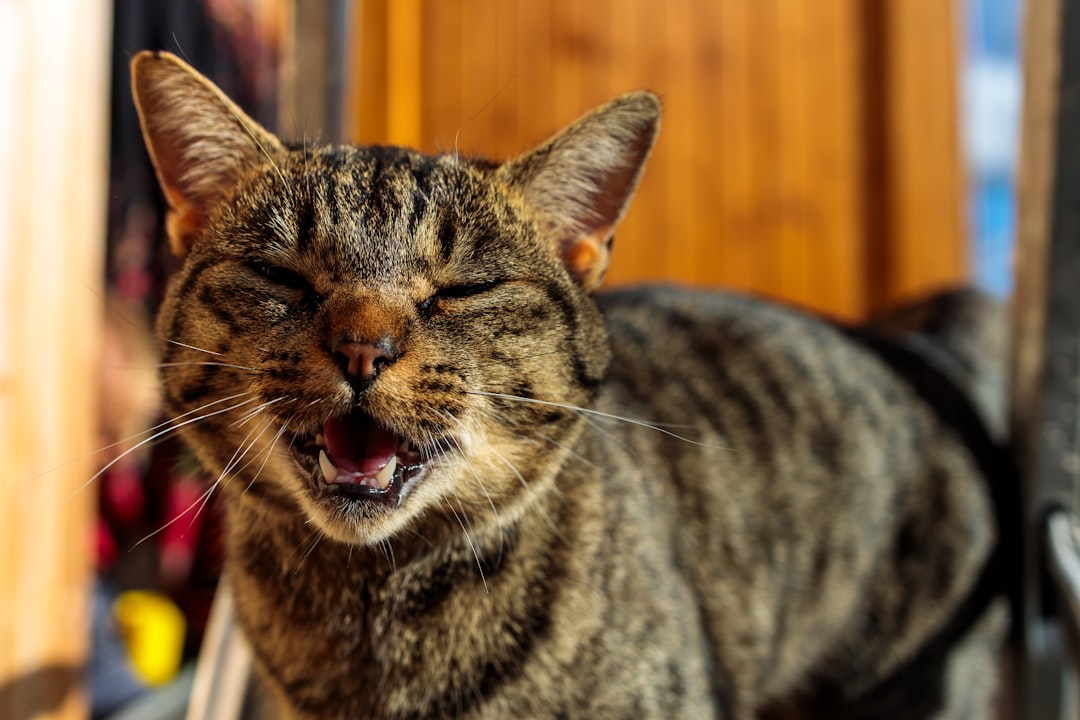
Cat hissing sounds like the hiss of a snake or the sound of air leaking from a car tire. When a cat hisses, they release a sudden burst of air through their mouth, which causes the hissing noise. This unmistakable sound serves as nature’s warning system.
Cats hiss to warn someone or something to back away. It’s a defensive sound, alongside growling, yowling, and spitting. Unlike other feline vocalizations, hissing is involuntary – a natural reaction when they’re frightened, surprised, or experiencing sudden pain or discomfort.
While hissing and growling can seem scary to you, these sounds are typically a sign that your cat is feeling scared themself. Avoid trying to punish your cat for hissing or growling. Instead, respect their communication and give them space to feel safe again.
Growling: The Serious Warning
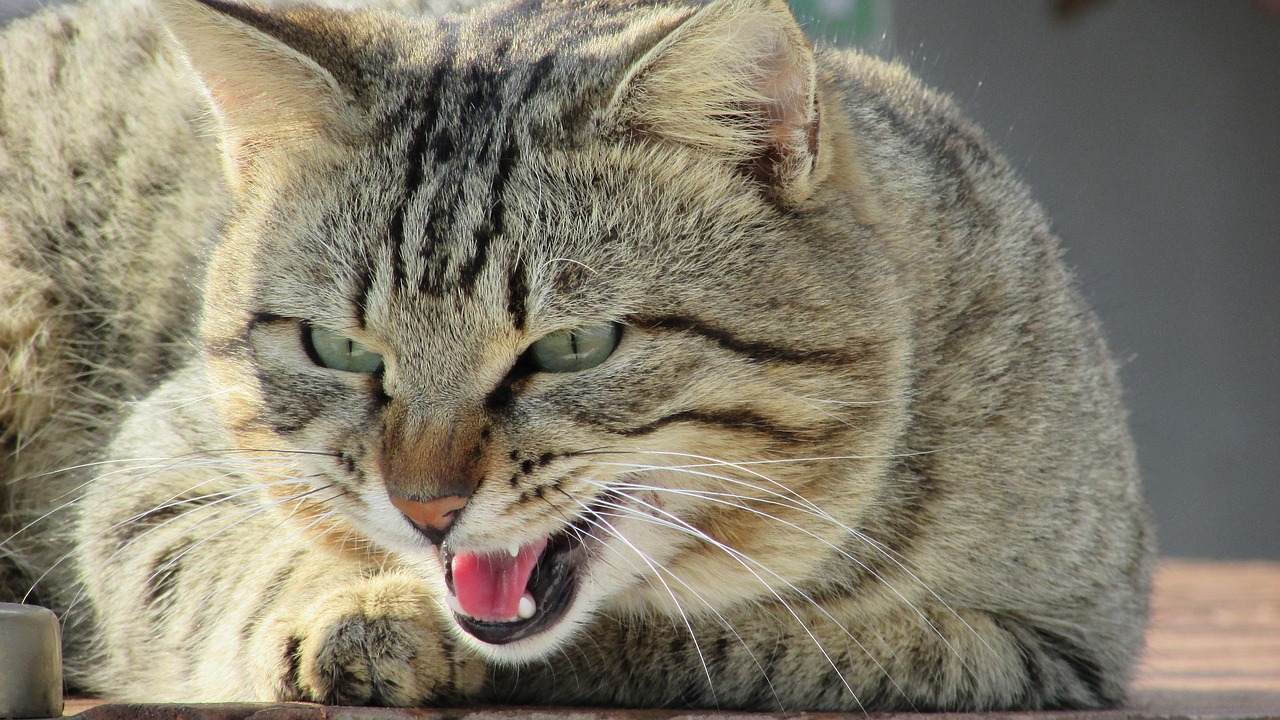
Growling is an indication that a cat feels threatened, frightened, or is about to become aggressive. This sound often increases as the cat’s fear grows. Unlike hissing, growling represents an escalation in the warning system.
Unlike a snarling hiss, cats growl with their mouth closed or slightly ajar. It’s low-pitched, rumbling, and used to signal danger or scare the aggressor. This vocalization demands immediate respect and distance.
Growling is a normal behaviour when cats experience a trigger and want to communicate their discontentment. Just as there are various reasons why cats purr, cats can growl to communicate when they’re feeling pain, anger, fear or territorial, as well as physiological reasons. Understanding the underlying cause helps determine the appropriate response.
Caterwauling: The Mating Call
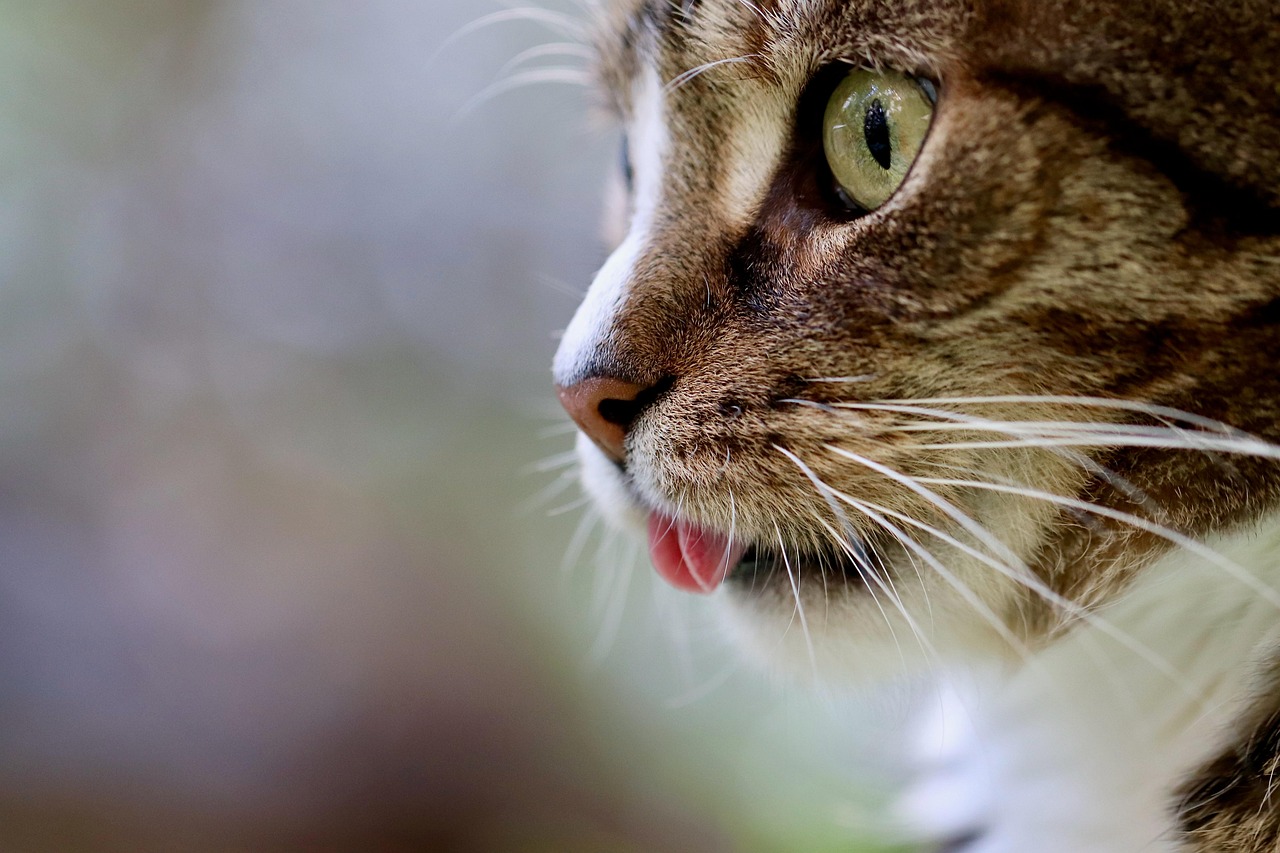
A caterwaul is a loud, long whine made by unspayed females to attract prospective mates while in heat. This distinctive vocalization serves a specific reproductive purpose but can be quite disturbing to human ears.
When directed toward human family members, it is used to express pain, discomfort, fear, or a desire for attention. The context becomes crucial in determining whether this represents mating behavior or another form of distress communication.
Caterwauling typically occurs in unaltered cats and can be resolved through spaying or neutering. If your spayed or neutered cat exhibits this behavior, it may indicate other underlying issues requiring veterinary attention.
Spitting: The Intense Warning
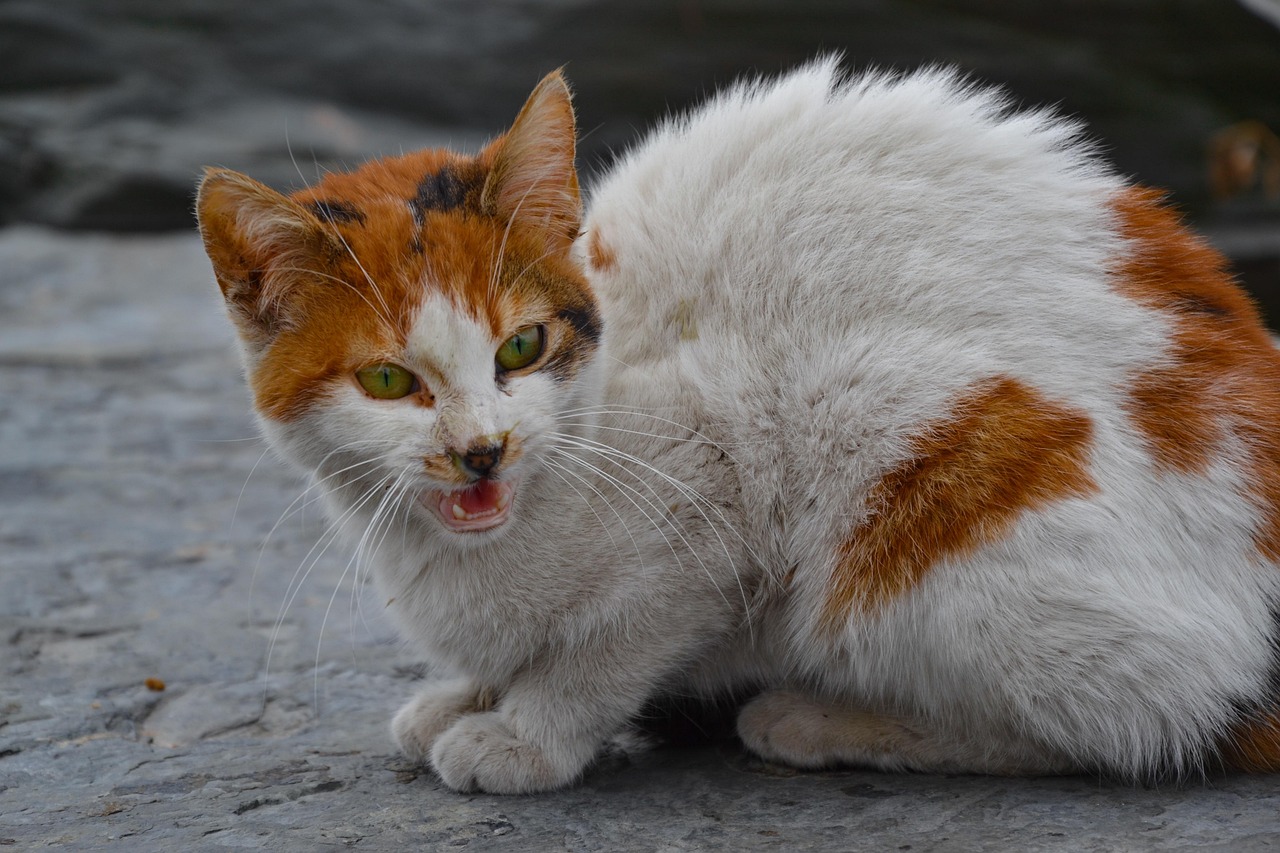
A spit is a sudden, short, explosive burst of noise, often accompanied by a quick, lashing-out movement. The spit is basically a more intense variation of a hiss and, like hissing, it’s an involuntary reaction in response to a perceived threat or enemy.
Cats might also make a spitting sound, a more intense variation of a hiss with no saliva being projected. “We believe this sound is universally understood across all major species of animals. It’s like an international warning,” he says. This represents one of the most serious warning signals in feline communication.
While some referring to hissing as spitting, it’s typically the same thing: an intense breathing out with a hard stop. It’s often used as a defensive aggressive response. When cats reach this level of vocalization, immediate intervention and space are essential.
The Mother-Kitten Connection: Learning Communication
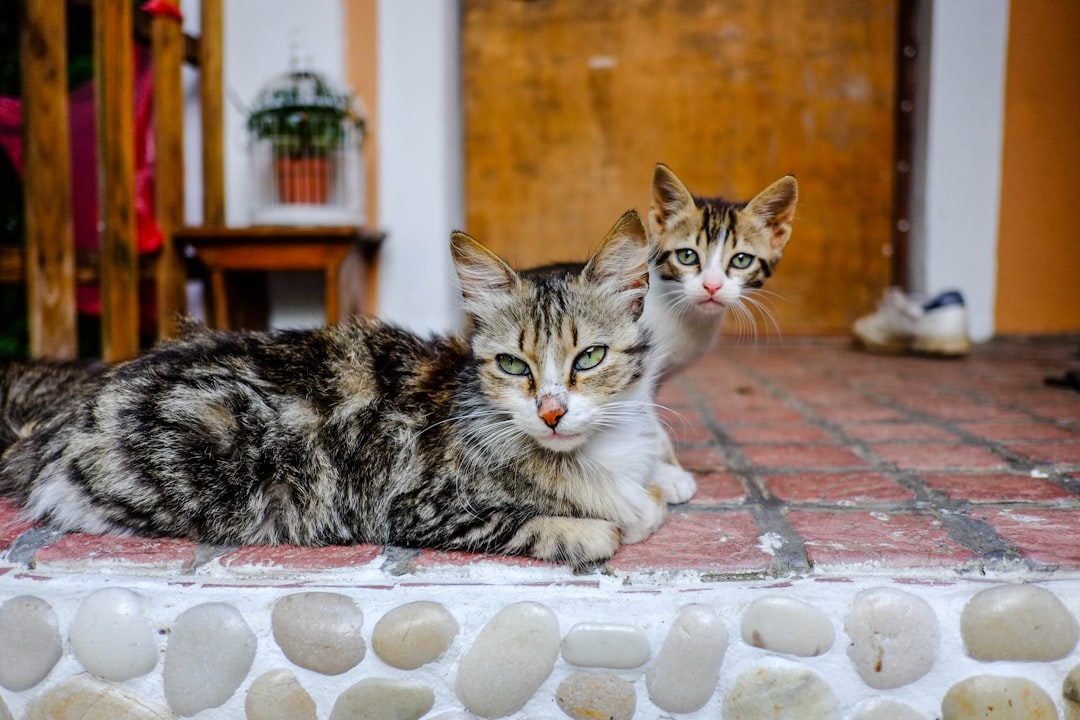
Chirps and trills are how a mother cat tells their kittens to follow them. Aimed at you, it probably means your cat wants you to follow them, usually to their food bowl. This maternal communication pattern often carries over into adult cat behavior with humans.
The queen (mother kitten) uses a trill to communicate to her kittens, initially when she is nursing them as a way to show affection and to provide comfort. As they are weaned, she uses a trill or a chirp to gain their attention so they will follow her. Kittens learn to mimic the queen at a young age and trill at each other.
This early learning establishes the foundation for lifelong communication patterns. Cats learn to hiss when they’re kittens, around two weeks old. It’s also around this time that socialization with humans is the most important. “A kitten who hasn’t been well handled by about five to six weeks of age is going to hiss,” Quandt explains.
Conclusion: Understanding Your Cat’s Voice
Decoding your cat’s vocalizations opens up a whole new dimension of communication and understanding between you and your feline companion. Each sound serves a specific purpose, from the loving trill that greets you at the door to the urgent yowl that signals distress. By paying attention to context, body language, and the nuances of each vocalization, you can respond appropriately to your cat’s needs.
Remember that changes in vocal patterns often indicate health or emotional issues requiring attention. You can better understand your furry friend by paying attention to their vocalizations, body postures and daily routines. In time, you may become so attuned to your kitty’s personality and habits that you’re able to detect subtle changes in their mood and even recognize health problems before physical signs of illness appear.
The next time your cat vocalizes, take a moment to truly listen. What are they trying to tell you? Understanding their language strengthens your bond and helps you become the companion your cat deserves. What new sounds have you noticed from your feline friend? Share your experiences in the comments below!