Most people assume cats are basically untrainable. You know the stereotype – your dog sits on command while your cat stares at you like you just said something embarrassing. Honestly, that assumption couldn’t be more wrong. Cats are clever, curious, and surprisingly motivated little creatures, once you figure out what makes them tick.
Teaching tricks offers real mental stimulation and genuinely strengthens the bond between you and your cat. It also adds a layer of well-being to your cat’s life by reducing stress and boredom, while stimulating their brain and mental acuity. The secret is knowing how to work with a cat’s personality rather than against it. So let’s dive in, because what you’re about to discover may completely change how you see your feline friend.
1. Come When Called: The Foundation Trick That Could Save Their Life
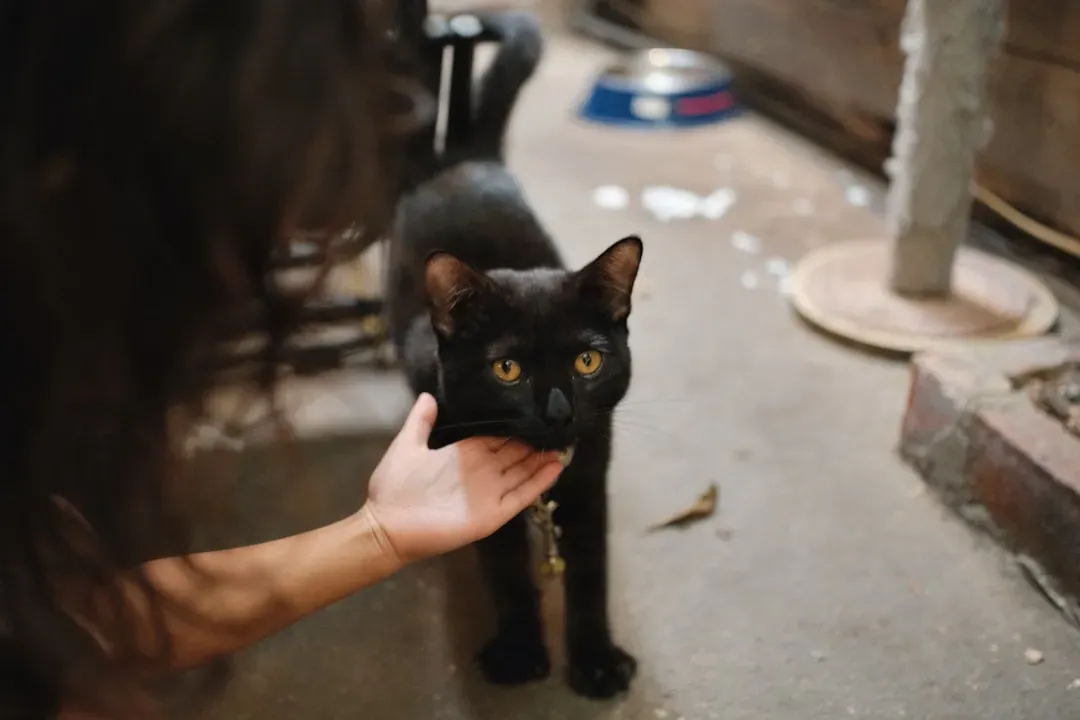
Here’s the thing – most dog owners wouldn’t consider “come when called” a real trick, but for cat owners, getting a feline to actually respond to their name? That’s practically magic. Teaching your cat to come when called isn’t just practical – it can keep your pet safe. Think of it like teaching a toddler not to run into traffic. It’s not flashy, but it matters enormously.
Start in a quiet room without distractions, call your cat’s name, and reward them immediately with a treat and affection when they approach. Repeat this at various distances and add the command “come.” You can mix up practice by hiding and calling your cat, turning training into a fun game of hide-and-seek. It’s one of those tricks that feels silly at first and then becomes genuinely useful the first time your cat bolts out the front door.
2. Sit: The Classic Starting Point Every Cat Can Master
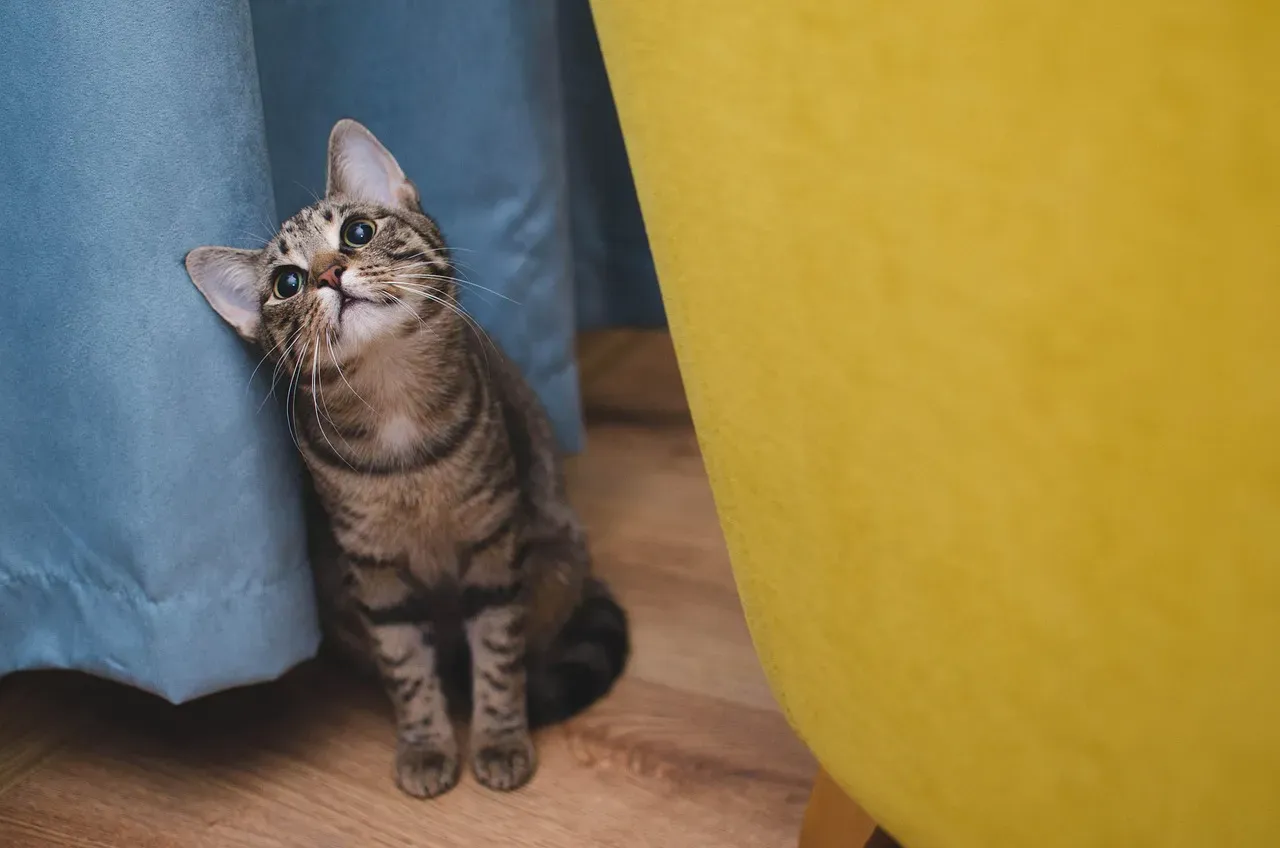
The easiest trick you can teach your cat is to sit – and it’s probably the most common trick people teach their cats, for good reason. Think of it the way you’d think of learning scales before playing the piano. It’s a building block, not just a party trick.
Have the treat in your hand and let your cat see and smell it. As your cat smells the treat, move it upward and slightly back over their head. As their nose moves up, their haunches naturally go down. Say “sit” when your cat sits, and give the reward at the same time. Sitting is also a solid starting point for other, more advanced tricks! Once your cat has this one locked in, everything else becomes easier to build on.
3. High Five: The Show-Stopper That’s Easier Than You Think
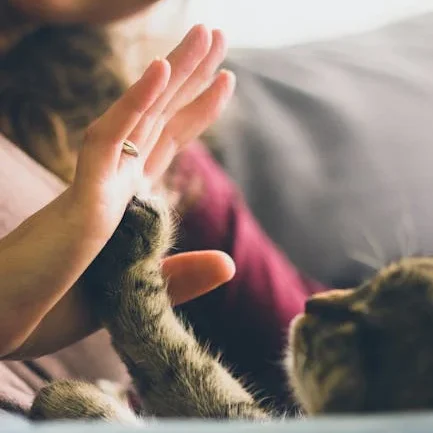
High five looks impressive, but it is actually an easy trick. I know it sounds crazy, but you can genuinely have your cat slapping your palm within a few short training sessions. It’s one of those moments that makes guests at your home do a complete double-take.
Get eye-level with your cat and hold their favorite treat out in front of them. When they paw your hand, click and reward. Once your cat learns that pawing your hand results in a treat, you can say “high five” with one palm open, and offer them a treat with your other hand. Just be sure to pick one name for the trick and stick with it, whether it’s “high five,” “shake,” or “fist bump.” Consistency is everything here.
4. Shake Hands (Give Paw): The Charming Gentlecat Greeting
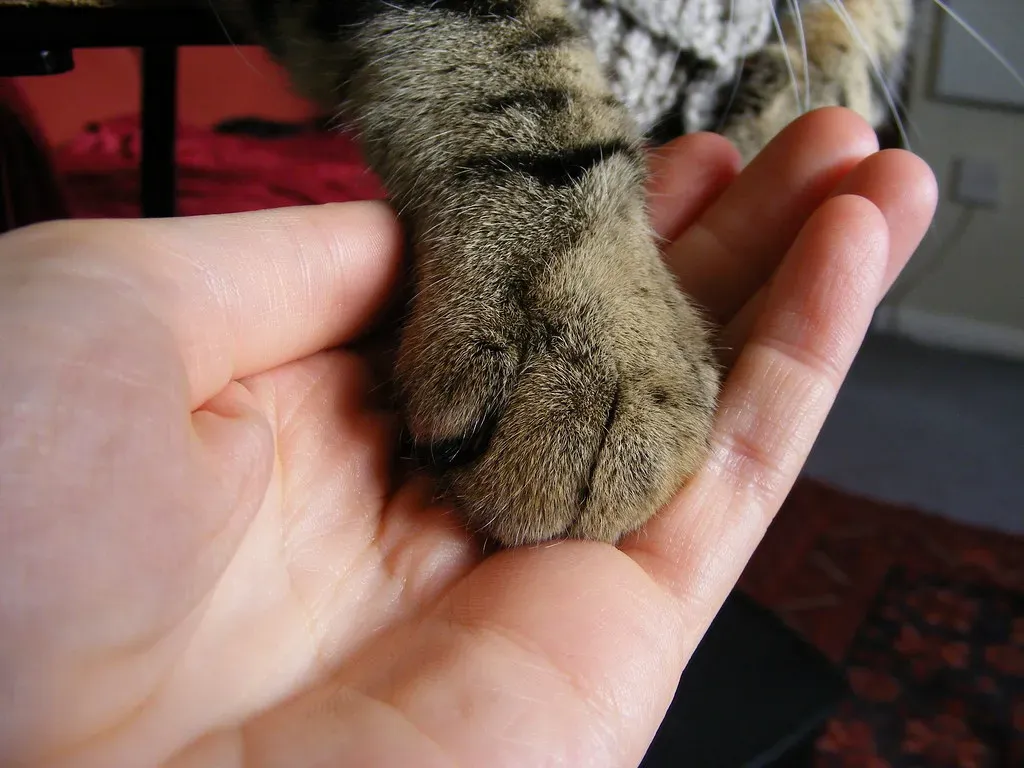
Training your cat to shake hands isn’t as tough as it sounds, and you’re sure to impress your fellow pet parents once your cat masters this skill. It’s basically a variation of the high five, just positioned differently – more of a civilized, understated greeting than a celebratory slap.
One of the best training methods for this trick is to get your cat to sit first. Then, while they’re focused on you, give the command “give paw” and hold their paw lightly for a few seconds. As this training method requires you to grab your cat’s paw, you’ll want to ensure they’re in the perfect mood for a training session; otherwise, your tiny tiger might react badly. Timing really is everything with this one.
5. Spin: The Twirling Trick That’s Pure Joy to Watch
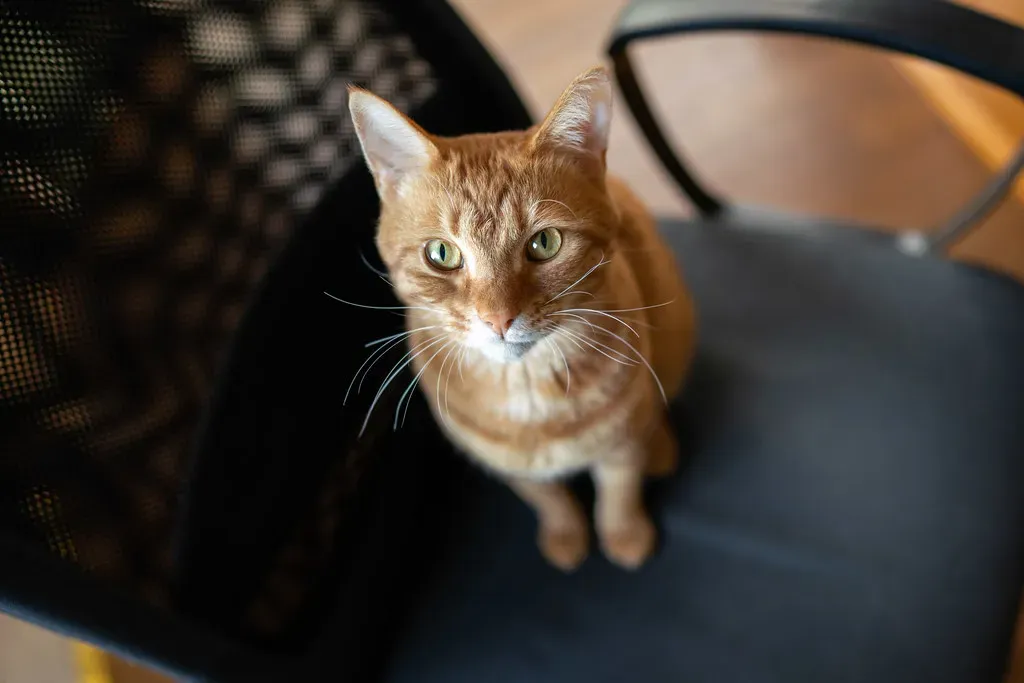
While “sit” and “come” are more practical tricks, “spin” is a genuinely fun one. This trick is easy to learn if your cat can associate the command with the action. Watching a cat spin in a perfect little circle is honestly one of the most satisfying things you’ll ever see as a pet owner. It never gets old.
Hold a treat just above your cat’s head to gain their attention, then move your hand in the direction you want them to spin and give the command “spin.” Once they complete the spin, give them their treat. Practice this in both directions to challenge your cat, and adjusting spin speed while including it in trick sequences can enhance your cat’s playtime enjoyment. It’s one of those tricks that grows with your cat’s confidence.
6. Lie Down: The Calm Command That Builds Real Obedience
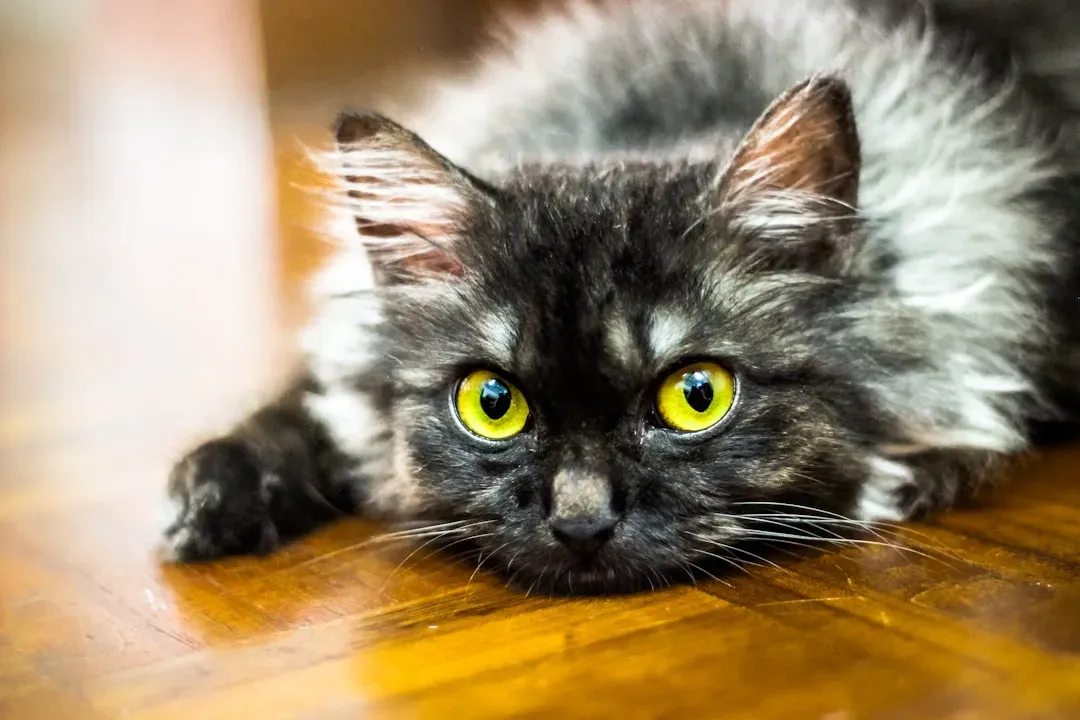
You might think “lie down” is a trick only for dogs, but your cat can absolutely nail this one. It requires a little more patience than “sit,” but once mastered, it becomes a useful tool for calming an excitable kitty or managing their behavior in specific situations.
You can put a treat in your hand and slowly place it on the floor and hold on to it. Your cat will probably lie down facing it at some point. At the start, give the treat at the first sign of lying down and lure your cat further and further into a lying position. If your cat has understood what is expected from them, you can introduce a command – the gesture of a hand being brought down is particularly useful here. Think of it as teaching stillness, which is its own kind of impressive.
7. Target Touch (Nose to Finger): The Invisible Building Block
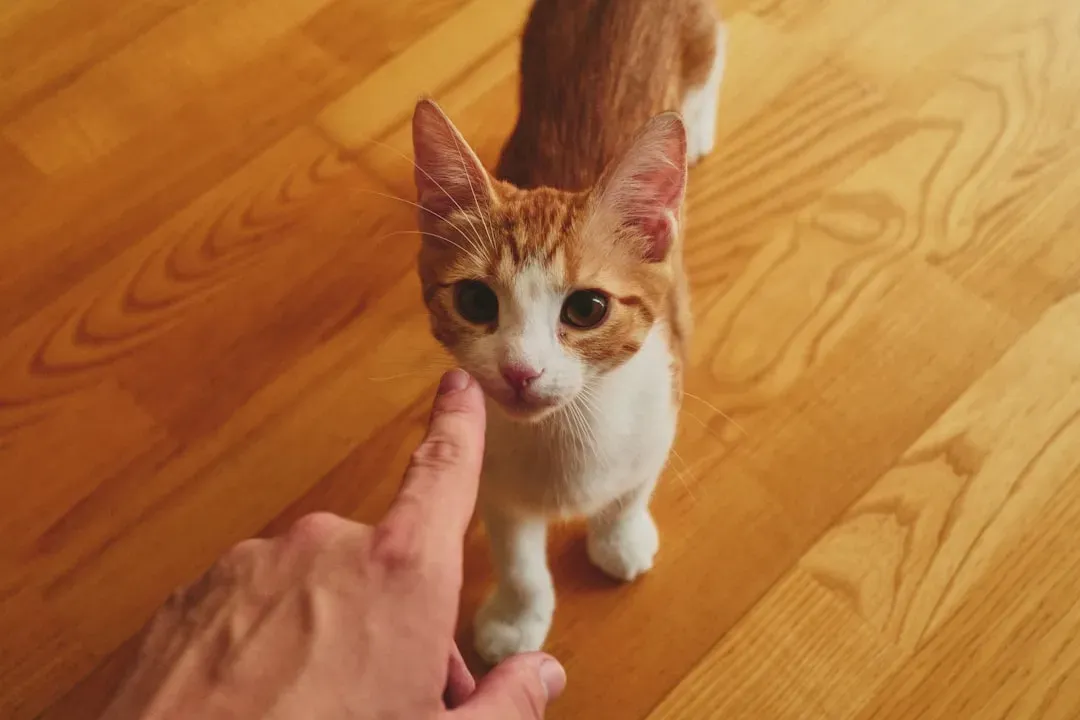
This one doesn’t look flashy at a dinner party, but honestly, it might be the most powerful foundational trick on this entire list. Use a small stick or your finger as a “target” – each time your cat touches it with their nose or paw, reward them. This trick can later help guide them through obstacle courses or new behaviors.
Targeting is when you teach an animal to touch an object with part of their body. Say “nose” (or “touch” or another word of your choosing), and when the cat touches their nose to the ball at the end of the wand, click and reward! Once your cat accomplishes targeting, the opportunities to teach other tricks or tasks really open up. It’s like giving them the alphabet before teaching them to read.
8. Jump Through a Hoop: The Showstopper Performance Trick
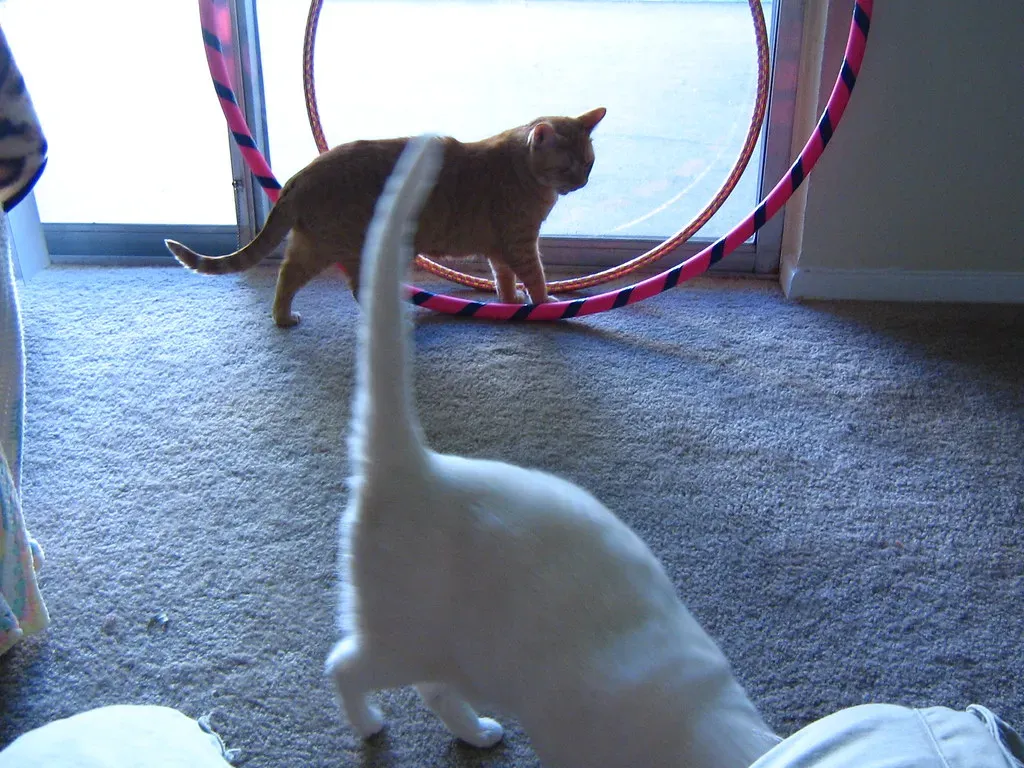
You’ve likely seen shows where big cats jump through hoops. This cool trick doesn’t have to be only for them, though – house cats can be showstoppers too. Honestly, watching a domestic cat leap cleanly through a hoop is one of those “wait, did that just happen?” moments that you’ll want to film immediately.
Hold a hula hoop upright on the ground and place a treat on the other side. Encourage your cat to step through to get the treat and use the command “hoop.” Once they’re ready, lift the hoop a bit for them to jump through. Continue to raise the hoop higher as they get the hang of it. You can use the same training technique for other obstacles like cat tunnels too, making this one of the most versatile tricks in the lineup.
9. Go to Your Mat (and Stay): The Practical Trick Worth Its Weight in Gold
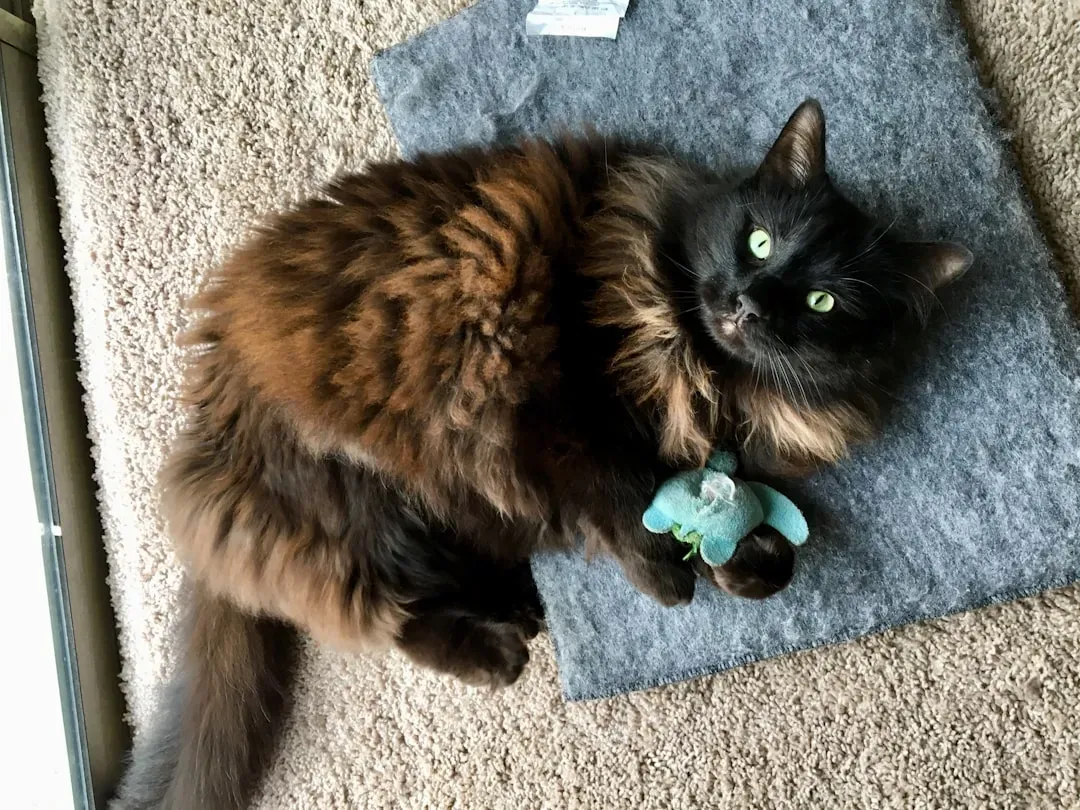
Let’s be real – this trick sounds mundane compared to spinning and hoop-jumping. It is, however, one of the most genuinely useful behaviors you can teach a cat. Imagine being able to send your cat to their mat while you cook, eat, or answer the door. Pure household gold.
Create a cat mat by laying a flat mat, towel, or cloth napkin on the counter, sofa, or tabletop. Curiosity will get the better of your cat! When they step on the mat, click. Then toss a treat slightly away from the mat, so your cat has to come back for the next round, and gradually introduce the cue “on your mat.” Once your cat goes to their mat willingly and remains there, introduce the “stay” cue, and use the mat to encourage your cat to stay in a location such as their cat tree while you eat or cook. Practical, brilliant, and surprisingly impressive.
10. Fetch: Yes, Your Cat Can Absolutely Do This
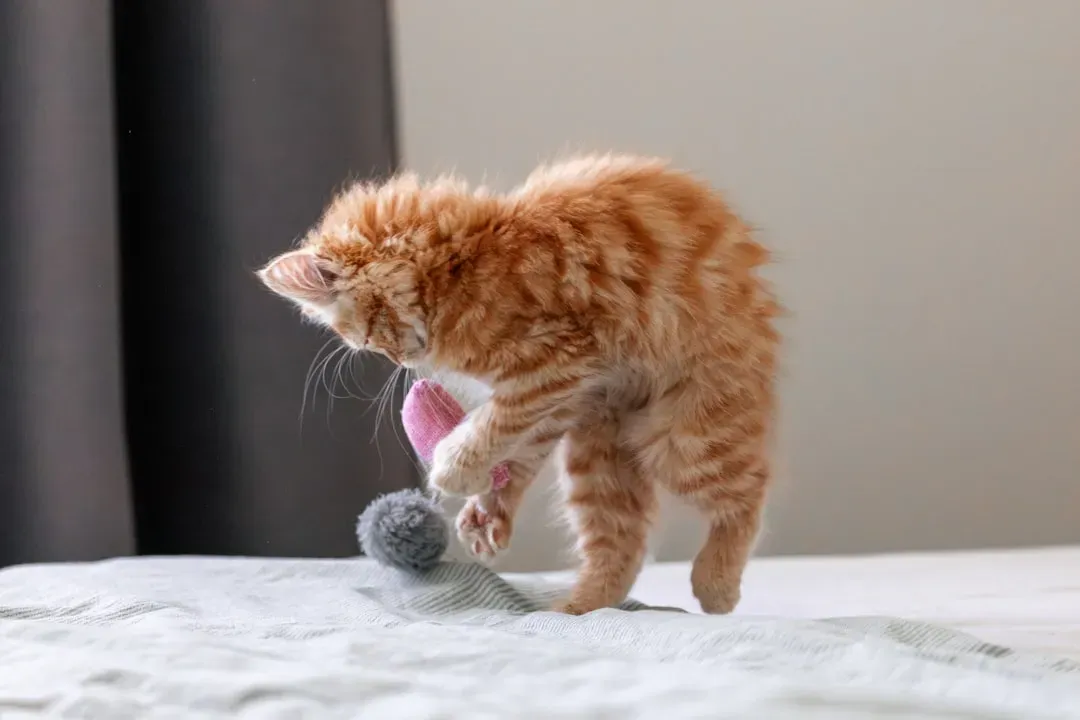
Yes – cats can fetch! Throw a lightweight toy and encourage your cat to bring it back using treats and praise. Some breeds, like Bengals or Siamese, love this game naturally. It’s hard to say for sure why some cats take to fetch so enthusiastically, but when it clicks for them, it becomes one of their favorite games in the world.
Start by finding a lightweight toy that your cat is already interested in. Toss the toy a short distance and say “fetch” as they chase after it. Encourage your cat to return the toy with treats or praise, and gradually increase the distance of your tosses as they get the hang of it. Spice up fetch by introducing new toys or changing tossing patterns to intrigue and surprise your cat. Once this one lands, you’ll have a dog-cat hybrid, and it’s as delightful as it sounds.
Conclusion: Your Cat Is More Capable Than You Ever Imagined
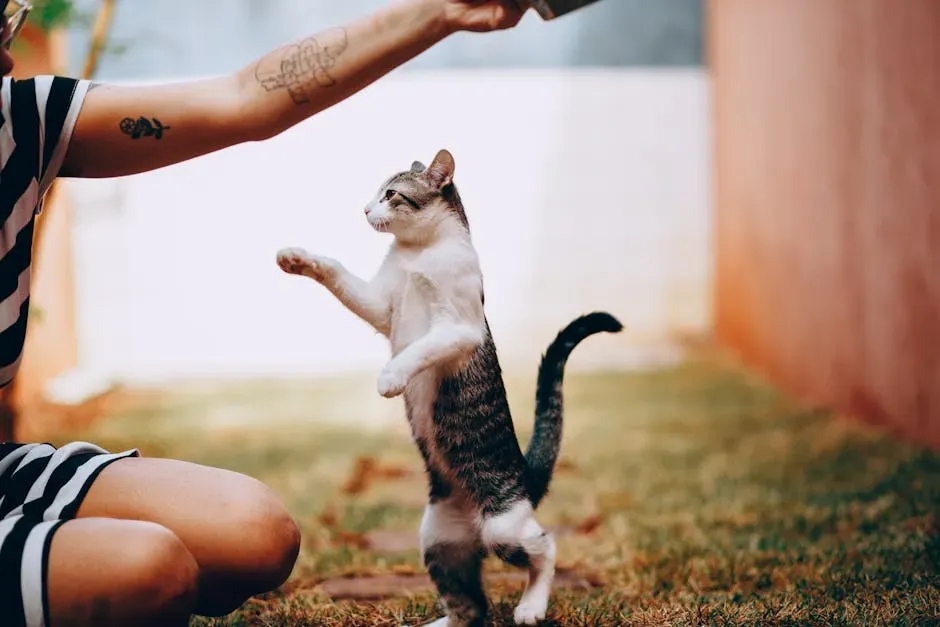
Here’s the honest truth: most cat owners are sitting on untapped potential with their feline companions. Cats love activity, and training can provide them with much-needed mental stimulation and physical exercise. Every trick you teach your cat is a shared achievement – a little act of communication that builds real trust between species.
Teach your cat one trick at a time until it’s mastered before adding a new one. When you or your cat gets tired or frustrated, quit for the day. Work with your cat every day – sporadic training doesn’t work. Keep sessions short, about 15 minutes each, and end on a positive note while your cat is still interested.
Use positive reinforcement only with your cat. Never get mad or punish them for doing a trick improperly or not doing it at all. Enjoy the journey as much as the results. Consider these sessions time to bond and play with your cat – that should be an end in itself. The tricks learned are a bonus. So grab some treats, find a quiet corner, and get started. Your cat might just surprise you in ways you never expected. Which trick are you going to try first – and did you ever think your cat had this much in them?