You share your home with a creature that practically invented the art of saying everything without uttering a single word. Your cat stares at you from across the room, flicks a tail, shifts an ear – and somehow you feel like a whole conversation just happened. But did you actually understand any of it?
Cats are extraordinary silent communicators. Honestly, the more you learn about the subtle signals they send, the more it starts to feel like you’ve been missing entire chapters of a book written just for you. From the tip of their tail to the slow blink of their eyes, every gesture carries weight. Let’s dive into the ten fascinating ways your cat speaks volumes without ever opening their mouth.
1. The Tail as a Living Flag
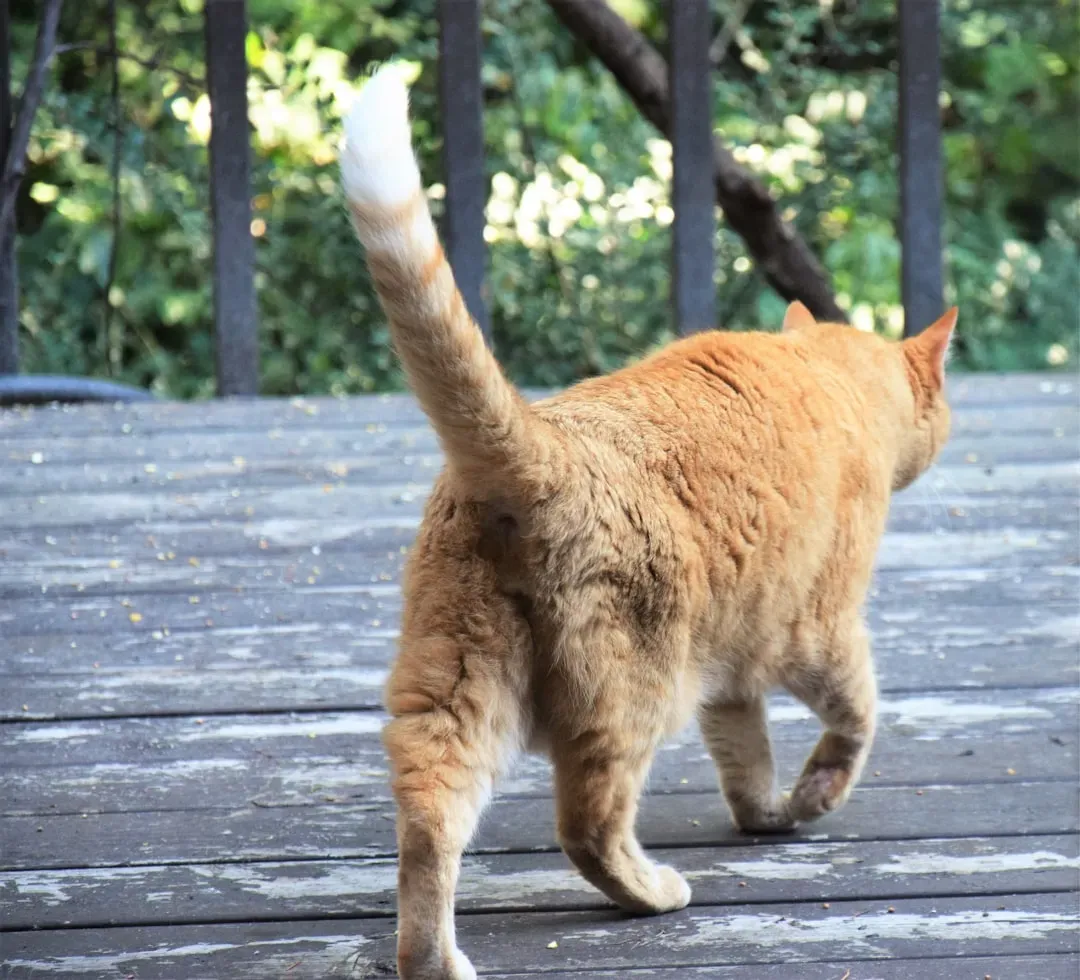
Your cat’s tail is like a living flag, waving messages in the air. When held high, it signals confidence and contentment, while twitching tips hint at curiosity or mild irritation. Think of it as your cat’s mood barometer – constantly broadcasting in real time, if only you know how to read it.
A tail tucked between the back legs often signals anxiety or fear, whereas a tail held out and moving slowly side to side may indicate frustration. In more extreme cases, the tail may be held up and puffed out to make the cat appear larger – a classic defensive warning. It’s almost like watching someone wave a white flag or clench their fists, just in feline form.
2. The Slow Blink – The Feline Kiss
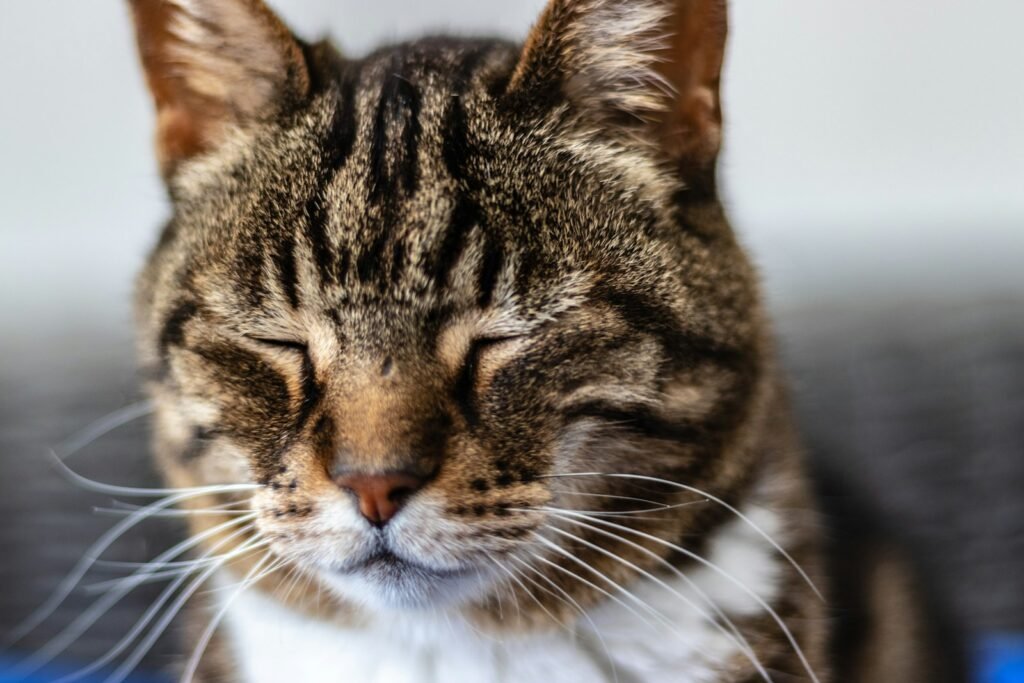
Direct eye contact can sometimes signal a territorial challenge in cats. However, a cat who slowly blinks or lowers their eyelids is showing trust and affection – often referred to as a “cat kiss” – a way for cats to communicate safety and comfort. It’s one of those gestures that, once you know about it, changes the way you see your cat entirely.
You can actually “speak” back to your cat by slowly closing your eyes and opening them again. Most cats will respond with their own slow blink, creating a beautiful moment of mutual understanding. Try it tonight. I think you’ll be genuinely surprised by how quickly your cat responds – it’s one of those rare moments that makes the human-feline bond feel truly magical.
3. Tail-Up Greetings – The Feline Hello
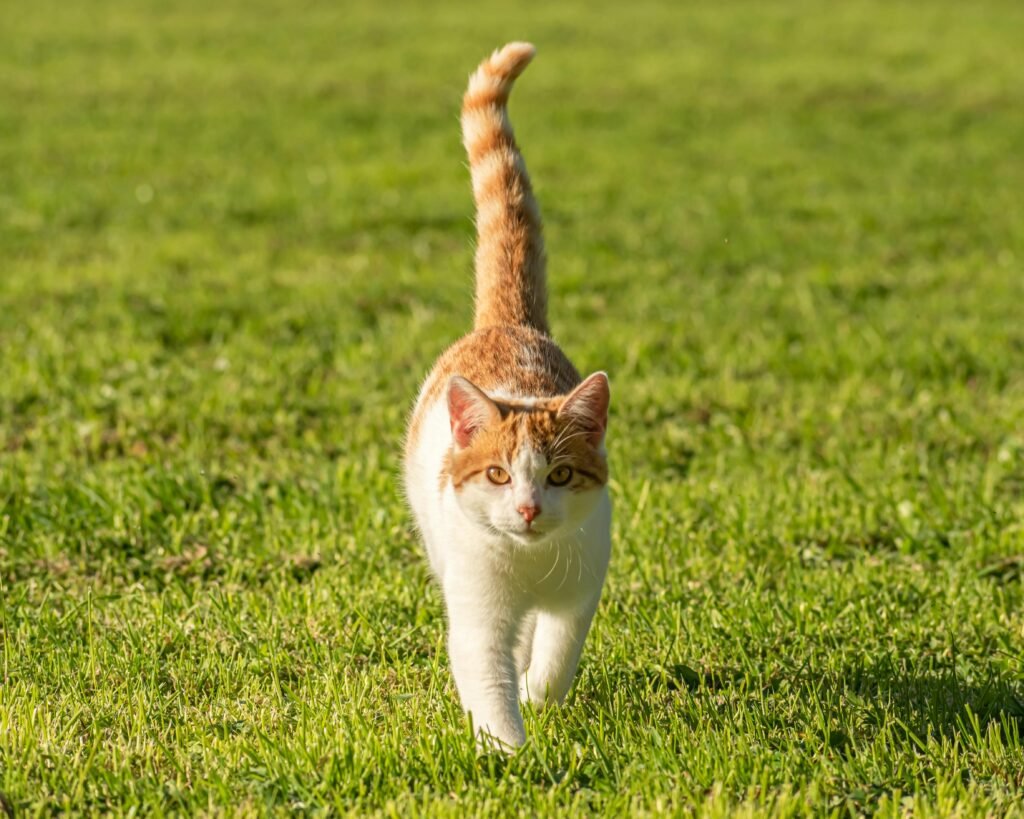
The “tail up” position is a well-known way cats communicate visually. Generally, holding the tail vertically in the air signals friendly intent when approaching another cat, animal, or person. The ears are normally pricked up, and the whiskers are relaxed during this greeting. It’s their version of a cheerful wave hello at the front door.
Cats often greet each other by intertwining their upright tails together or touching noses – a gesture that involves olfactory communication. They may also rub their faces or bodies together to exchange scents and confirm familiarity. So the next time your cat trots toward you with a tail held high like a little antenna, know that you’ve just received a proper, heartfelt greeting.
4. Head Bunting and Cheek Rubbing – You’ve Been Claimed
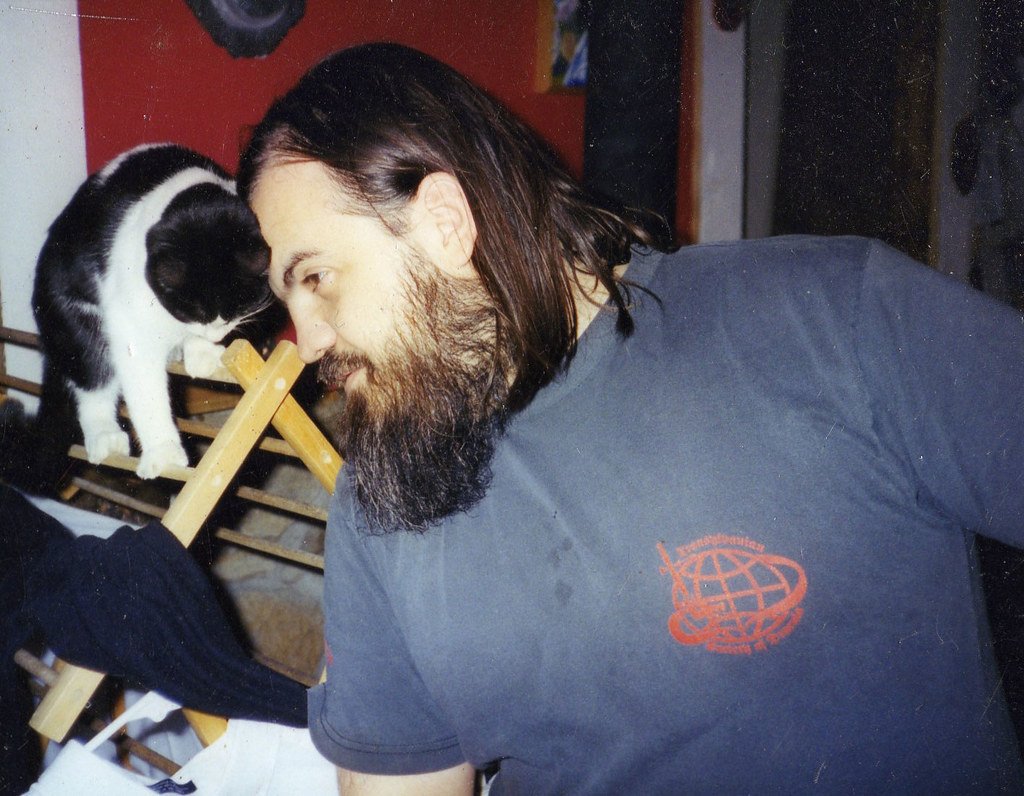
Cats sometimes “head-bump” humans or other cats with the front part of the head – referred to as “bunting.” This communication might have an olfactory component as there are scent glands in this area of the body. Some cats also rub their faces on humans as a friendly greeting or to indicate affection. Let’s be real – being head-bumped by your cat is one of life’s quietly wonderful moments.
Cats have scent glands located on their cheeks, forehead, and chin. When they bunt, they release pheromones that mark their territory. This behavior communicates ownership and familiarity, signaling to other animals that the area or person has been claimed. In other words, when your cat rubs their face on you, they’re essentially writing their name on you – and honestly, that’s adorable.
5. Ear Positions – The Emotional Radar
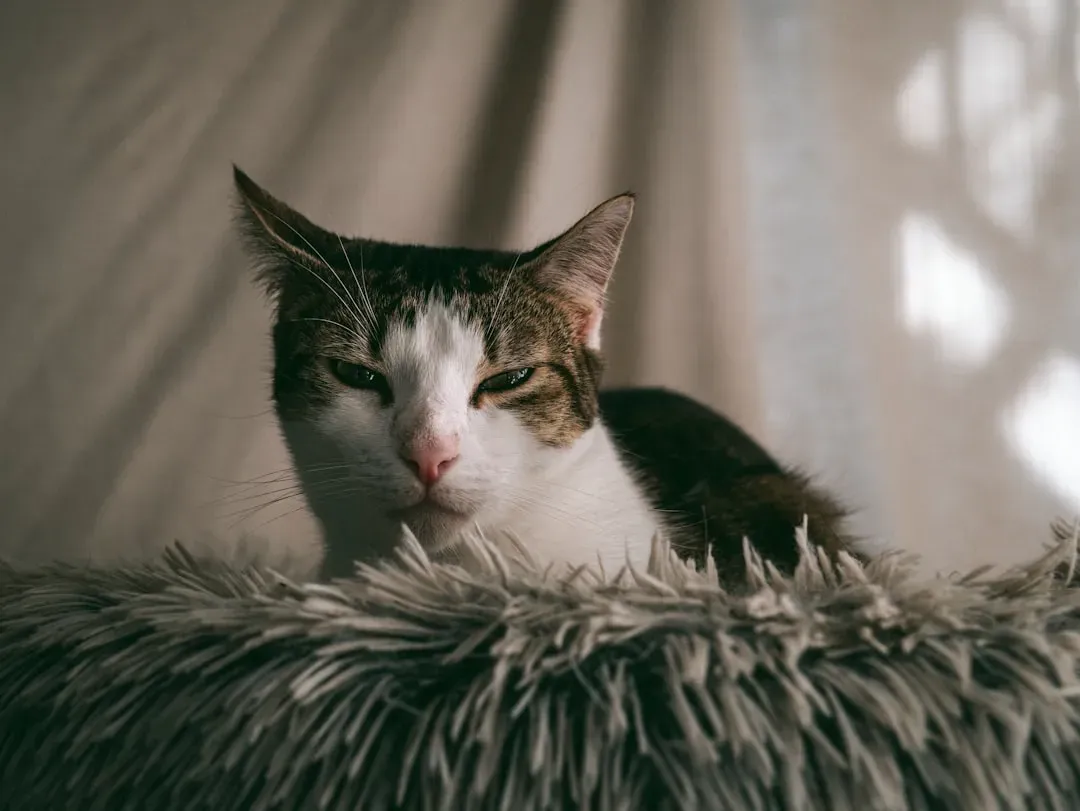
A cat’s ears are like radar, constantly scanning their surroundings and reflecting their emotional state. When a cat’s ears are facing forward and erect, it indicates a positive and friendly disposition. You can think of forward ears as the feline equivalent of an open, smiling face – alert, interested, and happy to engage.
Ears that are erect and rotated out along with narrow pupils are usually a signal of frustration, whereas dilated pupils with ears held flat against the head are often a sign of fear. Relaxed cats tend to have their ears facing forward in the normal position. Ear positions shift incredibly fast, so once you start noticing them, you’ll realize your cat has been broadcasting emotional updates all along – you just weren’t tuned in.
6. Scent Marking – The Invisible Message Board
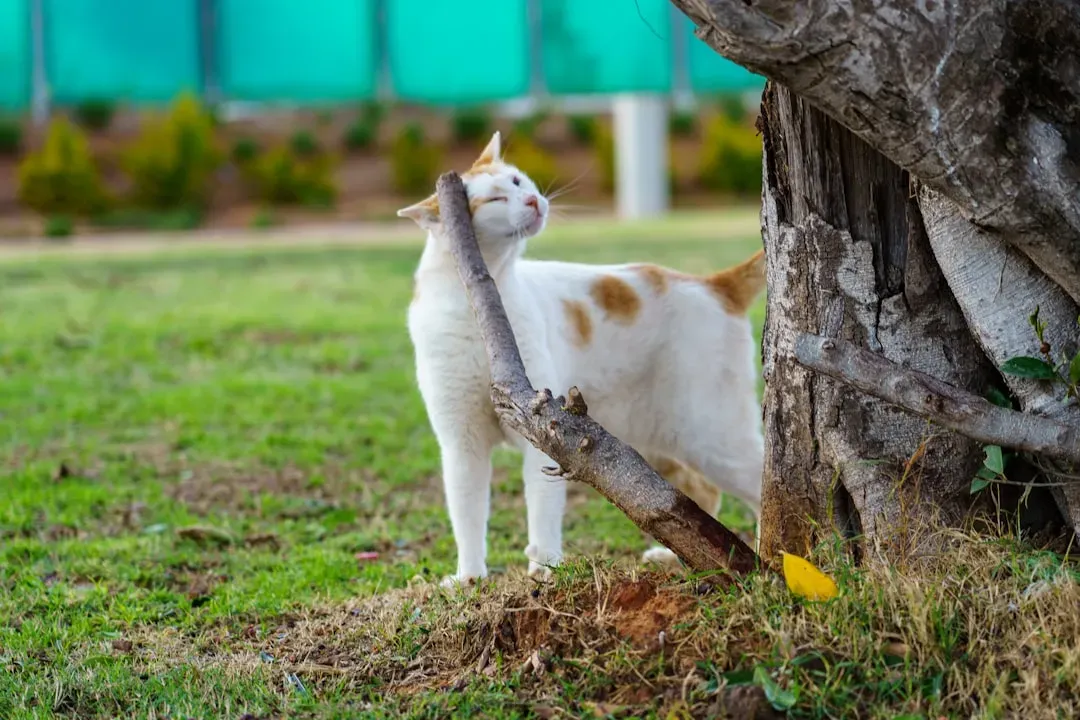
Cats have scent glands on their cheeks, jaw, and near their tail. When they rub those parts of their body on an object or another animal, they transfer a scent that only other cats can smell. It’s like leaving a sticky note that only a select audience can read. The whole world becomes a message board for your cat.
Pheromones are chemicals secreted in different areas of the body by all cats and are used for cat-to-cat communication. Cats have an extremely well-developed sense of smell, and this is used extensively for communication. Chemical signaling involving odors and pheromones can be very specific, last for a long time, and can spread over long distances. So when your cat rubs against the couch corner every single morning, they’re not being weird – they’re updating their social media status, feline style.
7. Kneading – “Making Biscuits” With a Hidden Message
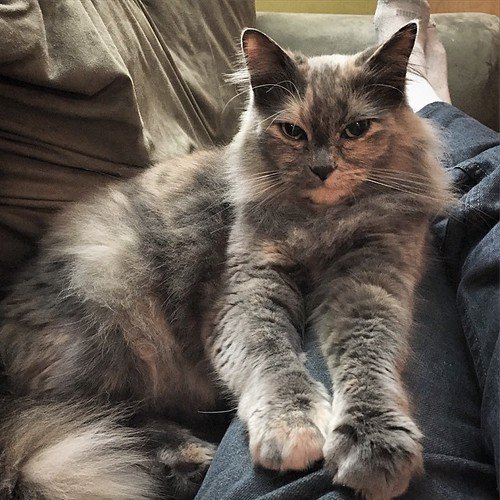
Your cat may knead to mark you with the pheromone glands in their paws, claiming you as their own with their unique scent. When your cat kneads you, it can also be a sign of affection, since kneading is a behavior they performed as a kitten with their mother. It’s part territorial claim, part love letter – written in the language of paws.
Cats don’t just knead anyone – only the people they trust. It means they see you as a person who provides comfort and security for them. So the next time your cat climbs onto your lap and starts kneading like a tiny, determined baker, take it as a genuine compliment. That rhythmic motion is their silent way of saying: you are my safe place.
8. The “Cat Loaf” Position – Comfort Delivered Silently
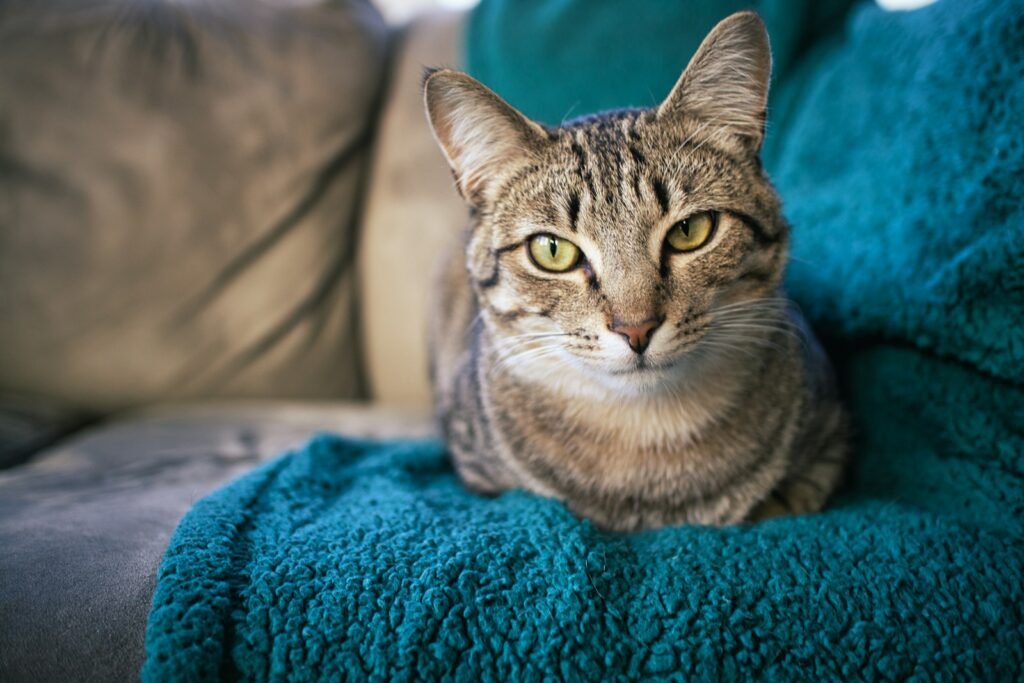
When a cat sits with its paws and tail tucked under its body – like a loaf of bread – it’s comfortable, relaxed, and feels safe. This “cat loaf” pose is a quiet message that all is well in your world together. It’s one of those subtly profound signals that’s easy to overlook but deeply reassuring once you understand what it means.
Interestingly, the cat loaf can serve as a form of communication between cats and their human owners. Cats are very good at reading human body language and responding to our cues, and they often use their own body language to convey messages to us. When a cat chooses to loaf in your presence, it may be sending a sense of comfort and trust in your relationship. It’s hard to say for sure what’s going through their mind, but a loafing cat near you is about as close to a feline seal of approval as you can get.
9. Belly Exposure – The Ultimate Vulnerability Signal
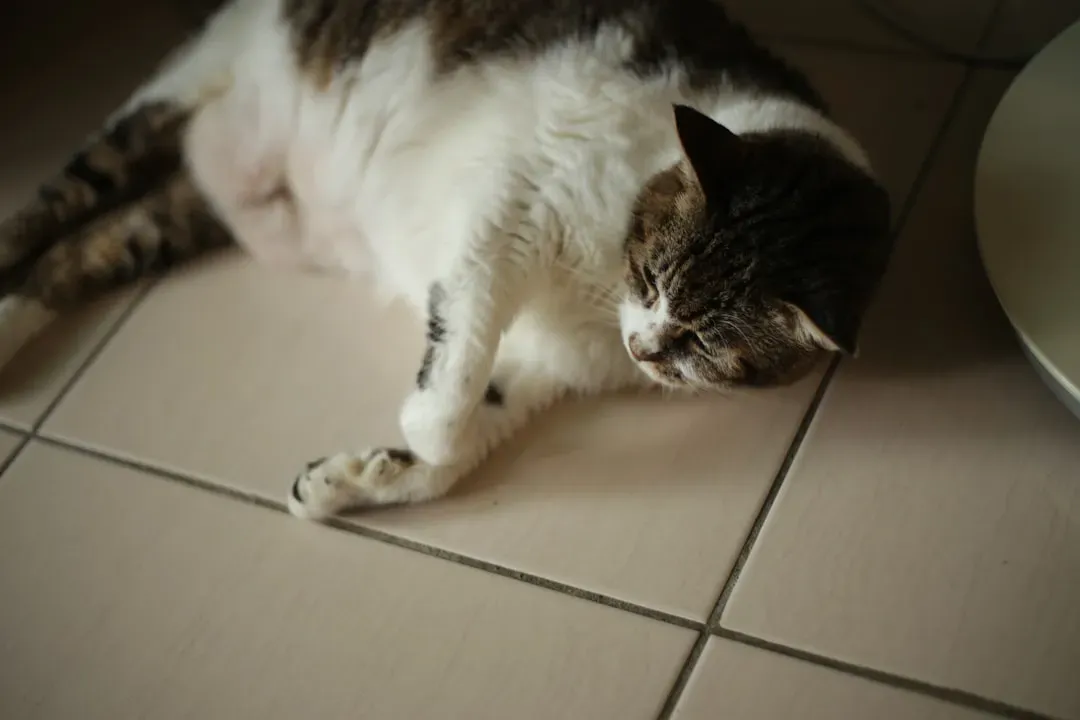
When cats lie on their back with their bellies exposed, they are in a position of vulnerability. Therefore, this position may communicate a feeling of trust or comfort. Think of it like a cat version of letting their guard all the way down – and it only happens around people or in environments they genuinely feel safe in.
Sleeping with the tummy facing the sky means your cat trusts you and their environment. Exposing the belly makes a cat quite vulnerable because their vital organs are unprotected. Only when a cat is completely at ease will they sleep belly up. Here’s the twist though – this does not always mean they want a belly rub. Many cats will swat if you touch their exposed stomach, because the trust is emotional, not necessarily an open invitation to pet. Read the room, and follow your cat’s lead.
10. Allogrooming – When Cats Groom Each Other (or You)
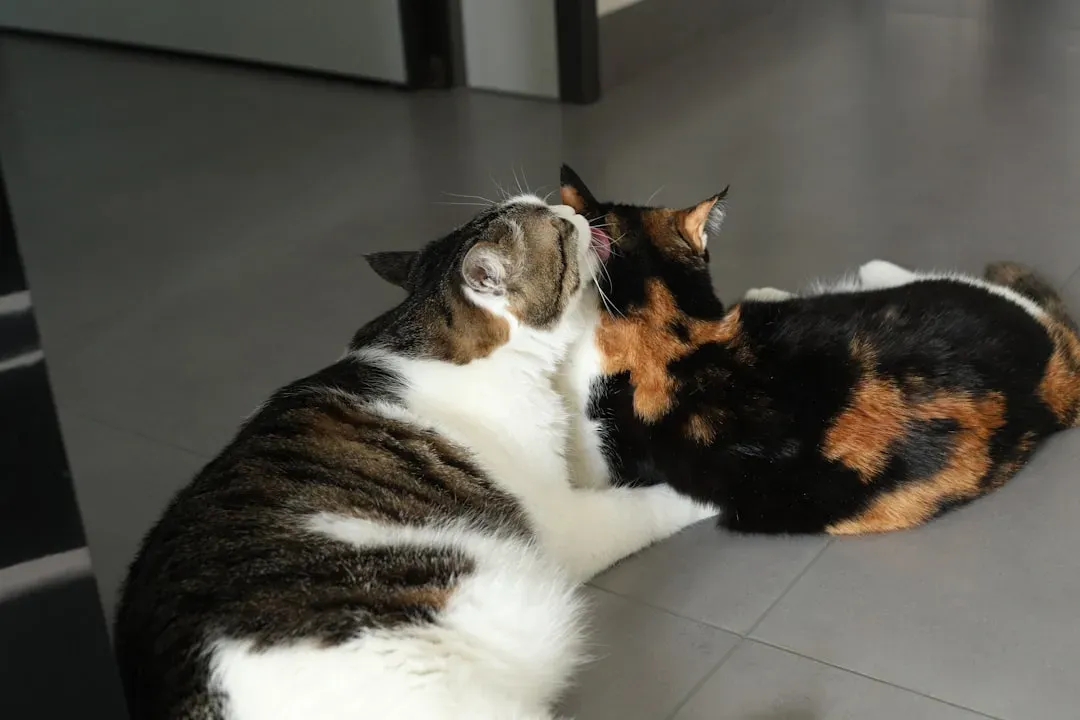
Allogrooming refers to mutual grooming between two cats. This action strengthens social bonds, showing trust and comfort. When a cat grooms another, it is a sign that they are friends, often seen among littermates or bonded pairs. It’s one of the most intimate acts in the feline social world – a completely silent declaration of belonging.
Cats often groom in the presence of those they trust. If your cat licks itself when you’re near, it’s a sign of comfort and security. Sometimes, they’ll even groom you – a clear, wordless way to show love and acceptance. If your cat has ever licked your hand or your hair, you’ve been formally welcomed into their inner circle. That’s not something they do with just anyone – consider yourself honored.
Conclusion: Your Cat Has Been Talking All Along
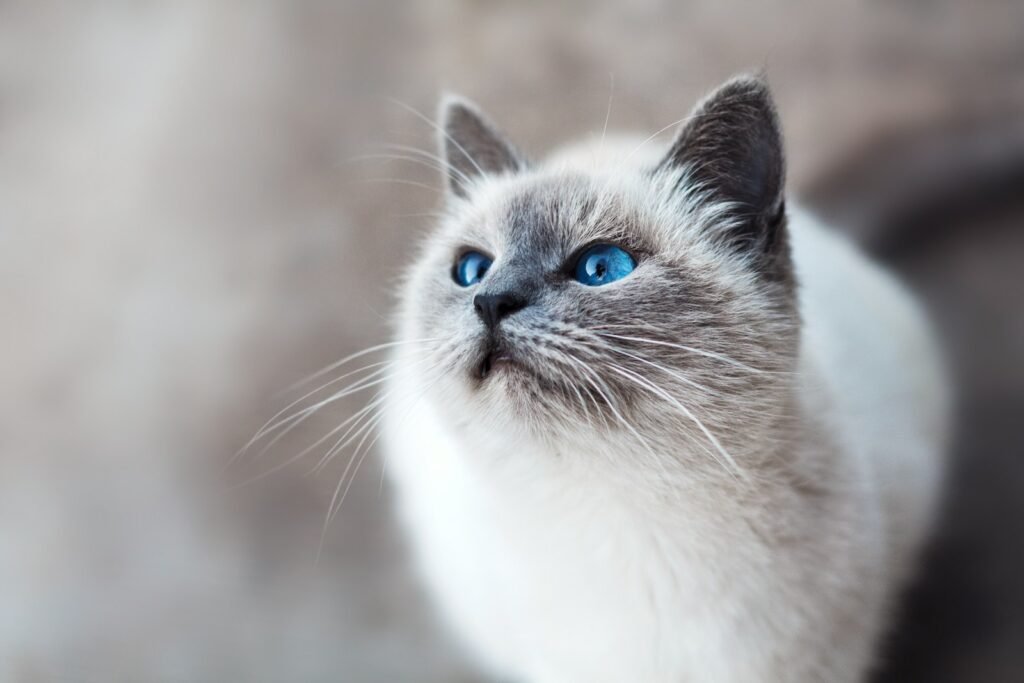
Instead of using sound, cats use body language and scent marking to “talk” to each other – and to you – without making a single sound. Once you begin to understand this silent language, you’ll never look at your cat the same way again. Every twitch, posture, and slow blink suddenly becomes a sentence in a conversation that’s been happening all along.
The truth is, your cat isn’t indifferent or mysterious for the sake of being aloof. They’re simply speaking a language that takes patience, observation, and a genuine willingness to listen with your eyes rather than your ears. Understanding your kitty’s body language is the key to a stronger bond, fewer misunderstandings, and a happier home. Start paying attention to the small things – the ear flick, the slow blink, the little biscuit-making session on your lap – because your cat has been telling you everything all along. You just needed to learn how to listen. What message do you think your cat has been trying to send you? Tell us in the comments.