You’ve probably noticed something peculiar about your feline friend. That little creature curled up on your couch seems to have an uncanny ability to get exactly what it wants, precisely when it wants it. Here’s the thing: your cat isn’t just lucky or coincidentally charming. Scientists have actually discovered that cats have developed sophisticated tactics to influence your behavior, and they’re surprisingly good at it.
Research has determined that cats can manipulate and control humans in small and subtle ways, using techniques like a special purr to signal urgency and encouraging beneficial behavior through reciprocity. Let’s be real, most of us suspected this all along. The question is, how exactly are they doing it? Be surprised by what science has uncovered about these master manipulators living in our homes.
The Solicitation Purr: Your Cat’s Secret Weapon
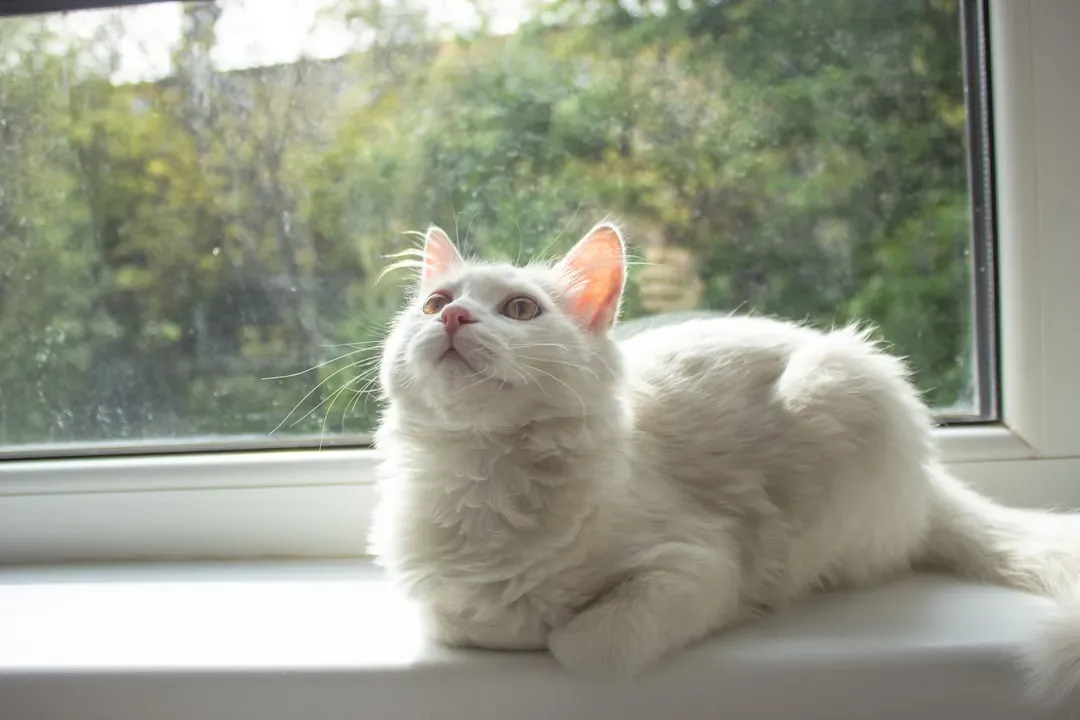
When cats want food, they often purr in a strangely plaintive way that their owners find difficult to ignore, with solicitation purrs containing a high-pitched signal that sounds like a cry or meow embedded within the normal purring sound. Think about the last time your cat woke you up at dawn. That wasn’t just any purr, was it?
This embedded sound occurs at a frequency of around 380 Hz, which is remarkably similar to that of a crying infant. Your cat has essentially learned to mimic the one sound evolution programmed you to never ignore. Research suggests cats learn to dramatically exaggerate this cry when it proves effective in generating a response from humans. It’s manipulation, sure, but honestly, it’s also pretty brilliant.
Strategic Keyboard Sitting and Work Interruption
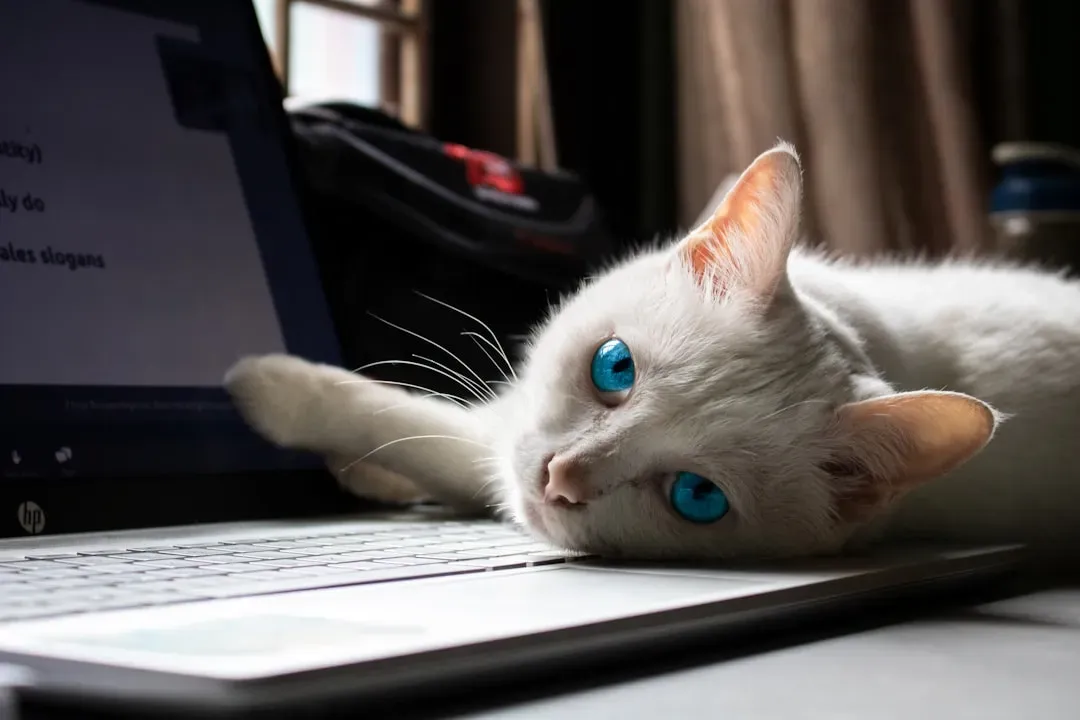
Ever wonder why your cat always seems to plant itself directly on your laptop when you’re trying to work? When a cat strolls across a keyboard or settles on a book, it’s usually because it has noticed how intensely their human focuses on the object, and by placing themselves in that space, cats redirect your focus back toward them. The device becomes valuable simply because you’re paying attention to it instead of them.
This isn’t random wandering. Your cat has observed your behavior patterns and identified the objects that capture your attention most. Then they’ve calculated that inserting themselves between you and that object is the fastest route to getting what they want: you. It’s hard to say for sure, but this might be one of the most annoying yet effective manipulation tactics in their arsenal.
The Perfectly Timed Scent Marking Ritual

A soft nudge to the face or chin may feel affectionate, but behavioral studies show that it also leaves scent markers. When your cat rubs against you, they’re doing more than just being sweet. They’re claiming ownership and reinforcing a bond that makes you more likely to respond to their future demands.
People usually respond to these gestures by petting, holding, or staying nearby, and the move builds a routine where proximity becomes expected, with the cat ultimately directing where everyone settles. You thought you were choosing to sit on the couch, right? Your cat might have other ideas about who’s really making that decision.
Adjusting Meow Intensity Based on Your Responses
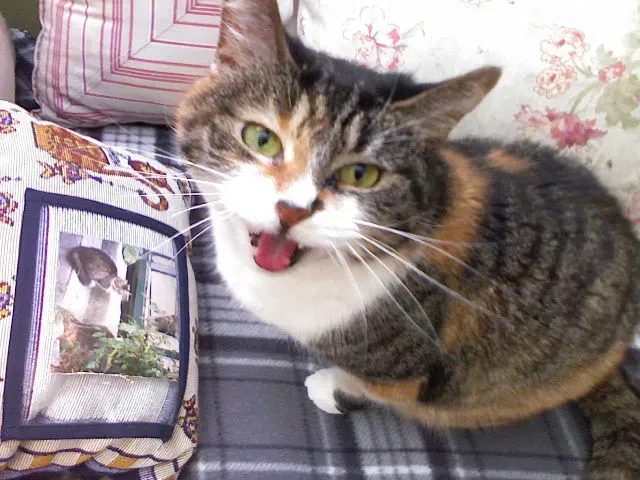
Cats adjust their meows depending on context and how their owners respond, with some calls growing sharper when a cat wants food, while softer meows may appear during friendly or relaxed moments. They’re not just making noise randomly. They’re experimenting with different vocalizations to see which ones work best on you specifically.
Cats respond to various types of reinforcement schedules, and laboratory studies have shown cats respond to reinforcement by vocalizing repeatedly for food rewards. If you occasionally give in after your cat meows repeatedly, you’ve just taught them that persistence pays off. If three meows don’t get them what they want, they’ll try 25. Congratulations, you’ve been trained.
The Kneading Comfort Trap
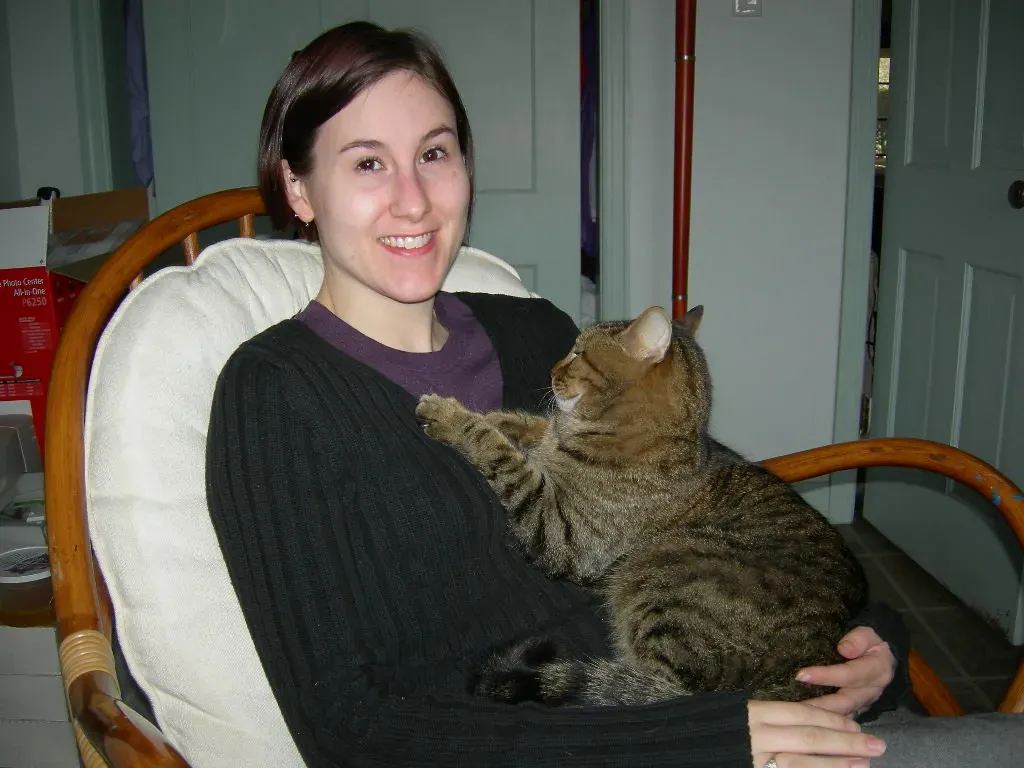
When a cat settles in and starts kneading, the whole mood usually softens, with people instinctively relaxing, remaining still, or gently stroking the cat. This rhythmic paw movement triggers something deep in your psychology. You become calm, compliant, almost meditative.
While kneading originates from kittenhood nursing behavior, adult cats have figured out that it creates a peaceful exchange that keeps you exactly where they want you: stationary and attentive. Once you’re locked in that trance, they’ve successfully manipulated your emotional state to match their needs for security and attention.
Displaying Vulnerability to Earn Trust and Treats
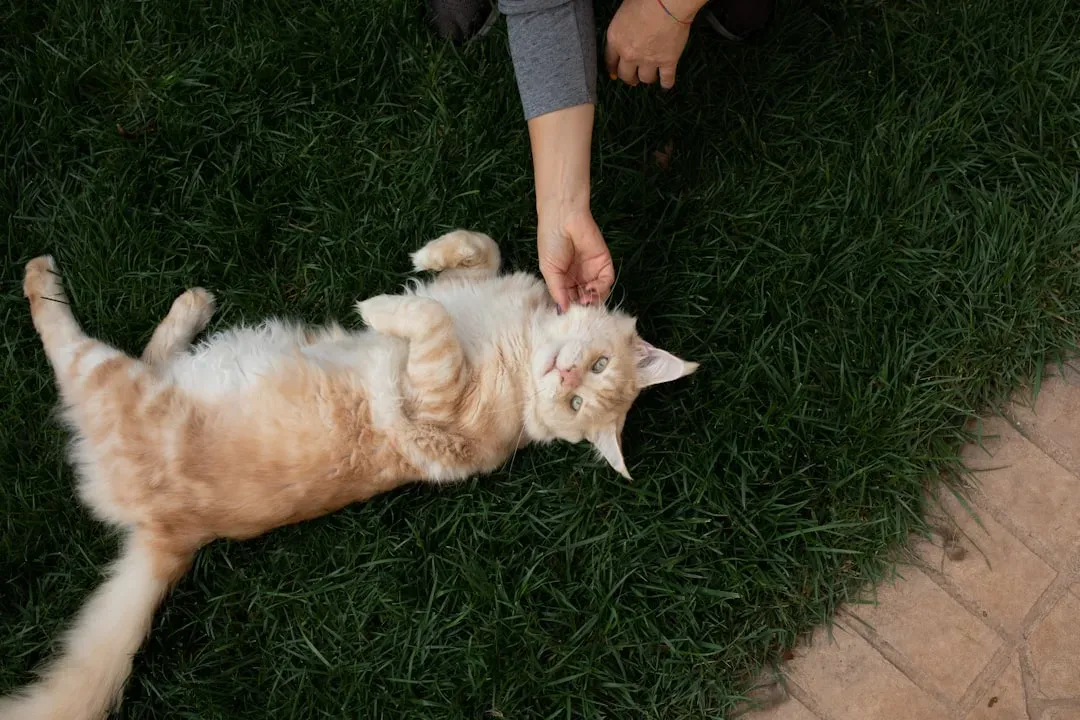
A cat stretching out on their side or back is usually expressing that it feels relaxed and safe around you, and many people respond by offering gentle words or a quick stroke. That belly-up position looks like pure trust, and it is. Yet it also encourages you to interact in calm, friendly ways.
This behavior reinforces the bond and makes you more likely to indulge your cat’s requests later. It’s not calculated manipulation in the scheming sense, but it creates a psychological dynamic where you feel honored by their trust. That feeling makes you want to keep earning it, usually through treats, playtime, or whatever else they subtly demand.
Tail Language That Guides Your Actions
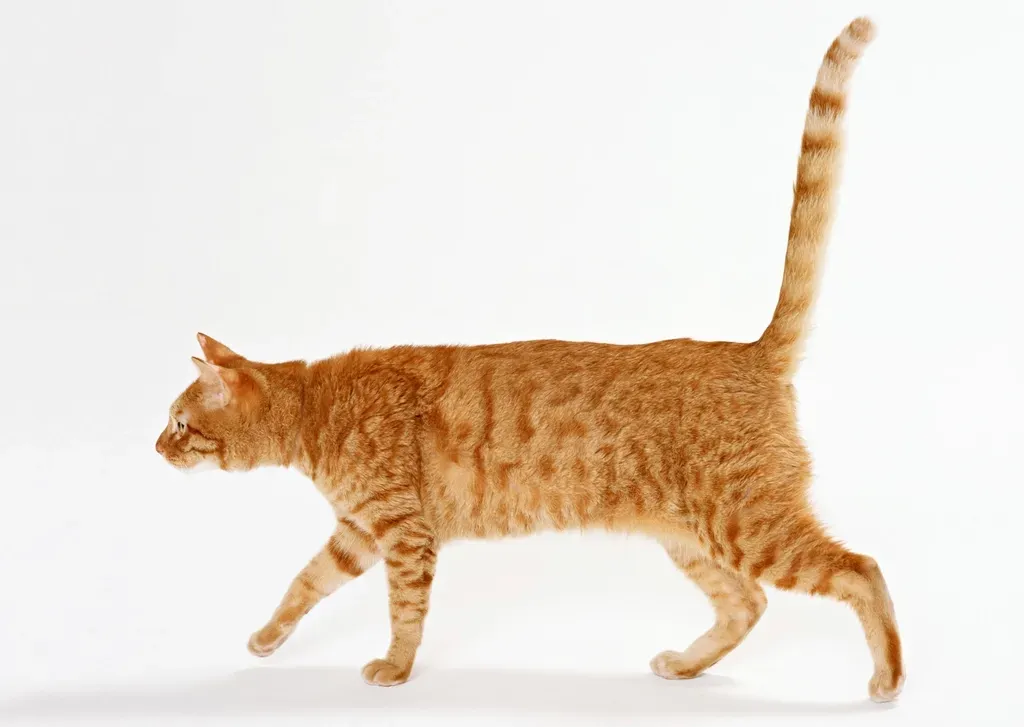
A cat’s tail carries a lot of meaning, with an upright tail with a slight hook often signaling friendliness, while a swishing tail can reflect excitement or irritation, and humans tend to respond to these subtle cues without overthinking them. You’ve learned to read these signals, probably without even realizing it.
When that tail goes up, you reach down to pet. When it swishes, you back off. Your cat has trained you to respond to their body language instantly. They’ve essentially installed a remote control for your behavior, and the buttons are attached to their rear end. It sounds crazy, but it’s remarkably effective communication that serves their purposes perfectly.
Controlling the Fetch Game on Their Terms
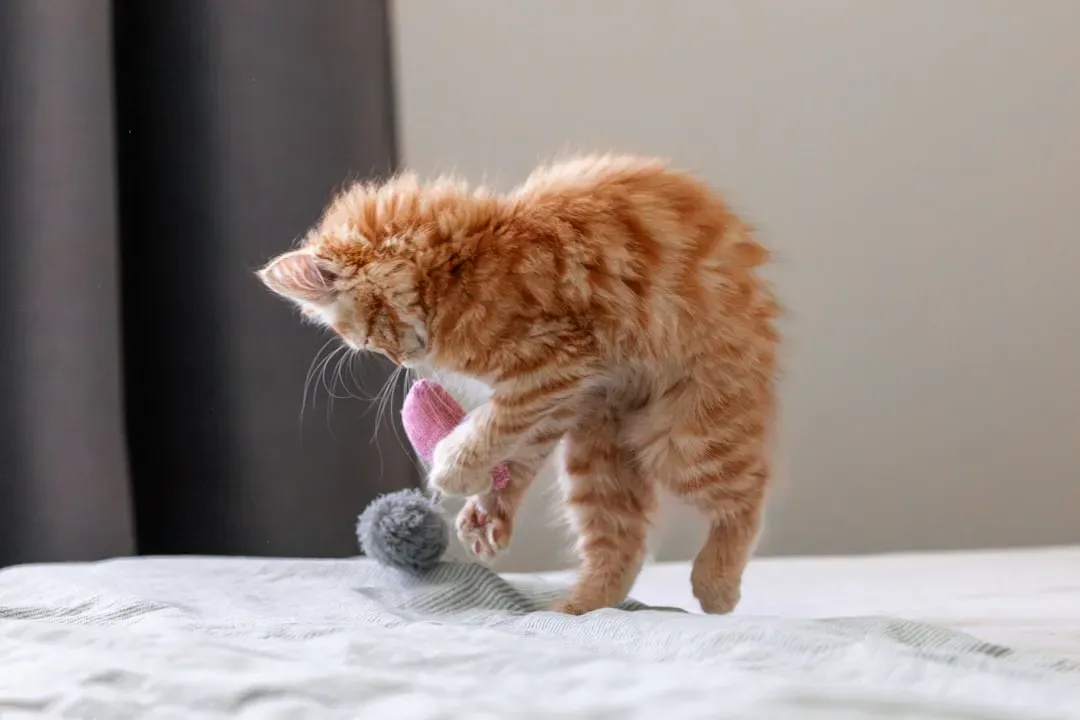
Cats initiated and terminated fetching bouts more often than did their owners, demonstrating independent and coordinated agency in the onset and maintenance of fetching behaviour with their human partners. If your cat plays fetch, you might think you’re teaching them a trick. Actually, they’re the ones calling the shots.
When cats initiate sessions, they have more retrievals in the most recent session and more sessions per month, but when cats end sessions, they have fewer retrievals and fewer monthly sessions. Translation: your cat decides when the game starts and when it’s over. You’re just the equipment operator in a game designed entirely around their preferences and schedule.
Meowing More at Men to Get Extra Attention
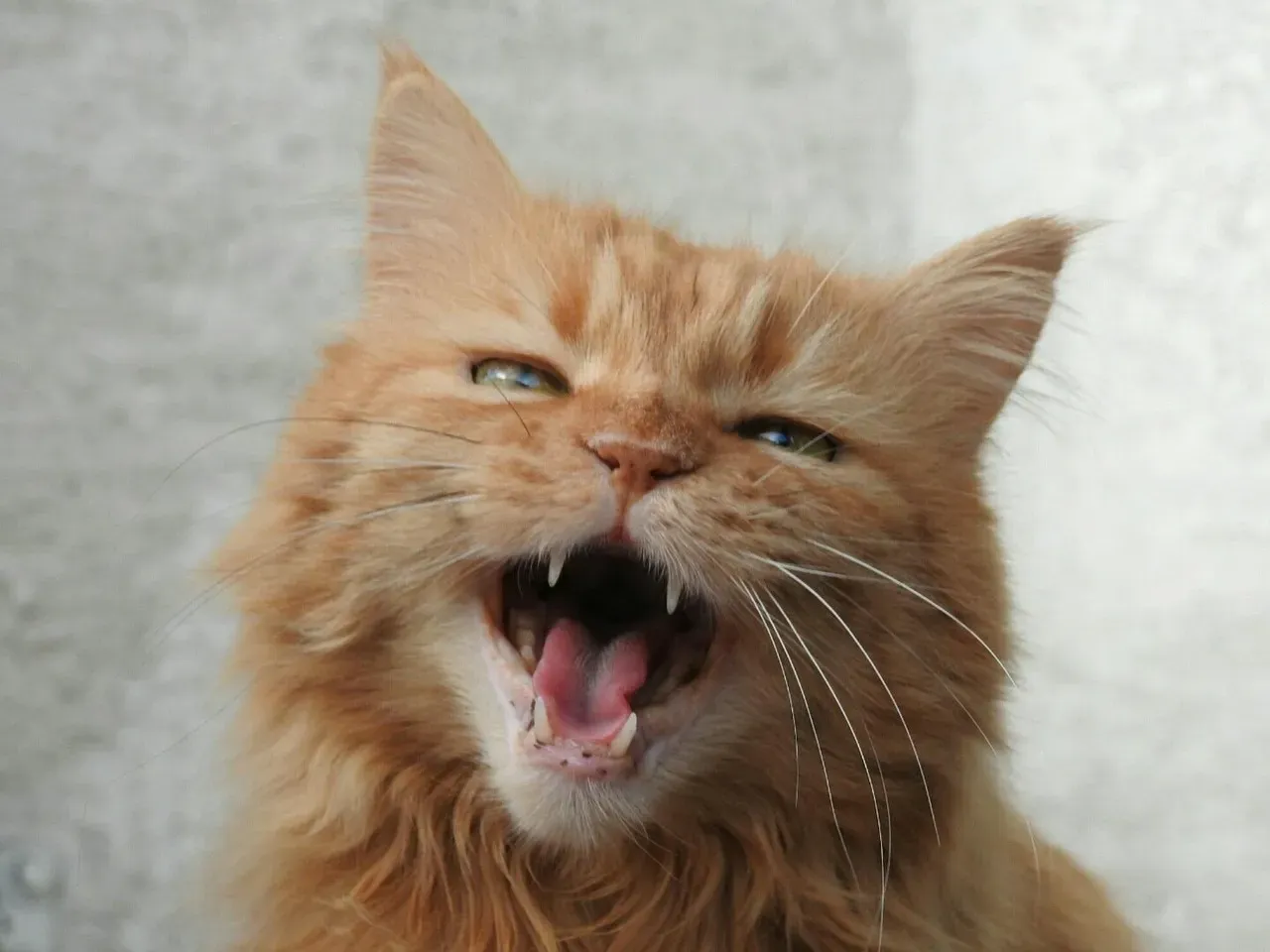
Researchers in Turkey have found that cats greet men far more vocally than they do women, which could be another way they manipulate us to get the attention they deserve. It may be that men in Turkey are less likely to be chatty with their cats, so the cats compensate by increasing their vocal output.
This demonstrates remarkable social intelligence. Your cat is reading the room, noticing who responds less to subtle cues, and ramping up the volume accordingly. They’ve assessed each household member and customized their manipulation tactics. That level of strategic thinking is both impressive and slightly unsettling when you really think about it.
Using Social Referencing to Learn What Works
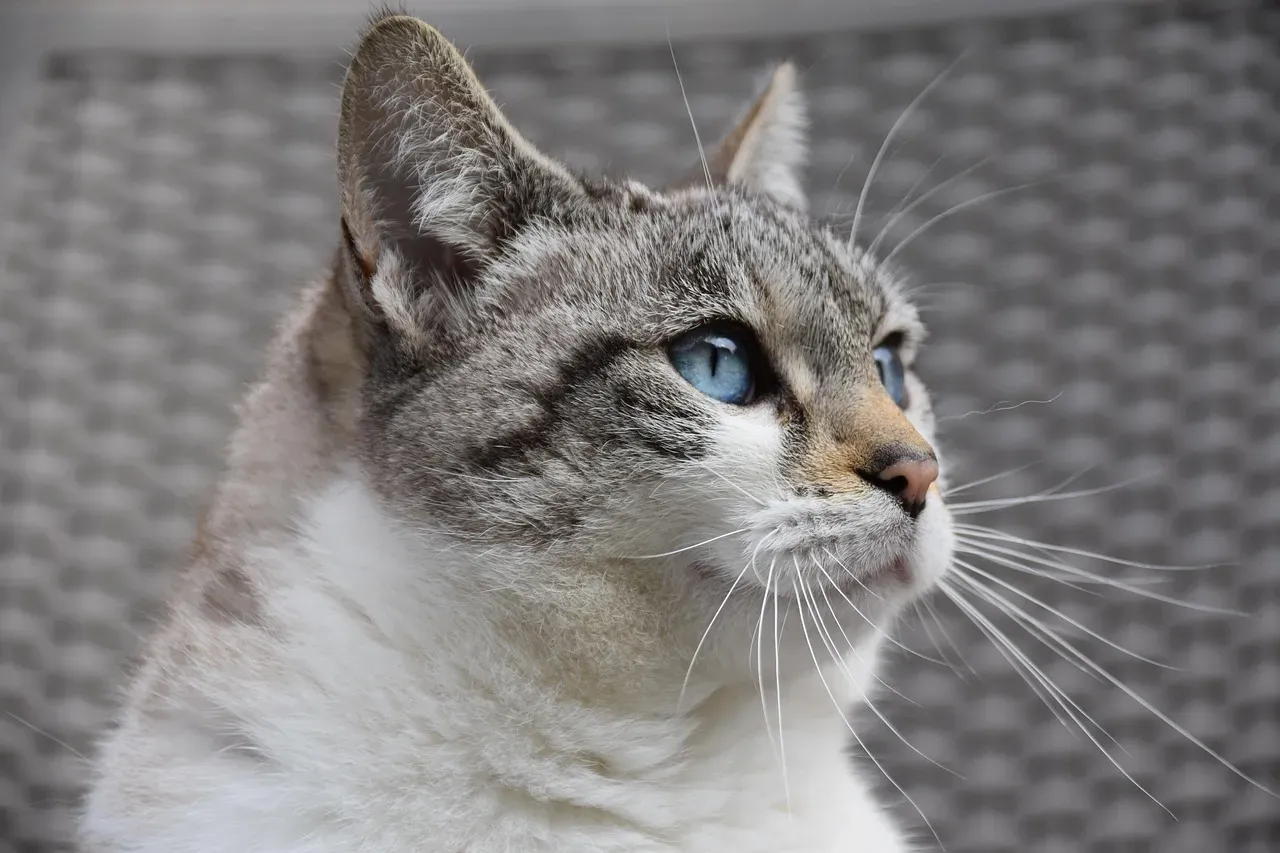
Cats can observe our behavior in a process called social referencing, and as they are clever enough to put our behavior in context, they can train themselves to behave in a manner that triggers those behaviors. Your cat is watching you constantly, learning which of your behaviors predict rewards for them.
This ability to social reference explains how cats manipulate humans, and as they’re smart enough to put our behavior into context, they can train themselves to behave in ways that trigger those behaviors. They’ve studied you like a scientist observing a lab rat. They know your routines, your weak spots, your breaking points. And they use all of that information to get exactly what they want, when they want it.
Conclusion
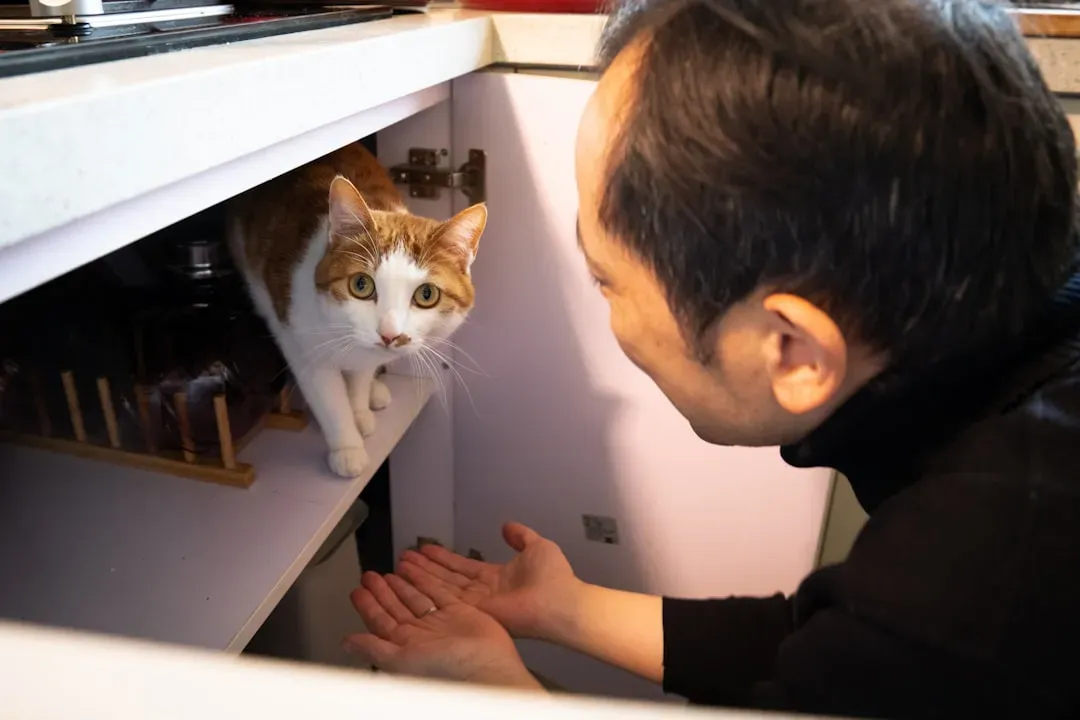
Let me be honest with you: after learning all this, I’m not sure whether to be amazed or mildly concerned about the tiny predator in my living room. The reality is that in the case of cats, manipulation doesn’t necessarily imply bad intent, and scientists believe that this manipulative behavior is how cats interact with humans, deeply ingrained in how cats form relationships with humans and us with them.
Your cat isn’t scheming against you in some devious plot. They’re simply using the communication tools evolution and domestication have given them to get their needs met. Researchers believe that these manipulative behaviors are simply a way cats engage with human beings, deeply ingrained in how felines develop connections with people and us with them. Still, it’s fascinating to realize just how sophisticated their tactics have become over thousands of years living alongside us.
Did you recognize any of these behaviors in your own cat? What do you think about it? Tell us in the comments.