You’ve probably looked at your cat at some point and thought, “Who exactly is in charge here?” If you own a cat, there’s a strong chance the answer is not you. These small, soft creatures have spent thousands of years perfecting a very specific art form, and it has nothing to do with hunting mice. It’s about getting everything they want from you, quietly, effortlessly, and with devastating precision.
The wild part is that science backs this up completely. Scientific studies have determined that cats can manipulate and control humans in small and subtle ways, using techniques that include a special purr to signal urgency and encouraging beneficial behavior through reciprocity. So let’s dive in and unravel exactly how your fluffy little overlord has been running the show.
The Solicitation Purr: A Cry Hidden in Plain Hearing
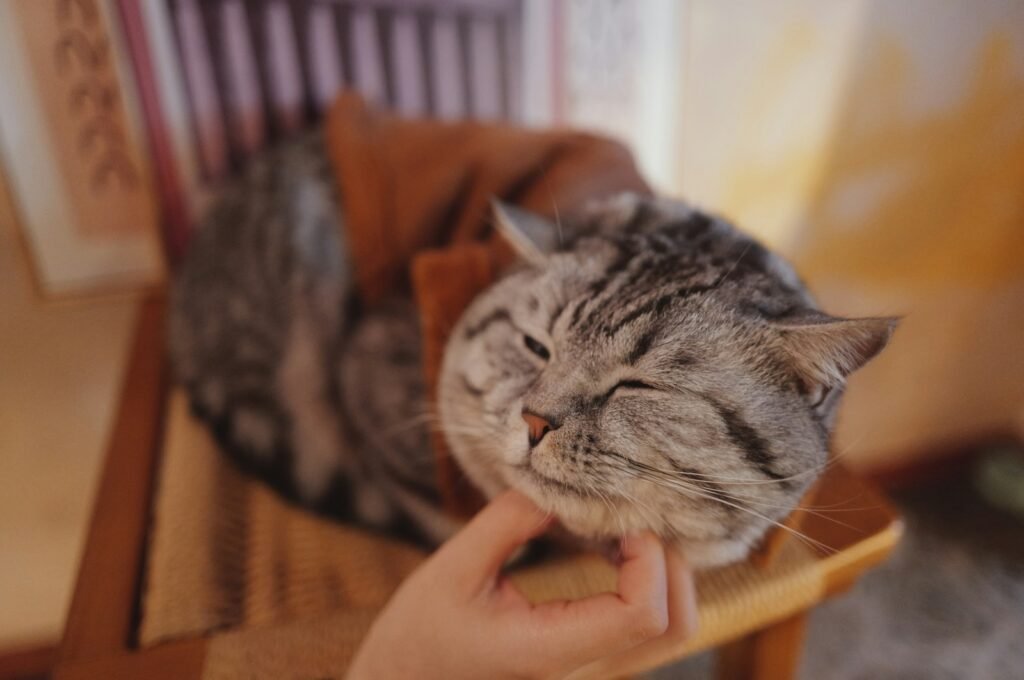
Here’s the thing about your cat’s purr. It sounds innocent. Comforting, even. You probably find it soothing, like a little engine of contentment humming away on your lap. What you likely don’t know is that when your cat wants food, that purr transforms into something far more calculated.
Research analyzing the acoustic structures of cat purrs found that solicitation purrs have an unusual high-frequency peak that doesn’t fit the rest of the call. At a frequency of around 380 Hz, this extra sound is more like a cry or a meow, and its frequency is actually very similar to that of a crying infant. Honestly, when you put it that way, it’s both brilliant and a little bit diabolical.
Cats with a close one-on-one relationship with a human are more likely to exaggerate the “crying baby” part of their purr that is so effective at influencing that person’s behavior. One way to look at this is that cats are hijacking our empathy to get what they want. You never stood a chance.
The Strategic Meow: Tuned Perfectly to Your Ears
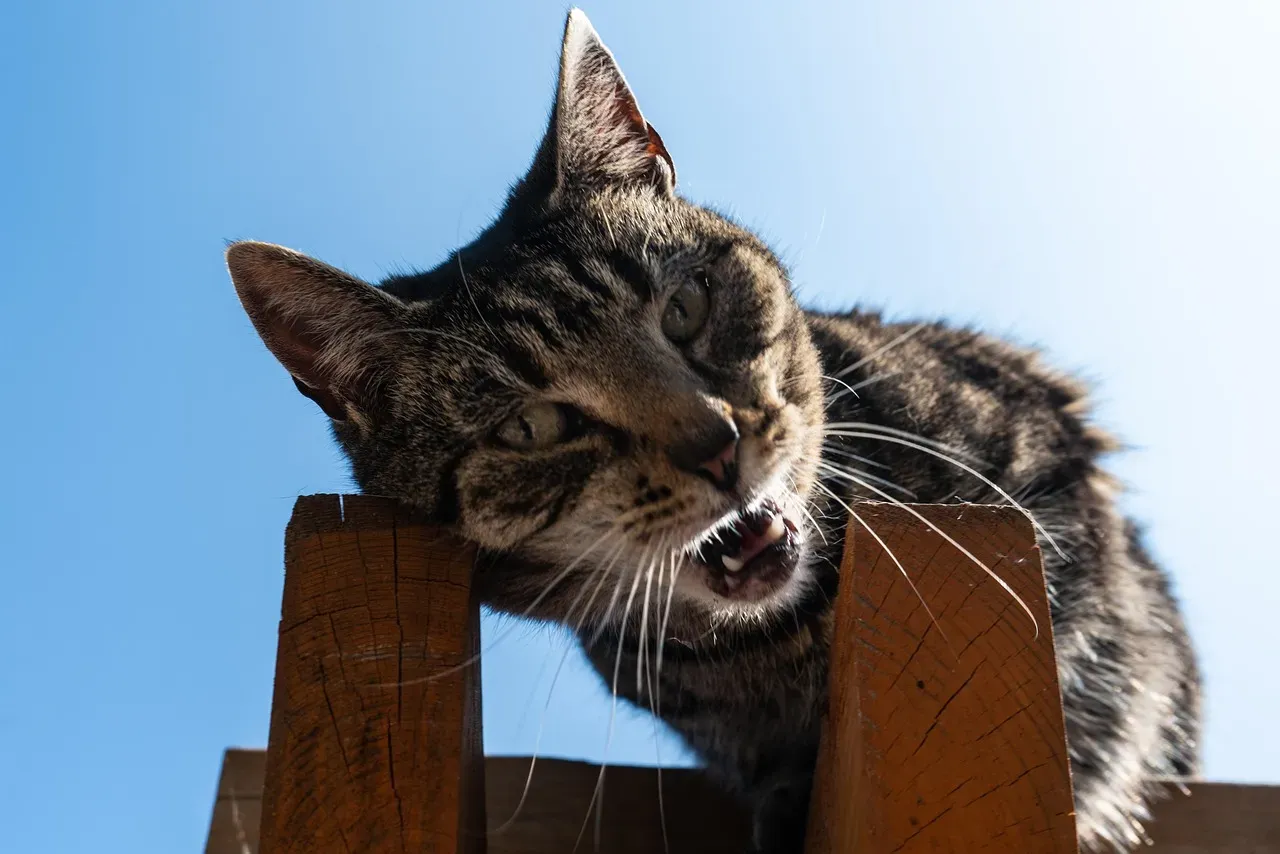
You might have assumed meowing is just something cats do to communicate with each other. Nope. Cats don’t meow at each other. They reserve this noise for humans, and these noises are similar to baby cries, growing more and more urgent as time goes by. That escalating meow at 6 AM? Pure strategy.
According to research in Comparative Psychology, cats know how to meow to get what they want. A study involving 100 different meows from 12 cats found consistent human interpretation of the sounds. The most urgent and least pleasant meows were longer calls with more energy at lower frequencies, while less demanding ones were shorter with energy spread across high and low frequencies.
Meowing is a learned, human-directed behavior. Many cats focus on the person who consistently responds to them, and some owners become the preferred listener simply because they’ve proven to be the most reliable at acknowledging the sound. Over time, the cat builds a pattern of seeking out the human who delivers the best results. That human is you. Congratulations.
The Slow Blink: Weaponizing Sweetness
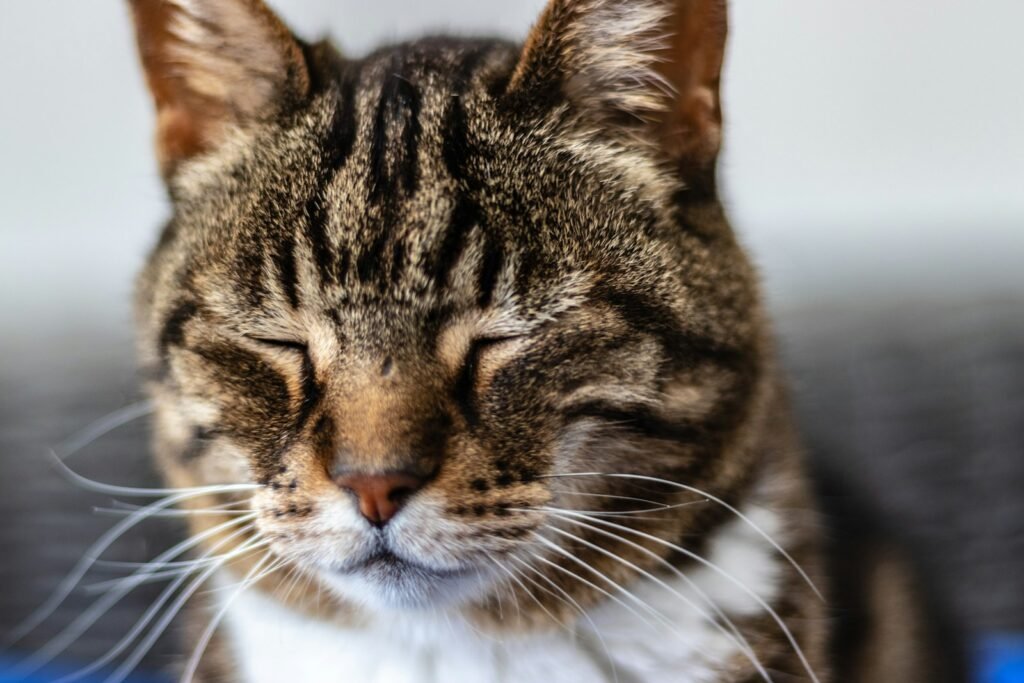
I’ll be honest. The slow blink might be the single most charming and effective tool in your cat’s entire manipulation toolkit. You see those half-closed eyes gazing at you warmly, and your heart just melts. There’s a reason for that, and it’s not accidental.
Research suggests that slow blink sequences may function as a form of positive emotional communication between cats and humans. It’s also possible that cats developed the expression because humans respond positively to it. In other words, your cat may have evolved this adorable gesture precisely because it works on you.
Research demonstrated that cats who responded to human slow blinking by using eye closures themselves were rehomed quicker than cats that closed their eyes less. Even shelter cats use this trick to win over strangers. The slow blink isn’t just sweet. It’s survival-level genius.
Social Referencing: Reading You Like a Book
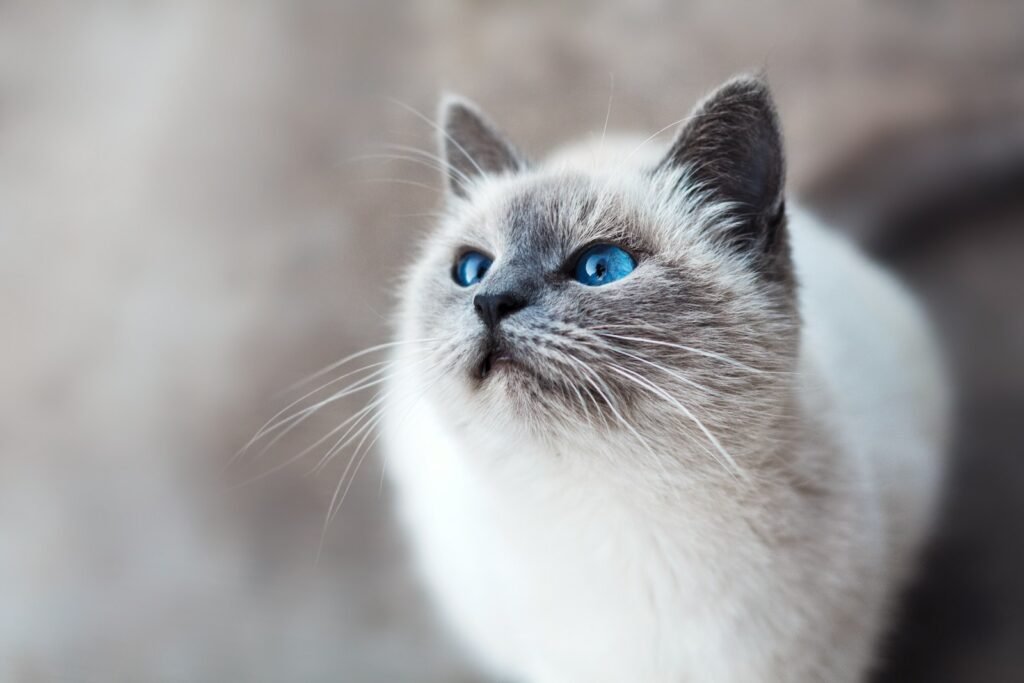
Ever noticed your cat glance at you before reacting to something new or strange in the environment? That’s not coincidence. Cats observe human behavior using a process called social referencing. This is something that children learn to do and continue to do into adulthood. It occurs when you’re in an unfamiliar situation and look to the people around you to learn how to react.
In one study, cats were observed looking at their owners when confronted with a strange fan with streamers. Sensing their owners’ calm behavior, the cats’ fear of the fan disappeared, some choosing to lay beside it. Your cat is literally using your emotional state as a compass.
This ability to social reference can explain how cats manipulate humans. Because they’re smart enough to put your behavior into context, they can train themselves to behave in ways that trigger specific responses from you. They study you. Then they act accordingly. Think about that next time you feel like the one in charge.
The Head Boop and Scent Marking: Owning You Without You Knowing
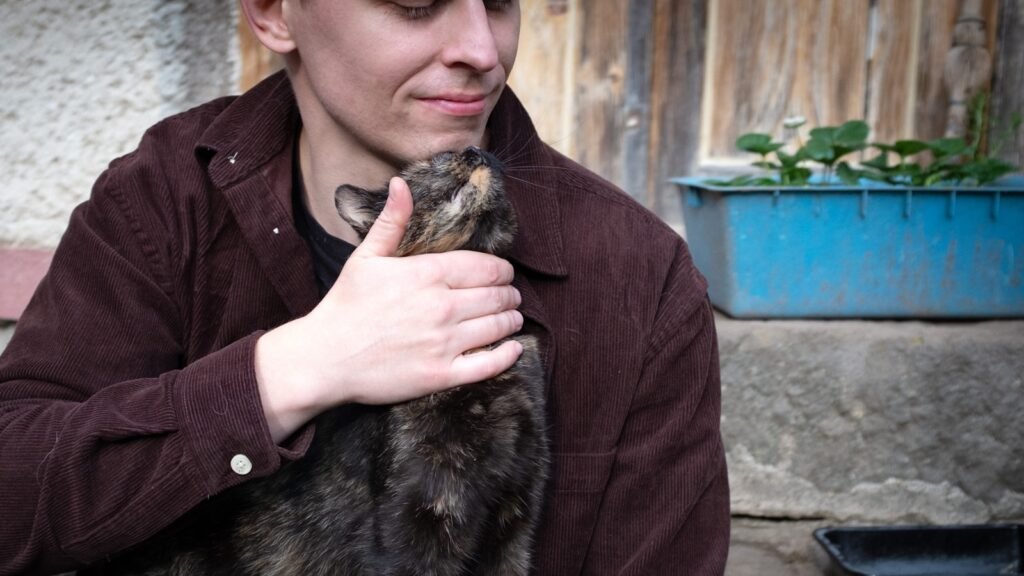
When your cat presses their little forehead into your chin or cheek, you probably feel chosen. Special. Loved. That warm feeling is real, but there’s something else going on underneath the surface. A soft nudge to the face or chin may feel affectionate, but behavioral studies show that it also leaves scent markers. People usually respond by petting, holding, or staying nearby. The move builds a routine where proximity becomes expected, and the cat ends up directing where everyone settles.
Greeting rituals often involve a cat rubbing its body against the human’s legs, a form of allorubbing that deposits scent and reaffirms the social bond. So when your cat rubs against you, they’re not just saying hello. They’re essentially stamping you as part of their territory. You are claimed property. Lovingly, of course.
Sitting on Your Laptop: Attention Theft in Broad Daylight
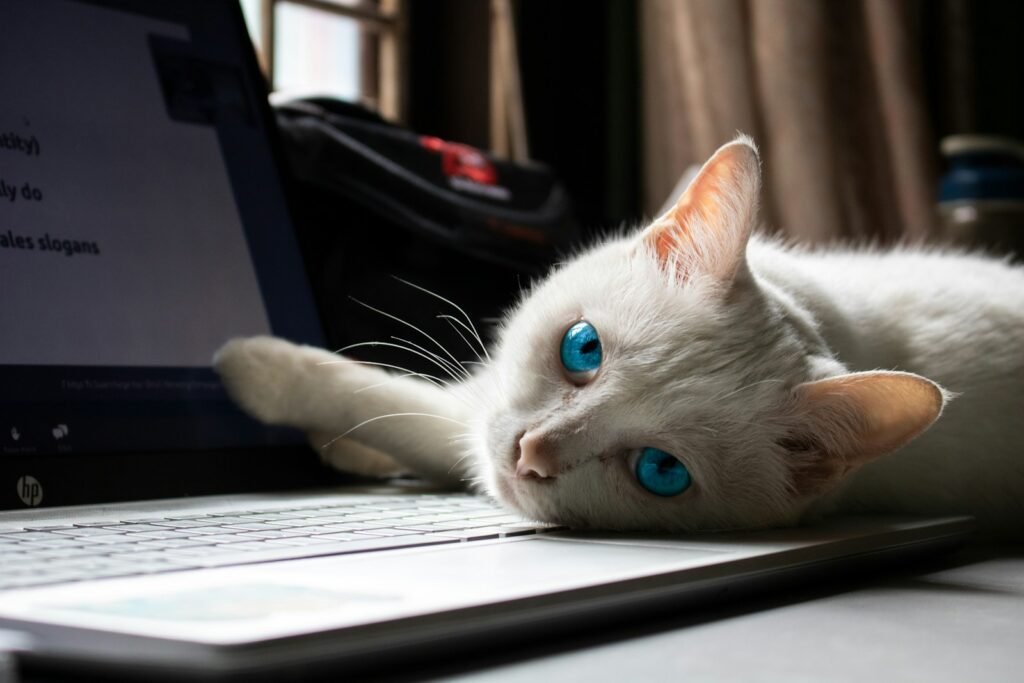
Let’s be real. Every cat owner knows this one. You open your laptop, start focusing on something important, and within minutes there is a warm, furry body positioned directly between you and your screen. It feels random. It is not random at all.
When a cat strolls across a keyboard or settles on a book, it’s usually because they’ve noticed how intensely their human focuses on the object. The device becomes a high-value spot simply due to your attention, warmth, and predictable reactions. By placing themselves in that space, cats redirect your focus back toward them.
Think of it like this: your attention is the prize, and your laptop is just the vehicle to steal it. Your cat has figured out that wherever your eyes go, your hands and your affection soon follow. That’s not a pet sitting on your keyboard. That’s a genius-level redirect operation in action.
Kneading: Making You Freeze on Command
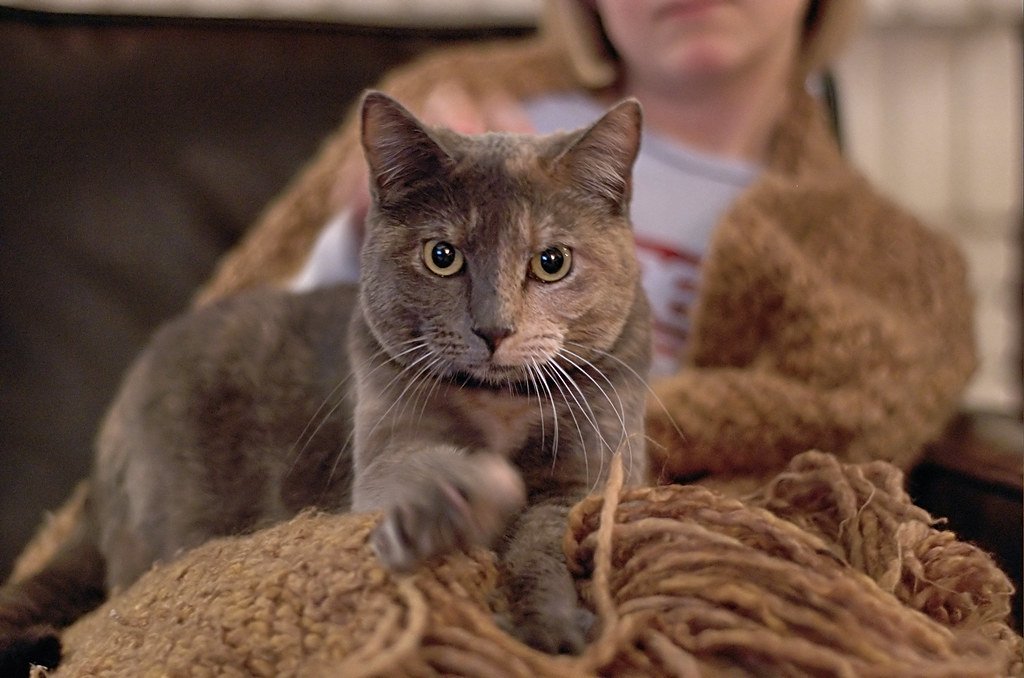
There are few things more universally disarming than a cat kneading on your lap. That rhythmic, gentle pawing, the slightly glazed look in their eyes, the rumbling purr… it creates an almost trance-like effect in cat owners. And the thing is, it actually works behaviorally too.
When a cat settles in and starts kneading, the whole mood usually softens. People instinctively relax, remain still, or gently stroke the cat. Kneading, a rhythmic pawing action, is a remnant of kittenhood when the behavior stimulated milk flow from the mother, and it is used in adulthood as a comforting, affiliative behavior.
So your cat has essentially learned that this deeply soothing childhood habit also has the magical side effect of making you completely still and fully available. You don’t move. You don’t get up. You stay. It’s hard to say for sure whether cats consciously know this, but the results speak for themselves.
Routine Enforcement: Training You Without a Treat in Sight
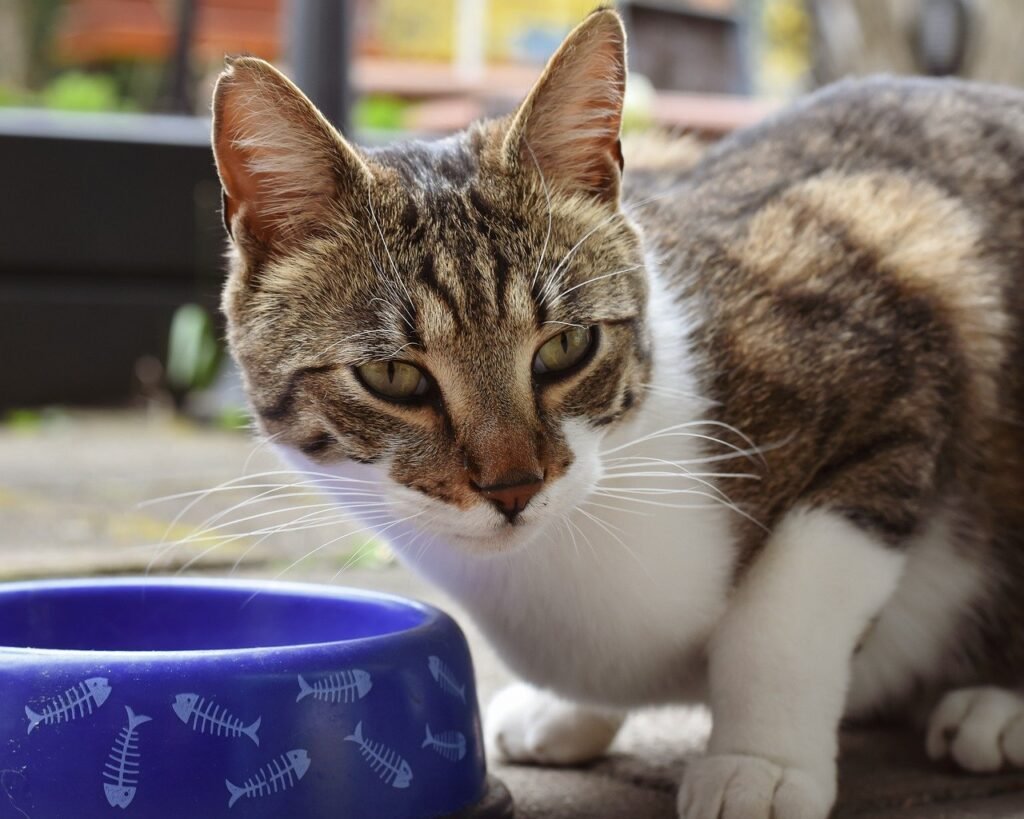
Here’s a fascinating flip of perspective. You think you feed your cat. In reality, your cat has trained you to feed them at specific times through sheer behavioral persistence. Cats are perfect alarm clocks that always stick to their schedule because they live for routine. If your cat wakes you up at the same time every morning or demands to be fed at the same time every day, you have a small tiger-like boss at home.
If your reaction to hearing a certain sound your cat makes is to feed them, the cat’s behavior is being positively reinforced and will be more likely to happen again in the future. Cats who ask for food early in the morning, causing their person to get out of bed, keep doing that because it is working for them.
It’s a masterclass in operant conditioning, except your cat is the trainer and you are the subject. Every time you respond to the 5 AM yowl by dragging yourself out of bed and filling the bowl, you reinforce exactly the behavior you probably wish would stop. They’ve got you in a loop and the loop is working perfectly.
The Baby-Face Effect: Exploiting Your Hardwired Nurturing Instinct
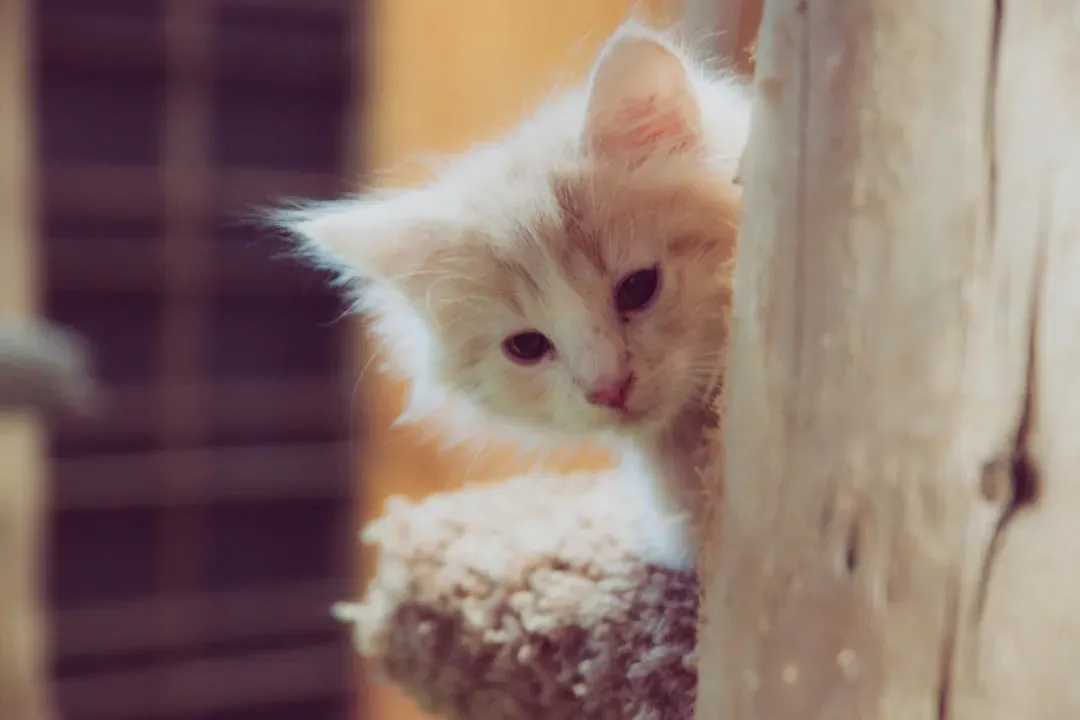
You know how you look at your cat’s big round eyes and squished little face and something deep inside you just wants to take care of them forever? Turns out, that’s not a coincidence. Science has a name for it. According to research in Frontiers in Psychology, cats have physical traits that resemble those of infants, referred to as kinderschema or baby schema. Coined by ethologist Konrad Lorenz, this baby schema includes a large head, a round face, and big eyes. The theory is that these traits increase cuteness and motivate adults to nurture, take care of, and pay more attention to the subject.
The study determined that cats elicit this nurturing behavior in humans. Your brain literally processes your cat’s face the same way it would process a baby’s face. You are biologically programmed to take care of them. Humans are naturally predisposed to respond to certain cues, especially those that mimic infant distress signals. This inherent empathy, combined with the desire to provide for pets, makes us particularly susceptible to a cat’s tactics. We are, in a sense, hardwired to be easily influenced by our feline companions.
Reciprocity Conditioning: Getting You to Go First, Every Time
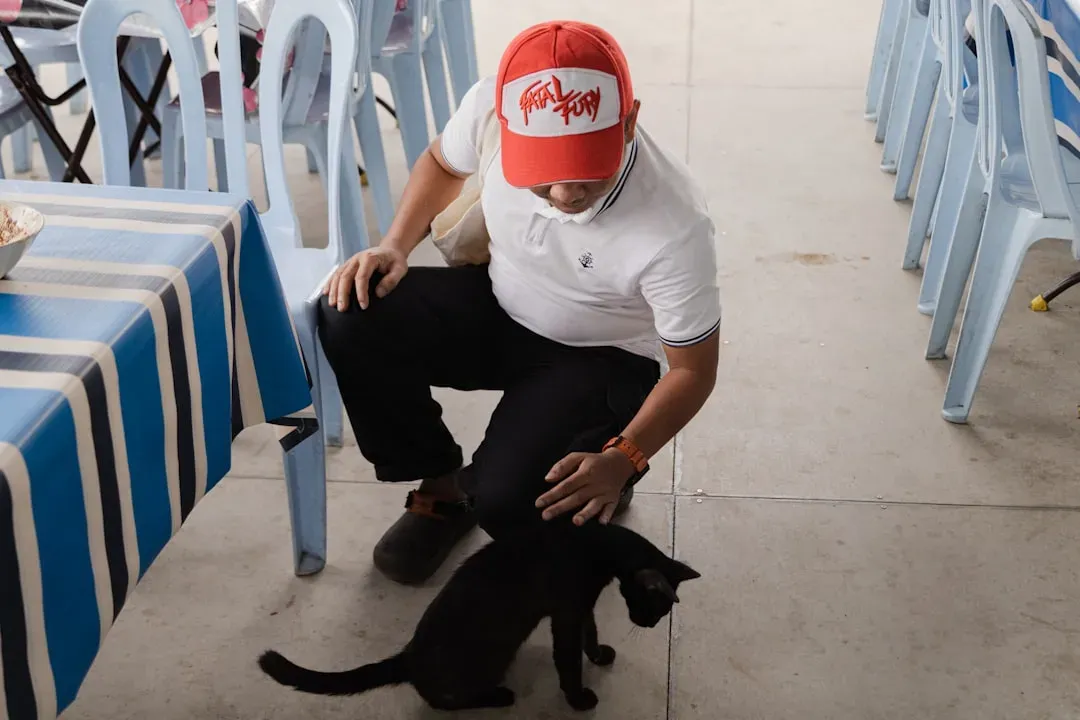
If you’ve ever felt like your cat only gives you affection after you’ve already given them something they wanted, you’re not imagining it. This dynamic has actually been studied and confirmed. Research published in the journal Behavioral Processes found that the bond between cats and humans may be akin to the bonds humans have with other humans. Among their findings was evidence of cats giving in to their human’s wishes, but only if the human fulfilled their wishes first.
Evidence shows cats following their human’s wishes, but only if the human fulfilled their wants first. Cats also tend to wait for humans to initiate interaction, and in some cases, they won’t even reciprocate at all. Sound familiar? This is a power dynamic your cat has down to an art form.
Cats quickly learn which individuals are more susceptible to their tactics. If someone consistently gives in to their demands, the cat is more likely to target that person. Consistent responses from all members of the household are crucial. Your cat has essentially mapped out your household’s vulnerability rankings and adjusted their strategy accordingly. Impressive and slightly terrifying.
Conclusion: Living Happily Under Feline Rule
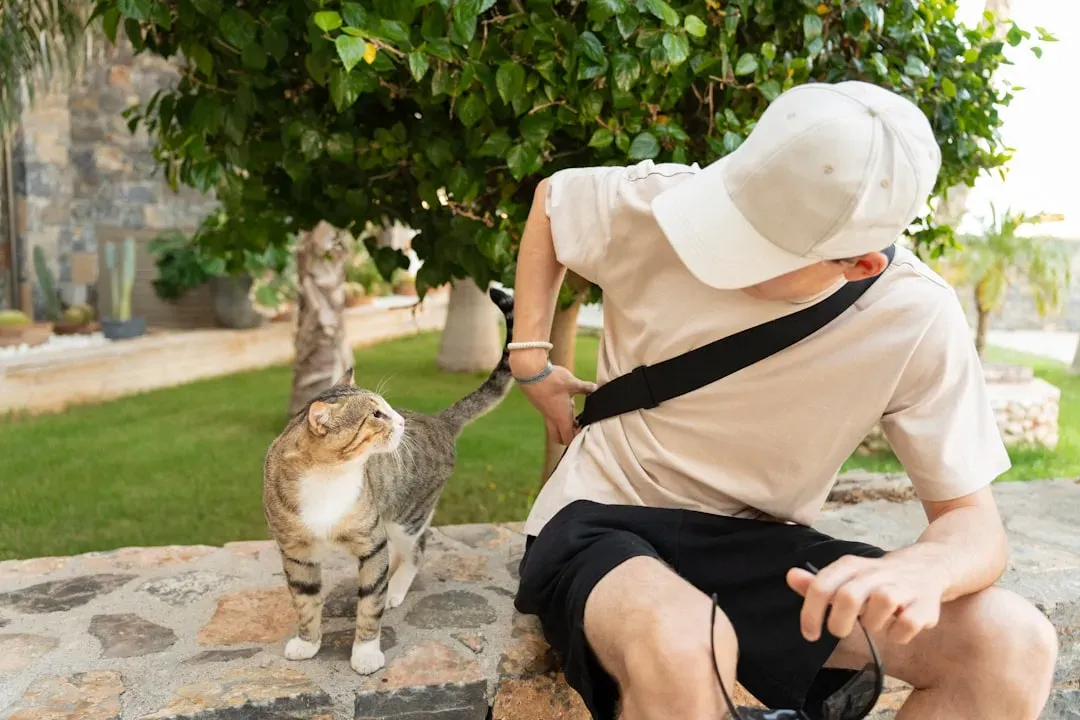
So where does all of this leave you? Probably sitting on the couch, gently frozen in place because your cat started kneading twenty minutes ago and you simply cannot bring yourself to disturb them. Honestly, same. The extraordinary thing about all of this is that despite the “manipulation,” most cat owners wouldn’t change a thing.
Over many years, cats have evolved and learned to use clever manipulation techniques without us noticing. They are incredibly smart and will always find a way to get what they want from their human. Felines have evolved around humans, permitting them to observe our actions, and they use these observations to develop habits that get them the results they want. It’s less manipulation and more a very sophisticated partnership.
Many felines actually find human-cat interactions more pleasurable than food, and deep down they care about you, in their own way. So yes, your cat has trained you. Yes, you are probably fulfilling their every request without realizing it. The relationship has been working this way for thousands of years, and honestly, it seems to be working out well for both sides.
Now the real question is: knowing all of this, do you think you’ll actually change anything? Or will you still get up at 5 AM to fill that bowl? Tell us in the comments.