Cats have a reputation. Aloof. Independent. Mysterious. People who don’t own one might tell you a cat doesn’t really need you, that it’s basically a small, furry roommate who barely acknowledges your existence. Anyone who actually lives with a cat, though, knows that’s hilariously wrong.
Cats are often described as independent, even distant. Anyone who lives with one knows that is only part of the story. Cats seek connection too. The thing is, they just don’t always ask for it the way you’d expect. No tail-wagging, no obvious whimpering. Instead, they’ve developed an entire secret vocabulary, a silent, layered language of gestures, proximity, and tiny deliberate acts that most of us walk right past without a second thought. So if you’ve ever wondered what your cat is really trying to tell you, you’re about to find out. Let’s dive in.
The Slow Blink That Says More Than Words
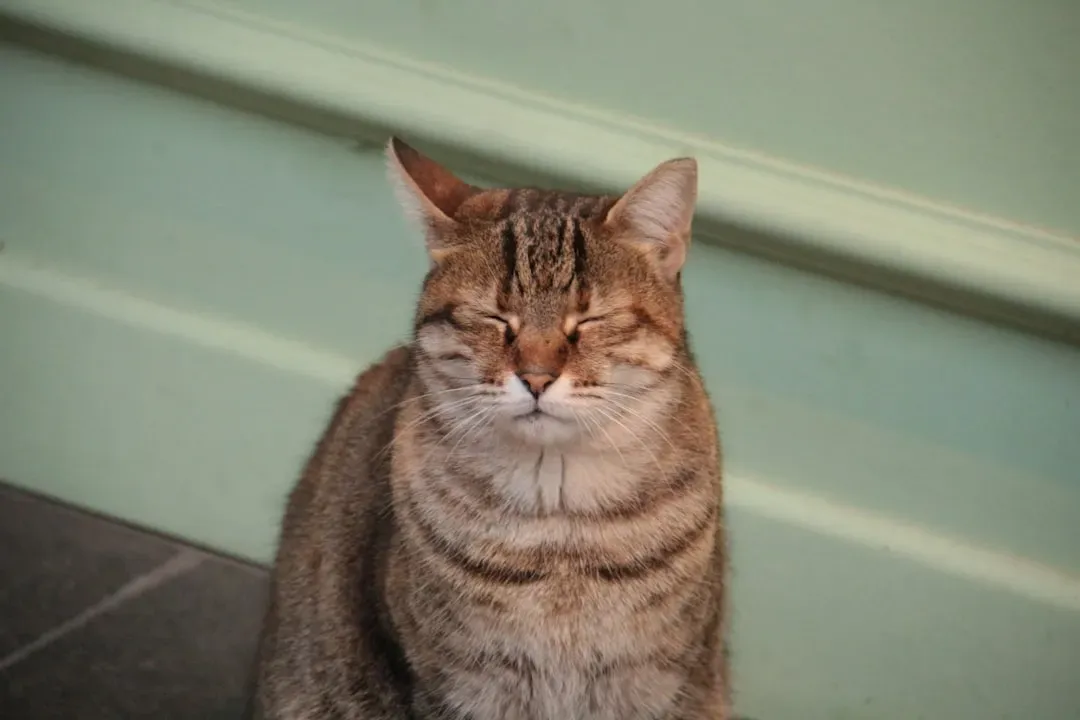
You’re sitting on the couch, minding your business, and you catch your cat staring at you from across the room. Before you can decide whether it’s unsettling or adorable, they close their eyes slowly, hold it for a beat, and blink back open. That, right there, is one of the most intimate things a cat can do.
One of the sweetest, most understated ways a cat will ask for your attention is with a slow blink. When your cat looks at you and blinks slowly, it’s not falling asleep. Instead, this is a sign of deep trust and affection. Think of it like a feline version of a heartfelt smile. When cats greet another cat in their vicinity, they can do a slow, languid, long blink to communicate affection if they trust the person or animal they are with. One way to communicate love and trust back to a cat is to say its name, get its attention, look it in the eyes, and then slowly blink to emulate trust and love. They may return the gesture. Try it. You might be surprised just how quickly your cat blinks back.
Knocking Things Off Surfaces (Yes, It’s on Purpose)
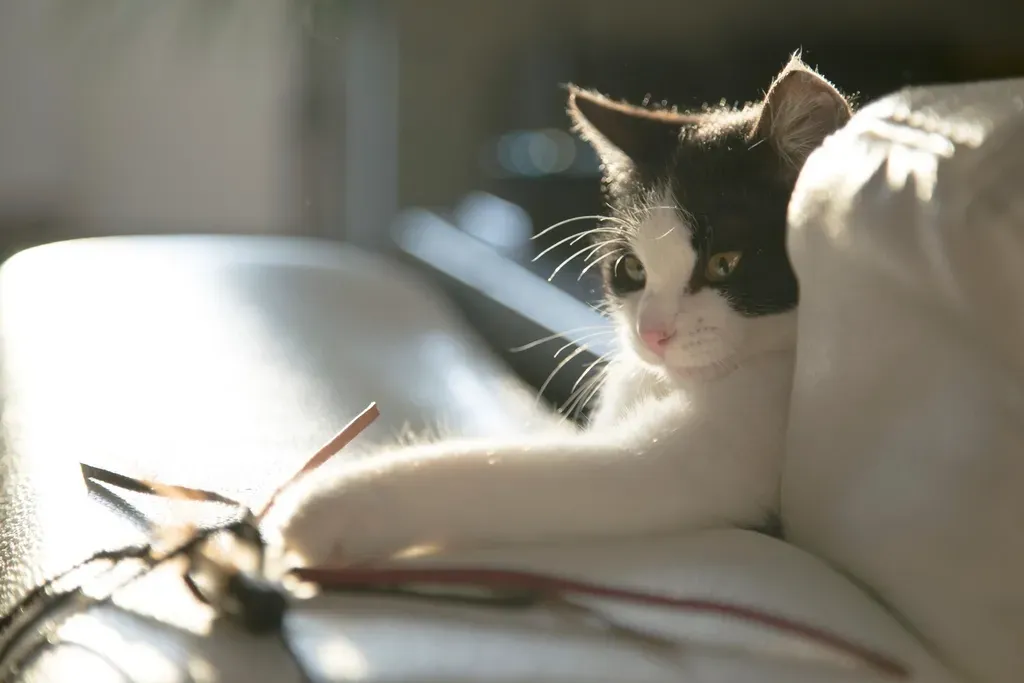
Let’s be real, this one gets a lot of attention on the internet, and for good reason. Your cat walks up to your bookshelf, stares directly at you, and pushes your water bottle off the edge. Accident? Absolutely not.
Clever cats will locate the item you most treasure and slowly but deliberately push it to the edge of the table, dresser, or shelf, giving you just enough time to run over and catch it before it falls. If you’re engrossed enough in what you’re doing, however, she’ll send that item crashing to the floor. Either way, she won your attention. It’s honestly impressive strategy when you think about it. Some cats will deliberately knock items off tables or counters to gain your attention. The moment you react, whether it’s to scold, laugh, or rescue the falling object, your cat has achieved exactly what it set out to do. Mission accomplished.
Sitting on Whatever You’re Currently Using
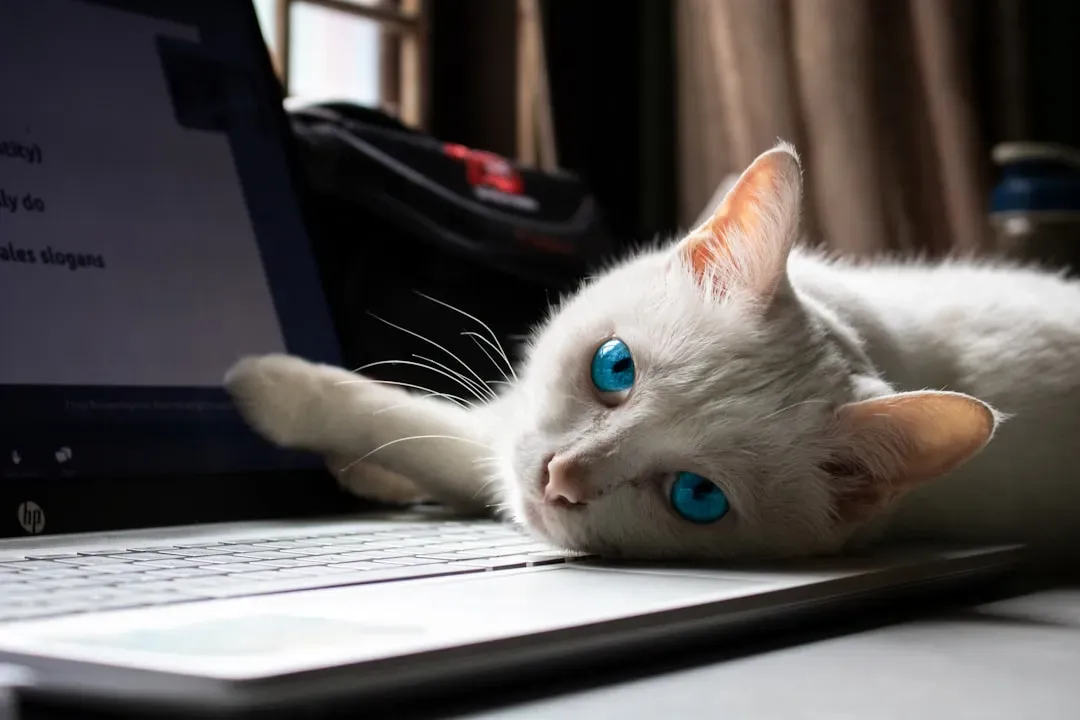
You open your laptop to get some work done. Within sixty seconds, there’s a cat on the keyboard. You pick up a book, suddenly there’s a warm, purring body draped across the pages. It’s almost comedic how precise the timing is.
Another common yet effective move is sitting on your laptop, tablet, book, newspaper, magazine, or dinner plate. This is your persistent purrer’s way of saying she is the most important thing in your life. She may have you fooled into thinking she’s on your computer because it’s warm, but she’s really just asserting her dominance over the inanimate object that stands in her way. Honestly, it’s hard to argue with that logic. Cats may overtly place themselves on your lap while you are working at a computer or reading a book in an attempt to redirect your attention onto them. Your cat isn’t being difficult. Your cat is being remarkably clear: you, not the screen, should be the priority right now.
Following You Silently from Room to Room
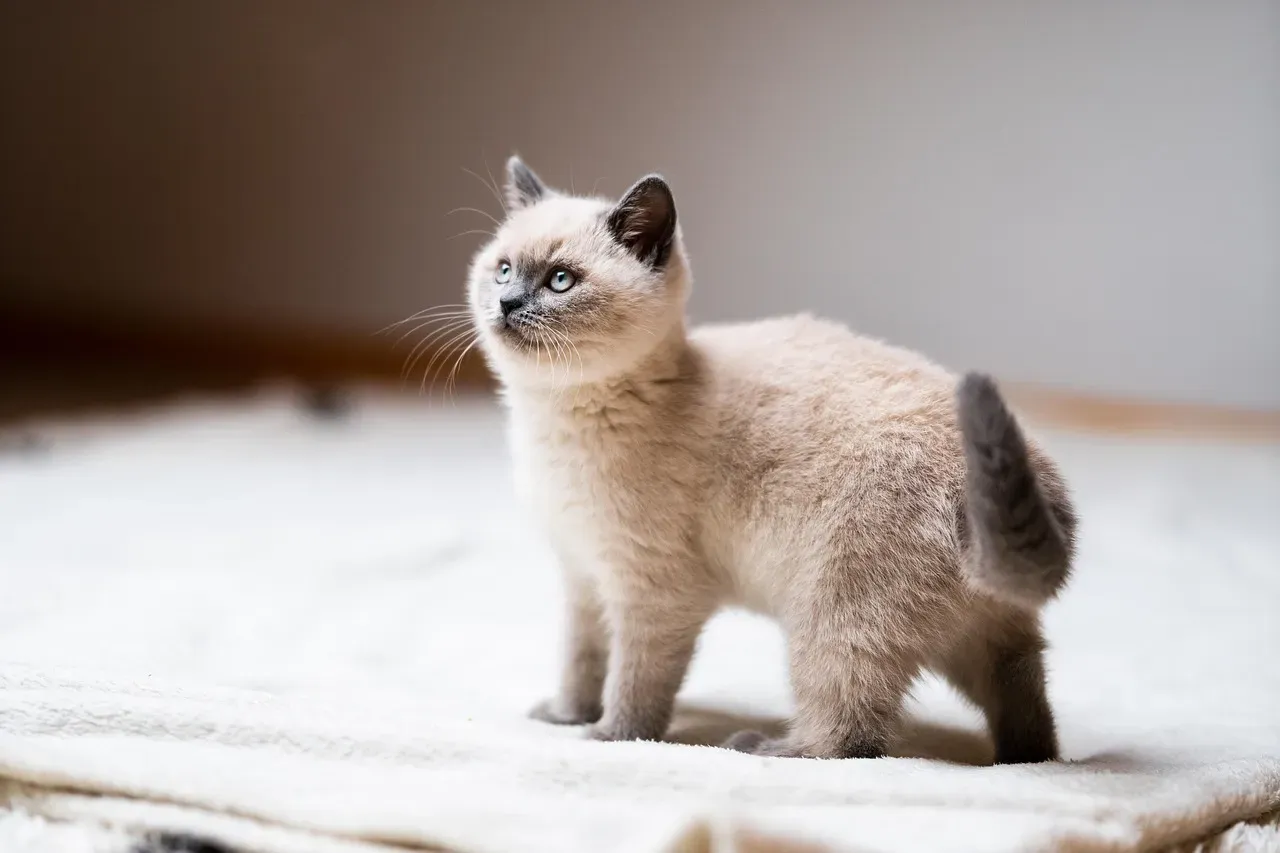
You get up to grab a glass of water. You hear the soft pad of paws behind you. You move to the bedroom, same thing. You go to the bathroom, and there’s a pair of eyes watching you from the doorway. It can feel a little eerie, until you understand what’s actually happening.
Following you around the home, deliberately strolling in your path, especially when they know you’re busy, is another form of attention-seeking. This behavior can be beguiling but signals that your cat notably needs or wants your focus. Here’s the thing: your cat isn’t being clingy in a desperate way. Cats are selective with their energy. When a cat chooses to share space with you, it’s not accidental. Proximity, in the feline world, is trust. That silent shadow trailing you from room to room is your cat’s version of saying, “I just want to be near you.” That’s actually pretty wonderful.
Pawing at You Gently (Without the Claws)
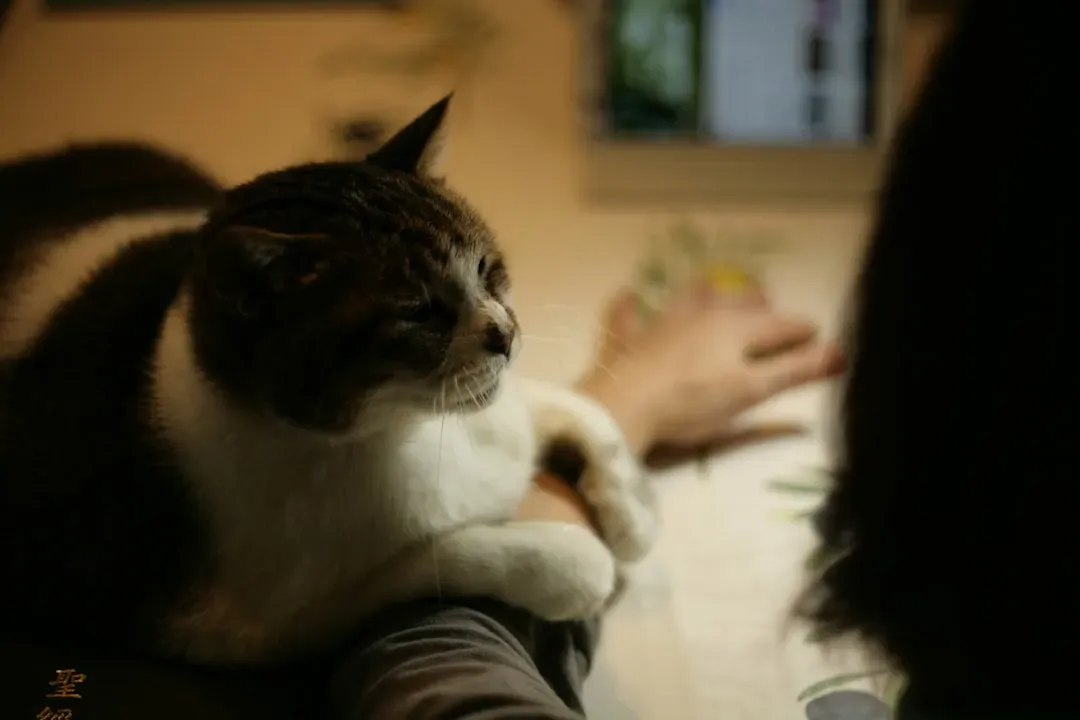
A soft tap on your arm. A gentle paw press on your cheek. Sometimes even a light boop on your nose while you’re trying to sleep. These tiny, deliberate touches are not random. Your cat has a lot more control over those paws than you might think.
If your cat gently taps you with their paw or claws on your face or limbs, they may be trying to signal that they want you to engage with them. It’s a surprisingly polite request when you consider the alternatives. If you’re working and they keep pawing at your fingers as you type, they could be understimulated and asking for some interactive play. Pay attention to the context. A gentle paw tap during a quiet evening likely means your cat wants a cuddle. A persistent paw during your work-from-home meeting means they have decided your deadline is far less important than their need for entertainment right now.
Bringing You “Gifts” You Absolutely Did Not Ask For
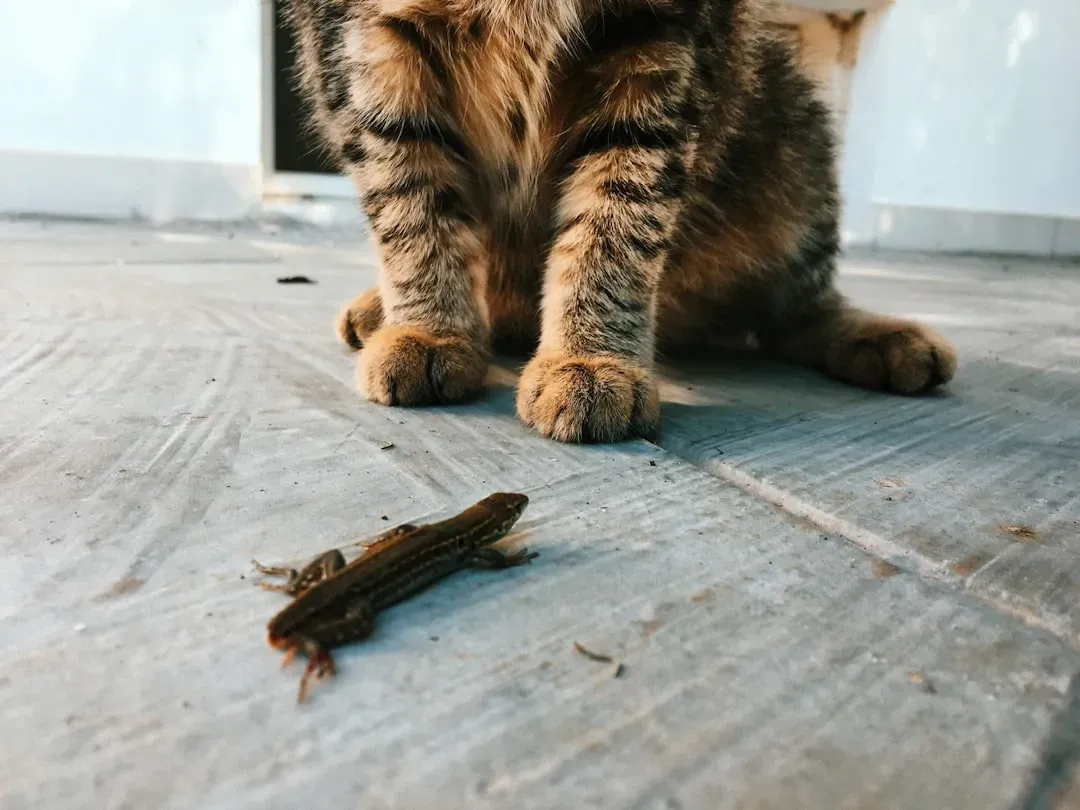
You walk into the kitchen and find a toy mouse placed directly in front of your coffee maker. Or worse, something that used to be alive sitting on your doorstep. Strange as it feels, this is one of the most heartfelt things a cat can do for you.
You might be surprised or even a bit horrified to find a toy, a sock, or even a small prey animal left on your doorstep or bed. While this isn’t the most obvious way to ask for attention, it’s a deeply meaningful gesture. Your cat is sharing something valuable with you, hoping for a reaction. This quiet form of communication isn’t about the object itself; it’s about sharing an experience with you. When your cat brings you these gifts, it’s an understated invitation to interact, play, or simply acknowledge their effort. So next time you find a soggy toy at your feet, responding with gentle praise or playtime shows your cat that you appreciate their subtle way of reaching out. They worked hard on that gift. Give them a little credit.
Staring at You from Across the Room
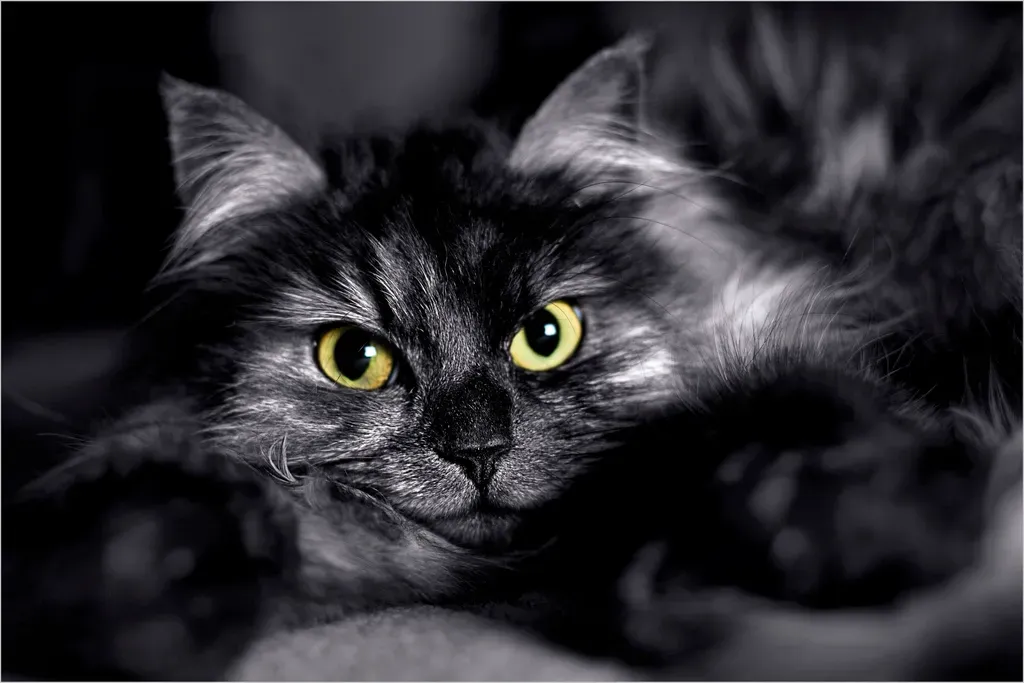
There’s something deeply unnerving, and yet strangely flattering, about catching your cat watching you from across the room when they think you haven’t noticed. They’re not plotting anything sinister. At least, probably not.
Cats are naturally curious, but if your cat pauses in the middle of grooming, playing, or exploring just to watch you, it’s a subtle sign they’re seeking your attention. This break in their routine shows that you are as interesting to them as their other activities. Sometimes, you’ll notice them staring at you from across the room, waiting for you to make the first move. This quiet observation is a gentle plea for connection. So instead of feeling watched, feel wanted. A cat that waits, watches, or gently brushes past your leg may be asking for a connection in the only way that feels natural. That long gaze is an open invitation. You just have to be paying enough attention to notice it.
Scratching Furniture Right in Front of You
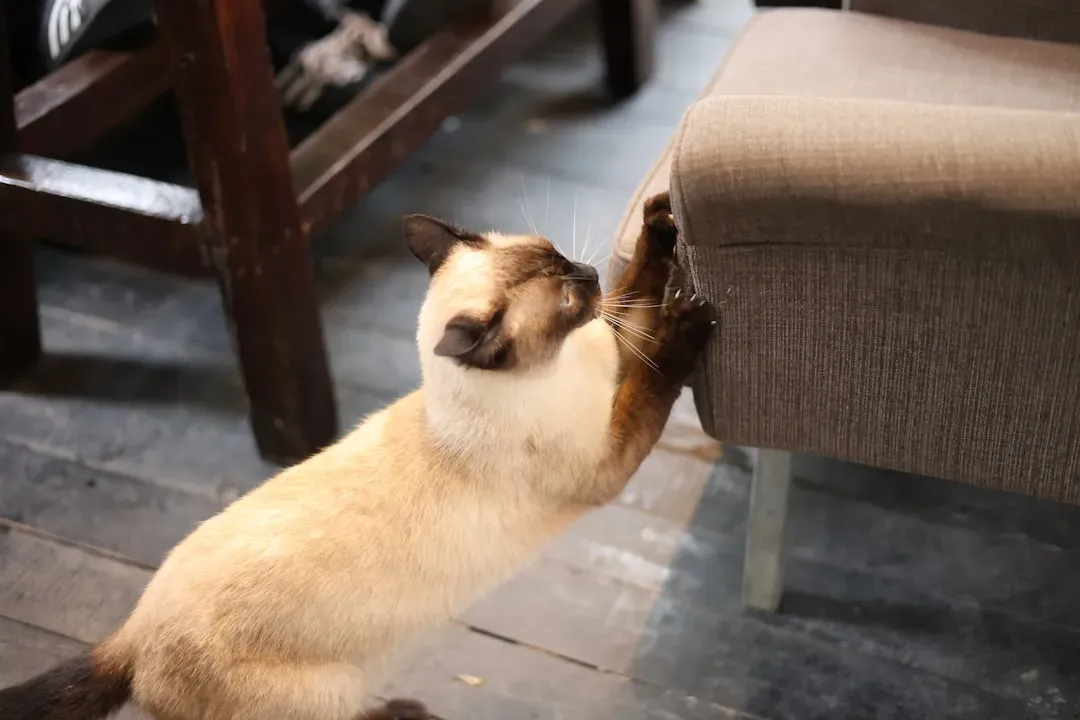
Your cat has a perfectly good scratching post in the corner. You bought the expensive sisal one. It sits there, pristine and untouched, while your cat dramatically drags their claws down the side of your sofa, making direct eye contact with you the entire time. This is not a coincidence.
Beyond helping cats maintain claw health and stretch their muscles, scratching allows them to express emotions and communicate. Emotionally-driven scratching can be fueled by stress, anxiety, frustration, and overstimulation. It can also provide an outlet for excitement and even joy. The key detail here is the timing and location. This natural feel-good behavior may become destructive and problematic when cats scratch furniture and other inappropriate areas and earn the reward of your attention. In other words, once your cat figures out that scratching the couch gets you up off your chair fast, that behavior becomes a reliable tool. They’ve essentially trained you, and they didn’t even need to take a class to do it.
Rolling Over to Show You Their Belly
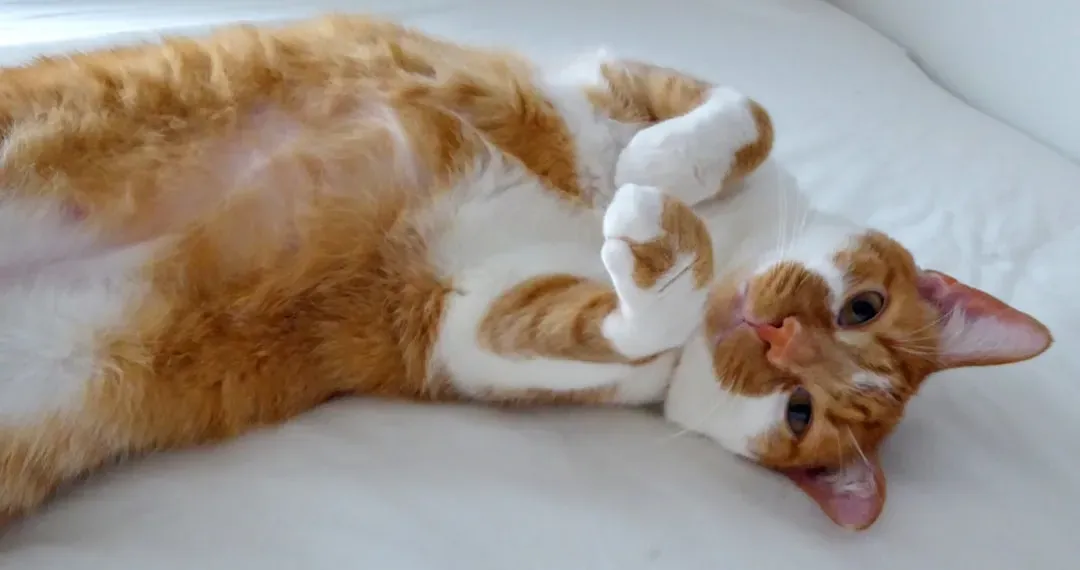
Few things in life are as immediately disarming as a cat suddenly flopping dramatically onto their back and rolling around, legs in the air, belly fully exposed. It looks ridiculous. It is also one of the most vulnerable, trusting things a cat can do.
Few things are more charming than a cat flopping over and exposing its belly. While this can be a sign of trust, it’s also a gentle way for your cat to ask for attention. By putting themselves in such a vulnerable position, your cat is saying, “I trust you, and I want your affection.” Now, a word of caution here. Watch for relaxed body language and soft purring; these are clues your cat wants a little gentle attention, not rough play. The belly display is an emotional invitation, not necessarily a physical one. Some cats will absolutely swipe at you if you dive in for a belly rub. Read the whole picture before making your move.
Waiting by the Door or Window for Your Return
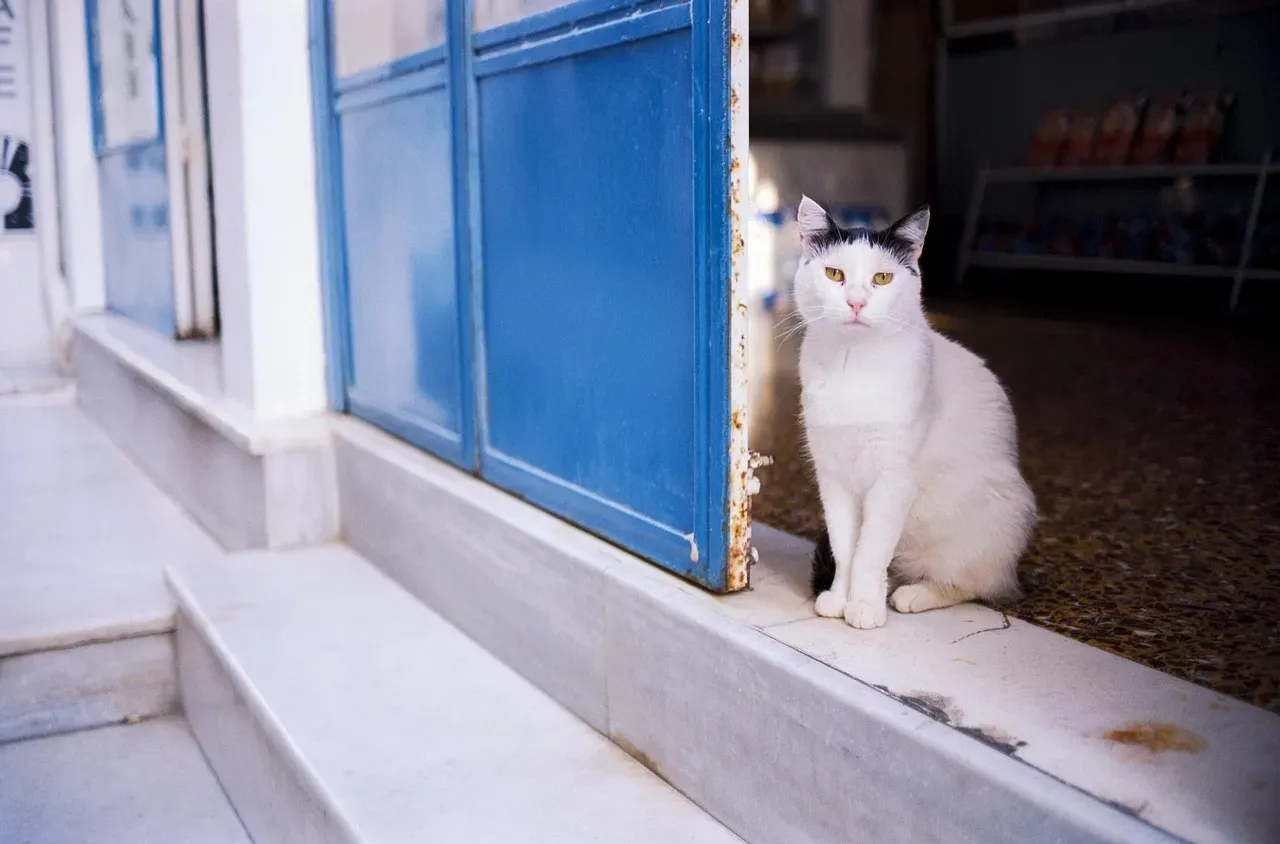
You come home after a long day. As you put your key in the lock, you hear a small sound from the other side. You open the door and there they are, sitting in the hallway like a tiny, judgmental statue. They were waiting. They always wait.
Whether you’ve been gone for ten minutes or ten hours, some cats will wait by the door or window for your return. This isn’t just about routine; it’s a loving, understated way of showing they’ve missed you. When you arrive, your cat might greet you with a soft meow, a head bump, or just a lingering look. This behavior is a subtle, heartwarming reminder that your presence matters deeply to your feline friend. It’s hard to say for sure exactly how much they experience the passage of time, but what’s clear is that cats have evolved over years of domestication to form strong attachment bonds with humans, often seeking us out for comfort and security. That little creature by the door is not just habitual. They genuinely missed you.
Conclusion
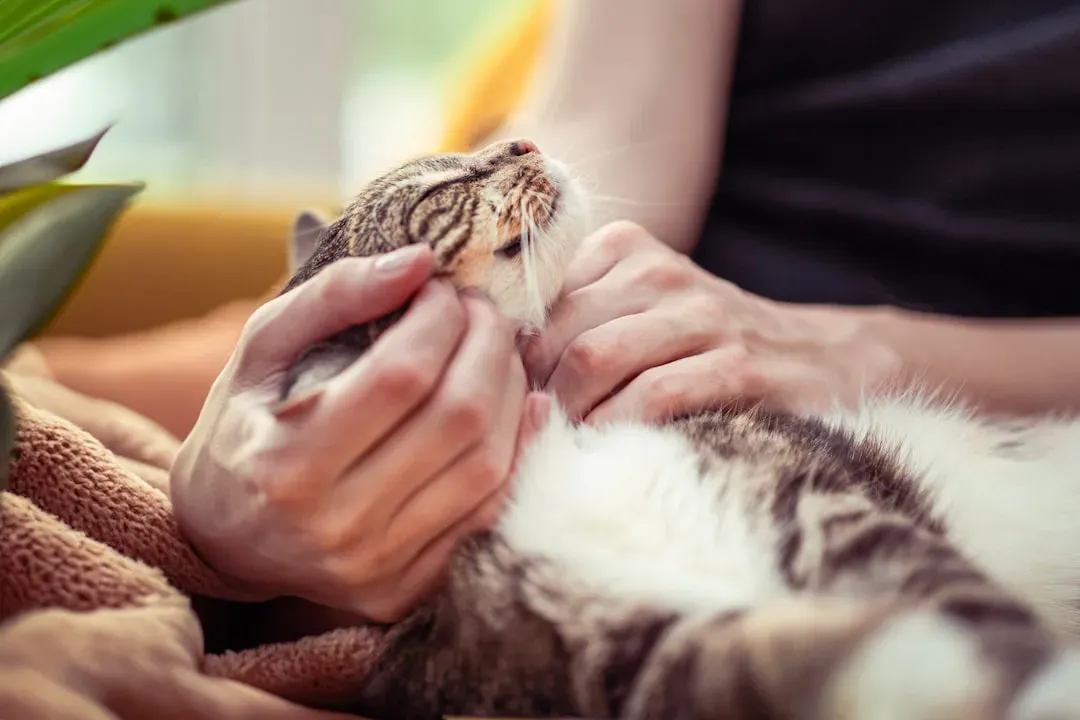
Here’s the takeaway: your cat is talking to you constantly. The slow blink, the calculated knock of your keys off the counter, the shadow that follows you to every room, these are not quirks. They are a whole language. Cats don’t seek attention because they are needy. They do it because they form bonds quietly, carefully, and on their own terms.
Giving attention to a cat doesn’t always mean you have to play with them. Sometimes it is returning a slow blink, speaking softly, or just simply sitting together on a couch without distraction. The truth is, once you start decoding these signals, your whole relationship with your cat shifts. You stop seeing them as aloof and start seeing them as deeply communicative in a way that’s entirely their own.
So the next time your cat stares at you from across the room, drops a toy at your feet, or plants themselves directly on top of your laptop, don’t brush it off. They’re reaching out. The only question is whether you’re paying close enough attention to reach back. What do you think, have you been missing your cat’s signals all along? Tell us in the comments.