Ever watched your cat stare out the window with that faraway look in their eyes, like they’re plotting an epic adventure they’ll never actually have? Living indoors keeps your feline friend safe from traffic, predators, and all sorts of outdoor dangers. Yet that safety can sometimes come with a catch. Without enough stimulation, your furry companion might resort to their own creative outlets, like attacking your favorite houseplant at three in the morning or turning your sofa into a personal scratching masterpiece.
Cats are natural hunters, climbers, and explorers, and when they don’t have opportunities to flex those feline skills, they can become bored, anxious, or overweight. The good news? You don’t need to turn your home into a jungle or spend a fortune on fancy gadgets. With a bit of creativity and understanding of what makes your cat tick, you can transform your living space into a paradise that keeps them physically fit, mentally sharp, and genuinely happy. So let’s dive in and discover how to bring out the best in your indoor cat.
Create Vertical Spaces for Climbing Adventures
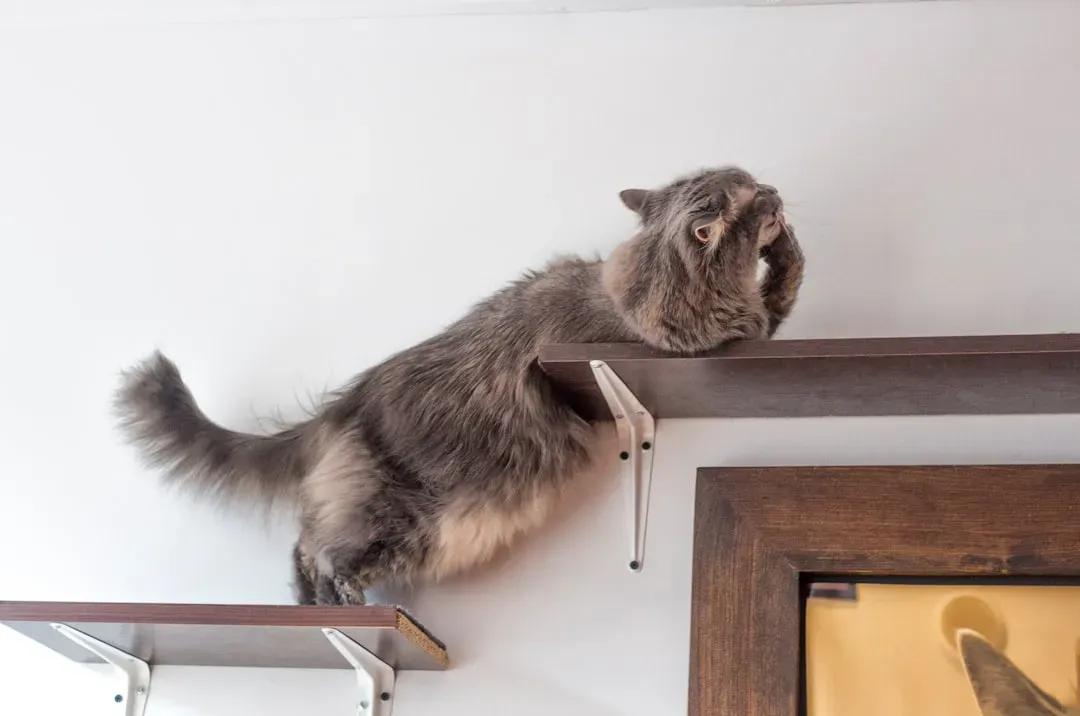
Cats love to climb and explore their surroundings from different perspectives, so creating vertical spaces in your home satisfies their climbing instincts. Think about it. In the wild, cats would scale trees to survey their territory and escape threats. Your indoor kitty has those same instincts hardwired into their DNA.
Installing cat trees, wall-mounted shelves, or providing sturdy, carpeted perches gives your cat the chance to be king or queen of their domain. Position these structures near windows if possible, so they can combine their love of heights with some quality birdwatching time. Vertical spaces not only offer exercise opportunities but also allow cats to observe their territory, providing mental stimulation and a sense of security. Honestly, watching your cat leap from shelf to shelf like a tiny acrobat is pretty entertaining for you too.
Set Up a Window Perch for Natural Entertainment
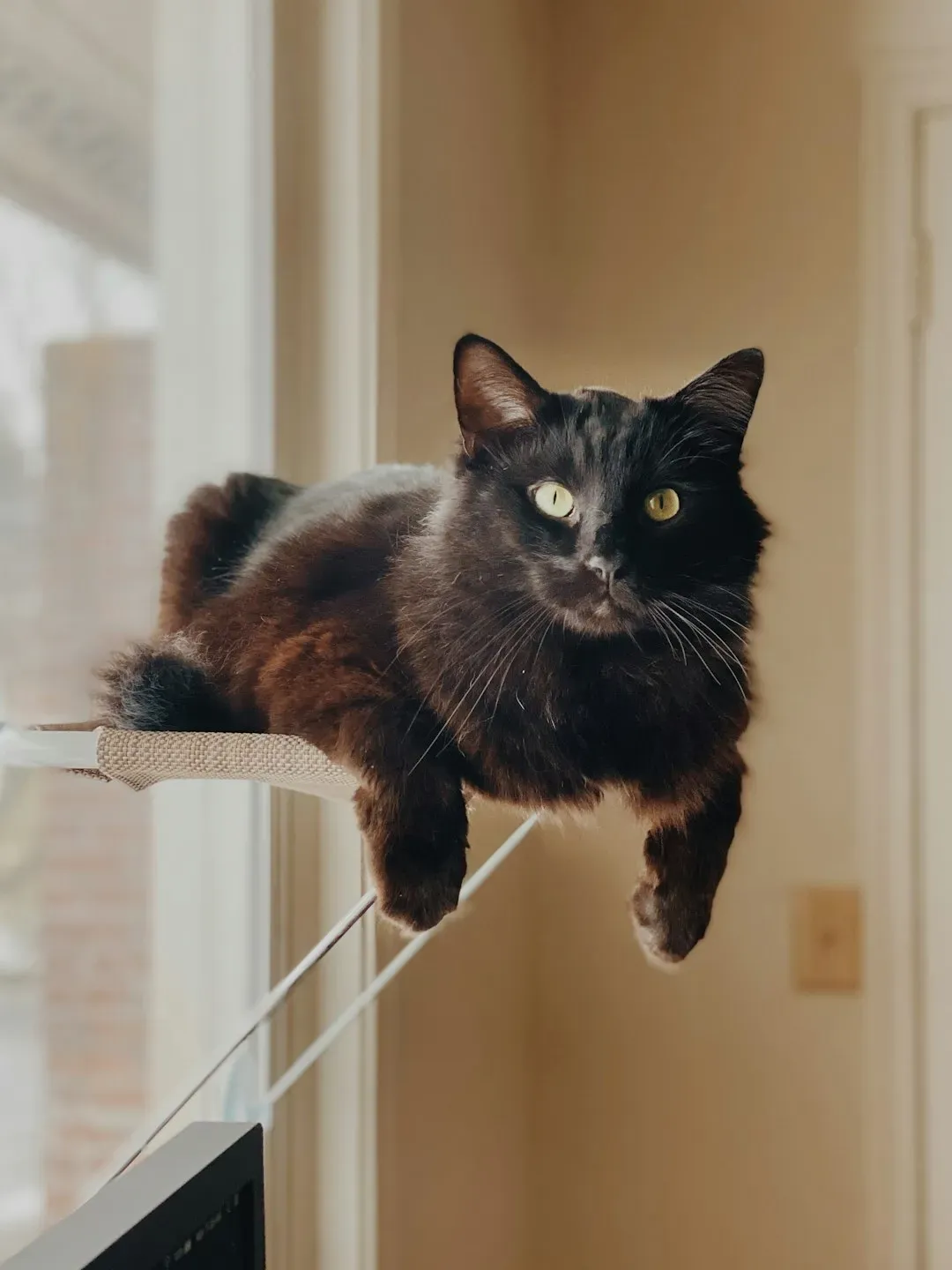
Setting up a comfortable perch near a window creates a front-row seat to the outside world, as cats are fascinated by bird activity, passing wildlife, and changing scenery, enabling them to engage with the sights and sounds of the outdoors. It’s like giving your cat their very own television channel, except this one features live action with unpredictable plot twists.
To make this even more engaging, consider placing a bird feeder or birdbath outside the window. A birdbath or bird feeder placed within sight of the window can increase your cat’s enjoyment. Your cat will spend hours chatting at the birds, tail twitching with excitement. Just be aware that some cats might get a bit too into their shows and paw at the glass, so make sure everything is secure.
Engage Their Hunting Instincts with Interactive Play

Regular interactive play sessions with your indoor cat are vital for their physical and mental well-being, using a variety of toys like wand toys or feather teasers to mimic prey-like movements and engaging in play sessions that encourage jumping, pouncing, and chasing. This isn’t just about tiring them out, although that’s a nice bonus.
Play sessions with your cat should only be about 10 to 15 minutes long, making time for two to three daily play sessions for older cats to up to 10 sessions for kittens. The key here is quality over quantity. Make the toy act like actual prey: let it dart away, hide behind furniture, freeze in fear, then scurry across the floor. Let your cat catch it sometimes too, especially at the end, so they get that satisfying feeling of a successful hunt. It’s hard to say for sure, but I think this really makes a difference in how content they seem afterward.
Introduce Puzzle Feeders for Mental Stimulation
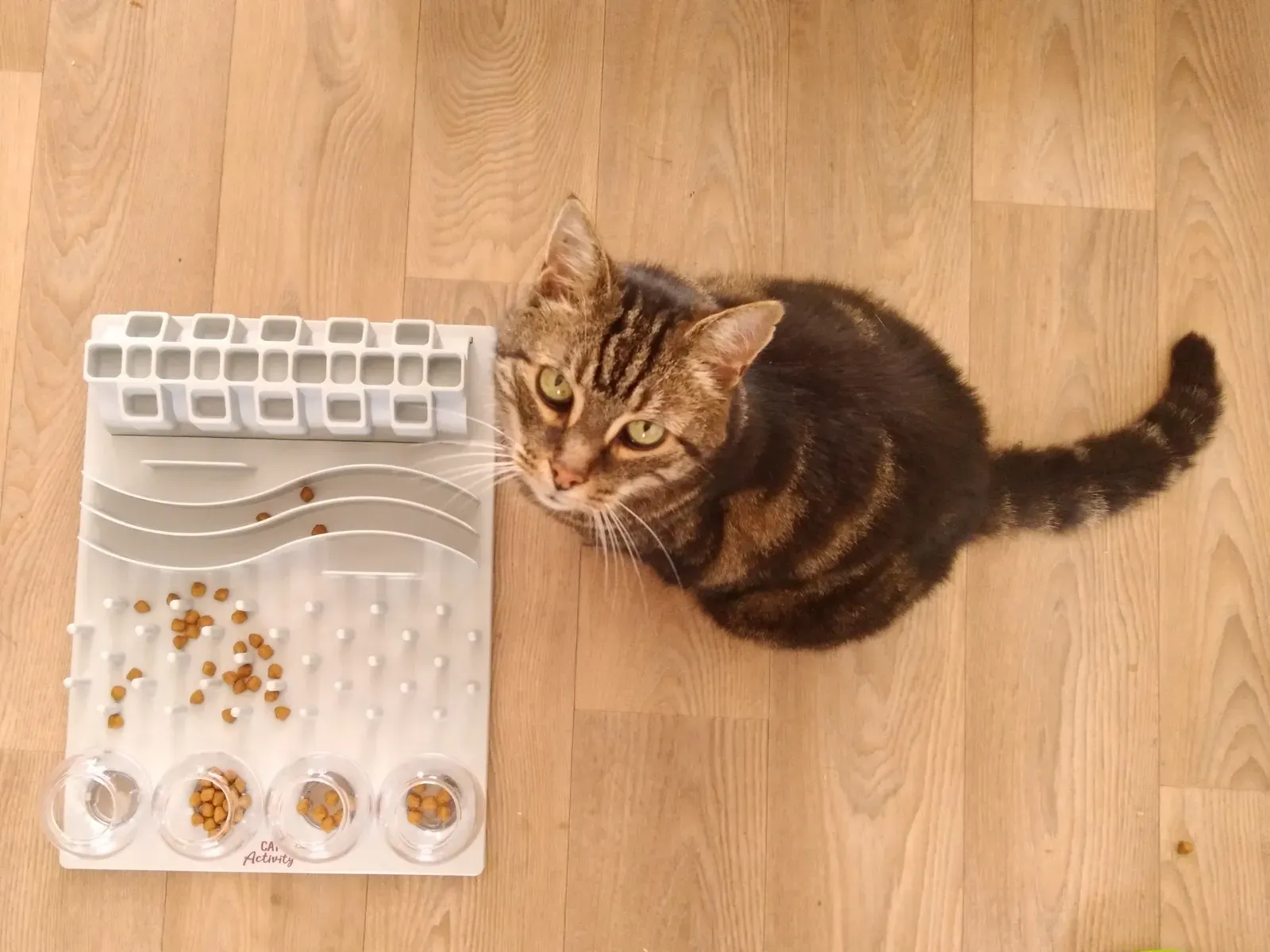
Puzzle feeders are a fantastic way to engage your cat’s natural hunting instincts, requiring cats to work for their food and providing both mental stimulation and slowing down eating. Instead of just wolfing down their dinner from a boring bowl, your cat gets to problem solve, which is exactly what their brilliant little brain needs.
You can buy fancy puzzle feeders from pet stores, or you can get creative at home. Crafting DIY treat dispensers, such as stuffing treats inside empty toilet paper rolls or cardboard boxes with small holes, rewards your cat with tasty treats as they bat and paw at these homemade toys. Start with easier puzzles and gradually increase the difficulty as your cat becomes a master problem solver. Some cats figure these out ridiculously fast, while others take their sweet time. Either way, it beats mindless eating.
Play Hide and Seek with Treats
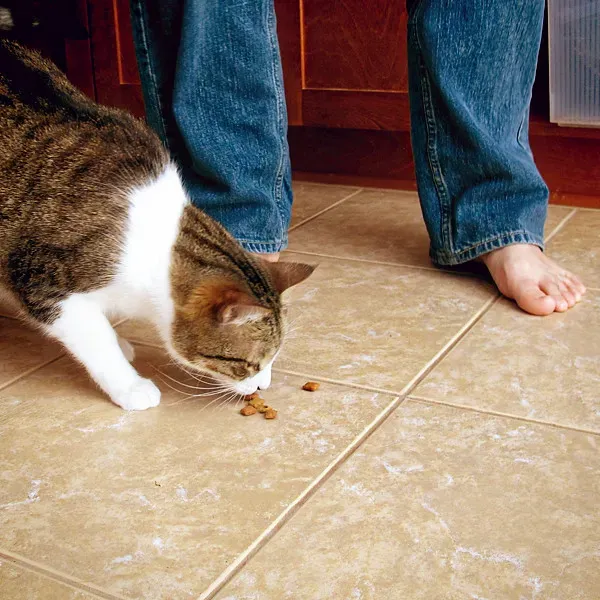
Engaging your cat’s natural hunting abilities by playing hide-and-seek games involves hiding small treats or toys around the house, encouraging your cat to search and discover them. This taps into their instinctive desire to forage and hunt, turning your home into an exciting treasure hunt.
Start by hiding treats in obvious places and gradually make the locations more challenging as your cat gets the hang of it. You can also hide food puzzles or food balls around your home so your cat can practice their foraging skills, placing treats in a new hiding spot each day. This activity is especially useful when you’re away for the day, giving your cat something productive to do instead of plotting revenge for your absence.
Rotate Toys to Keep Things Fresh
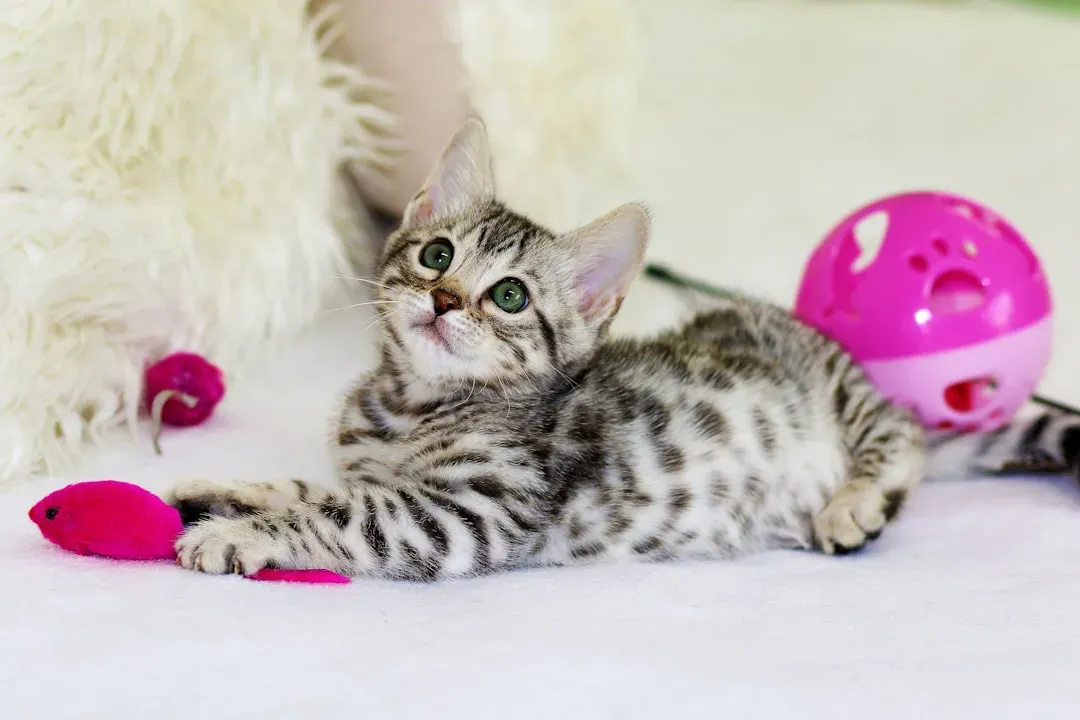
Let’s be real, cats are fickle creatures. Just like humans, cats can get bored with the same toys over time, so keeping a variety of toys on hand and rotating them regularly keeps playtime exciting. That expensive toy you bought last month might be completely ignored now, but if you put it away for a few weeks, it becomes fascinating again.
Cats can and do get bored with the same toys all the time, so you can mitigate this by having a box of toys that you keep out of reach of your cat and bring out a few at a time. Think of it like a toy library. Keep roughly about half of the toys in storage and swap them out every week or two. This simple trick makes old toys feel like new discoveries. You can even spray them with a bit of catnip to revive interest.
Build or Buy a Catio for Safe Outdoor Access
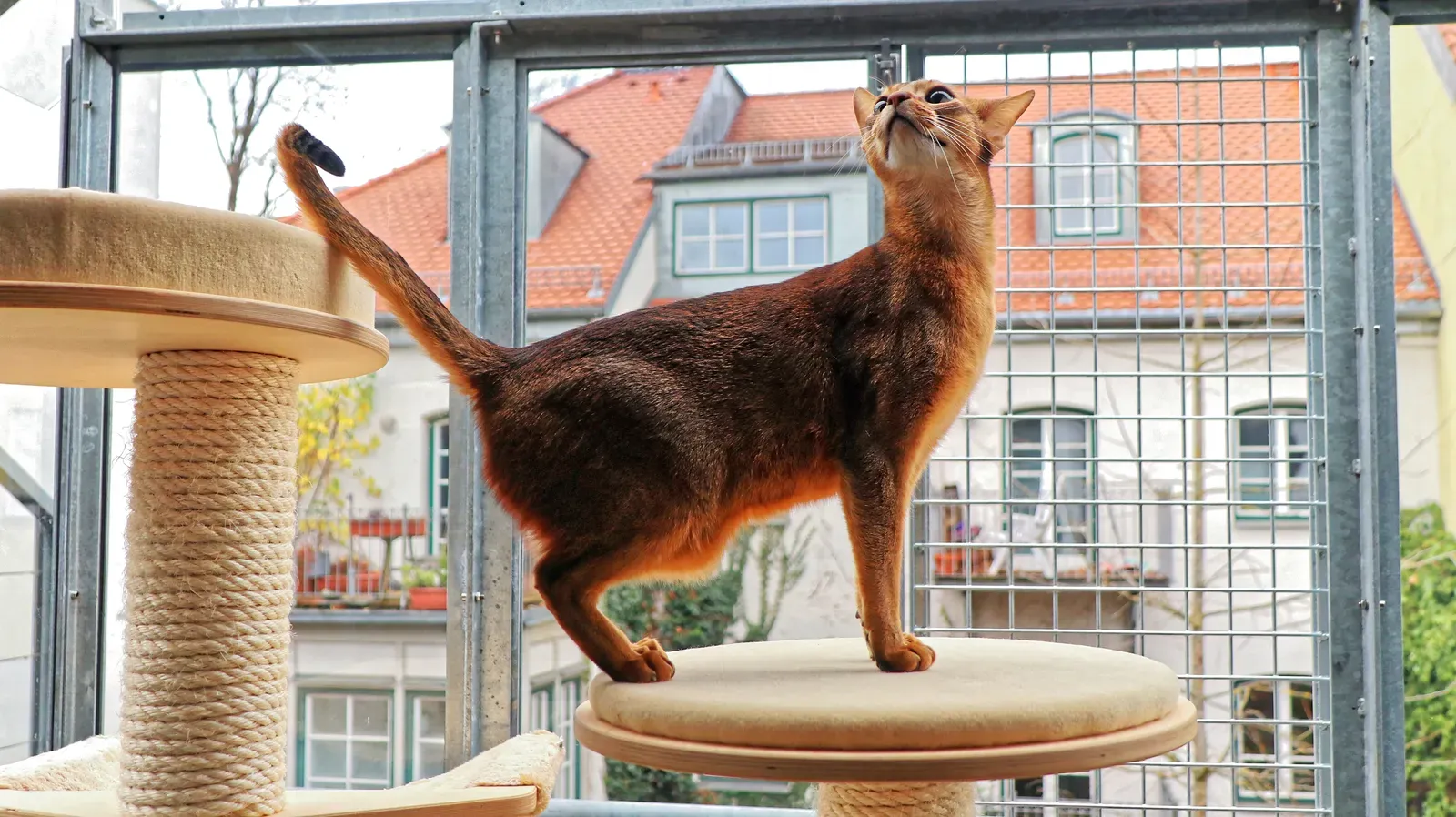
If you have the space and resources, consider building a cat enclosure that allows your indoor cat to experience the outdoors safely, as a catio can be a small window box or a larger enclosed area connected to your home, providing cats with fresh air, sunshine, and the opportunity to engage with nature. It’s like giving your cat the best of both worlds.
Catios often feature perches, climbing structures, and interactive toys to keep your feline friend entertained, offering enrichment and stimulation while providing peace of mind. You can DIY a simple structure if you’re handy, buy a pre-made kit, or hire someone to custom build one. Some are elaborate outdoor kingdoms, while others are modest window boxes. Regardless of size, your cat will appreciate the chance to feel grass under their paws and sniff the breeze without the risks that come with free roaming.
Offer Sensory Enrichment Beyond Visual Stimulation
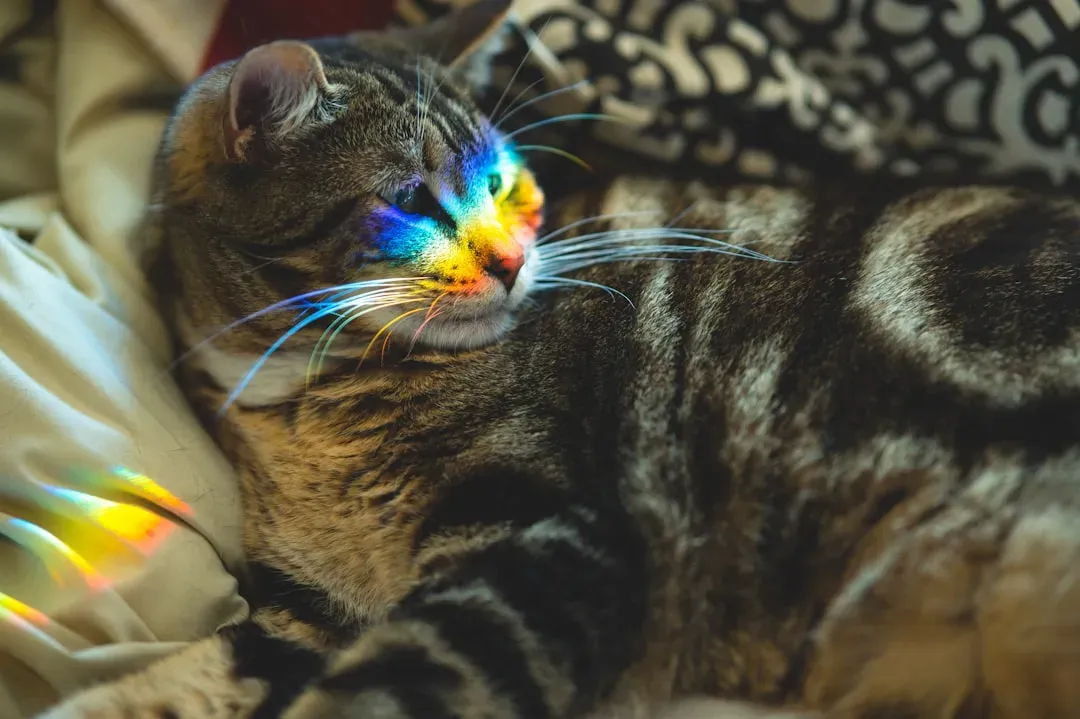
Sensory stimulation is crucial for indoor cats, enriching other senses by playing bird sounds or gentle music designed for cats, and using cat-safe scents like silvervine or catnip. While we often focus on toys and climbing structures, engaging your cat’s other senses can be equally important.
Growing cat grass or wheatgrass gives your cat something safe to nibble on. Grow wheat grass for your cat to chomp on to satisfy their instinctive need to chew, available through pet wheat grass kits online or at pet supply stores. You can also occasionally introduce new textures or objects with different smells for your cat to investigate. Some cats even enjoy watching fish tank simulations or nature videos designed specifically for feline viewing. It might seem silly, but many cats genuinely get glued to these shows.
Create Cozy Comfort Zones for Downtime
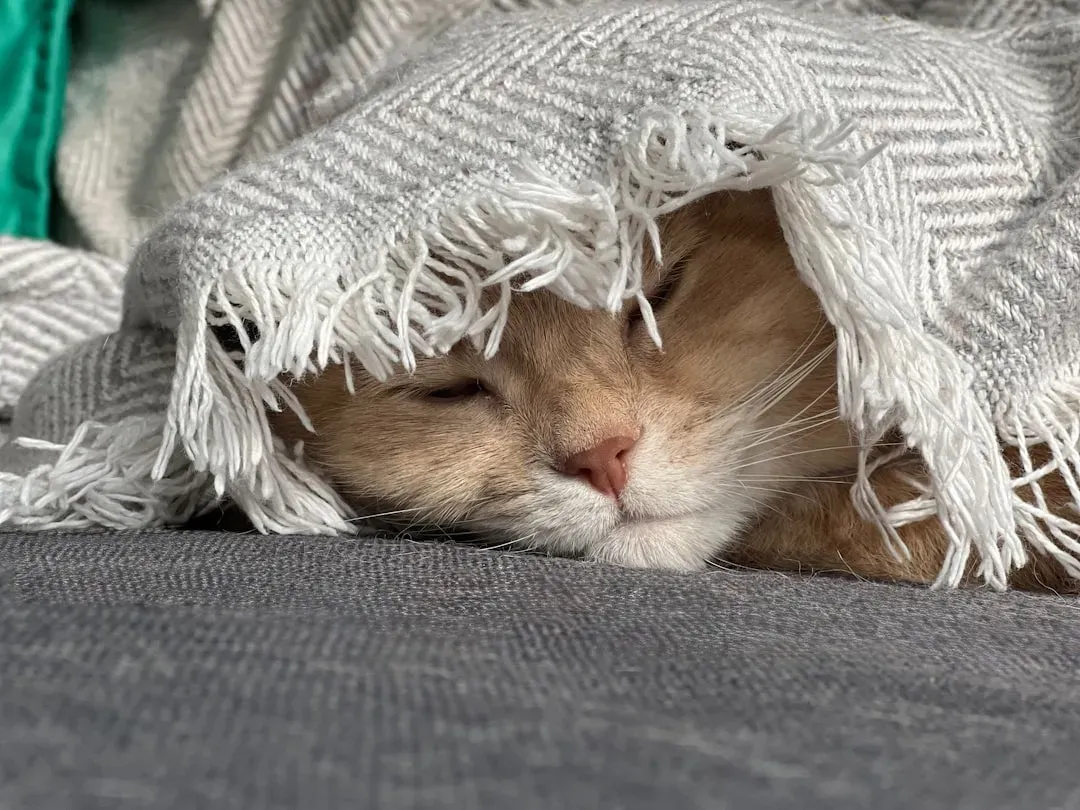
Calming activities are just as much a part of cat enrichment as stimulating activities, as every animal needs a comfort zone where they can go to feel safe and relax, with closets, open crates, high shelves, cat trees, and spaces under beds being great places. After all that hunting, climbing, and playing, your cat needs a safe retreat.
If your cat is resting in their safe place, make sure to leave them alone; this is their quiet time away from everyone. Setting up multiple cozy spots throughout your home gives your cat options depending on their mood. Add soft blankets, consider a calming pheromone diffuser, and respect their alone time. A well-rested cat is a happy cat, and a happy cat is less likely to wake you up at dawn demanding attention.
Try Clicker Training for Mental Challenges
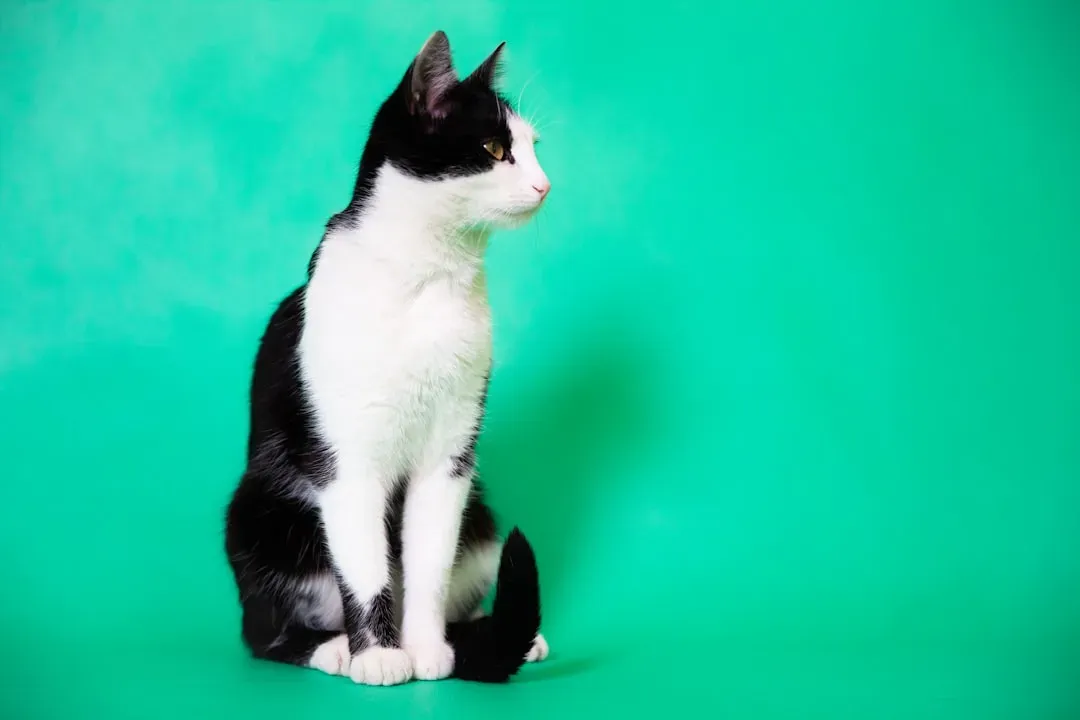
Here’s the thing: cats are way smarter than people give them credit for. Teaching cues and tricks can provide great mental stimulation for pets, as cats can be taught to respond to any number of cues from sit to down to wave using positive reinforcement. I know it sounds crazy, but with a bit of patience, you can teach your cat to high-five, come when called, or even jump through hoops. One of the best methods using positive reinforcement is clicker training. The clicker creates a consistent sound that marks the exact moment your cat does something right, followed immediately by a treat. Short training sessions of just a few minutes each day can be surprisingly rewarding for both of you. Plus, showing off your cat’s new tricks at parties is a pretty solid conversation starter.
Conclusion
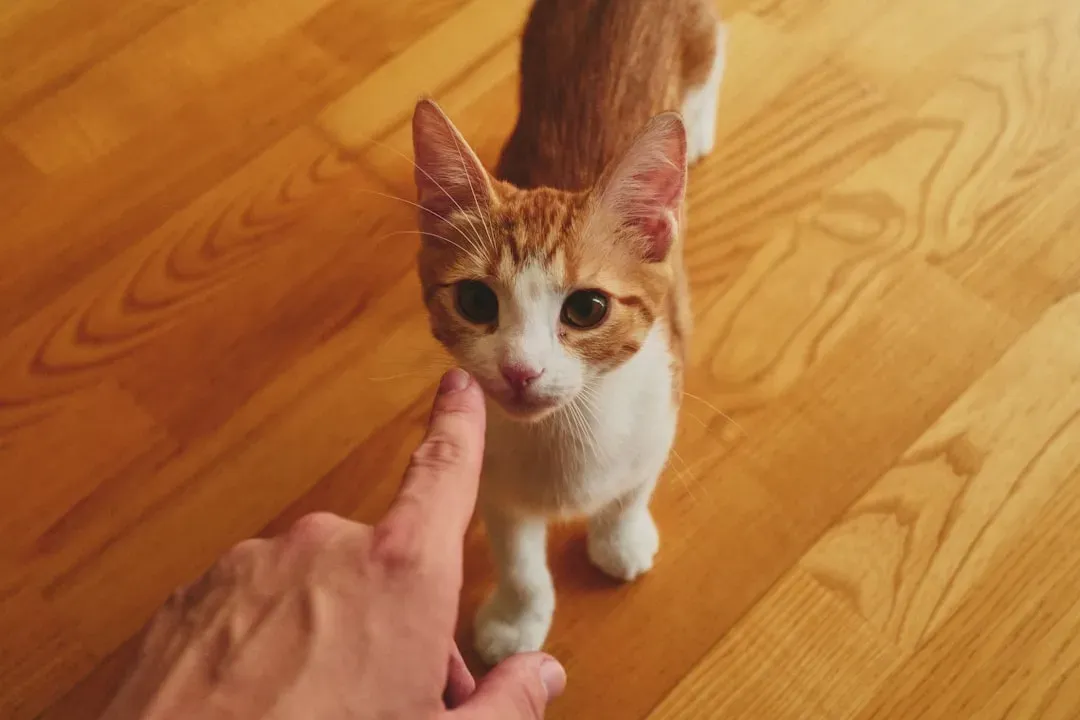
Keeping doesn’t require turning your home into an expensive feline theme park. It just takes some creativity, consistency, and an understanding of what your cat naturally craves: opportunities to hunt, climb, explore, and yes, nap in peace. By mixing physical activity with mental challenges and respecting their need for downtime, you’re setting your cat up for a rich, fulfilling indoor life. Enrichment activities are essential for the well-being of indoor cats, providing mental and physical stimulation, preventing boredom, and creating a fulfilling environment for your feline companion. What works for one cat might not work for another, so pay attention to what your particular feline friend enjoys most. Did any of these ideas surprise you? What would you try first with your own cat?