You think you’re the one in charge of your household. You set the schedule, buy the food, choose the furniture. Yet somehow, every single morning, you find yourself tiptoeing around a sleeping cat, lowering the TV volume, and cutting your shower short because a small furry creature is waiting outside the bathroom door. Sound familiar?
The truth is, your cat has been running a quiet, flawlessly executed campaign of influence over your daily life for longer than you probably realize. Numerous scientific studies have discovered that cats can indeed manipulate humans in little and subtle ways, and they have evolved around us, permitting them to observe our actions and develop habits that get them exactly the results they want. The most fascinating part? You love every second of it. Let’s dive in.
1. The Solicitation Purr: A Cry Hidden in Plain Sound
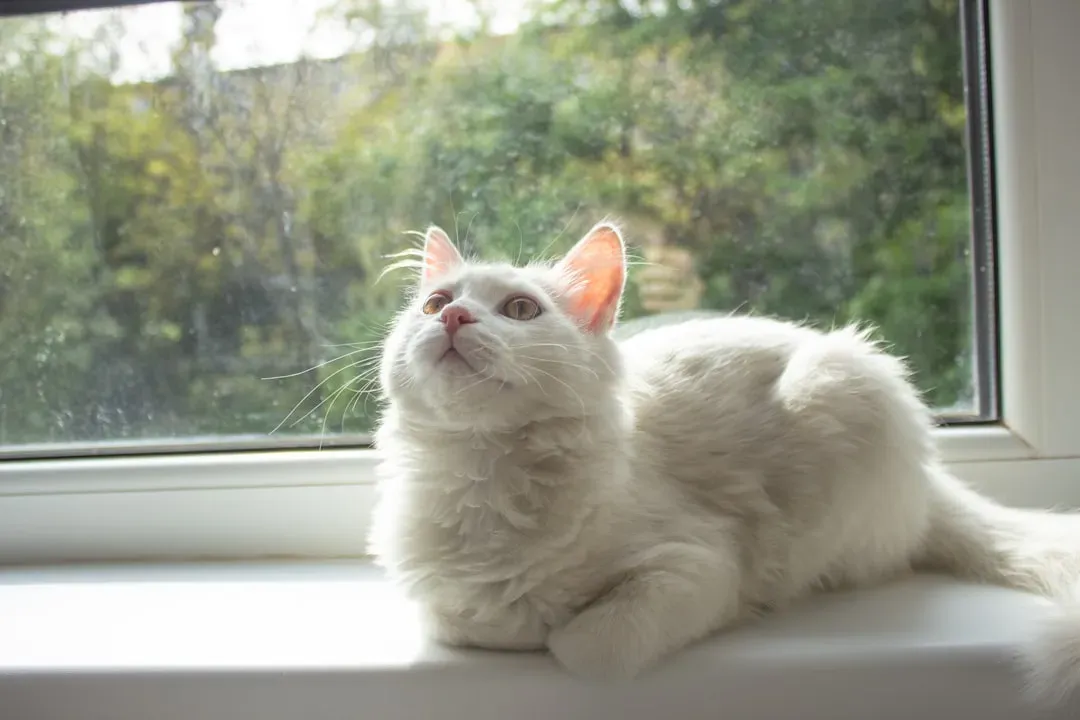
Here’s the thing most cat owners never suspect: that soft, heartwarming purr your cat uses when it wants something is not entirely the sound of pure contentment. A study from the University of Sussex discovered that cats insert a high-pitched cry into their purring, mimicking the sound of a human baby to get attention from their owners. It is engineered, in the most biological sense of the word, to be impossible to brush off.
When researchers analyzed the acoustic structures of these purrs, they found that solicitation purrs have an unusual high-frequency peak that doesn’t fit with the rest of the call. At a frequency of around 380 Hz, this extra sound stood out from the typical low frequencies of a purr and is more like a cry or meow. The frequency is actually very similar to that of a crying infant, so small wonder that it tugs on the human heartstrings. Next time your cat wakes you up with that particular purr, you’re not imagining the urgency. Your brain is responding to something almost identical to a baby’s cry. And you will absolutely get up and feed them.
2. The Perfectly Timed Meow: A Custom Language Built Just for You
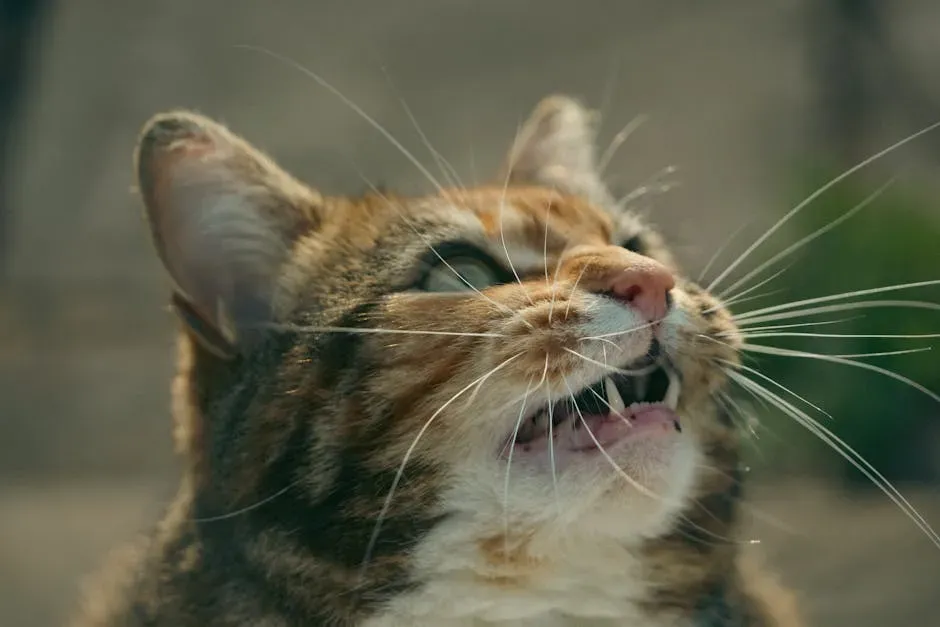
A study published in Nature found that cats developed unique vocalizations specifically to communicate with humans, while wild cats rarely meow at each other. Think about that for a moment. Meowing is essentially a language cats invented for us. They looked at humans, observed what worked, and built a communication system designed to get a reaction from you specifically.
Since meowing is a learned, human-directed behavior, many cats focus on the person who consistently responds to them. Some owners become the preferred listener simply because they’ve proven most reliable at acknowledging the sound. Over time, the cat builds a pattern of seeking out the human who delivers the best results. Honestly, if you’ve ever been the one your cat meows at most in a household with multiple people, congratulations. You’ve been selected as the most trainable human in the building.
3. The Slow Blink: How Your Cat Wins You Over Without Saying a Word
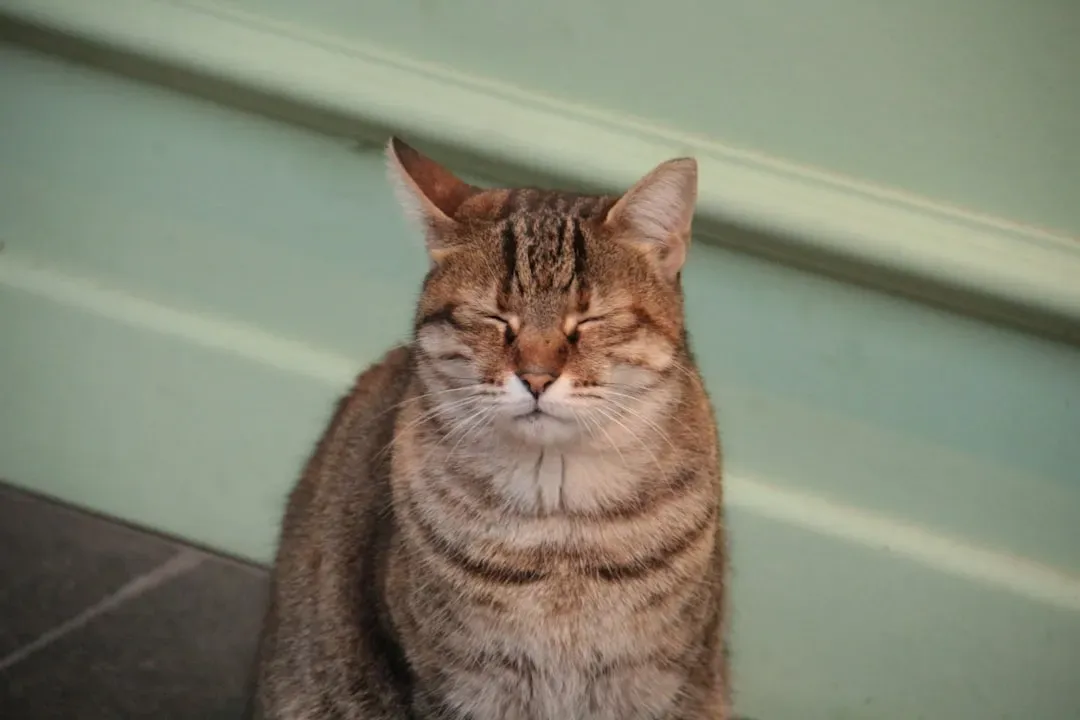
If your cat has ever stared at you from across the room and slowly closed and opened their eyes, you probably melted a little. That reaction is entirely intentional on their part. The slow blink is more than just a cute quirk. It is a scientifically supported form of communication. Studies show that cats use slow blinking as a way to bond with humans, signaling trust and affection while also ensuring more attention and care.
Research from the University of Sussex revealed that cats are more likely to slow blink at their owners after their owners have slow blinked at them, and in a separate experiment, cats were more likely to approach an experimenter’s outstretched hand after a slow blink interaction than after a neutral expression. So when your cat does the slow blink, they are essentially pulling you into a conversation you never knew you were having. And the result? You move closer, you speak softly, you offer your hand. Your cat got exactly what they wanted without lifting a single paw.
4. The Knead and Settle: Turning You Into a Piece of Furniture
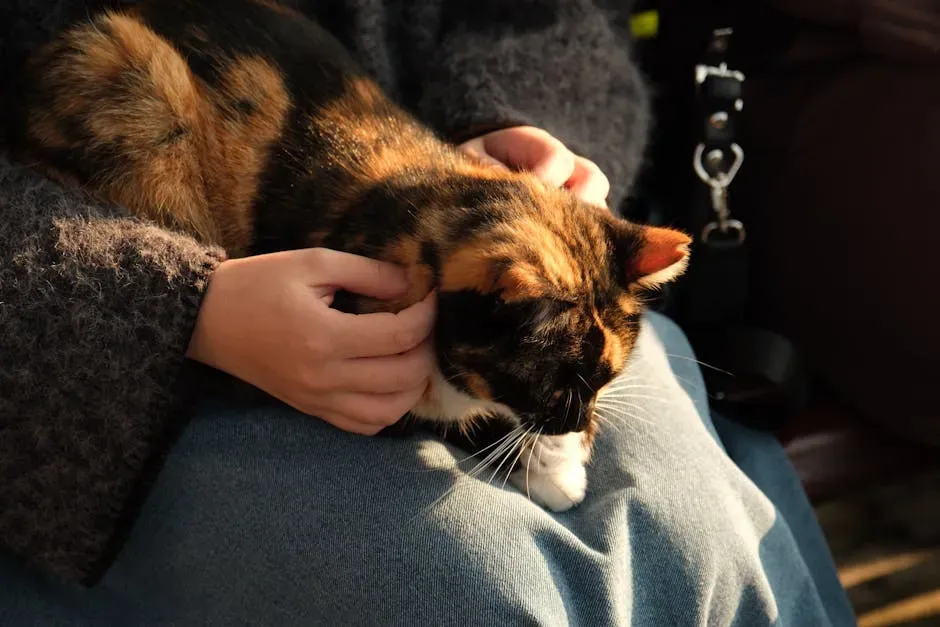
Your cat climbs onto your lap, digs their little paws rhythmically into your thighs, and circles twice before collapsing into a ball of warmth. It feels incredibly sweet. It’s thought that kneading mirrors the movement kittens use to stimulate the flow of milk from their mother’s mammary glands, and this happy habit may be mimicked in later life in the form of kneading. What your cat is doing is essentially regressing to infant behavior to comfort themselves on you, and you become completely immobilized in the process.
When a cat settles in and starts kneading, the whole mood usually softens. People instinctively relax, remain still, or gently stroke the cat. There are also theories that the behavior could be another way for cats to spread their scent, creating comforting familiarity. There are quite a lot of scent glands around cats’ paws, so it may be that they knead to deposit their scent. In other words, by kneading you, your cat is marking you as their territory while simultaneously making you too cozy to move. Genius.
5. The Head Bunt: A Mark of Ownership Disguised as Affection
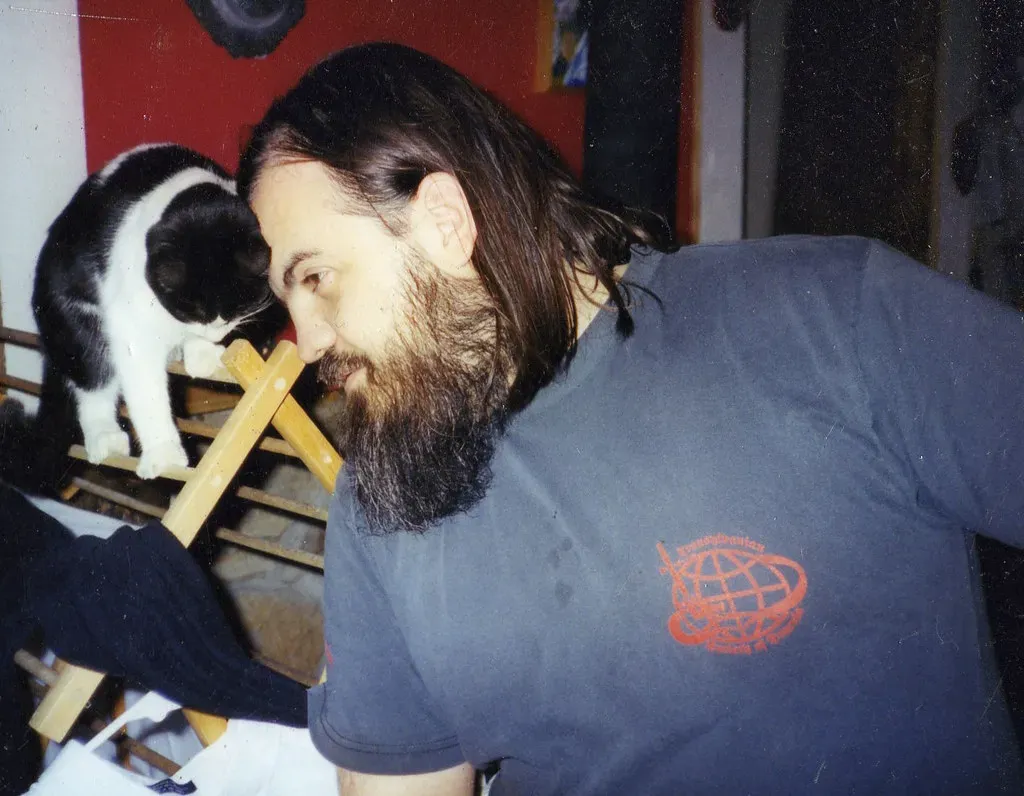
Your cat strolls up, bumps their head against your chin, and you immediately feel chosen, special, loved. Let’s be real, it is one of the best feelings in a cat owner’s life. If your cat rubs their head against you, they’re marking you as “theirs” with scent glands on their face. That gentle, endearing gesture is also a territorial claim. You are, in the most literal biological sense, being stamped as property.
A soft nudge to the face or chin may feel affectionate, but behavioral studies show it also leaves scent markers. People usually respond by petting, holding, or staying nearby. The move builds a routine where proximity becomes expected, and the cat ends up directing where everyone settles. What starts as a quick head bunt somehow ends with you sitting in a specific chair, at a specific time, because that is where your cat has decided the nightly ritual takes place. You probably don’t even question it anymore.
6. Laptop Hijacking and the Art of Redirecting Your Attention
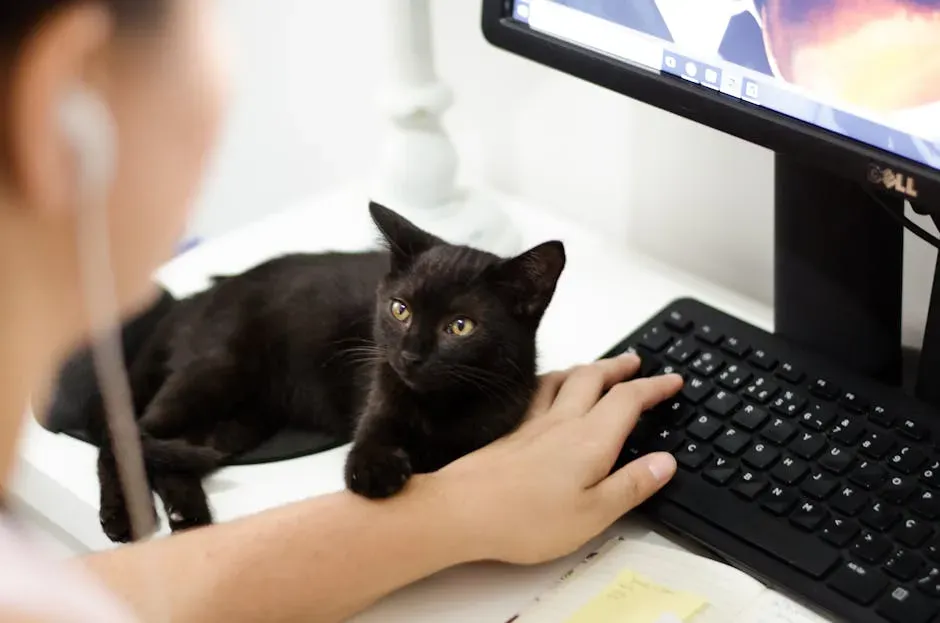
You open your laptop, settle in to work, and within approximately four minutes, there is a cat sitting directly on the keyboard. You move them. They return. You move them again. They look at you with complete, unbothered calm and sit back down on the spacebar. This is not random. When a cat strolls across a keyboard or settles on a book, it’s usually because they’ve noticed how intensely their human focuses on the object. The device becomes a high-value spot simply due to your attention, warmth, and predictable reactions. By placing themselves in that space, cats redirect your focus back toward them.
Think of it like a small child who starts acting up the moment a parent picks up the phone. Your cat has correctly identified that your attention is being divided, and they have deployed a countermeasure. Cats have evolved alongside people, allowing them to observe human behaviors, and they use these observations to develop manipulative behaviors that get the desired results. Your laptop just happens to be in the way of your cat’s desired result: you, undivided, focused entirely on them.
7. Social Referencing: Reading You to Get What They Need
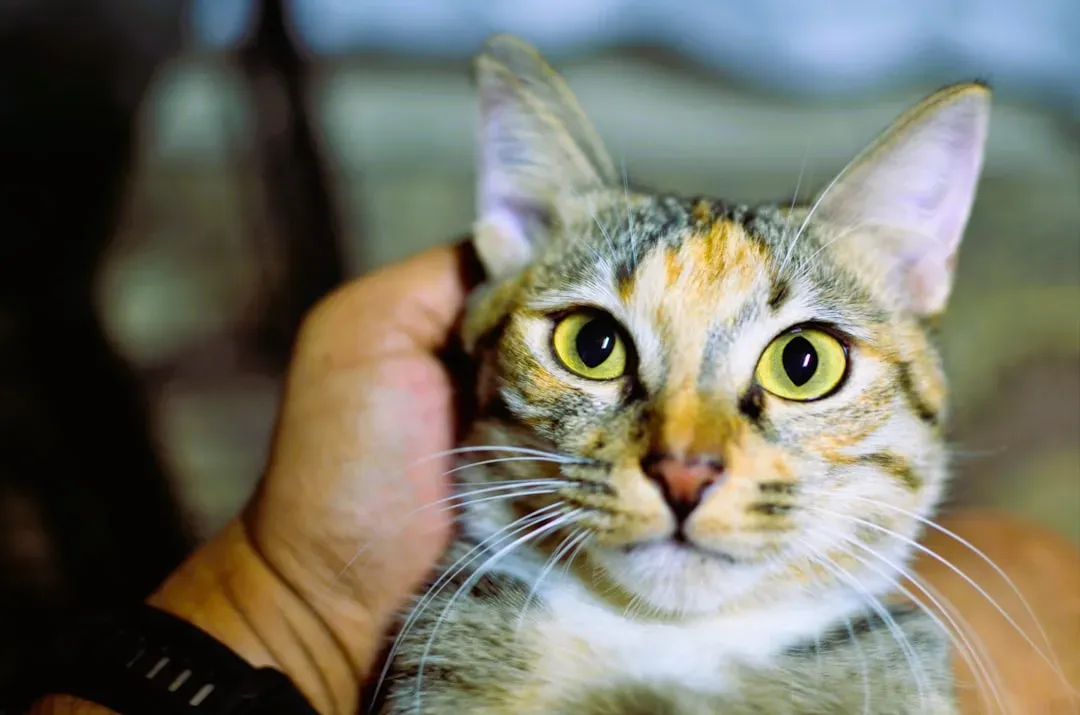
Here is something that might genuinely surprise you. Cats observe your behavior using a process called social referencing. This is something that children learn to do and continue into adulthood. It’s when you’re in an unfamiliar situation and look to the people around you to learn how to react. Your cat is doing exactly this, using your emotional state as a guide for their own behavior.
In research studies, cats were observed looking at their owners when confronted with something unfamiliar. Sensing their owners’ calm behavior, the cats’ anxiety disappeared, with some choosing to lay beside the previously alarming object. This ability to social reference can explain how cats manipulate humans. As they’re smart enough to put your behavior into context, they can train themselves to behave in ways that trigger those behaviors. Your calm reassurance teaches your cat what to do. Your anxious energy teaches them something else entirely. You are, without realizing it, constantly educating your cat on how to handle you.
8. The Routine Lock-In: Training You to Be Their Personal Alarm Clock
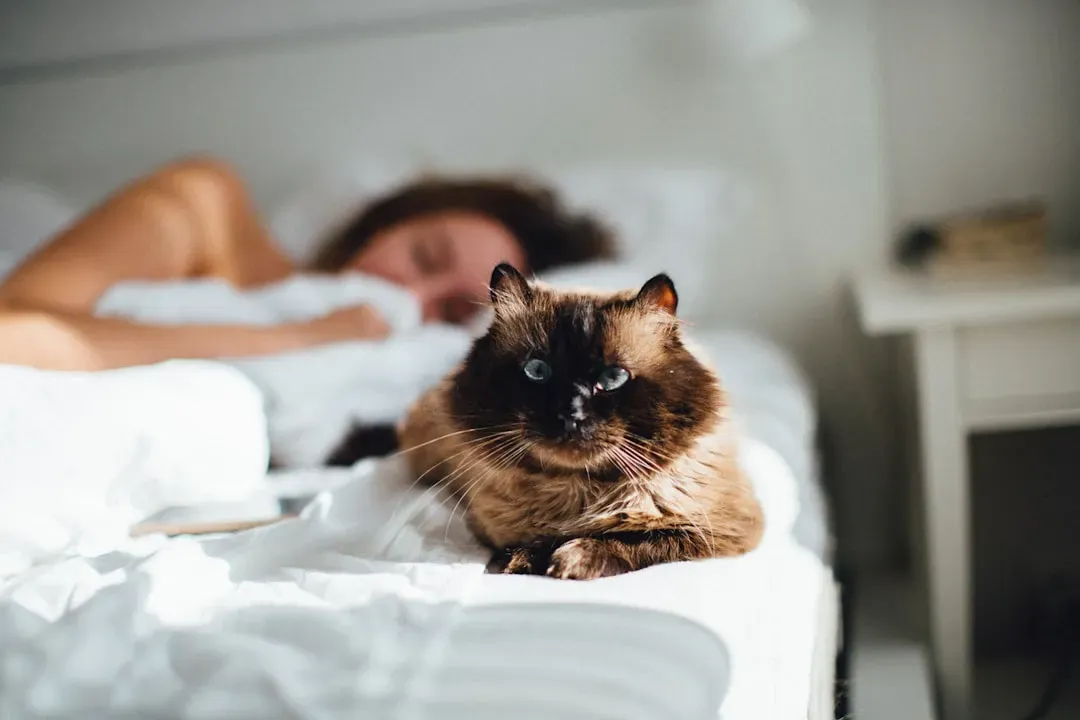
You told yourself, when you first got a cat, that they would adapt to your schedule. How did that work out? Cats are perfect alarm clocks and always stick to their schedule because they live for routine. If your cat wakes you up at the same time every morning, demands to be fed at the same time every day, and expects you to dedicate your free time after you come home, then congratulations, you have a small tiger-like boss at home. Your schedule is now their schedule, and you adopted it so gradually you barely noticed.
It happens through subtle reinforcement. You feed them once at six in the morning because you were awake anyway. The next day, they make sure you’re awake at six again. Within a week, six AM is feeding time, not because you decided so, but because your cat established the rule and you enforced it. Felines have evolved around humans, permitting them to observe our actions, and they use these observations to develop habits that get them the results they want. You are, without much fanfare, on a schedule your cat designed.
9. The Baby Face Effect: Using Their Looks Against You

You already know cats are cute. But it goes deeper than mere aesthetics. According to Frontiers in Psychology, cats have physical traits that resemble those of infants, referred to as kinderschema or baby schema. Coined by ethologist Konrad Lorenz, the baby schema includes a large head, a round face, and big eyes. The theory is that these traits increase the perceived cuteness of babies, motivating adults to take care of them, nurture them, and give them more attention. Your cat isn’t just cute. Your cat is biologically built to make you feel like a protective parent.
While we know that cats are cute, studies have determined that cats elicit this nurturing behavior in humans. It is an unconscious biological reaction. When your cat curls up and looks at you with those enormous, round, shimmering eyes, your brain launches a cascade of nurturing instincts that you have almost no control over. You will bring them a blanket. You will adjust the thermostat. You will, yes, cancel plans. They know exactly what they look like, and they use it with devastating effectiveness.
10. Reciprocity and the Art of Giving Just Enough Back
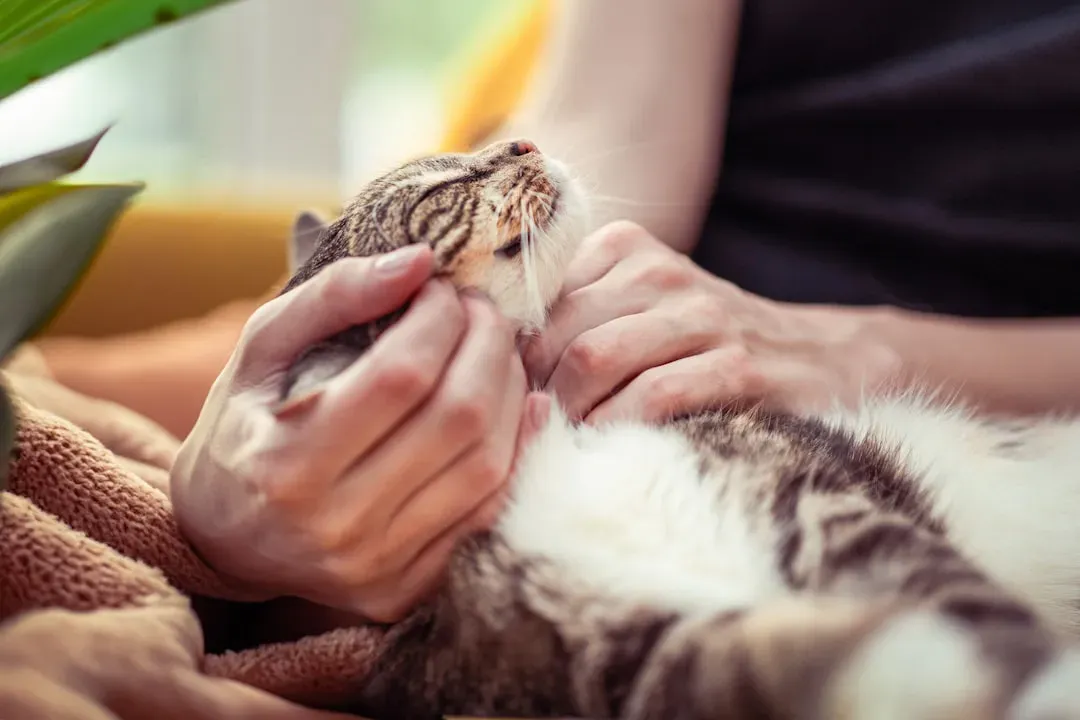
Perhaps the most sophisticated trick your cat pulls is this one: they occasionally give you exactly what you need to keep you fully committed. A headbutt here, a lap sit there, a rare and glorious moment where they choose to cuddle with you on the couch. These moments feel earned, special, and profoundly rewarding. Research published in the journal Behavioral Processes determined that cats’ and humans’ bonds may be akin to humans’ bonds with other people. Among their findings was evidence of cats following their human’s wishes, but only if the human fulfilled their wants first. Cats likewise tend to wait for humans to initiate the interaction, and in some cases, they won’t even reciprocate at all.
Researchers noted that the human-cat dynamic works both ways. Each party influences the other’s behaviors, even if your cat may be getting more out of the bargain. Many felines actually find human-cat interactions more pleasurable than food, and don’t take that lightly because cats love food. So deep down, they do care about you, in their own way. The manipulation is real, but so is the affection underneath it. Your cat keeps you working hard for their love, and the moments they give it freely are so good that you wouldn’t trade this dynamic for anything in the world.
Conclusion: Who’s Really In Charge Here?
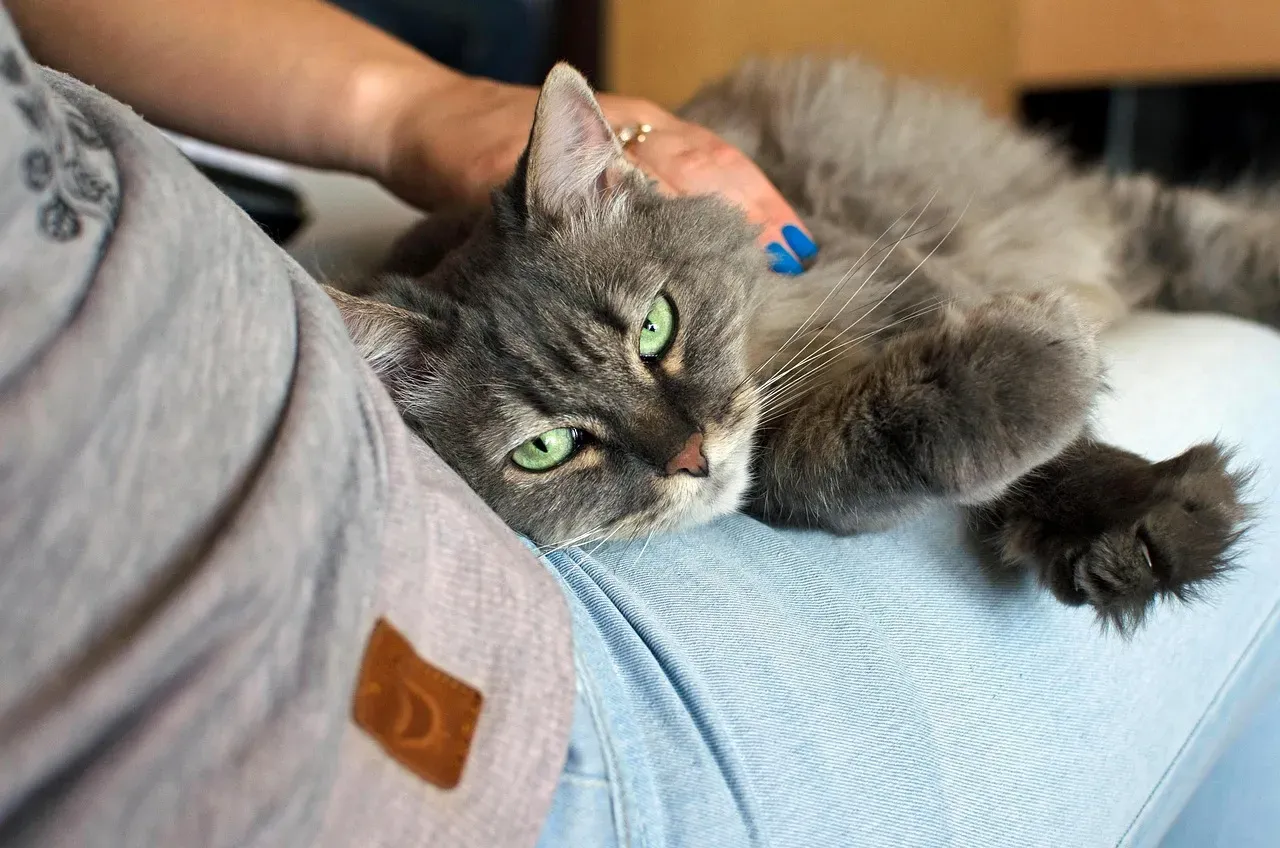
Let’s be honest with each other. You walked into cat ownership thinking you were getting a pet. What you actually got was a small, fur-covered social strategist with thousands of years of evolutionary refinement behind every move they make. Over the many years cats have been with us, they have evolved and learned how to use clever manipulation techniques without us noticing. They are incredibly smart and will always find a way to get what they want from their human.
The remarkable thing is that none of this is sinister. The word “manipulate” doesn’t have favorable connotations. In the case of cats, however, it doesn’t necessarily imply bad intent. Scientists believe that this manipulative behavior is simply how cats interact with humans, and it’s deeply ingrained in how cats form relationships with both us and them. Your cat is not plotting against you. They are doing what they have always done: adapting, observing, and bonding in the only way they know how.
So the next time your cat stares at you from across the room, executes a slow blink, and calmly walks toward the food bowl, just know: you were outplayed by a creature that weighs roughly four kilograms and spends most of the day napping. Does that bother you at all, or are you already headed to the kitchen? Tell us in the comments.