Ever wondered if you actually own your cat or if it’s the other way around? That nagging feeling you get when your feline friend stares at you with those knowing eyes might be more accurate than you think. Your cat has been slowly but surely establishing dominance in your household, and honestly, you probably never even noticed it happening.
Scientific studies have determined that cats can manipulate and control humans in small and subtle ways. Cats’ manipulative techniques include using a special purr to signal urgency and encouraging beneficial behavior through reciprocity. The reality is that your seemingly innocent companion has mastered the art of feline psychology, turning you into their personal butler without firing a single shot.
So let’s dive into the telltale signs that prove your cat has successfully flipped the script on pet ownership. You might be surprised by how many of these behaviors you’ve been unconsciously enabling.
They Wake You Up at Their Preferred Schedule
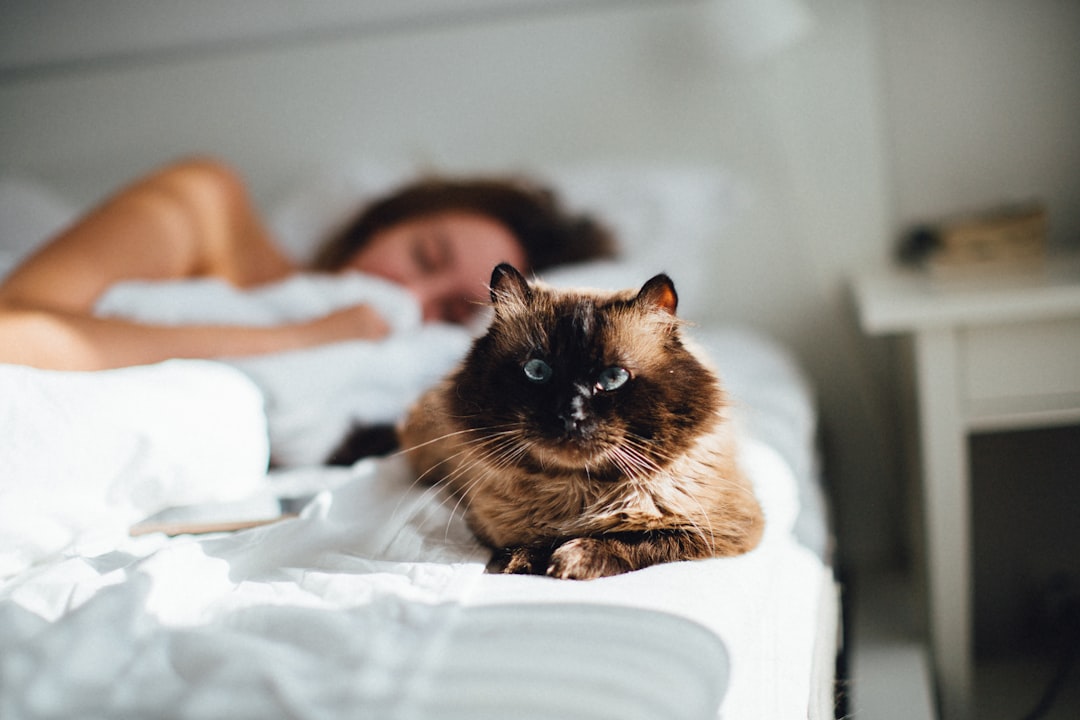
Your cat doesn’t care about your alarm clock or work schedule. Cats are perfect alarm clocks and always stick to their schedule because they live for routine. If your cat wakes you up at the same time every morning, if they demand to be fed at the same time every day and if they expect you to dedicate your free time after you come back from work/school, then congratulations, you have a small tiger-like boss at home.
Think about it honestly. When was the last time you actually woke up naturally without your cat’s intervention? This is probably a time when you’d like to get a little more sleep before your alarm goes off, but this cat behavior comes naturally, and your feline doesn’t care what time your alarm is set for. They’ve essentially trained you to respond to their internal clock rather than your own needs.
Their Strategic Purring Gets Immediate Results
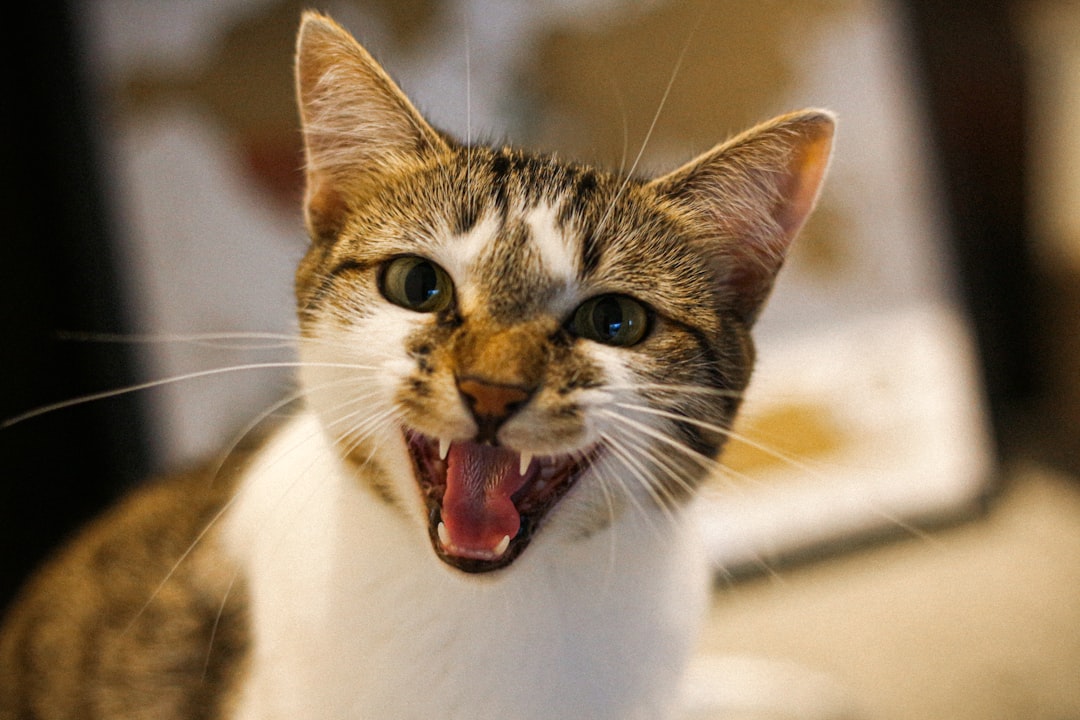
Household cats exercise this control with a certain type of urgent-sounding, high-pitched meow, according to the findings. This meow is actually a purr mixed with a high-pitched cry. The study showed that humans find these mixed calls annoying and difficult to ignore. Your cat has discovered the perfect frequency to bypass your rational thinking.
That unique sound when you pet your cat behind their ear, is also another weapon for controlling humans. Most of the time, your house friend purrs, because they know it will garner a reaction and they will receive your attention. The frequency is actually very similar to that of a crying infant, so small wonder that it tugs on the human heartstrings. Your cat basically hijacked your parental instincts.
r Physical Space and Movement
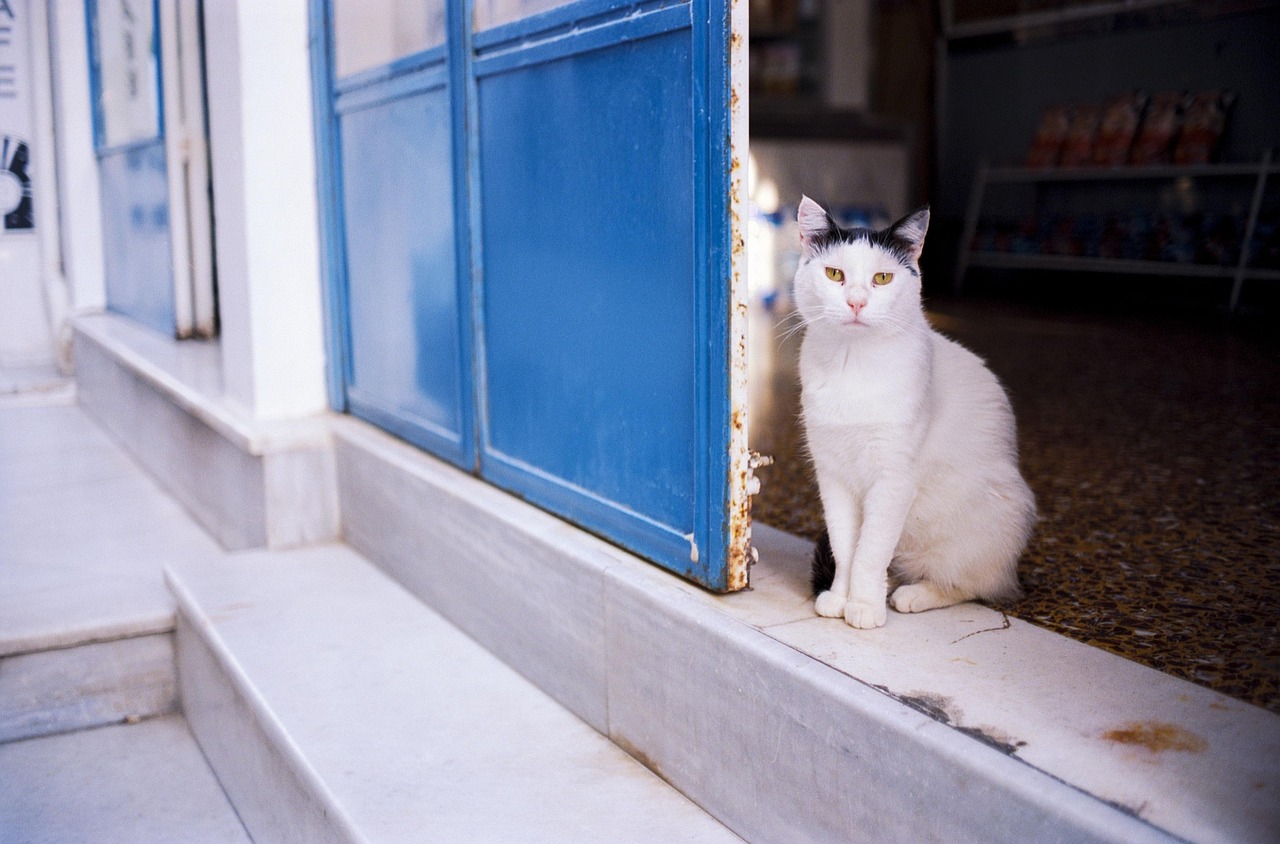
Notice how your cat always seems to be exactly where you need to walk? This isn’t coincidence. Your kitty may also do this by patrolling your home, blocking doorways, or rubbing their bodies (especially their cheeks, chins, and tails) on everything inside your house – even you and your family members! They’re marking their territory while simultaneously directing your movements.
Cats that block doors with their bodies or swat at other cats as they pass may be demonstrating this type of behavior. When your cat stretches across the doorway or lies down in high-traffic areas, they’re asserting control over the household traffic patterns. You’ve probably found yourself stepping around them instead of making them move.
They Dictate When Physical Contact Begins and Ends
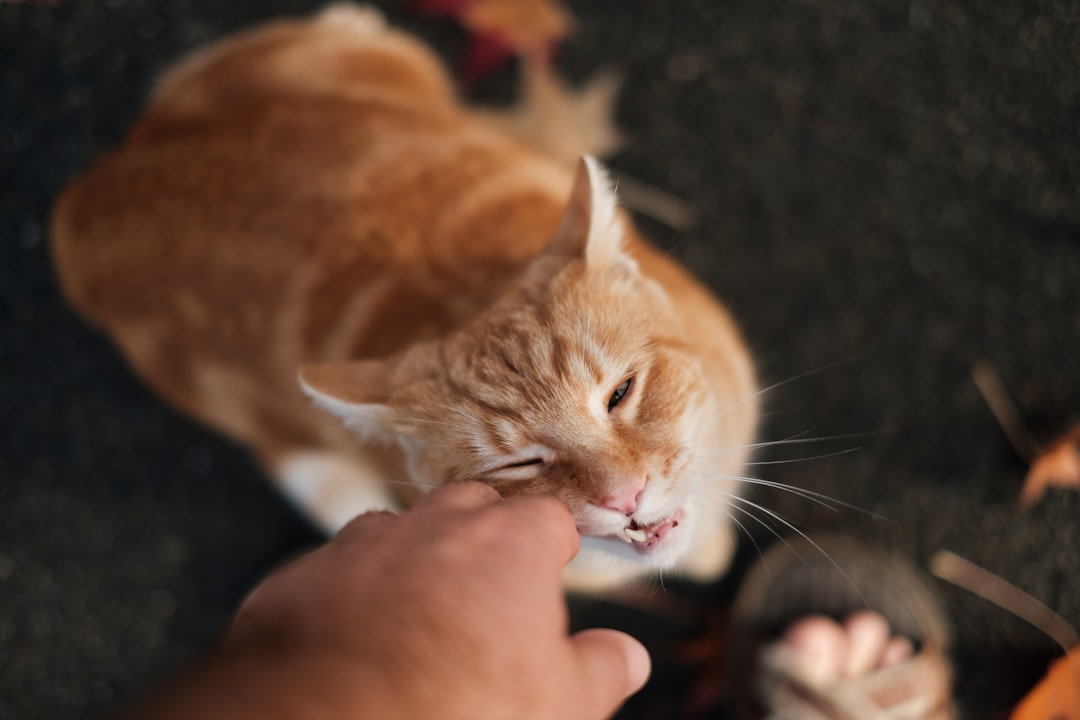
Possible explanations include overstimulation and an attempt by the cat to control when the petting ends. Ever notice how your cat approaches you for attention, then suddenly bites or swats when they’ve had enough? Another problematic behavior is the “petting and biting syndrome”, which involves the cat being petted and then suddenly attacking and running away.
This behavior shows they’ve established clear boundaries about physical contact on their terms only. If your cat wants attention, they will start by rubbing against your leg or bumping you with their head. If you ignore that attempt, they will likely jump onto your laps or lie down on your papers/computer, and start purring. You will instinctively start petting them, and enjoy the calming experience and they in return will enjoy your attention.
Your Furniture Has Been Strategically Claimed
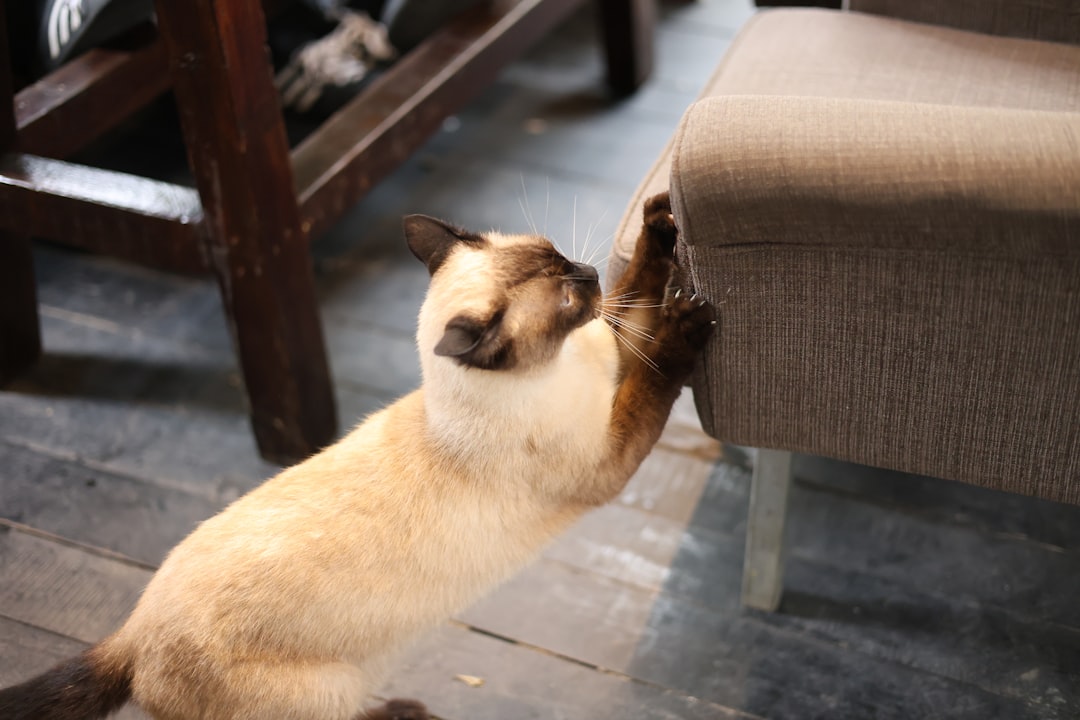
Favorite places cats scratch to mark are commonly used entrances and exits to the home; the main front door entrance; their favorite sleeping areas; and any boundary that they feel is being challenged in some way. Look around your house. The scratching posts you bought are probably ignored while your expensive couch bears the marks of their territory claims.
Scratching serves a dual purpose: it sharpens a cat’s claws while also marking territory. Cats have scent glands between their paw pads, so scratching leaves both a visible mark and a scent signal. This behavior communicates to other cats, “This space is mine.” Your cat has basically redecorated your home to suit their territorial needs.
They’ve Made You Their Personal Food Service
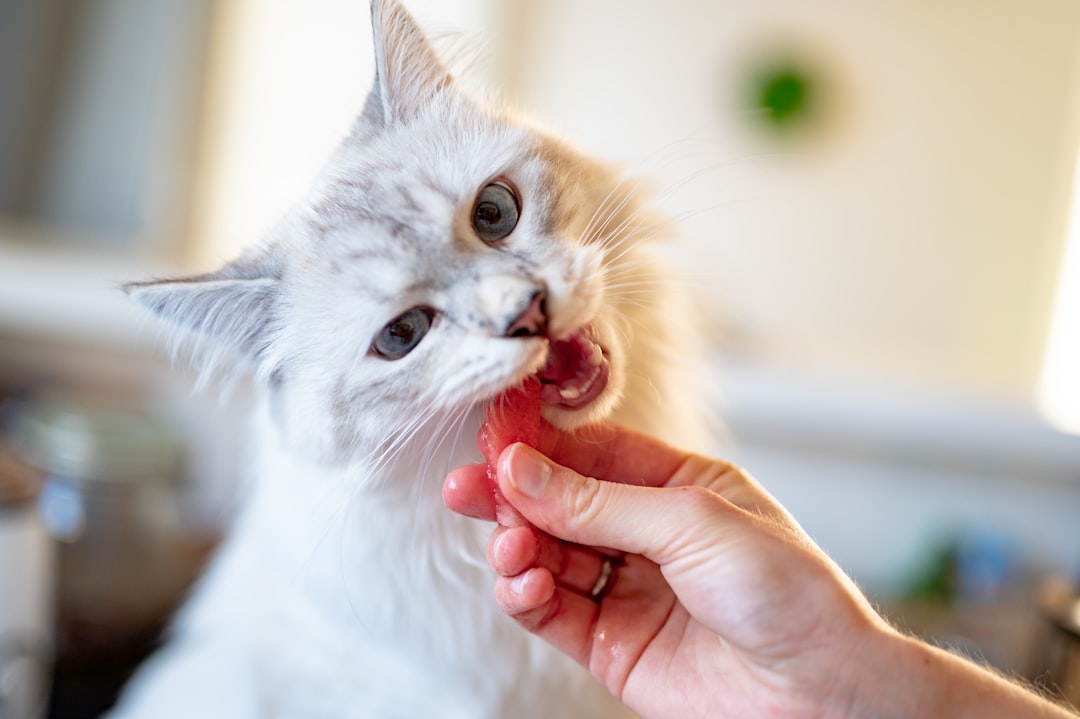
Some cats ask for food dozens of times a day, including at night, with rubbing, pacing, meowing, or sometimes loud purring. Both cat and human infant are, at least in part, in control of when and what they are fed! Your cat has essentially turned you into a 24-hour room service operation.
Think about how many times you’ve gotten up to check if their food bowl needs refilling, even when you know you just fed them. Simple answer: to get what they want. But surely they realise that we will provide them with anything they want? Food, toys, attention. It’s all theirs before they even move their paw. They’ve trained you to be proactive about their needs.
Your Home Smells Like Their Personal Territory
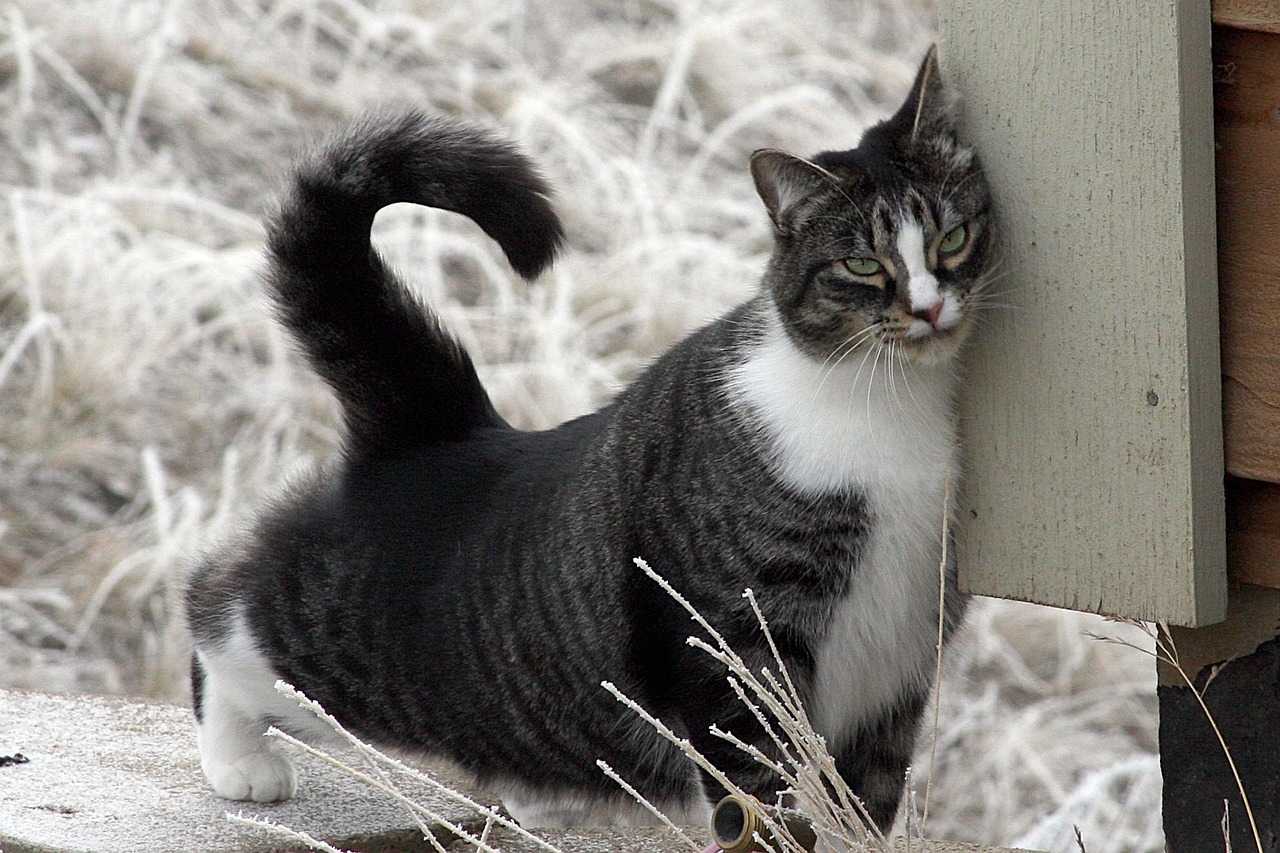
When you see your cat rubbing on furniture, the corner of the wall, or even your legs, that’s marking territory and claiming ownership of that space. This happens each time your cat rubs its face on furniture, door jams, and even you. When they do this they leave “happy messages” (called feline facial pheromones).
Cats will scent mark their home to make them feel more secure and they may even scent mark their owner. This is what is happening when cats rub against you. Your cat has essentially branded everything in your house, including you, as their property. The scent might be undetectable to you, but to your cat, your entire home screams their ownership.
r Sleep Location and Position

Where do you sleep in your bed? Chances are, it’s not exactly where you’d prefer. That helps explain why cats love to sleep on you and to soak up the sun or sleep on warm surfaces, like your laptop. Your cat has claimed the prime sleeping spots and relegated you to whatever space remains.
More than half of cats sleep between 12 and 18 hours a day, sometimes even more. Most cats sleep more as they age. With all that sleeping, they’ve had plenty of time to establish the perfect sleeping arrangements. You’ve probably adjusted your sleep position around them more times than you can count.
They Interrupt Your Important Activities
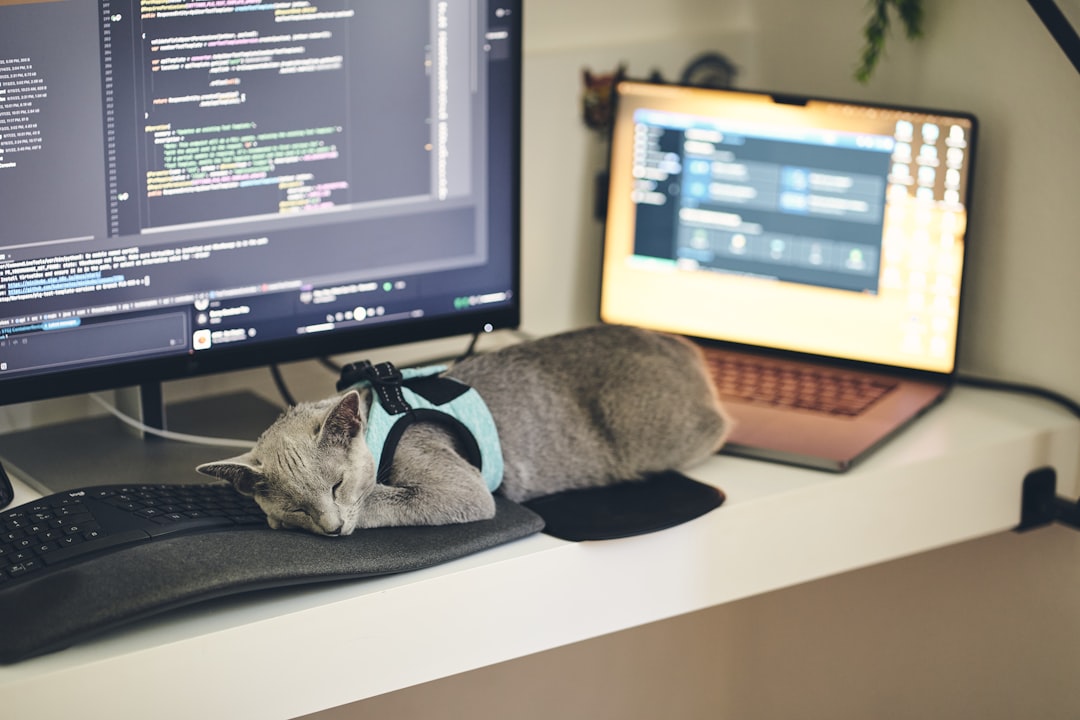
Ever notice how your cat always seems to know exactly when you’re trying to work, read, or do something important? If you’ve spent any amount of time with a cat, you’ve likely seen them bat at something on a table until it falls off. Maybe it’s a drinking glass or perhaps it’s your phone. Though somewhat hilarious – and perhaps maddening – this is perfectly normal cat behavior.
Your laptop keyboard becomes their personal bed when you have deadlines. Your important papers become their afternoon napping spot. They’ve learned that disrupting your activities is the fastest way to redirect your attention to them. This calculated interruption ensures they remain the center of your universe.
They’ve Established Emotional Leverage Over You
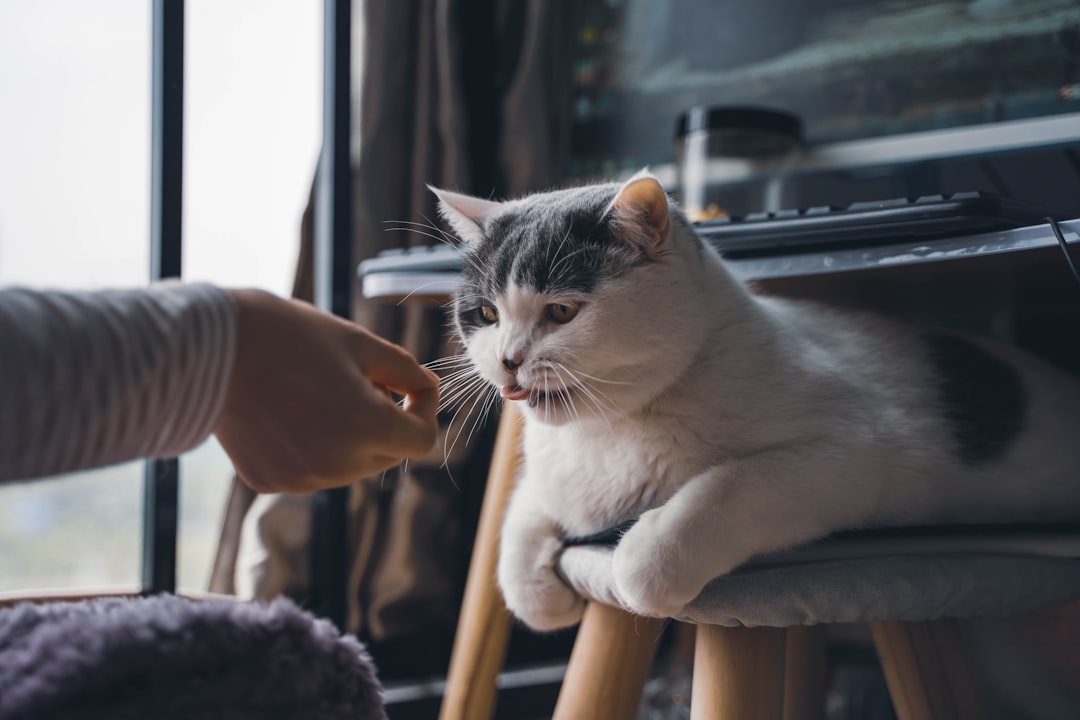
From our Fe-BARQ data we see that a surprising number of owners are reporting moderate to severe behavioral problems in a cat when separated from its owner. So much for the theory that cats don’t really care about their owners, that they’re only there for their food; these cats really do seem to be distressed from being away from their human buddies.
If owners comply with their feline’s wishes to interact, then the cat will often comply with the owner’s wishes at other times. The cat may also “have an edge in this negotiation,” since owners are usually already motivated to establish social contact. Your cat has mastered the art of emotional reciprocity, making you feel guilty when you don’t meet their demands while rewarding compliance with affection.
Think about it. Your cat has successfully convinced you that you’re the pet and they’re the owner. Perhaps, but your feline friend probably sees themselves as your boss who has to train a new employee in a big catporation. If your cat wakes you up at the same time every morning, if they demand to be fed at the same time every day and if they expect you to dedicate your free time after you come back from work/school, then congratulations, you have a small tiger-like boss at home.
The evidence is overwhelming. Your cat doesn’t just live in your house; they run it with the efficiency of a tiny, furry CEO. They’ve mastered psychological manipulation, territorial control, and emotional leverage to create the perfect living situation for themselves. What do you think about it? Tell us in the comments.