When we lose a beloved feline companion, the pain can feel overwhelming. The silence where their purr once filled the room, the empty spot on the bed where they used to curl up, and the profound absence of their warm, comforting presence leaves us searching for solace.
Throughout human history, different cultures have developed beautiful beliefs about what happens to our cherished cats after they pass away. These comforting perspectives span continents and centuries, offering hope and healing to grieving hearts. From ancient Egyptian temples to modern pet memorial services, the bond between humans and cats has inspired countless traditions that honor the eternal nature of love and connection.
The Rainbow Bridge: A Peaceful Meadow Where Cats Run Free
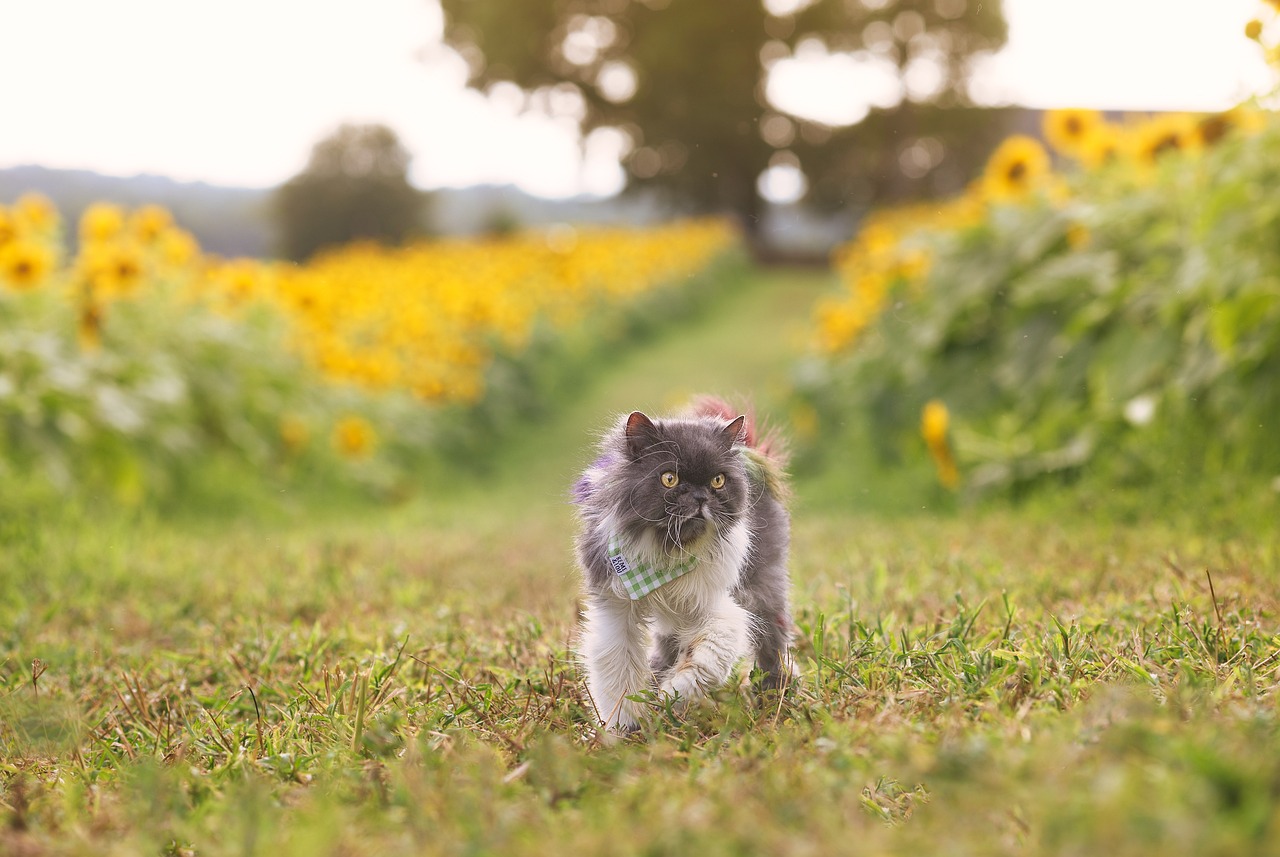
The Rainbow Bridge concept describes an other-worldly place where pets go upon their death, a mythological paradise filled with lush meadows, rolling hills, and vibrant colors, a place of comfort and healing where animals are restored to full health and vigor. This modern belief, popularized through poems in the late twentieth century, offers one of the most widespread comforting visions for pet loss today.
In this magical realm, cats are no longer burdened by illness or age. Here, they are free from pain and suffering, able to run and play with boundless energy, and any pets that suffer from illnesses are no longer sick once they reach the Rainbow Bridge. The imagery presents a place where our feline friends can chase butterflies through endless meadows, bask in perpetual sunshine, and rediscover the joy of youth while they wait for their human companions to join them.
Egyptian Afterlife: Cats as Divine Guardians in Eternity

In Ancient Egypt, cats were revered and associated with the goddess Bastet, who protected the home and family. They were also believed to protect the spirits of the deceased in the afterlife. Mummified cats have even been found in tombs alongside their human companions. This ancient civilization understood something profound about the spiritual connection between cats and humans that transcends death.
In ancient Egypt, cats were not just admired – they were deified. The goddess Bastet, often depicted with the head of a lioness or domestic cat, symbolized protection, fertility, and the nurturing power of women. Households honored her by keeping cats, believing they brought favor from the divine. Egyptian beliefs suggest that cats continue their protective role in the afterlife, watching over their beloved humans and ensuring safe passage through the mysteries of death.
Celtic Cat Sìth: Mystical Soul Guardians
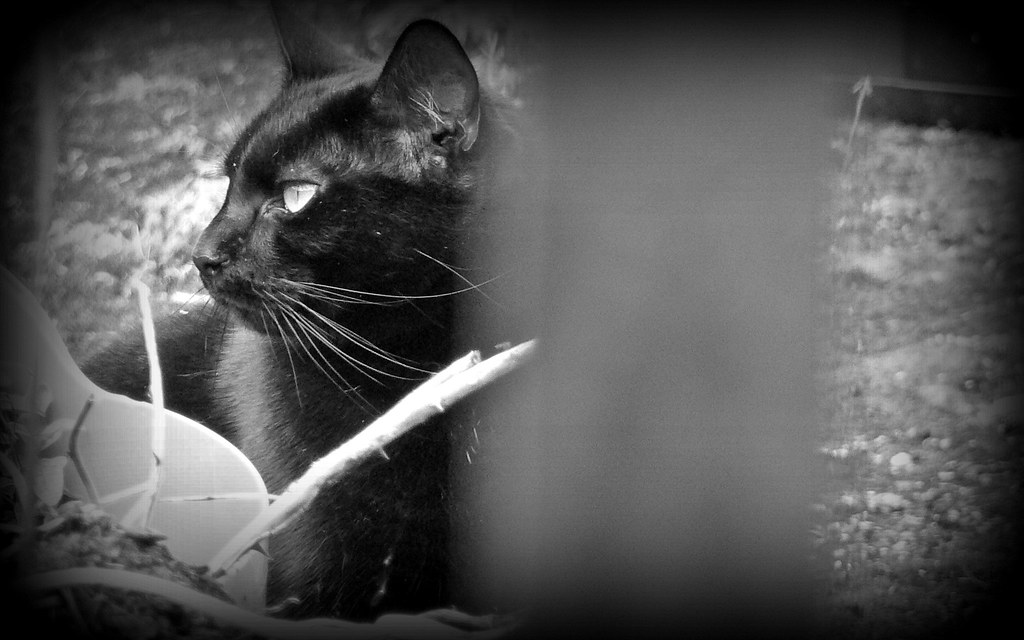
In Celtic legends, the Cat Sìth is often depicted as a guardian of souls, believed to roam the earth during the night. These cats are said to have the power to steal the souls of the recently deceased before they can reach the afterlife. This fascinating Celtic belief transforms the traditional view of death into something protective and purposeful.
Celtic folklore brims with stories of the Cat Sìth, a mysterious figure said to roam the twilight hours in the Scottish Highlands and Irish countryside. This spectral cat, described as larger than any housecat and marked with a single white patch on its black chest, slips easily between the everyday world and realms unseen. In traditional Celtic folklore, the Cat Sìth was actually feared for its ability to steal souls from the dead, preventing their journey to the afterlife.
Hindu Reincarnation: Cats on a Spiritual Journey
Hindu scholars say that animals do have souls and that animals go through the same reincarnation cycle as humans. They believe that the animal soul can enter the human body during reincarnation to get closer to God. This beautiful concept suggests that cats are fellow travelers on the spiritual path, evolving through lifetimes just as humans do.
Hindu traditions assert that the body dies, but not the soul, which they believe to be eternal, indestructible, and blissful. Everything and all existence is believed to be connected and cyclical in many Hinduism-sects, all living beings composed of two things, the soul and the body or matter. In this understanding, a cat’s passing is not an ending but a transformation, as their eternal soul continues its journey toward ultimate spiritual fulfillment and unity with the divine.
Buddhist Rebirth: Cats in the Cycle of Consciousness
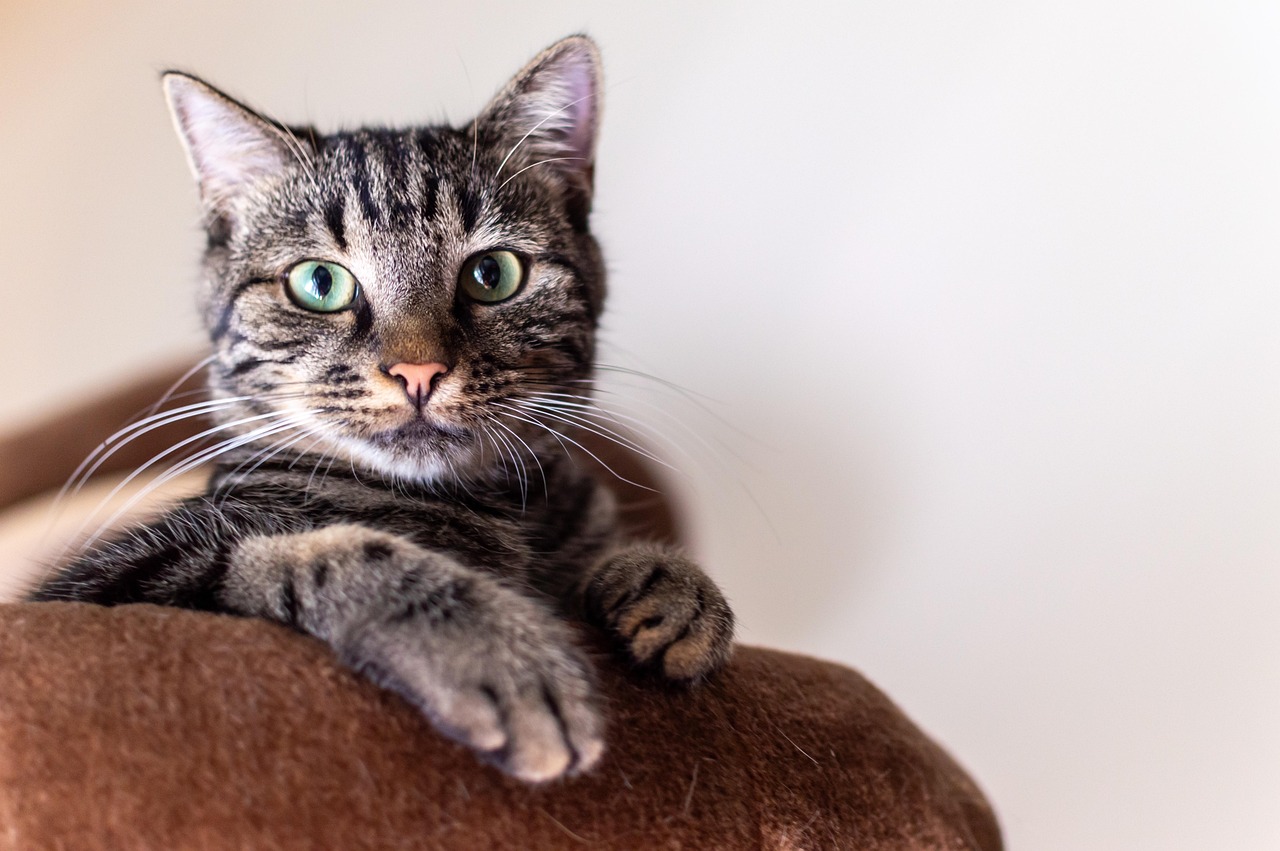
Rebirth in Buddhism refers to the teaching that the actions of a sentient being lead to a new existence after death, in an endless cycle called saṃsāra. The rebirth doctrine asserts that rebirth takes place in one of the six realms of samsara, the realms of gods, demi-gods, humans, the animal realm, the ghost realm and hell realms. Buddhist philosophy offers a compassionate view of cats as sentient beings capable of spiritual progress.
In Buddhist philosophy, the journey of an animal’s consciousness unfolds within the cycle of samsara. In the Buddhist understanding of reincarnation, the form that an animal assumes in each life is not fixed. The fluid nature of existence means that the collection of elements representing your dog may transition from one form to another. This suggests that our beloved cats may return to us in different forms, carrying the accumulated wisdom and love from their previous lives.
Japanese Spiritual Protection: Cats as Benevolent Spirits
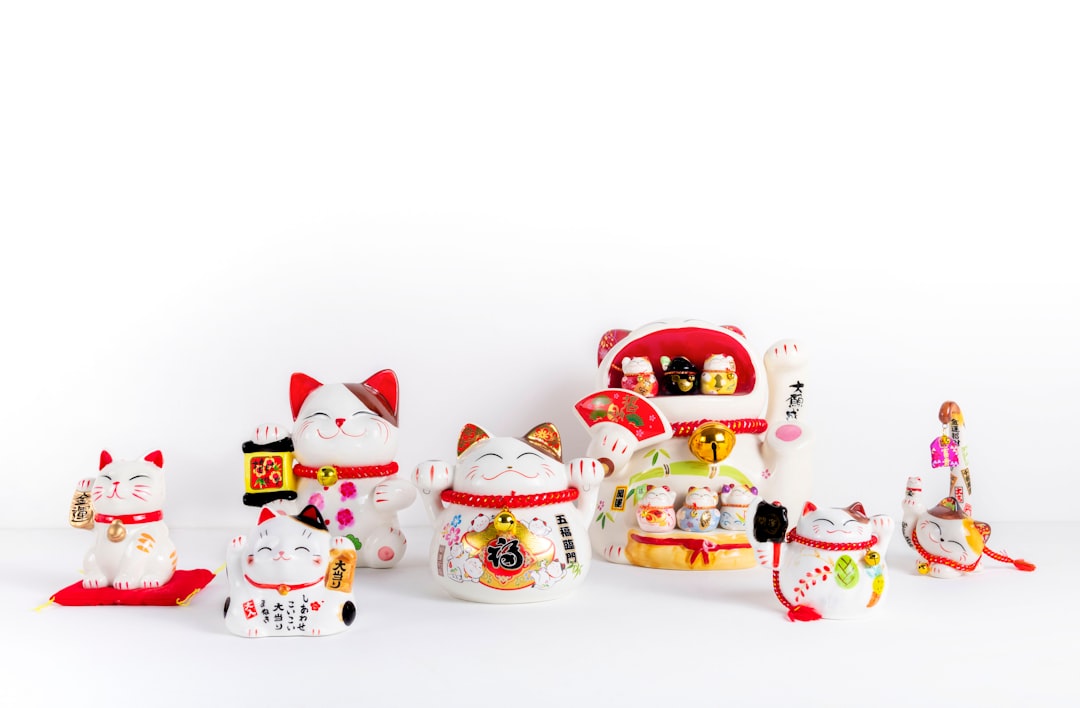
In Japanese mythology, cats are often viewed as protective entities and symbols of good fortune. The ‘Maneki-neko,’ or beckoning cat, is a well-known figure believed to attract wealth and prosperity. Additionally, cats in Japanese folklore are sometimes considered as guardians against evil spirits. Japanese culture honors cats as powerful spiritual protectors who continue their beneficial influence after death.
The Maneki-Neko is a well-known symbol in Japanese culture, often seen in homes and businesses. This charming cat figurine typically raises one paw, inviting good fortune and prosperity. Traditionally, the left paw raised is thought to attract customers, while a right paw raised is believed to bring wealth. The belief suggests that cats who have passed away continue to bring blessings and protection to their families, watching over them as benevolent spirits.
Native American Spirit Guides: Cats as Wisdom Keepers
Cats have held a special place in Native American cultures for generations. Cats were often seen as guardians, protecting homes and families from negative energies and harmful spirits. In many Native tribes, cats symbolize intuition and independence. This tradition views cats as powerful spiritual allies whose protective influence transcends the physical world.
In South American folklore, particularly in Peru, the mystical Palla cat was a revered creature, often associated with shamanistic rituals and seen as a protector against evil spirits. These cats held spiritual significance, believed to guide and protect individuals on their spiritual journeys. Native American beliefs suggest that cats who have crossed over continue to serve as spirit guides, offering wisdom and protection to their human families from the spiritual realm.
Islamic Bridge Guardian: Cats as Afterlife Companions
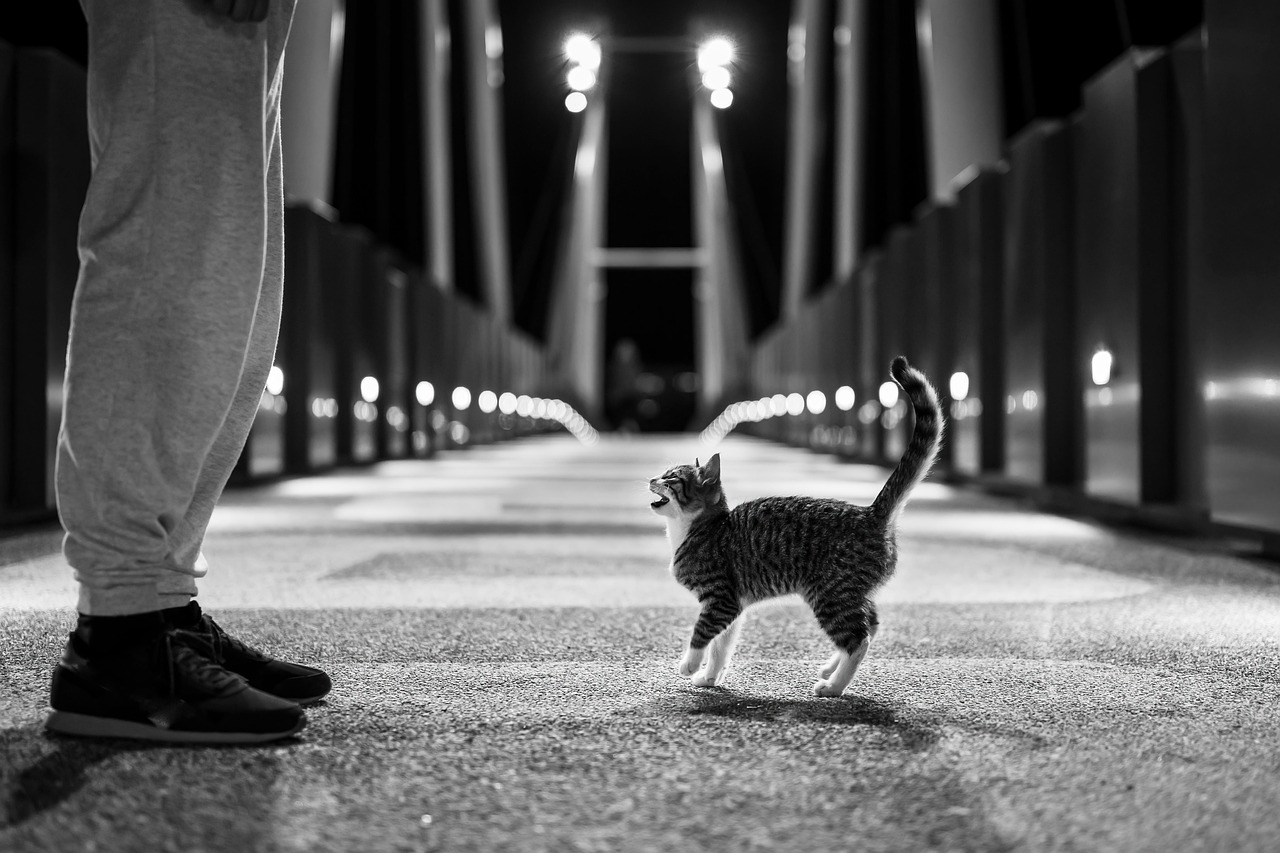
In Muslim beliefs, cats play a role in one’s destiny in the afterlife. It is believed that a cat is encountered when one enters the afterlife, “when the soul has walked around a bit, it comes to a bridge across a river, where a cat stands watch”. This touching belief positions cats as gentle guardians who welcome souls into the next world.
Although no species are sacred in Islam, cats are revered by Muslims. While cats are revered in Islamic tradition, specific stories about Muhammad having a cat named Muezza are considered folklore by Islamic scholars rather than historically verified accounts. Islamic tradition suggests that cats serve as compassionate sentinels in the afterlife, helping to guide souls safely across the threshold between worlds with their familiar, comforting presence.
Nine Lives Mythology: Cats’ Multiple Spiritual Chances
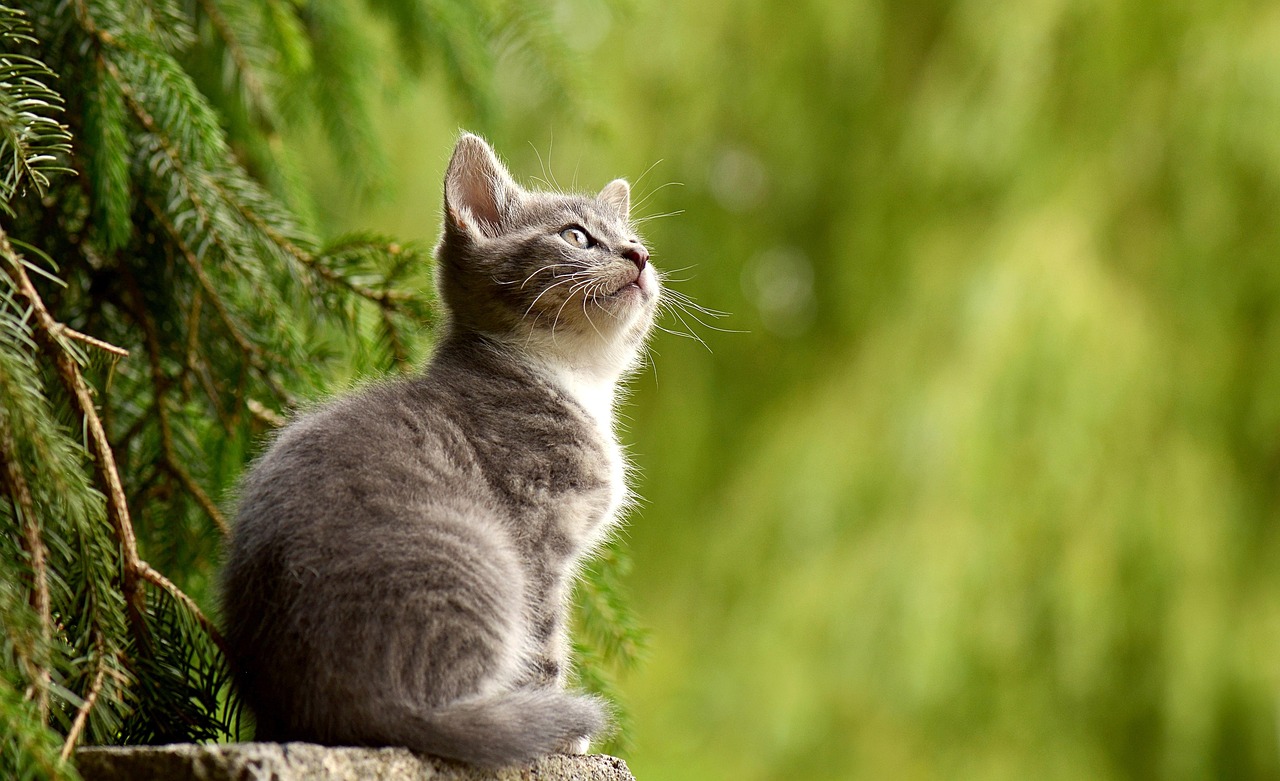
Since there’s a legend that cats have nine lives, some cat owners may prefer or believe that their cats are living a new and refreshing life as reborn kittens. This beloved folklore offers comfort through the idea that cats possess multiple opportunities for life and love, making their passing less final and more hopeful.
The nine lives belief spans many cultures and represents the remarkable resilience and mystery of feline nature. Some grieving pet owners find solace in imagining their departed cat living one of their remaining lives somewhere new, perhaps as a kitten discovering the world for the first time. This perspective transforms grief into anticipation, suggesting that somewhere, somehow, their beloved companion is beginning fresh adventures with the same spirited soul they knew and loved.
Eternal Reunion: Cats Waiting for Their Human Families
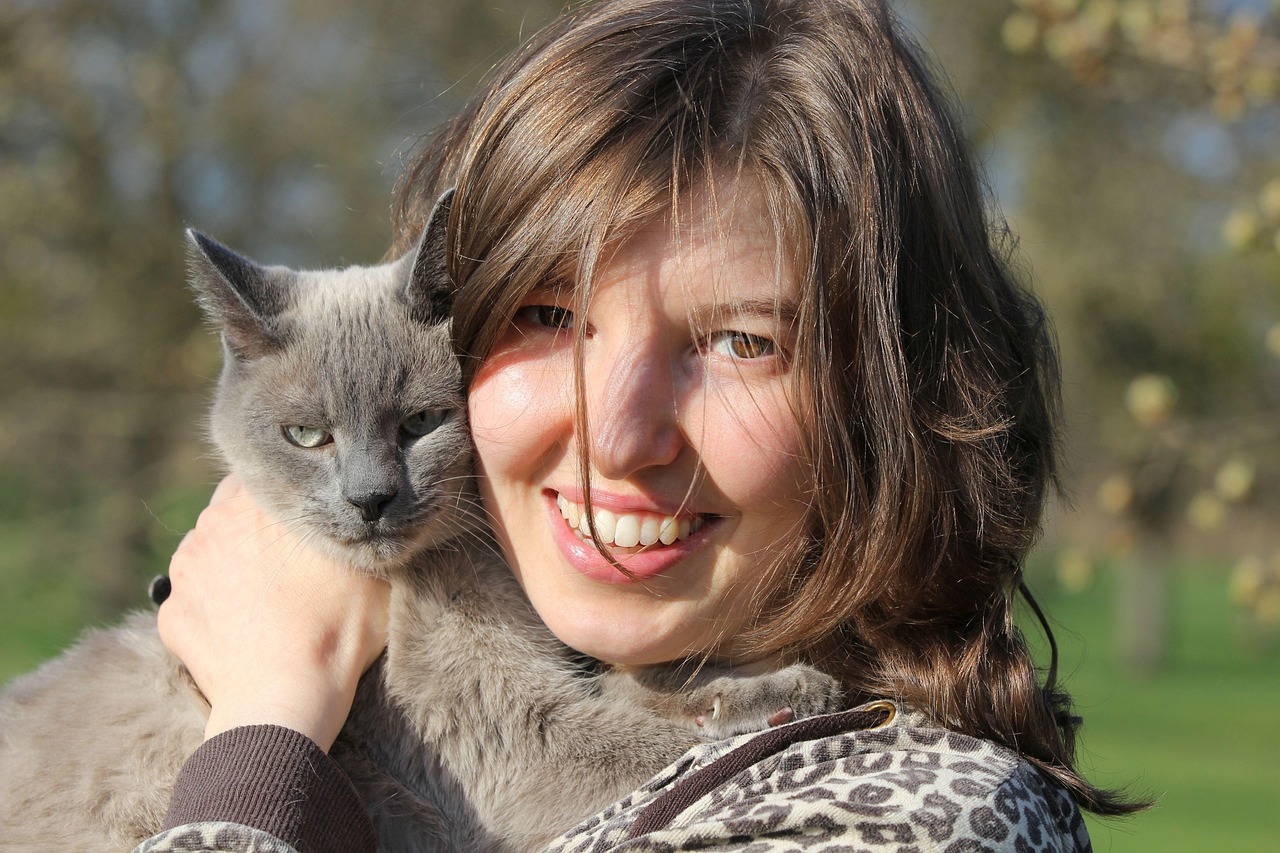
The Rainbow Bridge is ultimately a meeting place for pets and their owners. Pets that have passed on before their owners will rest and enjoy time at the Rainbow Bridge. They can play with other pets as they wait to be reunited with their owners. Once their owners have passed away on Earth, they’ll find their way to the Rainbow Bridge. This belief emphasizes the enduring bond between cats and their human companions.
It reminds us that the bond we share with our cats is eternal, extending beyond the physical realm. The Rainbow Bridge also serves as a beacon of hope, reminding us that our beloved cats are waiting for us in a place of peace and unconditional love. It is a reminder that the bond we share with our feline friends is unbreakable, even in the face of death. This comforting vision suggests that death is merely a temporary separation, and that the love shared between humans and cats creates an unbreakable connection that will ultimately bring them back together in a place of perfect peace and joy.
Conclusion
These diverse and beautiful beliefs from cultures around the world offer profound comfort to anyone who has loved and lost a feline companion. Whether we imagine our cats frolicking in the eternal meadows of the Rainbow Bridge, serving as protective spirits, continuing their spiritual journey through reincarnation, or patiently waiting for our eventual reunion, these traditions remind us that love transcends death.
The remarkable consistency across cultures in viewing cats as spiritually significant beings suggests something deeper about the connection between humans and cats. Their mysterious nature, their independence, and their capacity for deep affection have made them symbols of the mystical and eternal throughout human history. These beliefs don’t just comfort us in our grief; they celebrate the profound bonds we form with these extraordinary creatures and honor the spiritual significance of their presence in our lives.
What brings you the most comfort when thinking about your beloved feline friend’s journey beyond this world?