Ever feel like your cat is giving you the cold shoulder? Think again. While dogs practically wear their hearts on their sleeves with tail wags and slobbery kisses, cats are the mysterious poets of the pet world, expressing love in ways that often fly completely under your radar. You might be living with a feline who adores you deeply, yet you’re completely missing the signals. Let’s decode the secret language of cat affection, because your furry companion has been whispering “I love you” all along.
The Slow Blink: Your Cat’s Version of a Kiss
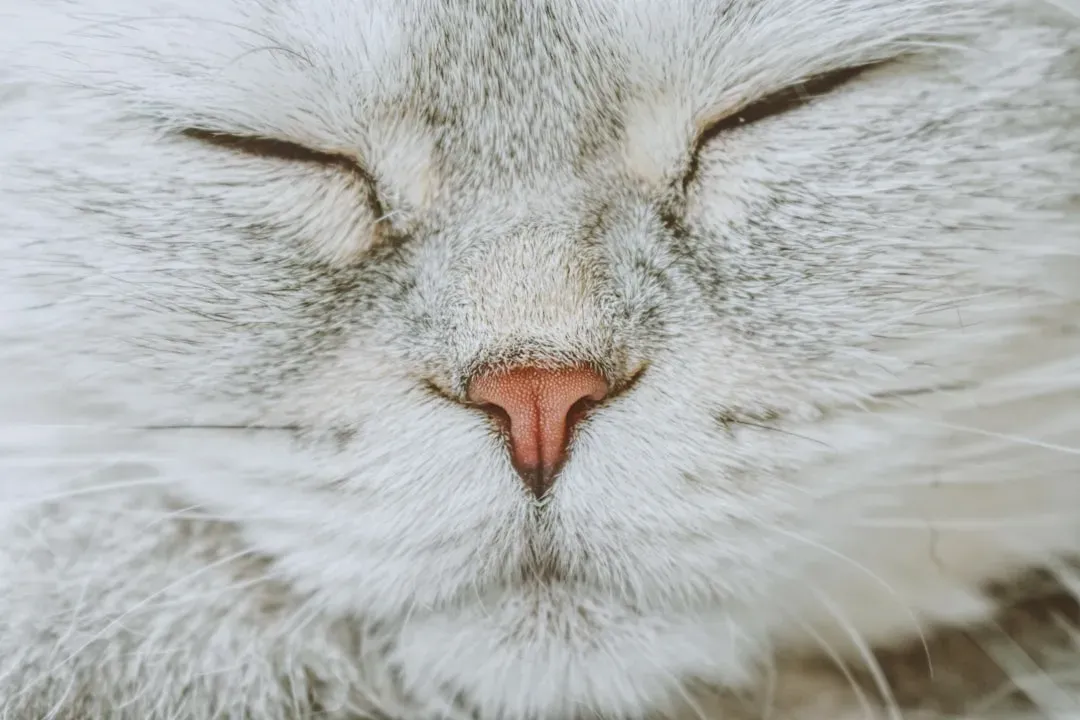
When your cat gazes at you and offers slow, deliberate blinks with lowered eyelids, this is considered the feline version of a kiss. Honestly, this is one of the most intimate gestures in the cat world. This behavior shows that your cat feels safe and at ease with you, often called a ‘cat kiss’, and it’s easy to miss if you’re not paying attention.
Here’s the thing though. Your cat wouldn’t make themselves this vulnerable with just anyone. The slow blink shows your buddy feels relaxed, content, and safe, serving as an invitation to respond with similar openness and love. You can actually slow blink back at your cat to tell them you feel the same way, creating a quiet moment of mutual understanding that strengthens your bond.
Head Bumps and Cheek Rubs: Claiming You as Their Own
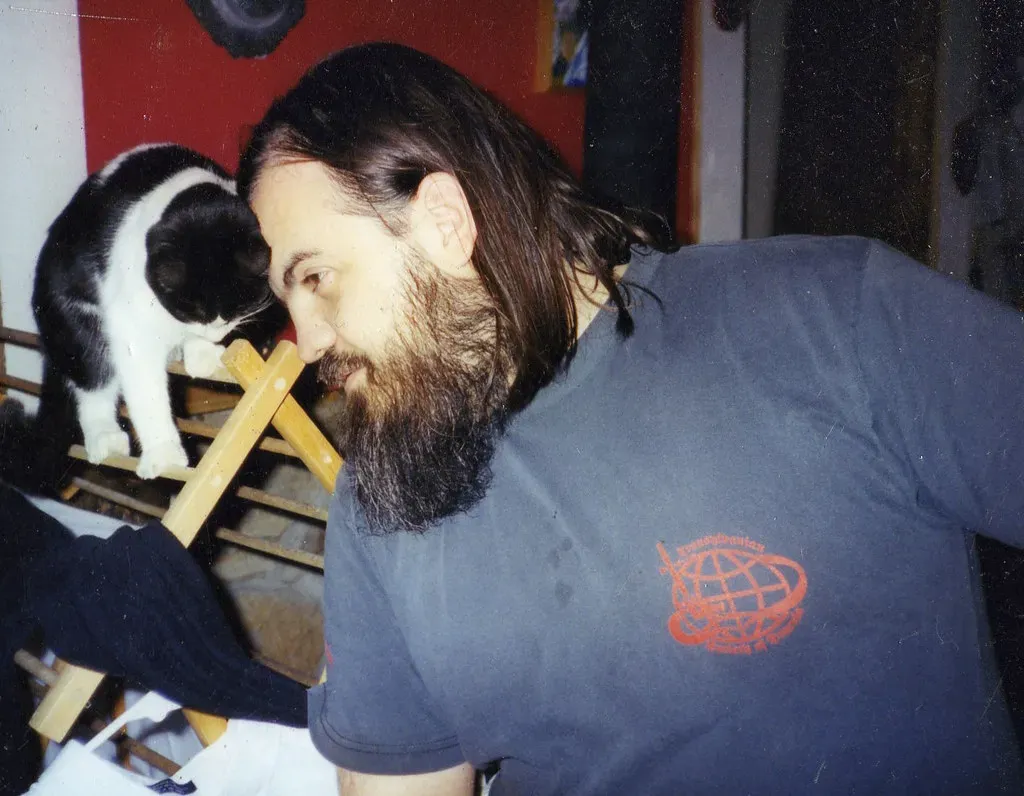
Your cat may bump their head against you or rub their cheeks against you to show affection, which is often an attempt to mark you with their scent to claim you as one of their own. This behavior, sometimes called bunting, is actually a huge compliment. Think of it as your cat saying you’re part of their exclusive inner circle.
Cats have scent glands on their heads, so when they headbutt you, they’re leaving their scent on you. Let’s be real, this isn’t just a casual greeting reserved for everyone who walks by. They’re claiming you as part of their social group, and they won’t do it to everyone, so take it as a compliment because you’ve made it into the inner circle of cat love.
Following You Everywhere: Your Personal Shadow
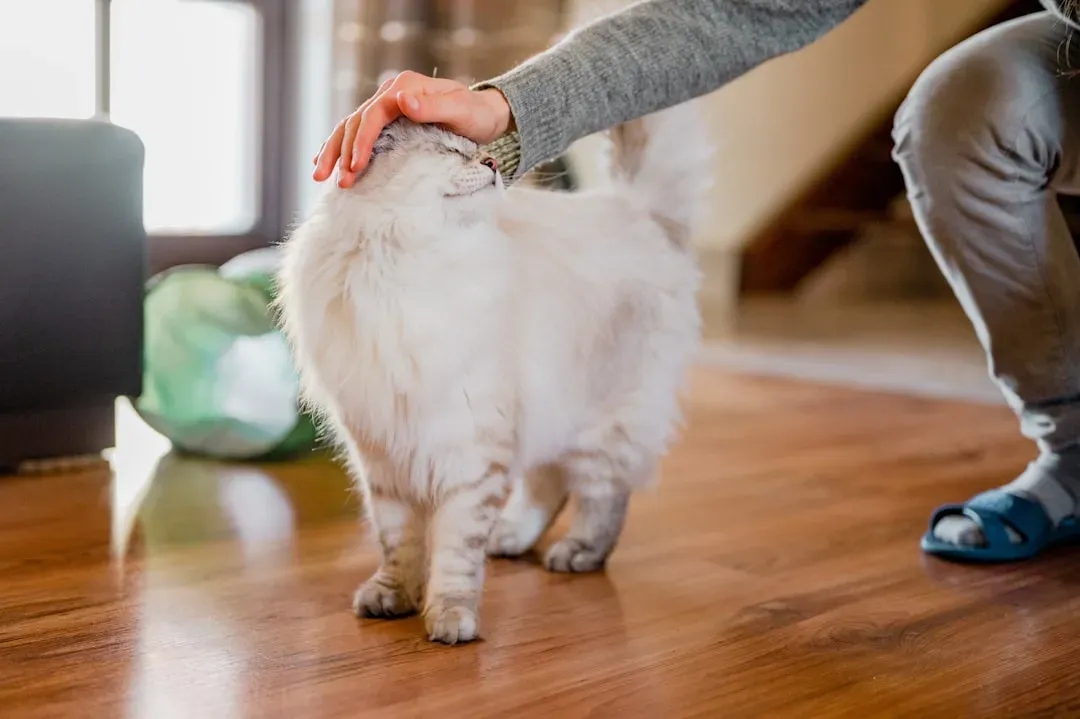
Does your cat trail you from room to room, even into the bathroom? Many pet parents might find it odd that their cats follow them everywhere they go, even right into the bathroom, but this just means that your cat wants to spend more time with you and enjoys your company. Some people find this clingy, but it’s actually deeply affectionate behavior.
While there can be many reasons for this, from wanting food to being anxious, there are many cases in which your cat simply enjoys your company and wants to be with you, especially if it’s not close to feeding time and your cat isn’t acting like they want anything. They’re just trying to bask in your presence, which is about as sweet as it gets.
Kneading: Making Biscuits on You
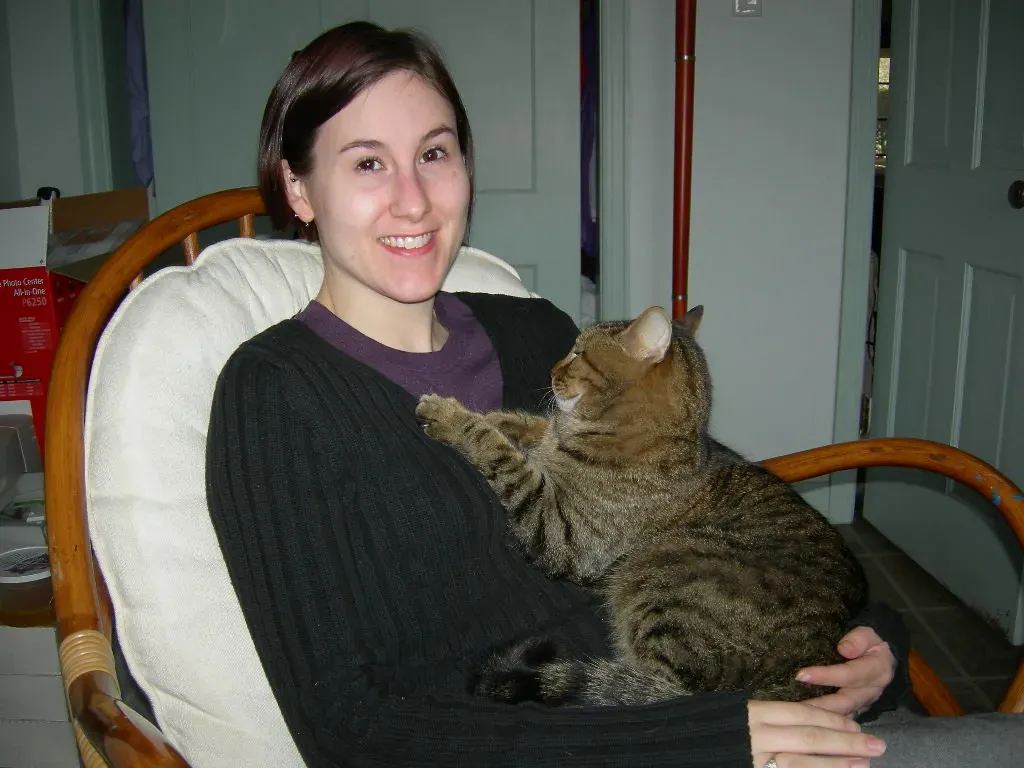
Cats begin kneading as tiny kittens when they are nursing, and this behavior translates into affection in adult life, with the cat being very clear that you make them feel loved and comfortable. When your cat does that rhythmic paw pressing motion on your lap or even your stomach, they’re experiencing serious contentment.
I know it sounds crazy, but this behavior rooted in kittenhood is one of the highest compliments a cat can give. If kneading is involved, you better believe your cat views you as family, as there are multiple theories as to why cats knead, and almost all have to do with comfort and affection. Sure, those claws can be a bit uncomfortable, but your cat is essentially telling you that being near you feels as safe as being with their mother.
Purring in Your Presence: The Sound of Happiness
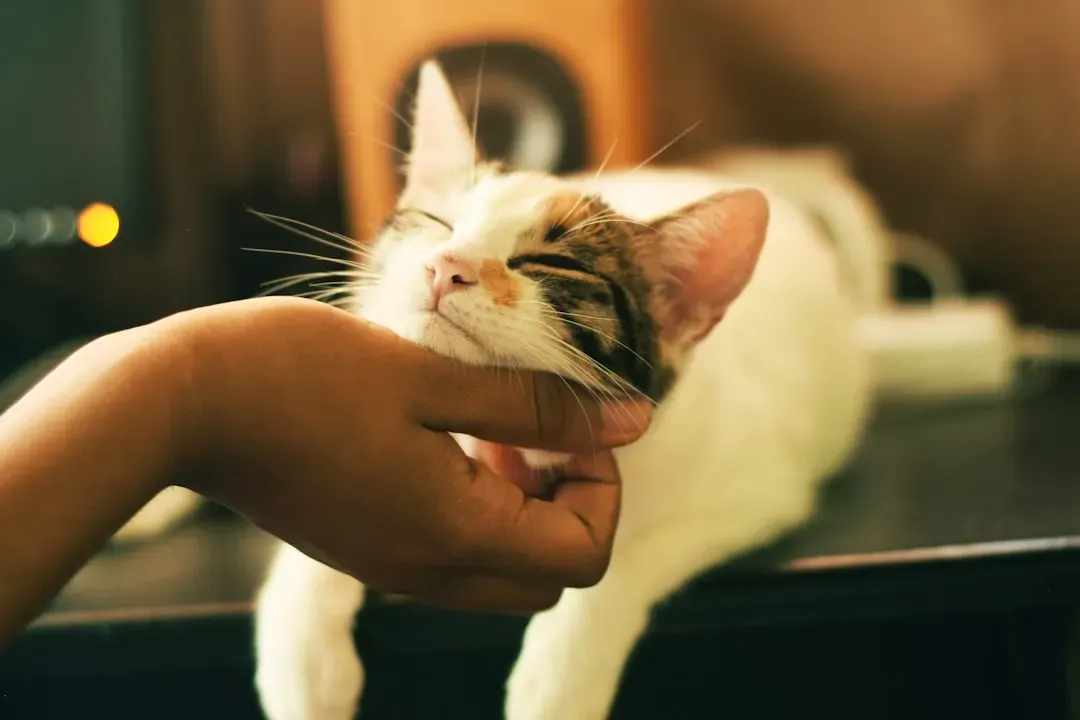
Feline behaviorists have found that cats purr for a variety of reasons, but they believe that purring first starts as a form of communication and bonding mechanism between kittens and their mothers, and it’s also a common indicator of comfort and ease. When your cat settles beside you and begins that rumbling motor sound, they’re telling you something important.
Cats often purr to show contentment when they are resting near you or when you’re petting them. However, context matters here. It’s hard to say for sure sometimes, but when purring is paired with relaxed body language, half closed eyes, and a soft demeanor, your cat is basically broadcasting their love for you on all frequencies.
Greeting You at the Door: The Welcome Home Committee
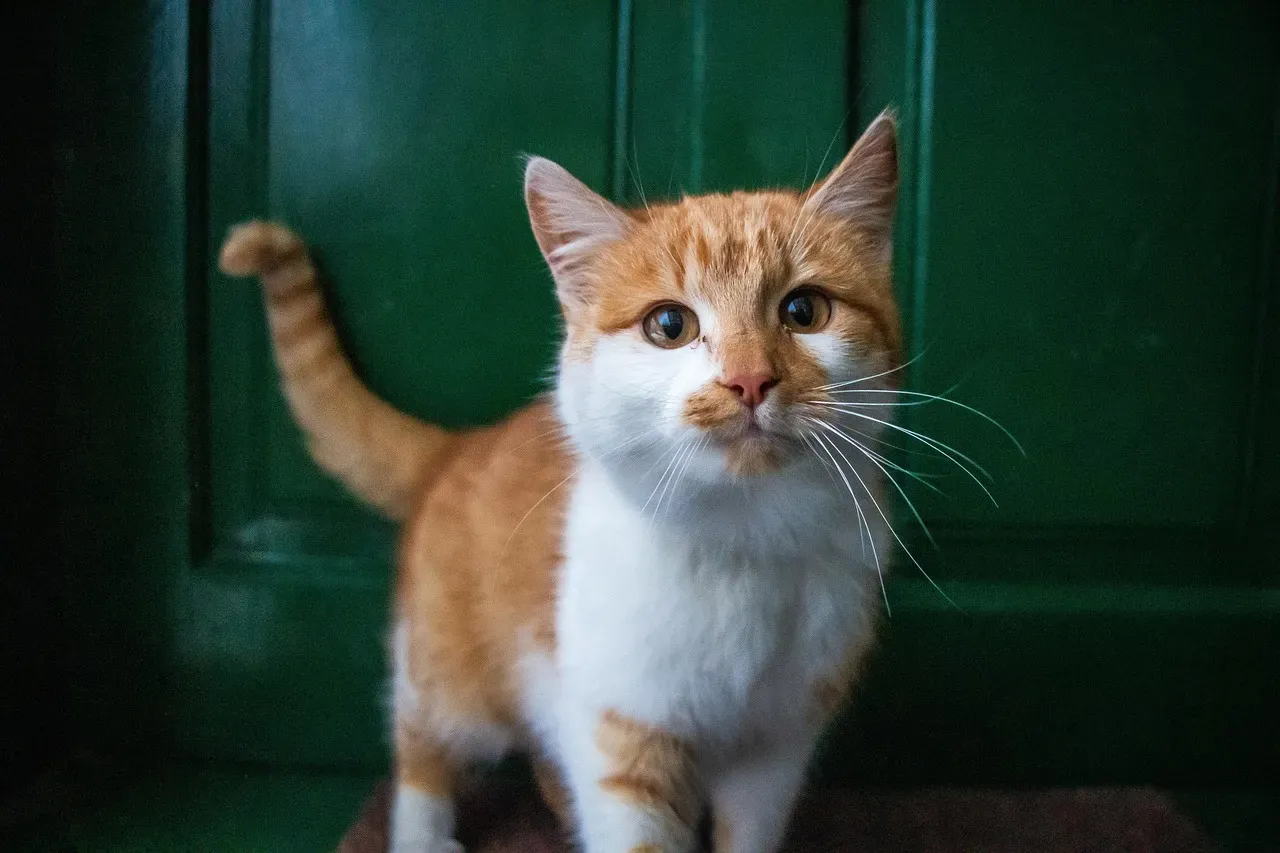
Your cat is trying to show you that they missed you when they greet you at the door, which is often followed by walking in between your legs and curling their tail around your legs, sometimes accompanied by meowing and ‘rattle tail’ behavior where your cat will shake their tail quickly. This elaborate welcome home ritual is not something cats do for just anyone.
Think about it. Your cat heard your footsteps or your car pulling up and made the conscious decision to run to the door. They could have stayed napping in their warm spot, but instead chose to greet you. Some cats roll around on the ground excitedly around their favorite people, which often happens when loved human companions first come home after being away.
Bringing You Gifts: The Ultimate Hunter’s Tribute
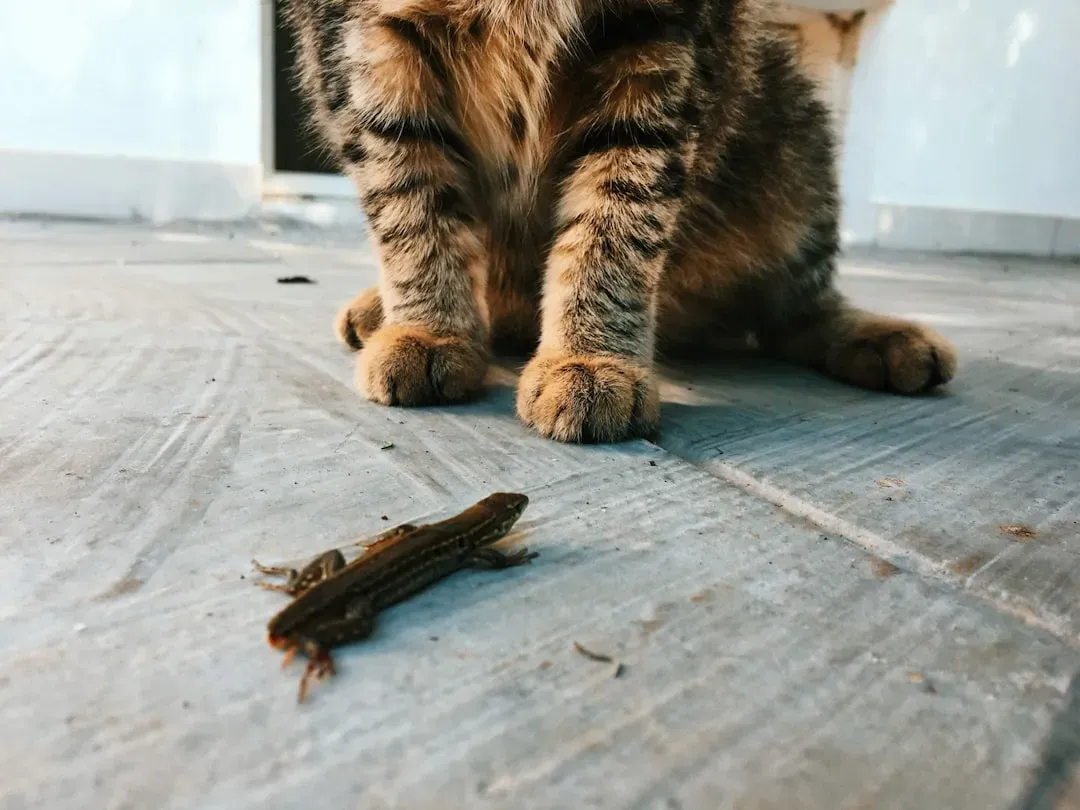
Cats show their affection by leaving presents for their caregivers to find, and because cats are natural hunters, when your kitty brings you freshly caught prey, they’re actually offering you a delicious meal, and this behavior really is a sign that they care deeply for you. Yes, even that dead mouse on your doorstep is a love letter.
Let’s be real, this is probably the most unpopular sign of affection among cat owners. Cats are natural hunters, and they only share their prey with someone they trust, so if your cat brings you a ‘present,’ think of it as a sign of love. Your cat thinks you’re a terrible hunter and wants to make sure you’re fed. Disturbing? Maybe. Loving? Absolutely.
Licking You: Grooming Their Favorite Human
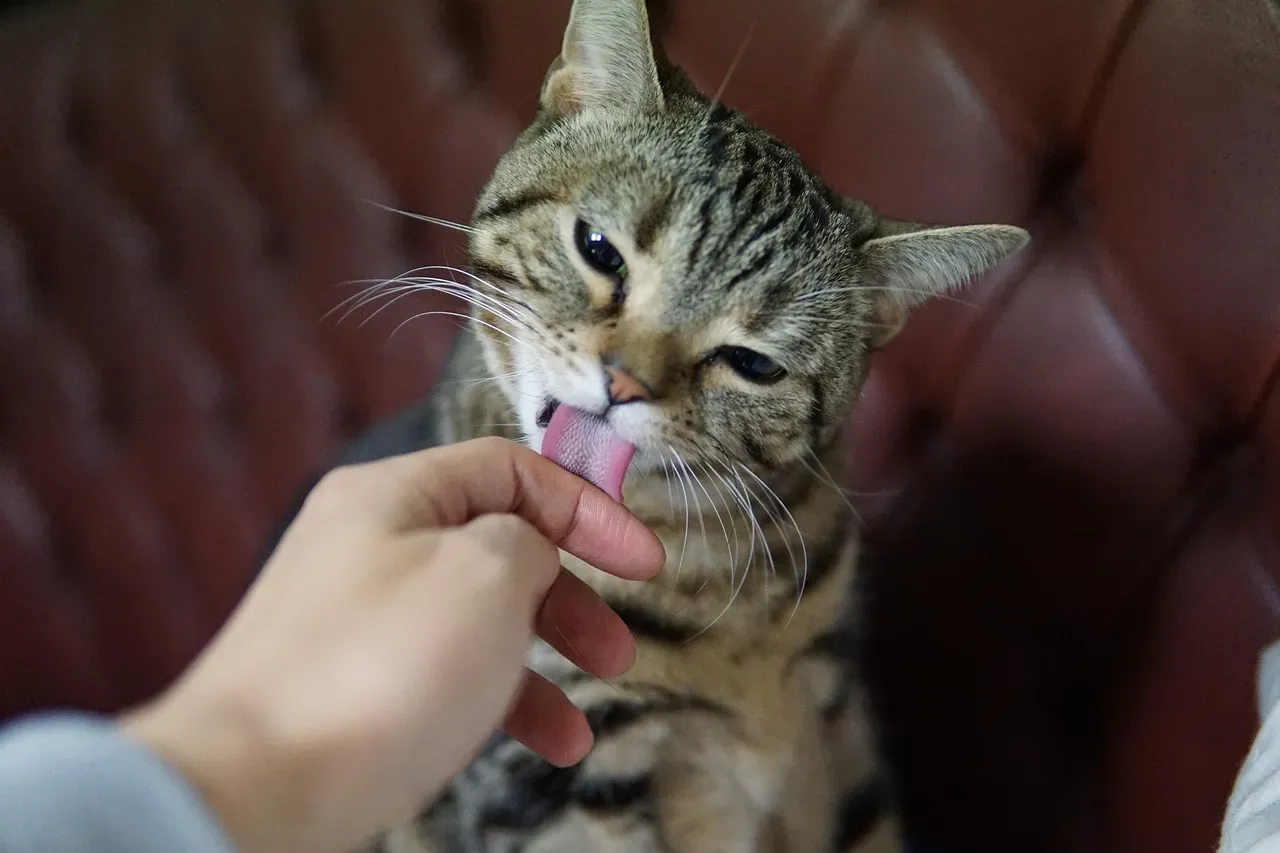
When your cat licks your skin or hair, they are performing allogrooming, which is a social bonding behavior they typically reserve for other cats in their colony. That sandpaper tongue on your hand or face isn’t random. Cats groom each other as a display of affection, and this behavior will extend to humans when trust is built, allowing them to mark each other and build their bond.
Your cat essentially considers you part of their family unit when they groom you. Just as mother cats will groom their young, cats who are bonded with each other will often groom one another, so if you find your kitty licking you repetitively, they see you as a close family member. It might feel a bit odd, but it’s genuinely one of the sweetest gestures in the feline playbook.
Showing You Their Belly: The Ultimate Trust Fall
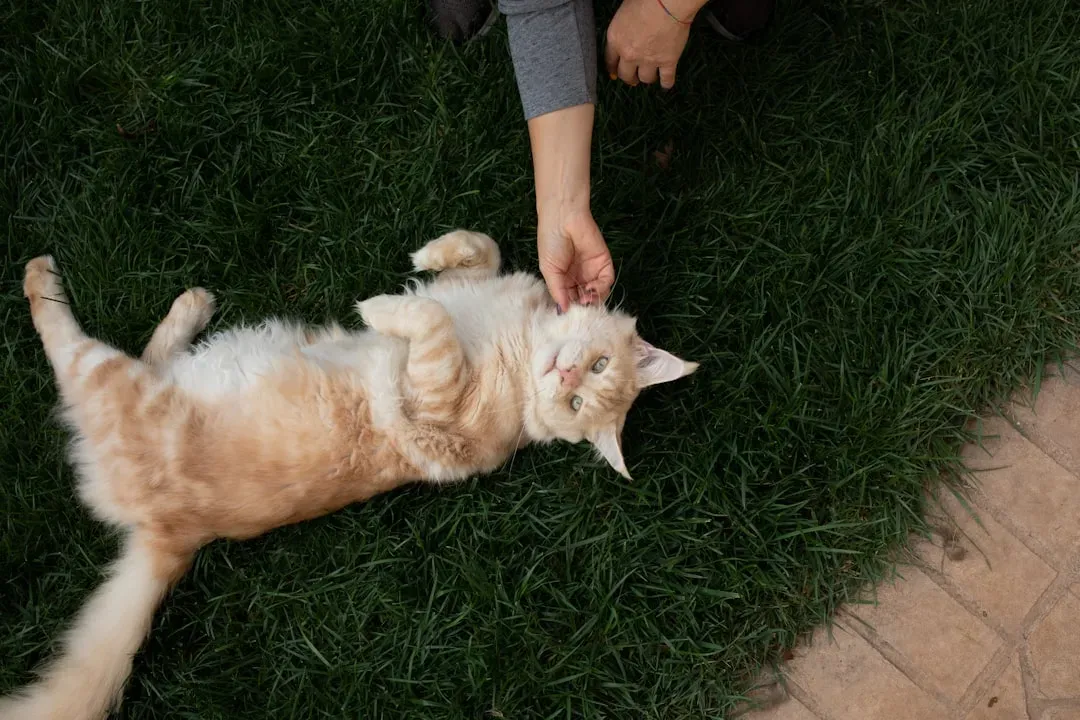
Rolling over is how cats show their affection on your return home and means ‘I’m so excited you’re back’ in cat language, as they are exposing the vulnerable area of their belly, which is a sign that a cat both trusts and loves you. The belly is where all their vital organs live, so exposing it is a massive declaration of trust.
Still, there’s a catch here that confuses a lot of people. Exposing the belly is a huge sign of trust and means your cat feels totally secure and relaxed around you, but it doesn’t mean she wants you to rub her belly, though. Your cat is showing vulnerability, not necessarily inviting a belly rub. Read the room before you go in for the touch.
Tail Language: The Flag of Feline Affection
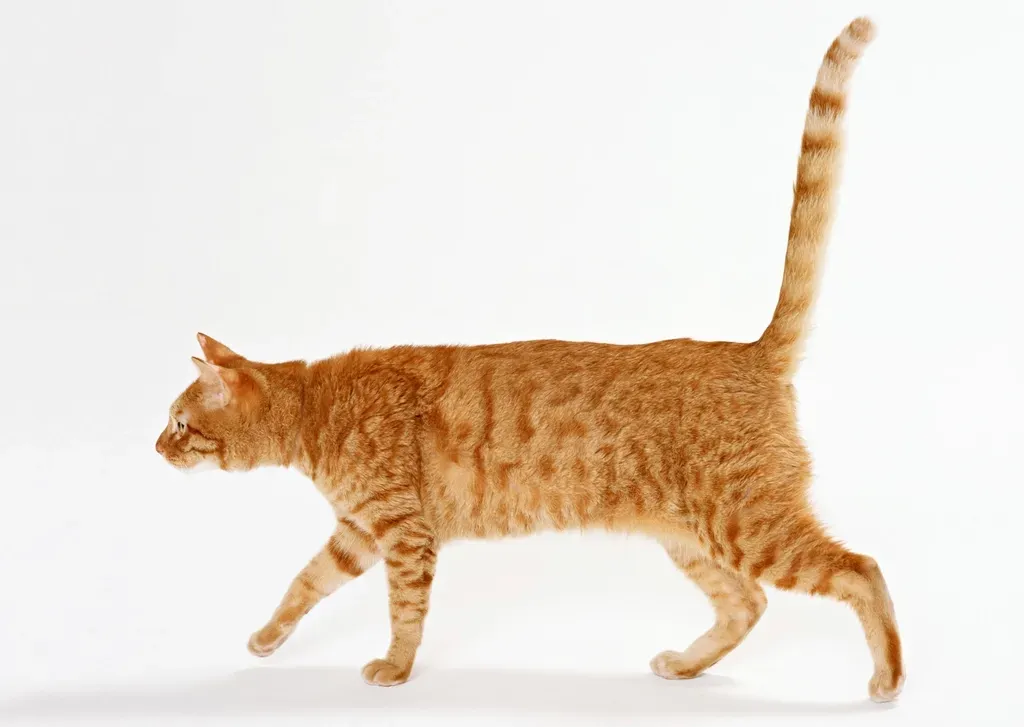
According to animal behaviorist and cat specialist Marilyn Krieger, felines often show affection through their tails, with a curved tip being a friendly greeting and invitation to interact, while a more gushy display of love is your cat wrapping their tail around your hands, ankles, arms, or any part of your body. That upright tail with the little question mark curve at the top? That’s pure happiness.
A tail up and curled means they are confident in a space and feel secure, and if coming toward you with their tail up and curled, they really like you and they recognize you as a positive social interaction. Pay attention to your cat’s tail when they approach you. It’s like their emotional barometer, broadcasting their feelings in real time.
Conclusion
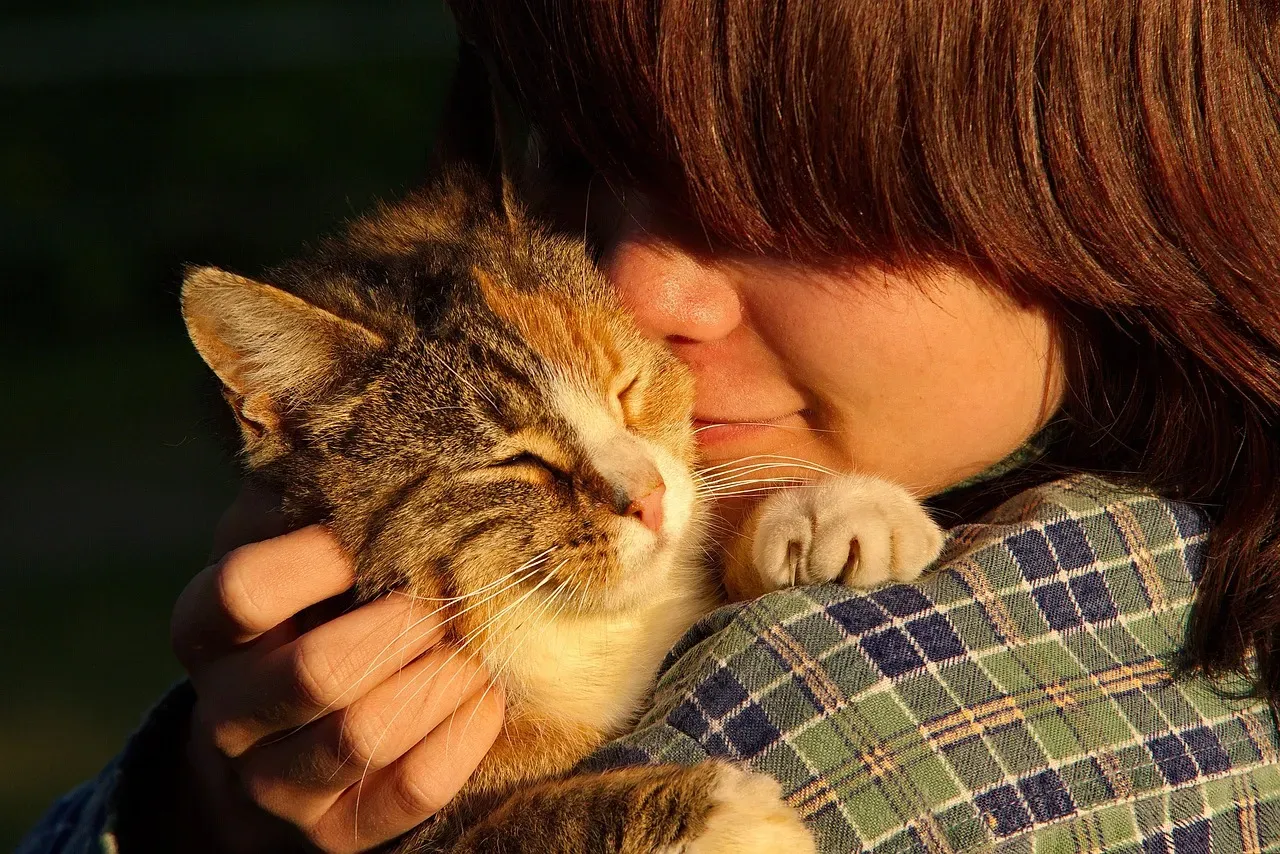
Your cat has been telling you they love you this whole time, just in a language that’s subtle, nuanced, and uniquely feline. From slow blinks to head bumps, from following you around to bringing you questionable gifts, every gesture is a thread in the tapestry of your cat’s affection. The key is learning to recognize these signs for what they truly are: declarations of trust, comfort, and yes, love.
Understanding your cat’s love language transforms your relationship from guesswork into genuine connection. So next time your cat headbutts your leg at three in the morning or leaves a toy mouse by your pillow, remember they’re saying something profound in their own mysterious way. What surprising sign of affection does your cat show you? Maybe you’re noticing things differently now.