You’ve probably noticed your cat’s grooming behaviors countless times. Maybe they’ve licked your hand while you’re working on the computer, or perhaps you’ve caught them cleaning their fur with an almost obsessive dedication. Here’s something interesting, though: these grooming rituals aren’t just about staying clean. They’re actually revealing volumes about how your feline friend truly feels about you.
Cats are mysterious creatures, and their grooming habits offer us a rare window into their emotional world. Whether your cat is licking you, grooming themselves after you pet them, or even trying to clean your hair, each action carries meaning. So let’s dive into what these common grooming behaviors really tell us about your relationship with your cat.
When Your Cat Licks Your Face or Hands
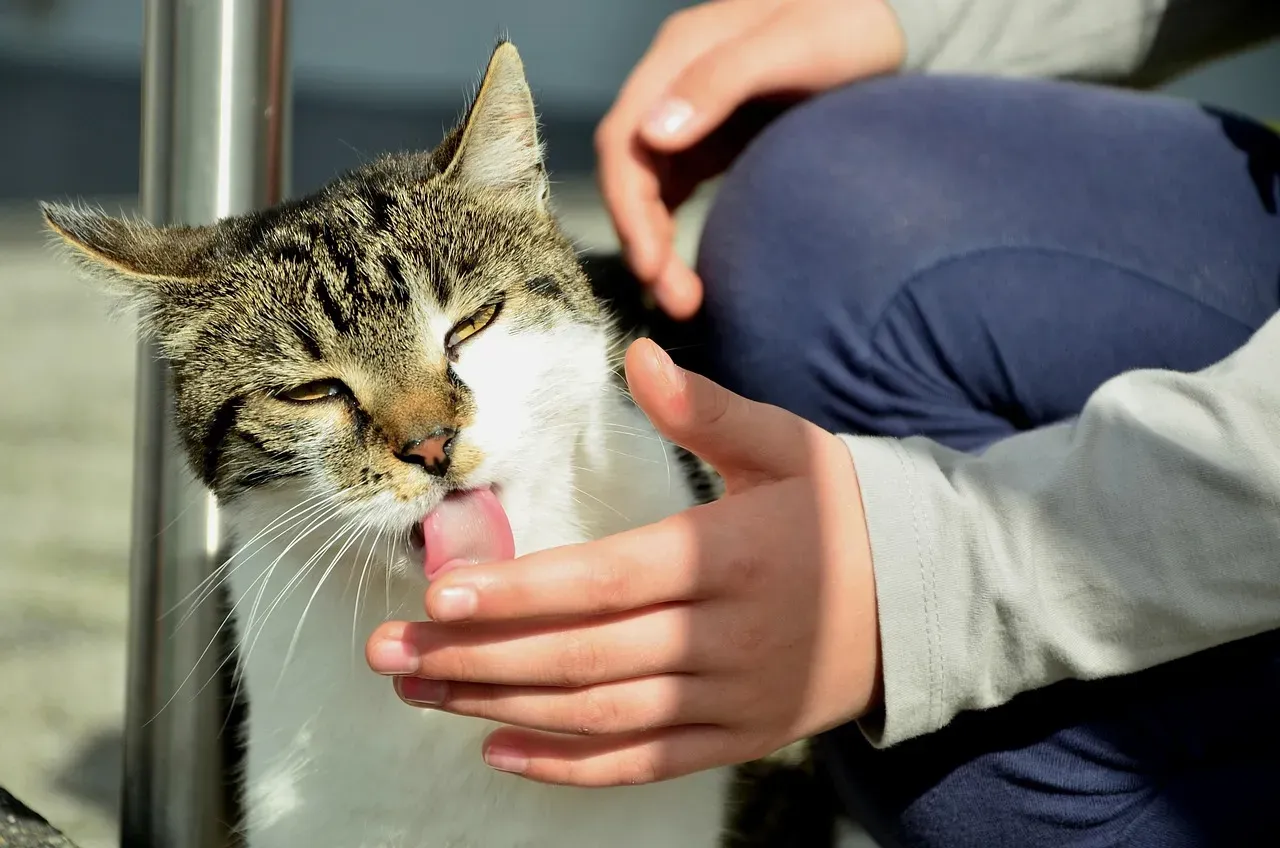
When your cat grooms you, they may be expressing affection and trust, similar to how they would groom other cats in their social group, communicating that they see you as family. Think of it as their version of a hug or kiss. Sure, that sandpaper tongue might feel strange, yet it’s one of the highest compliments a cat can give.
Cats have scent glands in their mouths, so when they lick you, they’re marking you with their scent, much like they might rub against furniture to claim it as their own. Your cat is essentially saying you belong to them, which honestly is both possessive and sweet at the same time. By licking you, your cat could be marking you as safe and letting you know you’re part of the family.
Over-Grooming Themselves After You Pet Them

You might have noticed your cat immediately starts licking themselves after a cuddle session. Let’s be real, this one can feel a bit insulting at first. Some experts suggest cats do this to remove your scent because they’re territorial creatures who like things just so.
However, there’s another possibility here. Licking can be a comforting behavior for your cat, as it is reminiscent of their kittenhood when their mother would groom them, helping your cat feel calm and secure in their environment. So it might not be rejection at all, more like they’re soothing themselves after the stimulation of being petted. Cats can be sensitive to touch, and self-grooming helps them regulate their emotions.
Grooming Your Hair While You Sleep
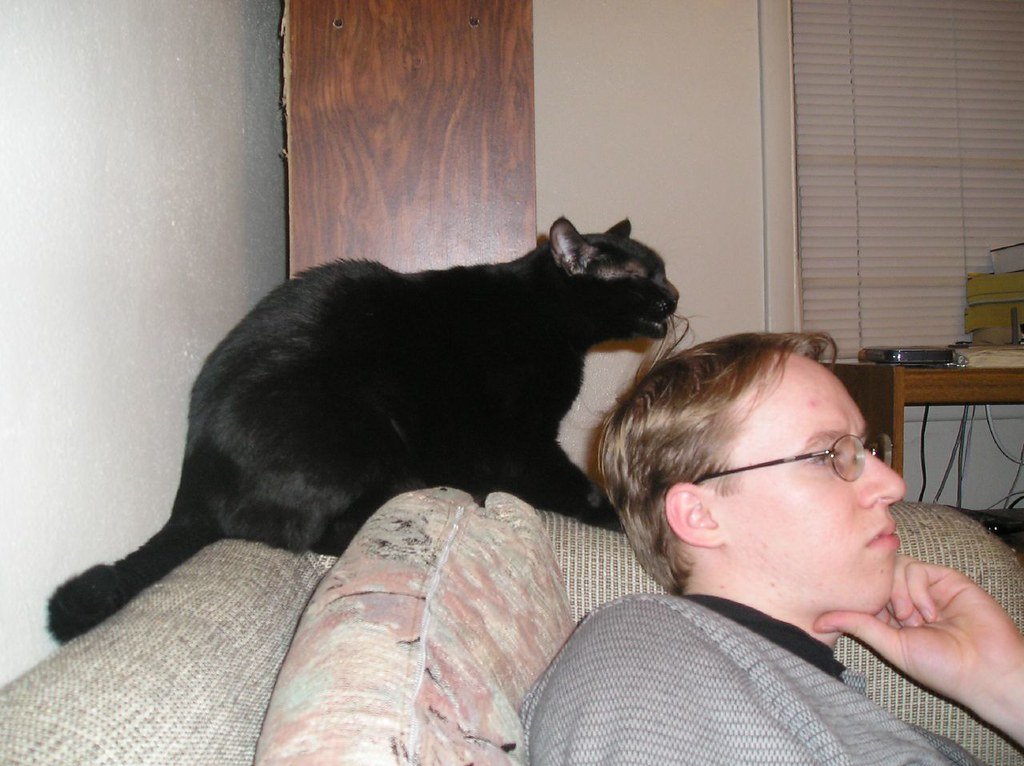
Cats lick their human family members because they’re showing affection toward them, and if your cat is affectionate toward another cat, they will groom the other cat and provide soothing and comfort through licking, extending this behavior to humans as well. Waking up to find your cat cleaning your hair might seem bizarre, but it’s actually deeply affectionate.
Your cat is treating you exactly as they would a beloved companion or family member. Kittens are groomed by their mothers from a young age, with licking being not only a means of cleaning but also a way for the mother cat to show care and establish bonds, a behavior cats may continue into adulthood. If your cat’s grooming your hair, congratulations on being adopted into their inner circle.
Presenting Their Head for You to Groom
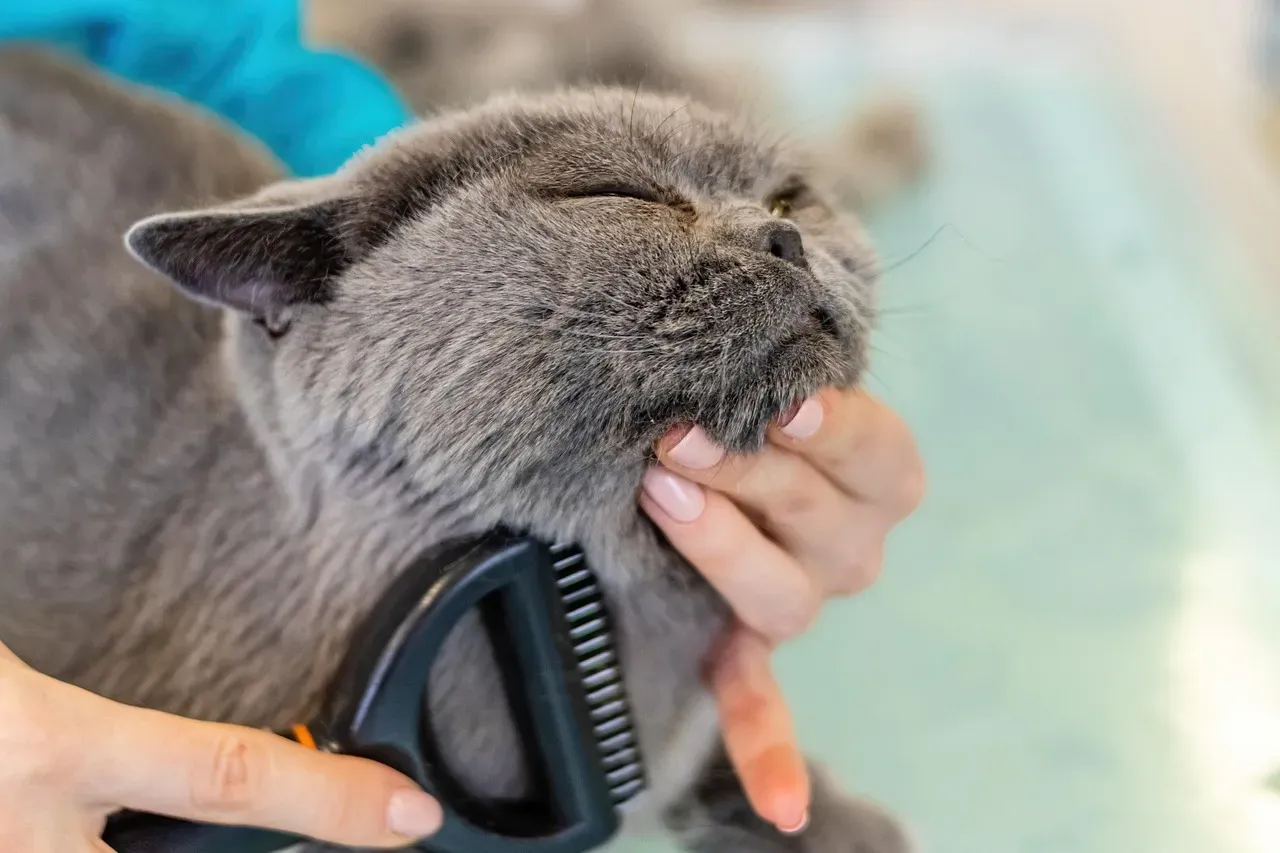
When your cat approaches you and deliberately tilts their head upward or rubs the top of their head against your hand, they’re asking for allogrooming. Cats typically focus grooming on areas like the top of the head, face, or ears because those areas are tougher to reach, so they’re helping each other out. This gesture shows tremendous trust.
A purring and cooperative cat, happily tilting its head, and seemingly offering it for grooming, likely enjoys the grooming and there is a level of bonding to that. Your cat is being vulnerable with you, exposing hard-to-reach areas and expecting you to help them. It’s their way of saying they feel safe and comfortable in your presence. Honestly, there’s something quite touching about a creature trusting you enough to help with their personal care.
Excessive Licking When You’re Stressed
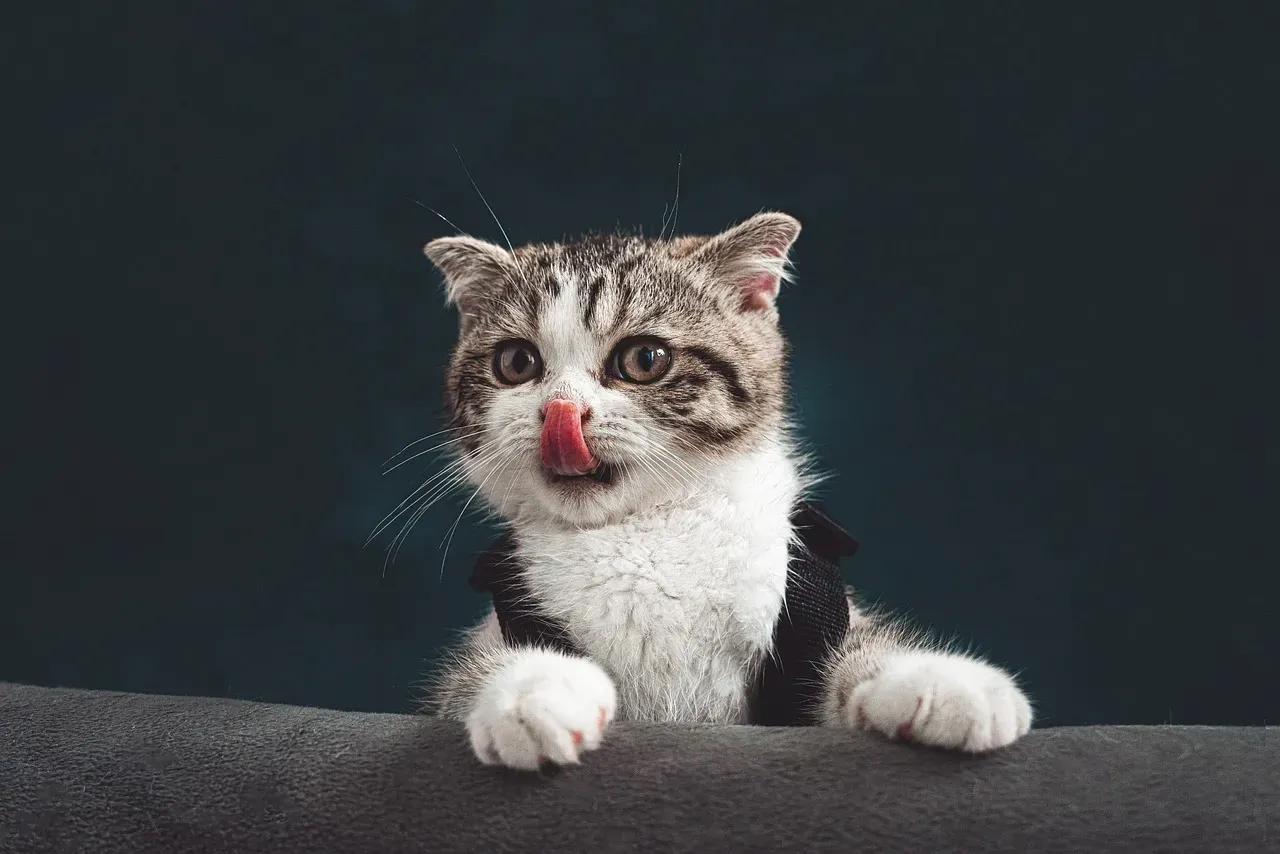
Cats are remarkably perceptive about human emotions. Cats often lick you or themselves as a coping mechanism for stress or anxiety, and you might find your cat licking you after moving to a new home or experiencing a change in their environment. If your cat starts licking you more frequently during stressful times, they might be picking up on your anxiety.
Licking may represent a displacement behavior, which is a behavior that a cat performs to alleviate stress, and stress more commonly leads to excessive self-grooming, but the licking may be directed toward you, too. Your cat could be trying to comfort both you and themselves. It’s their attempt at stress relief, a shared moment of soothing during uncertain times. Pretty remarkable when you think about it.
Nibbling While They Groom You
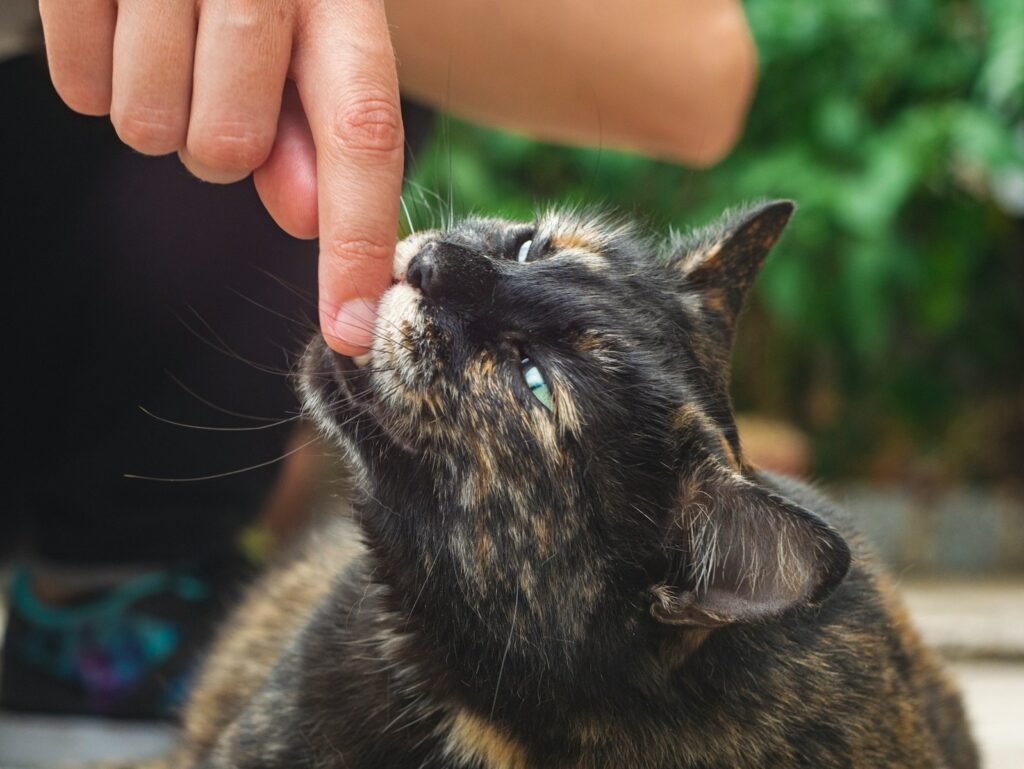
Even if they bite each other a little while grooming, it’s still perfectly normal, and grooming just means they’re friends. Those little nibbles during a grooming session aren’t aggressive. They’re actually part of the natural grooming process, helping to work through tangles or get to deeper layers of fur.
When your cat gently nibbles on your fingers or hand while licking you, they’re treating you like another cat. The key word here is gently. If the nibbling becomes hard or is followed by other signs of aggression, that’s different. The licking could very well be a warning sign; if you don’t heed it, you might get bitten or scratched. Pay attention to the context and your cat’s overall body language.
Grooming You Before Asking for Something
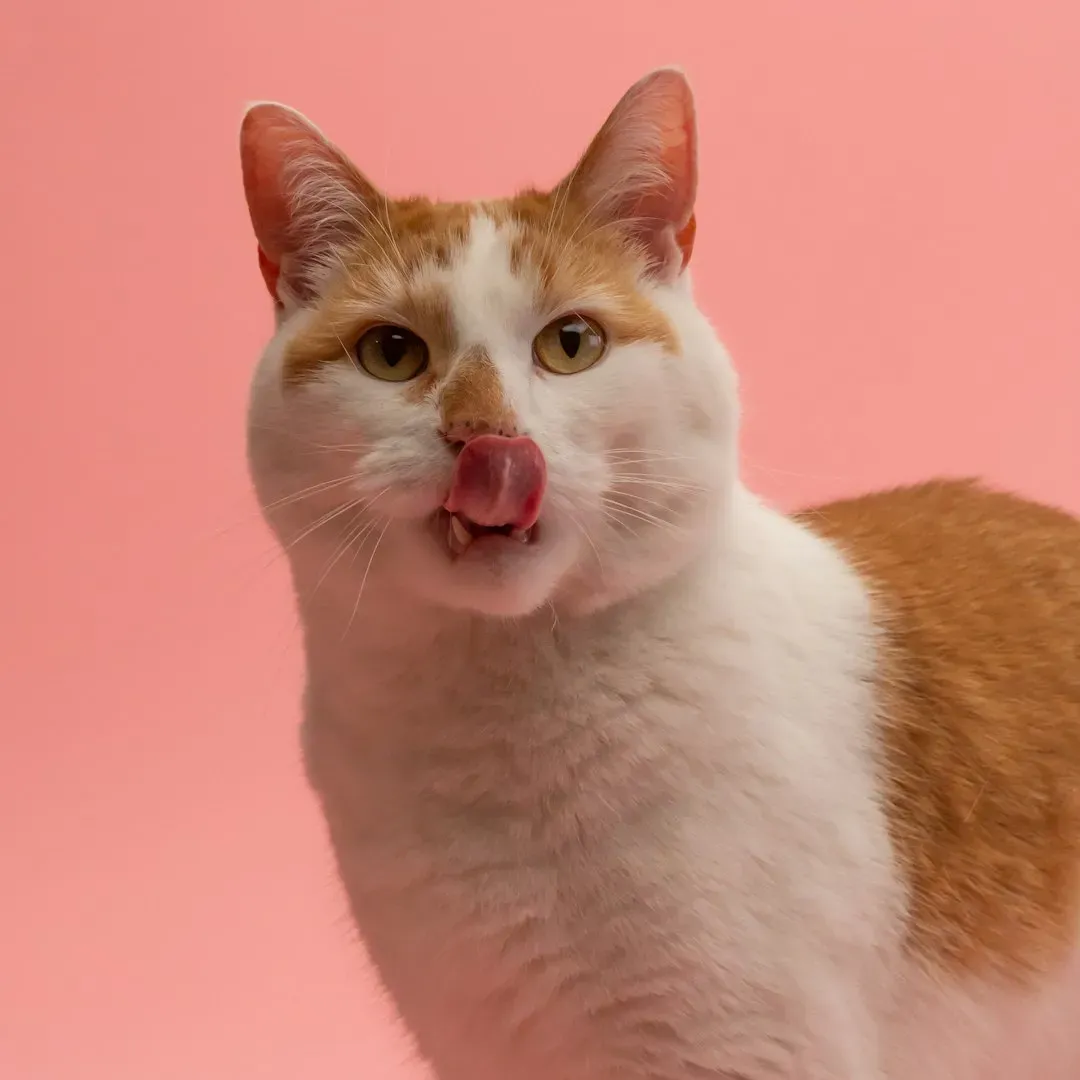
Your cat may lick you to get your attention, whether they want you to pet them, feed them, or pick them up, with this behavior being similar to pawing, meowing, kneading, and other forms of attention-seeking feline behavior. Smart creatures, aren’t they? They’ve figured out that a few licks gets your focus exactly where they want it.
This behavior shows your cat has learned to communicate with you effectively. They’ve established that grooming gets a response, and they’re using it deliberately. It’s manipulative in the most endearing way possible. Your cat knows you’re responsive to their affection, and they’re leveraging that bond to meet their needs.
Ignoring You After You Decline Being Groomed
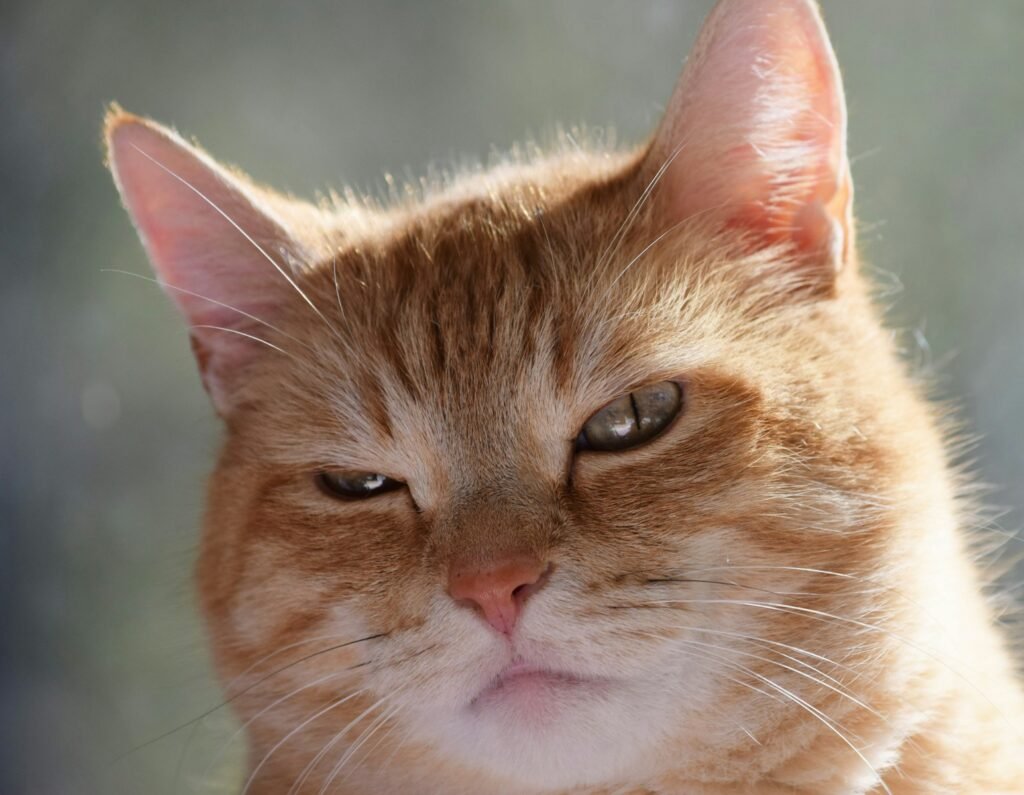
If you’ve ever gently pushed your cat away when they tried to lick you, you might have noticed them walking off with what seems like a wounded dignity. It’s important not to push them away or punish them for licking, as they won’t understand what they’ve done wrong and will likely become stressed, which can lead to more problem behaviours.
Your cat might feel rejected when you decline their grooming attempts. From their perspective, they were offering a precious gesture of bonding, and you turned it down. If you’d like to reduce this behavior, gently redirect your cat’s attention to a toy or another activity, avoiding punishment as this could confuse them and potentially harm your bond. Think of it as declining a hug from a friend, you need to handle it delicately to avoid hurt feelings.
Licking Specific Spots Repeatedly
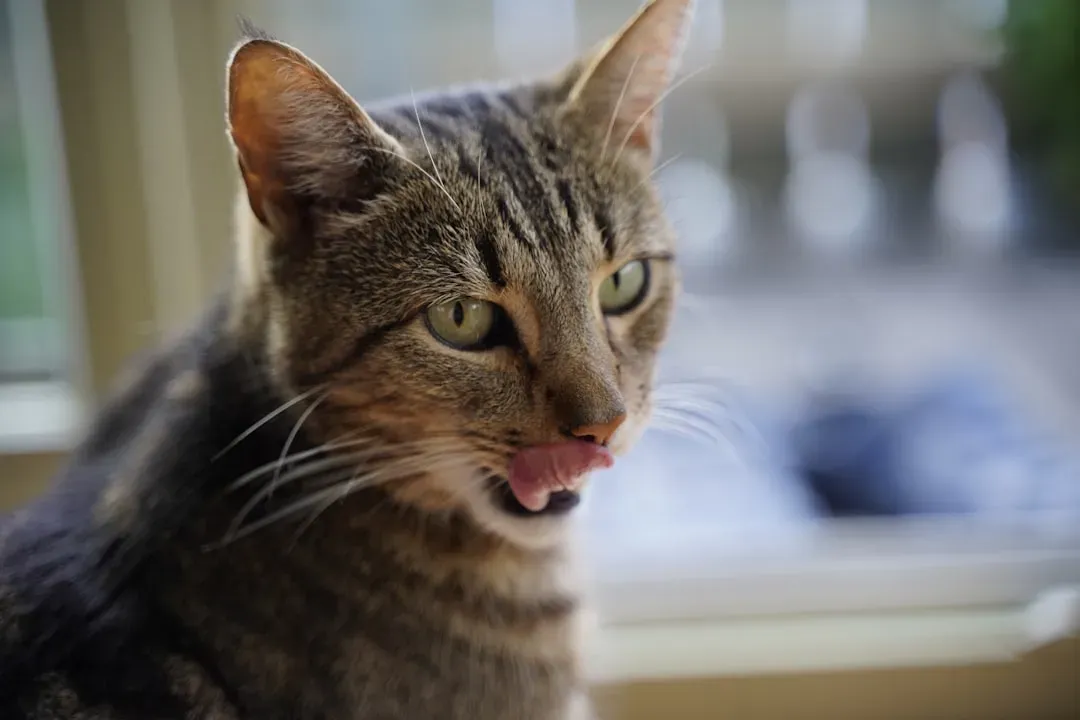
If your cat starts licking you in a specific spot, check to see if you’ve spilled something or accidentally rubbed up against a substance they may find delicious, as your cat licking you may be a very natural response to finding a tasty substance. Sometimes the answer really is that simple. You smell like food or something intriguing.
However, if there’s no obvious substance involved, repeated licking of the same area could indicate your cat is trying to tell you something. They might be focusing on a spot where you have a skin condition or injury. Cats have been known to detect health issues through scent and behavior changes. It sounds almost mystical, yet there are documented cases of cats persistently grooming areas where their owners later discovered medical problems.
Morning Wake-Up Grooming Sessions
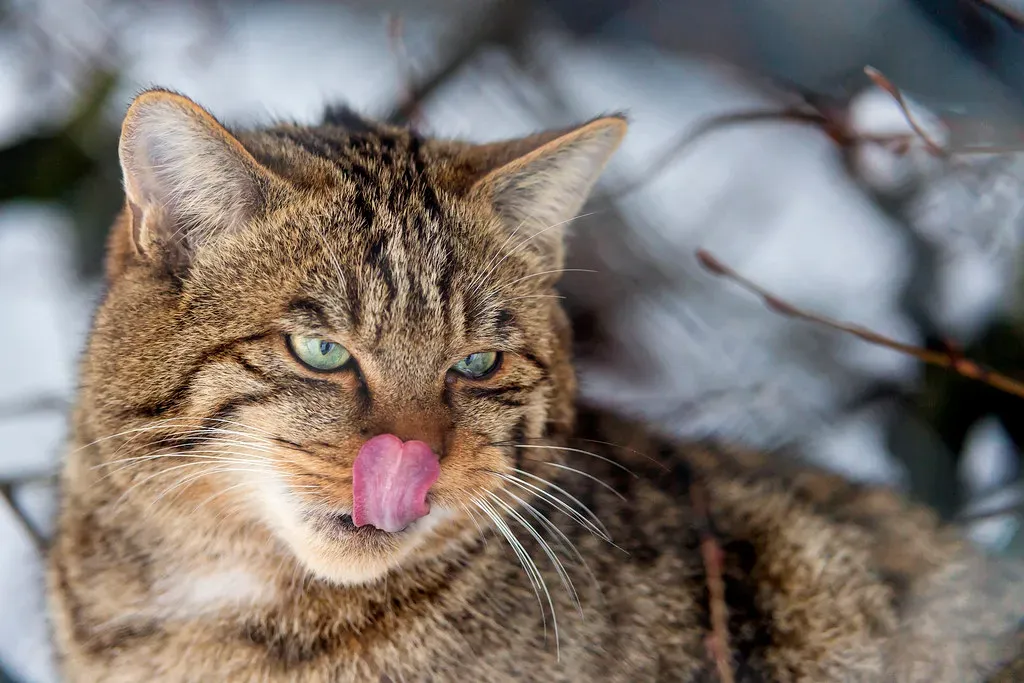
When your cat licks or grooms you, it may be letting you know it’s comfortable around you, feeling quite relaxed and content, and may also be happy to be in your company. Those early morning licking sessions, while sometimes inconvenient, are actually your cat expressing contentment and happiness about spending time with you.
The act of licking causes the release of ‘feel good’ hormones, called endorphins, in their brains, giving them a natural ‘high’ so it’s understandable that they may want to do it at every opportunity. Your cat is starting their day by bonding with you and literally getting a natural high from the experience. They’re choosing to spend those first moments of consciousness connecting with you rather than doing anything else. That’s genuine affection right there.
Conclusion: Understanding the Language of Grooming
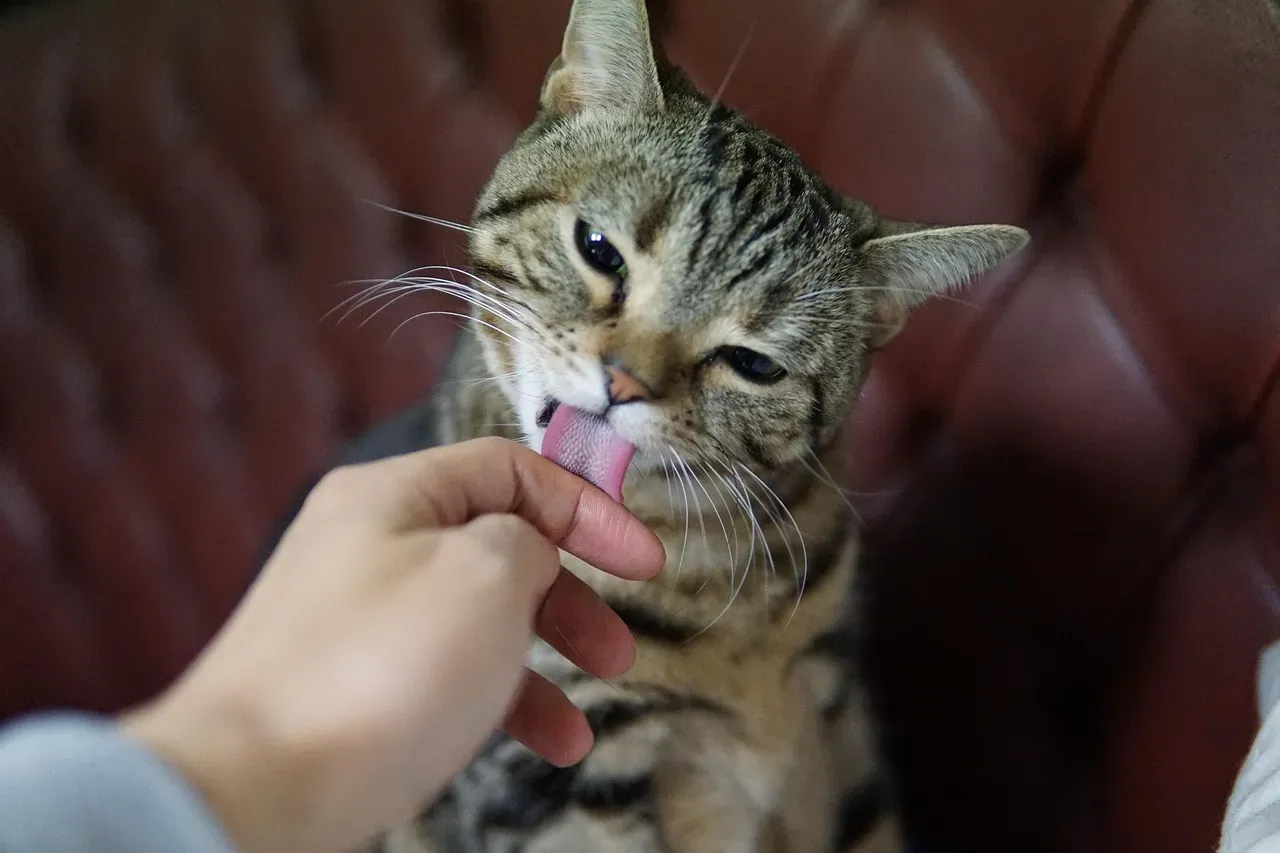
Your cat’s grooming habits are far more than simple hygiene rituals. They’re complex communications revealing trust, affection, territorial claims, and emotional bonds. From the moment your cat extends that rough tongue toward you, they’re inviting you into their inner circle, marking you as family, and sharing one of their most intimate social behaviors.
The next time your cat starts their grooming routine, whether directed at you or themselves, take a moment to appreciate what they’re really saying. These behaviors have been passed down through generations, from mother cats to kittens, and now they’re being shared with you. It’s a privilege, honestly, even if that tongue feels like sandpaper and the timing isn’t always convenient.
What grooming habits has your cat shown you lately? Have you noticed any patterns in when or why they groom you? Share your experiences in the comments below, we’d love to hear about your unique feline friendships.