Cats have lived alongside humans for thousands of years, yet we somehow still manage to get them spectacularly wrong. You’d think that with so many cats sharing our homes, our beds, and occasionally our dinner plates, we’d have figured them out by now. Honestly, the sheer number of myths still circulating about these creatures in 2026 is both surprising and a little embarrassing.
From old wives’ tales passed down through generations to flat-out folklore that refuses to die, these misconceptions aren’t just harmless misunderstandings. Some of them affect how cats are cared for, adopted, and treated every single day. So if you’ve ever nodded along to any of these “facts” about cats, you might want to keep reading. You’re in for some surprises.
Myth #1: Cats Are Nocturnal
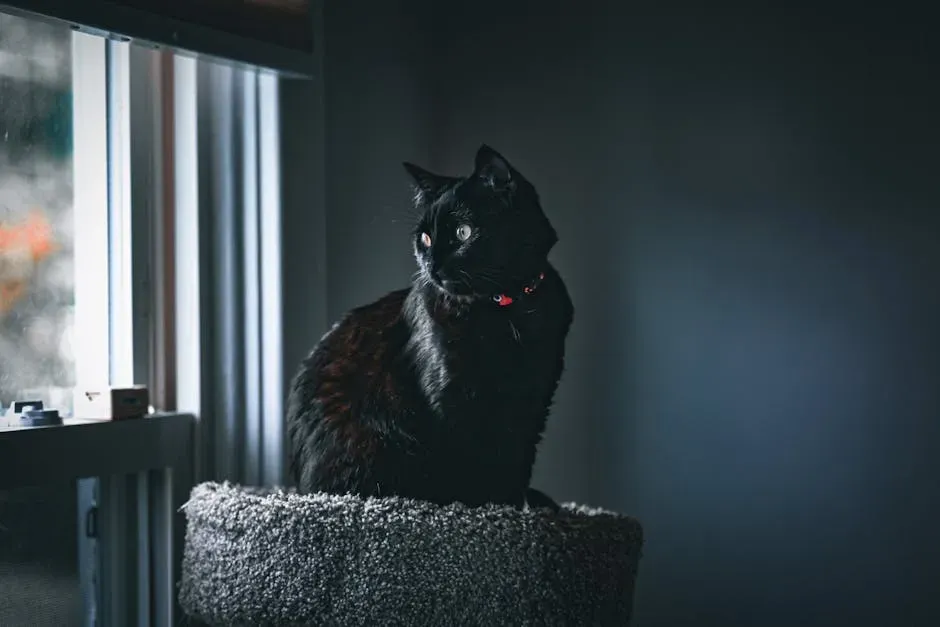
Here’s something that’ll genuinely shock most cat owners: cats are not nocturnal. You might be convinced otherwise because you’ve been woken up at three in the morning by your furry roommate treating your face like a racetrack, but that’s not what nocturnal actually means. It just means you’re both awake at an inconvenient time, and only one of you chose it.
Being nocturnal means sleeping during the day and being awake at night. Cats are actually crepuscular, meaning they are most active at the beginning and end of the day. They sleep both at night and during the day. The reason for this has to do with hunting patterns. Birds and mice are very active at dawn, and cats evolved to take advantage of this by developing the ability to see in low-light conditions. So if your cat’s nighttime energy is driving you crazy, try a play session right before bed. It genuinely helps reset the cycle.
Myth #2: A Purring Cat Is Always a Happy Cat
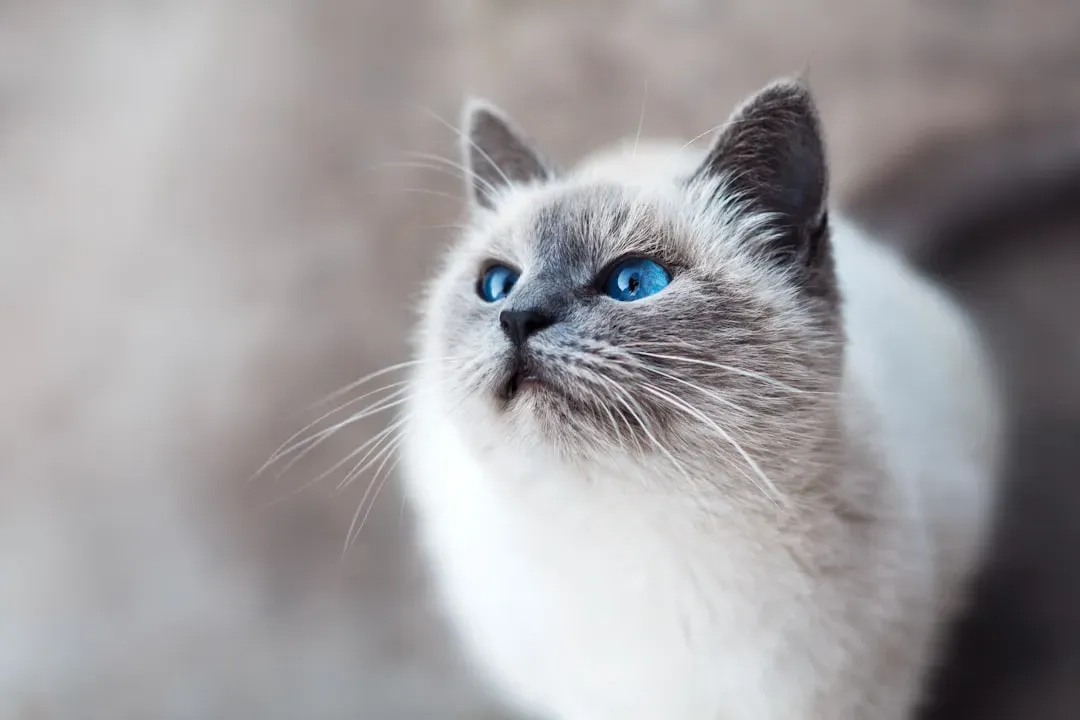
We all love the sound of a purring cat. It feels warm, reassuring, almost therapeutic. So it might come as a real shock to learn that purring doesn’t simply mean your cat is in a state of pure bliss. It’s common knowledge that purring indicates a happy, content kitty. However, the truth is more complex. While cats do purr when they’re relaxed and comfortable, they also purr to self-soothe when stressed, sick, or in pain.
We all imagine that purring means a happy cat, which makes sense – it’s the most common reason for purring. It’s not the only one, though: purring can express contentment but can also mean a number of other things. In some cases cats purr when they’re stressed – it can be a way of self-soothing. Cats also purr when they’re in pain for the same reason. Cats have also been known to purr as a way to ask for food, or as a way to help themselves fall asleep. So next time your cat purrs, pay attention to the full picture, not just the sound.
Myth #3: Cats Always Land on Their Feet

This one feels almost sacred, doesn’t it? The image of a cat gracefully defying gravity and landing perfectly every single time. The misconception that cats always land on their feet “may be thanks to a cat’s ‘righting reflex,’ an internal balancing system, combined with very flexible backbones, which allows him to twist his body the right way midfall.” That part is real. The “always” part? Not so much.
Cats are very agile creatures, but the truth is they can really hurt themselves if they fall the wrong way. Veterinarians use the term “high-rise syndrome” to describe cat injuries sustained from falls – that includes sprains, bone fractures, and even respiratory issues. Contrary to popular belief, cats are more apt to be injured from low heights than high because they don’t have time to turn or twist their bodies into the necessary position for a safe landing. Think of it like a gymnast who needs a full second to complete their routine. Take that second away and things go sideways, literally.
Myth #4: Cats Have Nine Lives
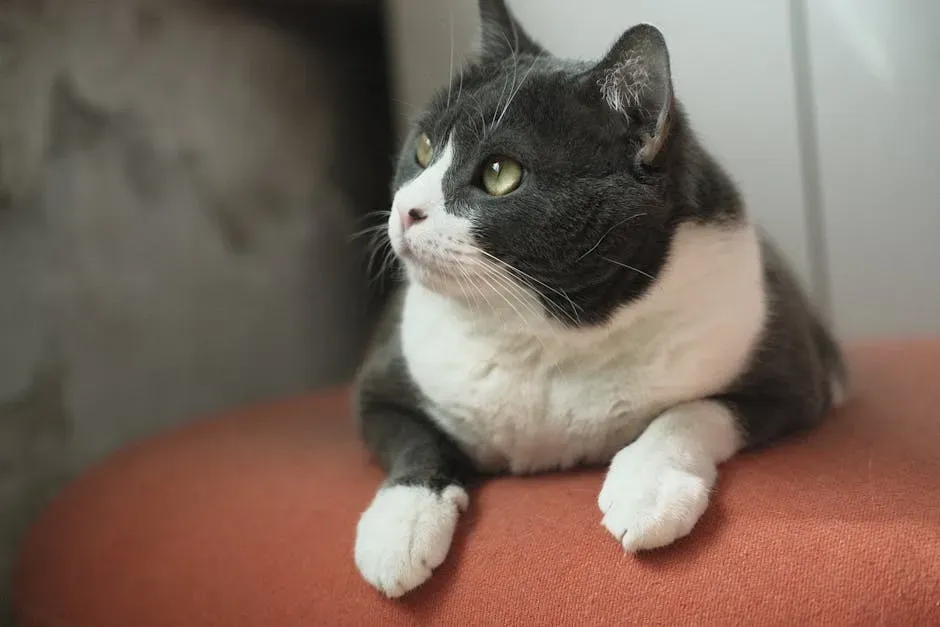
Poetic? Absolutely. True? Not even close. Like the rest of us, cats only have one life. Nobody really knows the origin of this myth, but there are a number of possibilities – from William Shakespeare to ancient Egypt. The myth most likely originated from Egyptian gods and religions, where sun god Atum-Ra would assume the form of the cat when visiting the underworld. Cats were seen as divine, magical, untouchable. It’s a beautiful story, honestly.
It’s more than likely that the myth has developed over time due to cats’ ability to get themselves out of sticky situations. Cats have survived falls from great heights and even earthquakes, so it’s not surprising they have earned their nine lives title. Resilient? Enormously so. Immortal? Absolutely not. Do not trust a cat’s health and safety to those mythical extra lives. It’s essential to remember that cats do not truly have nine lives and should not be left without food and water for long periods. Lack of sustenance can lead to serious health issues, so always provide them with what they need.
Myth #5: Cats Are Cold, Aloof, and Don’t Need Affection

Let’s be real – this is probably the most damaging myth on this entire list. It’s shaped how millions of people interact with their cats, and it couldn’t be further from the truth. Cats may have a reputation for being indifferent and standoffish, but cats bond with their people, often just as much as dogs do! In fact, studies show that most cats create strong attachments to their guardians and experience feelings of comfort and safety by being around them.
Cats show their love in many ways, like purring, kneading, slow blinking, rubbing up against your legs, and following you from room to room. Each cat is unique, so even if your feline friend isn’t a lap cat, they may show you affection in a different way. Think of a cat’s slow blink as the equivalent of a human saying “I love you.” It’s subtle, yes, but it’s absolutely intentional. People’s expectations of cats and their ability to interpret their behavior are influenced by pervasive myths that often paint cats as ‘low maintenance, self-sufficient’ animals. That framing does them a serious disservice.
Myth #6: Cats and Dogs Can Never Get Along

Generations of cartoons, movies, and pop culture have convinced us that cats and dogs are natural enemies locked in an eternal war. You’ve likely repeated this one yourself. The entertainment industry has helped to perpetuate this myth, but the reality is that cats are totally capable of affectionate and close relationships with dogs. A proper introduction between cats and dogs is key – just like proper introductions between pets of the same species – but cats and dogs can and do peacefully coexist within families, and they may even be best friends.
Despite the stereotypes, many cats and dogs can learn to live together peacefully, and some even develop strong friendships and bonds. The key is patience and positive reinforcement. Introduce your cat and dog slowly so they have time to become comfortable together. Start by keeping them separate and letting them get used to each other’s scent. It’s not unlike introducing two people at a party – the first impression matters enormously, and a bad one can be hard to undo.
Myth #7: Cats Love Milk and Need It in Their Diet

Oh, the image of a cartoon cat lapping up a bowl of cream. It’s absolutely iconic. It’s also one of the worst things you could actually do for your cat. This myth originated from feeding orphaned kittens cow’s milk. While kittens can digest cow’s milk, cats lose the enzyme necessary to digest milk as they age and become naturally lactose intolerant. Feeding a cat milk does not provide the right nutrients and may cause diarrhea or vomiting.
Kittens need their mother’s milk or a specialized formula to receive the essential nutrients for growth and development. Once they are weaned, they no longer need milk. In fact, most adult cats are lactose intolerant, meaning that consuming cow’s milk can lead to stomach upset and other digestive problems. So if you’ve been offering your cat a warm saucer of milk thinking you were doing something lovely, you were likely causing more harm than good. Stick to fresh water – your cat will thank you.
Myth #8: Black Cats Bring Bad Luck
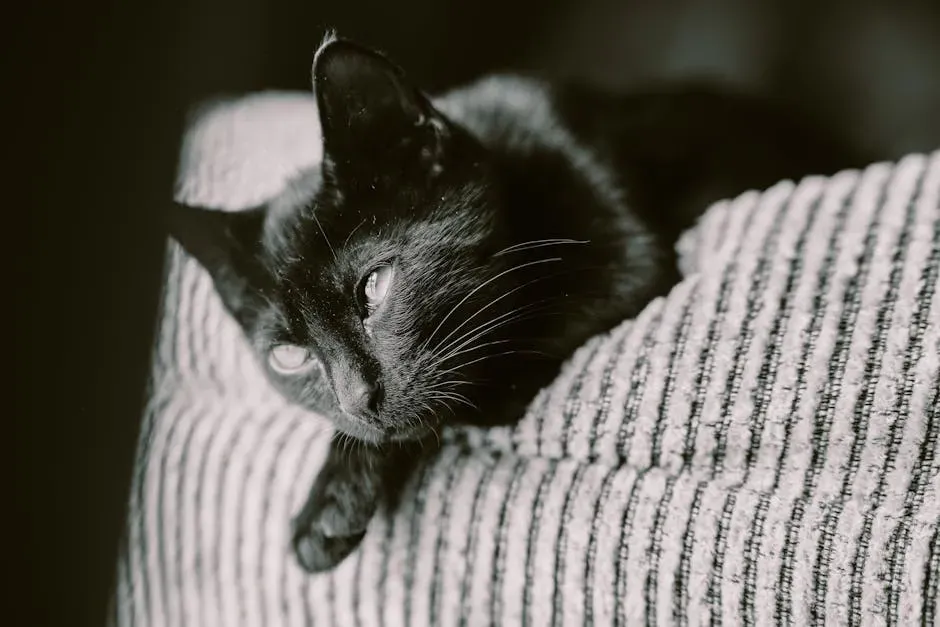
Few myths have caused as much real-world harm to animals as this one. Most cats left behind in shelters are black cats because people believe that they are bad luck. It’s genuinely heartbreaking when you think about it. Black cats have been the subject of myth and folklore for centuries. Their long history with people remained mostly positive until the hysteria surrounding witches began. Cats were cared for by single women who were then accused of witchcraft. People believed that these cats were helping witches with their evil deeds. They also believed that black cats were witches in disguise.
While in some countries they are considered unlucky, they are said to bring good fortune in other parts of the world. In Japan, it is thought to be good luck if a black cat crosses your path. Sadly, unwanted and abandoned black cats are notoriously difficult to rehome thanks to superstition and myth. In reality, the only supernatural powers that black cats possess are ones of unconditional love and affection, just like any other cat. A black cat’s fur color tells you absolutely nothing about its personality or what fortune it might bring you. Nothing at all.
Myth #9: Cats Can’t Be Trained

Dogs get all the training glory. Sit, stay, shake, roll over – everyone assumes dogs are the trainable ones and cats are simply doing whatever they want, whenever they want. I think this myth persists mostly because people don’t try hard enough with cats, and then blame the cat for their own lack of effort. Think only dogs can be trained? Think again! With some patience and positive reinforcement, your kitty can learn all sorts of tricks and good manners. Just like with dogs, short, fun training sessions work best. When your cat displays the behavior you ask for, reward them with a treat or toy, and be sure to end your training session on a high note.
Shorter training sessions seem to work well, as does finding what motivates your individual cat. Training your cat to go inside of its carrier can decrease the stress associated with visiting the vet and could prove lifesaving in an emergency situation. So yes, your cat can absolutely be trained. The question is really just about what motivates them. With cats, it’s not about obedience – it’s about making it worth their while. Honestly, can you blame them?
Myth #10: Declawing Is Harmless and Just Like Trimming Nails
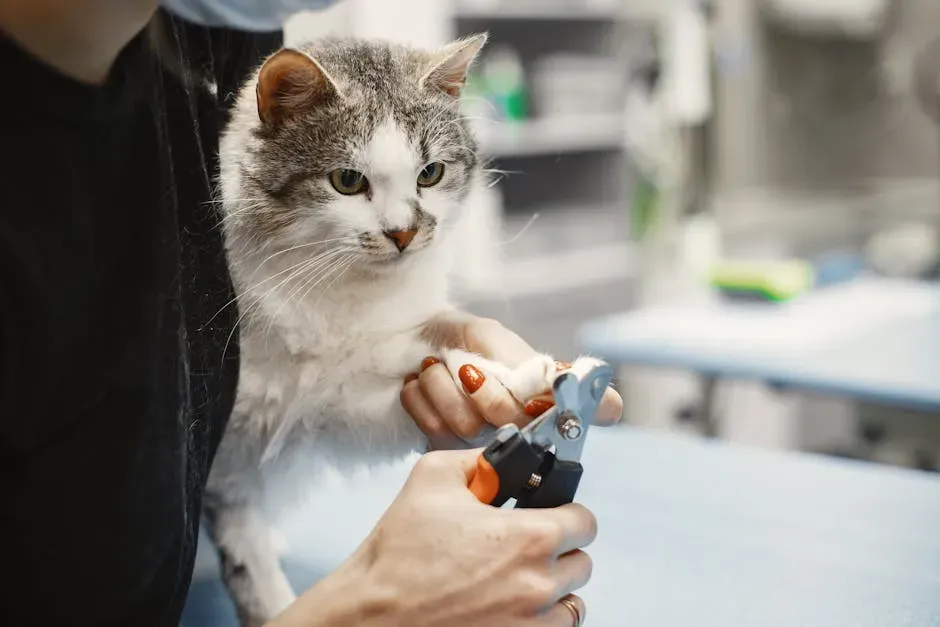
This might be the most medically dangerous myth on this list. Many well-meaning cat owners have consented to this procedure believing it was a minor, painless operation. Some people are under the impression that declawing a cat doesn’t hurt any more than trimming fingernails, but this is a grave misconception. Declawing is a surgical procedure done under anesthesia, and involves amputating the third digit, which contains the nail. Many cats go on to develop chronic pain from arthritis, and many cats develop aggression because of this pain.
Among the most egregious feline myths out there is the idea that declawing cats by amputating the top knuckles of their toes is an acceptable, harmless norm. In reality, this excruciating procedure robs cats of vital mobility and self-defense abilities. Without claws for grasping, pain-free walking is impaired long-term. Behavior issues frequently arise post-declaw as well. There are humane alternatives for directing scratching activity, making amputation absolutely unnecessary. Simple solutions like scratching posts, nail trims, and soft nail caps can protect your furniture without causing your cat lifelong harm.
The Bottom Line: Your Cat Deserves Better Than Myths

Here’s the thing – most of these myths don’t come from a place of malice. They come from folklore, misunderstanding, and stories passed down through generations before anyone thought to question them. The persistence of these myths often stems from centuries of folklore, cultural traditions, and well-meaning but misguided advice passed down through generations. But in 2026, you have access to better information, and your cat deserves the benefit of it.
These myths about cats’ physical, psychological, and social needs have life-or-death consequences. Cat behavioral problems, which are often rooted in anxiety, fear, and social stress, are regularly given as reasons for their abandonment, relinquishment, and euthanasia. That’s not a small thing. Every myth on this list, when believed without question, has a real impact on a real animal.
The more you understand the truth about your cat – their moods, their quirks, their very real emotional needs – the deeper the bond you’ll share. Each cat is unique, and their personalities can vary greatly. Understanding their needs, emotions, and instincts allows for better care and a stronger bond with our feline friends. So the next time someone confidently repeats one of these myths, you’ll know exactly what to say. Which of these surprised you the most? Drop your thoughts in the comments – we’d love to know.