You’ve brought home a delightful ball of fur, and now you’re ready to shape your cat into the perfect companion. Training a cat sounds simple enough, right? Think again. While cats are incredibly intelligent creatures, they’re also notoriously independent, and if you’re not careful, you’ll find yourself making mistakes that undermine all your hard work. The good news is that once you understand what not to do and what actually works, you’ll be amazed at how trainable your feline friend truly is. Let’s dive into the most common missteps cat parents make and discover the positive reinforcement techniques that transform rebellious kitties into well-behaved companions.
Relying on Punishment Instead of Rewards
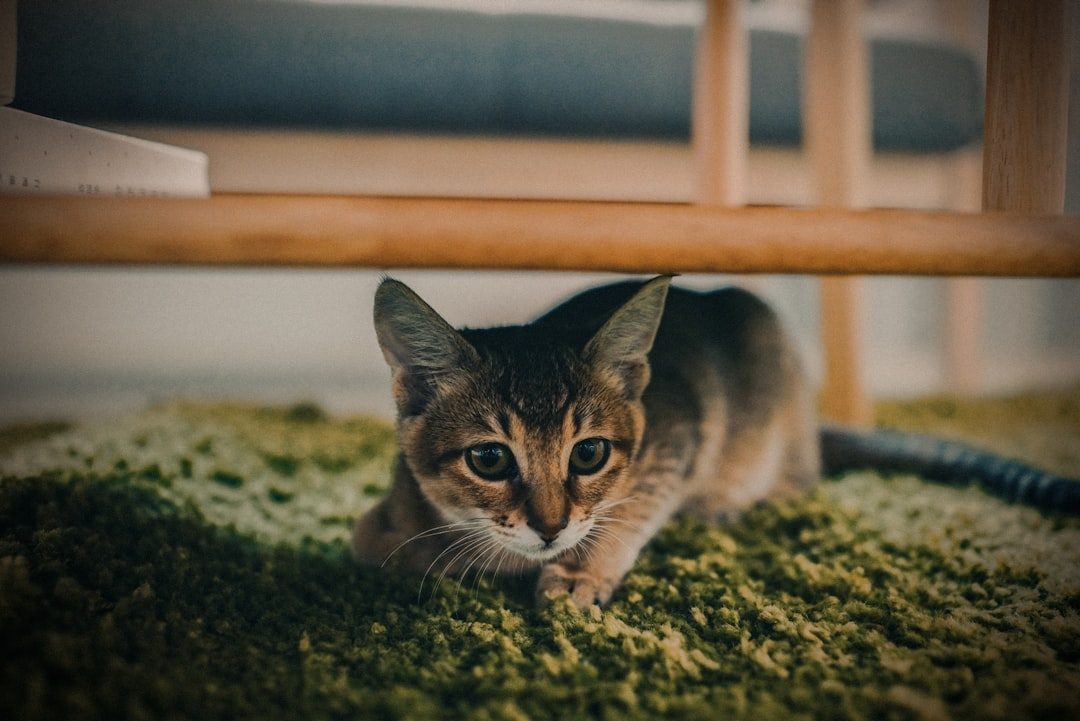
When you yell at or act roughly toward your cat for unwanted behaviors, they won’t understand what you’re trying to communicate, but they will develop fear and stress directed toward you, which can actually increase negative behaviors like scratching and inappropriate urination. Honestly, punishment just doesn’t work with cats the way some people think it does. These animals don’t connect the dots between your anger and their action from five minutes ago.
Physical punishment can lead to fear, possible fear aggression, stress-related health problems, inhibited learning of desired behaviors, and breakdown of the human-animal bond. Instead of creating a well-behaved cat, you’re creating one that’s stressed, confused, and possibly aggressive. The relationship you’ve worked so hard to build crumbles when fear enters the equation.
Ignoring Good Behavior While Rewarding Bad Behavior
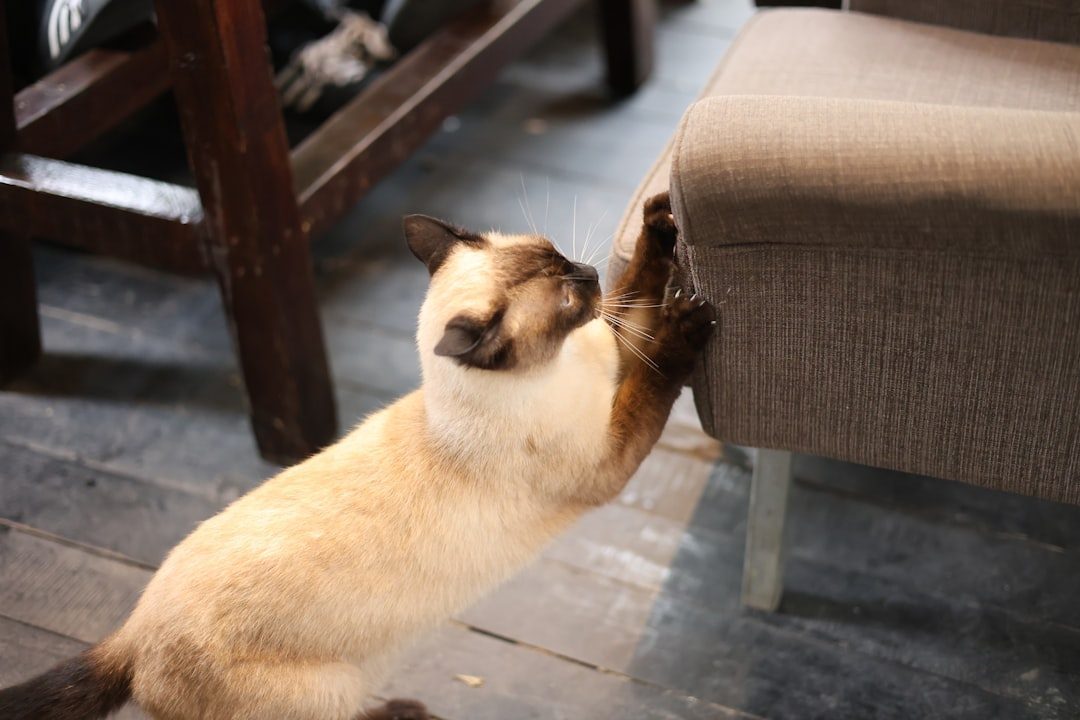
When your cat does what you want, like using the scratching post, you probably take it for granted, but as soon as they dig their claws into the sofa, you react by scolding or interacting with them, teaching them that scratching the sofa earns attention. Think about it from your cat’s perspective. They scratch the post and get nothing. They scratch the couch and suddenly you’re running over, talking to them, maybe even picking them up. Which behavior do you think they’ll repeat?
You’re inadvertently giving the cat attention, which in the cat’s mind is better than nothing, so it’s rewarding. Even negative attention reinforces behavior. Your cat doesn’t care if you’re happy or angry; they just know that certain actions get your focus. Flip the script by actively praising and treating the behaviors you want to see more of.
Expecting Too Much Too Fast
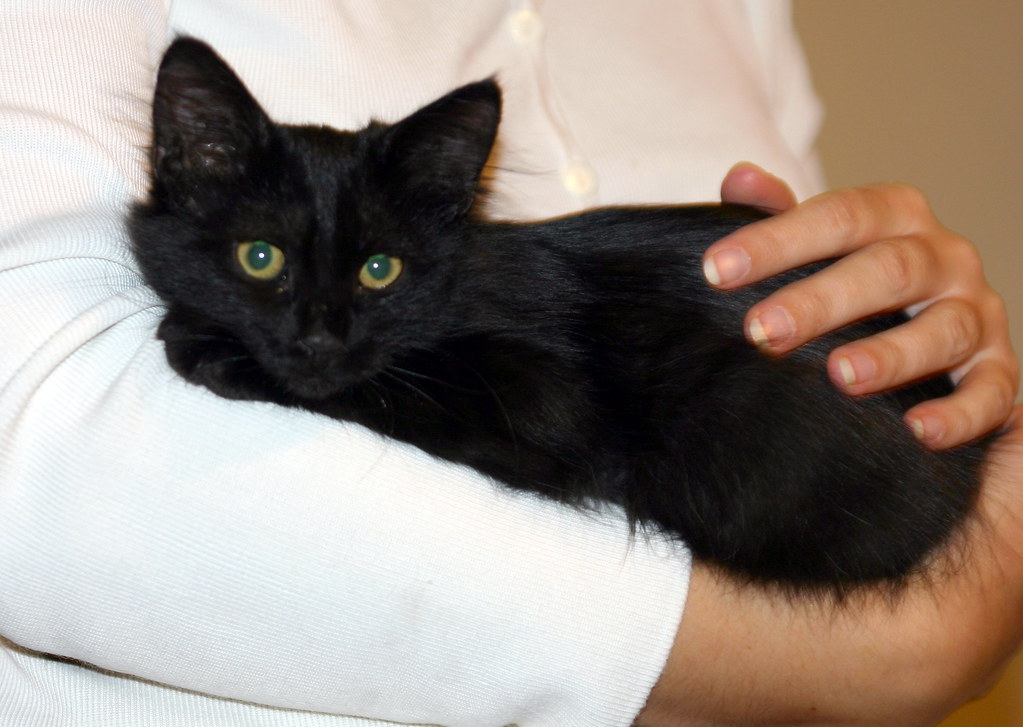
Asking for too much too fast is a major mistake because you must always be patient when training your cat, as you aren’t going to get lasting results immediately since training is a process requiring consistency and loving patience. Cats aren’t machines you can program overnight. Each feline learns at their own pace, and pushing them beyond their comfort zone causes frustration for both of you.
One cat might learn a task after only a few tries while another might take days, and pushing your cat to learn too much or go too fast means skipping needed reinforcement, which leads to frustration and confusion. I’ve seen so many cat parents give up because they expected instant results. Success comes from breaking tasks into tiny, achievable steps and celebrating each small victory along the way.
Using Long, Overwhelming Training Sessions
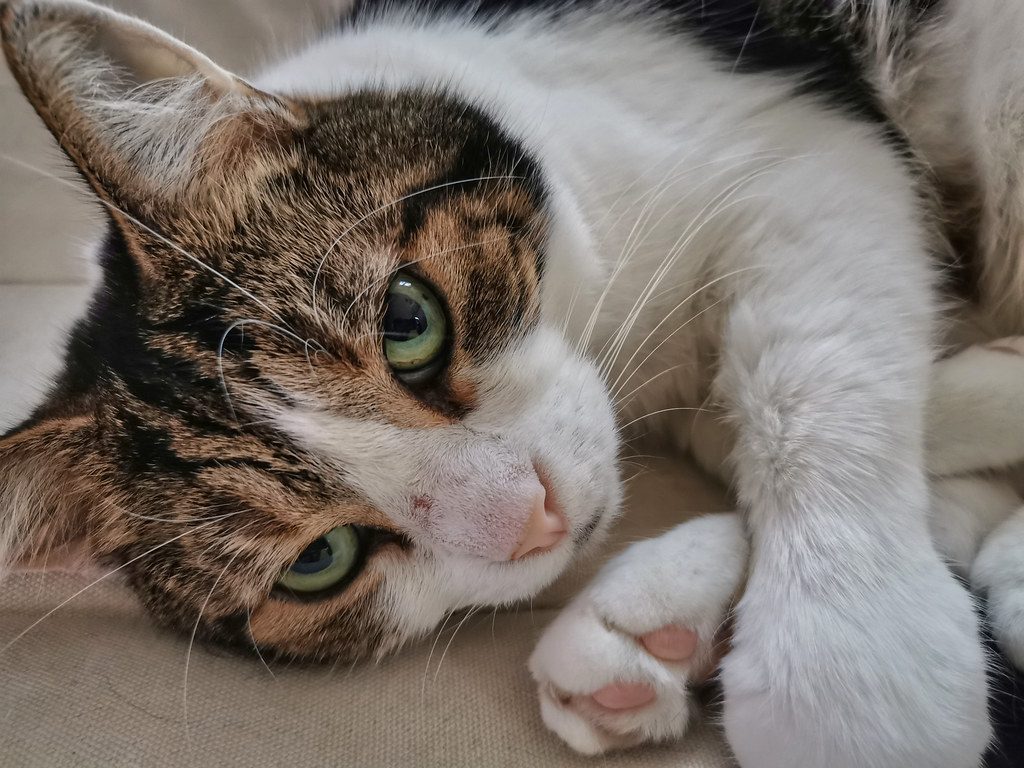
Cats learn best in short training sessions, typically one to five minutes, spread throughout the day, and there’s no need to schedule specific blocks of time since you can make use of small windows like while waiting for coffee to brew. Cats have short attention spans. Trying to train them for half an hour straight is basically asking them to lose interest and wander off.
The best time to train is right before meal time when cats are most motivated by food, and you should only train for short periods at a time, around fifteen minutes max, or your cats may lose interest. Keep sessions brief, upbeat, and engaging. Multiple short bursts throughout the day work far better than one marathon session that leaves everyone exhausted and cranky.
Failing to Provide Energy Outlets
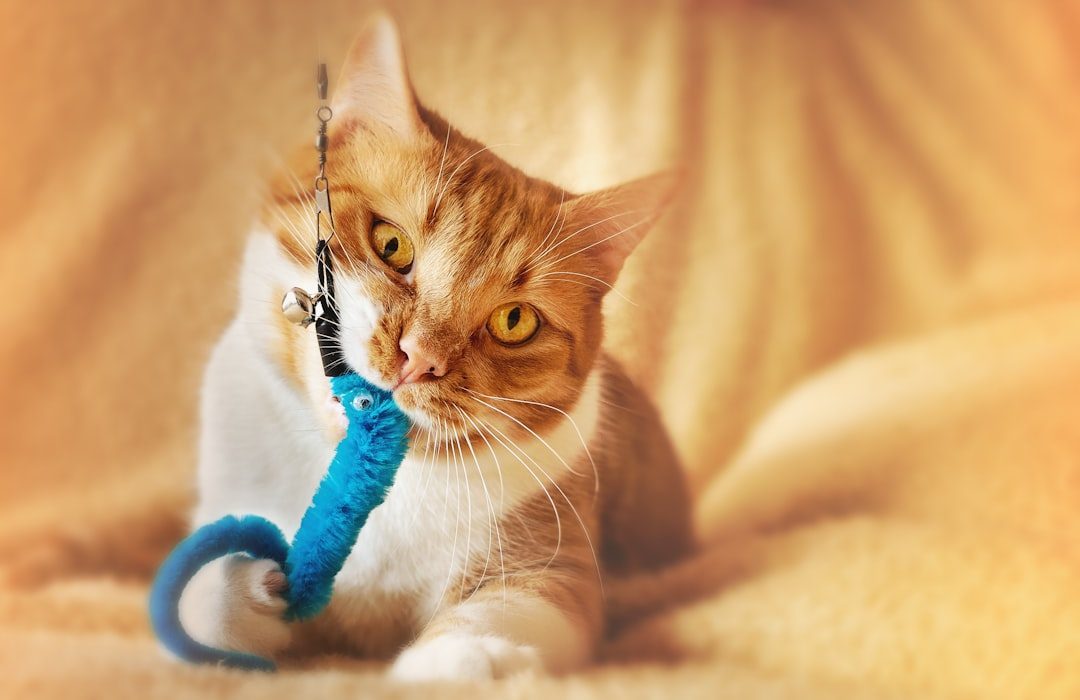
Cats need to play to get energy out and remain physically and mentally happy, and the best kind of play allows them to mimic hunting behaviors; without enough play, inappropriate behaviors increase and your cat will be less able to focus during training times. A bored cat is a destructive cat. They’re natural hunters, and if they don’t have appropriate ways to express those instincts, they’ll find inappropriate ones.
Before you even begin a training session, make sure your cat has had opportunities to burn off excess energy. Playing with your cat with wand toys or rodent toys for roughly ten minutes once or twice a day right before a training session can allow your cat to focus more during the training. A tired, satisfied cat is much more receptive to learning than one who’s bouncing off the walls.
Attempting to Eliminate Natural Instincts
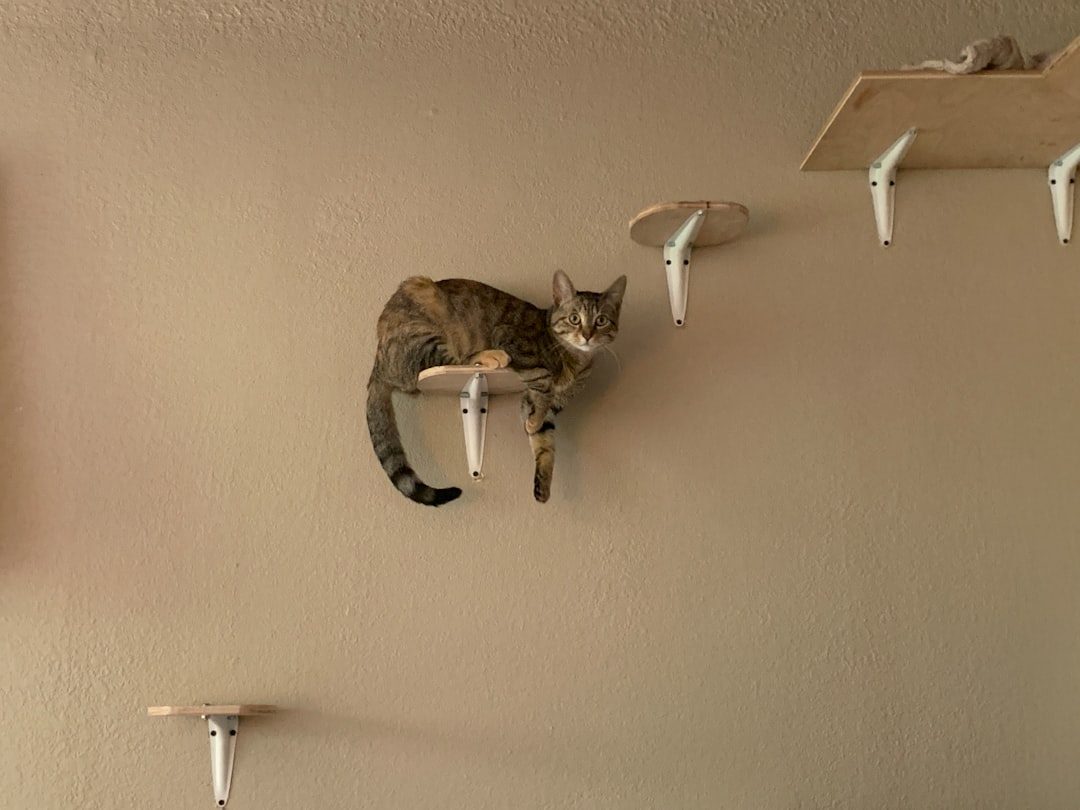
Many behaviors humans find undesirable, like clawing, pouncing, jumping or climbing, are natural for cats, and attempts to eliminate these behaviors can be highly stressful and almost never succeed; a better approach is to redirect these behaviors to acceptable spaces. You can’t train away your cat’s fundamental nature. Scratching, climbing, and hunting are hardwired into their DNA.
People face problems when they fail to acknowledge cat’s instinctive behaviors, as cats need areas where they are allowed to act out natural behaviors like jumping, scratching and climbing, which keeps them happy and prevents it from happening in the wrong place. Instead of fighting nature, work with it by providing cat trees, scratching posts, and interactive toys that satisfy these urges in appropriate ways.
Assuming Your Cat Understands Words Without Training
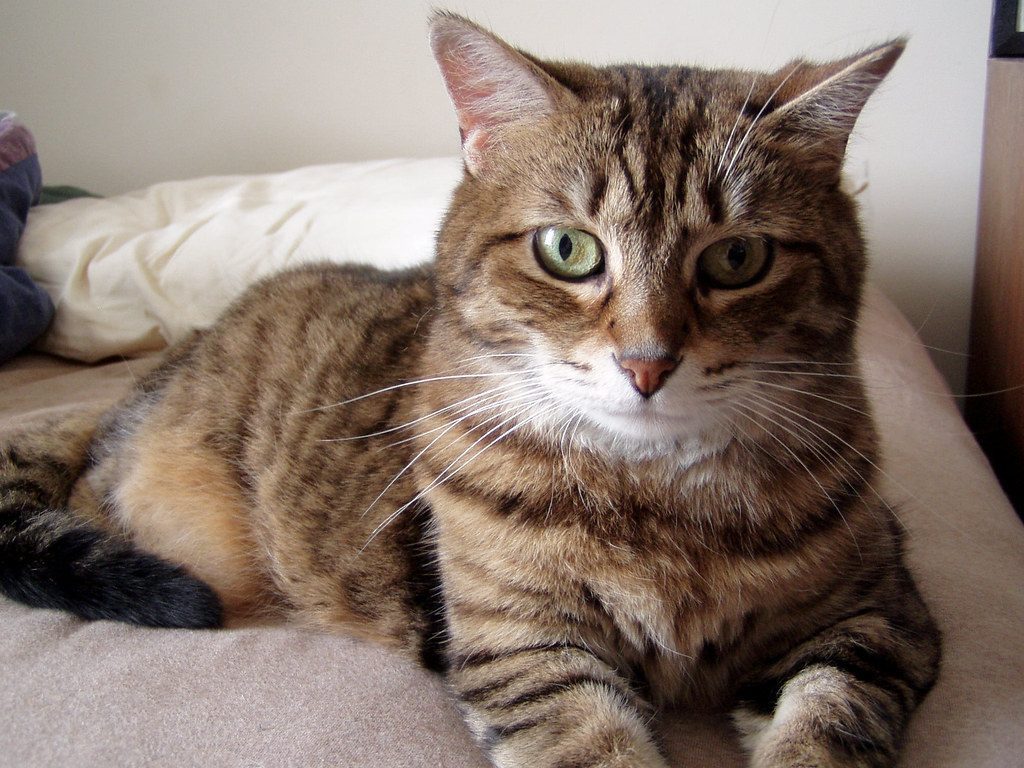
Words like off, down, and stop don’t mean anything to your cat simply because you say them all the time; you need to use positive reinforcement to teach what off means and also teach an alternative behavior to replace the one you’re asking them to stop. Your cat doesn’t speak English. Saying no repeatedly doesn’t magically make them understand what you want.
Commands only work when they’re paired with consistent training, rewards, and clear alternative behaviors. Your cat does not instinctually understand what no means. If you want your cat off the counter, teach them where they should go instead and reward them generously when they make the right choice.
Being Inconsistent with Commands and Rewards
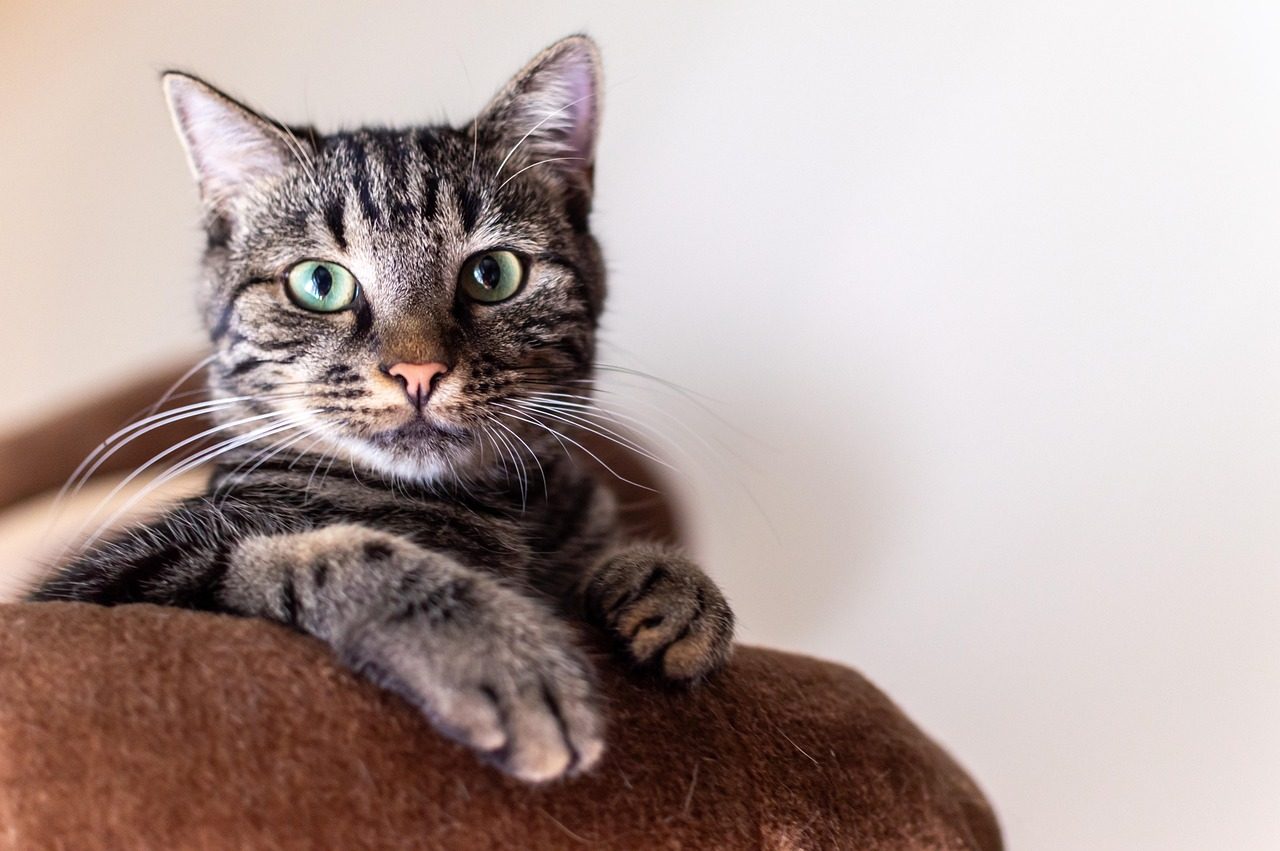
Consistency is an important part of training; you must give the same kind of reward each time your cat behaves the way you want, and make sure everyone in the family does the same. When different family members use different commands or reward different behaviors, your cat gets confused about what you actually want from them.
One person lets the cat on the counter while another scolds them for it. One family member uses the word down while another says off. This inconsistency sabotages your training efforts. Everyone in your household needs to be on the same page, using identical commands and reinforcing the same behaviors every single time.
Training at the Wrong Times

Cats’ daily lives follow a predictable cycle of hunting, eating, grooming, and sleeping, so you should try training right after they wake up from a nap when they’ll be ready to play and more likely to focus, plus they’ll be hungry and work harder for treats. Timing matters enormously. Trying to train a cat who’s ready to nap or one who just ate a huge meal is setting yourself up for failure.
Work with your cat’s natural rhythms instead of against them. Morning sessions or pre-dinner training capitalize on their alertness and hunger. When your cat is in the right mindset, they’re exponentially more receptive to learning new behaviors and reinforcing good habits.
Allowing Rough Play When They’re Young
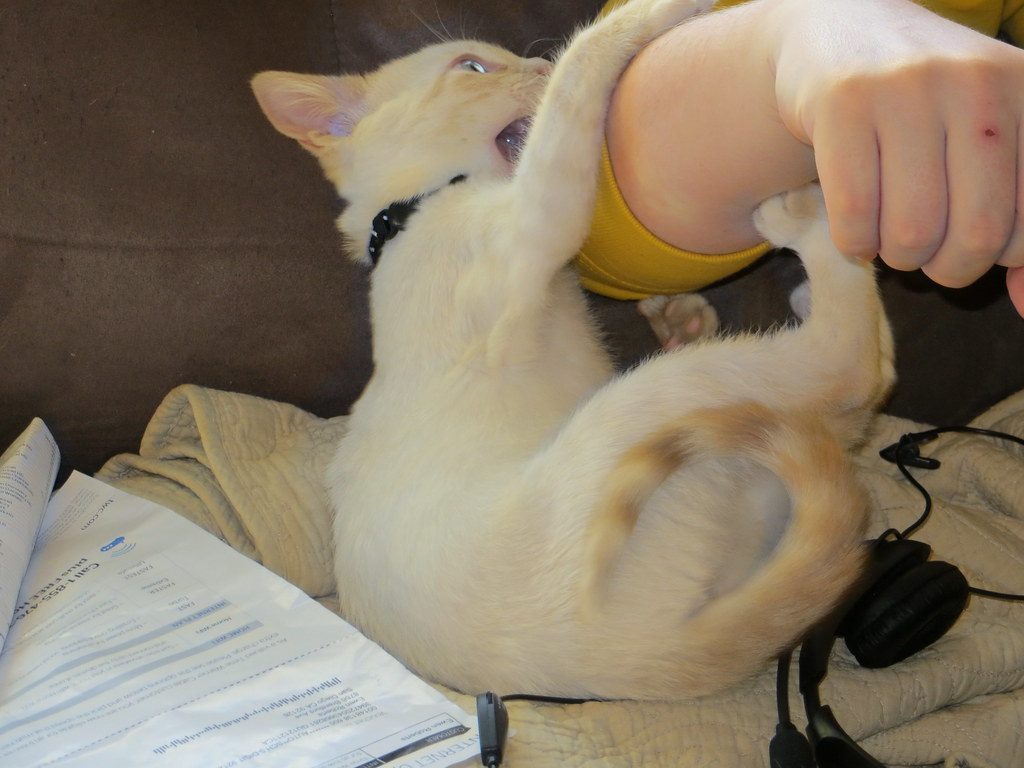
Allowing your kitten to play rough may seem harmless to start with, but as kittens grow, so does their strength, and harmless scratches and bites can turn dangerous; cats may harm other animals or humans if these bad habits remain as they grow. That adorable kitten batting at your hands today becomes a full-grown cat with sharp claws and teeth tomorrow. What’s cute now won’t be cute later.
Establish boundaries early. Teach your kitten that hands are for petting, not attacking. If you let them get away with biting and scratching during play when they’re small, you’re training them that this behavior is acceptable. Breaking these habits later is much harder than preventing them from forming in the first place.
Using Food Rewards Effectively
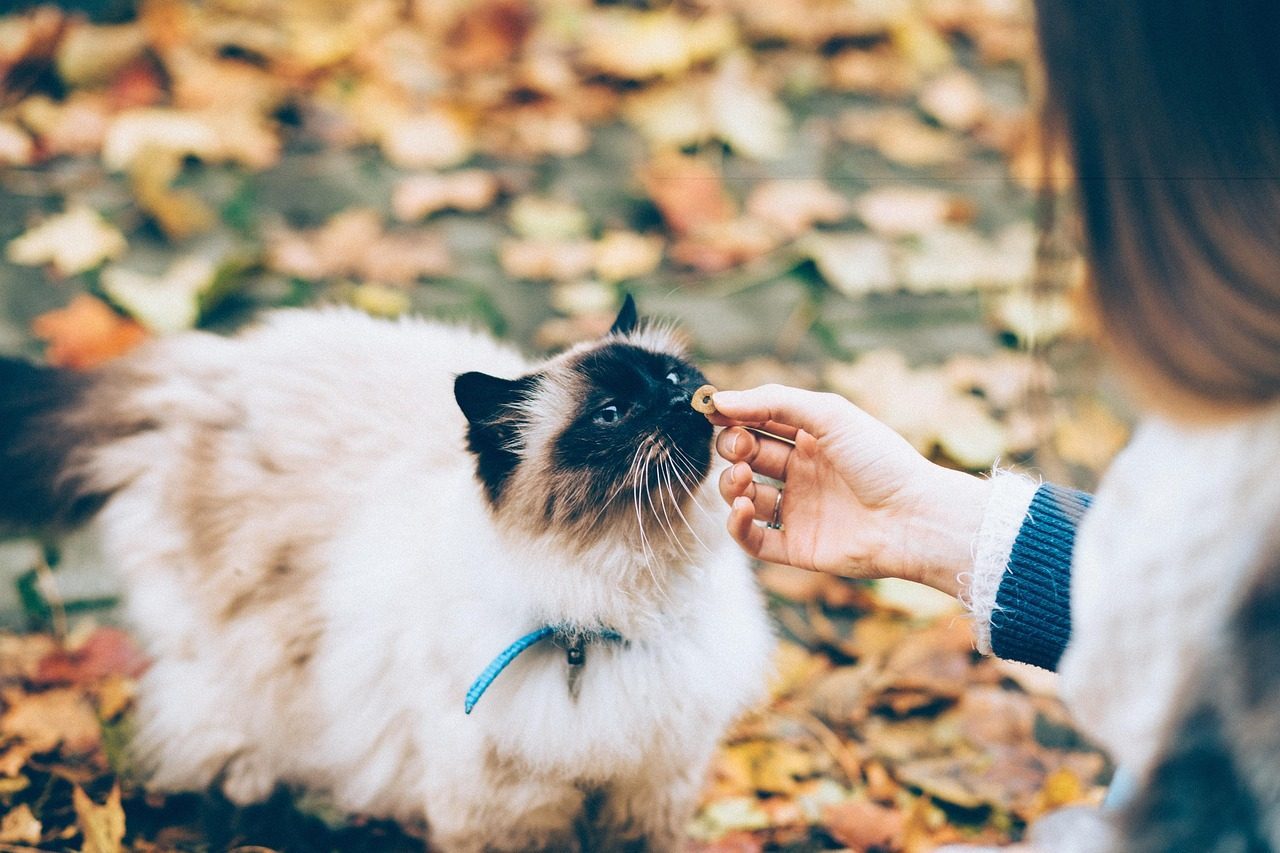
Motivation is the key to training, and for most cats it’s food; they care less about good kitty than about treats, so finding something of high value like treats, wet food on a spoon, or tuna can really influence training success. Food is your secret weapon. Cats are motivated by what benefits them, and tasty treats make training irresistible. Figure out what your cat absolutely loves and use it strategically.
For most cats, food is the motivator, so you reward them with a treat every time they use the scratching post or behave appropriately, scratching their heads and praising them at the same time, and smart cats will soon link that behavior with getting treats. Tiny pieces work best so you can deliver multiple rewards without overfeeding. Always pair the food reward with verbal praise to build a complete positive association.
Implementing Immediate Timing
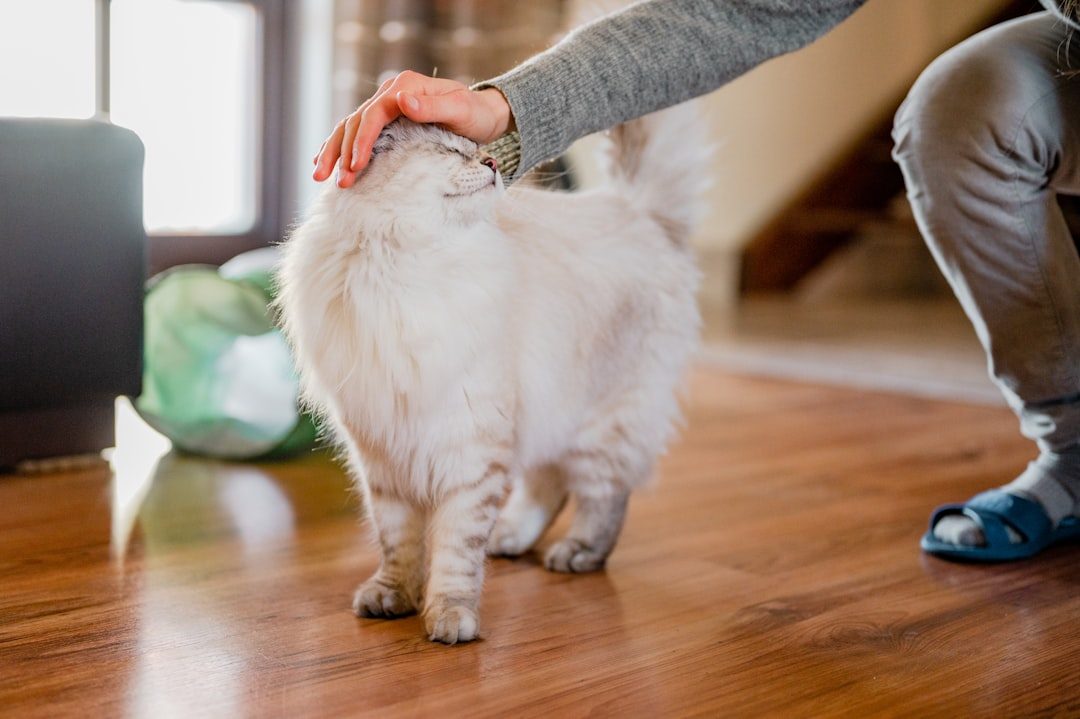
Timing is everything in training your cat; cats have short attention spans, so the reward must come immediately within seconds of the behavior or your cat may not know what it’s for. The moment matters. Wait too long and your cat has already moved on to something else, so they’ll associate the reward with whatever they’re doing right then, not what they did five seconds ago.
Rewards must be given immediately, within three seconds, so that we don’t inadvertently reward other behavior that may happen after the desired one. This split-second timing is why clicker training is so effective. The click marks the exact moment of the correct behavior, bridging the gap between action and reward. Practice your timing to make sure your cat understands exactly what earned them that treat.
Utilizing Clicker Training Methods

Clicker training is very effective; you first associate the clicking sound with a reward, then further associate a new skill or desired behavior with the click so your cat knows they’ll be rewarded, creating a cycle of positive reinforcement. The click becomes a bridge between the behavior and the reward. Your cat learns that the sound means something good is coming, which pinpoints exactly what they did right.
Clicker training is one of the most effective methods; you give a command, make the click when the behavior is completed, then offer a treat immediately following the click so your kitty associates the treat with the behavior and feels motivated to repeat it. Start by teaching your cat that click equals treat, then begin marking desired behaviors. The clarity this provides speeds up learning dramatically.
Teaching Through Shaping and Small Steps
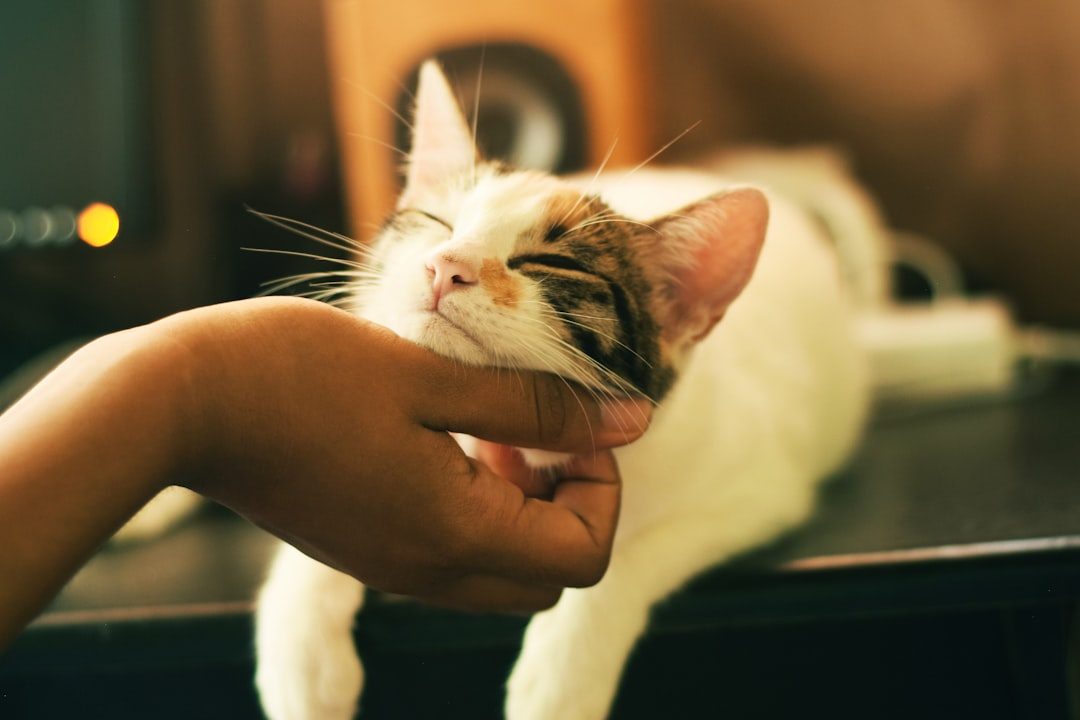
Shaping is the practice of teaching behaviors in small, incremental steps using positive reinforcement; it allows a caregiver to slowly train a behavior instead of expecting a cat to pick up a complex behavior immediately, with each small step building on the last. Complex behaviors need to be broken down into manageable pieces. Expecting your cat to master everything at once overwhelms them and sets up frustration.
Think of it like building blocks. Each tiny success creates the foundation for the next level. Whether you’re training your cat to use a cat door or accept nail trims, shaping allows you to reward progress at every stage. Your cat gains confidence with each small achievement, making them eager to keep trying.
Redirecting Rather Than Punishing
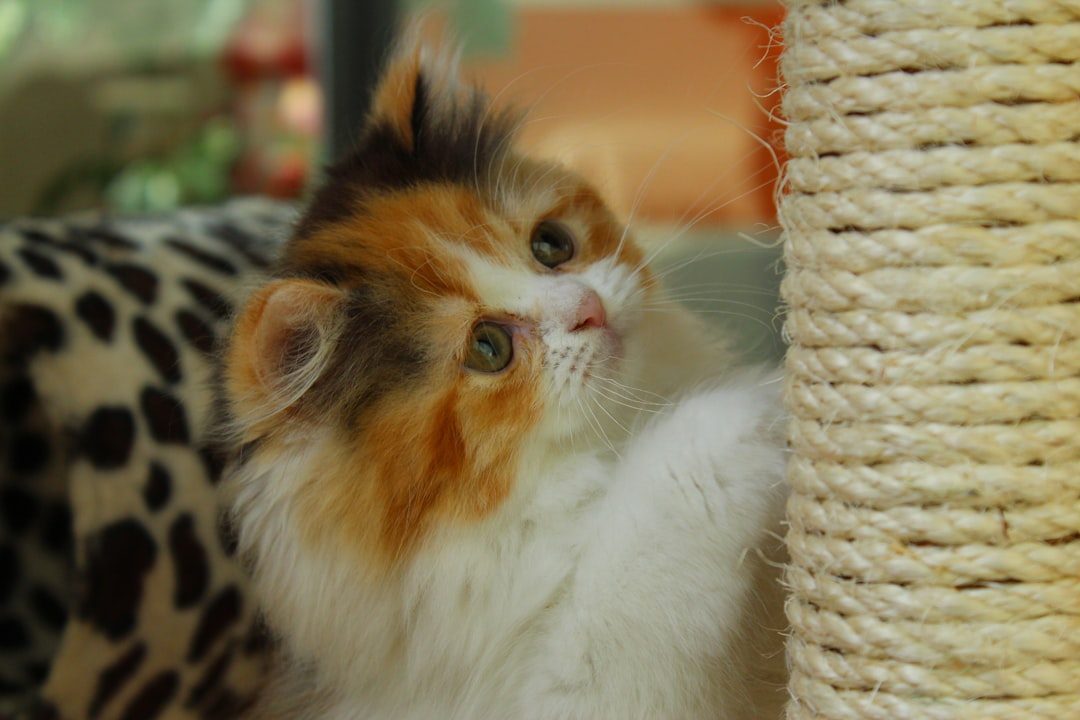
To stop unwanted behavior, reward what your cat does right and ignore or redirect them when they do something you’d rather not see; when they claw the sofa, redirect them and reward them once they’re scratching in the right place. Don’t focus on what you don’t want. Focus on what you do want and guide your cat there. Redirection teaches them the right choice without creating fear or stress.
When you catch your cat about to jump on the counter, calmly redirect them to their cat tree and reward them the instant they comply. A better approach might be to provide a nice high-up space like a cat tree near the counter and reinforce the cat with treats for using that space instead. You’re not saying no; you’re saying yes to something better.
Establishing Consistency Across All Family Members

Consistency is an important element in training; everyone in the family should reward the same desired behaviors, and positive reinforcement may include food treats, praise, petting, or a favorite toy or game. Your training will fail if different people enforce different rules. Cats thrive on predictability and clear expectations that don’t change depending on who’s in the room.
Hold a family meeting before you start training. Agree on the commands you’ll use, the behaviors you want to encourage, and the rewards you’ll offer. When everyone follows the same playbook, your cat learns faster and experiences less confusion. Teamwork makes the training work.
Creating Positive Associations

If your cat comes running at the sound of the fridge door opening or the rattle of their food bowl, they’ve already learned that a positive outcome will follow a certain cue; reward-based cat training is simply an extension of this idea. Cats are natural learners who already understand cause and effect. You’re just harnessing that ability and directing it toward behaviors you want.
Create strong positive associations by pairing new experiences with things your cat already loves. Want them comfortable with their carrier? Feed meals inside it. Need to trim nails? Pair it with their favorite treats. Once your cat completes training, do reminder sessions from time to time so they continue to associate the carrier with good things, and keep it out where it can become normal furniture where your cat can choose to relax. Repeated positive experiences build lasting comfort.
Using Luring Techniques
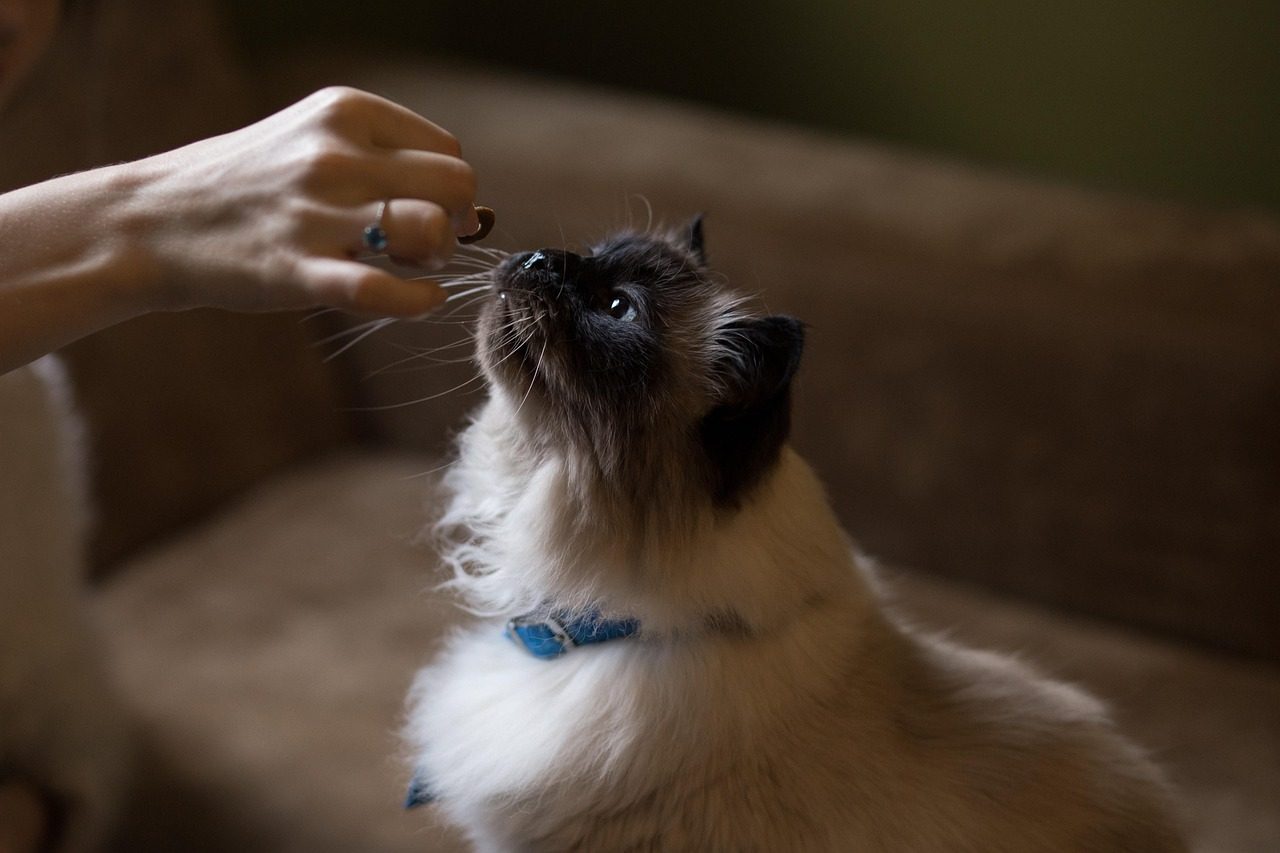
Luring is the practice of using a reward to directly guide a cat’s behavior and is an application of operant conditioning via positive reinforcement. Sometimes you need to physically guide your cat to the right behavior using something they want. This works beautifully for teaching commands like sit or getting them into their carrier.
Hold a treat above your cat’s head to encourage sitting, or place it inside the carrier to lure them in. The treat guides them into position without any force or fear. Once they complete the action, they immediately get the reward. Over time, you can fade out the lure and rely on verbal cues and hand signals alone.
Gradually Reducing Food Rewards
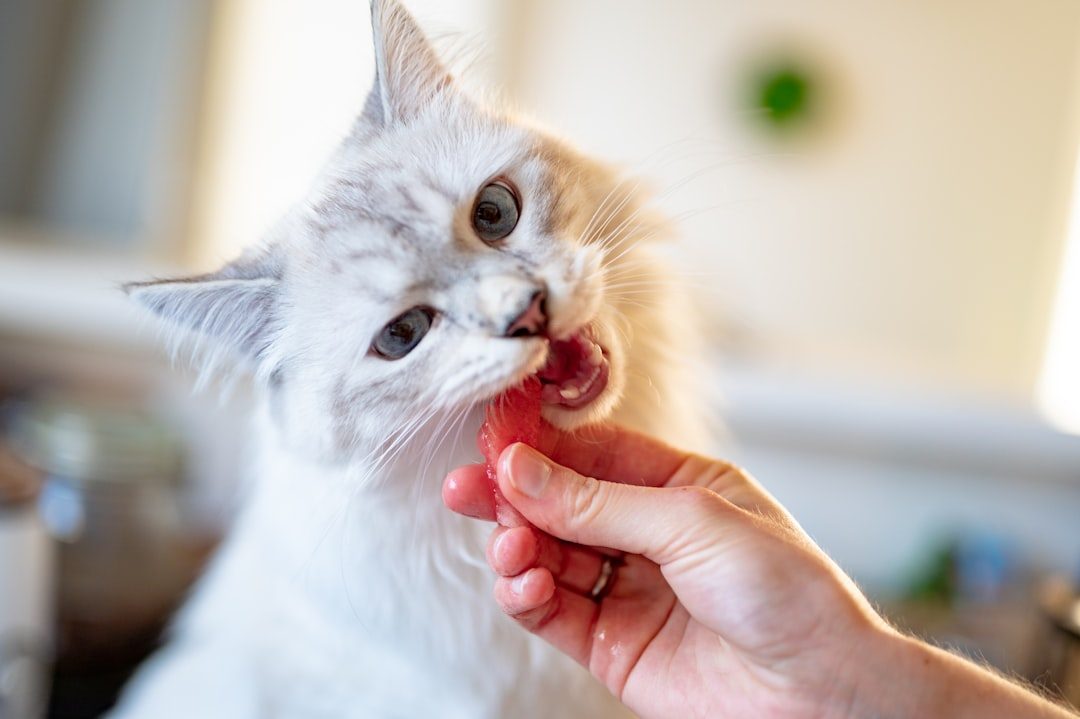
Once your cat is displaying the desired behavior reliably, you can start cutting back on food rewards, giving treats three out of every four times, then about half the time, then about a third, until you’re only rewarding occasionally with a treat while continuing praise and non-food rewards. You won’t be bribing your cat with treats forever. Once the behavior becomes solid, you transition to an intermittent reward schedule that keeps them motivated without constant treats.
This gradual reduction teaches your cat that good behavior sometimes gets treats and sometimes gets praise, making the behavior more reliable. Reward your cat with treats intermittently, for example three out of every four times, then over time about half, then about a third, until you’re only rewarding occasionally, and your cat will learn that if they keep offering desired behaviors, eventually they’ll get what they want. They keep trying because the reward might come at any time.
Building Training Into Daily Routines
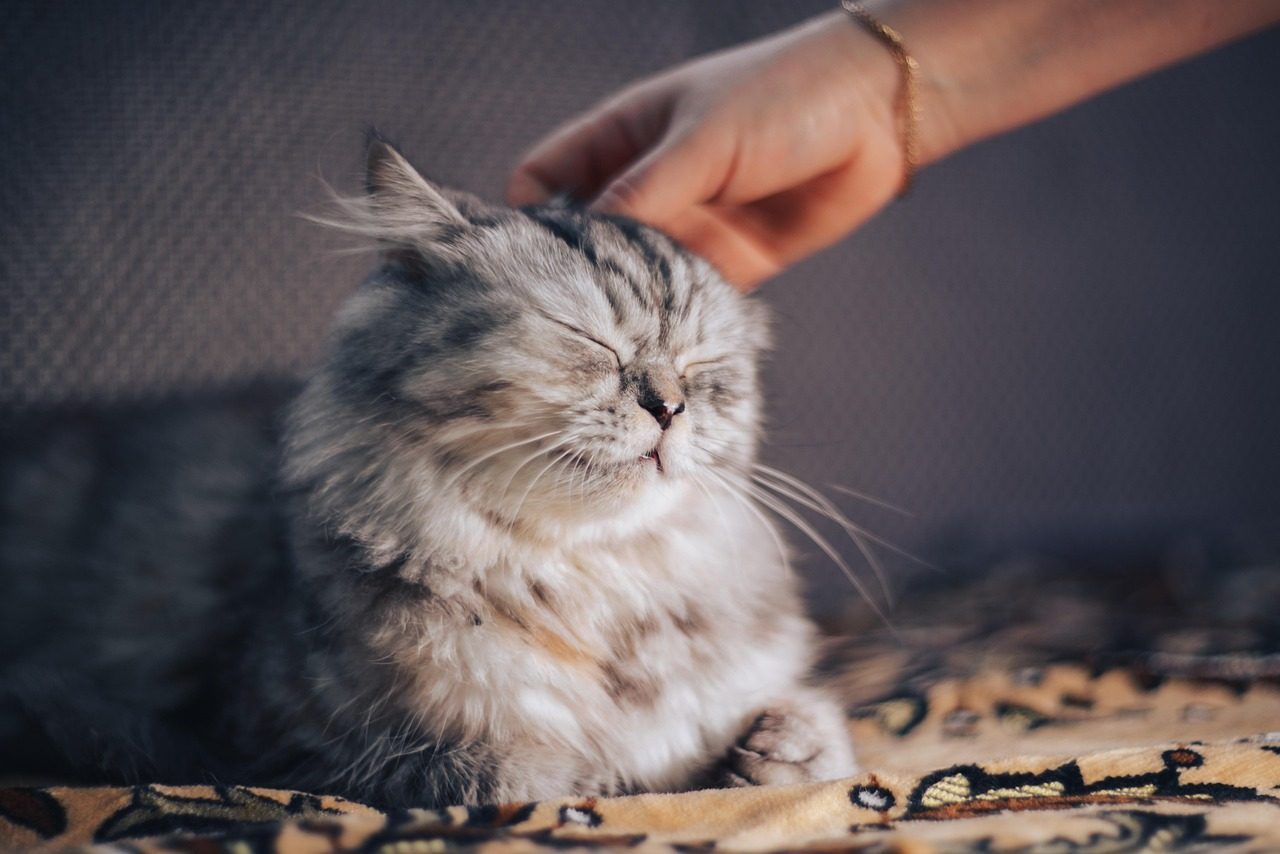
Training is typically most successful when it is incorporated into already existing everyday interactions like mealtime. You don’t need elaborate training sessions separate from regular life. The best training happens naturally throughout your day during normal interactions with your cat. Ask for a sit before you put down the food bowl. Reward them for using their scratching post as you walk by.
Training becomes effortless when it’s woven into the fabric of your routine. Your cat doesn’t even realize they’re being trained; they just know that certain behaviors lead to good things. This approach builds habits that stick because they’re reinforced constantly, not just during dedicated training time.
Conclusion
Training your cat doesn’t have to be a battle of wills. Once you understand the common mistakes that sabotage your efforts and embrace positive reinforcement techniques that actually work, you’ll discover just how smart and trainable your feline companion truly is. Remember that patience, consistency, and an understanding of your cat’s unique nature are your greatest assets. Every cat learns at their own pace, and celebrating small victories keeps both of you motivated.
The bond you build through positive training transforms your relationship. Your cat learns to trust you, and you learn to communicate in ways they understand. Whether you’re addressing problem behaviors or teaching fun tricks, these techniques create a happier, healthier home for everyone. What will you teach your cat first?