You live with a creature that has shared the human home for roughly ten thousand years, yet somehow, the communication between the two of you is still a daily mystery. Your cat watches you from the top of the wardrobe like a tiny, judgmental professor. You wonder what you did wrong. Honestly, most of the time, the answer is: quite a lot.
Research suggests that unlike dogs, cats have not clearly developed a separate behavioral “box” they put us in when socializing with us. They obviously know we are bigger than them, but they do not seem to have fully adapted their social behavior to account for human quirks. That means the weird, loud, grabby things you do every day? Your cat is processing all of it, and not always favorably. Let’s dive in.
1. Staring Directly Into Their Eyes
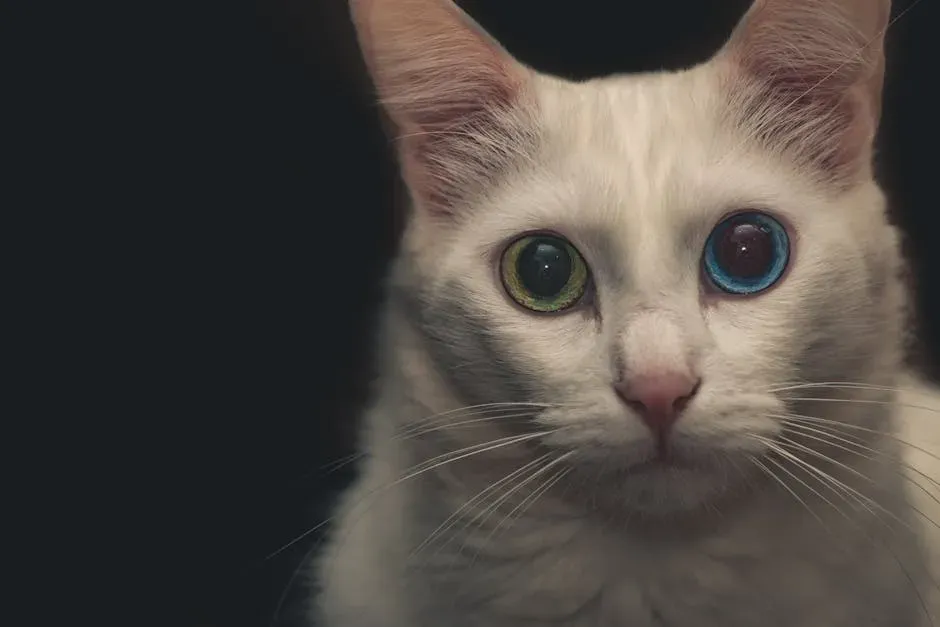
You think you’re bonding. You lock eyes with your cat from across the room, hold your gaze, maybe even smile. Sweet, right? Not to your cat. It all depends on the intensity and duration of the gaze, as cats find direct eye contact threatening. Think of it like a stranger on a bus fixing their stare on you and never looking away. Uncomfortable doesn’t even cover it.
The fix is actually one of the most charming things in all of pet ownership. Research has found that cat half-blinks and eye narrowing occur more frequently in response to a human’s slow blink, and cats show a higher propensity to approach a person after a slow blink interaction compared to when they are met with a neutral expression. So instead of holding that intense stare, try a long, slow, gentle blink. You are essentially saying “I trust you” in fluent cat.
2. Picking Them Up Without Warning

Here’s the thing: you probably grab your cat the way you’d pick up a throw pillow. Fast, casual, no ceremony. To your cat, this is the equivalent of a giant unpredictable force suddenly lifting you off the ground. Cats communicate that they are uncomfortable, stressed, or scared through body language and behavior, and they can experience fear, anxiety, or stress for a wide range of reasons. Surprise handling is one of the quickest ways to trigger that stress response.
The better approach is to always let your cat see and sniff your hand first. You should avoid pulling or forcing your cat to be held, and instead wait for your cat to approach you or solicit affection. Think of it as asking permission rather than assuming. Most cats will actually warm up to being held far more willingly when they feel like the interaction was their idea.
3. Using Hissing Sounds as Terms of Endearment
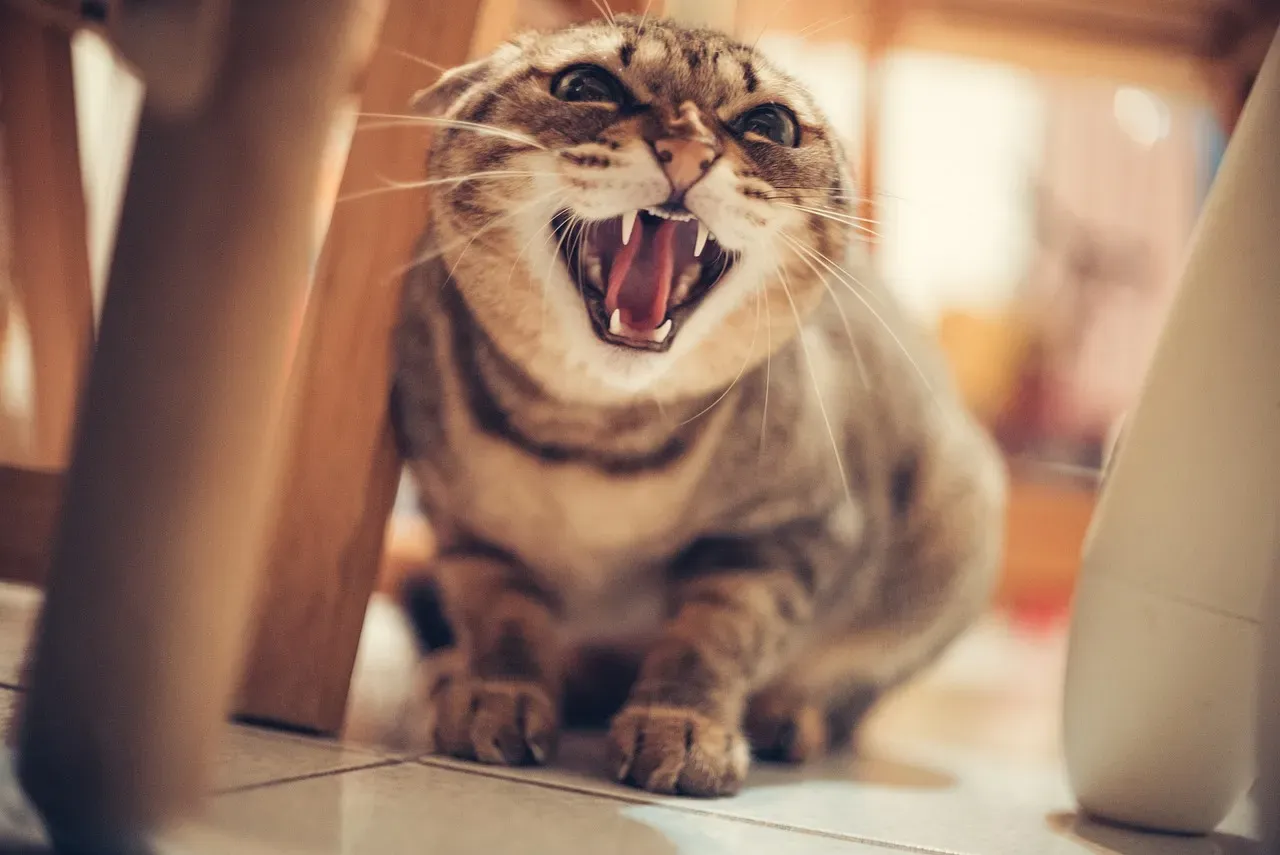
You call your cat over with a “pssssst” or a drawn-out “sweeetie” full of sibilant S sounds. You mean it with all the love in the world. Your cat hears something else entirely. Cats would rather you didn’t use too many “s” sounds to express your interest, because that sound really sounds like hissing to a cat’s ears. It is a bit like using cat swear words whenever you want their attention.
That image alone should make you rethink your baby-talk vocabulary. Try lower, softer tones instead. Using a soothing voice and avoiding loud noises and speaking in a deep, harsh, or shrill voice makes a noticeable difference in how your cat responds to you. If you want to take it even further, try a soft meow. Scientists have identified more than a dozen different meows that cats make, and while kittens use meows with their mothers, grown cats employ them solely to communicate with humans. It is their language for us. Use it.
4. Rubbing Their Belly When They Roll Over
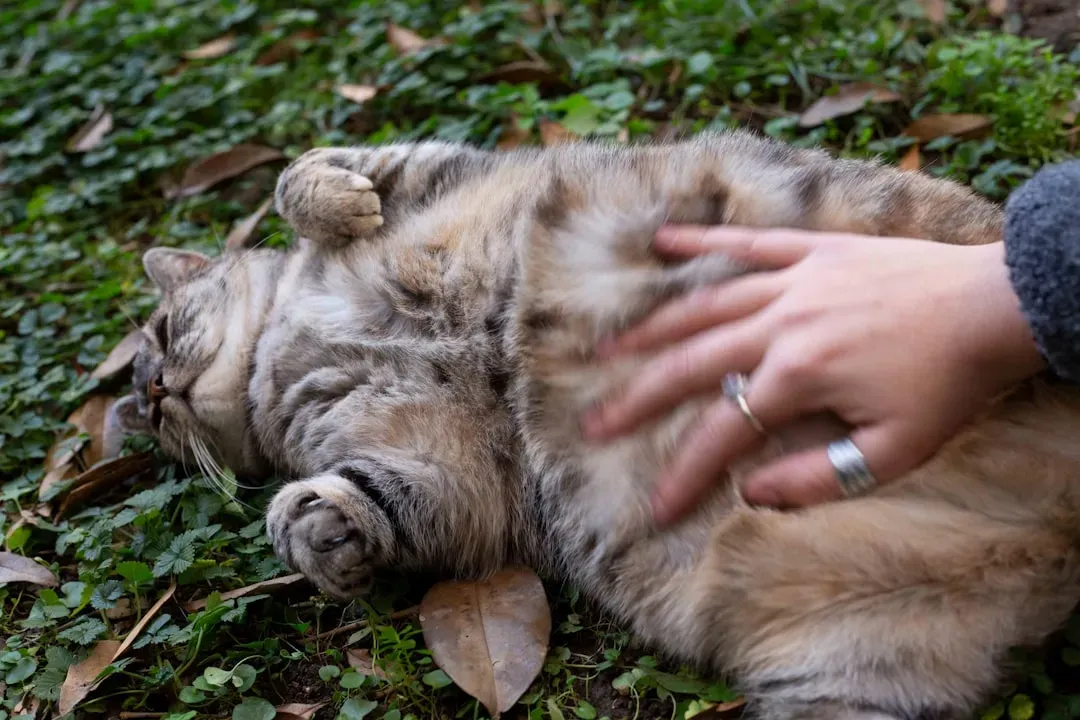
Your cat flops onto their back, all four paws in the air, utterly adorable. You see a fluffy tummy and your hand just moves. We have all been there. The scratch that follows, however, is no mystery. One of the most confusing cat behaviors is when they roll onto their backs and expose their bellies. Many people assume this is an invitation for belly rubs, but it is actually a deep showing of trust.
It is trust, not an invitation. The vulnerability of exposing their stomach is basically your cat saying “I feel safe with you.” Cats know their stomachs are their most vulnerable areas, which is why they guard them so fiercely. By exposing their stomach, they are saying “I am comfortable with you and trust you.” Do not mistake this as a request for belly rubs. Appreciate the gesture, give them a gentle head scratch instead, and nobody loses any skin.
5. Inconsistent Daily Routines
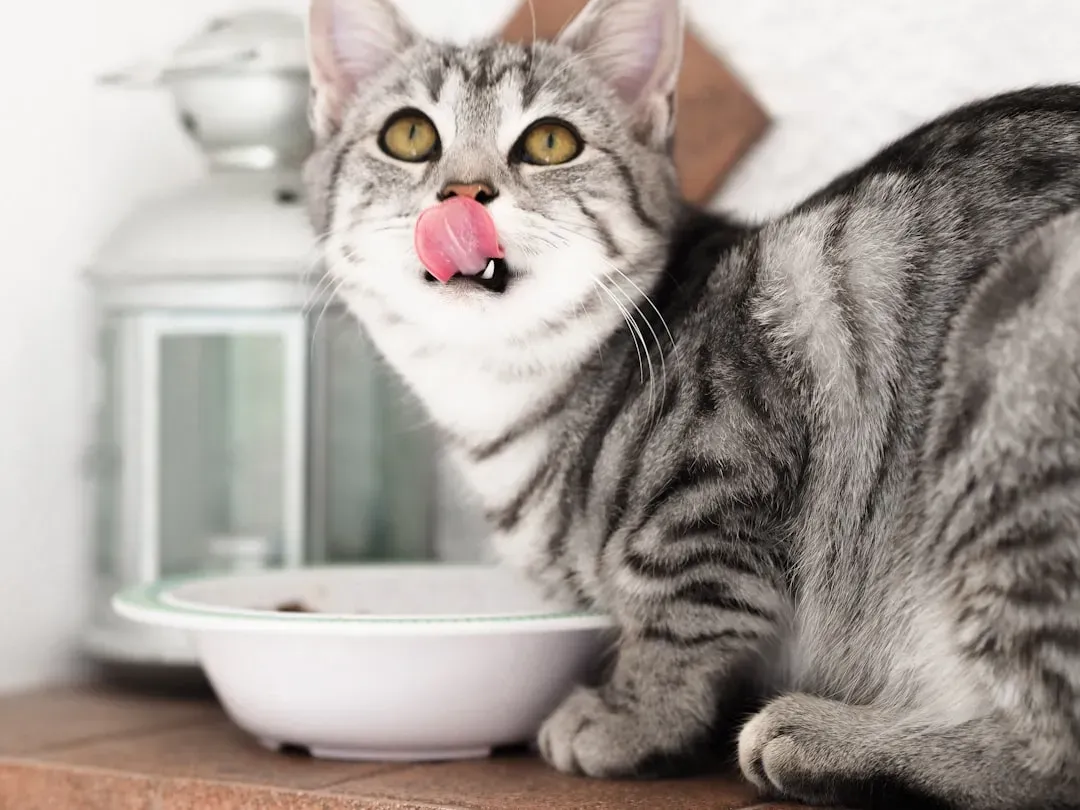
Cats are creatures of routine in the most committed sense of the word. They notice everything. Cats are much smarter than we give them credit for: they learn what works with what person. They know if one member of the family is prone to get up at 4 a.m. and give them treats. Your feeding schedule, your wake-up time, even the order in which you perform your morning tasks: your cat has catalogued all of it.
When you suddenly shift routines, your cat does not shrug and adapt. Internally, they recalibrate their entire map of the world. Disruptions to feeding schedules are especially stressful. Cats can experience fear, anxiety, or stress for a wide range of reasons, from feeling ill or hearing loud noises to seeing an animal walking outside their home. Changes in your schedule carry the same disruptive weight. Keeping mealtimes, play sessions, and even your wake-up time as consistent as possible gives your cat a world that feels predictable and safe.
6. Playing With Laser Pointers Without Resolution
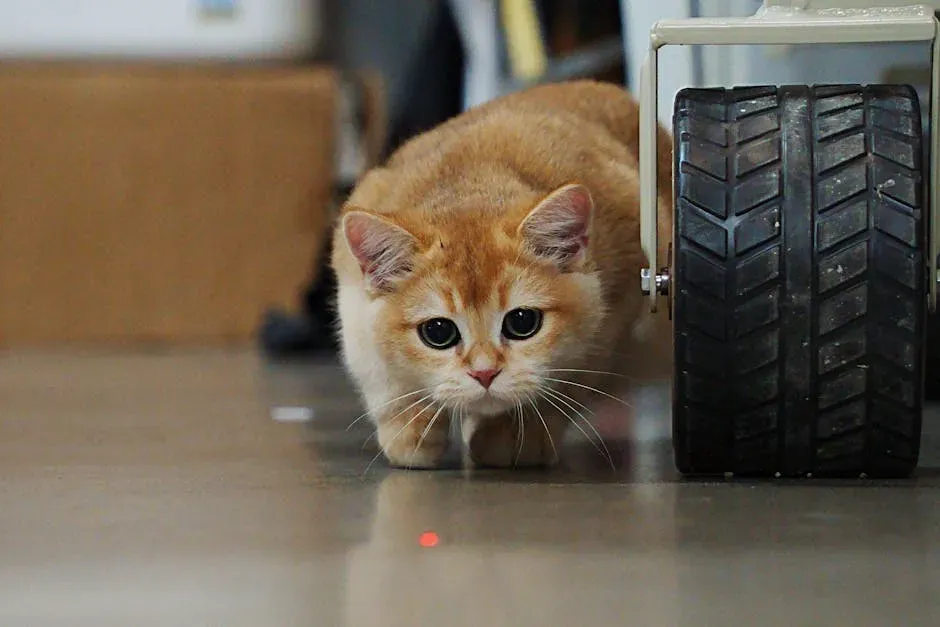
Few things on earth look more fun than a cat chasing a laser dot. Their pupils blow wide, their haunches wiggle, and they sprint in pure chaotic joy. You are delighted. They are, in reality, being slowly driven mad. Cats have a drive to hunt and play, and they are naturally excited to chase and catch something. The problem with laser pointers is that there is nothing to catch, which can leave your cat feeling frustrated while they keep trying to get their paws on the prize.
I know it sounds counterintuitive when they seem to be having so much fun, but imagine spending ten minutes sprinting after a meal you never get to eat. That frustration is real for your cat. The fix is simple: alternate laser pointer games with another game where your cat is able to catch something, since wand toys are great for this, or you could shine the laser pointer on some catnip-filled toys that your hunter can pounce on. Always end the hunt with a victory.
7. Towering Over Them or Approaching Head-On
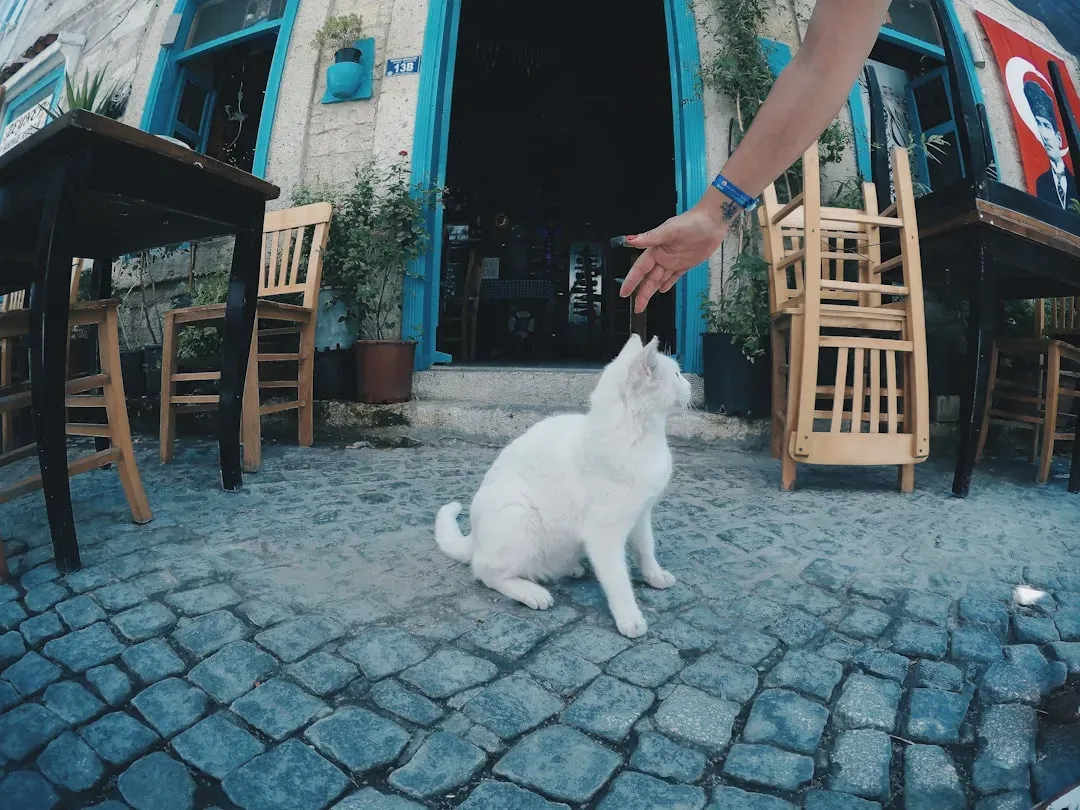
When you walk straight toward your cat at full height, you are, from their perspective, a very large predator moving directly in their direction. It does not matter how many years you have lived together. Low-pressure interactions require that you avoid staring, making direct eye contact, or towering over your cat, and that you do not pressure or force your cat to interact or share space with you. The physical dynamic matters just as much as the emotional one.
Getting down to their level makes an enormous difference. Crouch, sit on the floor, or even turn slightly sideways when approaching a nervous cat. The initiation of social interactions between cats and humans has been shown to influence both the duration of the interaction bout and total interaction time in the relationship, and compliance with the interactional wishes of the partner is positively correlated between cats and humans. Let them come to you, and watch how quickly the dynamic shifts in your favor.
8. Talking on the Phone Near Them
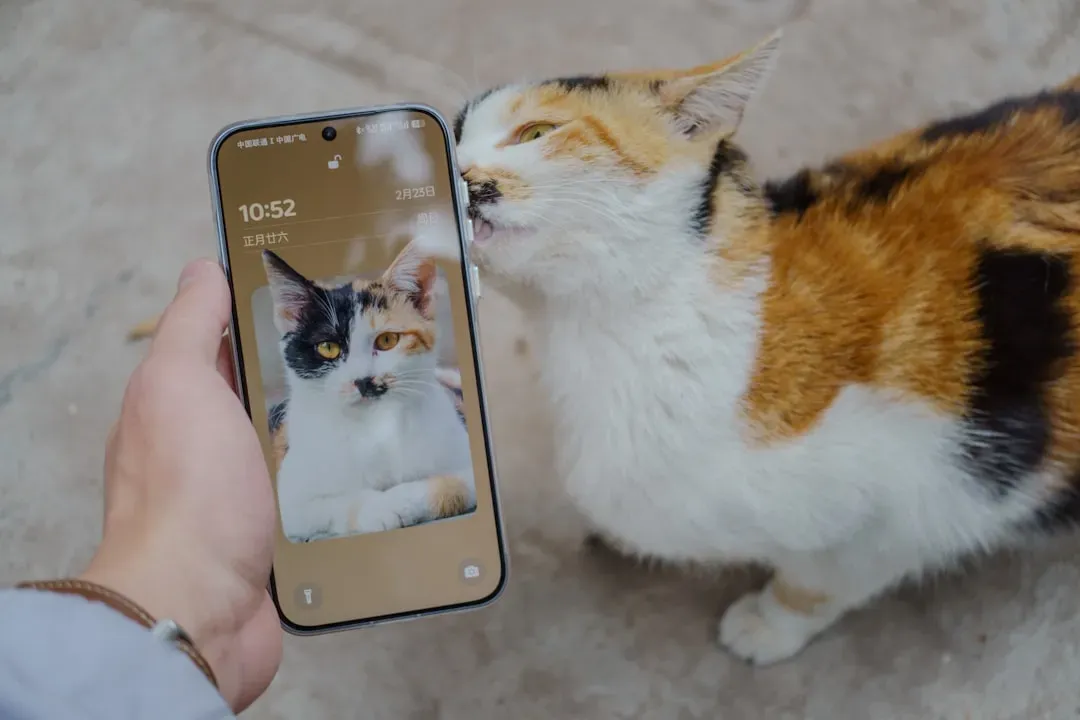
You have probably noticed it: the moment you pick up your phone and start speaking to someone who is not in the room, your cat goes from quietly napping to loudly demanding your attention. It seems like jealousy. Scientifically, it is something more interesting than that. If your cat suddenly becomes more vocal, affectionate, and needy while you talk to someone over the phone, it is a sign of the need for attention. Cats have incredible hearing, which means they can hear voices but might be confused as to where they are coming from.
In your cat’s world, disembodied voices are genuinely strange. They hear a familiar human making social sounds, but there is no second body in the room to account for it. It is a bit like hearing a voice through a wall with no explanation. Cats communicate through body language, vocalizations, and instinct-driven actions. Since none of those secondary cues are present during your phone call, your cat fills the gap with their own vocalizations. Keep your voice calm and give them a brief stroke. A little acknowledgement goes a long way.
9. Punishing Them After the Fact
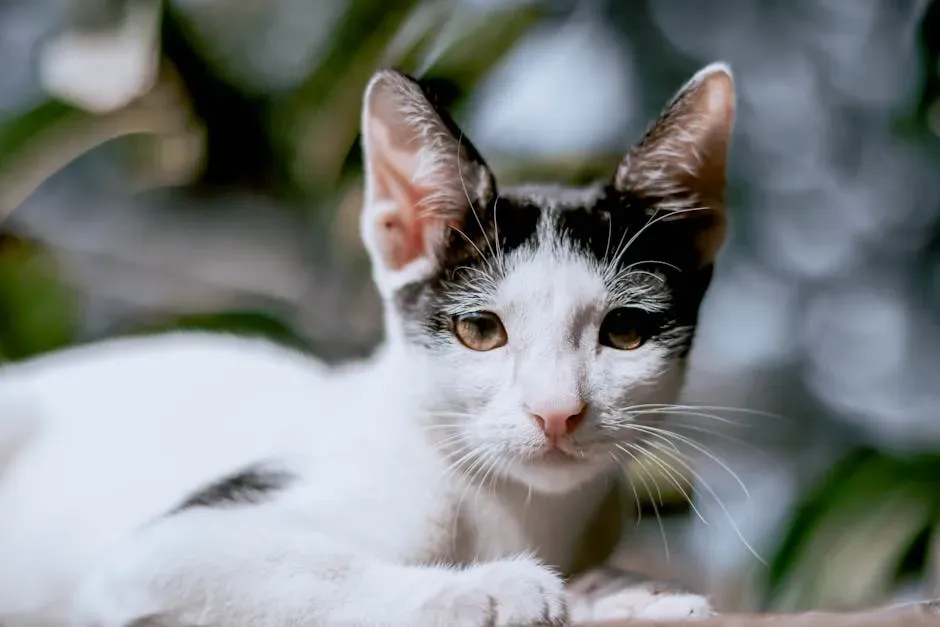
Your cat knocked something off the counter an hour ago. You come home, see the mess, find the cat, and raise your voice. Let’s be real: your cat has absolutely no idea what you are upset about. Cats can learn what they are not supposed to do, but if your cat has developed a habit of jumping up on the kitchen table, there are limited ways to prevent it. Delayed punishment is not one of those ways; it is just confusion wrapped in frustration.
Cats operate in the present moment far more thoroughly than humans do. The connection between the past action and your current anger simply does not form in their brain the way it might with a dog. Trying not to show irritation is wise because doing so gives them your attention, and even if your energy is angry, it still means you are paying attention to them when you weren’t a moment before, so your cat may actually learn to repeat the behavior. Redirect and reward instead. That is the entire strategy.
10. Forcing Affection on Their Terms
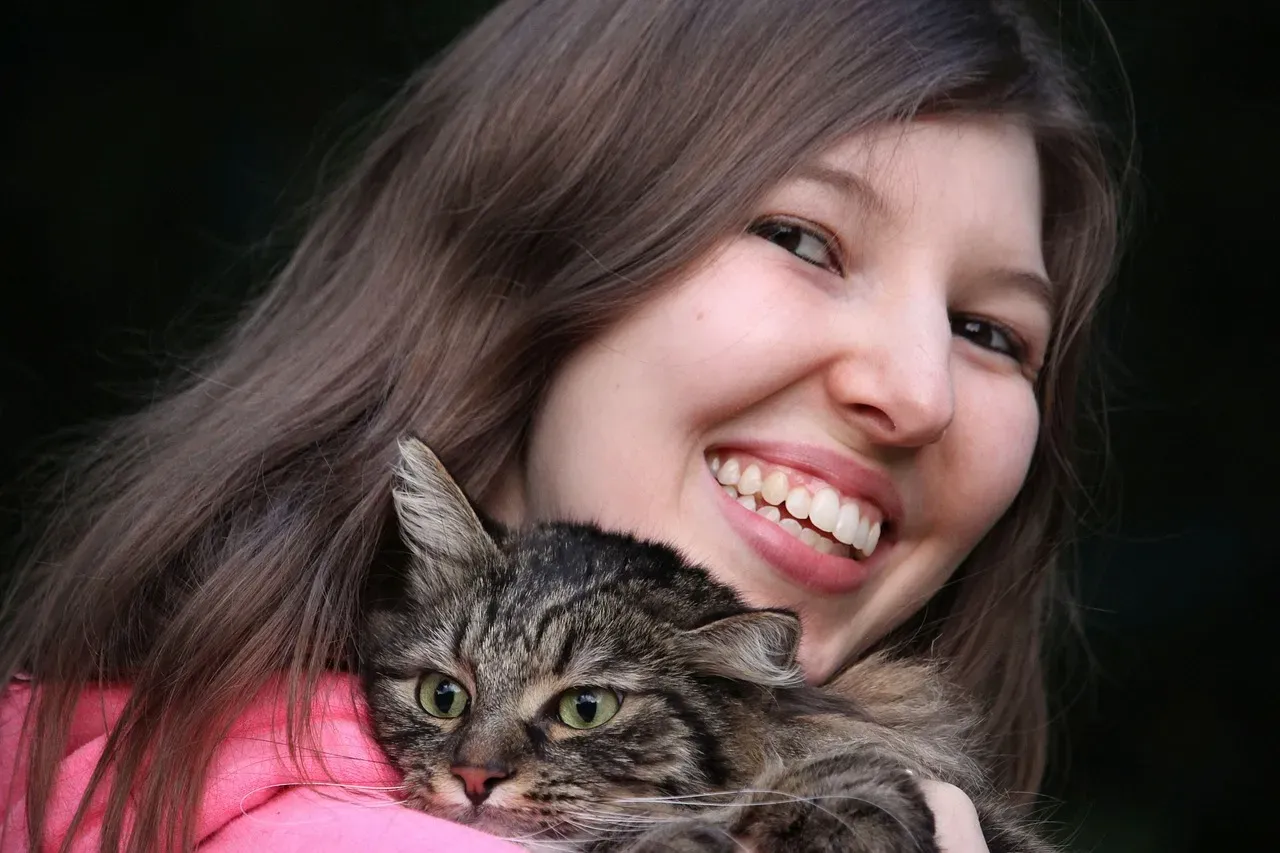
You sit down on the couch. Your cat is nearby, looking cozy. You scoop them up, hold them close, press your face into their fur. You feel wonderful. They are calculating their escape route. Just like humans, cats appreciate alone time. When they need some quiet solitude, you should give them space. This will strengthen their respect for you, and they will seek you out when it is cuddle time.
Forced affection is one of the fastest ways to train your cat to avoid you. Ironically, the less you chase them, the more they will come to you. Scientific evidence suggests that early exposure to other cats, humans, and a variety of environmental stimuli can benefit a cat’s social behavior and overall cognitive development, and cats with increased social exposure to humans display more proximity-seeking and social responsiveness. The secret is patience. Let them set the pace. When a cat chooses your lap on their own, it means infinitely more than a cat who was placed there against their will.
Conclusion
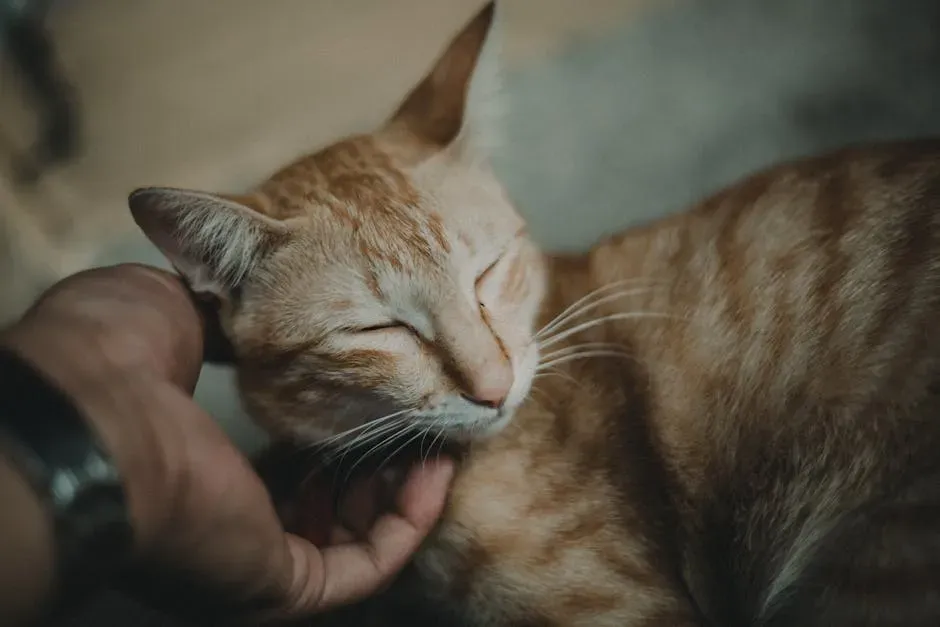
Here is what it all comes down to: your cat is not aloof, difficult, or indifferent. They are wired differently, shaped by thousands of years of instinct that does not always align with your well-meaning human habits. The good news is that every single item on this list has a straightforward fix, and none of them require much more than a small shift in how you think about your relationship.
The slow blink instead of the hard stare. The crouch instead of the looming approach. The wand toy at the end of the laser chase. Small things. Huge results. Understanding cat behavior can be extremely beneficial for cat owners, and people who know more about their cats and understand cat behavior better tend to have better bonds with their cats.
Your cat has been watching you and quietly learning who you are for years. It is probably time you returned the favor. Which of these habits surprised you the most? Drop your thoughts in the comments.