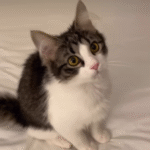
You pour their food, you offer head scratches, you even tolerate their 3 a.m. zoomies. Yet somehow, your cat still gives you that judgmental side-eye or bolts from the room like you’ve committed an unforgivable crime. Here’s the thing: cats operate on a completely different wavelength than we do. What feels like affection or good pet parenting to us might actually be driving your feline companion up the wall.
Cats are masters of subtlety. They won’t always tell you outright when something bothers them, at least not in ways we immediately recognize. That gentle tail flick? The sudden departure mid-cuddle? These are all quiet protests against habits you might not even realize are annoying. So let’s dive into the hidden pet peeves that secretly irritate your whiskered roommate.
You’re Way Too Handsy With Their Personal Space
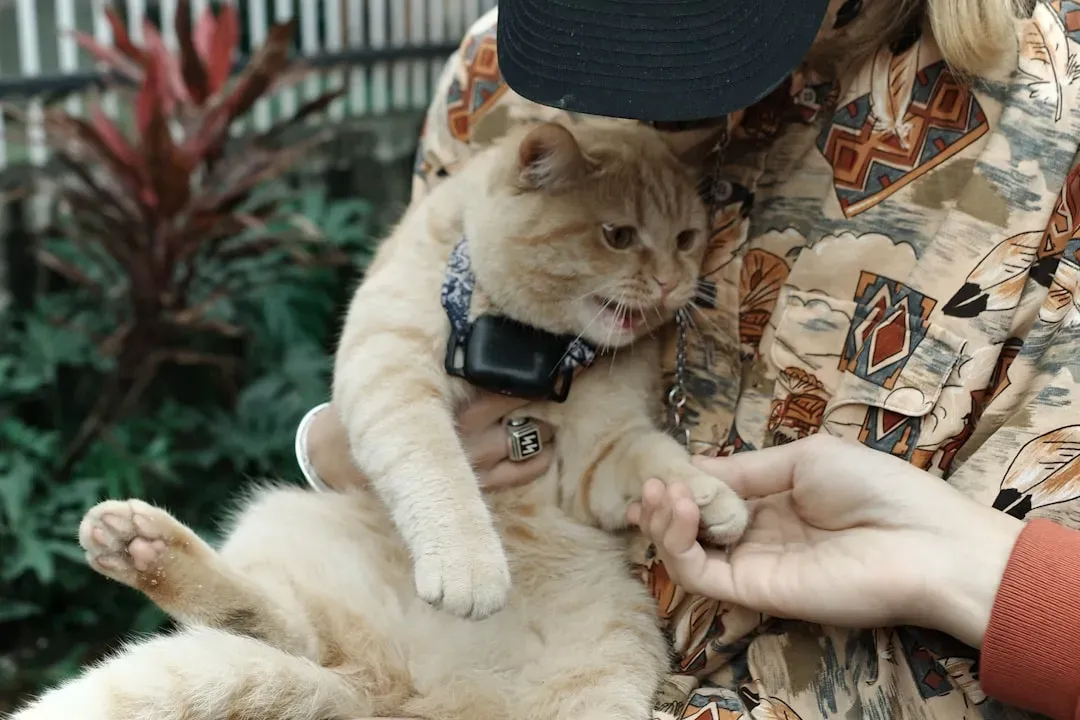
Cats value their independence and can become irritated if they feel crowded or constantly handled. Think about it from their perspective. Imagine someone repeatedly picking you up when you’re trying to relax, or constantly petting you when you just want some alone time. Cats are prey and predator animals. They don’t like to be held close or restrained. Humans love to hug and cuddle; this is how we show affection. Your cat, though, might see that bear hug as something entirely different.
Many cats prefer attention on their own terms and on their own schedule. Pay attention to when your cat approaches you versus when you initiate contact. These mistakes involve misunderstanding where cats like to be touched and failing to respect their need for personal space. Respect those boundaries, even when your kitty looks impossibly cuddly.
Your Litter Box Hygiene Is Seriously Lacking
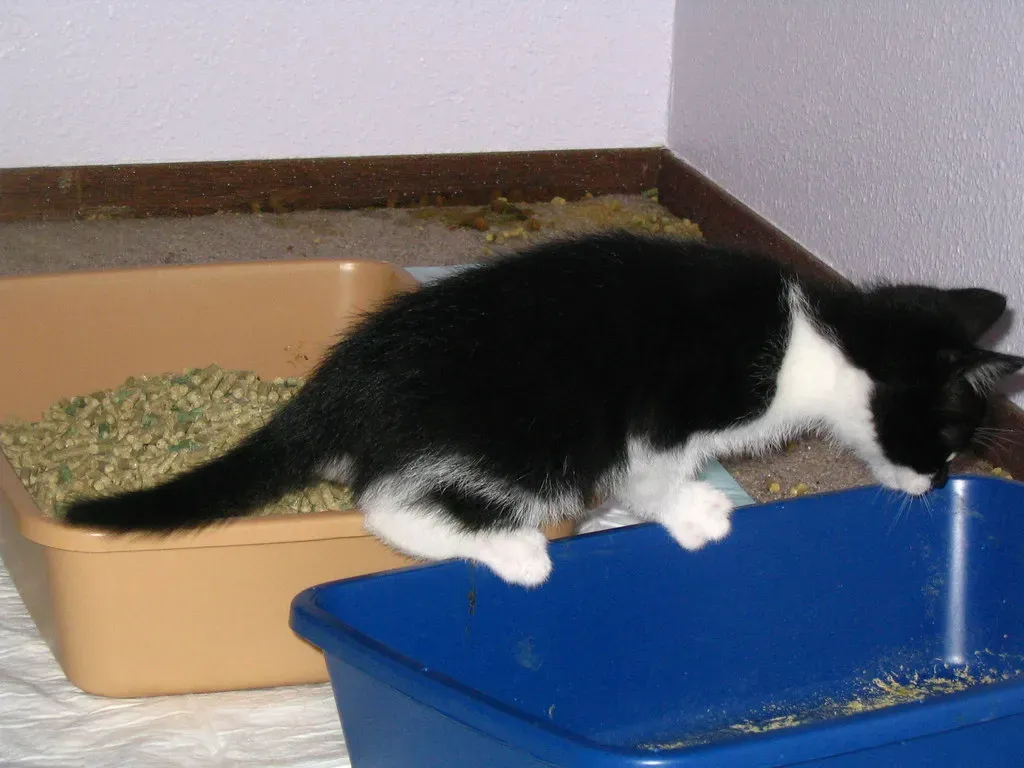
Cats prefer the litter box to be clean every time they use it. This means cleaning after every use or at least a couple of times per day, which is sometimes hard for cat owners to manage. An unclean litter box can make your cat reluctant to use the bathroom. Let’s be real: would you want to use a filthy bathroom? Your cat certainly doesn’t. Cats are obsessively clean creatures, and a dirty litter box is like asking them to walk through a landfill.
Dirty litter boxes are one of the most common reasons cats stop using them. Some owners also use heavily scented litter, which can turn cats off. Those floral-scented litters you thought were helping? They’re probably making things worse. Stick to unscented, and scoop daily at minimum. Your cat will thank you by actually using the box instead of your favorite rug.
You Blast Music Like You’re at a Concert
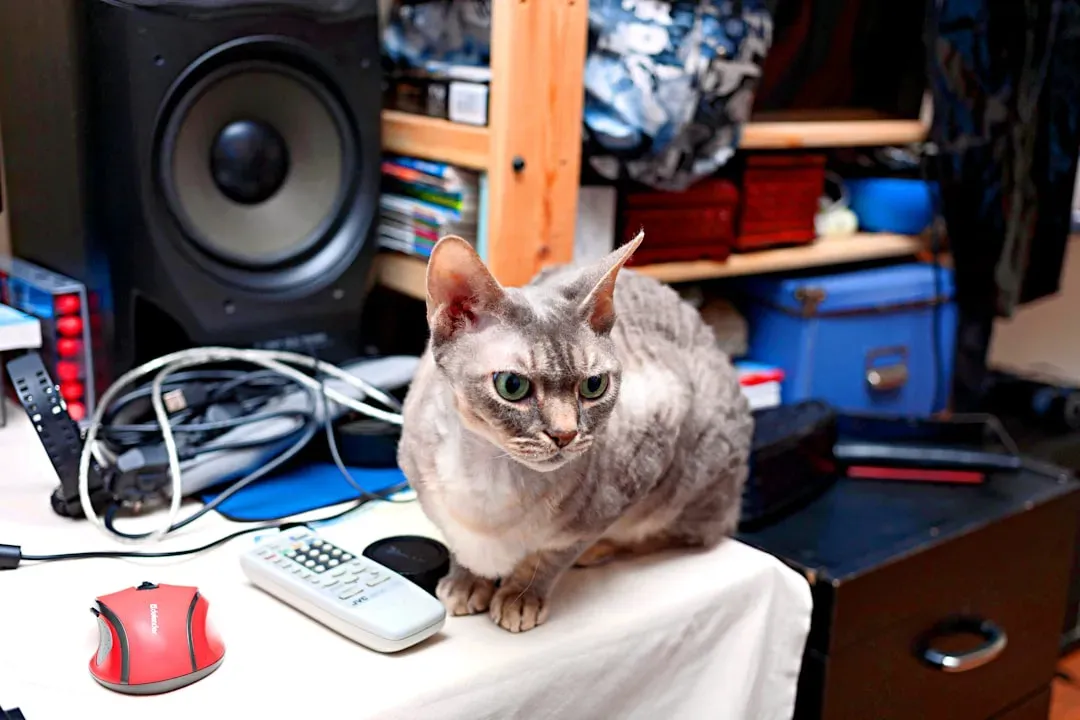
Cats are more sound-sensitive than humans, which means noises sound louder to them than they would to us. Cats also have a more comprehensive hearing range and can hear noises at lower and significantly higher pitches than people. When you crank up your favorite playlist, your cat isn’t jamming along with you. Higher pitches in loud music can sound like distress calls. Some cats will happily nap through soft classical or gentle jazz, but pounding bass or shrieking guitars are another story. The higher pitches overlap with distress calls cats use among themselves, while the thumping vibrations unsettle them.
Prolonged exposure to noise levels above around 85 decibels can cause hearing loss or damage, based on studies in humans and laboratory animals. Not only that, but excessive chronic noise can also raise your cat’s blood pressure. If you must listen to loud music, wear headphones or give your cat a quiet sanctuary to escape to. Their sensitive ears deserve better than constant audio assault.
You Keep Waking Them Up for Cuddles
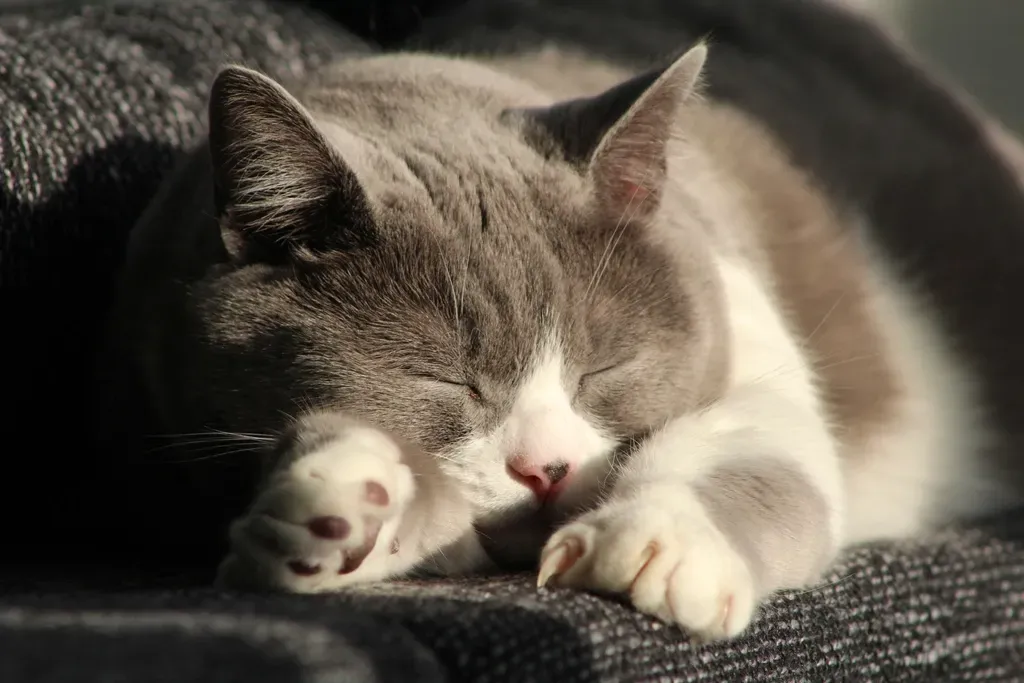
Imagine you’ve just stretched out on your bed for a little snooze, when someone comes along wanting you to entertain them. You wouldn’t love it – and neither does your cat. Cats sleep around 15 hours a day, and those naps aren’t just for show. They’re recharging, processing, and doing all the important cat things that happen during sleep.
Look for signs like ears back or flat, tail flicking, and even growling or hissing. This is an indication to stop and give them their space. You are pestering your cat while they are trying to rest or don’t want to play. I know it’s tempting when they look so peaceful and adorable, but let sleeping cats lie. They’ll seek you out when they’re ready for interaction.
You’re Always Changing Their Food
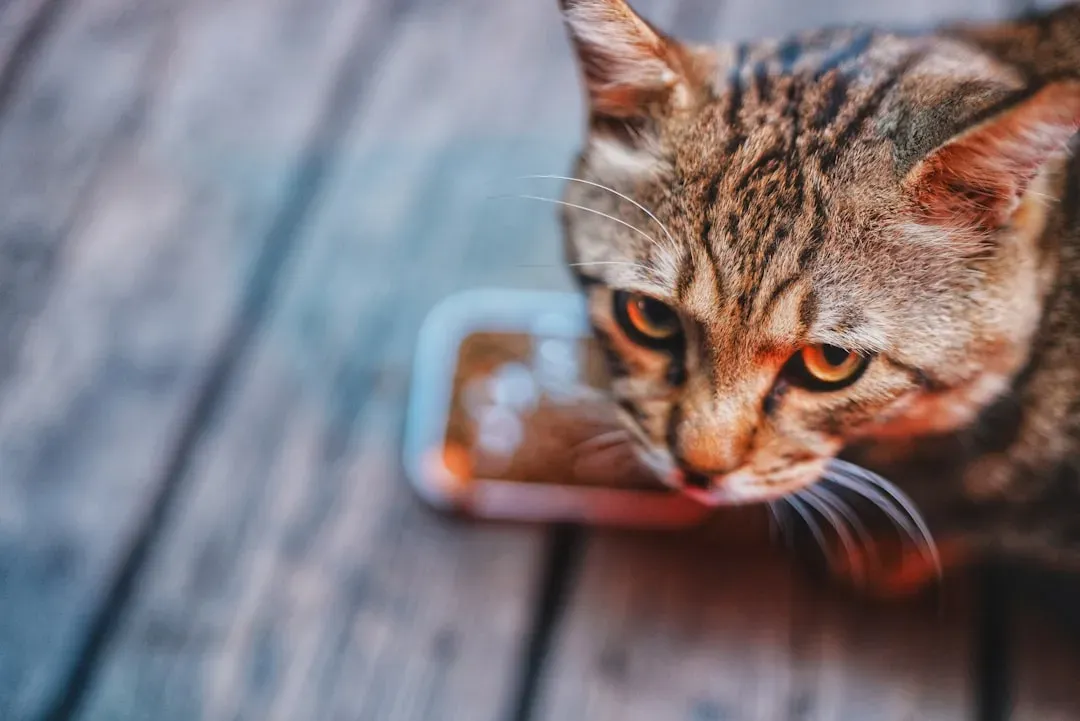
Many cats prefer routine. Changing their food flavor and texture frequently might not be the culinary adventure you hope it will be. You might think you’re being a thoughtful pet parent by offering variety, but your cat probably wishes you’d just stick with what works. Cats are creatures of habit; they aren’t big fans of change especially when it comes to their diet. In their mind, eating new food is scary and risky. Cats prefer food that they have already found to be safe.
Often the culprit is a sudden change in their diet. It’s a common mistake because not all cat owners realize how sensitive cats’ stomachs are to new foods. If you absolutely must switch foods, do it gradually over several days. Mix increasing amounts of the new food with the old. Your cat’s digestive system will handle the transition much better.
You Use Scented Products Everywhere

A cat’s sense of smell is roughly 14 times that of a human. Cats display a well-developed sense of smell at birth, and by adulthood it eclipses ours. That lovely lavender air freshener or citrus-scented cleaner you adore? To your cat, it’s an overwhelming sensory assault. Cats have an incredible sense of smell. In fact, their cute little noses are 14 times better at picking up scents than humans! That said, strong smells like your favorite perfume, air freshener, or cleaning product can be overwhelming and off-putting to your furry friend.
A cat’s sense of smell is 14 times better than that of humans. If you wash their water or food bowl, make sure not to use scented dishwashing liquids. Cats hate strong odours and these scents can discourage your pet from drinking water from their bowl. Switch to fragrance-free products whenever possible, especially for anything that touches their food, water, or litter areas.
You Ignore Their Attempts to Communicate
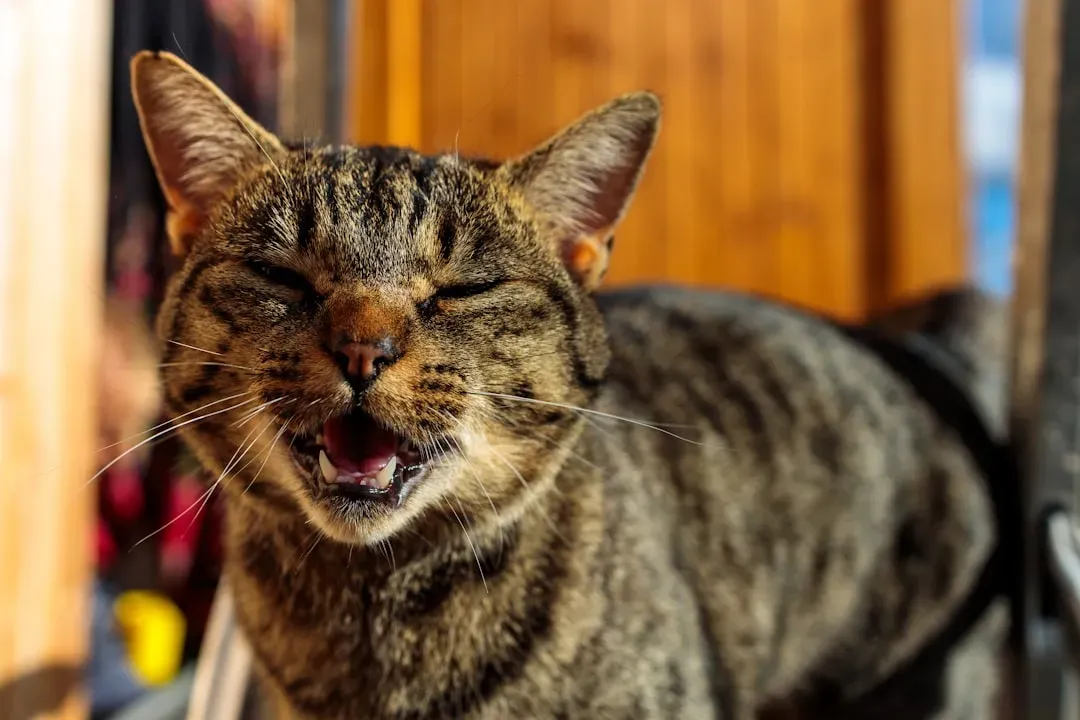
As frustrating as your cat’s behavior might be, it may help to know that they are not trying to annoy you. Your cat is communicating with you and most likely trying to get your attention because they have a strong bond with you. When your cat knocks something off the counter or meows insistently, they’re not being randomly destructive. They’re trying to tell you something, and you’re not listening.
If you’re not sure what annoys your cat, the best way to figure it out is to tune in to what they’re telling you through their behavior. Every cat has different preferences. Learn to read the signals. A swishing tail means they’re getting agitated. Flattened ears signal discomfort or fear. When you tune into these cues, you’ll both be much happier.
You Touch Them in All the Wrong Places
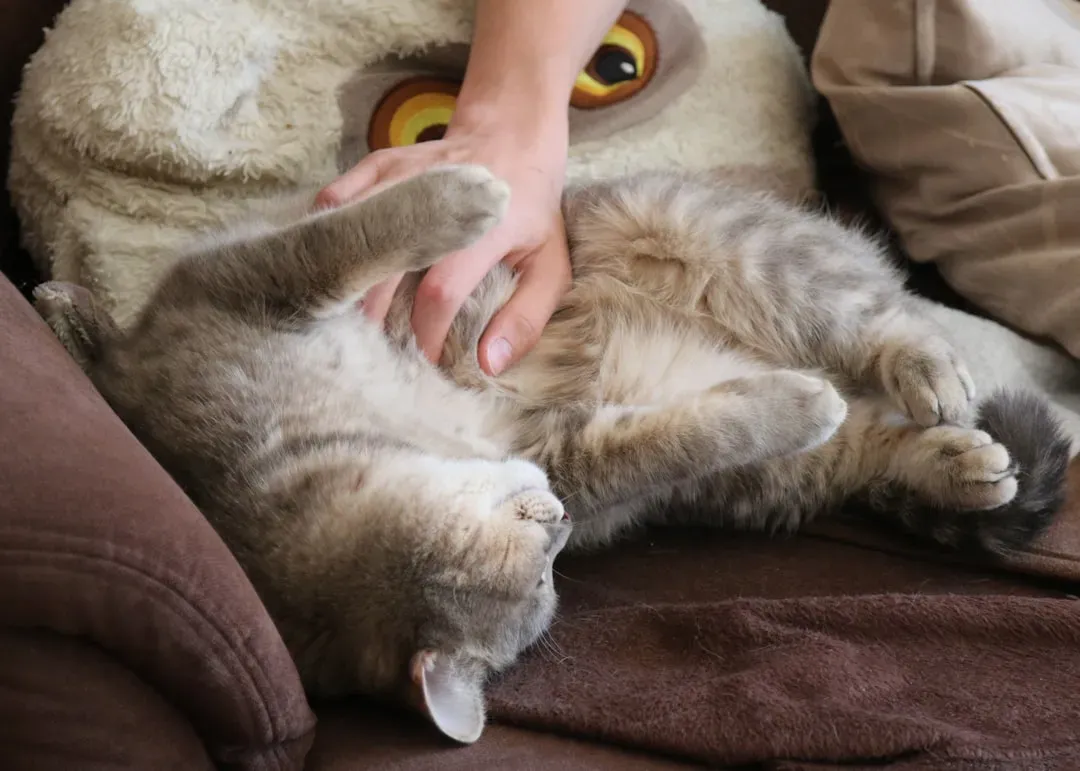
Many cats will roll over, exposing their belly as though they wish to have a belly rub. Very few cats actually do want that though. Most cats do not enjoy having their belly handled or rubbed. That exposed belly is a trap, not an invitation. When your cat rolls over, it’s often a sign of trust, but it doesn’t mean they want you pawing at their most vulnerable area.
Similarly, some cats can become overstimulated with too much petting and may strike out suddenly. Most cats prefer gentle pets on the head, cheeks, and chin. Some tolerate back scratches. Paws, tails, and bellies? Those are usually off-limits. Pay attention to where your cat leans into your touch versus where they pull away.
Your House Is a Chaotic, Unpredictable Mess
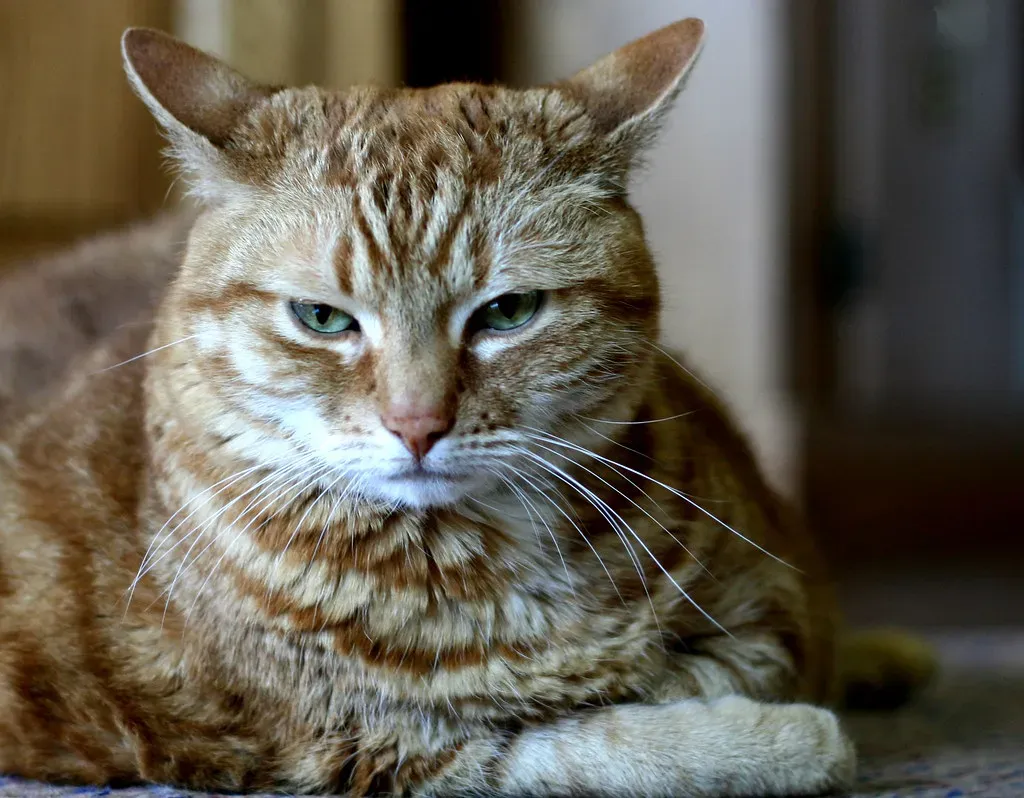
Cats are creatures of habit. Most cats love a predictable routine when it comes to feeding time, playtime, or naptime. If you are making abrupt changes to their daily routine, expect your cat to be displeased. Constantly rearranging furniture, changing feeding times, or having unpredictable schedules throws your cat completely off balance. They thrive on knowing what comes next.
Surprisingly, cats are much like their owners when it comes to dreading change. They are creatures of habit who take comfort in routines and predictability. Any changes to their environment or daily schedule can make them anxious and uncomfortable. Try to feed them at the same times each day. Keep their litter box, food bowls, and favorite sleeping spots in consistent locations. Stability isn’t boring to cats; it’s comforting.
You Keep Making Sudden, Loud Noises
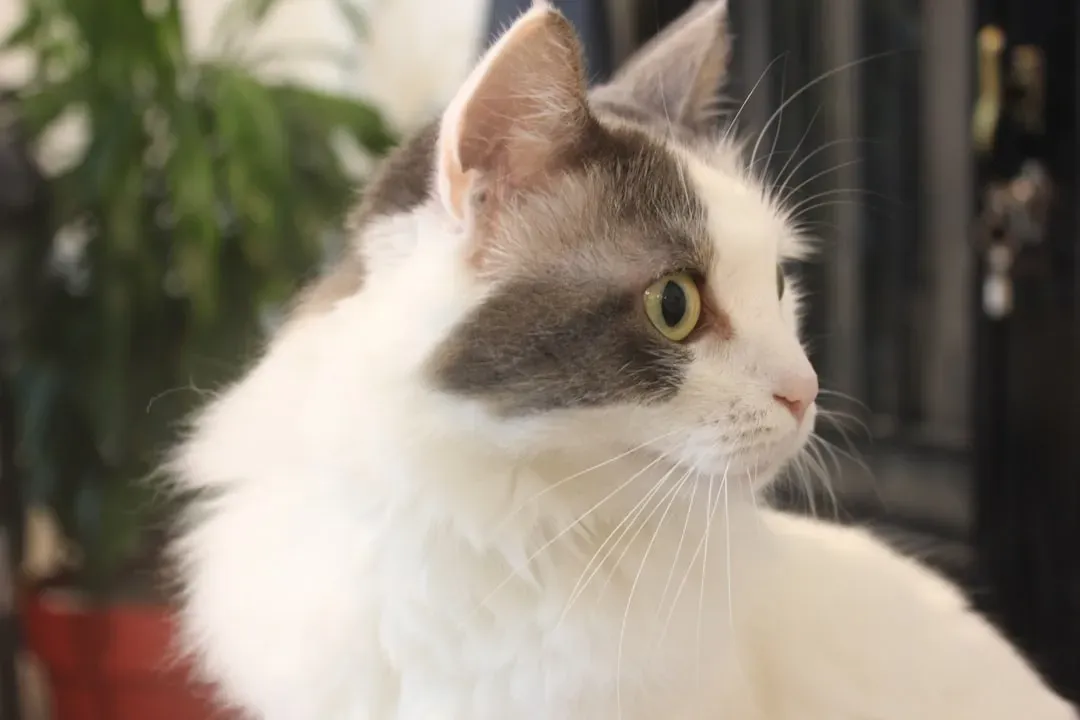
Cats startle very easily, and any loud, abrupt sound is bound to stress them out. They aren’t expecting the noise and aren’t ready for it, so it does unfortunately make them jump. Because our ears are sensitive to loud noises, these can be particularly scary if we don’t expect them or know what causes them. For example, a sudden noise from a doorbell, a door slamming, or even a whistling kettle can make us run to our safe space.
Unexpected loud noises and sudden changes in air pressure likely alert cats to be on guard. They can warn of impending situations that may require the cat to fight or take flight. Try to be mindful of slamming doors, clanging pots and pans, or shouting. Your cat’s nervous system goes into overdrive with every unexpected bang, which isn’t fair to their stress levels or their long-term wellbeing.
Conclusion
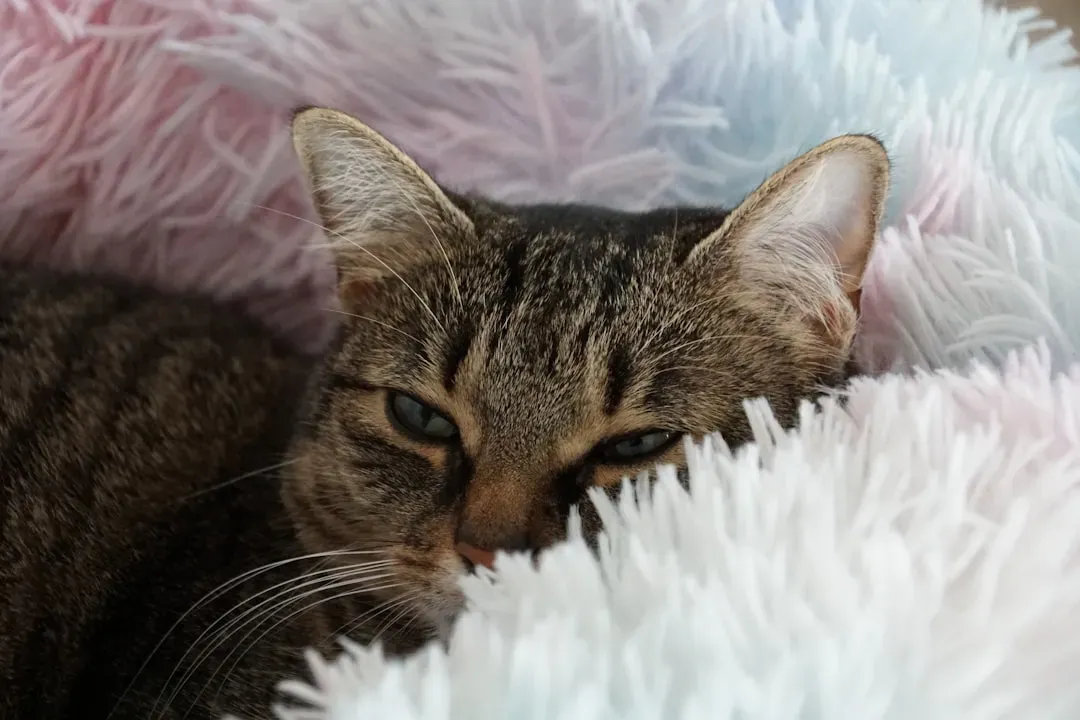
Understanding what annoys your cat isn’t about walking on eggshells around them. It’s about recognizing that they experience the world differently than we do. Their hearing is sharper, their sense of smell more acute, and their need for routine and personal space far more intense. When you adjust your habits to respect these differences, you’re not spoiling your cat; you’re creating a less stressful, more harmonious living environment for both of you.
Honestly, it’s the small changes that make the biggest difference. Scoop that litter box more often. Turn down the volume. Let them approach you for affection instead of forcing it. These adjustments won’t just reduce your cat’s secret annoyance; they’ll strengthen the bond you share. What surprising habit do you think your cat wishes you’d change? The answer might be hiding in their body language right now.