Choosing the perfect feline companion isn’t just about fluffy faces and adorable whiskers. Your personality, lifestyle, and stress levels play a massive role in whether you and your cat will live harmoniously together. If you’re someone who struggles with anxiety or nerves, certain high maintenance breeds might amplify your stress rather than soothe it.
Let’s be real. Some cats are just naturally more demanding than others. They need constant attention, high levels of stimulation, and interaction that can feel overwhelming if you’re already dealing with your own emotional challenges. The wrong match can lead to frustration on both sides, leaving you frazzled and your cat acting out in ways that only make things worse. So let’s dive into which breeds might not be the best fit if you’re prone to feeling anxious or overwhelmed.
Bengal Cats
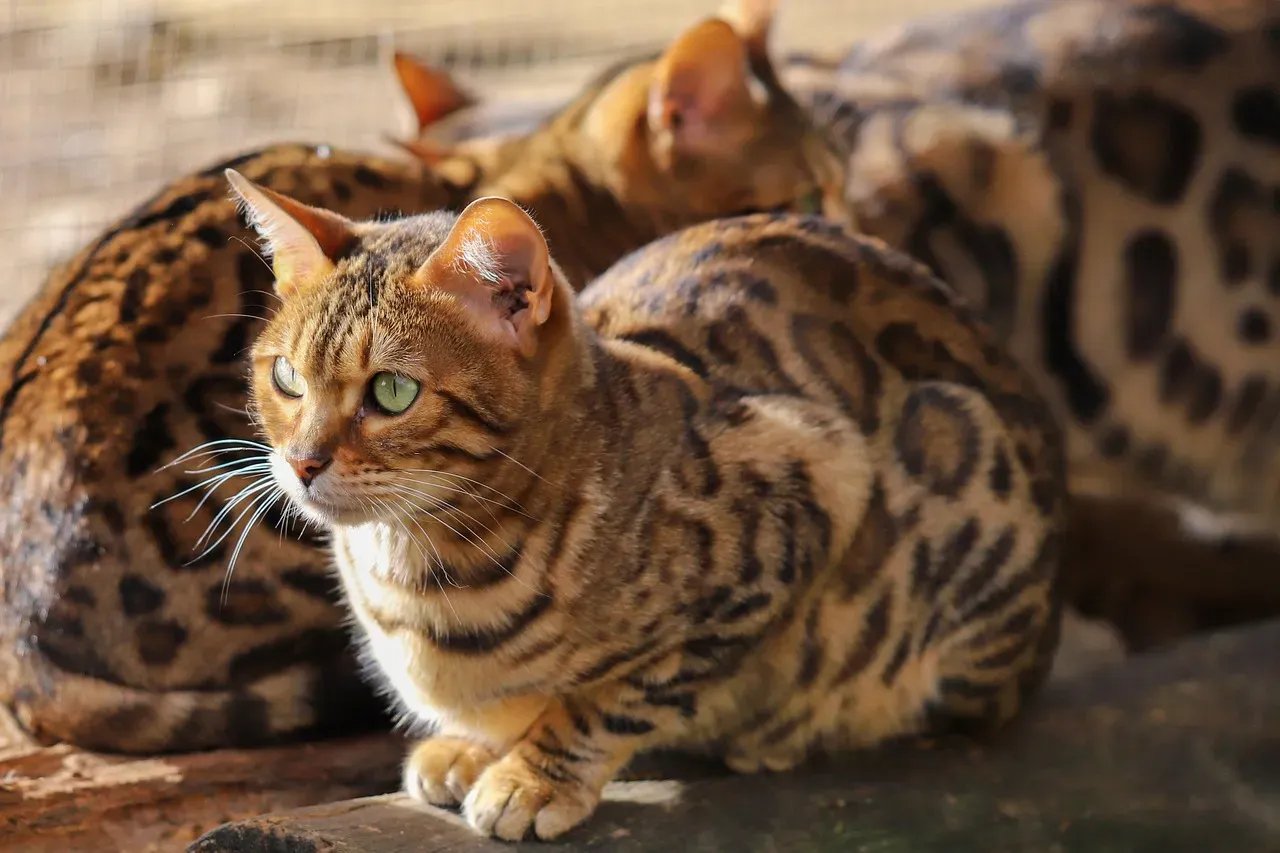
Bengals aren’t for first time cat owners or those seeking a calm companion, as they’re extremely intelligent, curious, and active cats that demand significant interaction. If you don’t provide constant entertainment, you’re asking for trouble. When Bengals become bored, they’re capable of taking things apart to see how they work and opening drawers and cabinets.
Their intelligence and hyperactivity make them more mischievous than many breeds, as they’re highly inquisitive and enjoy getting into drawers and cabinets. Picture coming home to find your carefully organized space in chaos. These cats will resort to aggression when they feel angry, frustrated, or bored, and tend to be hyperactive from birth.
Siamese Cats
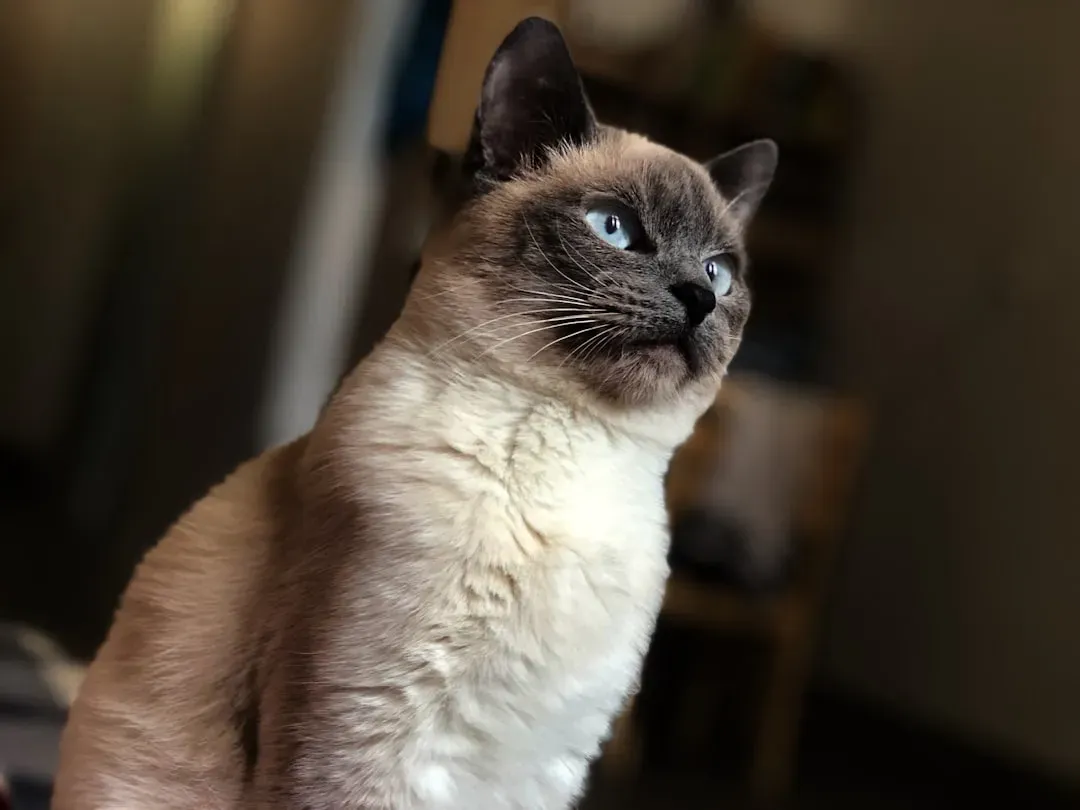
Siamese cats can be challenging for their parents as they’re hyperactive attention seekers prone to jealousy, territorialism, and are extremely vocal when expressing happiness or dissatisfaction. If you already feel on edge, their constant demands can push you over the limit. These felines won’t accept being ignored without putting up a serious fight.
Their attachment can turn into extreme obsession with their human, constantly demanding attention and making working from home challenging as they’ll meow incessantly, nudge you to play, or walk all over your documents and computer. Honestly, if you’re trying to manage your own stress levels, having a cat that literally won’t let you work in peace might not be ideal. When they don’t get the attention they seek, Siamese cats will turn to destructive behavior like knocking things down, scratching furniture, or urinating throughout your home.
Abyssinian Cats
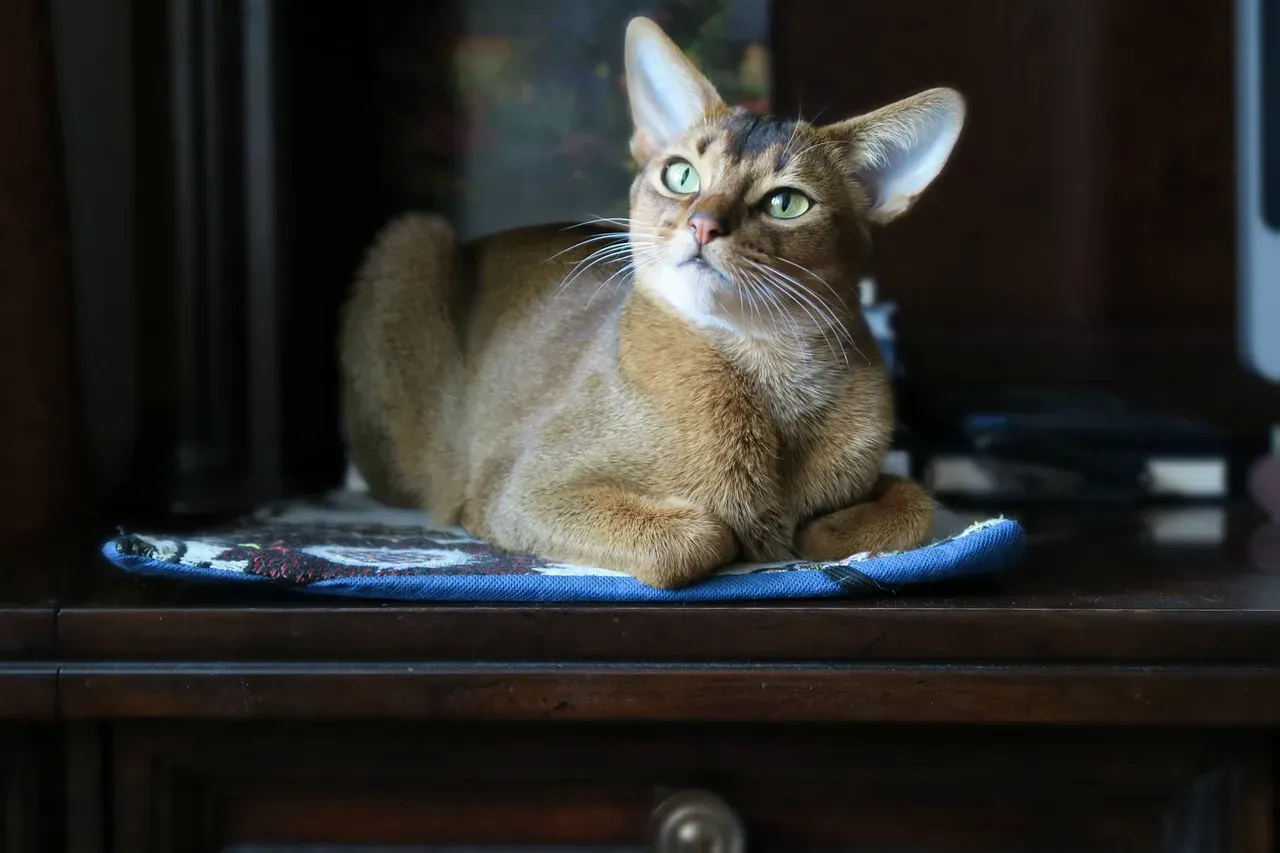
Abyssinians and Bengals always seem to have a lengthy agenda for the day, and because of their need for a job and tireless play, these cats can be more easily excitable. They’re not the type to lounge quietly while you unwind after a stressful day. Instead, they’re climbing curtains and demanding your full participation in their never ending activities.
These athletic cats require constant mental and physical stimulation. If you’re someone who needs quiet time to recharge, an Abyssinian constantly seeking action might drain rather than comfort you. Their energy levels are off the charts, requiring owners who can match their enthusiasm without feeling exhausted or overwhelmed.
Sphynx Cats
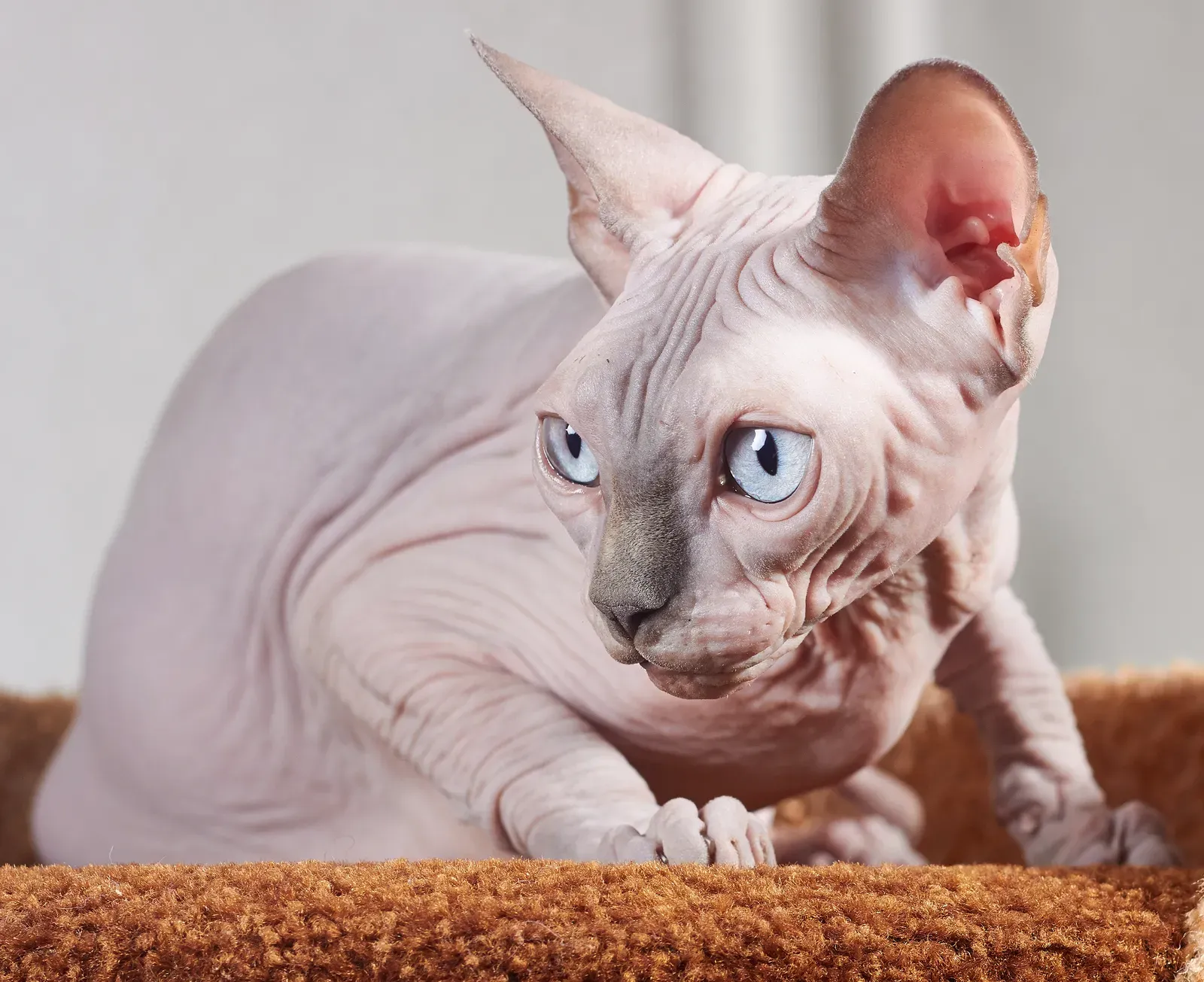
Sphynx cats are very social, active, and devoted, and despite looking moody their personalities are quite the opposite as they’re friendly with other pets, love snuggling, squeak their displeasure if interrupted, and are talkative and constantly hungry. Their neediness is legendary. These hairless wonders demand continuous interaction and aren’t shy about vocalizing their displeasure.
Here’s the thing. Sphynx cats need significantly more care than most breeds due to their lack of fur. They require regular bathing, temperature regulation, and loads of physical contact. For someone already managing anxiety, adding these extensive grooming requirements and constant attention demands can become another source of stress rather than joy.
Devon Rex Cats
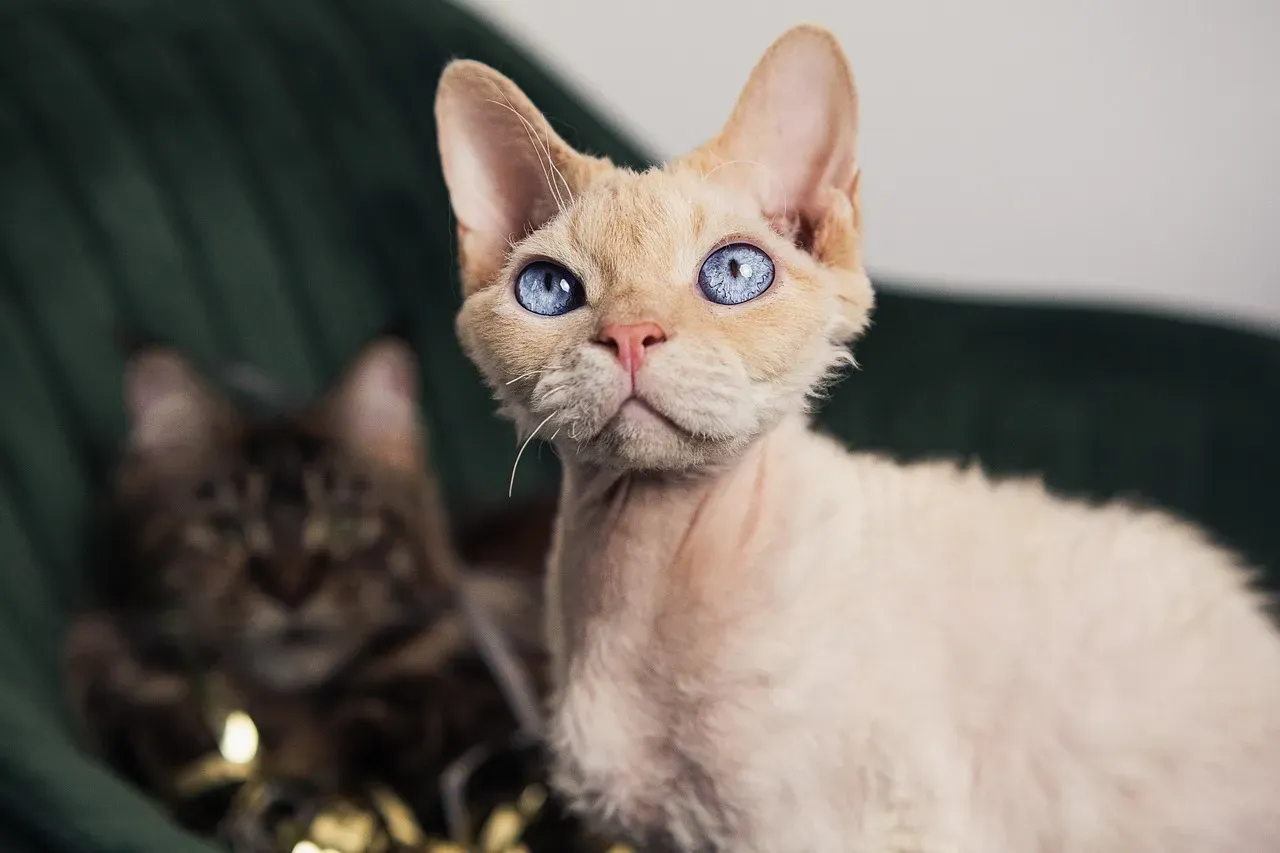
Devon Rex cats are sociable, mischievous, and sweet, highly active and somewhat acrobatic, love to cuddle with their humans and play, keeping you on your feet. Their boundless energy and acrobatic antics mean you’ll never have a dull moment. That might sound delightful, unless you’re someone who craves predictability and calm.
The breed was found to be among the most likely to seek out contact with people and among the most active of felines. They’ll follow you everywhere, insert themselves into every activity, and demand participation in their games. If personal space and quiet time are essential for managing your anxiety, a Devon Rex might feel more like an invasive roommate than a comforting pet.
Ocicat Cats
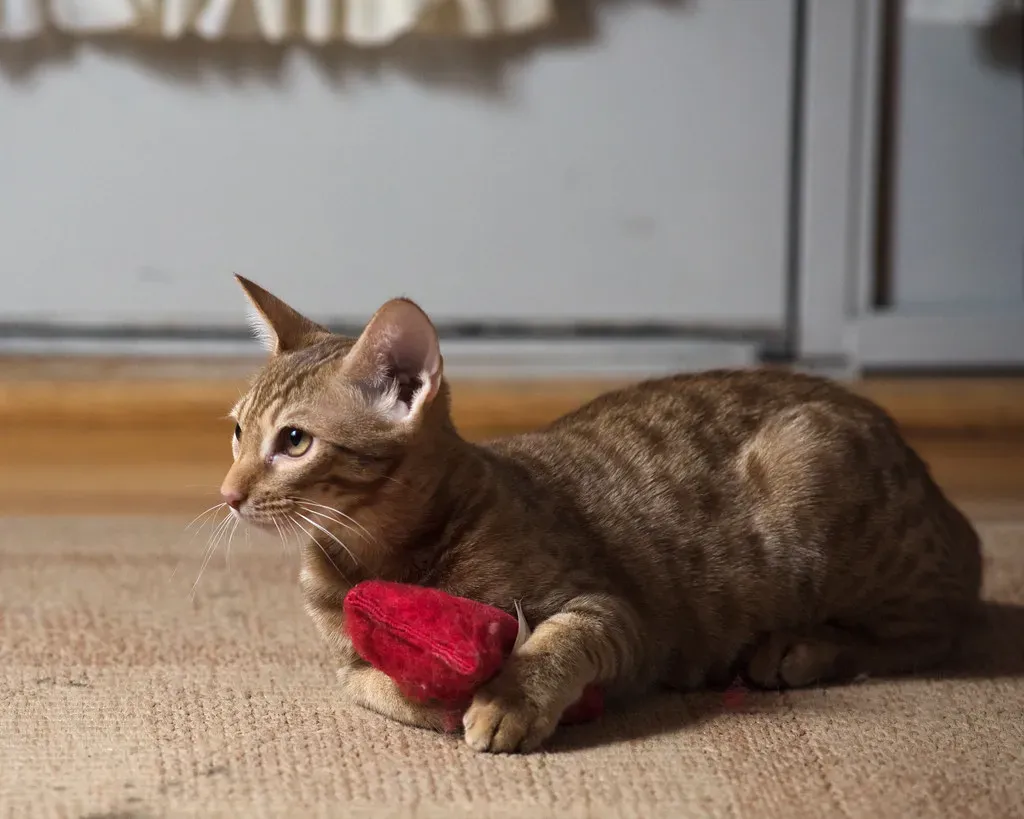
Ocicats feature a slender build and wild looking spots, resemble miniature ocelots but have the personality of a people oriented house cat, are playful, energetic, vocal, and somewhat mischievous, tend to bond strongly with one person in a family, and without consistent enrichment and social interactions can become distressed and destructive. Notice the pattern here? Another breed that becomes destructive when their needs aren’t met.
These cats aren’t content to entertain themselves. They need you, specifically, to be actively engaged with them throughout the day. For anxious owners who might already struggle with meeting their own needs, adding a cat that becomes distressed without constant enrichment creates a cycle of stress that benefits nobody.
Somali Cats
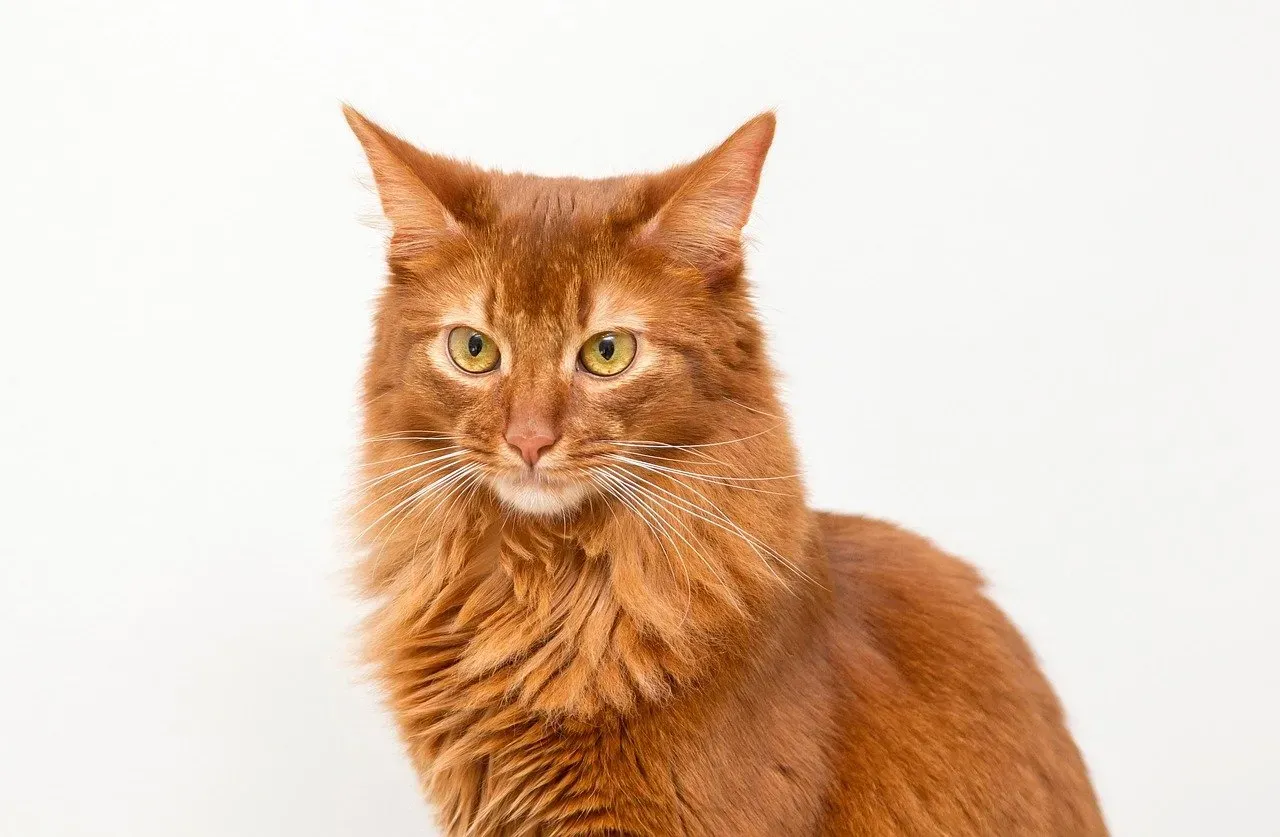
Somalis are fun loving and very active cats that truly love getting attention from their owners, like to be in the company of people, view every new person as a potential playmate, and this highly intelligent breed has a powerful store of energy requiring lots of daily exercise. Their social butterfly nature means they’re constantly seeking interaction and stimulation.
This breed can develop separation anxiety, particularly if they’re the only pet in the house, so it’s a good idea to welcome the Somali into your home if you have other cat friendly pets. That’s an important consideration, yet it also means you might need multiple pets to keep one Somali content. For someone managing anxiety, juggling multiple animals with high energy needs can quickly become overwhelming rather than therapeutic.
Oriental Shorthair Cats
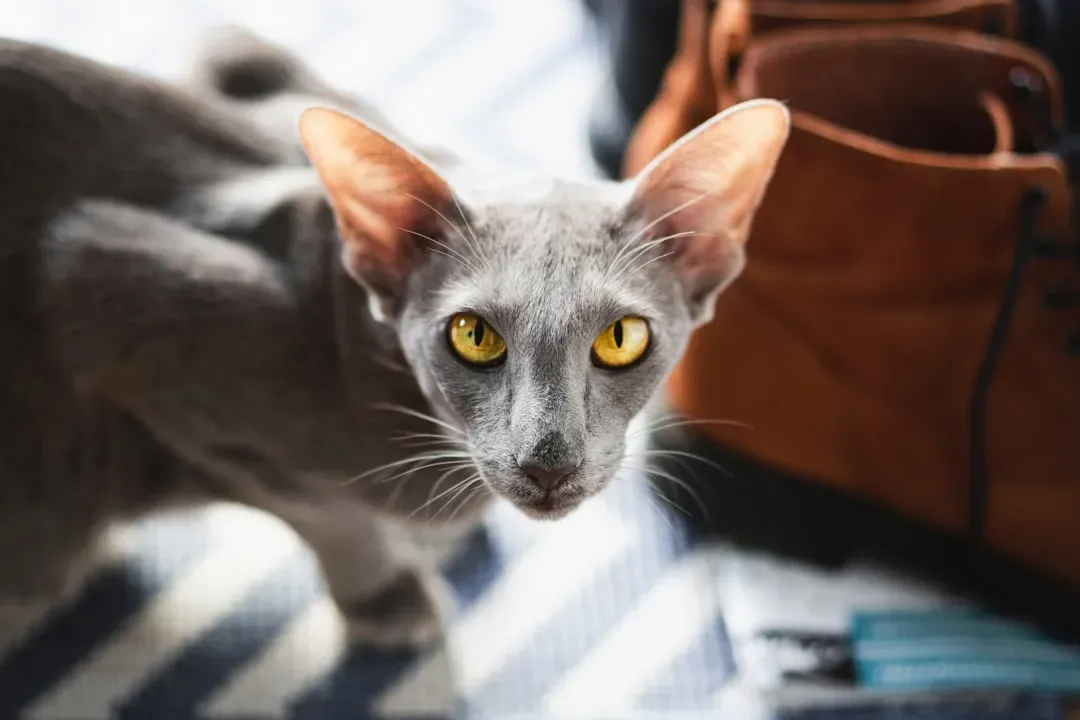
Oriental Shorthairs share many traits with their Siamese relatives, including that distinctive vocal nature. Oriental type breeds like Siamese tend to talk a lot and may be very noisy. If you’re easily overstimulated by noise or need a peaceful environment to manage stress, their constant commentary on everything might push your buttons.
These elegant cats are intensely people oriented and won’t tolerate being second priority in your life. They demand to be involved in everything you do, expressing their opinions loudly if they feel neglected. Their sensitivity to changes in routine can also trigger behavioral issues, which adds another layer of unpredictability for owners who might already feel unsettled.
Burmese Cats
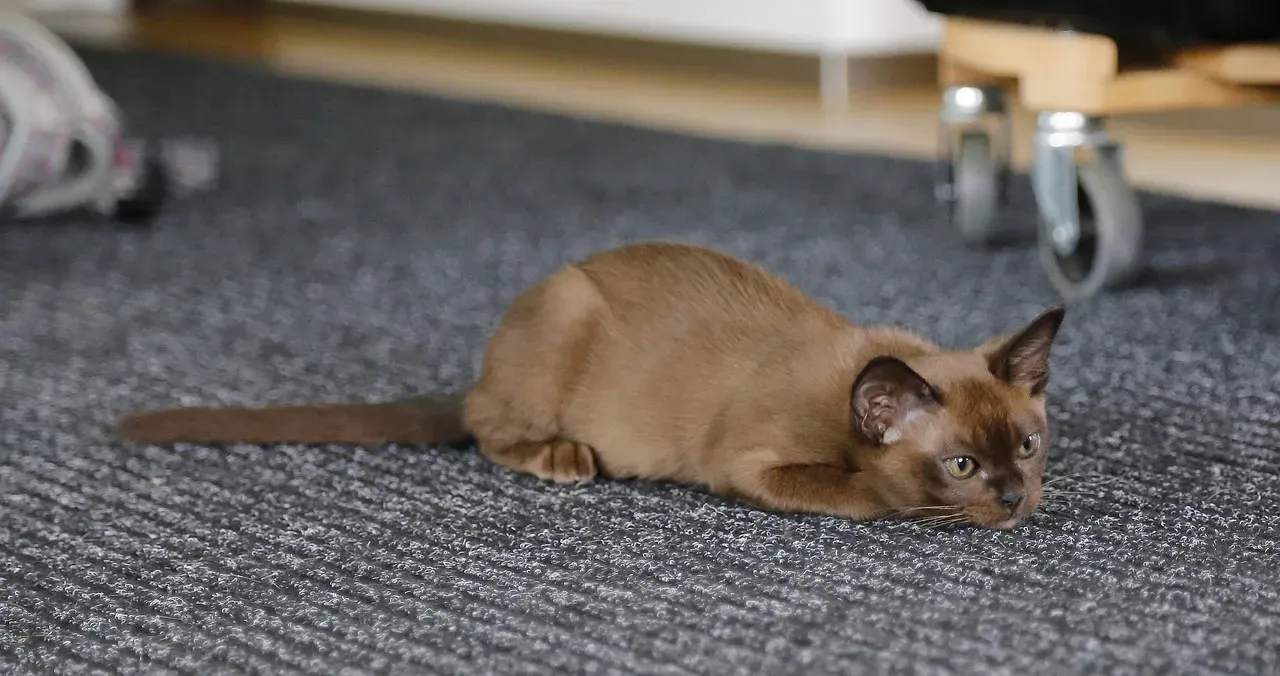
Burmese cats become attached to their family very quickly and are very outgoing. While their affectionate nature sounds wonderful, their intense attachment can border on clingy. Siamese, Burmese and Abyssinian cats may be at higher risk of stress related behaviors.
Their outgoing personality means they’re constantly in your face, wanting attention and interaction. For nervous owners who need space to decompress, having a cat that follows you everywhere and insists on constant engagement can feel suffocating. The pressure to constantly meet their emotional needs might mirror the very anxiety you’re trying to escape.
Scottish Fold Cats

While Scottish Folds are often marketed as calm and sweet, they can actually develop anxiety issues that manifest in challenging ways. Some Scottish Folds can develop anxiety issues, possibly exacerbated by overprotective owners. The breed’s potential for nervousness means they might actually mirror and amplify your own anxious tendencies.
Here’s what’s concerning. If you’re already prone to worry, you might inadvertently create an anxious cat by projecting your own stress onto them. This creates an unhealthy feedback loop where both you and your cat are feeding off each other’s nervous energy. Anxious people and anxiety-prone breeds may not make good matches, as they can escalate rather than calm each other.
Finding Your Perfect Match
Choosing a cat shouldn’t add to your stress levels. It’s perfectly okay to admit that high maintenance, demanding breeds aren’t the right fit for your lifestyle and mental health needs. Calmer, more independent breeds like Ragdolls, British Shorthairs, or even mixed breed rescue cats might offer the companionship you crave without the overwhelming demands.
The key is honest self assessment. Can you truly provide hours of daily interactive play? Will constant vocalization soothe or stress you? Do you have the emotional bandwidth for a cat that becomes destructive when bored? Your answers matter more than how gorgeous a particular breed looks. Remember, the goal is finding a companion that enriches your life rather than complicates it. What type of cat personality do you think would best complement your lifestyle? Sometimes the quieter, more laid back felines make the most profound impact on our wellbeing.