You’ve probably heard people say cats are independent creatures who practically take care of themselves. Well, here’s the thing: that’s only partially true. Some feline companions truly do embody that easygoing, self-sufficient vibe, while others demand your attention, time, and sometimes even your patience. If you’re thinking about welcoming a whiskered friend into your home, or if you’re simply curious about which breeds fit your lifestyle, you’re in the right place.
Let’s be real. Choosing the right cat isn’t just about picking the cutest face at the shelter or falling for those mesmerizing eyes. It’s about understanding temperament, grooming needs, health considerations, and how much attention your potential furry companion will need from you. The journey to finding your perfect feline match starts with understanding the differences between low-maintenance and high-maintenance breeds. So let’s dive in.
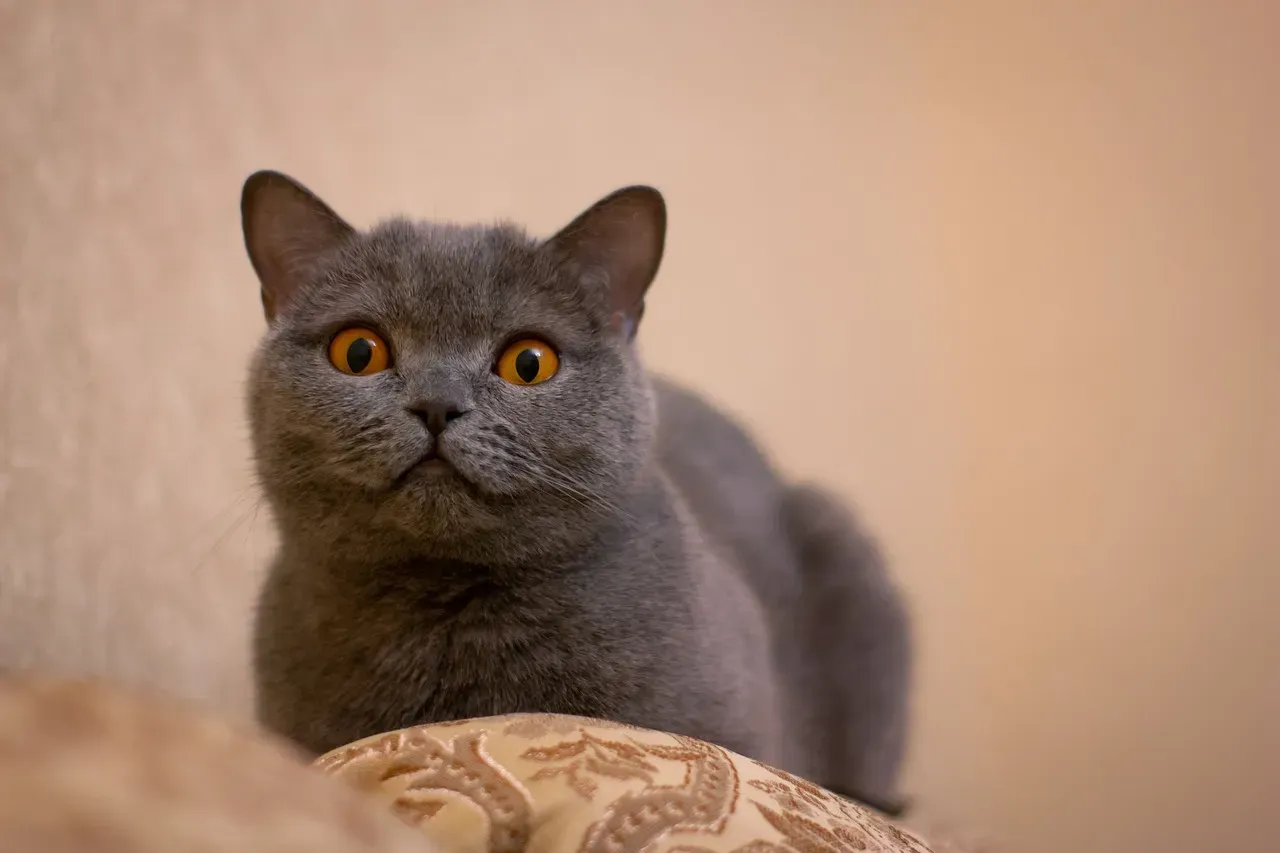
British Shorthair: The Laidback Companion
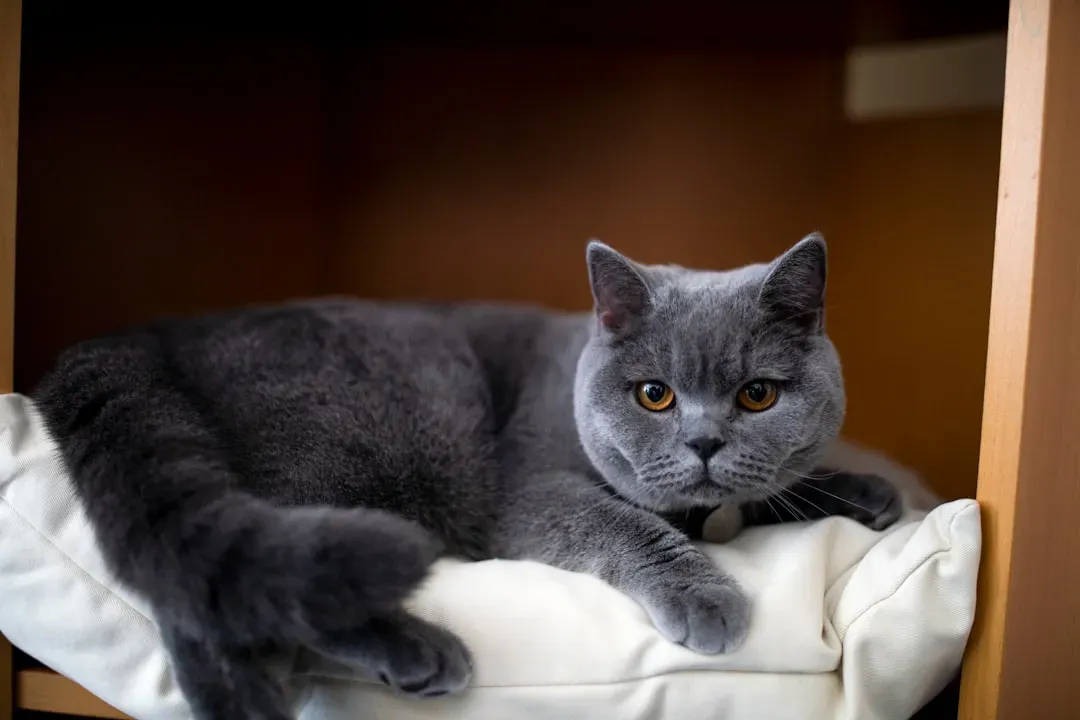
British Shorthairs are generally healthy and robust cats with fewer genetic health issues than many other breeds, making them an ideal choice if you’re looking for a worry-free companion. The breed’s short, dense coat is easy to maintain, and a weekly combing should be sufficient to remove dander and debris. Their plush appearance might fool you into thinking they need constant grooming, but honestly, they’re pretty self-sufficient.
Affectionate but not needy, the British Shorthair may be your ideal companion, especially if you are looking for low maintenance cats able to amuse themselves and stay out of trouble while you’re away from home. I think that’s what makes them so special for busy households. They won’t follow you around demanding attention every second, yet they’ll happily curl up beside you when you’re ready for some quality time. Their temperament strikes that perfect balance between companionship and independence.
American Shorthair: The All-American Easy Cat
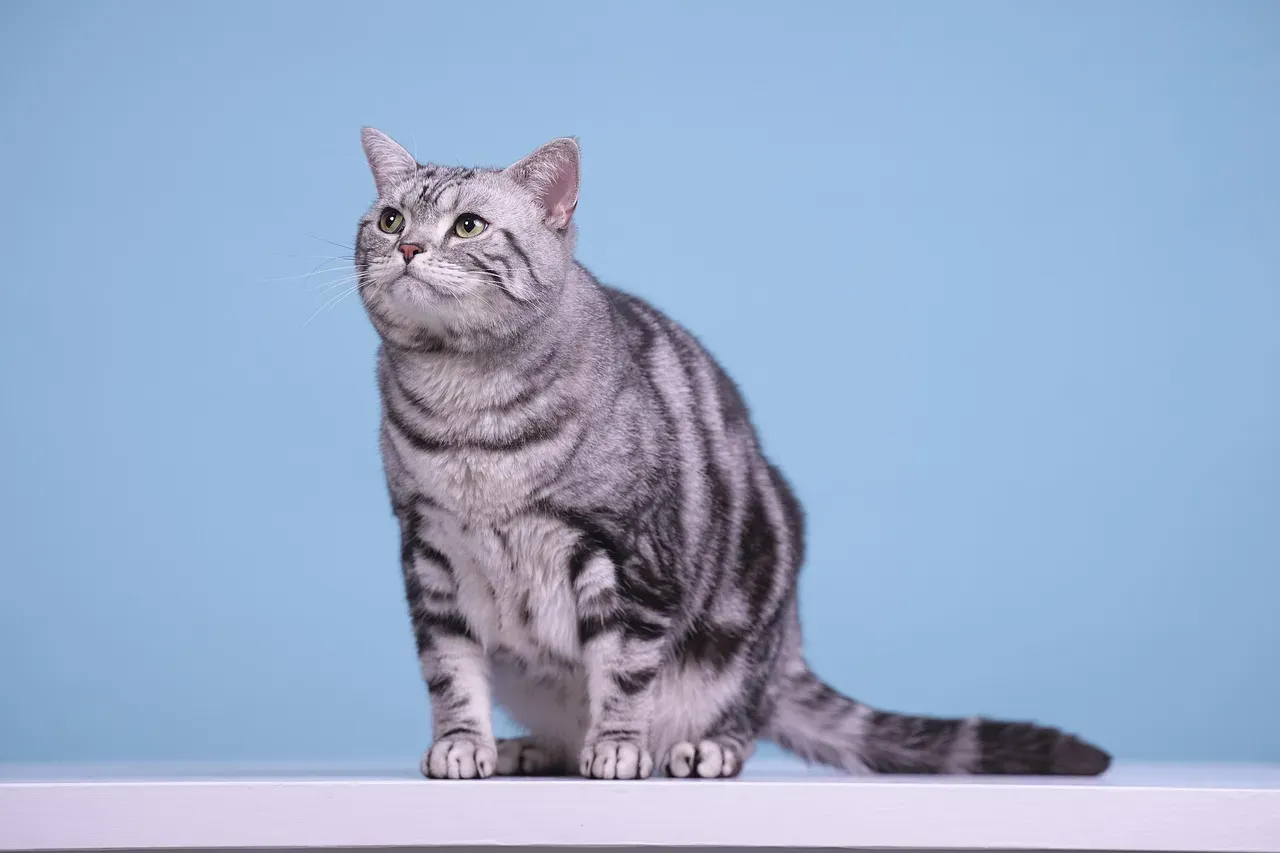
The American Shorthair is often considered a low-maintenance cat breed, known for their robust health, easy-going temperament, and short, easy-to-care-for coat. They’re the kind of cat that fits seamlessly into almost any home situation, whether you’re single, have a family, or are a senior looking for a gentle companion.
American Shorthairs are known for their robust health, friendly demeanor, and low-maintenance coats, and they’re an excellent choice for families, singles, and people with busy schedules. What I find particularly appealing is their adaptability. They don’t demand constant interaction, which means they’re content entertaining themselves when you’re working those long hours. Their resilience and fewer genetic health concerns make them an excellent choice for first-time cat owners too.
Russian Blue: The Reserved Beauty
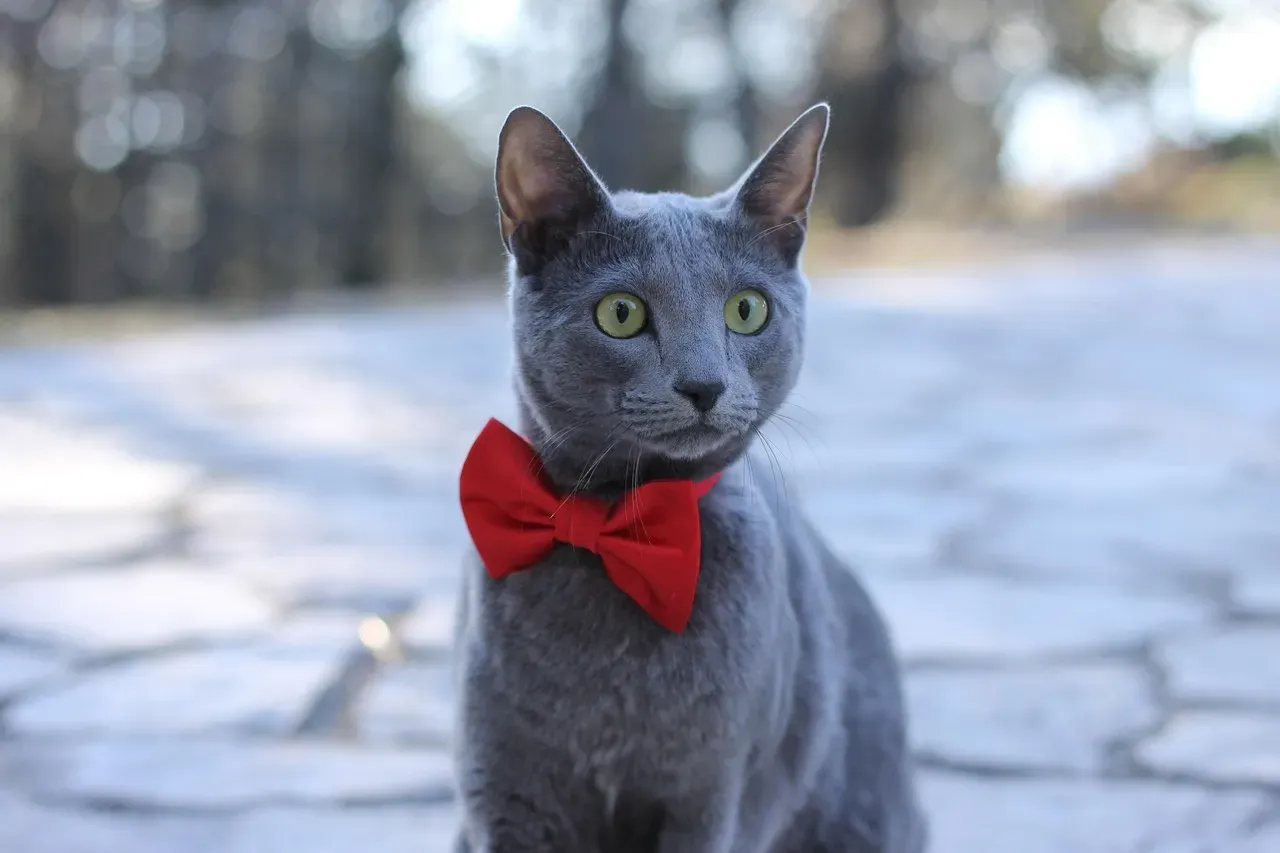
The Russian Blue is honestly one of those cats that seems almost too perfect. Known for their shimmering blue coat and striking green eyes, Russian Blues are not only beautiful but also very low-maintenance, reserved, often shy around strangers, but loyal to their family. Their gorgeous appearance doesn’t come with a high-maintenance price tag, which is refreshing.
Their independence means they can happily co-exist with minimal care, and the Russian Blue also has excellent health. I know it sounds crazy, but they really do seem to have won the genetic lottery. The breed is thought to have naturally emerged rather than selectively bred into existence, which gives them a genetic health advantage. Their calm demeanor and minimal grooming requirements make them perfect for anyone seeking a beautiful yet undemanding feline friend.
Maine Coon: The Gentle Giant with Surprising Ease
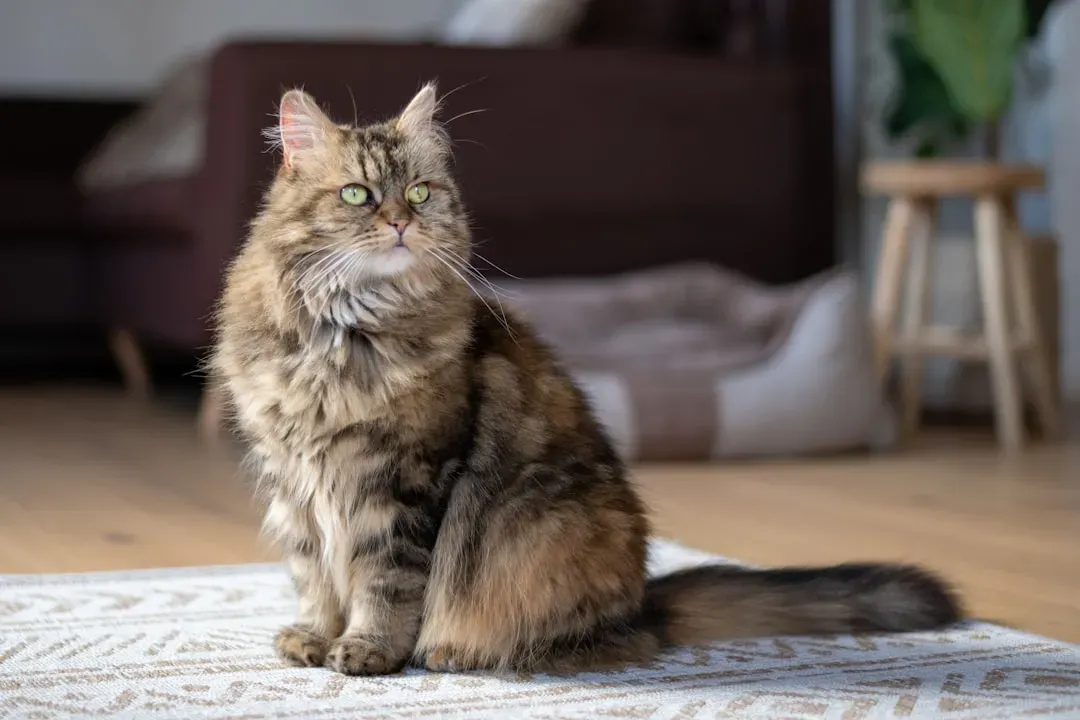
You might look at a Maine Coon and think there’s no way such a massive, fluffy cat could be low-maintenance. Surprisingly, you’d be wrong. The Maine Coon Cat has a silky and somewhat oily coat that is not dense and its upkeep is much easier than that of other longhaired breeds, with the coat being almost self-maintained but requiring occasional grooming. Their coat texture actually works in your favor.
These “gentle giants” are independent and not overly demanding of attention, making them suitable for busy owners, as they enjoy interaction but their independent nature means they are perfectly happy entertaining themselves for hours on end. Despite their impressive size, they’re remarkably gentle and patient, especially with children. Yes, you’ll need to brush them regularly, but not daily like some other long-haired breeds. That’s a huge difference when you’re juggling a busy schedule.
Ragdoll: The Relaxed Cuddle Bug
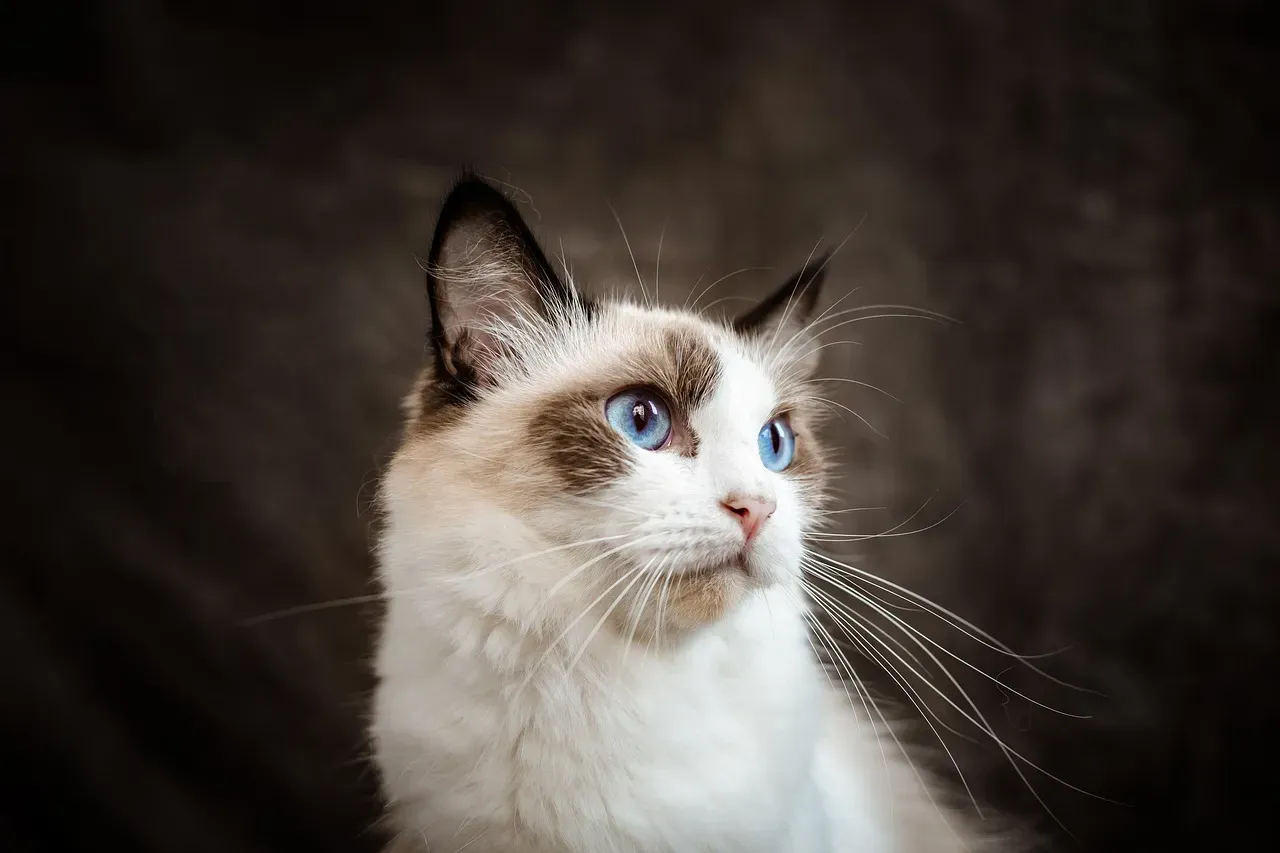
Ragdolls are well-loved for their laid-back and docile attitudes, their gentle nature makes them an excellent pick for families and children, and their name hailed from their willingness to be picked up, often going limp in your arms to be contently cradled like a baby. If you’ve ever held one, you know exactly what that means. They literally go floppy, which is both adorable and completely endearing.
While Ragdolls show off a stunning, long coat, the coat care is relatively simple. Their fur doesn’t mat as easily as other long-haired breeds, so you won’t be fighting tangles constantly. They’re social without being needy, playful without being destructive, and their temperament makes them one of the easiest breeds to live with, even if you have young children or other pets.
Siamese: The Independent Communicator
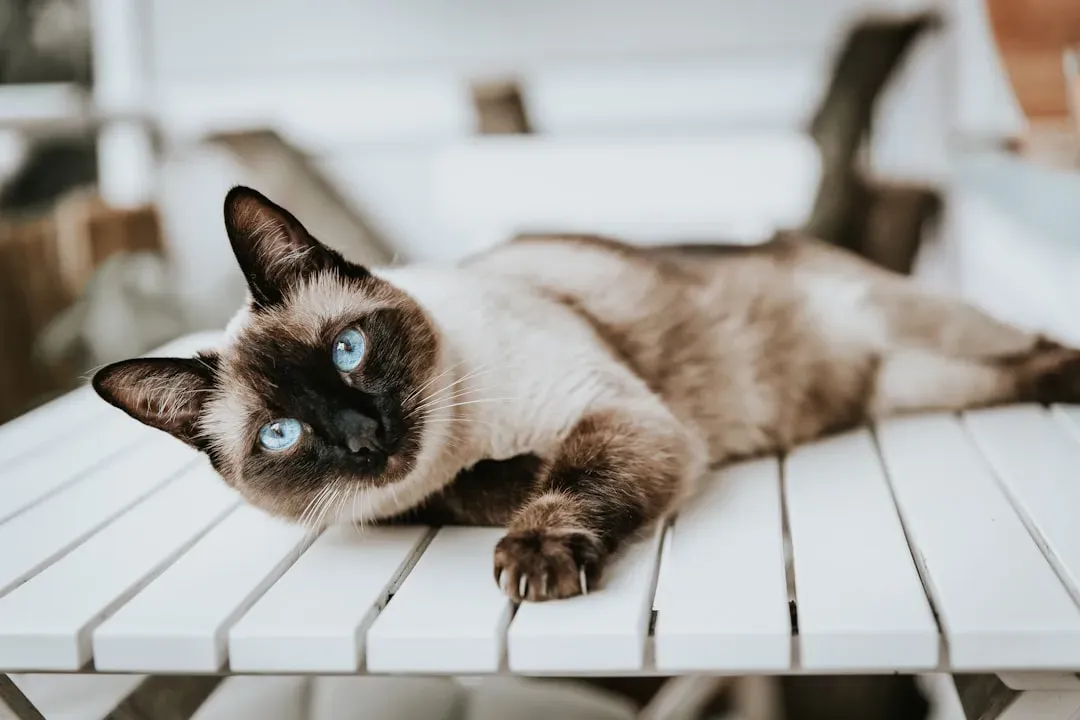
Siamese cats are known for their vocal nature and need for interaction, with their short coat requiring minimal grooming. Let’s be honest, they will talk to you. A lot. Their chattiness is part of their charm, though it’s not for everyone.
Their sleek coat means grooming is a breeze compared to fluffier breeds. They’re intelligent and curious, which means they’ll entertain themselves quite happily as long as they have mental stimulation. Just make sure you’re prepared for their vocal conversations because they definitely have opinions they want to share with you.
Bombay: The Miniature Panther
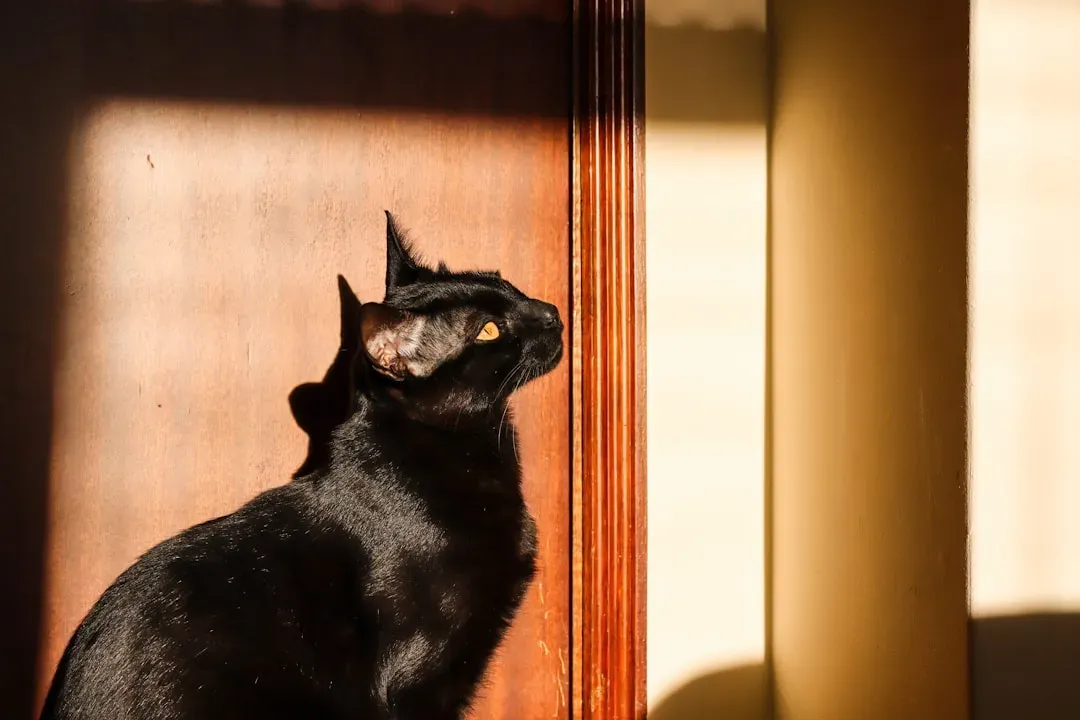
This gorgeous breed emerged when Burmese and American Shorthair were intentionally bred to create a “miniature panther,” and the Bombay is a lovely, low-maintenance house cat. Their striking appearance with that glossy black coat and those golden eyes is absolutely captivating.
Their short coat is very tight and sheds very little so it does not need much maintenance. While they do have higher energy than some breeds, their grooming needs are minimal, and their overall health is robust. They’re social and friendly, adapting well to busy households and getting along with both children and other pets. A quick brush once a week and some interactive playtime, and they’re happy campers.
Birman: The Serene Beauty
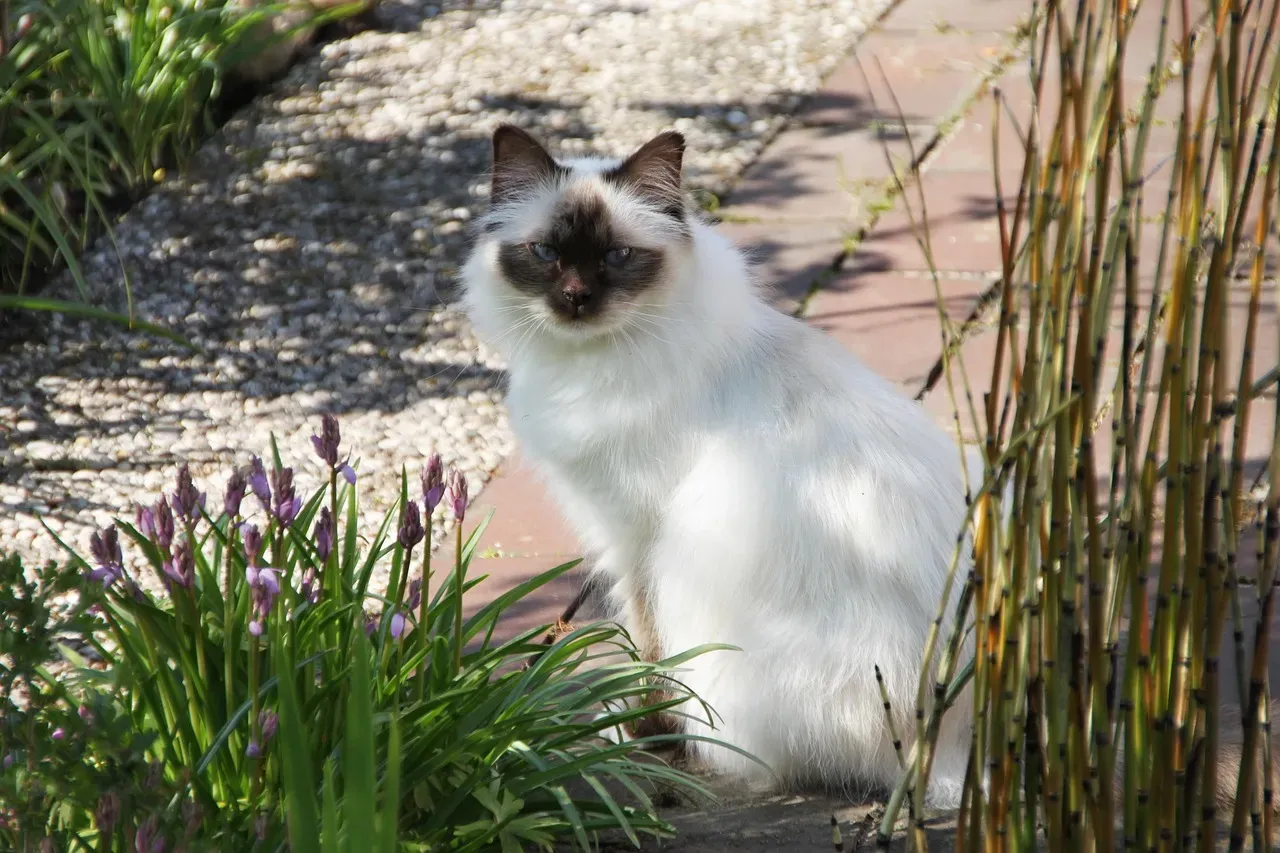
The Birman breed is easy to handle and makes an ideal pet due to its quiet and gentle, yet social, nature, and the Birman is sociable, gentle, quiet, loving, and companionable. Their stunning appearance with those blue eyes and color-pointed features makes them look high-maintenance, but they’re surprisingly easygoing.
Their long, silky coat doesn’t mat easily like other long-haired breeds, which means grooming is far less intensive than you’d expect. They’re affectionate without being clingy, playful without being hyperactive, and they generally get along well with everyone in the household. It’s hard to say for sure, but I think their calm temperament is what really sets them apart from other long-haired breeds.
Burmese: The Devoted Shadow
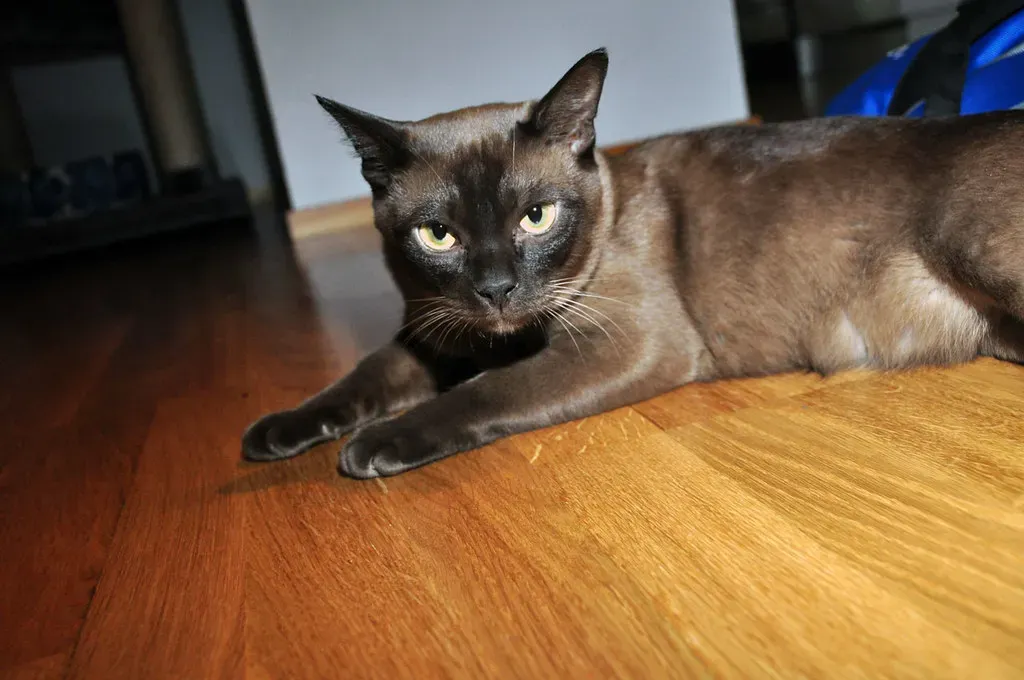
Burmese is a spunky wee cat breed, these saucer-eyed cuties are highly intelligent, playful, and social, and their unique personalities will bring endless fun into your life with their devoted nature offering true companionship. They’re the kind of cat that genuinely wants to be involved in everything you do.
Their soft coat is very low maintenance with minimal shedding, and they have seasonal sheds that are much lighter than many other cat breeds. The caveat here is that they don’t like being alone for extended periods, so they’re best suited for someone who’s home often or has other pets to keep them company. Their grooming requirements are minimal, making them easy to maintain physically, even if they’re a bit more emotionally demanding.
European Shorthair: The Uncomplicated Classic
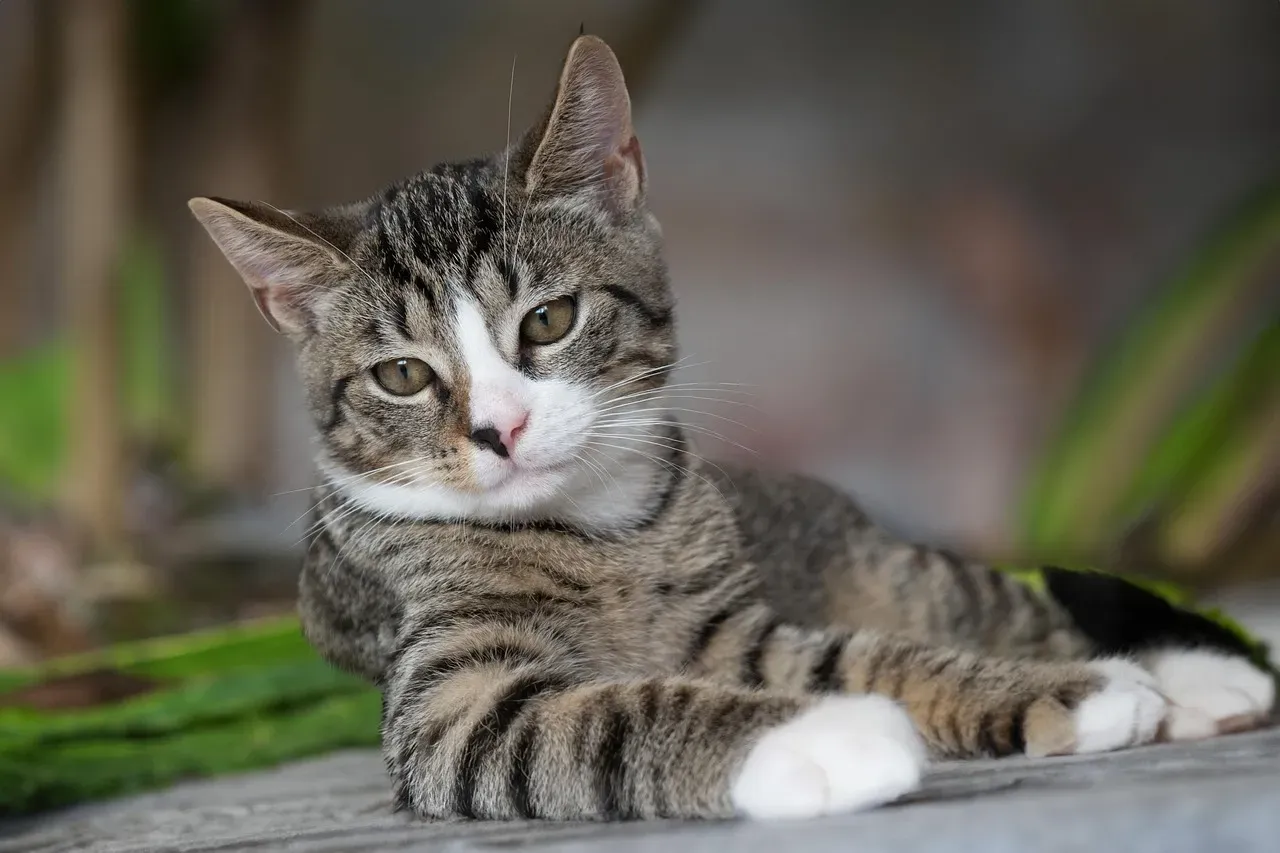
The humble European Shorthair is a superb choice for those looking for a simple and easy-care cat breed, coming with all the lovable cat qualities, with no extra hassle or special care, and their coat is short and regular, with average amounts of shedding. They’re basically the definition of a no-fuss cat.
These cats are straightforward in every way. They’re healthy, adaptable, and don’t come with the complicated health issues sometimes seen in more heavily bred pedigree cats. Their moderate energy levels mean they’re active enough to be entertaining but not so hyperactive that they’re exhausting. For anyone wanting a classic cat experience without complications, the European Shorthair delivers exactly that.
Persian: The High-Maintenance Diva
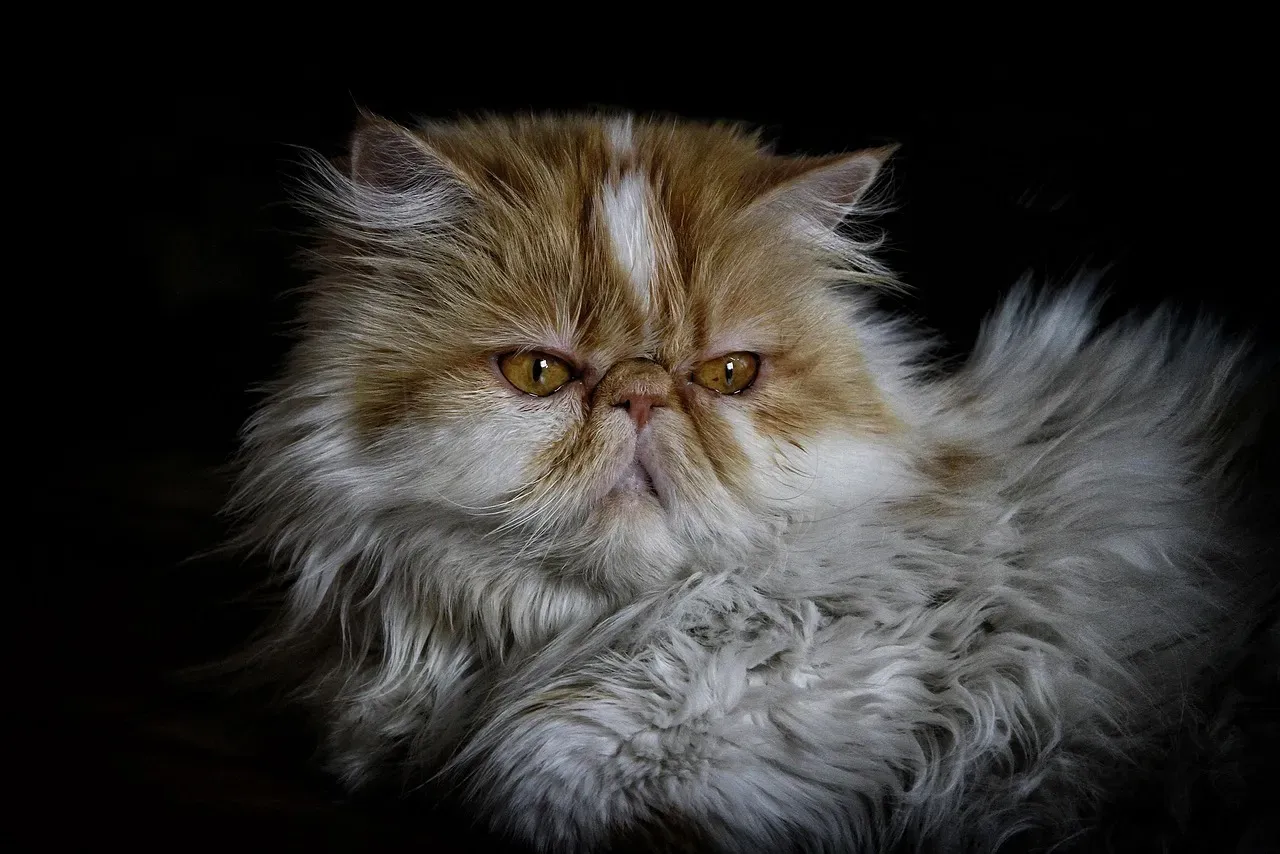
Now we’re moving into the territory of breeds that, while absolutely beautiful and loving, require significantly more care. One of the Persian’s most beautiful facets is their long, lavish coat with a soft, dense undercoat, and this stunning coat requires daily grooming, with their short snouts making them known to struggle with keeping clean. There’s no getting around it – Persians need daily attention.
Persians are prone to a host of health issues, from kidney and heart conditions to brachycephalic airway syndrome, and because of their short, flatter face, Persian cats struggle to breathe properly, with many getting short of breath quickly. Their facial structure creates ongoing care requirements, including regular eye cleaning and monitoring for respiratory issues. They’re gentle and affectionate, but you need to be fully prepared for the commitment they require.
Himalayan: The Demanding Beauty

This popular pet requires daily grooming as the short, dense undercoat and long, luscious top coat can easily mat and they’re heavy shedders too, and Himalayans can be prone to breathing difficulties that need careful management, as well as misaligned teeth and eye conditions. They’re essentially Persians with Siamese coloring, which means they inherit many of the same challenges.
Their flat faces create the same respiratory concerns as Persians, and their grooming requirements are equally intensive. Daily brushing is non-negotiable unless you want to deal with painful mats and tangles. They also need regular facial cleaning to prevent skin fold infections. While they’re sweet-tempered and make wonderful companions, they’re definitely not for someone looking for an easy-care cat.
Sphynx: The Paradoxical Hairless Challenge
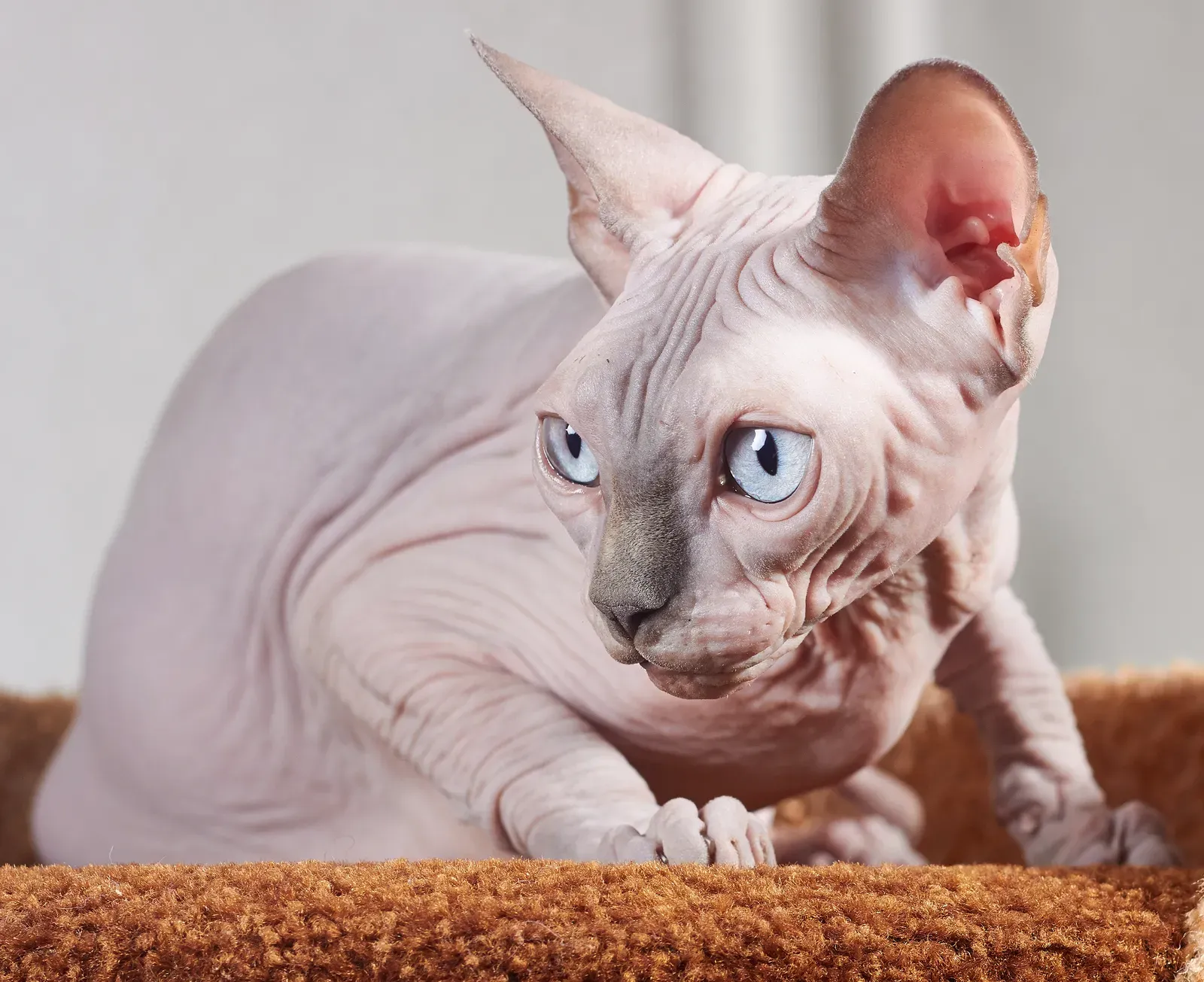
You might think a hairless cat would be the easiest to maintain, right? Wrong. While Sphynx are considered low maintenance due to their absence of shedding, this breed does require specific care that can make them more high maintenance in some ways than their fluffier counterparts, as without fur, Sphynx cats need regular bathing to remove the buildup of oils on their skin. Their lack of fur actually creates unique challenges.
They are more sensitive to temperature extremes due to their lack of fur, owners must ensure they are kept warm in cold weather and protected from sunburn in summer, and Sphynx cats are very social and demand a lot of attention and interaction from their pet parents. They need weekly baths, temperature regulation, frequent ear cleaning, and constant companionship. They’re incredibly affectionate and entertaining, but they’re far from low-maintenance despite their lack of fur.
Norwegian Forest Cat: The Fluffy Challenge
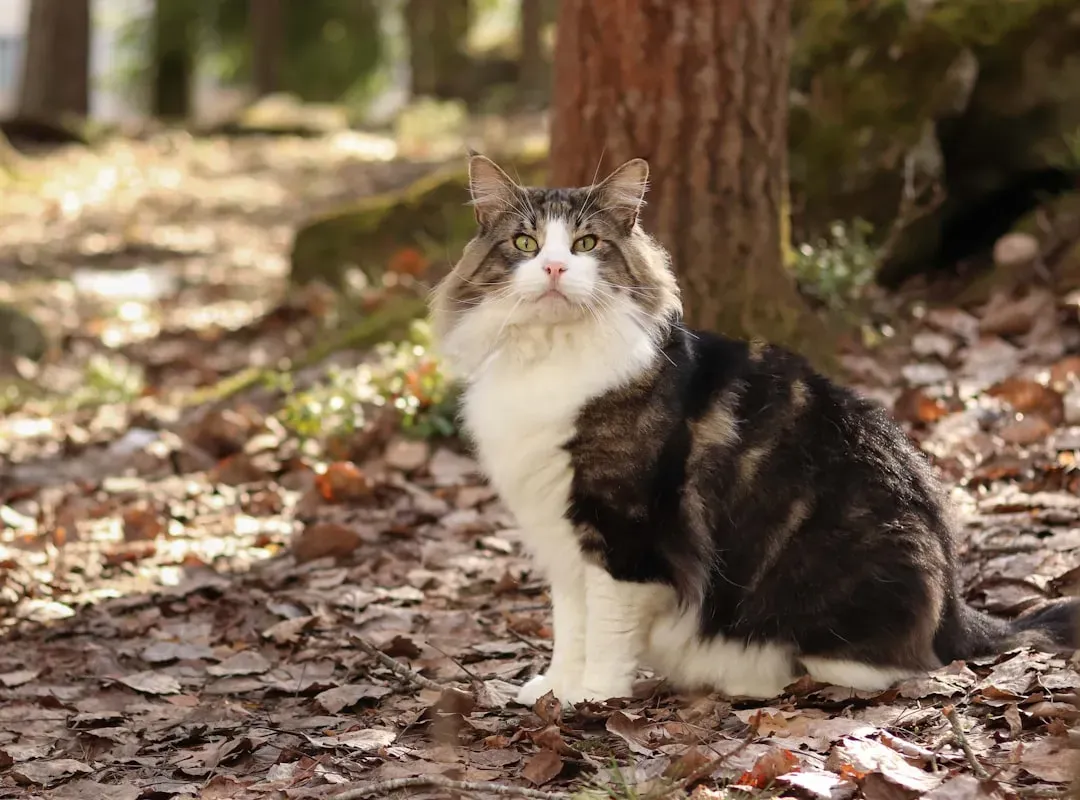
The Norwegian Forest Cat has a long, dense coat to protect itself from the harsh Norwegian winters, with the coat having a water-repellant top layer with a thick, woolly undercoat, and the breed requires weekly or every-other-day brushing to prevent mats and tangles from forming. Their impressive coat is designed for harsh climates, which means it’s thick, dense, and prone to matting.
Regular grooming sessions are essential to keep their coat healthy and prevent painful tangles. They’re social and intelligent cats, which is wonderful, but their grooming requirements put them firmly in the high-maintenance category. If you’re prepared for the regular brushing commitment, they make fantastic companions, but don’t underestimate how much time their coat care requires.
Scottish Fold: The Controversial Cutie
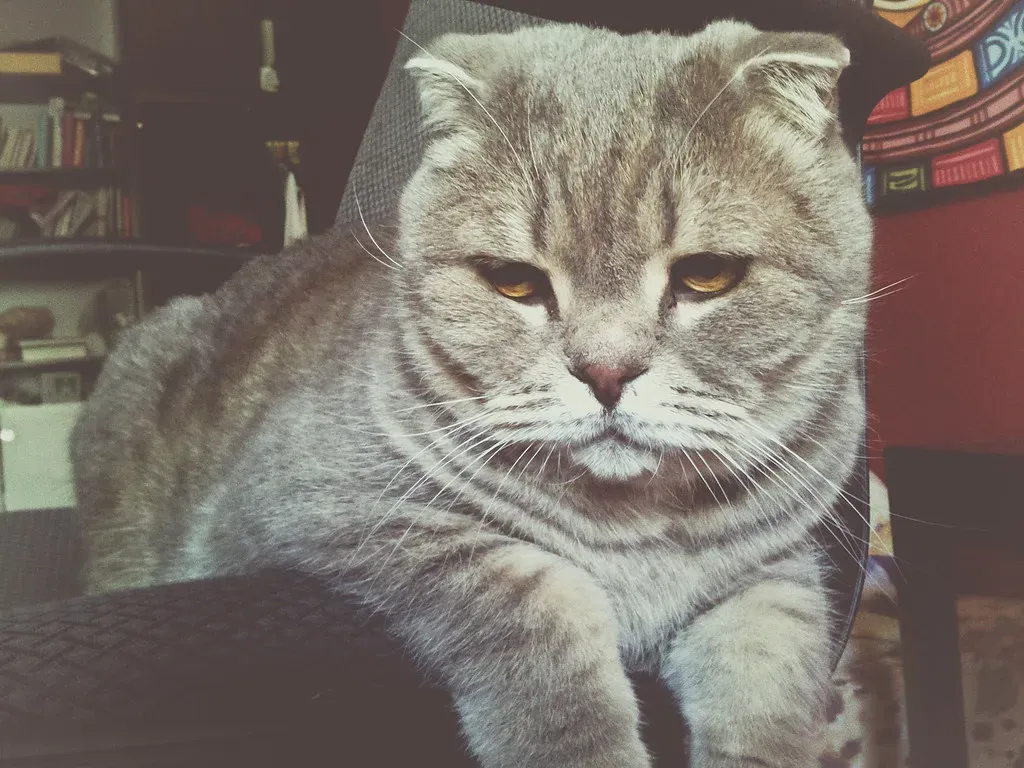
Scottish Folds are undeniably adorable with their distinctive folded ears, but that cuteness comes with serious concerns. The prevalence of osteochondrodysplasia in Scottish Folds is linked to some controversy surrounding the breed at large, and critics, including veterinarians and animal welfare organizations, argue that breeding cats for a trait that can lead to such health issues is unethical, raising concerns about the welfare of these cats who may suffer from chronic pain and mobility problems.
Their genetic predisposition to joint and cartilage problems means they may require ongoing veterinary care, pain management, and careful monitoring throughout their lives. While they’re friendly and adaptable cats, the ethical concerns and potential health complications make them a challenging choice that requires serious consideration and commitment.
Conclusion
Choosing the right cat breed really comes down to being honest with yourself about your lifestyle, time availability, and willingness to commit to specific care requirements. Low-maintenance breeds like British Shorthairs, American Shorthairs, and Russian Blues offer wonderful companionship without demanding excessive grooming or attention. Meanwhile, breeds like Persians, Himalayans, and Sphynx cats require daily care that can be both time-consuming and financially demanding.
The most important thing is matching your choice to your actual circumstances, not just your ideal fantasy of cat ownership. A high-maintenance breed can be absolutely rewarding if you have the time and resources, but choosing one when you’re constantly busy will leave both you and your cat frustrated. What surprised you most about these breeds? Did any of the high-maintenance cats catch you off guard?