You’ve probably heard it a thousand times: cats are cold, independent, and only tolerate you because you fill their food bowl. Honestly? That’s one of the biggest myths in the pet world. Anyone who has curled up on a couch with a purring cat knows there’s something genuinely deep going on there, something that goes way beyond a transactional food exchange.
The science is catching up to what devoted cat owners have always felt in their bones. Researchers are discovering that the bond between you and your cat is not just real – it’s remarkably layered, emotionally nuanced, and in many cases, lifelong. So let’s get started, because what you’re about to read might completely change the way you see that creature staring at you right now.
When Your Cat Turns Into a Tiny Alarm Clock After You’ve Been Away
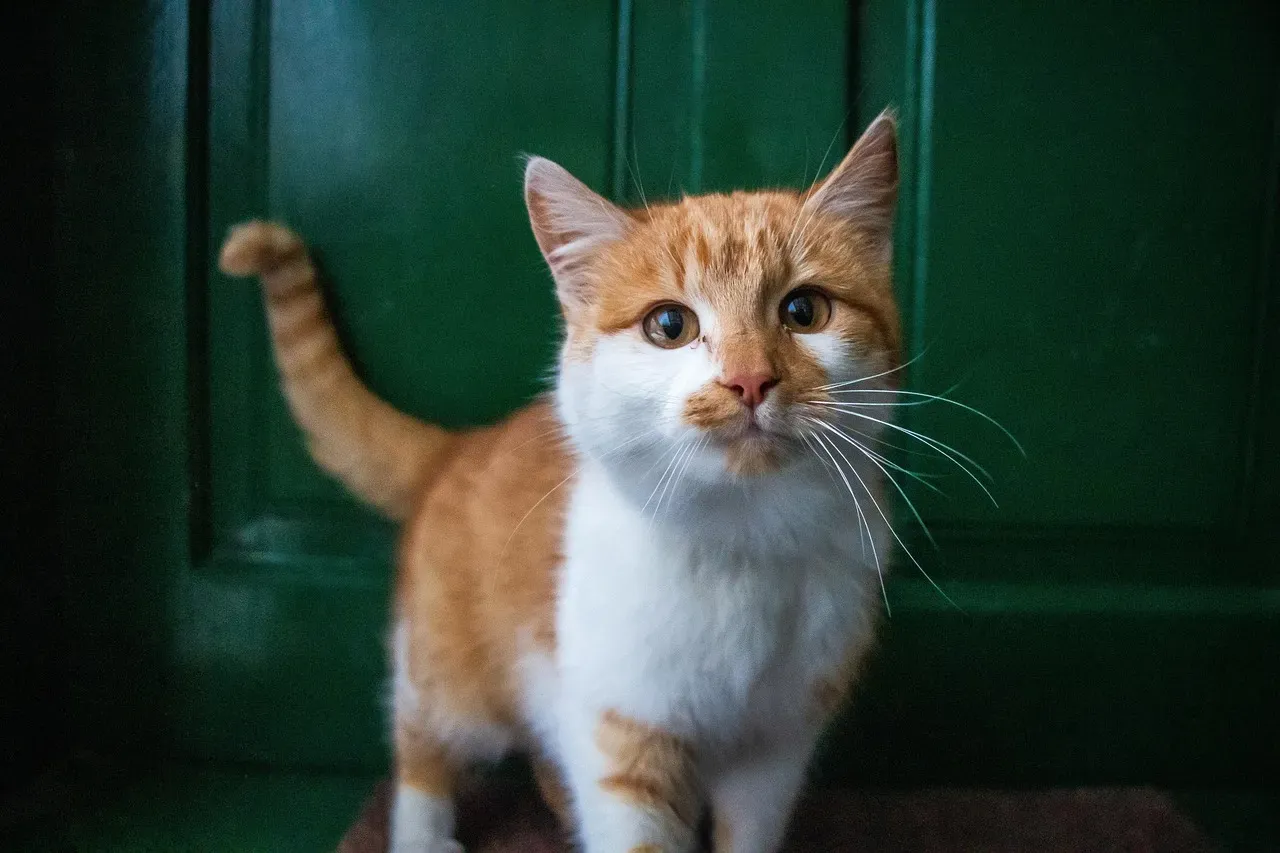
You’ve been gone for a few days, maybe a work trip or a weekend away. You walk through the door, drop your bag – and there they are, waiting. Not because dinner is late. They were simply waiting for you. This kind of greeting hits differently when you understand what’s really happening underneath it.
A recent study discovered that felines care more about humans and use them as a source of comfort to feel secure once they are distressed. Your absence genuinely unsettles them. If your cat runs to greet you as soon as they hear your key in the door, you can be sure that they love you. That running, that chirping, that immediate headbutt at shin level – that’s not habit. That’s relief.
The Slow Blink That Says More Than Words Ever Could
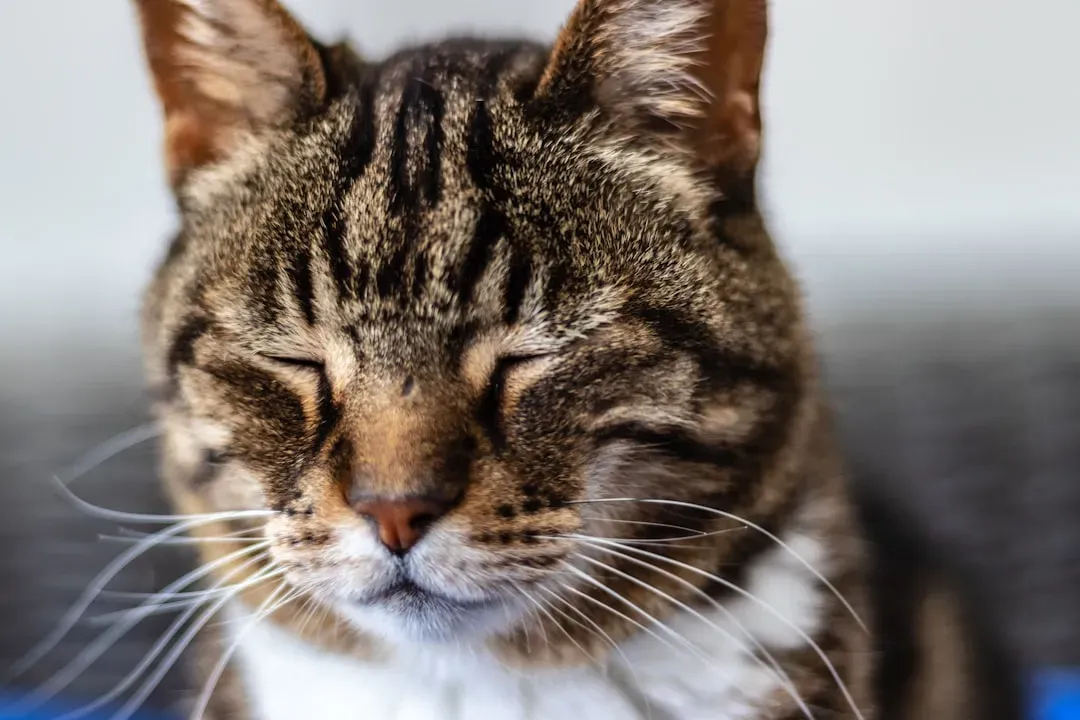
There’s a moment, quiet and easy to miss, when your cat catches your eye from across the room and just… blinks. Slowly. Almost lazily. I know it sounds crazy, but that unhurried flutter of the eyelids is essentially your cat saying “I love you” in feline. It’s one of the most emotionally intimate things they can do.
Research suggests slow blinks are associated with a positive emotional state and can be a sign of trust, contentment, and affection, similar to a human smile. Here’s the beautiful part: research has even found that if you initiate slow blinks or kitty kisses, your cat is more likely to approach you and seek out attention. So your cat isn’t just responding to you – they’re having a conversation with you, one tender blink at a time.
When They Knead You Like You’re the Safest Place on Earth
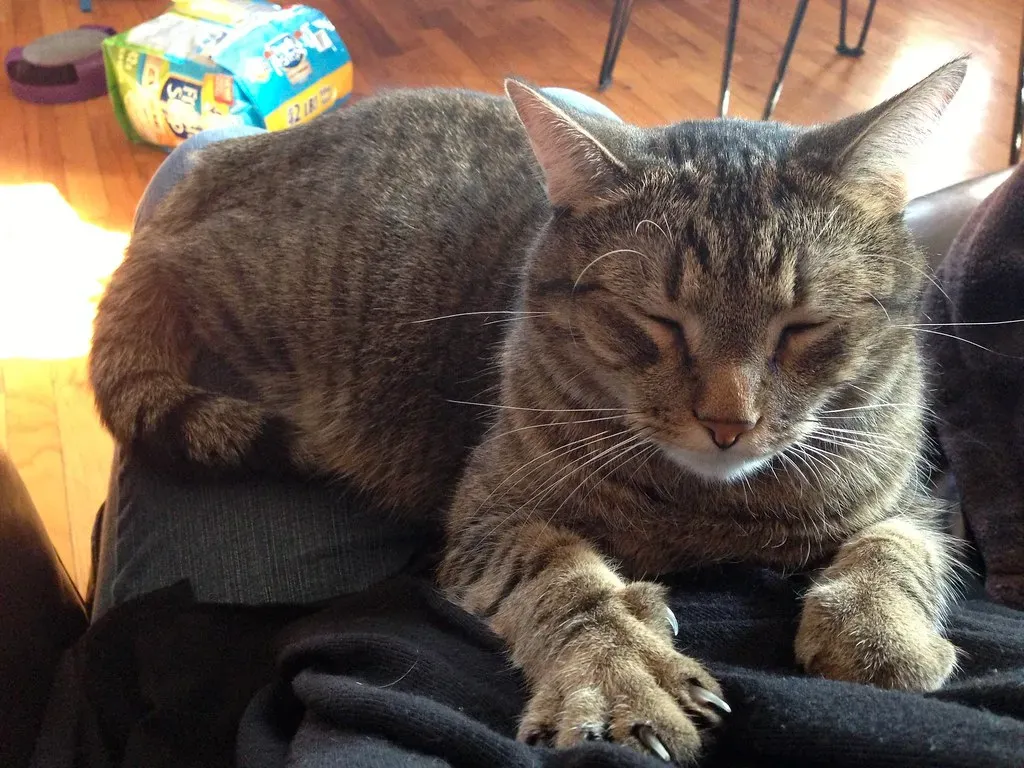
It’s a little ridiculous, honestly. You’re sitting on the couch, your cat climbs on your lap, and suddenly those tiny paws start rhythmically pushing into your thigh like they’re making bread dough. It can border on painful. Yet somehow, it’s one of the most emotionally touching things they do.
Kneading, or making biscuits, is a deeply ingrained behavior from kittenhood. Kittens knead their mother’s belly to stimulate milk flow, so when they perform this rhythmic, pushing motion on your lap, it indicates that they feel safe and content. Think about that for a second. When your cat kneads you, they are placing you in the same emotional category as the very first safe place they ever knew. That’s not small. That’s everything.
Sleeping on You, or Right Beside You, Every Single Night
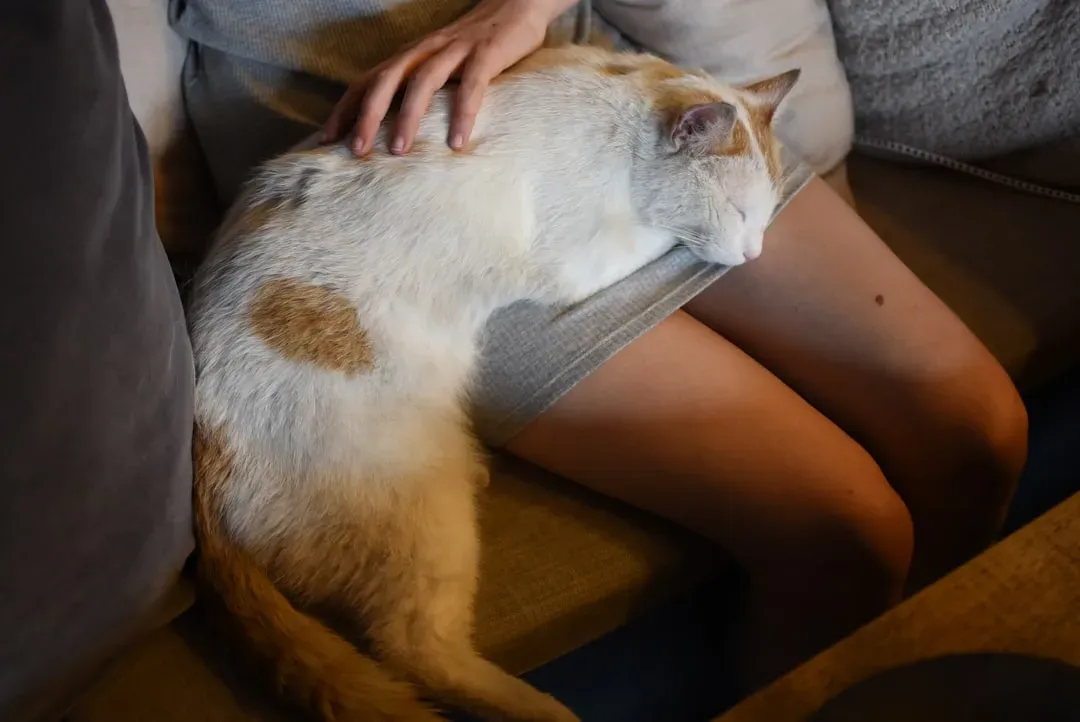
Your cat has options. They could sleep on the couch, the windowsill, the top of the bookshelf, or seventeen other spots you’ve noticed them claim throughout the day. Yet night after night, they choose you. Your chest, your legs, the pillow next to your face.
Choosing to sleep on or against a person is one of the strongest signs of trust, as cats are at their most vulnerable when resting. If a cat allows you to get close to them, that suggests a close bond, particularly where the contact is frequent or long lasting. Curling up on your lap for a nap is a sign of deep trust. Your cat is essentially saying: you are my safe zone. Even in their most defenceless state, you are who they choose to be near.
The Moment They Headbutt You for Absolutely No Reason
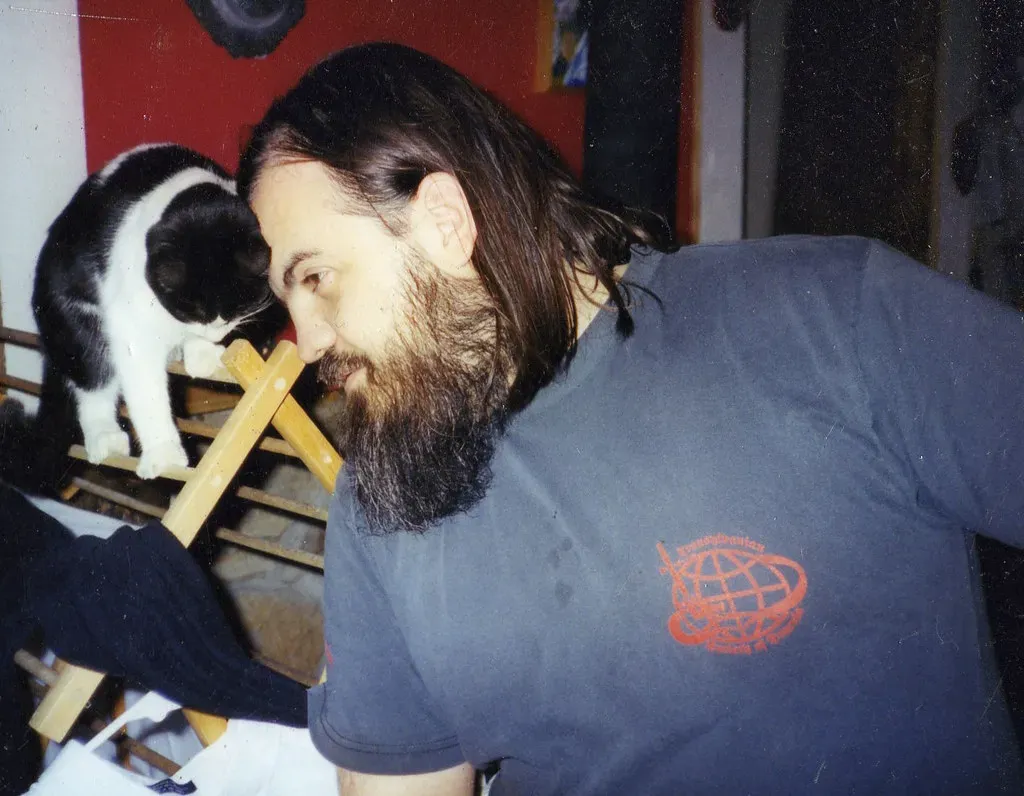
You’re just sitting there, reading, minding your own business, and your cat walks over and firmly presses their forehead into your face. No food request. No complaint. Just that solid, deliberate bump. It might seem random. It is very much not random.
Head butting, or bunting, is a primary way cats show affection and claim ownership. Cats have scent glands on their cheeks, forehead, and chin – they are depositing their scent and marking you as their territory and part of their family. This sweet feline gesture is a clear sign of love, showing that you’re officially part of their family and that they trust and adore you. You’ve been claimed. Quietly, firmly, and with great affection.
When They Expose Their Belly to You – and Only You
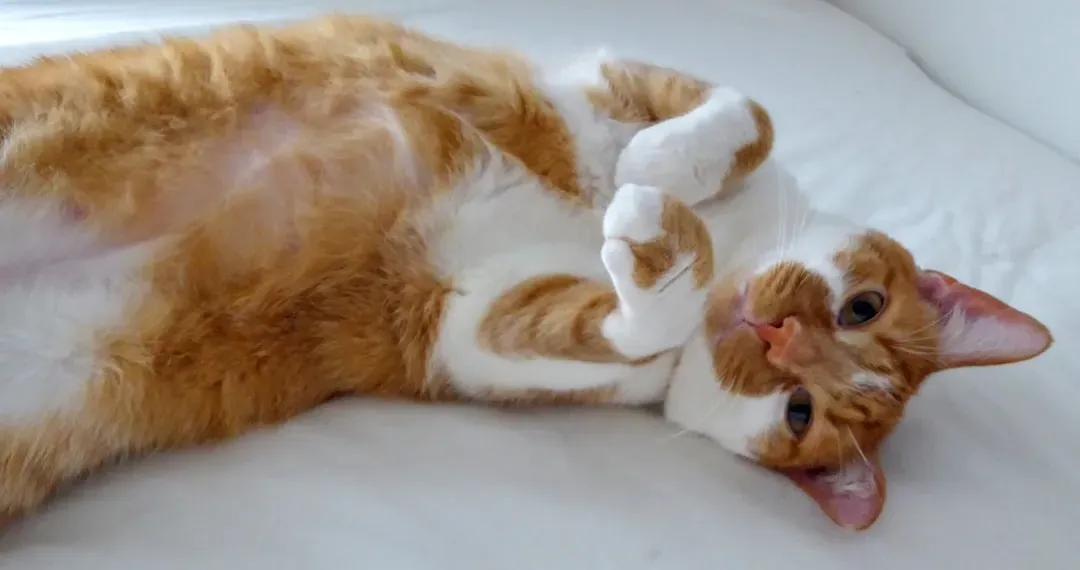
A cat rolling over and showing you their stomach is a genuinely rare thing. Most cats guard that area fiercely. To suddenly flip over and present their most physically vulnerable spot to you? That requires a level of trust that doesn’t come easily to this species.
The belly is a particularly vulnerable area on a cat’s body. In fact, cats possess a primordial pouch that is theorized to protect their sensitive lower belly during fights with predators and other cats. When your cat bears this vulnerable area to you, they’re displaying their trust and security in you. This position puts cats in a vulnerable position, and so they’ll only do it around people they’re completely comfortable with. Consider yourself deeply trusted.
The Purr That Kicks In the Moment You’re Nearby
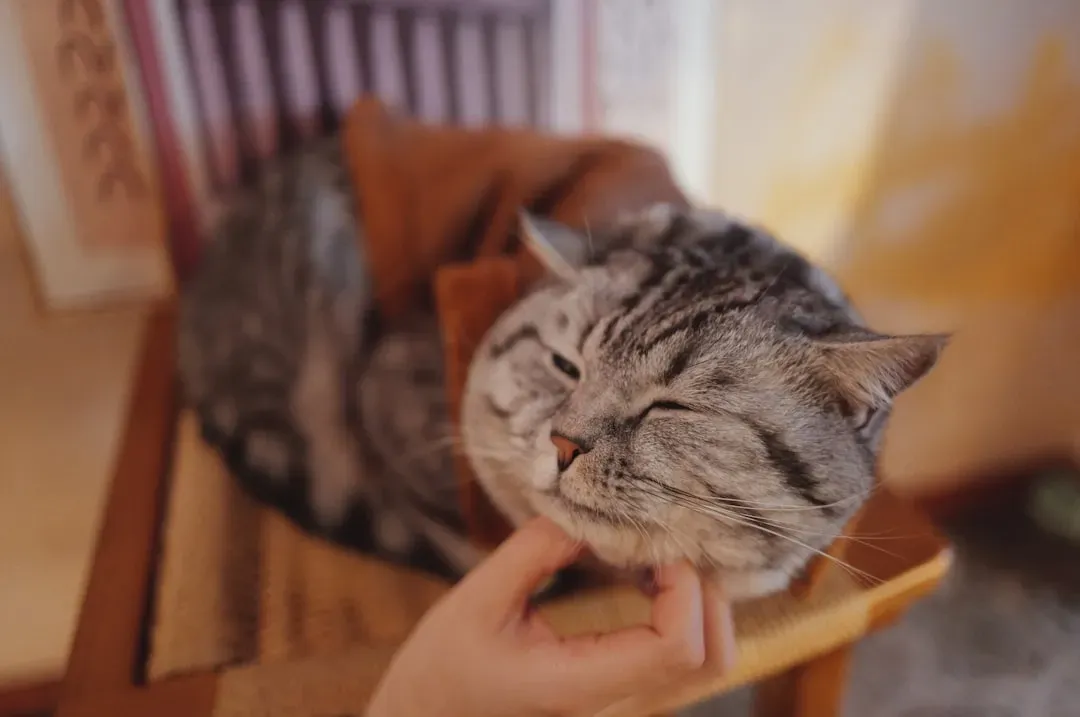
That low, steady rumble when your cat settles against you is one of the most comforting sounds in the world. It feels mechanical, almost like a tiny engine. Let’s be real though – it’s far more emotional than it appears on the surface.
Feline behaviorists have found that cats purr for a variety of reasons, but they believe that purring first starts as a form of communication and bonding mechanism between kittens and their mothers. It’s also a common indicator of comfort and ease. If your cat purrs contently when they are around you, there’s a good chance they also feel bonded with you and is relaxed in your presence. A cat purrs as a sign of affection, showing that they feel happy and relaxed around you. That purr, in other words, is deeply personal.
When Your Cat Grooms You Like You’re One of Their Own
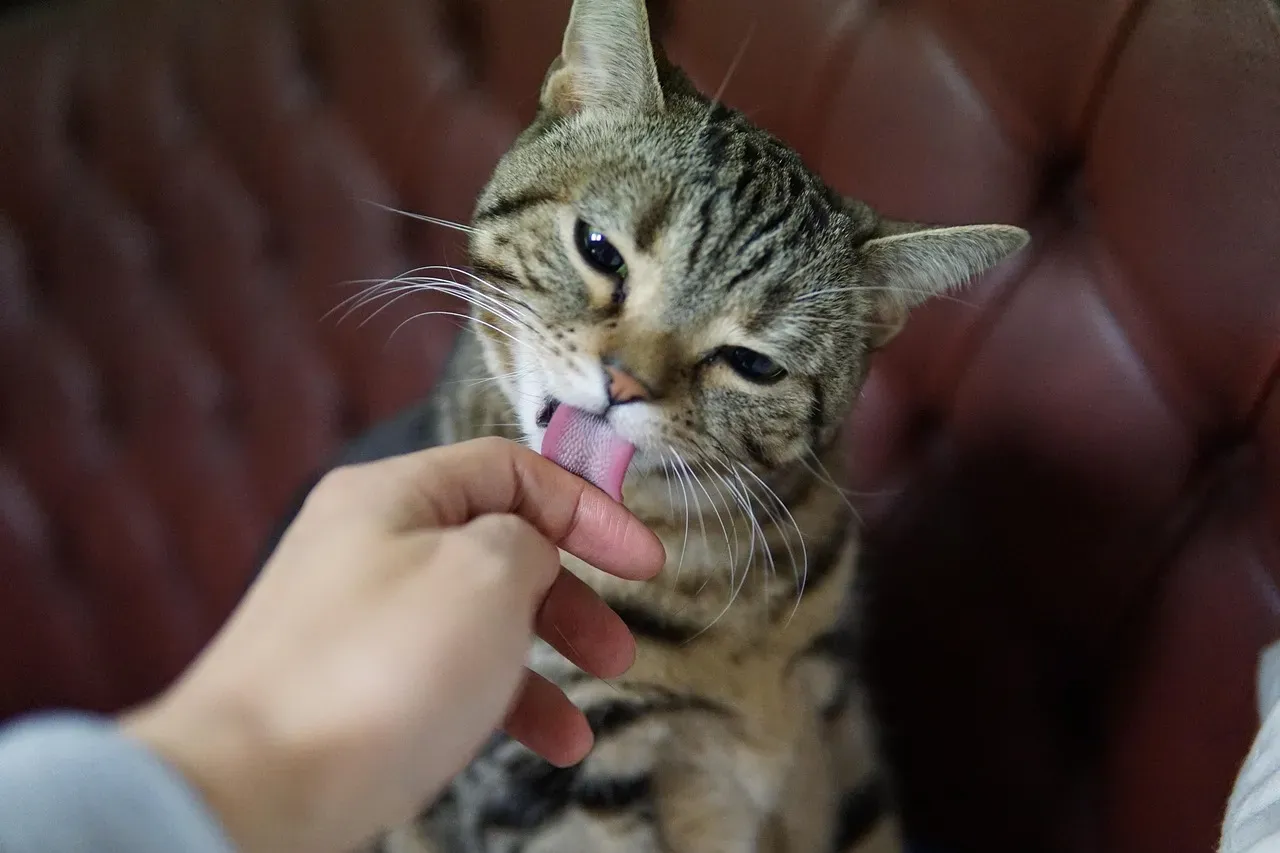
Your cat licks your hand. Your arm. Maybe even your hair if you’re sitting still long enough. It’s wet, slightly scratchy, and absolutely loaded with meaning. This isn’t your cat being weird. This is your cat treating you the exact same way they would treat a cat they truly care about.
Licking is a sign of affection cats show to both humans and other animals. By licking your skin, cats are showing that they accept and trust you. They are creating a social bond. Cats are emotionally sensitive and tuned in to their owner’s feelings – you’ll find your cat licking you to soothe your anxiety throughout illness or tough times. They’re not just grooming you. They’re caring for you, the only way they know how.
The Moment They Actively Choose Your Company Over Everything Else
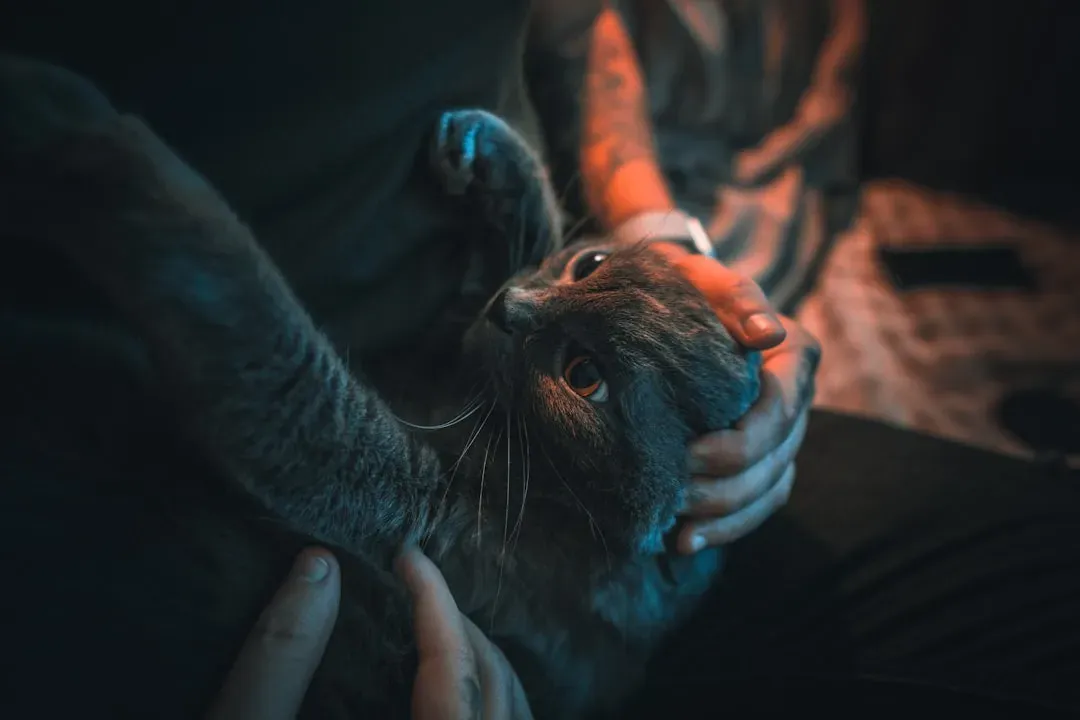
Here’s something that might surprise you. When researchers gave cats the choice between food, toys, scent stimulation, and human interaction, the majority made a fascinating choice. They didn’t go for the treat bowl. They went for the person.
The study gave cats options including human interaction, food, toys, or scent. Most cats chose interaction with humans. Food was the runner-up. Evidence suggests that cats have an attachment to their owners and can experience positive emotions such as joy, contentment, and pleasure when they interact with their favorite people. That’s your cat, actively voting for you. Every time.
When They Sense Your Pain and Simply Won’t Leave Your Side
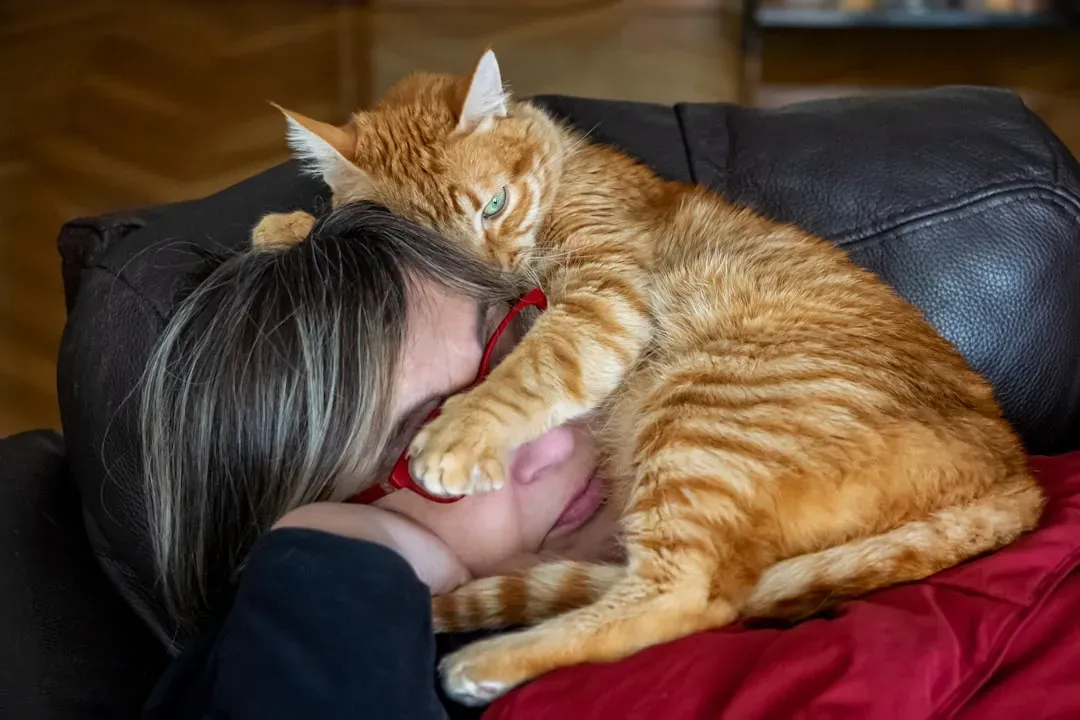
There are days when everything feels heavy. You’re sick, or sad, or just completely wrung out. And your cat, who has been happily napping on the other side of the house, suddenly materializes. They climb up. They settle in. They don’t move.
Research has shown cats can form secure attachments to their owners, like infants with caregivers, and they recognize human emotions, read tone and gesture, and exhibit behaviors linked to empathy and social awareness. The emotional bonds between cats and their owners can provide social support, enhancing psychological well-being and helping to cope with stress. It’s hard to say for sure exactly how much they understand, but when your cat parks themselves on your chest on your worst day, something in them clearly knows. And they stay anyway.
Conclusion: Your Cat Has Already Chosen You
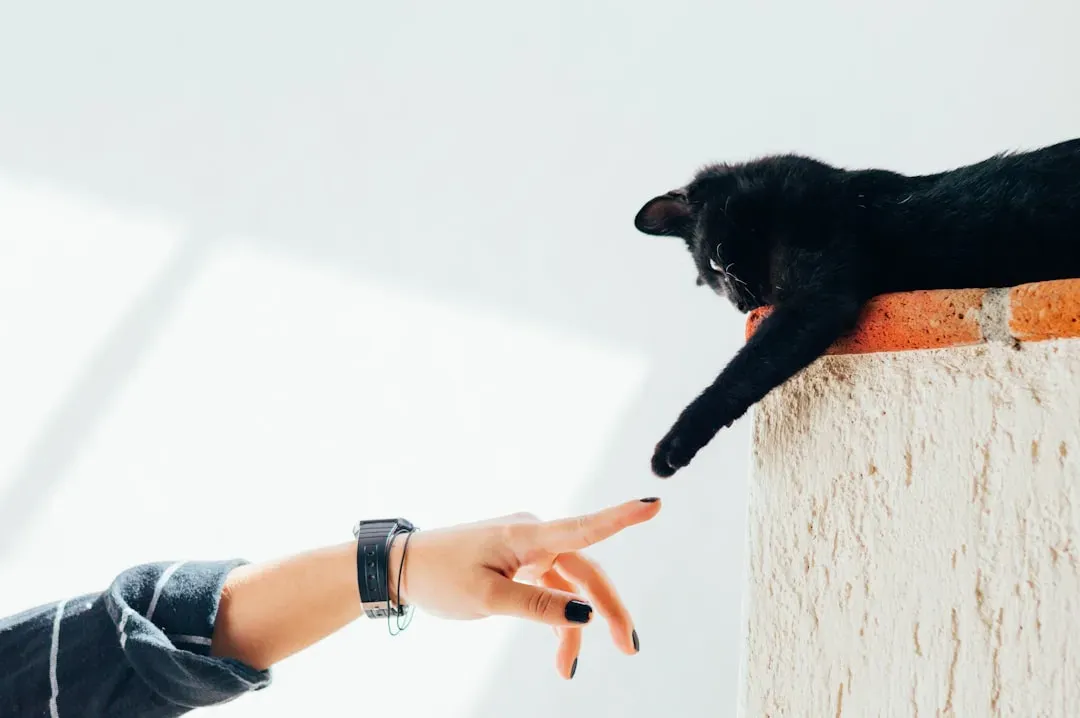
The science keeps confirming what devoted cat owners have quietly known all along. The evidence is growing that the cat-human bond is both reciprocal, real, and enduring. Cats don’t just like us. They really do love us. They’re just more subtle than dogs in the way they express themselves.
These ten moments aren’t rare exceptions. They’re happening in your home, probably daily, in ways you may have brushed off as coincidence or cat quirk. Research has shown that cats are capable of forming strong bonds with their human owners, similar to those formed between dogs and their owners. This bond is built on trust, affection, and mutual respect.
Your cat didn’t end up with you by accident. They assessed you, tested you, observed you from across the room, and decided – with all the quiet dignity only a cat can muster – that you were worth staying for. That, honestly, might be the most moving thing of all. So the next time they headbutt you at 6 a.m. or knead your stomach a little too enthusiastically, just let them. They’re telling you something important. Are you listening?