Have you ever wondered if your feline companion truly appreciates you? While cats might not show their emotions the same way dogs do, they have their own subtle yet powerful ways of expressing pride and affection toward their favorite humans. Understanding these emotional signals can transform how you connect with your cat.
When a cat begins to show trust and adoration for you, there’s often no better feeling of accomplishment. These remarkable creatures are actually quite emotional beings who form deep bonds with their owners. Let’s explore the fascinating ways your cat shows they’re genuinely proud of having you in their life.
The Classic Slow Blink
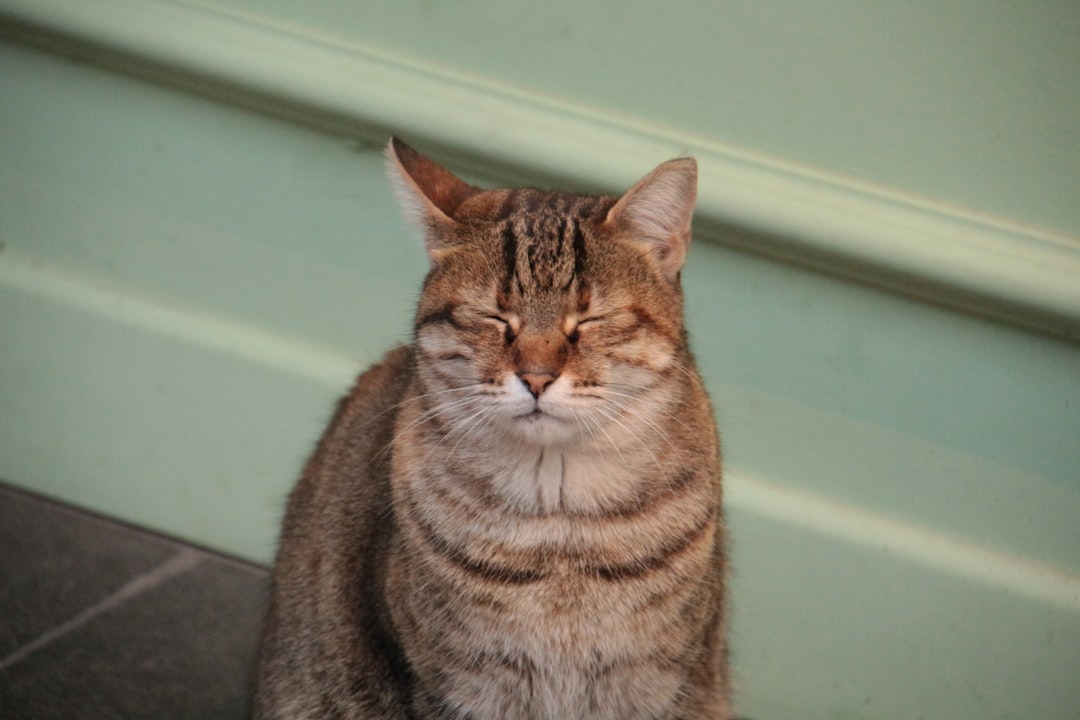
The slow blink is a sure sign that your cat loves you; it shows your buddy feels relaxed, content, and safe. It’s an invitation to respond with similar openness and love. Think of it as a sort of gentle feline kiss. When your cat looks directly at you and slowly closes their eyes before opening them again, they’re essentially telling you that you make them feel completely at ease.
This behavior is so significant that a cat’s slow blink is often referred to as a “kitty kiss.” When your cat looks at you and slowly closes and opens its eyes, it’s a sign of trust and affection. This gesture indicates that your cat feels safe and secure with you. You can return the gesture by slow blinking back at your cat, strengthening the bond between you.
Purposeful Purring During Interactions
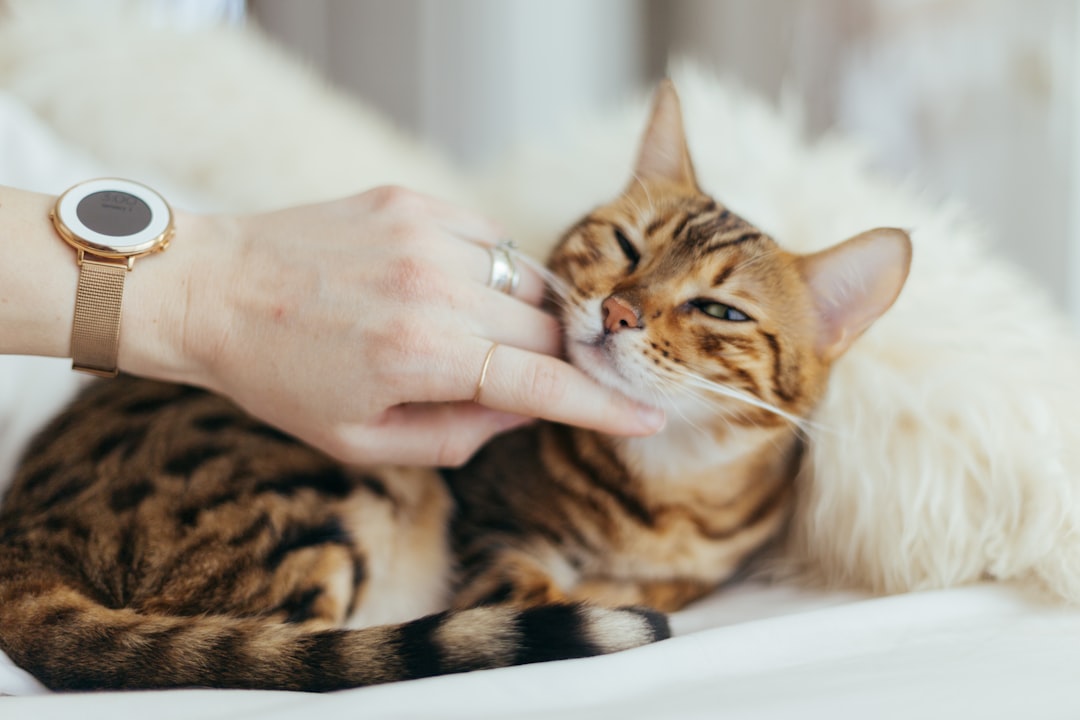
Purring is one of the signs that most people recognize as a sign of a happy cat. While purring often indicates happiness, cats also purr when stressed, seeking comfort, or in pain, so context is important. But if your cat is curled up next to you and seems relaxed, and their motor starts, you know for sure that your cat is content. Though cats can purr for various reasons, the purr that comes when they’re near you carries special meaning.
The context matters tremendously here. Cat purrs during interactions with people, greeting familiar cats, while nursing kittens, or being pet can mean they’re feeling happy and content. Cats may also purr when they are sleepy or drowsy or when they are in warm, familiar environments when soliciting food from the owner, and kneading. When your cat chooses to purr specifically during your bonding time, they’re essentially saying you bring them joy.
The Enthusiastic Greeting Ritual
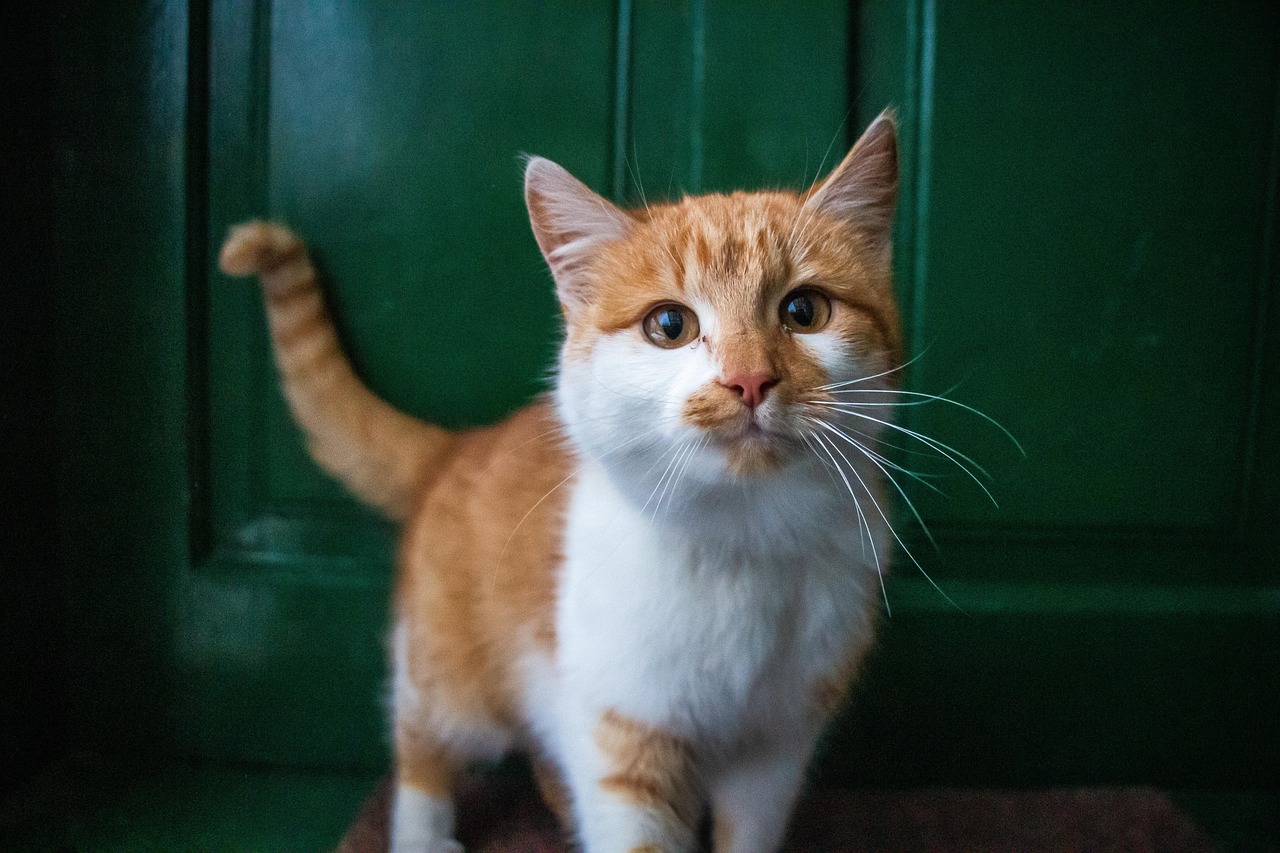
Cats that greet you with quick and high meows can also be a sign that they’re in good spirits. When the owner is gone for the day and is greeted by meows at the door, this vocalization is a greeting. Your cat’s enthusiastic welcome home isn’t just about dinner time – it’s their way of expressing genuine happiness to see you return.
This greeting behavior extends beyond simple vocalizations. Your cat has the chance to show their affection every time that you walk through the door. Pets that rush to the front door when it’s opened, with a lot of meowing are trying to say that they’re happy to see you. When your cat makes this effort to acknowledge your arrival, they’re demonstrating that your presence truly matters to them.
Confident Tail Language
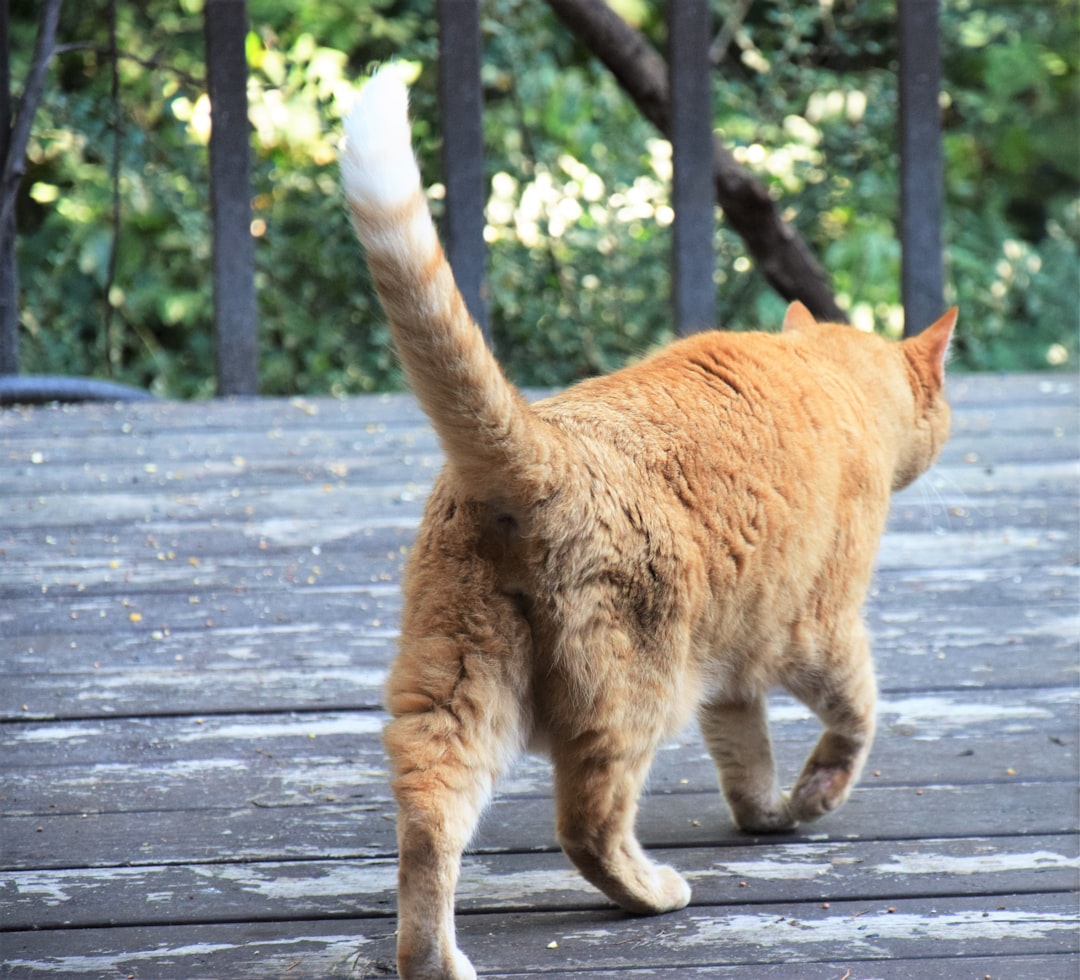
When a cat’s tail is upright, they are feeling social and confident, and are approaching in a friendly manner. Again, this cat tail language indicates that your cat is happy and approaching amicably. When your cat’s tail is in this position, it means it’s an invitation to interact with your cat. A tail held high is essentially your cat’s flag of approval.
The question mark tail position is particularly telling. You may notice that sometimes your cat’s tail looks like a question mark – it stands upright but curls at the end. Again, this cat tail language indicates that your cat is happy and approaching amicably. A tail up and curled means they are confident in a space. They feel secure. A slightly curled and forward tail usually indicates a cat is relaxed. If coming toward you with their tail up and curled, they really like you and they recognize you as a positive social interaction.
Deliberate Gift Giving
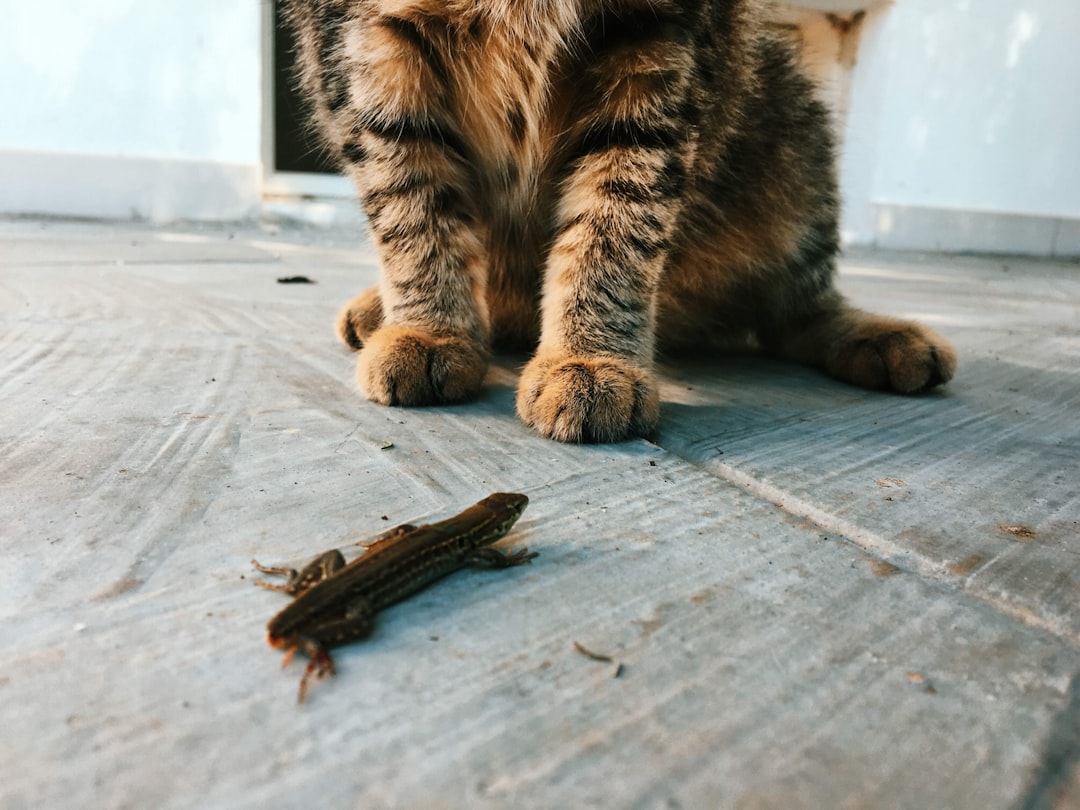
Cats are hunters at heart, and sometimes a cat that catches a mouse or insect will bring the remains back to their humans as a gift. Though this may turn your stomach, it truly is a sign of love and pride. Your cat wants to reward you for your love. Cats will also do this with toys if they don’t have the option to hunt live prey.
While it might be unpleasant to find a dead mouse or bird at your doorstep, this behavior is a sign of love and trust from your cat. In the wild, cats bring prey to their families. By bringing you gifts, your cat is sharing its “hunt” with you, showing that they consider you part of their family. Whether it’s a toy mouse or unfortunately something more realistic, this behavior demonstrates your cat sees you as worthy of their most prized possessions.
Kneading with Intention
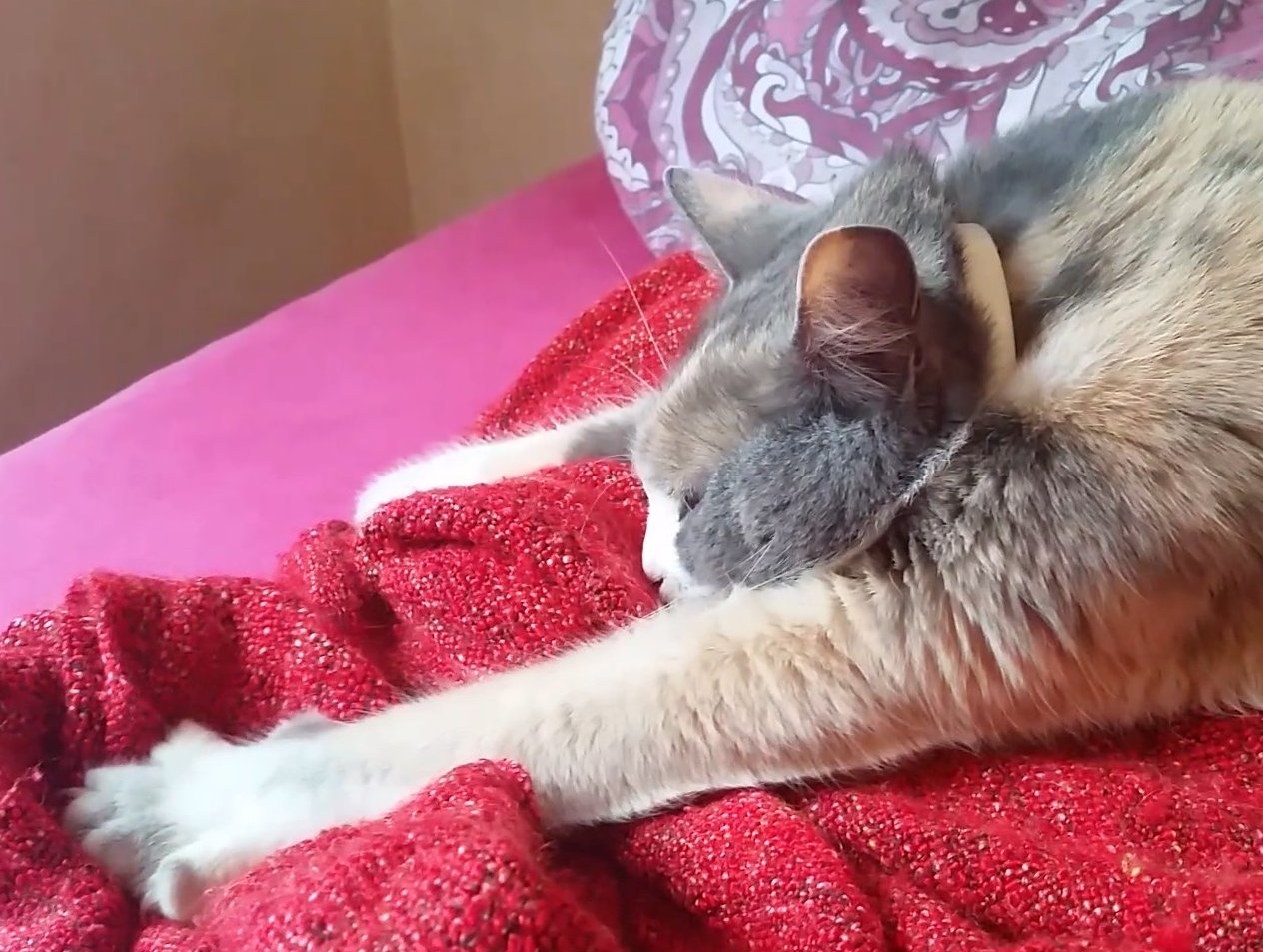
Kneading often accompanies purring. It’s known by a variety of names, including “making biscuits,” because cats make the same motion with their paws as if they were kneading some dough. Cats might knead a blanket or their favorite people or something soft, and it’s often the height of contentment. Thought to be a throwback to the security that kittens feel when kneading on their mother, kneading is a clear sign that a cat is extremely happy.
This behavior carries deep emotional significance. Howard said this behavior starts when they are kittens. Cats use their paws on their mother’s stomach to signal they want milk, which helps stimulate milk production. When your adult cat kneads on you, they’re essentially reverting to their most content and secure emotional state, viewing you as a source of comfort and safety.
Seeking Your Presence
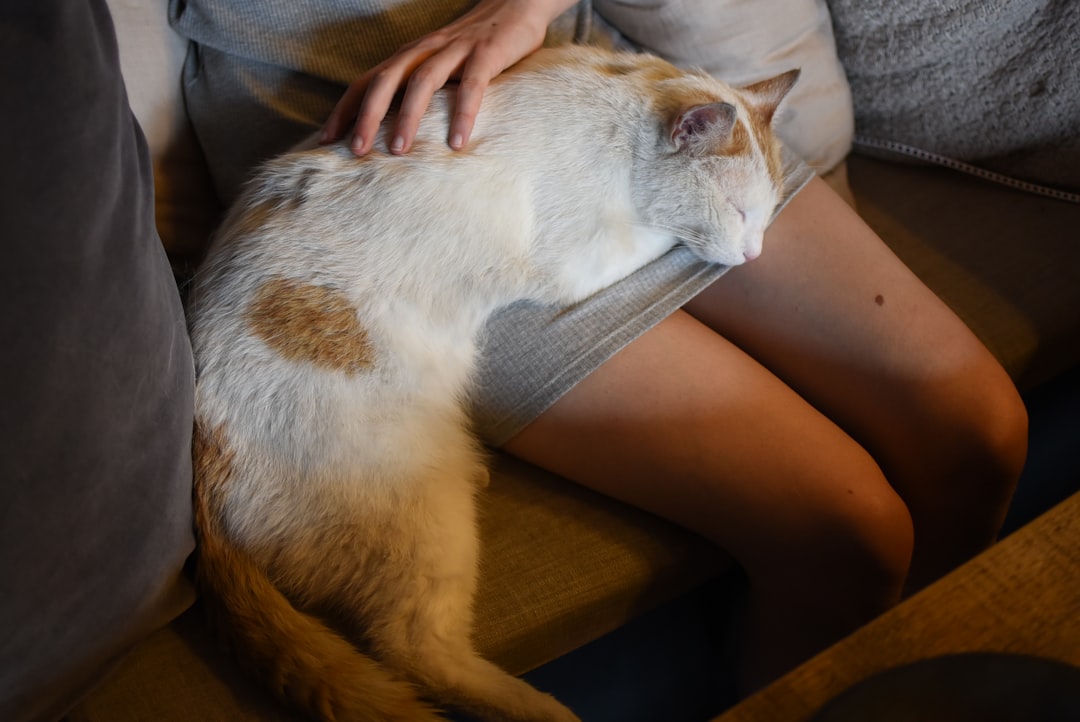
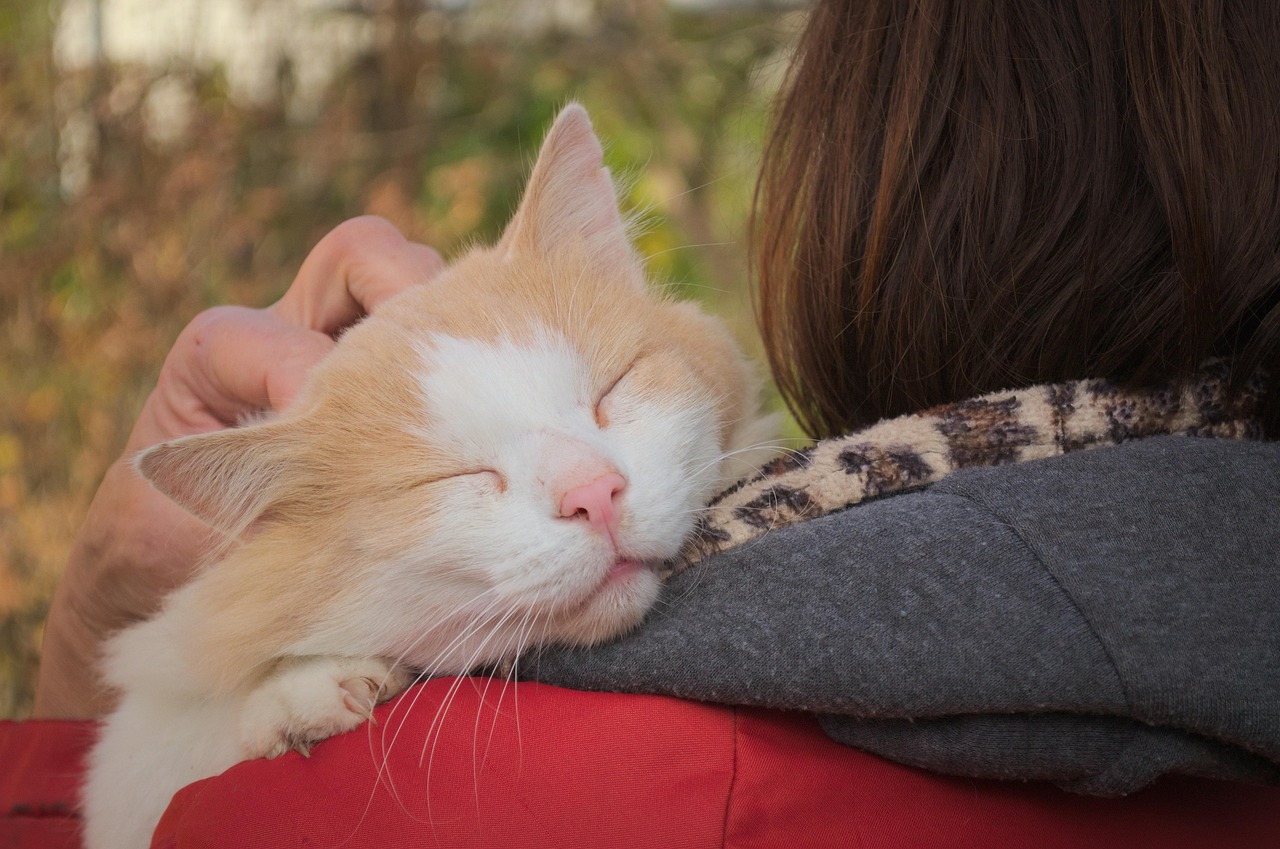
A cat who chooses to sleep on or close to you is showing their love and trust in you. Even if they choose to lie just out of reach for petting, this means that they feel safe and trust that you will protect them, or that they will protect you if danger appears. This proximity seeking behavior demonstrates genuine attachment and pride in your relationship.
Cats are more likely to explore and interact with their environment when they feel relaxed and comfortable in a person’s presence. So if your pet is often on the move while you’re with them, take it as a subtle sign of how a cat shows affection! The message here is that they are more comfortable in your presence. Your cat feels confident enough to be themselves when you’re around.
Scent Marking Through Head Butts
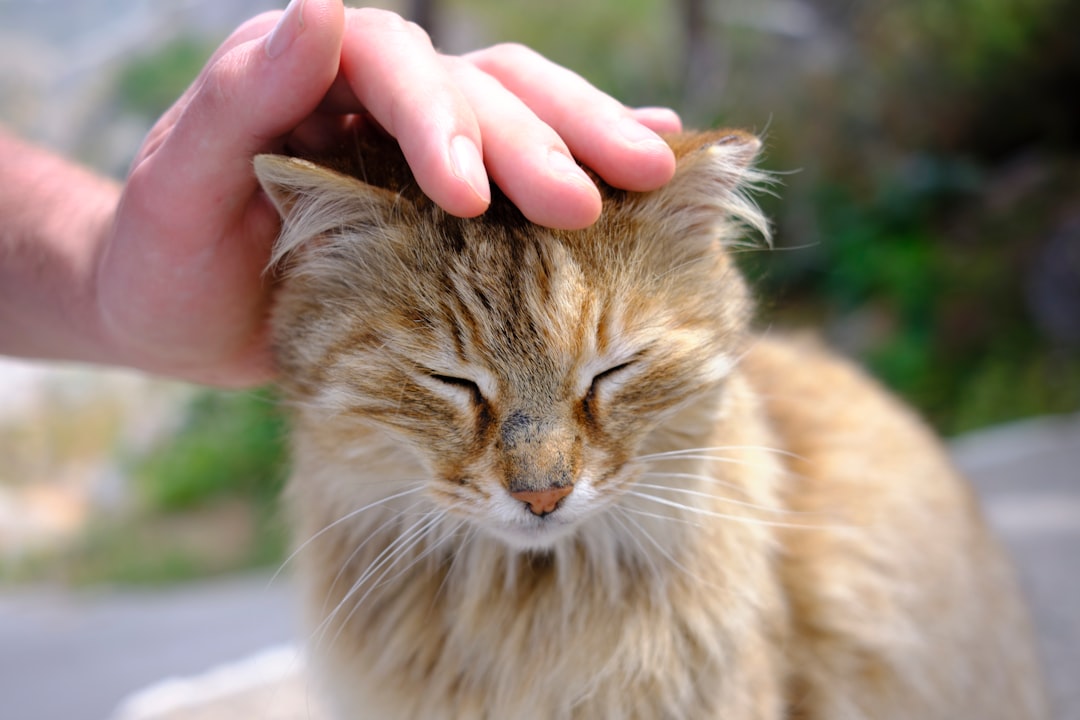
Your cat may bump their head against you or rub their cheeks against you to show affection. This is a social behavior formed in kittenhood through headbutting other kittens and their mother. Headbutting is often an attempt to mark you with their scent to claim you as one of their own. It helps cats bond and is offered to their humans to show love.
Cats have scent glands on their heads, so when they headbutt you, they’re leaving their scent on you. They’re claiming you as part of their social group. Take it as a compliment, especially since they won’t do it to everyone. You’ve made it into the inner circle of cat love. This selective behavior shows your cat has chosen you as someone truly special.
Belly Exposure Trust Signal
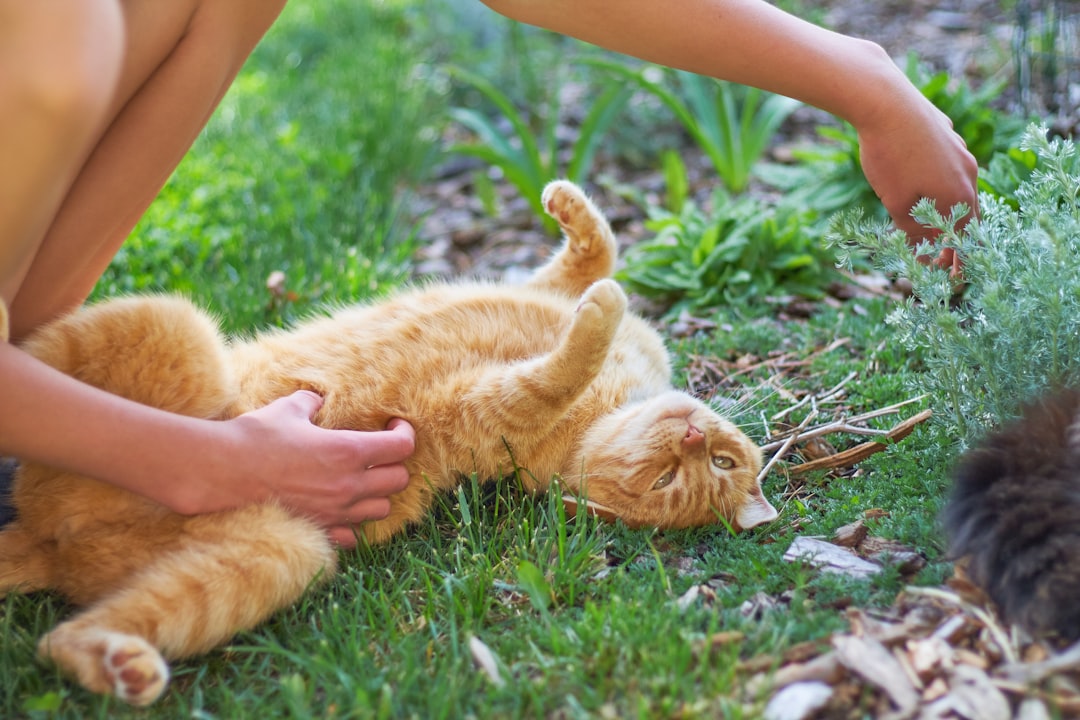
All of their organs are out in the open – stomach, kidney, heart – as both prey and predator, so for a cat to go on their back and show you their belly, they trust you not to hurt them. This is perhaps one of the most vulnerable positions your cat can adopt, making it an incredibly meaningful gesture.
We’ve all had that moment when we walk in the house and the cat stops right at your feet only to roll over and expose his or her belly to you. This position leaves your cat very exposed and vulnerable. For them to come up to you and greet you in such a manner shows that they trust and love you. While not all cats enjoy belly rubs, this display is purely about trust and demonstrates their pride in your relationship.
Happy Vocalizations
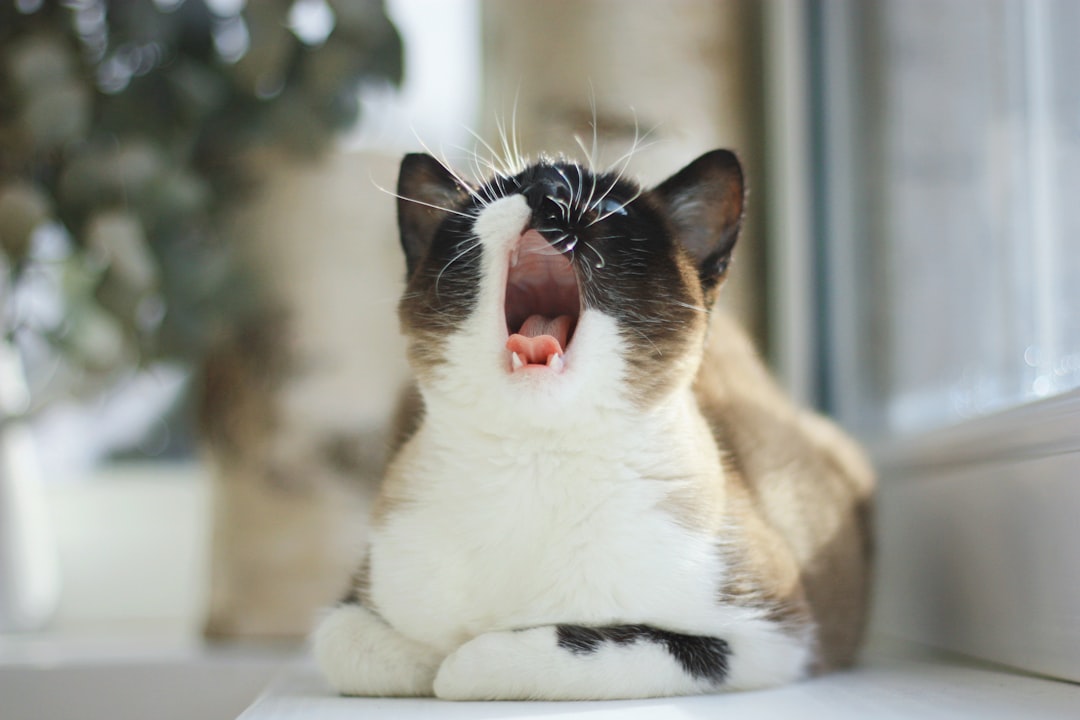
Have you ever heard your cat make a high-pitched purring or chirping sound – kind of like a cross between a purr and a meow – but had no idea what it meant? We have the answer: They do that when they’re in a great mood or when they want to play. It’s their way of saying, “I’m a happy cat!” and letting others know. This is a form of communication and a self-soothing mechanism for the kitty.
While adult cats tend not to meow at each other, some cats will meow at their humans. High-pitched meows and meows that are greetings are especially cheerful. You might even find that your cat enjoys engaging in “a conversation” with you. These special vocalizations are reserved primarily for human interaction, showing that your cat has developed a unique communication style just for you.
Conclusion
Recognizing these ten emotional signs reveals just how deeply cats can bond with their human companions. From the tender slow blink to the confident tail held high, each behavior represents your cat’s way of saying they’re genuinely proud to have you in their life. These subtle but meaningful gestures demonstrate that cats are far more emotionally expressive than many people realize.
The next time your cat greets you with a chirp, kneads your lap, or simply chooses to nap nearby, remember that these aren’t random behaviors. They’re deliberate expressions of contentment, trust, and yes, pride in the relationship you’ve built together. Have you noticed any of these proud moments from your feline friend recently?