When I first got my cat Muffin three years ago, I was baffled by her intense stares and mysterious eye behaviors. Was she judging me? Plotting something? It turns out I was missing an entire conversation happening right in front of me.
Your cat’s eyes are windows into their emotional world, revealing everything from deep trust to hidden anxiety. These subtle signals speak louder than any meow, offering insights that can transform your relationship with your feline friend. Once you learn their silent language, you’ll never look at those mesmerizing eyes the same way again.
The Slow Blink Reveals Ultimate Trust and Love
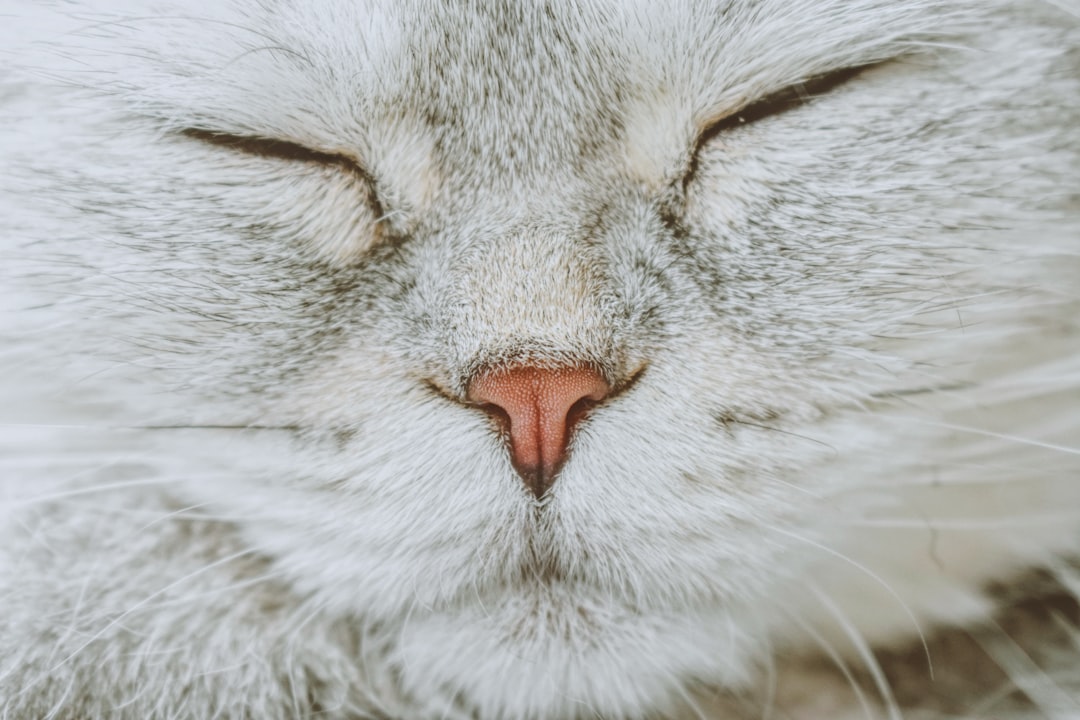
Slow eye blinks express love and trust, sometimes called a cat smile, conveying affection and trust. This behavior gives the appearance of vulnerability, so you can take it to mean your cat feels safe and comfortable with you. When your cat gazes at you through half-closed lids, they’re essentially saying they trust you completely.
“A cat worried about a threat won’t close their eyes in the face of that threat, even briefly,” according to veterinary experts. This makes the slow blink incredibly meaningful. Evidence suggests cats perceive your slow blinks as positive and are likely to respond to them, and some experts believe this behavior remains so common because people tend to reinforce it.
Dilated Pupils Mirror Intense Emotional Arousal
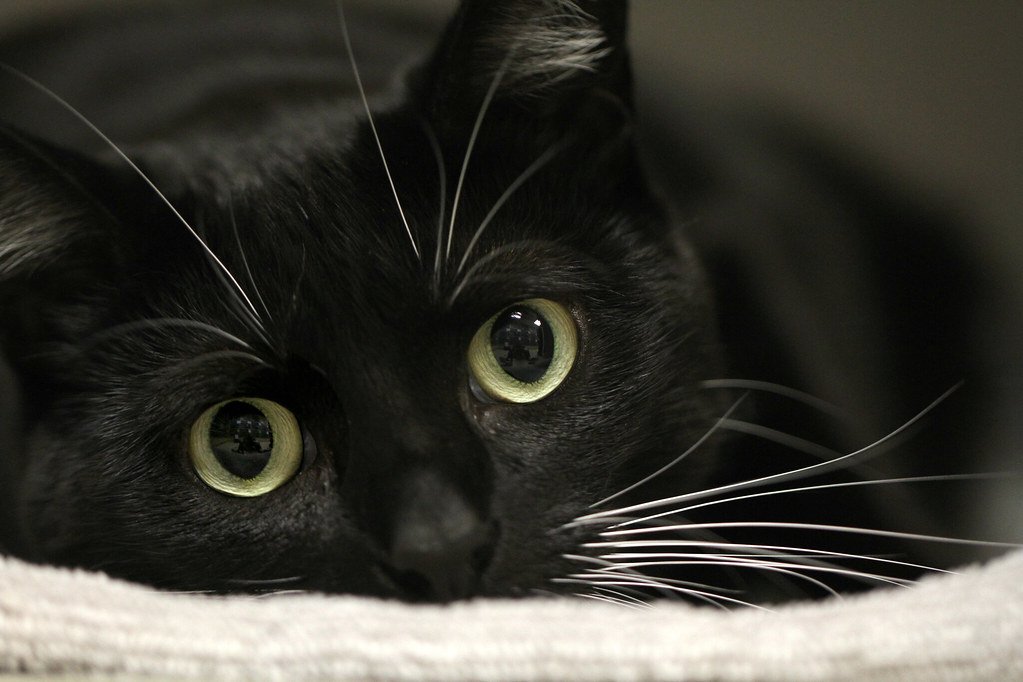
Cats use pupil size to express emotions like fear, excitement, or aggression, and pupil dilation in cats can occur for emotional reasons beyond lighting conditions. “Pupils can dilate when a cat is excited or afraid,” as their brain says ‘get more information’ from the environment. Think of dilated pupils as your cat’s emotional amplifier turned up to maximum volume.
Dilated pupils often indicate an excited cat, but can also be a display of surprise or fear, depending on the situation. The key is reading the context. For instance, dilated pupils can point to excitement or fear, so the meaning may depend on whether your cat is breaking in a brand-new toy or you just pulled the vacuum cleaner out of the closet.
Constricted Pupils Signal Focused Aggression or Contentment
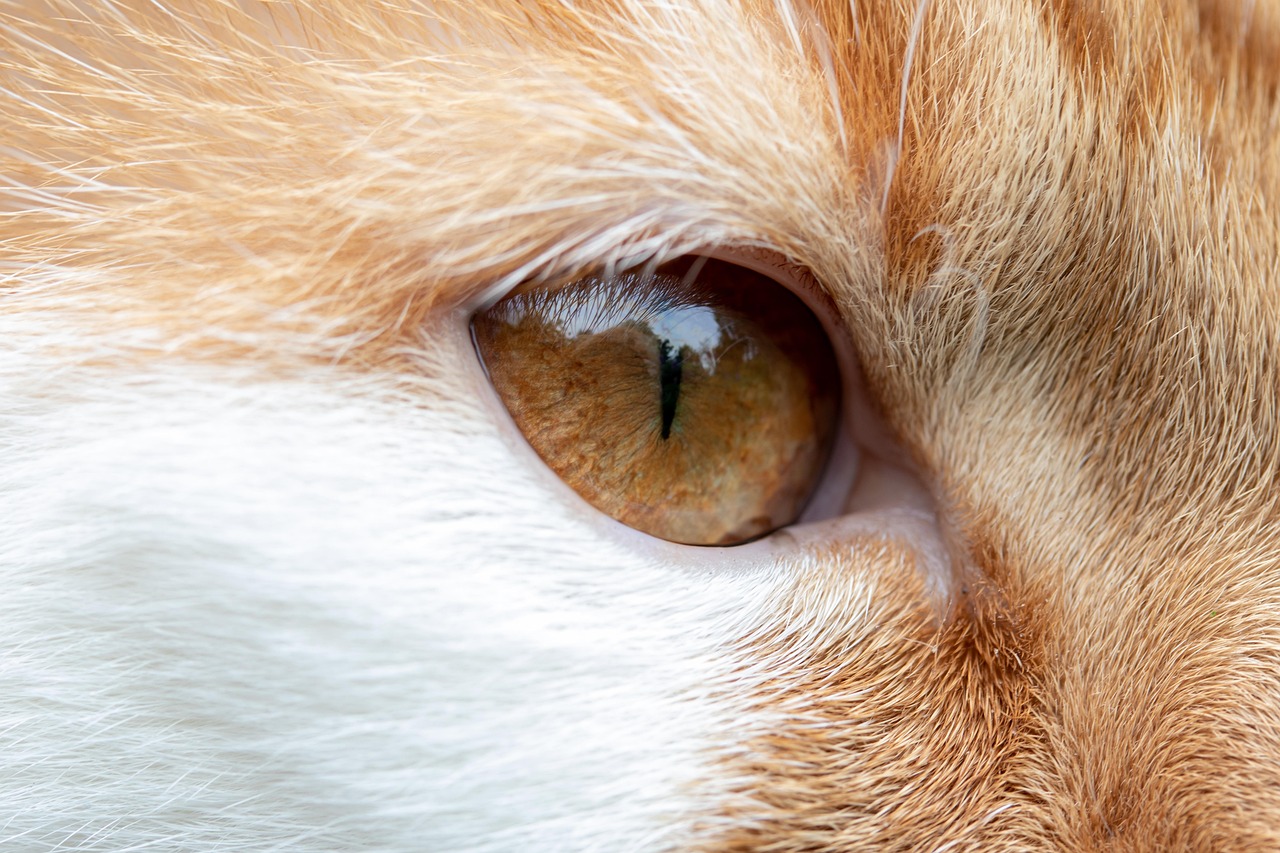
When a cat feels tense or is about to pounce, the pupils may narrow into tight slits to enhance focus, while in comfortable, well-lit situations, a calm and relaxed cat will naturally have smaller pupils. Narrowed pupils may be a sign that your pet is happy and content, particularly when accompanied by purring.
However, context matters enormously here. “Squinting eyelids with contracted pupils at the same time is usually a strong warning signal,” indicating the cat may be focusing on (and ready to attack!) something they consider prey. Watch for accompanying body language to decode whether those narrow pupils mean relaxation or preparation for action.
Wide-Open Eyes Express Alert Readiness and Suspicion

Alert, wide-open eyes signal trust in friendly greetings, but they can also indicate heightened awareness. A fearful cat’s eyes widen, and their pupils dilate due to the effects of the fight-or-flight response. Wide eyes essentially put your cat on high alert, ready to process whatever comes next.
Wide-open eyes may indicate fear, interest, excitement, or aggression. The challenge lies in distinguishing between these emotions. If your cat’s eyes are wide open, he is likely ready for action, ready to pounce or ready to play, making it crucial to observe their overall body posture and tail position.
Half-Closed Eyes Communicate Safety and Contentment
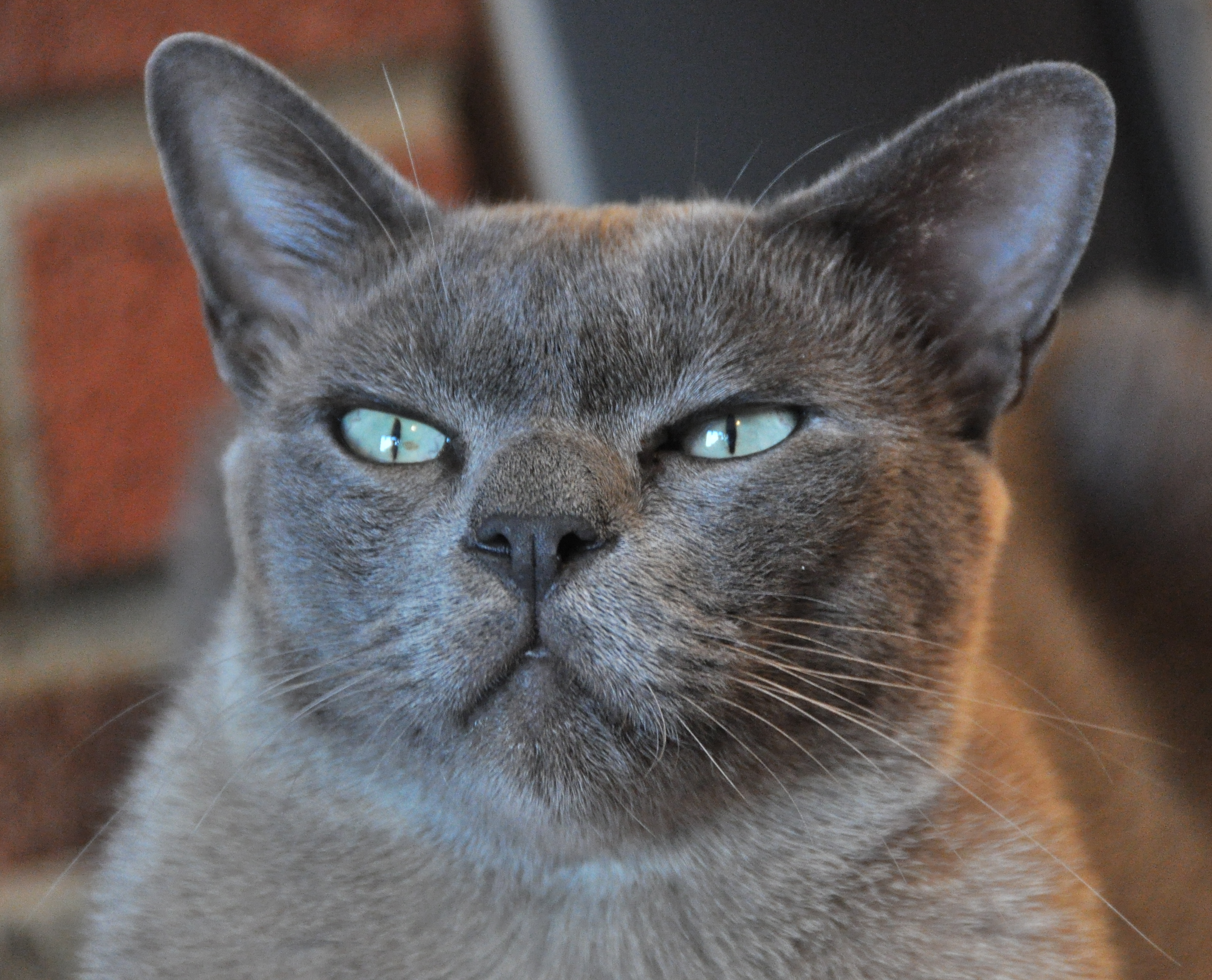
Squinted or half-closed eyes are a sign of affection, relaxation and trust, and if a cat looks like they’re about to fall asleep, they’re relaxed and they trust you. A cat with his eyes half closed or a cat who flutters his eyelids is telling you he’s content, he trusts you, and he feels safe.
When your cat sits snuggled in your lap with their eyes half-closed, they likely feel safe and comfortable, because they’re intentionally limiting their vision. This voluntary vulnerability demonstrates the ultimate compliment from a prey animal. A healthy cat lying around with her eyes half closed or squinting usually means that she is comfortable and trusting of her surroundings.
Direct Stares Communicate Dominance or Challenge
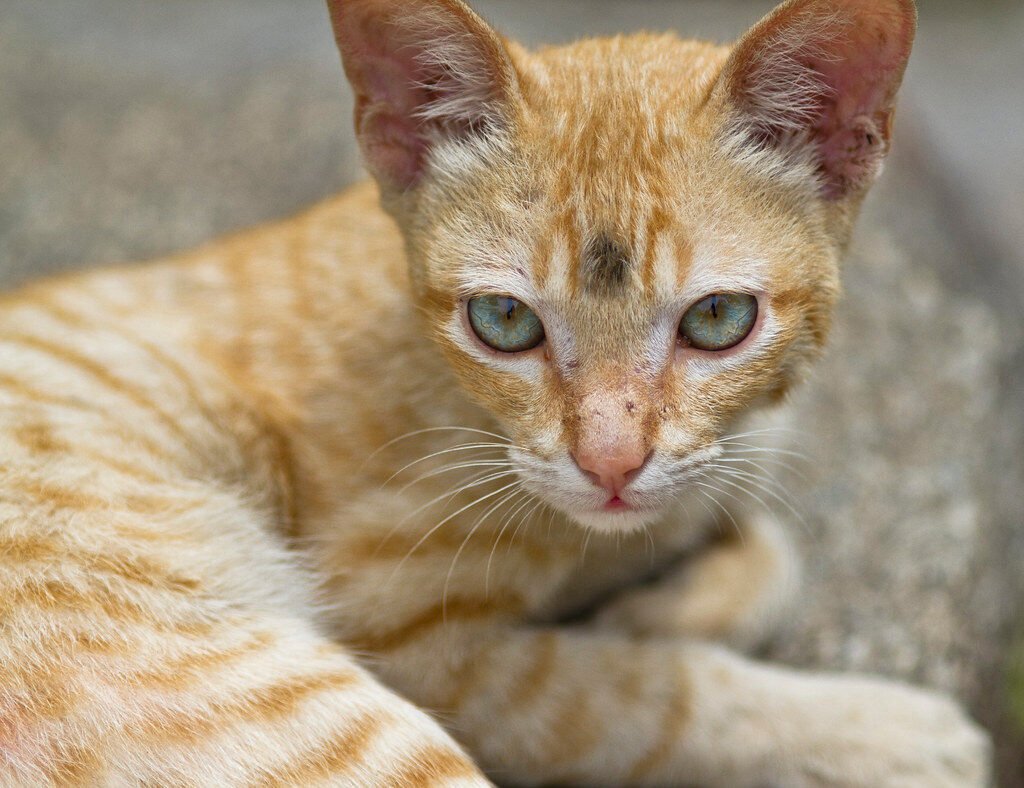
A direct stare in feline parlance is threatening and confrontational. Direct eye contact in cats is often associated with asserting dominance, feeling threatened, or preparing to pounce. This explains why many cats look away when you stare directly at them.
Extended eye contact with few blinks can suggest dominance, aggression, or discomfort. Cat behaviorists suggest avoiding looking directly into their eyes, as they may take a deep stare as a threat, especially if they already feel nervous or afraid. Understanding this helps prevent unintentional intimidation of your feline friend.
Averted Gaze Shows Respect and Peaceful Intentions
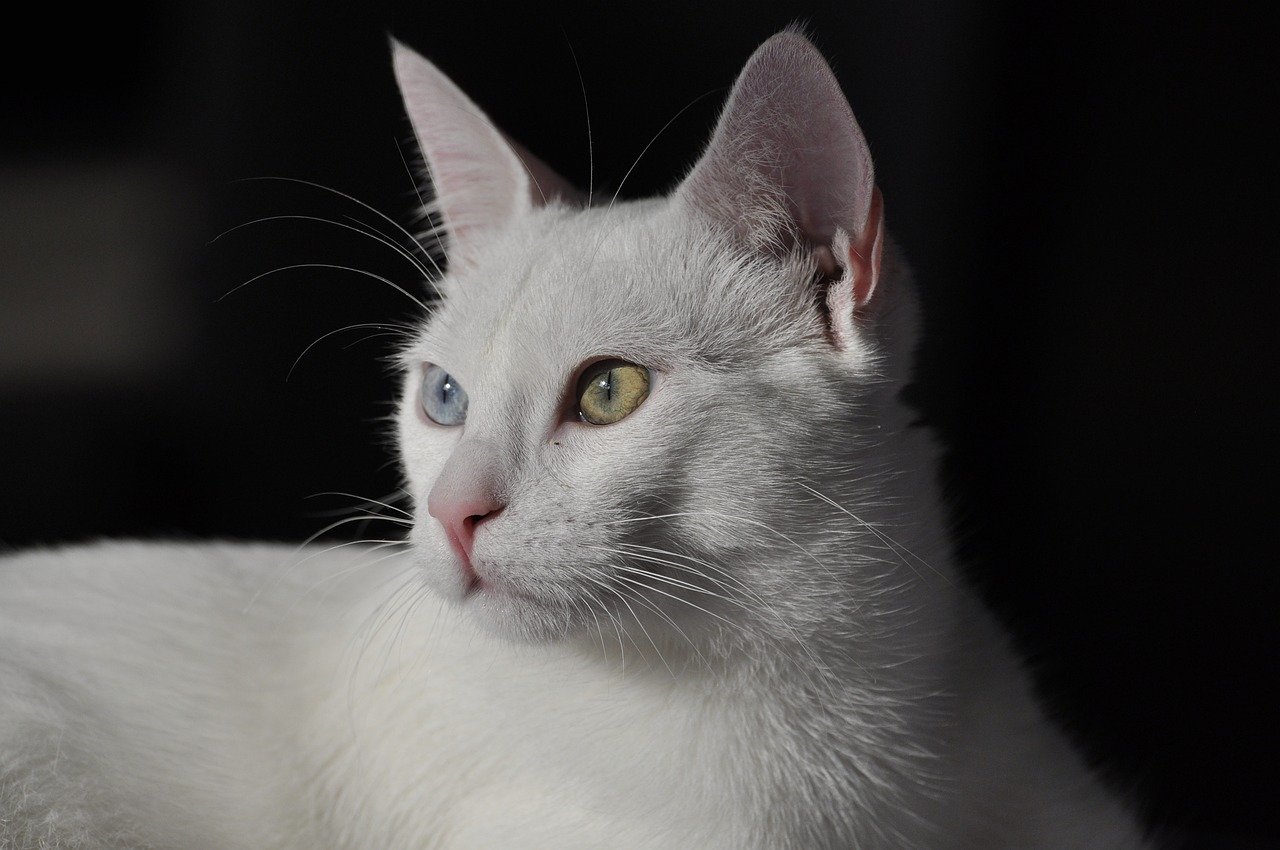
When a cat averts its gaze, it is a sign of trust, and slow blinks are a sign of affection and contentment. Looking away isn’t rejection; it’s actually a polite feline gesture that says “I’m not a threat.” This behavior demonstrates emotional intelligence and social awareness.
A direct, unblinking stare is often a hostile behavior in the animal kingdom, which explains why cats sometimes close their eyes when they are around another cat or person they don’t know or feel safe around – it’s a way of diffusing the situation and showing that they’re not a threat. Think of it as your cat’s way of saying “peace out.”
Rapid Eye Movements Reveal High Stress or Overstimulation
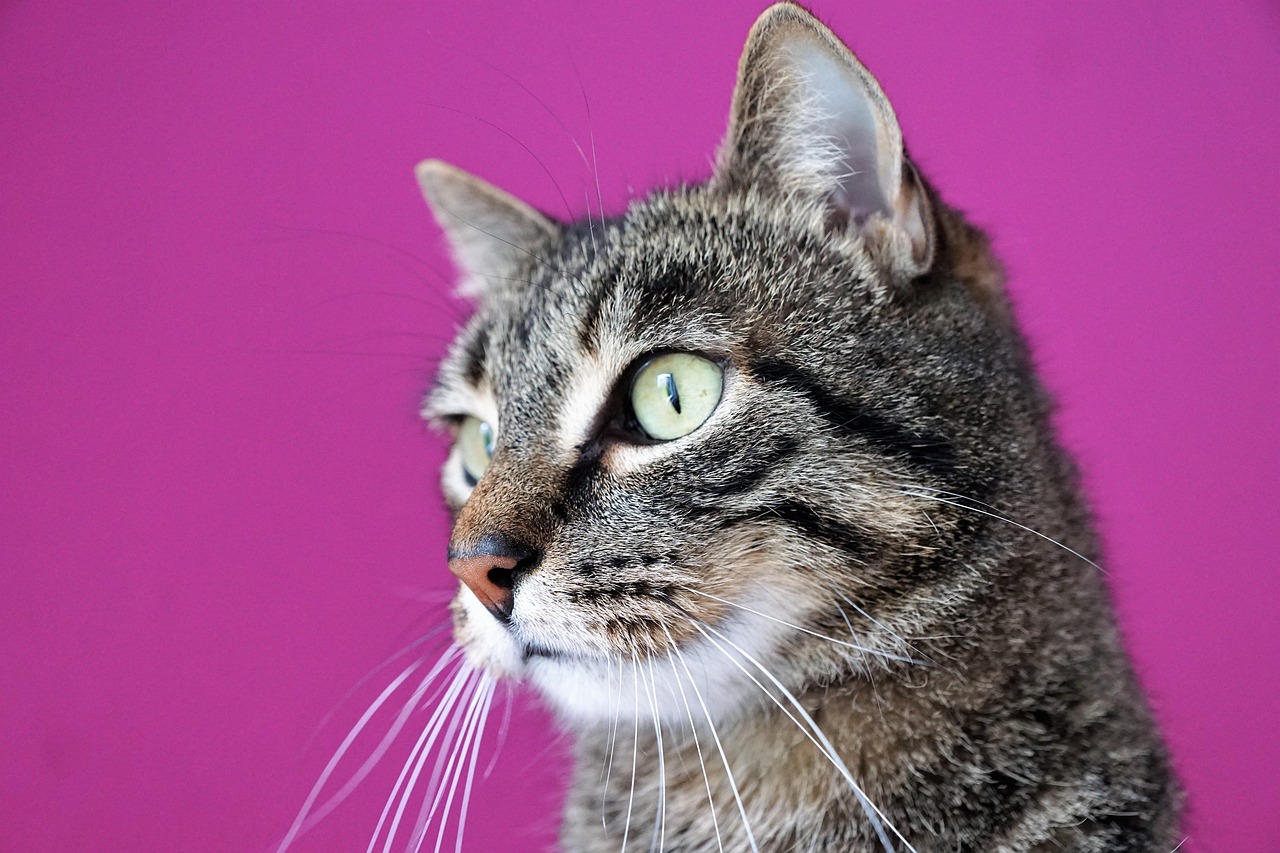
Your cat’s massive, nearly-black pupils may look adorable, but these cat eyes mean it’s time for a break from snuggling, as this pupil expression is a clear sign of overstimulation or anxiety, with “a cat experiencing this level of stress likely to have a heightened response because fight or flight mode is setting in”.
Hypervigilant scanning of the room, increased blinking and squinting are signs of stress in cats, with eyes that might appear ‘black’, ‘dark’ or ‘fixed’ and ‘hard’ as pupils are dilated and the animal stares. Recognizing these stress signals helps you intervene before your cat becomes completely overwhelmed.
Uneven Pupils Indicate Potential Health Problems
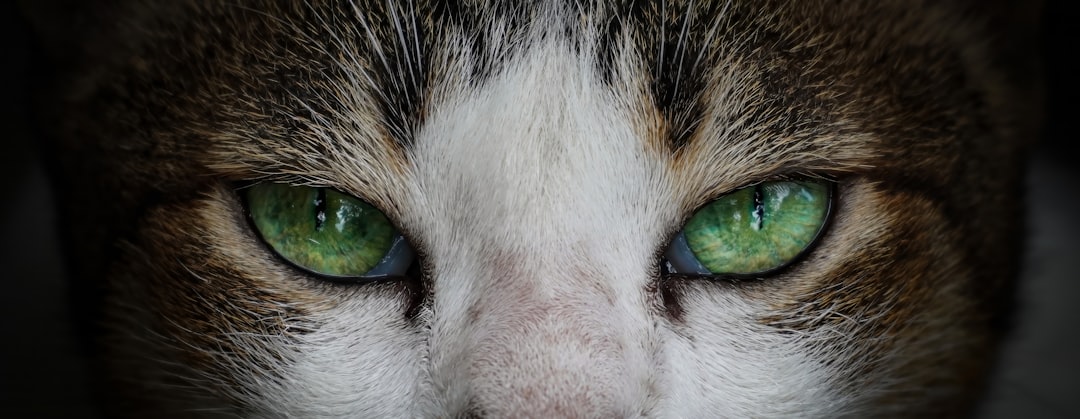
Unevenly sized pupils, or pupils that don’t contract when exposed to light, may indicate a medical condition with anisocoria causing uneven pupil sizes, with causes including glaucoma, seizures, and head trauma. This asymmetry should never be ignored.
If you notice one of your cat’s pupils is dilated and the other isn’t, contact your vet right away, as emergency veterinary care may help prevent or delay blindness. While mood plays a big role, abnormal or asymmetrical pupil size changes can signify underlying medical concerns. Early detection can make all the difference.
Changes in Eye Brightness Reflect Overall Well-Being
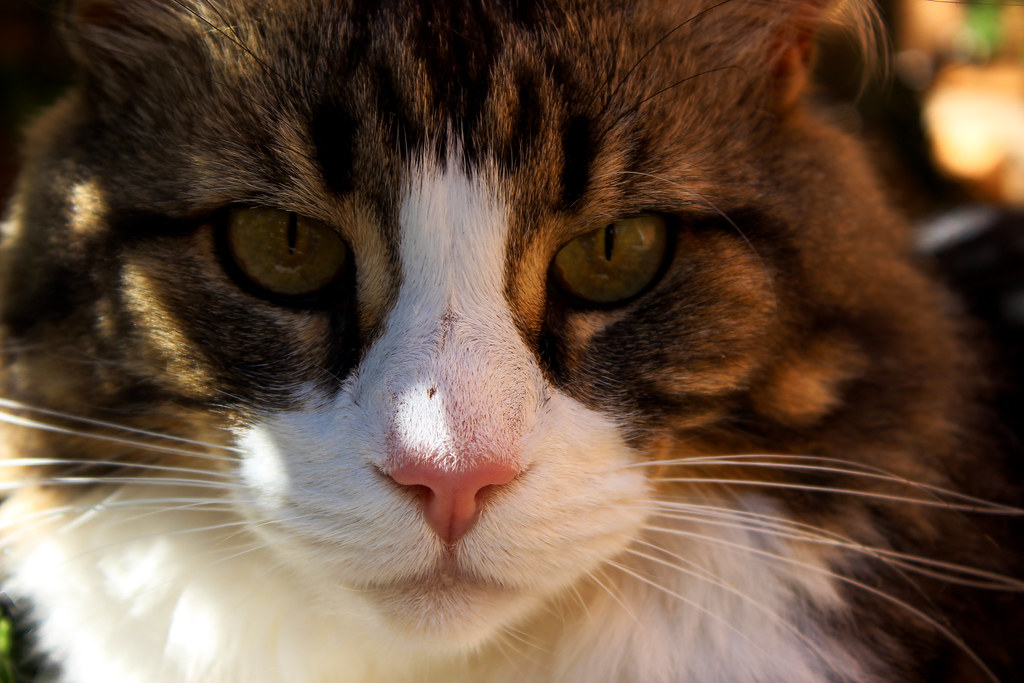
When a cat is sick or in pain, their eyes may be squinted or held shut and may appear dazed or glassy, with the cat’s third eyelid, which is a protective membrane in the corner of the eyes, becoming visible. These subtle changes often appear before other obvious symptoms.
When a cat is experiencing body pain, pupils are dilated, and squinting indicates pain in the body or eye, while bloodshot eyes may also signal pain. Cats tend to hide pain and illnesses, an evolutionary trait that helps keep them safe from predators, but their eyes can offer some clues to their health as well as their mood.
Understanding your cat’s eye language transforms every interaction into a meaningful conversation. These windows to their soul reveal trust, fear, contentment, and pain with remarkable clarity. Pay attention to the subtle shifts in pupil size, eyelid position, and gaze direction, always considering the full context of their body language and environment.
Next time your cat gives you that slow, deliberate blink, you’ll know they’re offering you the highest compliment possible. What secrets do you think your cat’s eyes have been telling you all along?