10 Extraordinary Wild Cats That Break Nearly Every Stereotype We Have About Felines
You probably think you know cats: small, fluffy, night-owl couch royalty that nap all day and chase toys when they feel like it. But out in the wild, some of their cousins are doing things that flip almost every cat stereotype on its head. When you look at these species closely, you start to realize your mental picture of “a cat” is way too narrow. In this tour through the wilder side of the cat family, you’ll meet swimmers, sprinters, tree acrobats, and desert ghosts that survive in places you’d never guess a cat could live. As you go, you’ll see that felines are not just aloof house companions; they’re problem solvers, long‑distance walkers, high‑altitude survivors, and, in a few cases, surprisingly social rule breakers. By the end, you might never look at your living‑room tabby the same way again.
1. Fishing Cat – The Feline That Loves Water More Than Your Average Lab
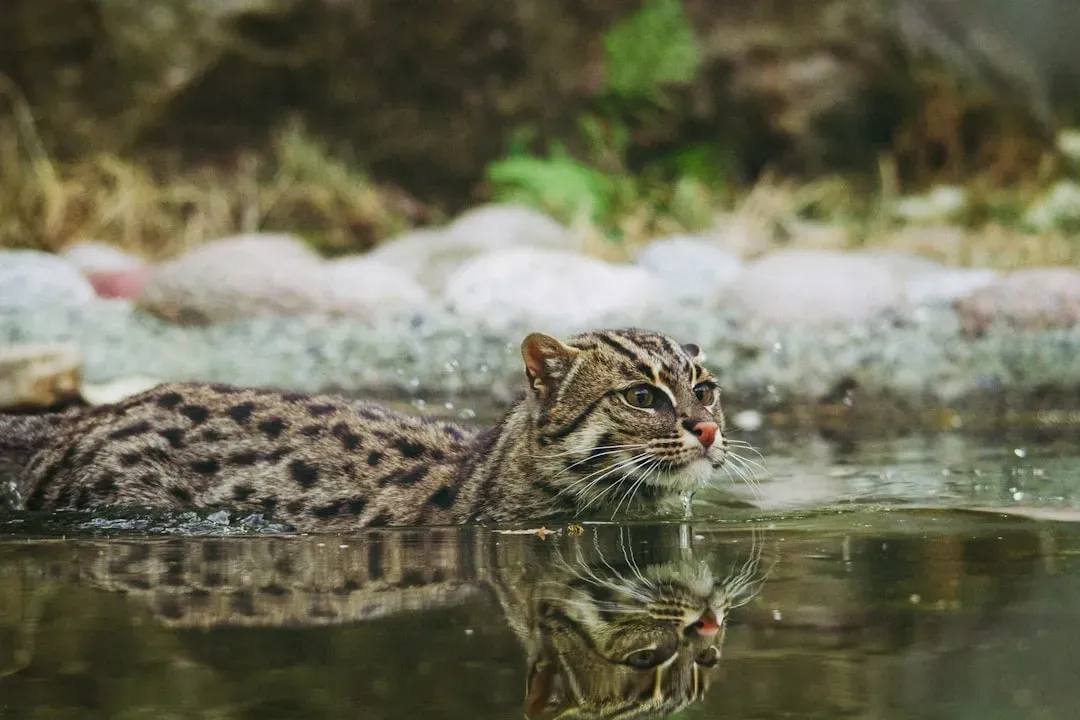
If you picture cats running from bathwater, the fishing cat forces you to rewrite that image completely. You find this medium‑sized wild cat prowling wetlands and mangrove swamps across South and Southeast Asia, and it treats shallow water like its personal hunting ground. Instead of avoiding rivers, it wades right in, using partially webbed front feet to paddle and grab fish, frogs, and crustaceans with startling precision. You can even watch a fishing cat sit still at the water’s edge and lightly tap the surface with its paw, mimicking an insect landing to lure curious fish closer. Once the timing is right, it dives with a body built more like an otter than your sofa cat: short, powerful legs, a stocky torso, and thick fur that sheds water. When you see one swim confidently across a channel in the dark, you realize how wrong the old idea of “cats hate water” really is.
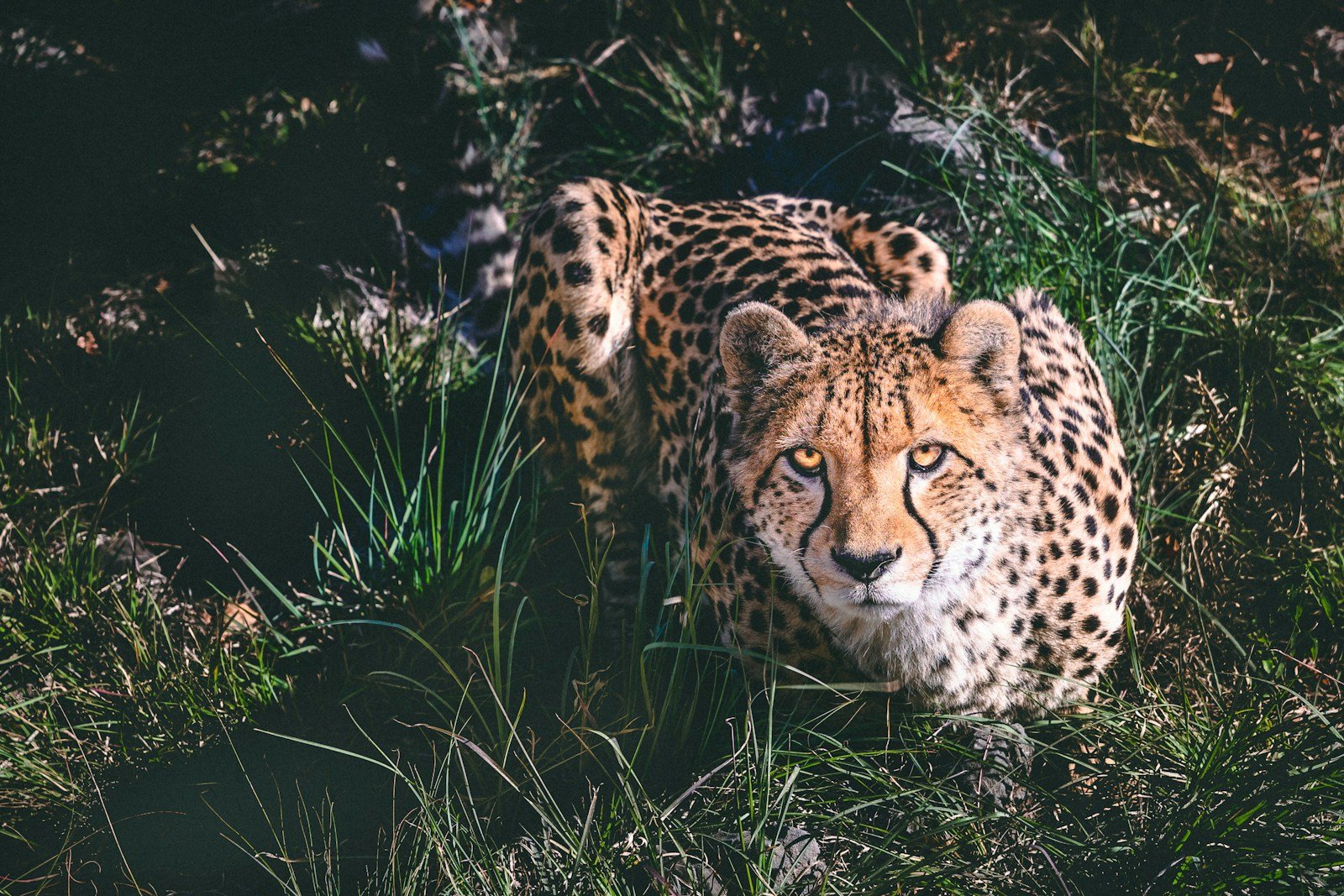
2. Cheetah – A High-Speed Specialist That Acts More Like a Pack Hunter
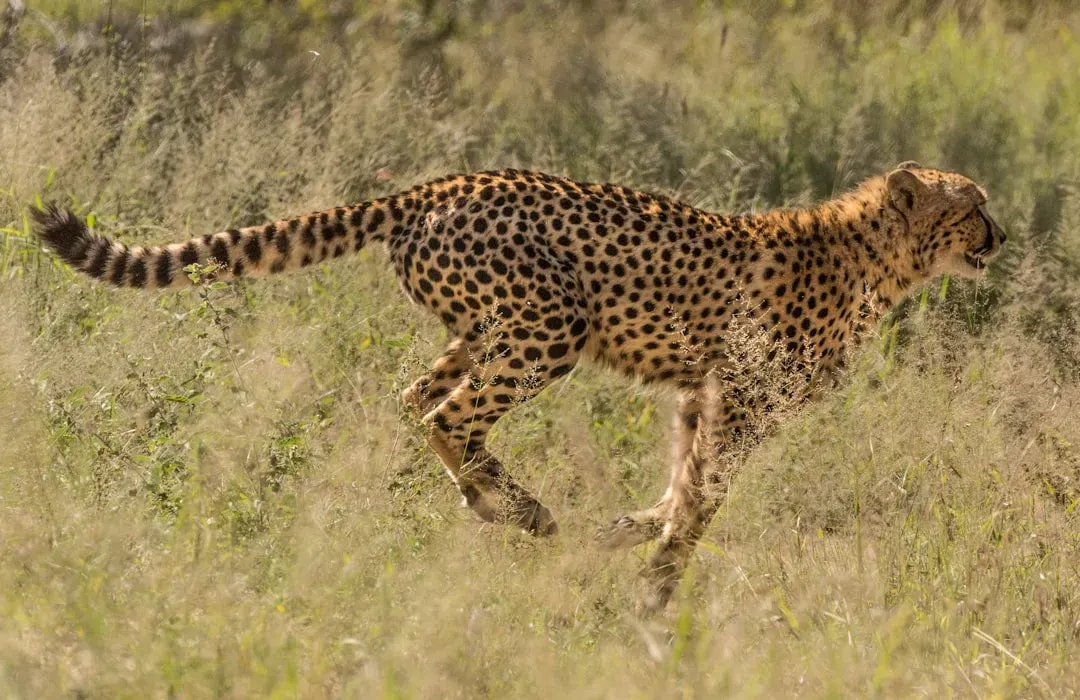
You already know the cheetah as the fastest land animal, but you might not expect it to bend the “cats are solitary” rule the way it does. When you spend time observing cheetahs, especially males, you see that they often live in coalitions of brothers or unrelated males that team up. These groups patrol territories together, share kills, and raise their odds against bigger competitors like lions and hyenas that would steal their hard‑won meals. Even female cheetahs, usually more independent, defy the lazy‑cat stereotype with their daily routine. To keep cubs safe and fed, a mother cheetah may walk several miles in a day, constantly scouting for prey and scanning for danger. Instead of lounging for long stretches, she lives in a stressful balancing act: sprinting for antelope one hour, then quietly shifting her cubs to a new hiding spot the next, so predators don’t track them by scent.
3. Snow Leopard – The Phantom Cat That Lives Where You Can Barely Breathe
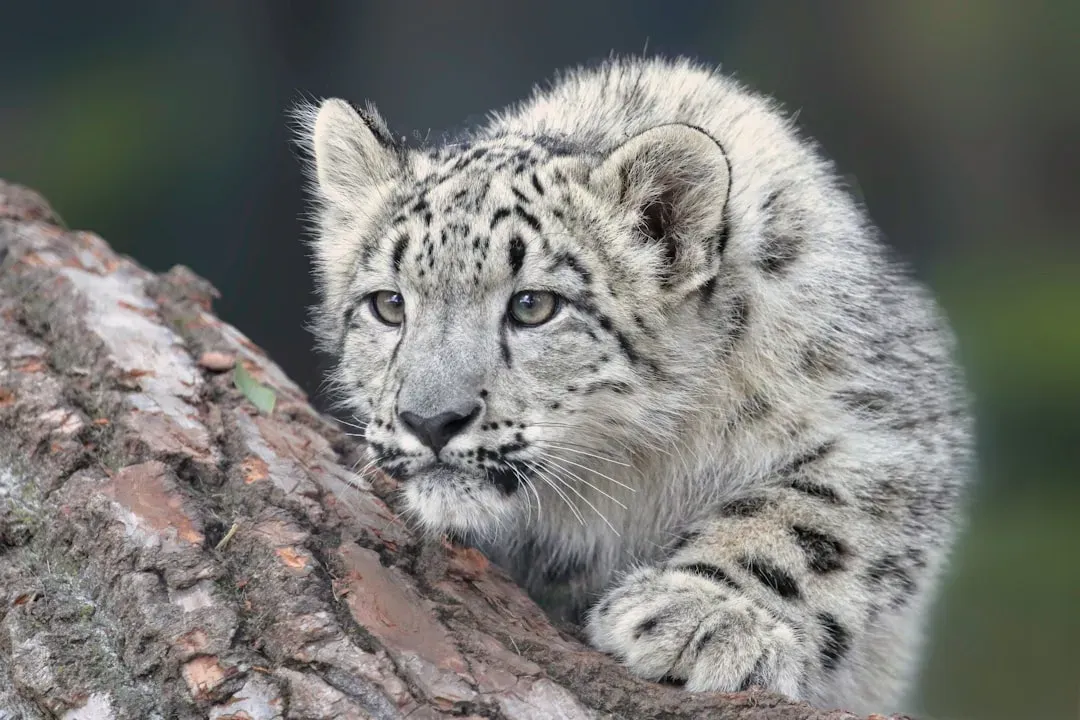
When you think “cat,” you probably picture a warm lap or at least a cozy sunny window, not razor‑edge cliffs at altitudes where you get winded just walking. The snow leopard turns that cozy image upside down. You find it across some of the highest mountain ranges in Central and South Asia, prowling steep, rocky slopes where temperatures plunge and oxygen thins out. It moves with a calm confidence over icy ledges that would terrify most humans. If you watch one long enough, you see how perfectly it’s adapted: an extra‑long tail that works like a balancing pole, oversized paws that function like natural snowshoes, and thick fur that insulates against biting winds. Even its pale, smoky coat turns it into a ghost against the rock and snow. When you imagine your house cat knocking things off the counter, then picture a snow leopard leaping a ravine in thin air, you start to see how flexible the “cat template” really is.
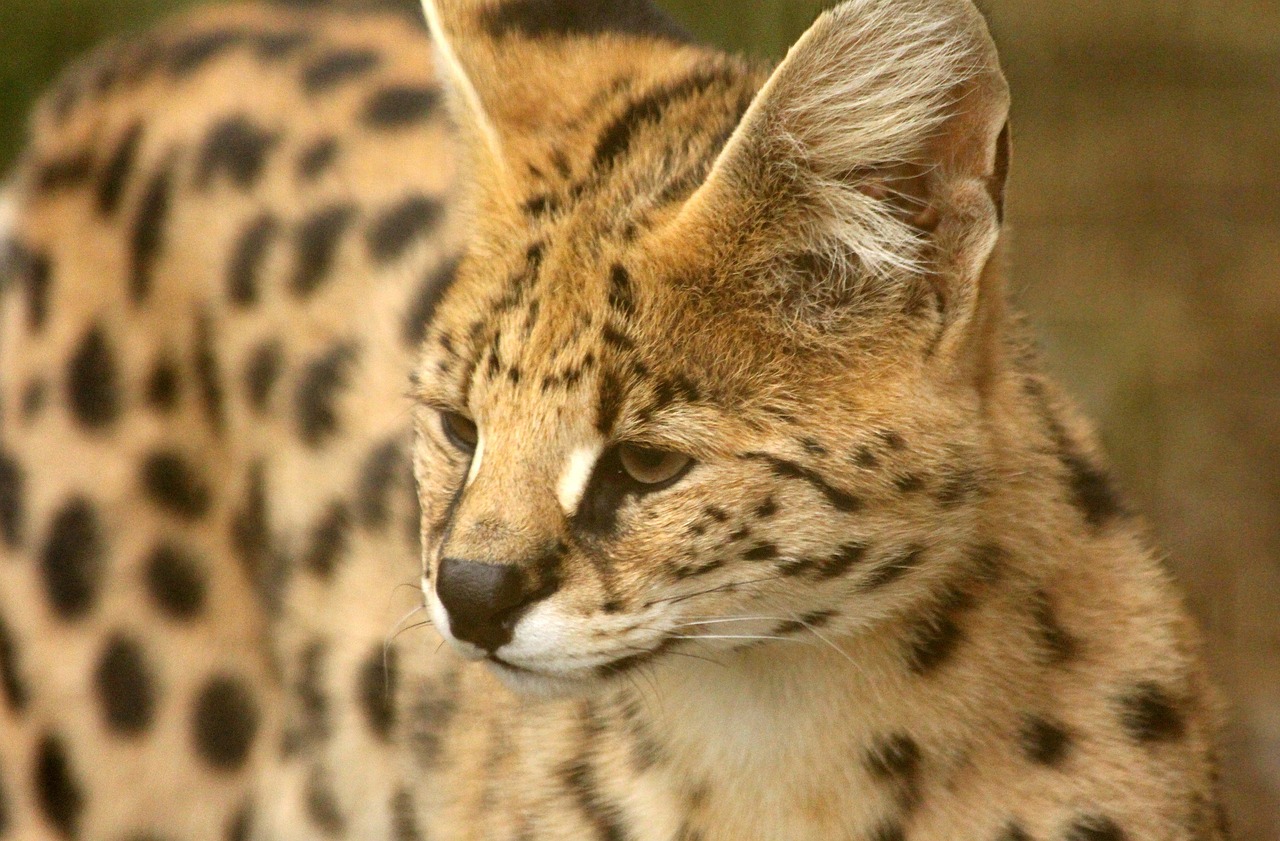
4. Serval – The Long-Legged Jumper That Hunts by Ear
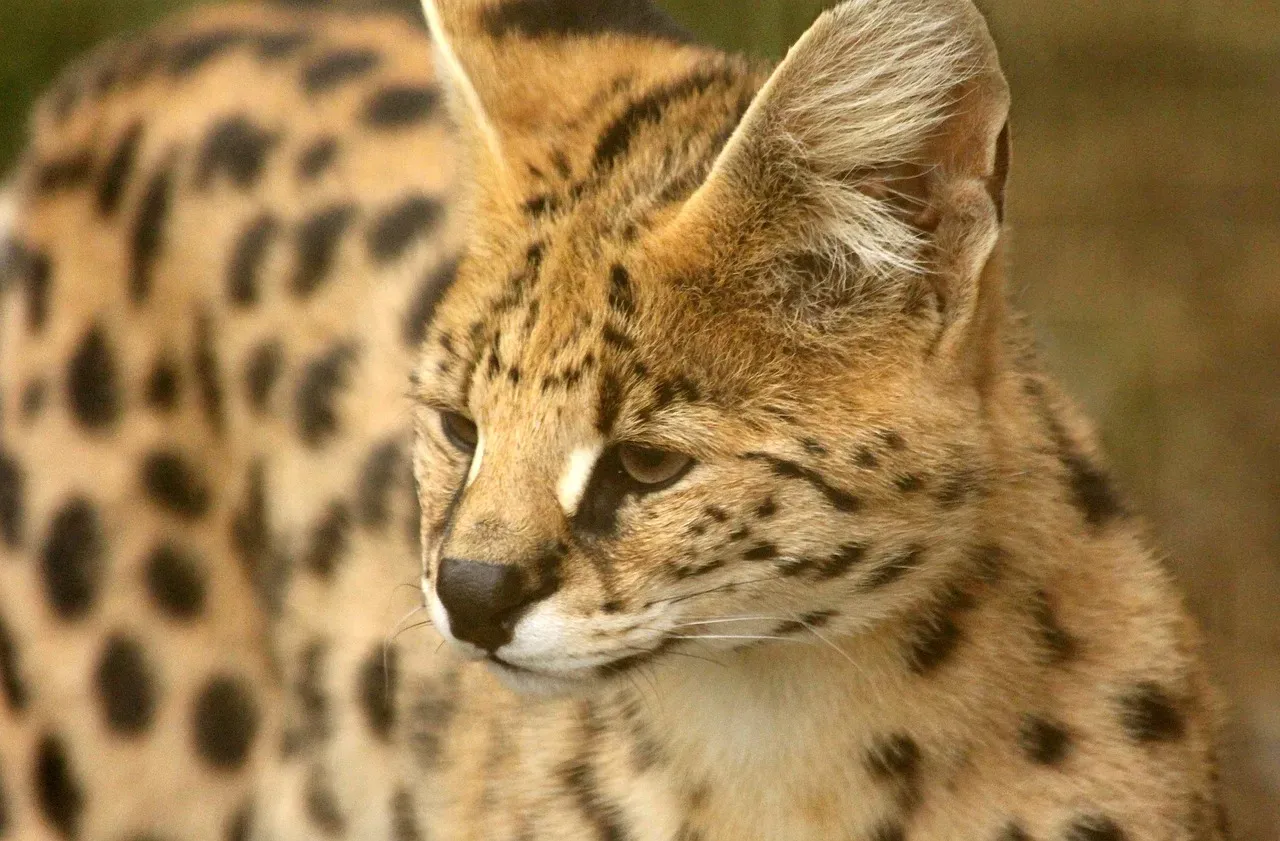
The serval looks like someone stretched a regular cat upward and dropped it into tall African grass. When you see one in the savanna, those extremely long legs and oversized ears stand out immediately, and both features help it shatter normal cat expectations. Instead of prowling low and swiping at close prey, a serval listens first, often standing still with its head tilted, picking up the tiny rustle of rodents hidden under grass or soil. Once it locks onto a sound, it does something your brain does not associate with cats: it springs straight up in the air like a coiled spring, sometimes vaulting higher than your own height, then crashes down with pinpoint accuracy. This vertical pounce lets the serval grab prey that never even sees it coming. You realize that while many cats rely on stealth and sprinting, this one has built a career out of turning itself into a living, leaping spear guided more by ears than eyes.
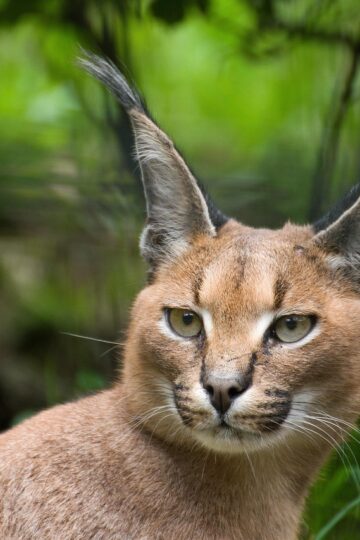
5. Caracal – The Ear-Tufted Acrobat That Swats Birds Out of the Sky
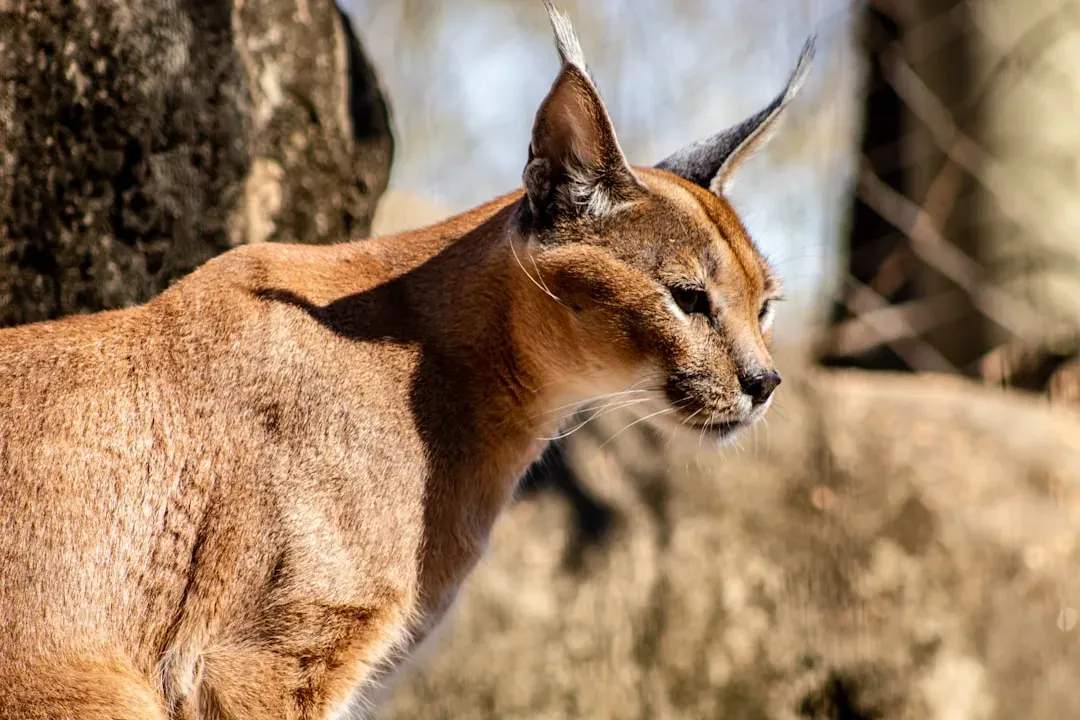
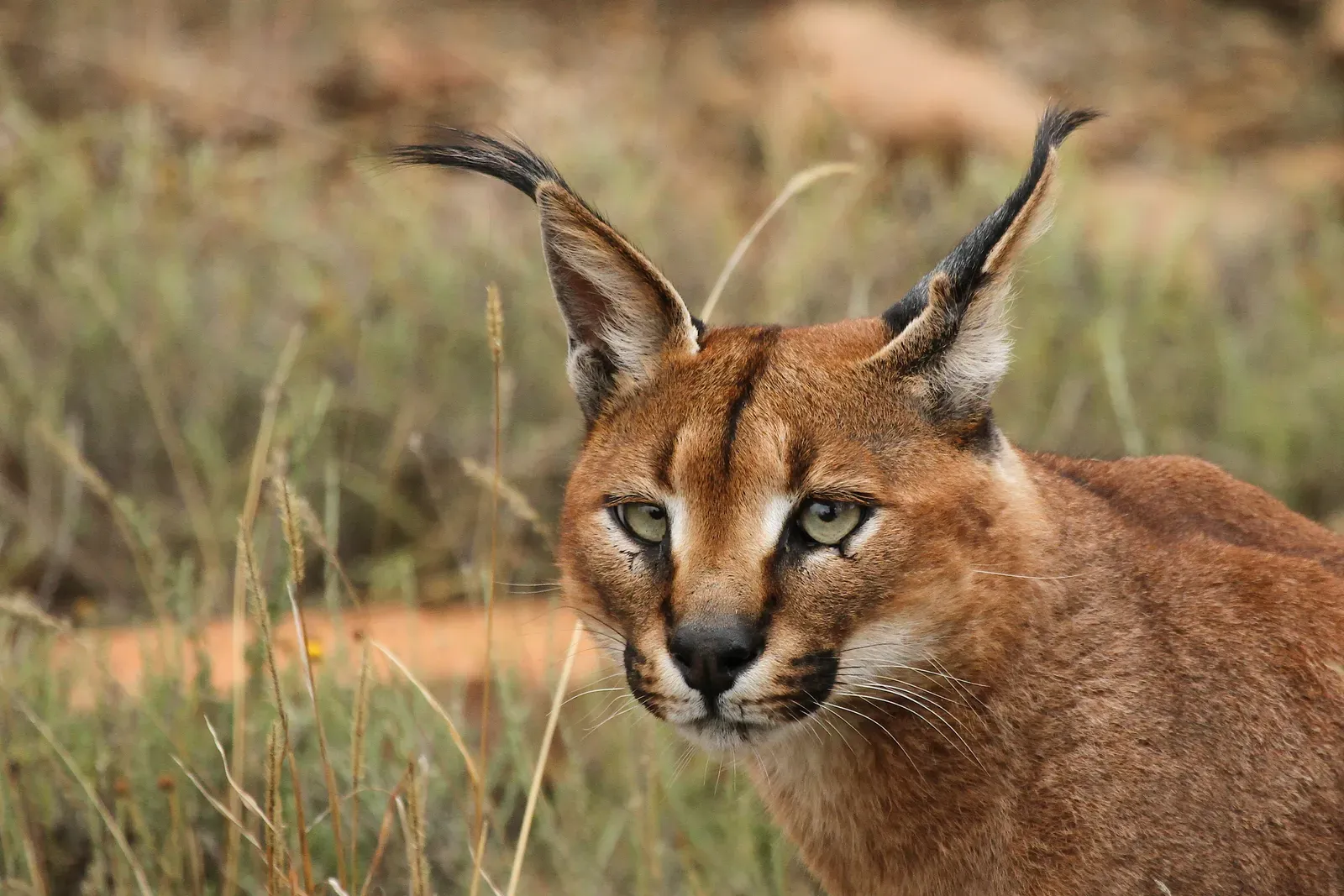
If you’ve ever watched slow‑motion footage of a caracal hunting, you know it looks almost unreal. You normally imagine cats stalking along the ground, but this medium‑sized feline from Africa and parts of Asia treats the air itself like a hunting field. When a flock of small birds takes off, a caracal can launch its entire body into the air, twisting and clawing, sometimes bringing down several birds in a single explosive jump. Those dramatic black ear tufts you notice on every photo are not just for show; they probably help with communication and may break up the head’s outline in tall grass. The caracal’s personality also breaks your standard cat mold: it often shows boldness and curiosity rather than skittishness, approaching new situations with a self‑assured calm. When you compare that to the way many domestic cats bolt from the vacuum cleaner, you start to appreciate how surprisingly confident some of their wild cousins can be.
6. Sand Cat – The Tiny Desert Survivor That Acts Like a Ghost
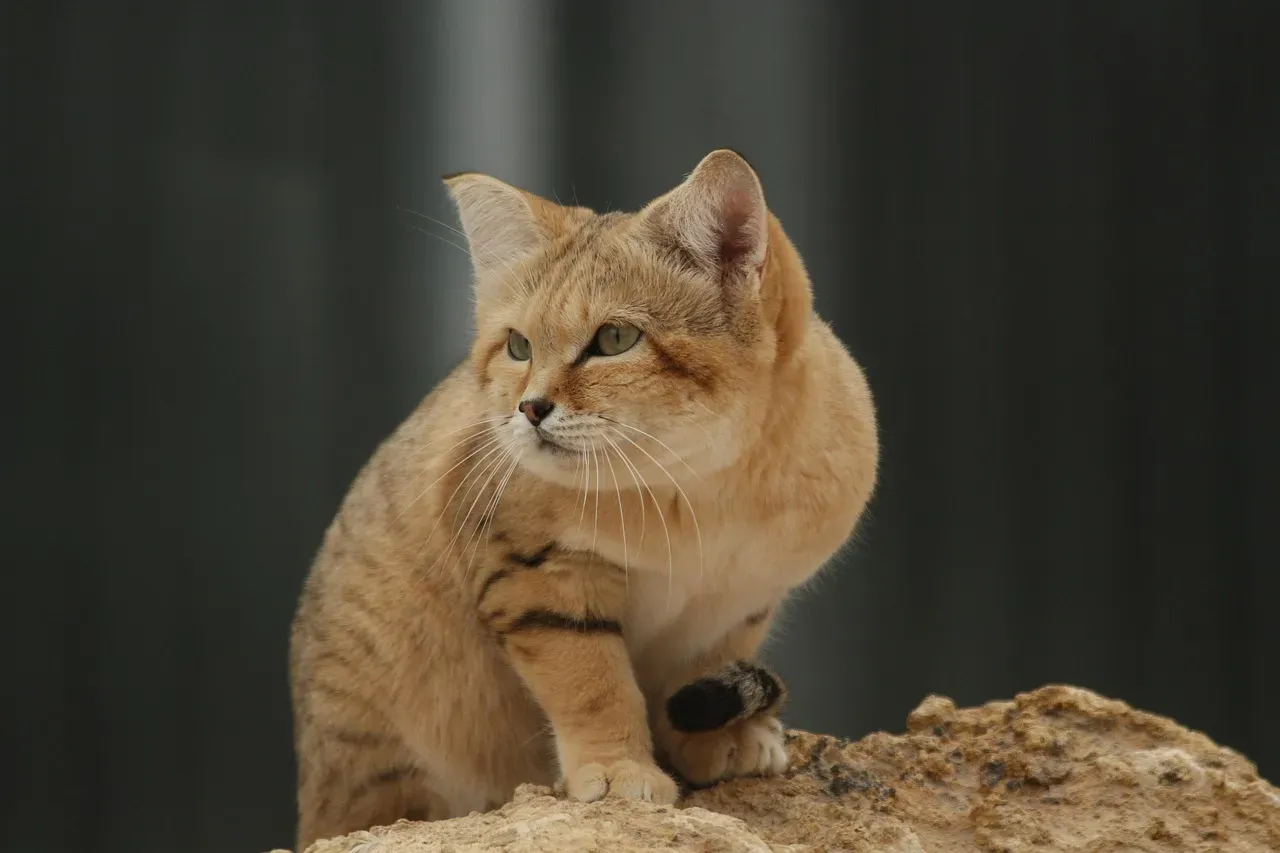
If you assume cats need trees, shade, and plenty of water, the sand cat feels almost impossible. You meet this small, round‑headed feline in some of the harshest deserts of North Africa and Asia, where daytime heat burns, nights freeze, and open sand stretches for miles. Instead of climbing or lounging, it lives mostly on the ground, often far from any vegetation, and leaves almost no trace behind. To survive, it leans into stealth and timing rather than speed or strength. You’d see it hunting mostly at night, padding over the sand on fur‑covered paws that muffle sound and protect it from scorching ground. It slips into abandoned burrows to escape temperature extremes and can go long periods without drinking, getting moisture from its prey. Compared to your kitchen‑dwelling cat that demands a water bowl and a cushy bed, the sand cat feels like a minimalist survivalist that proves how far feline adaptability can stretch.
7. Jaguarundi – The Slender Cat That Looks More Like an Otter
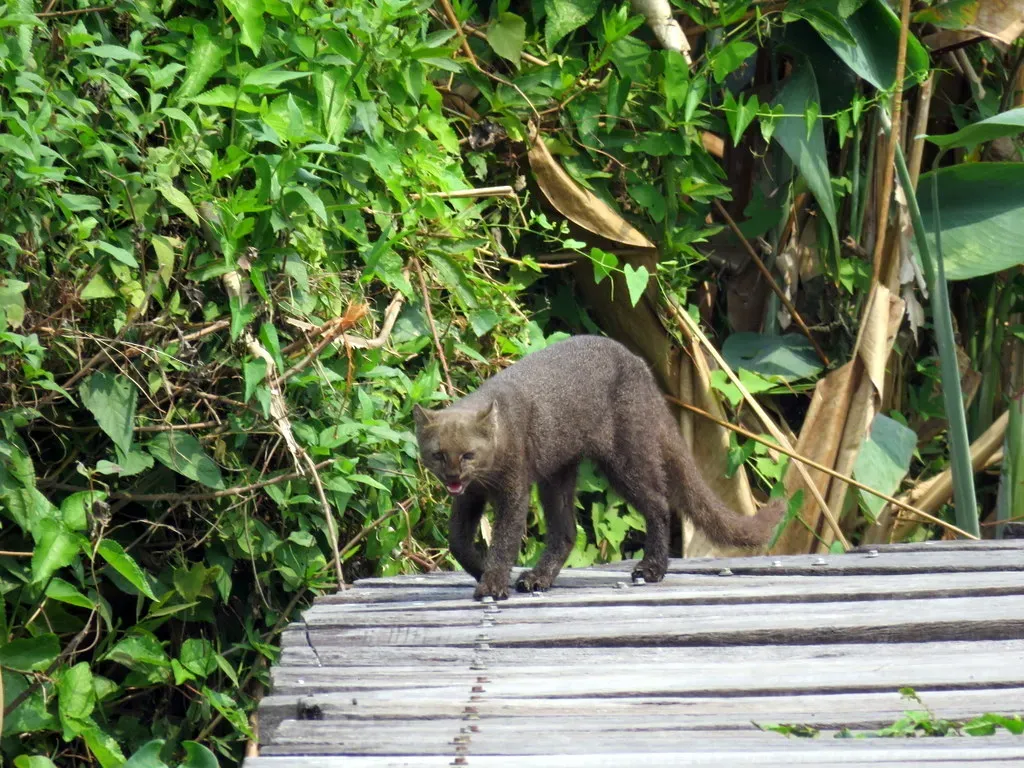
When you look at a jaguarundi for the first time, you might even doubt it’s a cat at all. With its long, low body, short legs, and smooth, unspotted coat, it looks oddly like an otter or a small weasel. You find it across parts of Central and South America, moving through dense brush, river edges, and sometimes even farmland, where it hunts small mammals, birds, and reptiles with a quirky, almost ferret‑like energy. This species also pokes holes in the idea that wild cats all behave like silent, solitary shadows. Jaguarundis can be surprisingly vocal, using a variety of chirps, whistles, and meow‑like calls to communicate. They often move by day as well as at dawn and dusk, which contrasts sharply with the deep‑night habits of many other felines. If you are used to thinking of wild cats as nocturnal ghosts, seeing a jaguarundi trotting confidently in daylight can feel like watching the rules quietly fall apart.
8. Margay – The Tree Acrobat That Can Climb Down Headfirst
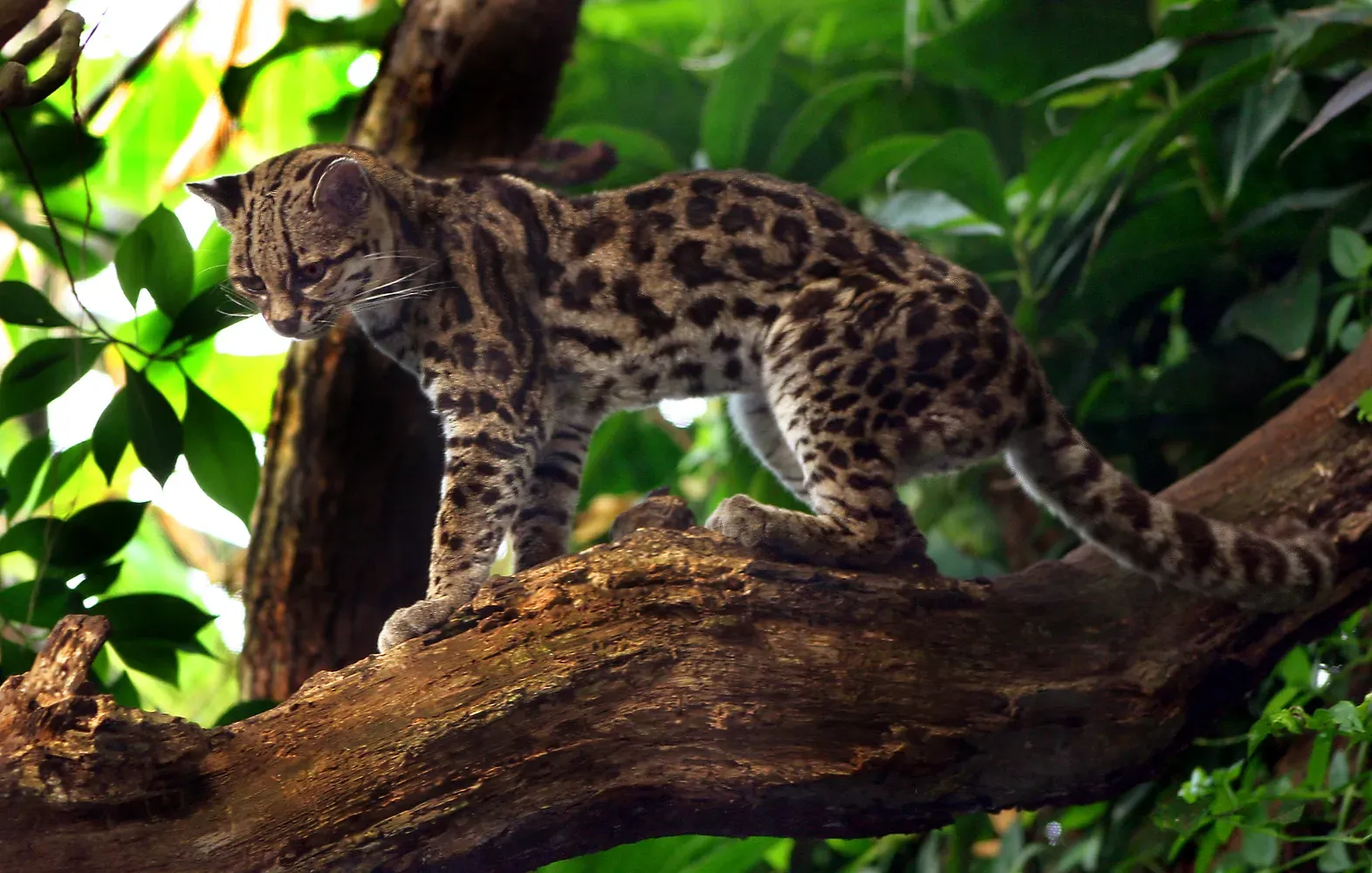
You probably expect cats to climb trees, but you might not expect one to practically live in them the way the margay does. This small spotted cat from Central and South American forests spends a huge part of its life off the ground, hunting, resting, and traveling through branches like a furry acrobat. Its ankles can rotate more than those of most cats, allowing it to grip and maneuver on trunks and limbs at angles that would send other species tumbling. One of the most mind‑bending things you see a margay do is climb straight down a tree headfirst. Where many cats have to awkwardly back down, this one simply walks downward, using flexible joints and long tail balance to stay in control. It even has extra‑long tail proportions and oversized eyes suited to a dim, leafy canopy. When you watch it move, you stop thinking of cats as mainly ground hunters and start imagining them as potential tightrope walkers in a living jungle gym.
9. Pallas’s Cat – The Fluffy Grump That Mastered Harsh Plateaus
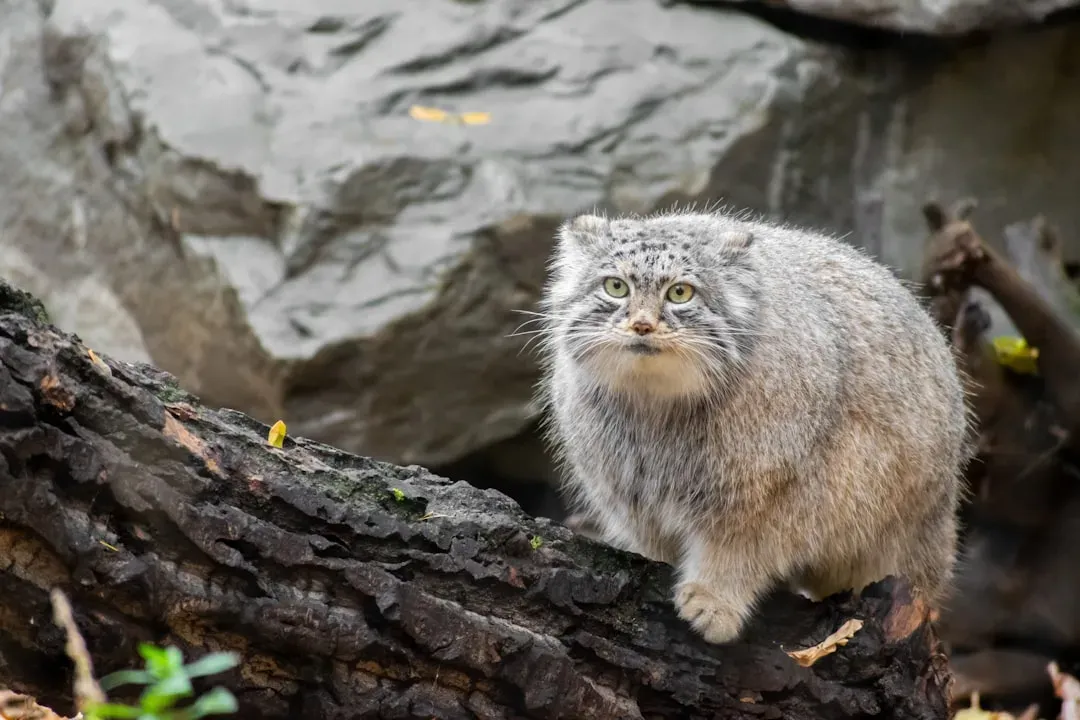
At first glance, Pallas’s cat looks like someone squashed a cat and then added extra fur until it resembled a living, grumpy pillow. You encounter it across cold, high plateaus and grasslands in Central Asia, where winds howl and winters bite hard. Its fluffy, dense coat makes it appear much larger than it is, and that rounded shape helps it hold onto heat in landscapes that would leave many animals exposed and shivering. Instead of roaming widely like some big cats, Pallas’s cat relies on patience, camouflage, and extremely low‑to‑the‑ground movements. It often flattens against the earth, blending into rocky terrain while it waits for pikas and rodents to wander within striking distance. The combination of stocky build, strange rounded pupils, and perpetual scowl makes it look comical to you, but beneath that expression sits a finely tuned predator that proves cats can thrive in bleak, open country - not just in forests and lush savannas.
10. Black-Footed Cat – The Tiny Night Stalker With Outsized Attitude
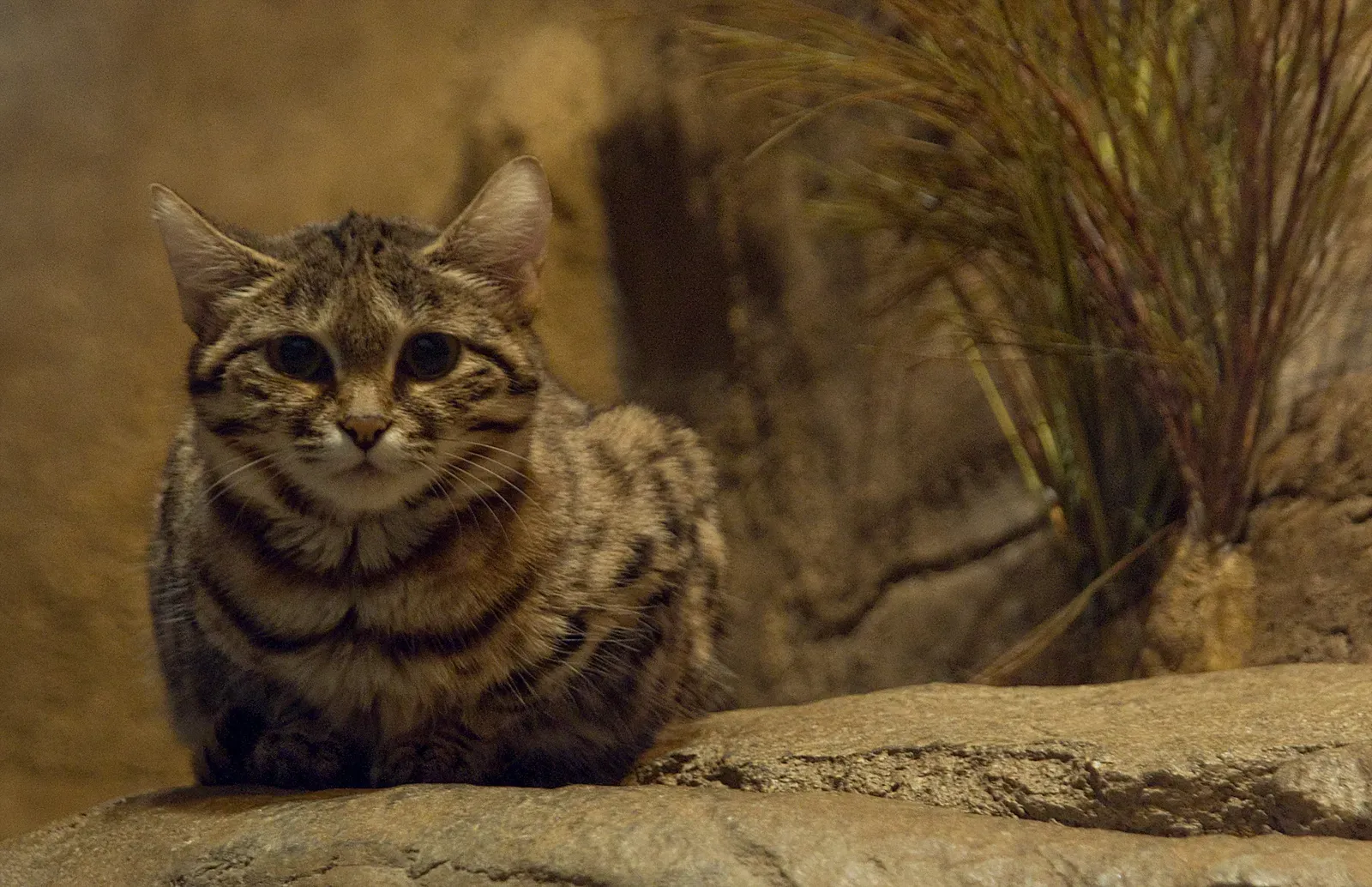
If you think “smallest” means “least dangerous,” the black‑footed cat is ready to challenge you. This petite African feline, often weighing less than a typical house cat, has a reputation among researchers as one of the most efficient hunters in the cat world. Over a single night, it can bring down an impressive number of small prey items like rodents and birds by using pure persistence and fearless energy. You usually find it in arid grasslands and scrub, where it roams over surprisingly large territories for such a small body. Unlike the relaxed stereotype you might project onto a tiny cat, this one stays almost constantly on the move after dark, listening and pouncing again and again. Its round face and big eyes might make you think of a cuddly pet, but its relentless hunting shows you just how misleading size can be when you are judging a wild predator.
Conclusion: Rethinking What “Cat” Really Means
When you step back from these ten species, you can see how limited your first picture of a cat probably was. Instead of one neat box - small, water‑hating, solitary, sleepy - you now have swimmers, jumpers, cliff climbers, desert wanderers, and social sprinters all sharing the same extended family. It becomes clear that “cat” is not a narrow template but a set of flexible tools that nature keeps reshaping for different landscapes and challenges. The next time your own cat curls up on the couch or chases a toy mouse, you might imagine the wider lineage behind those paws and whiskers. Somewhere out there, a wild cousin is stalking fish in a swamp, gliding between trees, or padding over frozen stone in thin mountain air, rewriting your assumptions with every step. Once you see felines this way - as explorers, specialists, and survivors - it’s hard not to ask yourself: how many other animals do you still underestimate because of old, simple stereotypes?