6 Fascinating Caracal Facts That Go Far Beyond Their Extraordinary Jumping Ability
If you only know caracals for those viral slow‑motion videos of them leaping into the air, you’re just scratching the surface. These sleek, tuft‑eared wildcats are packed with quirks that make them one of the most surprising small predators on the planet.
As you get to know them better, you start to realize they’re like the “secret level” of the cat world: familiar enough to feel cat‑like, but strange enough to feel almost unreal. By the time you finish this, you won’t just picture a caracal jumping; you’ll see an animal built for stealth, strategy, and survival in some of the harshest places on earth.
You’re Looking At A Cat Built For Heat, Not Just Speed
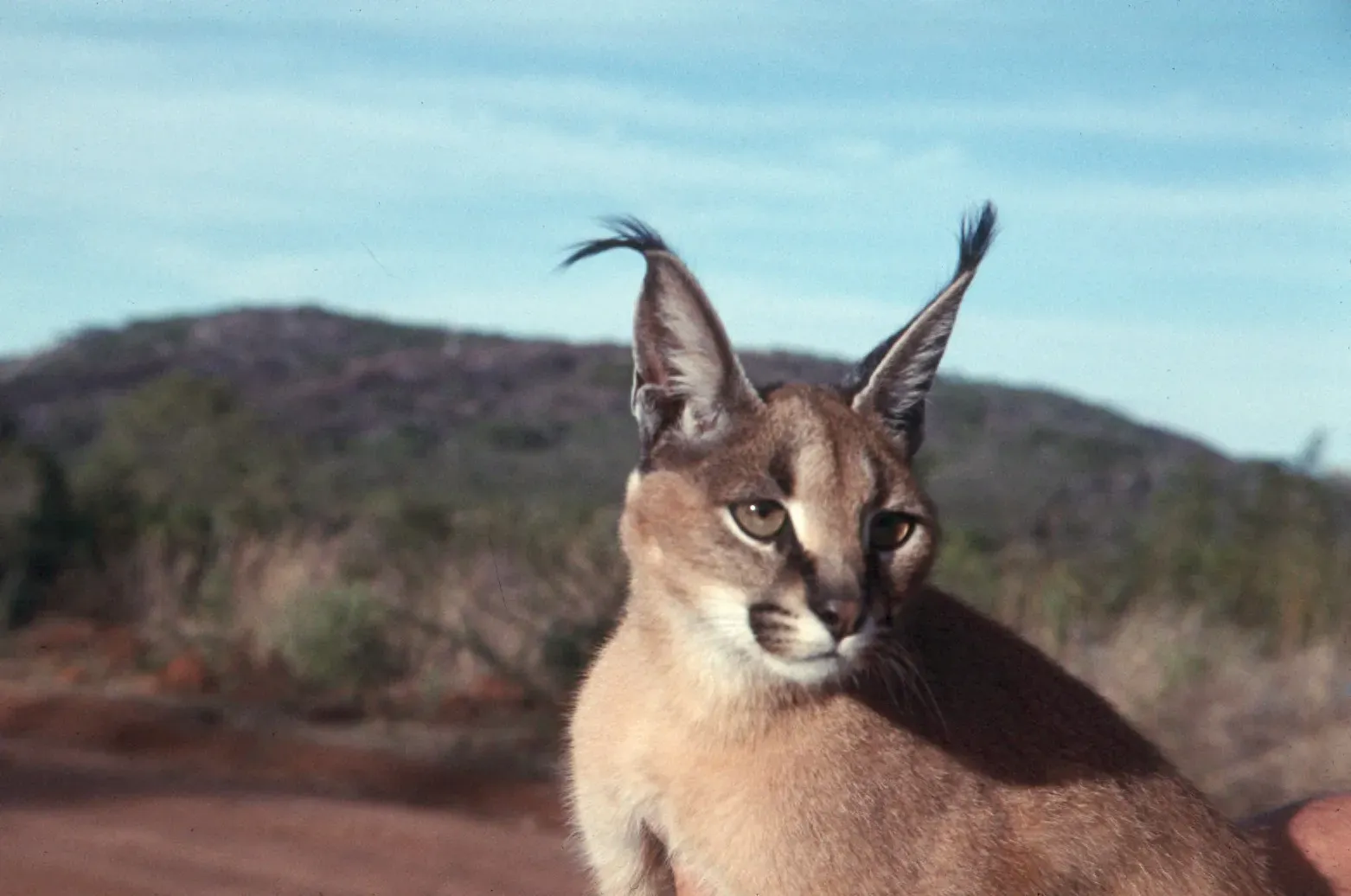
When you look at a caracal’s short, dense coat and lean, muscular frame, you’re looking at a body tuned for life in hot, dry landscapes. You find caracals across large parts of Africa, the Middle East, and into Central and South Asia, especially in semi‑deserts, savannas, and scrublands where shade and water can be scarce. Their fur is usually a sandy or reddish‑brown color that helps them blend almost perfectly into dry grass and dusty soil, turning them into moving shadows instead of obvious predators.
Their relatively long legs and slim build are not just about speed; they help with air circulation and heat loss, like having a built‑in cooling system for survival in harsh sunlight. You might notice they don’t have the thick, shaggy fur of a snow leopard or lynx, because insulation would work against them in high temperatures. Instead, this cat is a specialist in staying just cool enough to move, hunt, and hide during the hottest parts of the day when many other animals give up and rest.
Those Black Ear Tufts Are Communication Antennas, Not Just Decoration
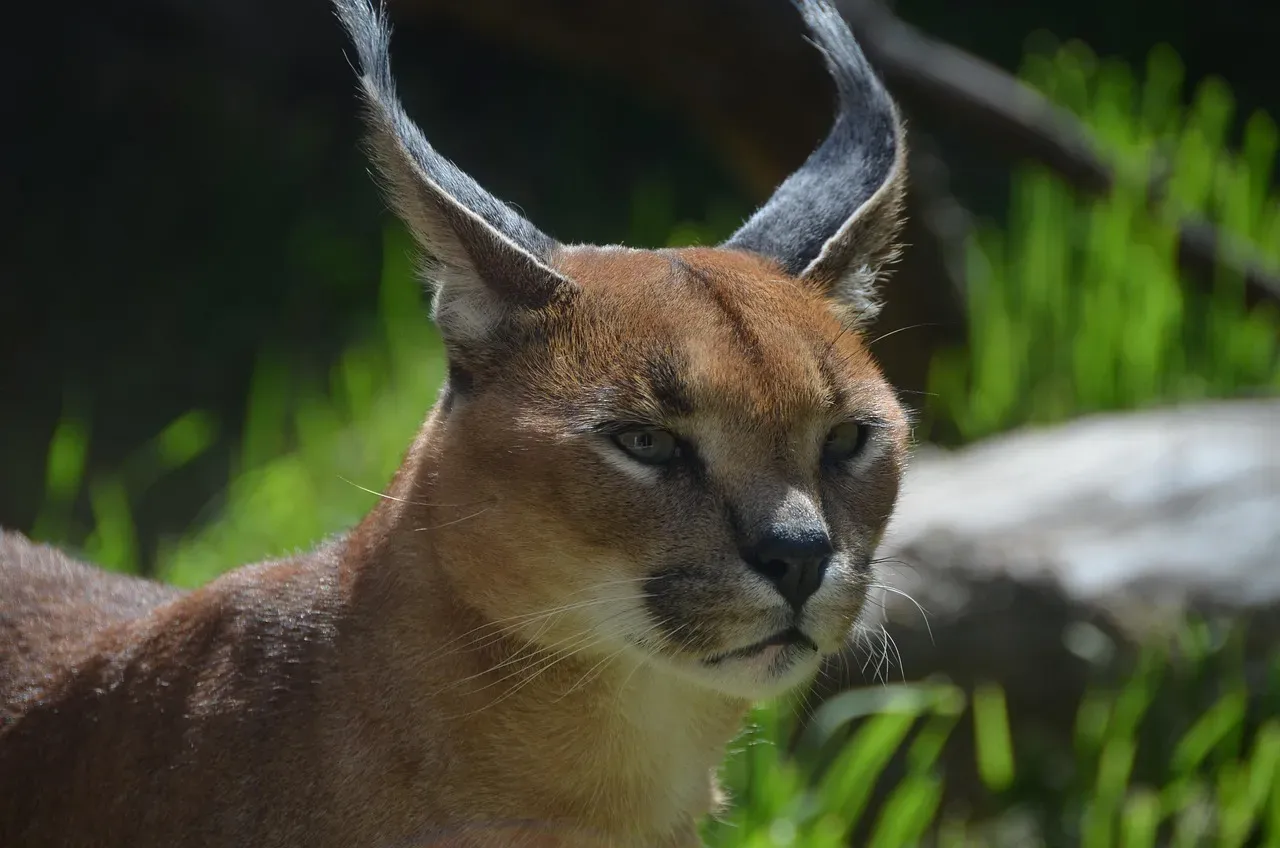
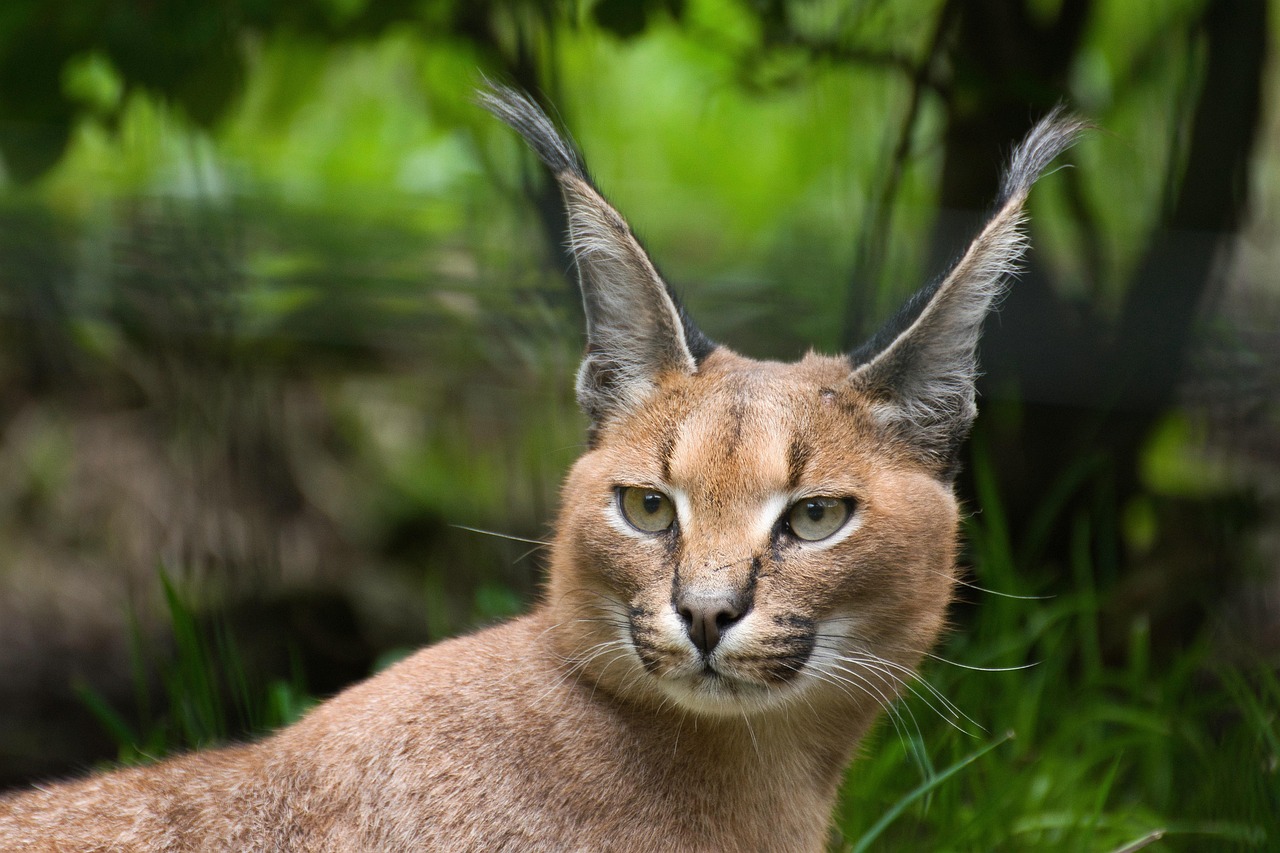
The first thing your eyes probably lock onto is the caracal’s dramatic black ear tufts, which can reach several centimeters in length. They look almost ornamental, like some kind of fantasy‑creature accessory, but they serve practical purposes that give the caracal an edge. The ears themselves are large and highly mobile, and the dark tufts on top may help break up the outline of the head, making the cat harder to spot in tall grass or broken terrain.
Researchers also think those tufts play a role in communication, especially over distance. When a caracal swivels, flattens, or raises its ears, those black tips exaggerate the movement, making signals easier for another caracal to notice. You can think of them like small flagpoles on top of a satellite dish, combining style and function. For an animal that often lives at low density and may rely on subtle signals rather than loud vocalizations, visible ear language can be surprisingly important.
You’re Dealing With A Predator That Hunts Like A Quiet Sprinter
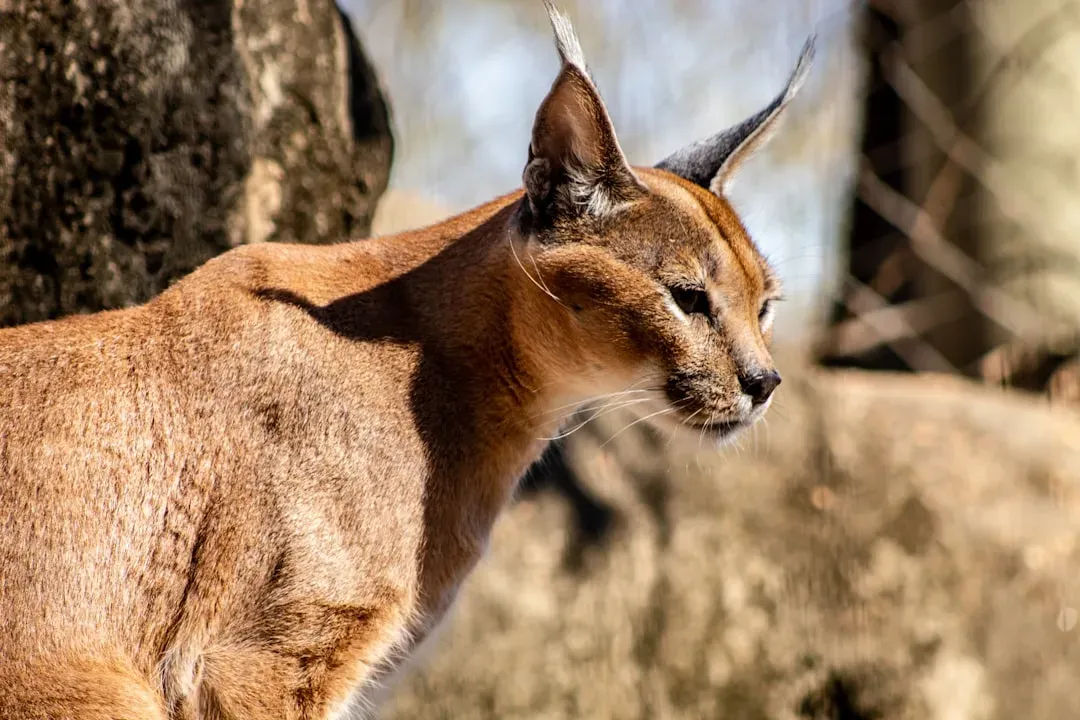
Caracals don’t just jump; they specialize in short, explosive bursts of speed and power. You’ll see them stalking quietly with their body low, placing their feet carefully to avoid dry twigs or stones that might give them away. Once they are close enough, they explode forward in a quick rush, relying on fast acceleration rather than a long chase. This style of hunting works well on animals like rodents, small antelopes, hares, and ground‑dwelling birds.
What makes them particularly impressive is how versatile they are with their menu. Depending on where you are, a caracal might go after everything from small mammals to birds roosting in trees, even raiding nests if the opportunity presents itself. Their strong hind legs, sharp claws, and flexible spine let them twist and leap with incredible precision. Instead of being a one‑trick jumper, the caracal is more like a compact athlete that can switch between sprinting, pouncing, climbing, and ambushing with ease.
You’ll Find A Surprisingly Solitary, Secretive Lifestyle
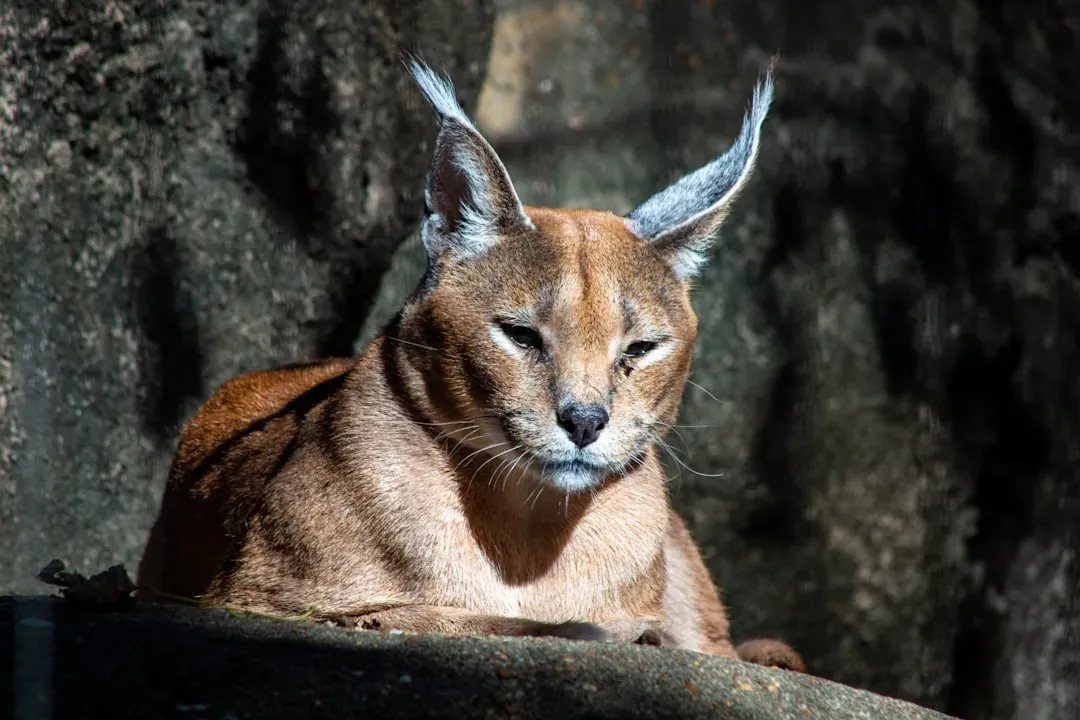
If you went looking for a “caracal family hangout,” you’d probably be disappointed, because these cats are mostly solitary. Adults usually maintain their own territories, and you’re more likely to spot a lone caracal moving at dawn or dusk than a group lounging in the open. Males tend to range over larger areas that can overlap with the smaller ranges of several females, but they still avoid direct contact most of the time. Only mothers with kittens regularly share space and stay together for longer periods.
This low‑profile lifestyle is one big reason you don’t hear about caracals as often as lions or cheetahs, even though they share much of the same geography. They tend to avoid open confrontation, slipping out of sight when humans are near and using cover to move unnoticed. If you picture a lion as the loud, charismatic actor, you can picture the caracal as the quiet, highly competent character working behind the scenes. You may be surrounded by caracal territory without ever actually seeing the cat that owns it.
You’re Looking At A Cat That Can Live Close To People - With Tension
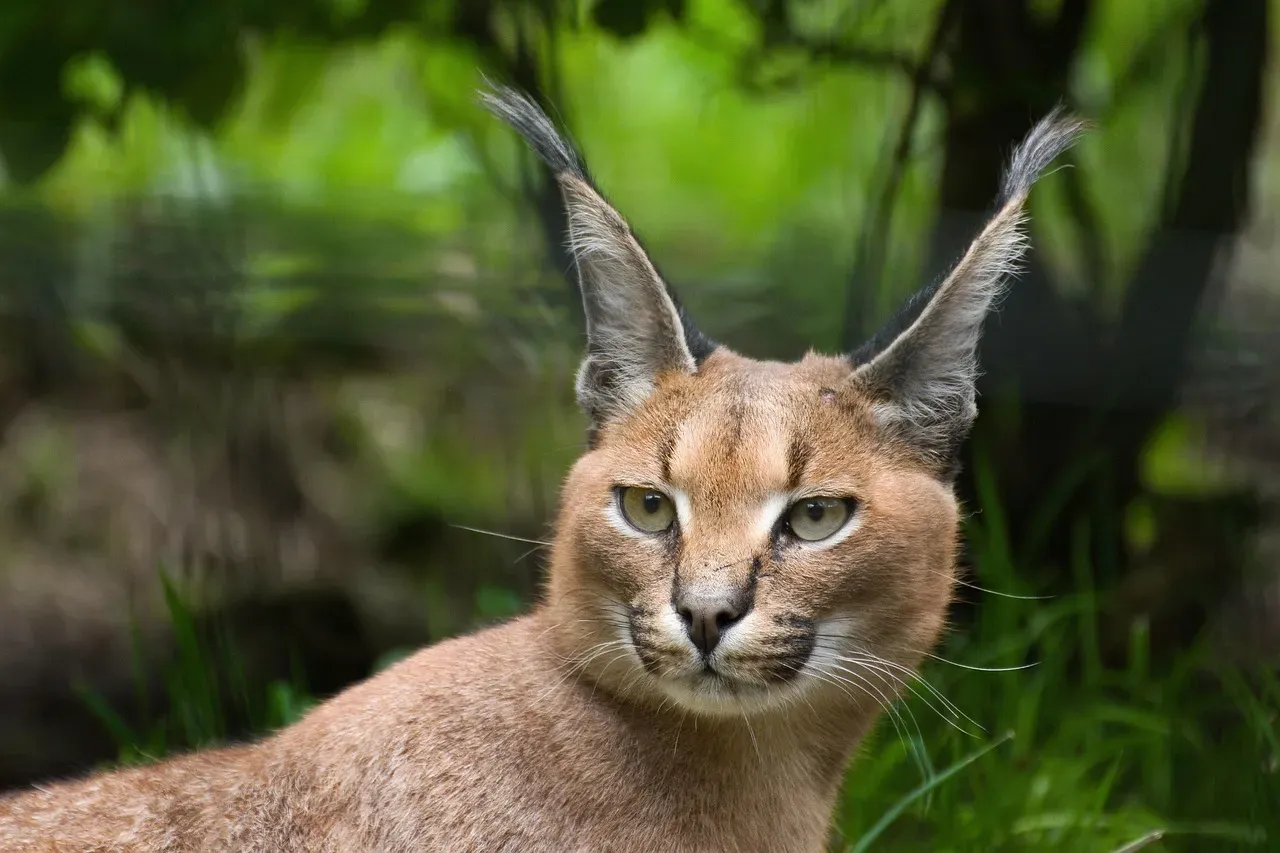
Caracals have a talent that many wild predators do not: they can sometimes live surprisingly close to human activity. In some regions, you’ll find them near farmlands, edges of villages, or areas where livestock and poultry are present. From the caracal’s perspective, this can look like opportunity, because domestic birds and small animals are easier to catch than wild prey in overgrazed or disturbed landscapes. When wild prey becomes scarce, a chicken coop can start to look very tempting.
For you and other people who live in these areas, that adaptability can cause conflict. Farmers and herders may see caracals as threats to their animals and may try to trap or kill them in retaliation. This tension means that in some places, even though the global status of the species is not considered dramatically endangered at the moment, local populations can be under pressure. When you hear about better fencing, livestock guarding practices, or compensation schemes, those are the kinds of practical steps that can help you protect your animals without wiping out a wild predator that is simply doing what it evolved to do.
You’re Meeting A Wildcat That Needs Respect, Not Domestic Life
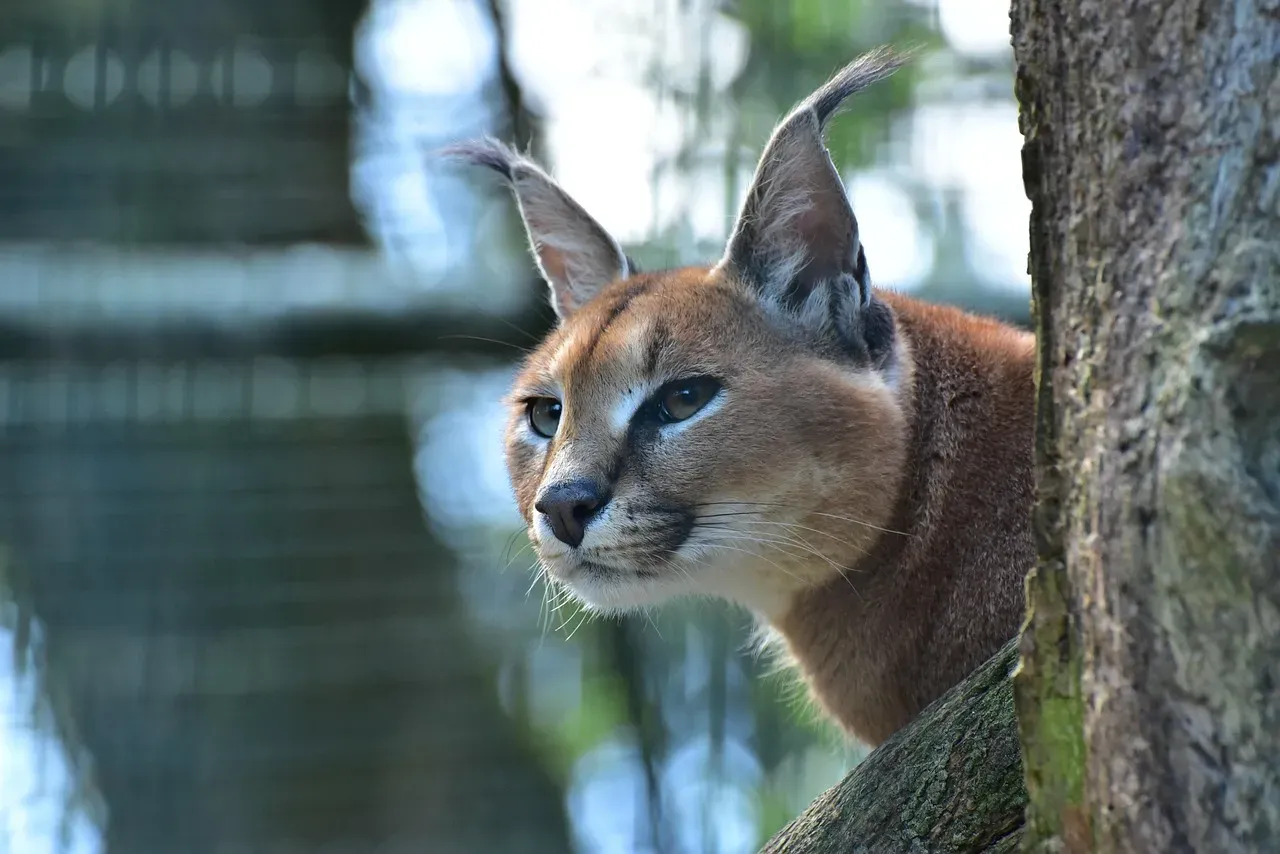
Because caracals are graceful, striking, and roughly about the size of a medium dog, some people are tempted to treat them like exotic house cats. You might have seen images of caracals on leashes or in apartments and wondered if they really can be pets. The reality is that they remain wild animals, with strong hunting instincts, powerful bodies, and behavioral needs that are very difficult to meet in a home. Even if a young caracal is hand‑raised, it does not become a domestic cat in the way a tabby or Siamese does.
When you keep a caracal in captivity without proper space, enrichment, and expert care, you risk chronic stress, frustration, and unpredictable behavior from the animal. You also support a demand that can encourage questionable breeding or illegal capture. If you admire caracals, the most responsible way to act on that fascination is by supporting habitat protection, reputable conservation programs, or ethical wildlife tourism where animals stay wild. That way, you respect the caracal for what it actually is - a finely tuned predator - rather than trying to force it into a role it was never meant to play.
Conclusion: Seeing The Caracal As More Than A Viral Jump
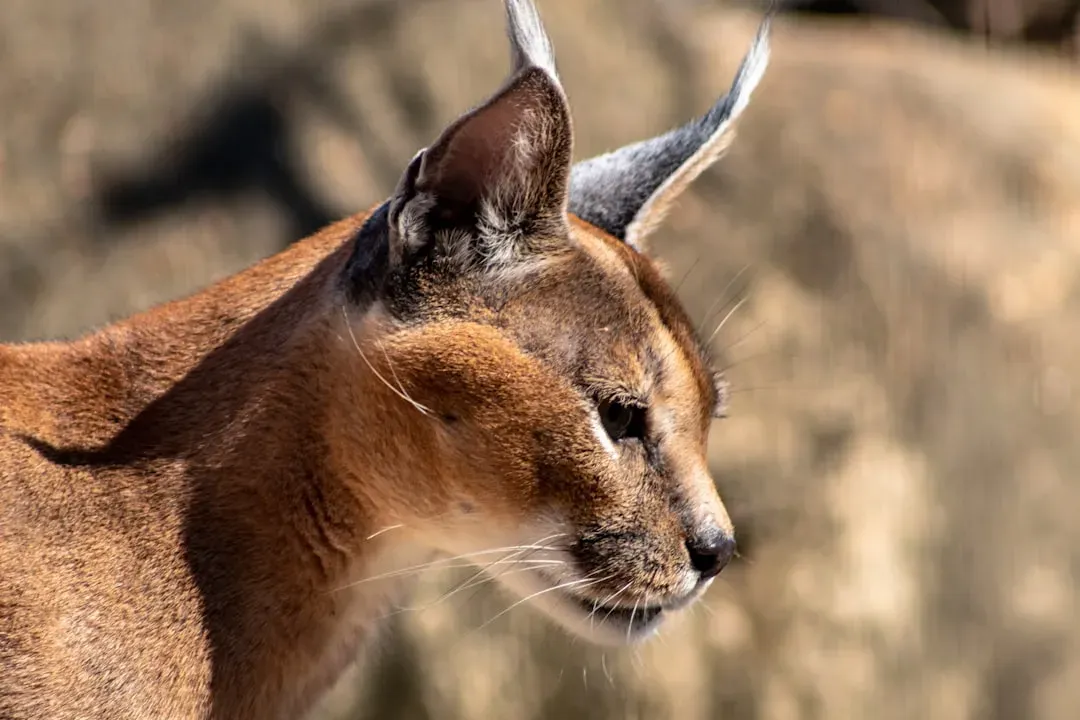
Now that you know more about caracals, the jump becomes just one part of a much richer story. You’re dealing with a heat‑adapted hunter that lives quietly in the margins, uses its ears like visual signals, and walks a complicated line between avoiding people and sometimes taking advantage of human‑altered landscapes. The more you learn, the more you realize that this is not just a cat that can leap high; it’s a specialist survivor that has evolved to thrive in tough, unpredictable environments.
When you next see a clip of a caracal launching itself into the air after a bird, you can picture the whole life behind that moment: the solitary patrols at night, the tension near farms, the careful use of shade and cover, and the wild instincts that do not fit into a living room. If you could pick only one wild cat to watch quietly from a distance, knowing everything you now know, would you have guessed it might be this understated, ear‑tufted acrobat of the savanna?