When your feline friend starts hiding under the bed at the slightest sound or seems perpetually on edge, you might feel helpless watching their distress. Nervous cats experience the world as an unpredictable place filled with potential threats, making everyday life feel overwhelming for these sensitive creatures.
The good news is that creating a sense of security doesn’t require expensive gadgets or dramatic lifestyle changes. Simple, consistent routines can transform your anxious cat’s daily experience from one of constant worry to peaceful predictability. Think of these gentle habits as building blocks that create a foundation of trust and safety in your cat’s world.
Let’s explore how small changes in your daily approach can help your nervous feline find their confidence again.
Establish Consistent Feeding Times
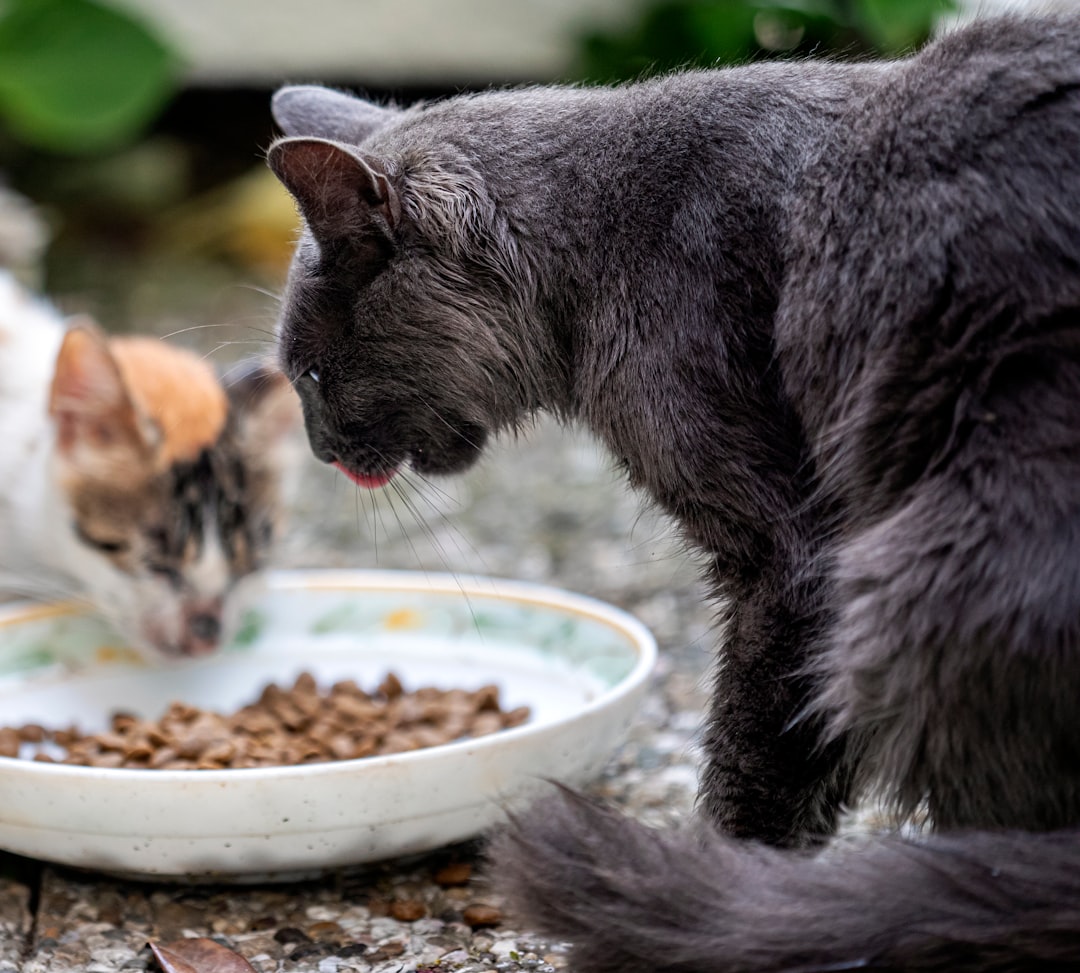
Feeding your cat at the same times each day creates security and predictability, making meals a cornerstone event around which other activities are added. A consistent feeding schedule reduces anxiety in cats because they thrive on routine, and knowing when to expect their next meal can lower stress levels.
Feeding your cat at the same time every day helps them feel secure and in control, which can reduce anxiety and stress. Cats like a predictable routine, and their day is designed around feeding, helping some cats cope with day-to-day events in their household.
Most experts recommend feeding adult cats twice daily, with many suggesting morning and evening meals spaced appropriately throughout the day. Cats generally do well with regular feeding schedules, and extended periods without food can contribute to stress and anxiety in some cats.
Create a Dedicated Safe Space
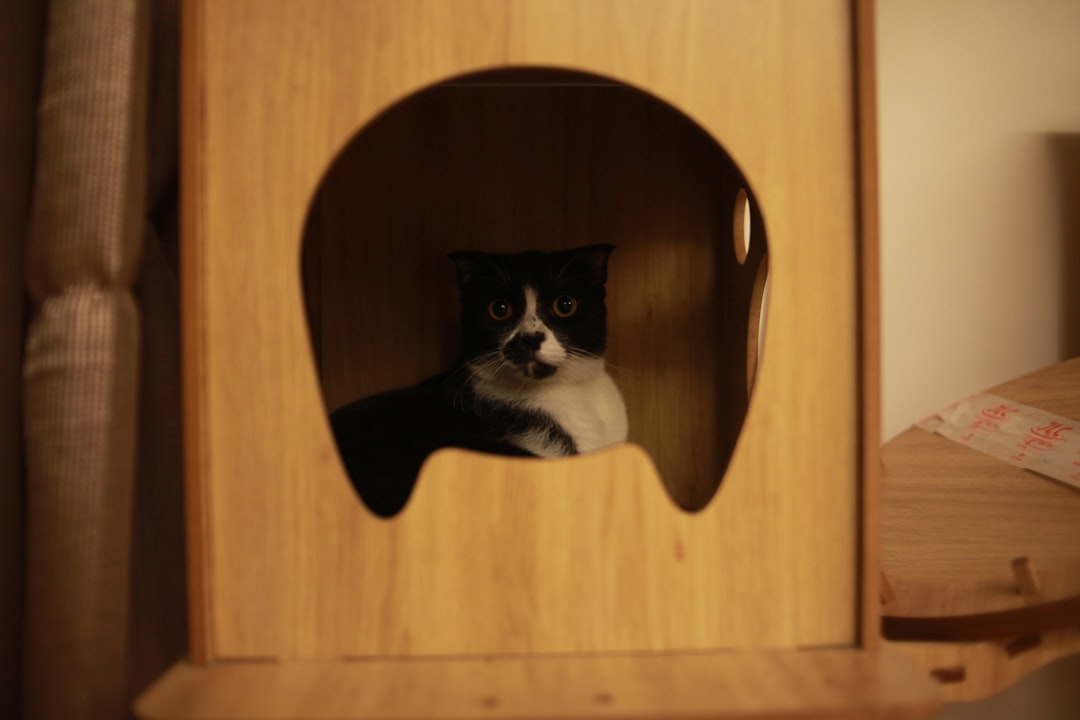
One of the most important things for many cats is having a space of their own where they can hide when they’re scared. Designate a quiet, secluded space where your feline friend can hide when there is too much disturbance in their environment, with cozy bedding, high hiding spots, stimulating toys, and familiar scents.
Your nervous cat’s sanctuary should remain undisturbed by other family members or pets. Make sure your kitty has access to a calm, quiet, secluded room with plenty of undisturbed space and time to decompress, with at minimum a crate or box and hiding spots to claim as her own safe spaces.
Consider placing this safe haven in a room with minimal foot traffic, perhaps adding a comfortable cat bed on an elevated surface like a bookshelf or dresser. High perches appeal to cats’ natural instincts and provide them with a vantage point to observe their surroundings while feeling secure.
Use Scent Marking and Pheromone Therapy
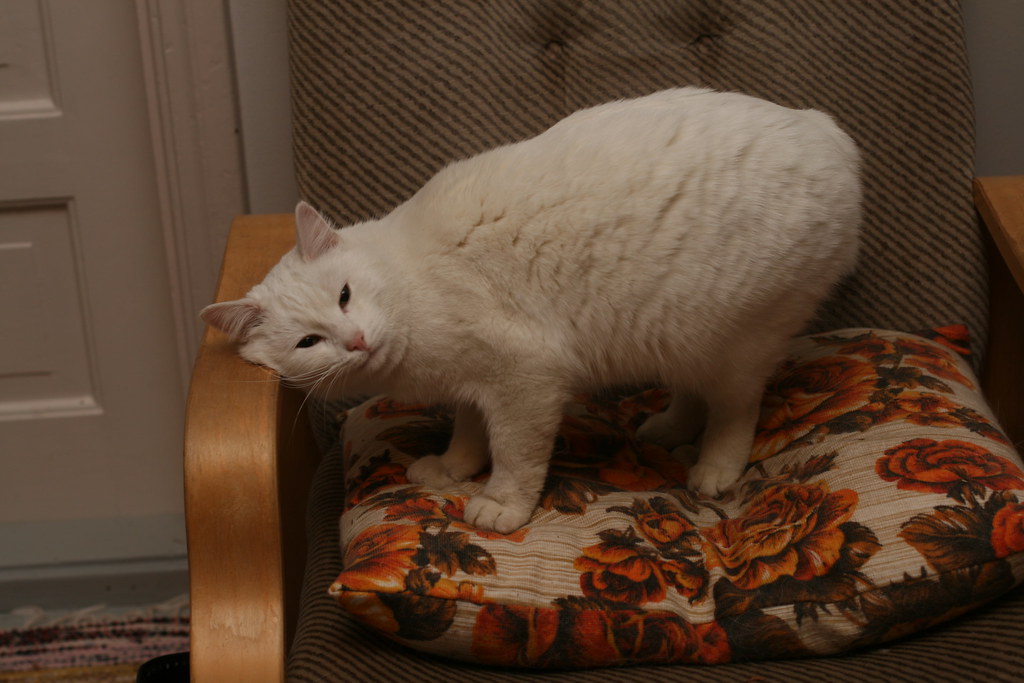
Scientists have found a way to recreate synthetic versions of the facial pheromones your cat uses during scent-marking, and these synthetic pheromones can be used to calm or relieve stressed cats by marking surfaces as friendly. Plug-in pheromone diffusers slowly release artificial pheromones which cats can detect, while pheromone sprays are ideal for using on blankets, cat carriers, and your cat’s bedding to help relax them.
The feline facial pheromone is used when cats rub their faces on furniture and other objects, marking these with a pheromone that signals the objects are familiar and safe. You can also create natural scent markers by gently wiping a clean cloth on your cat’s cheeks and then rubbing it on furniture or their carrier.
Cats mark the spaces they frequently use as a territorial signal, which may help emotionally soothe the cat such that being closer to the scent may increase a sense of security and belonging while reducing anxiety. This approach works particularly well in multi-cat households where territorial disputes might be causing additional stress.
Implement Structured Playtime Sessions

Having structured playtime is important for maintaining the overall health and wellbeing of your cat, giving them an outlet to release pent-up energy and strengthening the bond between you and your feline. Engaging in play with your cat helps them express natural behaviors, which is good for your cat’s mental health, with toys that encourage cats to practice hunting and play behaviors.
Schedule play sessions at the same times each day, ideally before meals when your cat’s hunting instincts are naturally heightened. Provide interactive toys, puzzle feeders, and scratching posts to keep them entertained and mentally stimulated, with regular play sessions providing an outlet for excess energy.
Choose toys that mimic prey animals, such as feather wands or small mice-shaped objects, allowing your nervous cat to engage their natural predatory instincts in a safe, controlled environment. Sessions lasting ten to fifteen minutes twice daily can significantly reduce anxiety-driven behaviors like excessive grooming or destructive scratching.
Maintain Predictable Daily Schedules

Cats like routine and familiarity, so try to make sure they know what to expect each day by feeding them at the same time and keeping their resources in the same place. Regular feeding schedules not only promote physical health but also contribute to emotional well-being, with behavioral stability coming from knowing when to expect food.
Your daily routine should extend beyond just feeding times. Regular feeding times, play sessions, and quiet periods can provide a sense of stability and security for your cat. Wake up at roughly the same time each morning, maintain consistent bedtimes, and try to keep household activities on a predictable schedule.
Even small changes in routine can trigger anxiety in sensitive cats, so when disruptions are unavoidable, prepare your cat gradually. If you’re planning to be away longer than usual, maintain their feeding and play schedules through automatic feeders or trusted caretakers who understand the importance of consistency.
Provide Mental Enrichment Activities
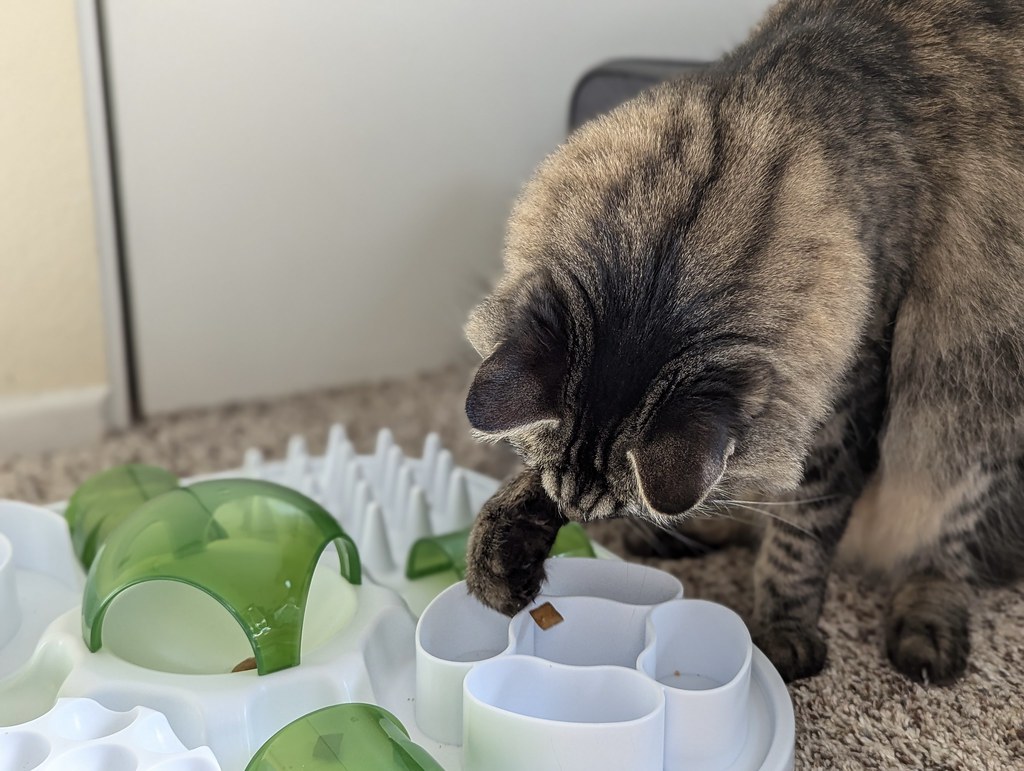
Anxiety may stem from boredom and pent-up energy, so engaging your cat in enriching activities can work wonders for their mental and physical well-being through interactive toys, puzzle feeders, and scratching posts. Cats need mental and physical stimulation, and a lack of toys, climbing structures, or playtime can lead to anxiety.
Puzzle feeders transform mealtime into a mentally stimulating activity that mimics natural foraging behaviors. Recent surveys show that while food puzzles can be beneficial for mental stimulation, many cat owners don’t regularly use them, though awareness and usage appear to be increasing.
Rotate toys weekly to maintain novelty and interest, ensuring your nervous cat always has something engaging to explore. Stimulating your cat’s environment with enrichment toys like cardboard boxes and scratching toys can help reduce stress, but introduce new elements gradually over a few weeks to avoid overwhelming your cat.
Create Calm Interaction Protocols
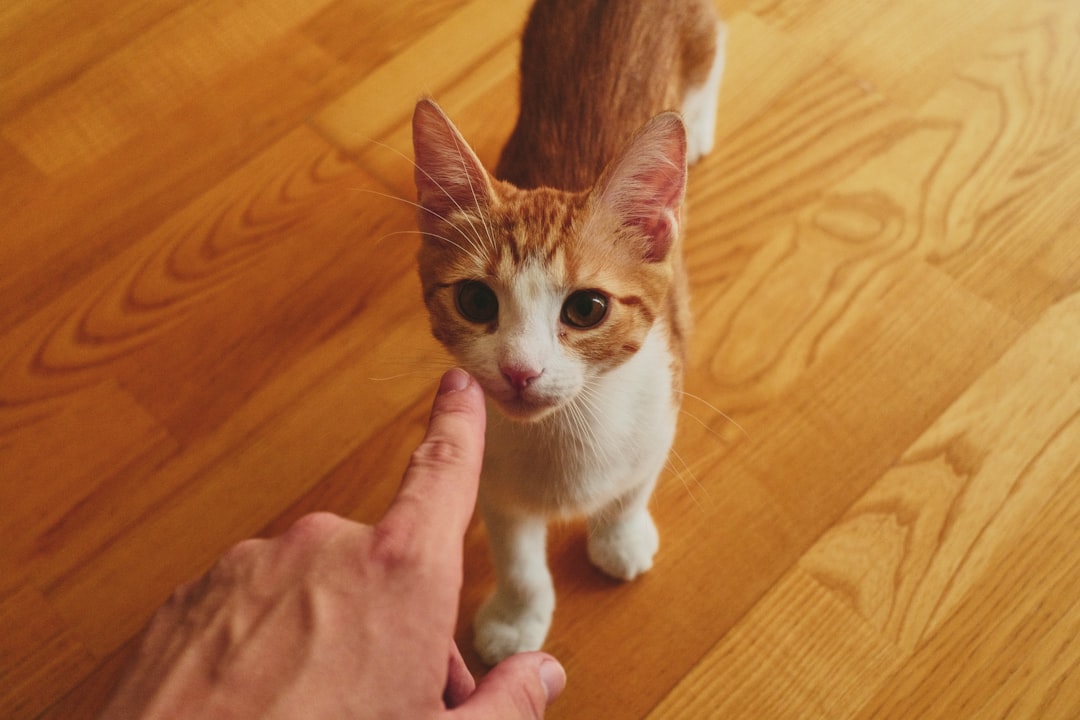
Cats like to feel in control and interact with humans on their own terms, so don’t ever force them to be with you or try to carry them as this will only scare them, but take their cue and they will let you know when they are ready to interact. When interacting with your cat, use gentle, slow movements and a calm voice.
Allow your nervous cat to approach you rather than pursuing them when they seem stressed or overwhelmed. Sit quietly in their vicinity, perhaps reading a book or using your phone, letting them observe that your presence isn’t threatening. If a stranger visits, make sure they understand that your cat will greet them in their own time and in their own way.
Speak in soft, soothing tones and avoid sudden movements that might startle an already anxious feline. Developing a strong bond with your cat can be anxiety reducing in itself, as when you are strongly bonded, your presence can act as a calming influence on your cat.
Establish Quiet Zones and Sound Management
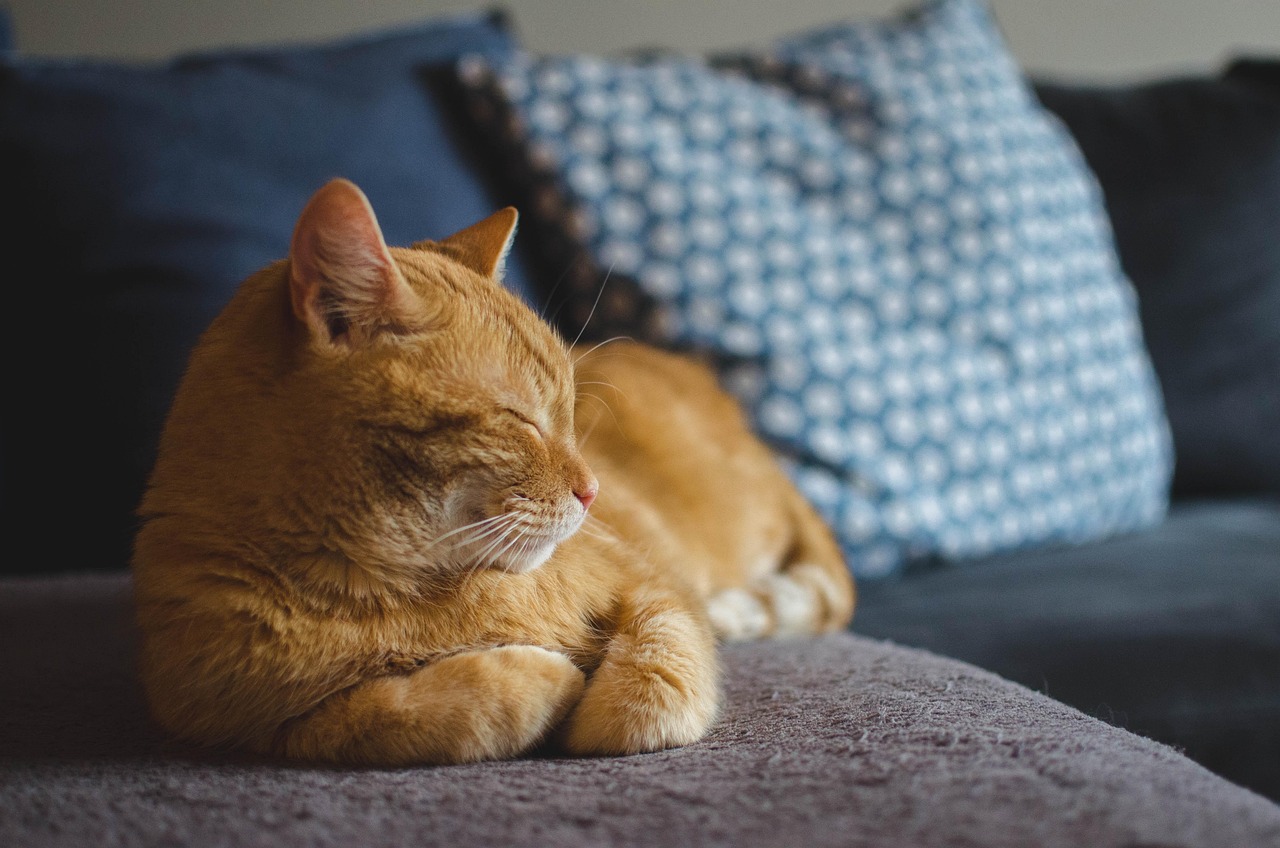
While we might think of classical music as relaxing, a cat’s anxiety levels are better reduced by cat music within their frequency range and with similar tempos to those in natural cat communication. Some cats feel comforted by soothing music and videos.
Create sound buffers in your home by using soft furnishings like cushions, curtains, and rugs that absorb noise. During thunderstorms, create a safe and quiet space for your cat by closing windows to reduce noise, playing soft music to mask the sound of thunder, and using a calming pheromone diffuser in the room.
While you may turn on music or a white noise machine to drown out loud noises that cause anxiety, your cat likely still hears the offending sound, and if a white noise machine is too loud or makes unpleasant noises, it can add to their anxiety. Monitor your cat’s response to any sound management strategies to ensure they’re actually helpful rather than adding to the stress.
Develop Gentle Grooming Routines
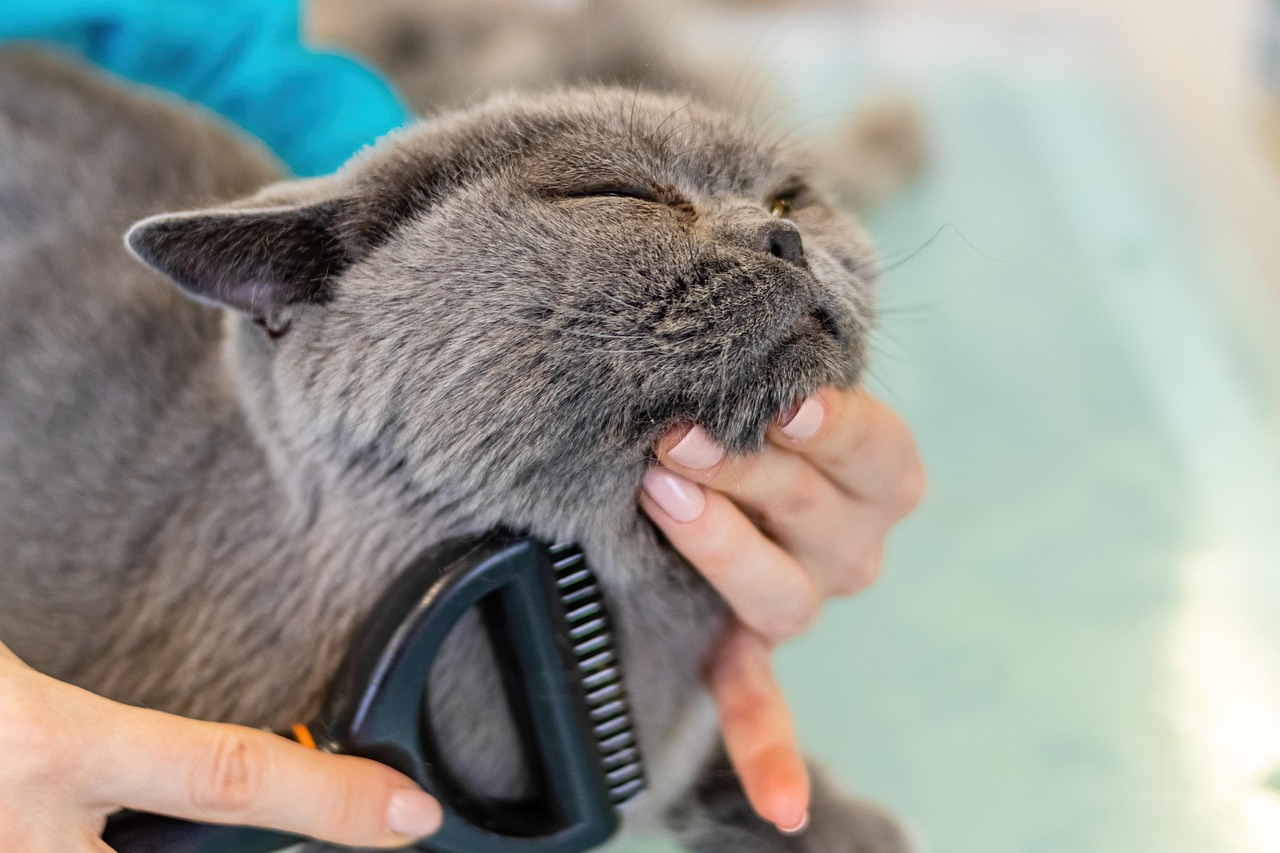
Regular, gentle grooming sessions can become a bonding ritual that helps nervous cats associate human touch with positive experiences. Start with very brief sessions, perhaps just a few gentle strokes with a soft brush, and gradually increase the duration as your cat becomes more comfortable.
Pay attention to your cat’s body language during grooming attempts. If they seem tense, stop immediately and try again later. Some anxious cats initially prefer being petted with a soft cloth or even a sock over your hand, which feels less direct than human skin contact.
Choose grooming tools specifically designed for sensitive cats, such as rubber bristle brushes or grooming gloves that feel more like petting than traditional brushing. Schedule these sessions during times when your cat naturally seems most relaxed, often after meals or during their typical napping periods. Never force grooming sessions, as this can create negative associations that increase rather than decrease anxiety.
Implement Gradual Environmental Changes
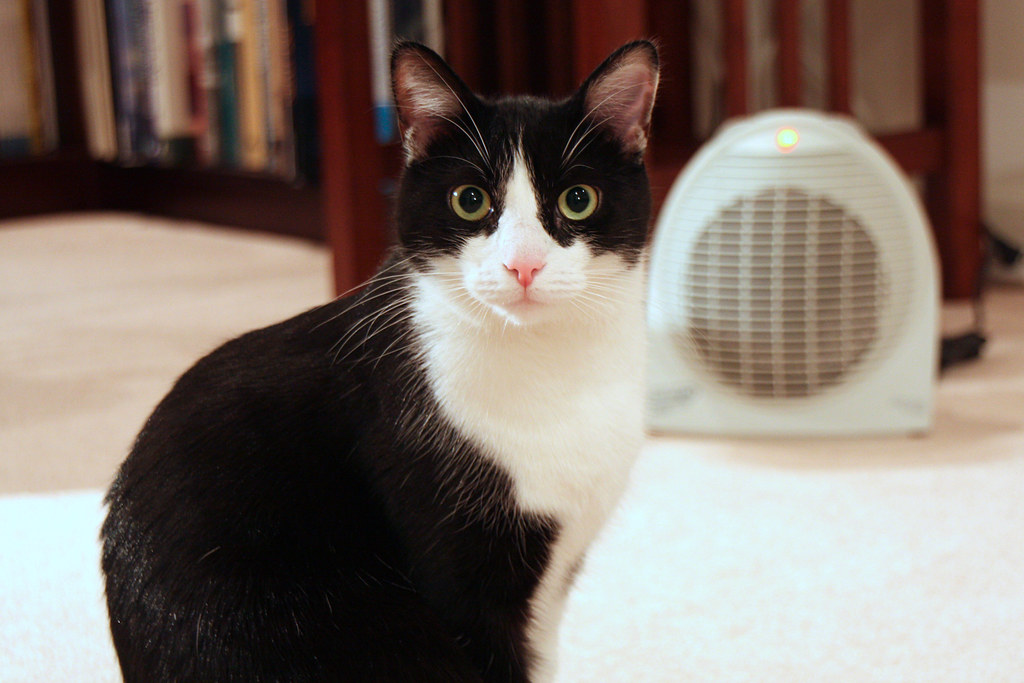
Cats are not great fans of change, so if you’re planning on bringing a new baby into the home, moving furniture around, or even decorating, make sure you introduce your cat to the changes as slowly as possible so they have time to adapt. Major changes such as introducing a new cat or moving to a new home can be stressful for cats, so minimize their exposure to stressful situations and handle changes with care through slow, supervised introduction processes.
When changes are unavoidable, introduce them in stages rather than all at once. If you’re rearranging furniture, move one piece at a time over several days rather than completely transforming a room overnight. When routines are disrupted through moves, changes in family dynamics, or new work schedules, cats may exhibit signs of stress including excessive grooming, vocalization, or changes in appetite.
Use familiar scents and objects to help your cat adjust to new situations. Place their favorite blanket or toy in new areas to provide comfort anchors. If your cat has separation anxiety or is stressed due to changes in its environment, create a safe space where it can go relax and recharge, then spray pheromones in the area to encourage your cat to visit the space more.
Patience becomes especially crucial during transition periods, as nervous cats may take weeks or even months to fully adjust to significant changes in their environment.
Conclusion
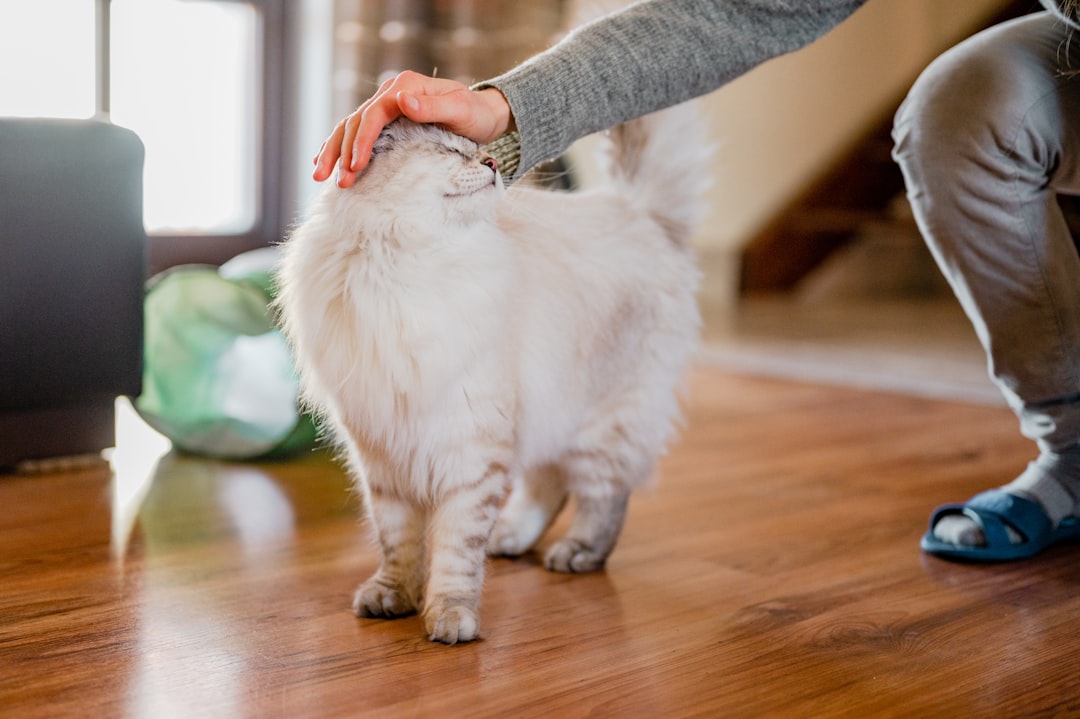
These gentle routines work together to create a web of security that can transform your nervous cat’s daily experience. Remember that building trust takes time, and every cat responds differently to these approaches. Managing stress and anxiety in cats requires patience and a combination of strategies, and while these techniques work for many cats, every cat is unique so what works for one may not work for another.
The key lies in consistency and observation. Watch your cat’s responses to these routines and adjust accordingly, always prioritizing their comfort over rigid adherence to any schedule. With time and patience, these simple practices can help your anxious feline develop the confidence to navigate their world with greater ease.
What small routine changes have you noticed making the biggest difference in your cat’s anxiety levels? The journey to a calmer, more confident cat often starts with just one gentle, consistent habit.