Cats are remarkably private about how they feel. Long before domestication, hiding weakness was a survival strategy, and that instinct hasn’t entirely gone away. Cats are notoriously tight-lipped when it comes to their health. From an evolutionary perspective, showing weakness could lead to becoming prey, so symptoms were masked and discomfort hidden.
What that means for you, as an owner, is that the signals are always there – they’re just quiet. You can better understand your cat by paying attention to their vocalizations, body postures, and daily routines. In time, you may become so attuned to your cat’s personality and habits that you’re able to detect subtle changes in their mood and even recognize health problems before physical signs of illness appear. These ten daily clues are worth knowing.
1. The State of Their Coat Tells a Whole Story
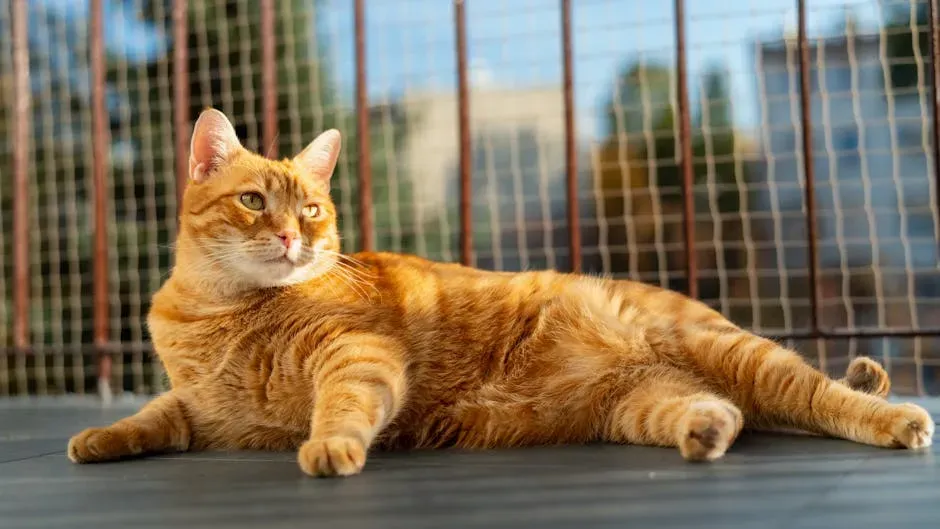
Your cat’s fur is one of the most visible health indicators you have access to every single day. If a cat is healthy and getting the right nutrients, their skin will be supple and their coat will be full, soft, and less prone to shedding or dandruff. If they’re missing key nutrients, however, you might start seeing problems like dryness, flakiness, dull coat, slow hair regrowth, or excessive shedding.
Changes you might dismiss as “just how they look lately” can carry more meaning. An oily or greasy coat can be a sign that your cat isn’t grooming properly. Undergrooming is common in overweight, arthritic, or sick cats who don’t feel well enough to groom or struggle to reach certain areas. A greasy hair coat can also be caused by sebaceous skin disorders or autoimmune disease. When you notice any shift in coat quality, it’s worth a closer look.
2. Eye Appearance Changes Are Never Minor
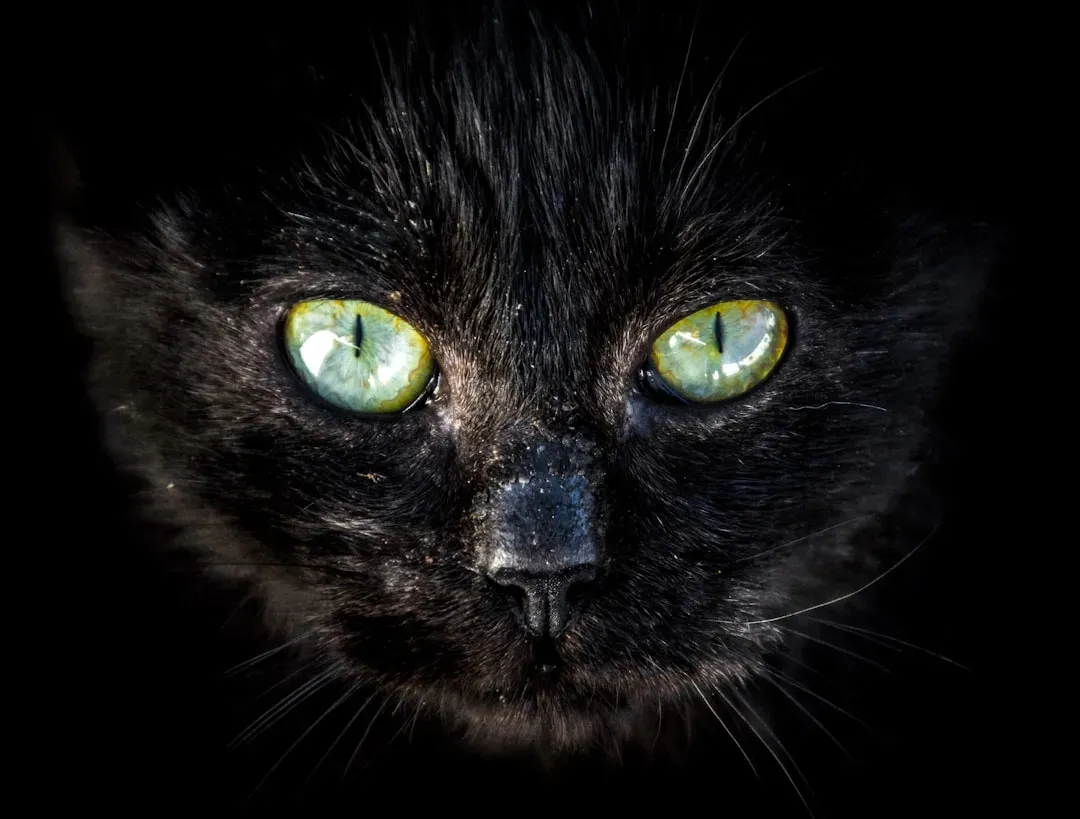
Healthy cat eyes are bright, clear, and symmetrical. Signs of trouble include droopy eyelids, discharges that are green, yellow, or white, squinting, pupils that are dilated or constricted, or anisocoria – one pupil dilated and the other constricted. Sick cats often have elevated third eyelids. The third eyelid is located beneath the lower eyelid and, in a sick cat, will cover part of the eyeball.
Vision concerns can develop gradually and quietly. Cloudy eyes, visible third eyelids, squinting, or dilated pupils can all be signs of eye infections or more serious conditions like glaucoma or high blood pressure. Some cats also develop vision loss gradually, which may cause increased bumping into furniture or hesitation when jumping. Healthy eyes are bright and clear – if that changes, it’s time to call the vet.
3. Grooming Habits That Shift in Either Direction
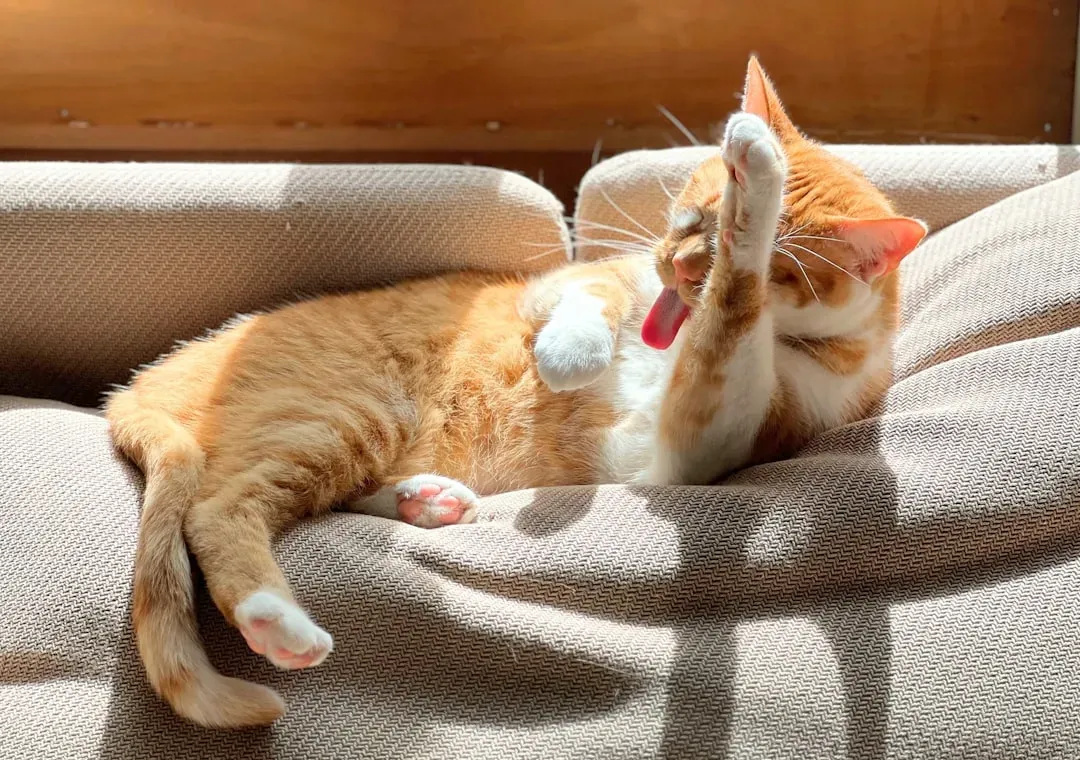
A cat that grooms itself is a cat at ease. But the moment that routine changes – either ramping up or stopping altogether – it’s worth paying attention. Cats are fastidious groomers, so changes in grooming habits can be a red flag. If your cat is suddenly grooming less than usual or not grooming at all, it could indicate an underlying health issue. Conversely, if your cat is suddenly grooming excessively, it could also be a sign of a problem.
The specifics of where your cat grooms can be just as telling. If your cat has stopped grooming or their fur has become suddenly matted, there’s an underlying reason. If your cat’s grooming is focused on a specific area and they are constantly grooming in that one place, this can be a sign of pain in that particular place. When something feels wrong, cats often direct their attention precisely to where it hurts.
4. How They Use Their Tail

The tail is one of your cat’s most expressive tools, and you see it every day without necessarily reading what it’s saying. A tail held high signals confidence and approachability. A tail tucked low or between the legs indicates fear or submission. A puffed-out tail means the cat is alarmed and trying to appear larger to a threat. A swishing or lashing tail signals irritation or overstimulation.
Subtler tail signals deserve equal attention. Even subtle changes in gait, posture, or the way your cat holds their tail can be clues. Cats that are not feeling well may just look a little “off” – they might sit in a hunched position, might not move as gracefully as before, might not lift their head properly, might have a head tilt, or might carry their tail differently. These aren’t random quirks; they’re communication.
5. Ear Position and What It Reveals
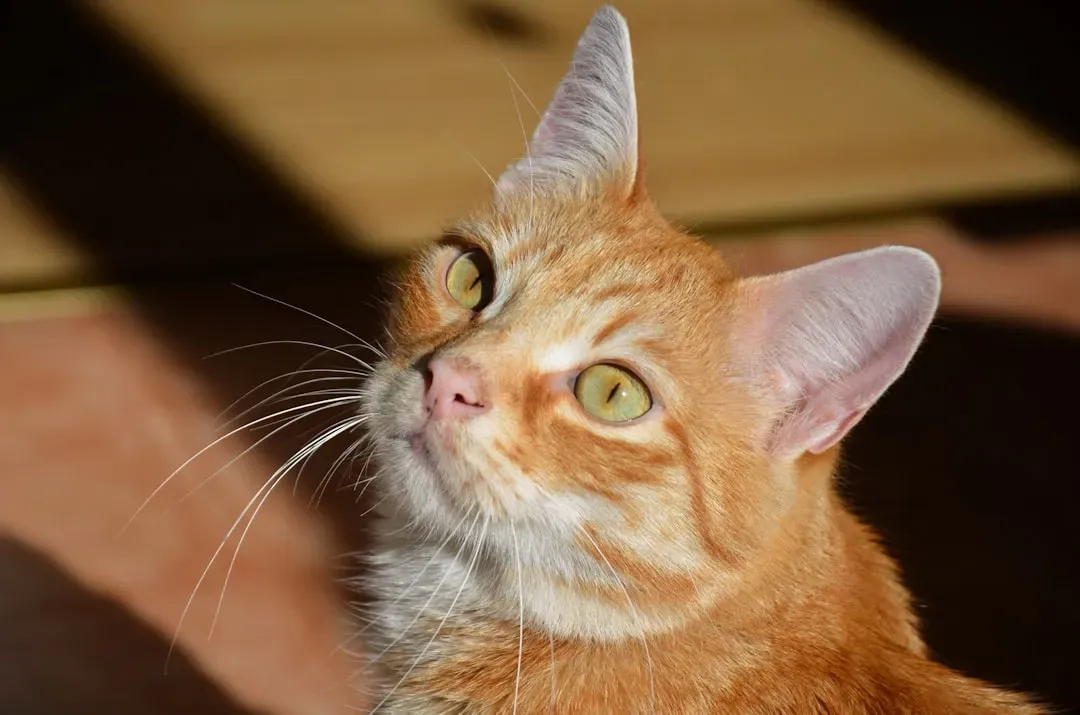
Cat ears are capable of rotating nearly independently, and that mobility exists for a reason. Your cat’s ears are among the most expressive parts of their body. Ears forward indicate alertness, curiosity, and interest. Ears slightly relaxed suggest comfort and contentment. Ears swiveling show they’re actively listening. Ears flattened sideways signal nervousness or uncertainty. Ears pinned back indicate defensiveness, anger, or fear.
Ears can also reflect physical discomfort. A cat who’s feeling sick might hold their head low and squint their eyes or hold them shut. Their ears might sit low or rotated outward. Subtle changes matter. A quick twitch or turn can signal shifting emotions in seconds. Getting familiar with your own cat’s baseline ear position makes these signals far easier to spot.
6. Appetite and Thirst Patterns
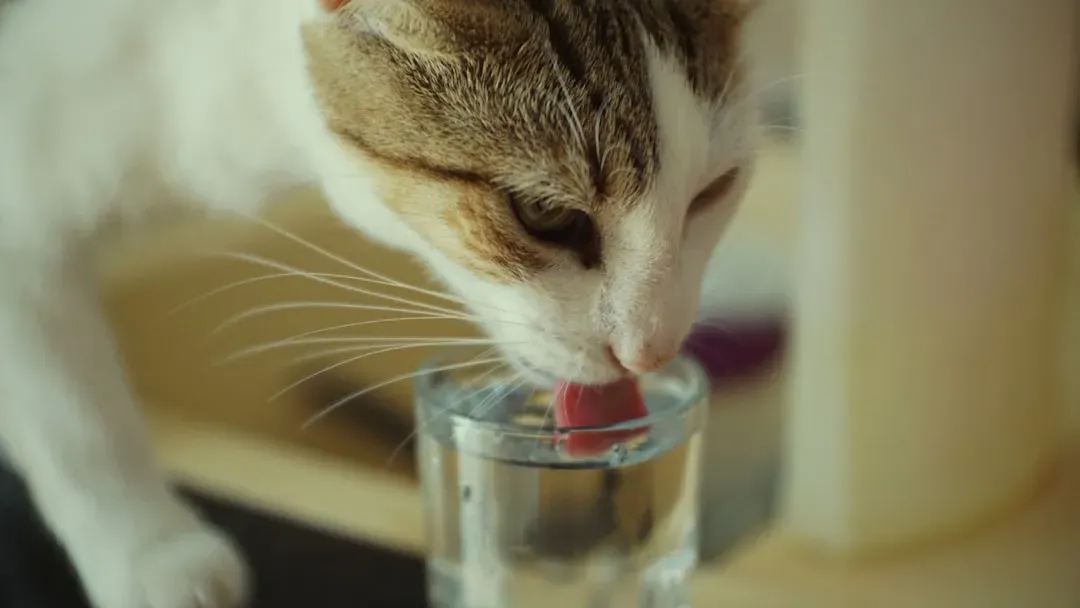
Eating habits are one of the most reliable daily indicators of your cat’s inner health. Eating habits are good yardsticks for a cat’s health. A loss in appetite, and subsequent loss in weight, can point to a range of different illnesses, some serious. If your cat is eating or drinking significantly less or more than usual, it could be a sign of an underlying health issue. If your cat is eating less, it could indicate a loss of appetite, which can be a symptom of many different conditions, including dental problems, kidney disease, and cancer.
Water intake, in particular, often flies under the radar. Cats aren’t big drinkers normally, usually getting most of their needs from their food. A noticeably increased thirst can be a sign that something is up. If you suddenly notice your cat spending more time at the water bowl, or if litter stuck to their paws seems more frequent, this can be a sign of diabetes or chronic kidney disease. Both conditions respond better to early treatment.
7. Litter Box Behavior Changes
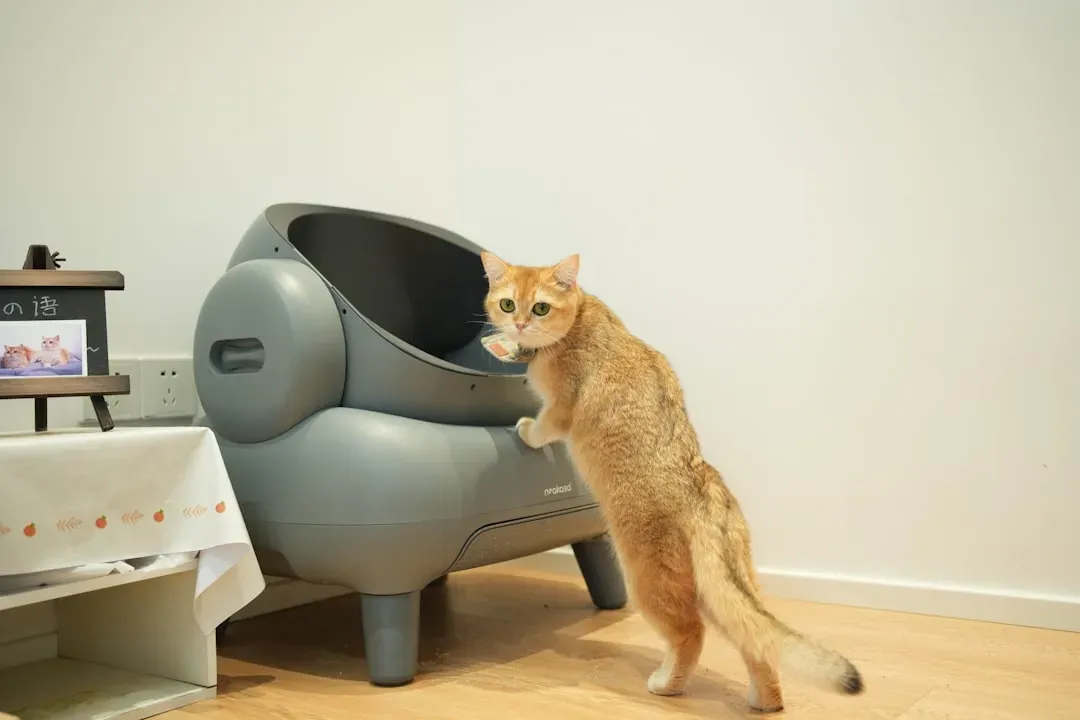
Your cat’s litter box habits may not be the most glamorous thing to monitor, but they’re remarkably informative. Early signs of a sick cat can involve litter box habits, such as urinating outside the box, changes in stool consistency, or straining. Any deviation from what’s normal for your specific cat deserves consideration rather than dismissal.
Certain patterns call for prompt action rather than a wait-and-see approach. Some signs require immediate veterinary attention, like straining to urinate or defecate, or crying in the litter box. Pain-induced behavioral changes in cats can be subtle. Changes in eating or drinking, lethargy, litter box habits, mobility, grooming frequency, decreased social interactions, and uncharacteristic vocalizations can all indicate pain. These aren’t isolated signs; they often cluster together.
8. Vocalization Shifts Worth Noting
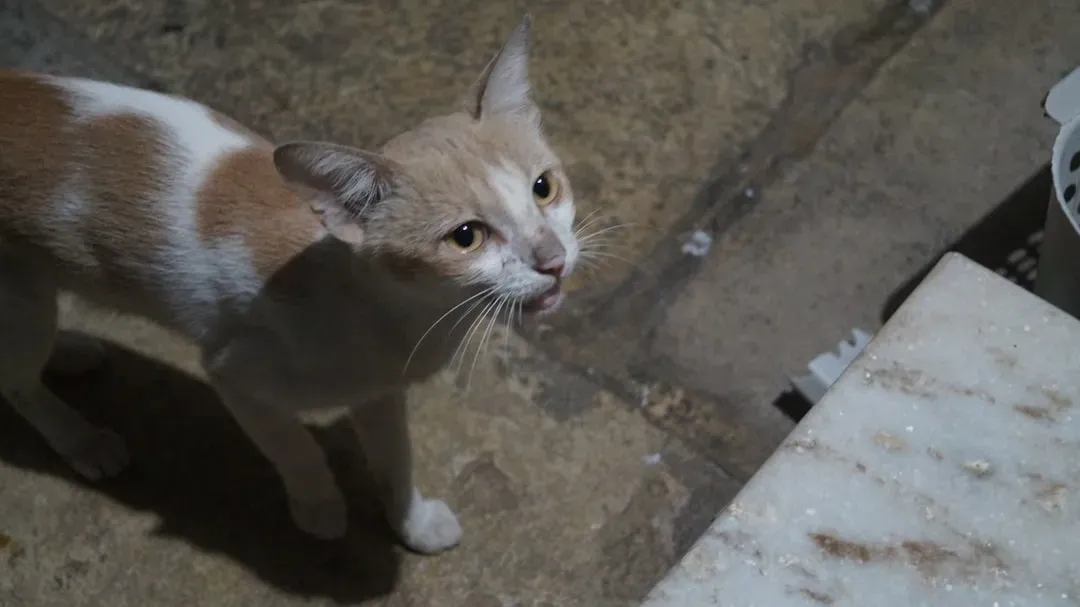
Every cat has its own vocal personality, and learning yours is genuinely useful. You’ll learn a lot when you can interpret your cat’s wide vocabulary of chirps and meows. They’ll tell you when they’re hungry, when they’re feeling affectionate, and when they’re feeling threatened or in pain. While some cats rarely make a peep, others won’t let you get a word in edgewise.
Sudden changes in vocal frequency or tone are the ones that matter most. Cats may purr due to pain or illness, and an increase in meowing or yowling may signal emotional or physical distress. A yowl or howl tells you your cat is in some kind of distress – stuck in a closet, looking for you, or in pain. If your cat is elderly, they may howl because they’re disoriented, especially if suffering from a cognitive disorder such as dementia. Context, as always, matters enormously.
9. Hiding and Withdrawal from Social Life
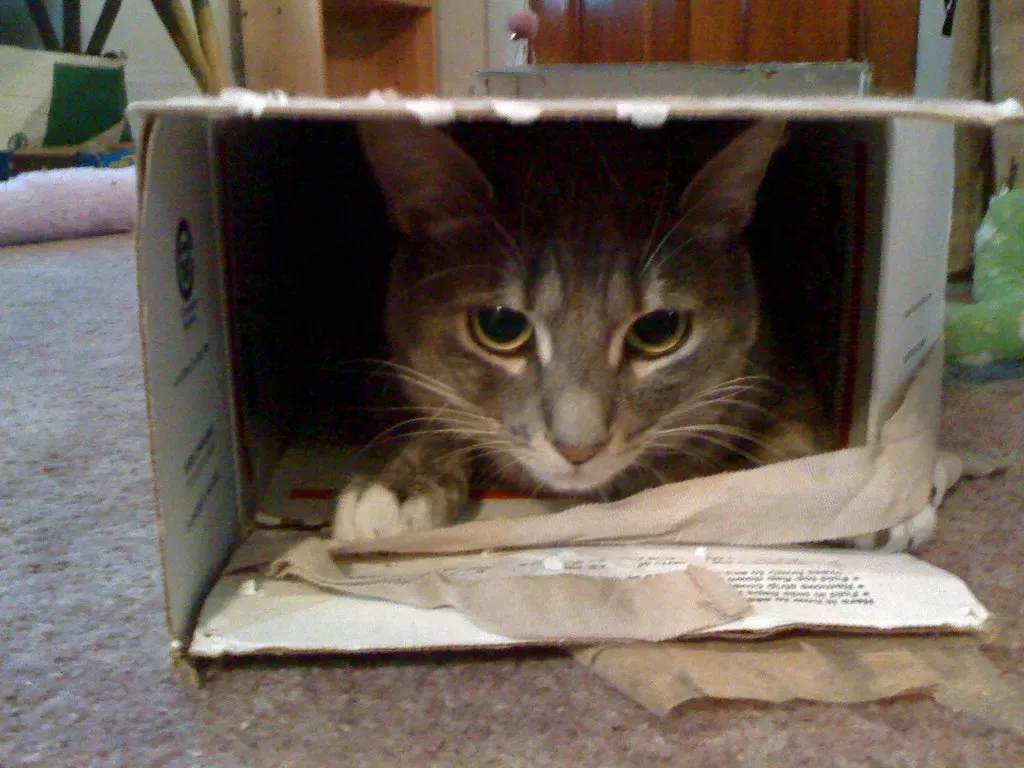
Cats do enjoy solitude – that’s well established. The concern arises when a previously social cat begins withdrawing more than usual. If your cat is hiding more than usual, it could be a sign of illness or discomfort. Keep an eye on your cat’s hiding habits and take note of any sudden changes. The key word is “sudden.” A gradual retreat that happens over days or weeks often points to something physical rather than just a mood.
Sometimes the earliest signs of illness show up as subtle shifts in daily routine rather than obvious symptoms. Sometimes the earliest signs involve small changes in daily routine – maybe your cat is sleeping in new places, grooming less frequently, or suddenly avoiding favorite spots. Does your cat suddenly want to be left alone? Is they less social or hiding, seeking isolation? More lethargic? This can be a definite sign something is wrong. Your gut feeling about what’s “off” is often correct.
10. Body Posture as a Daily Wellness Check
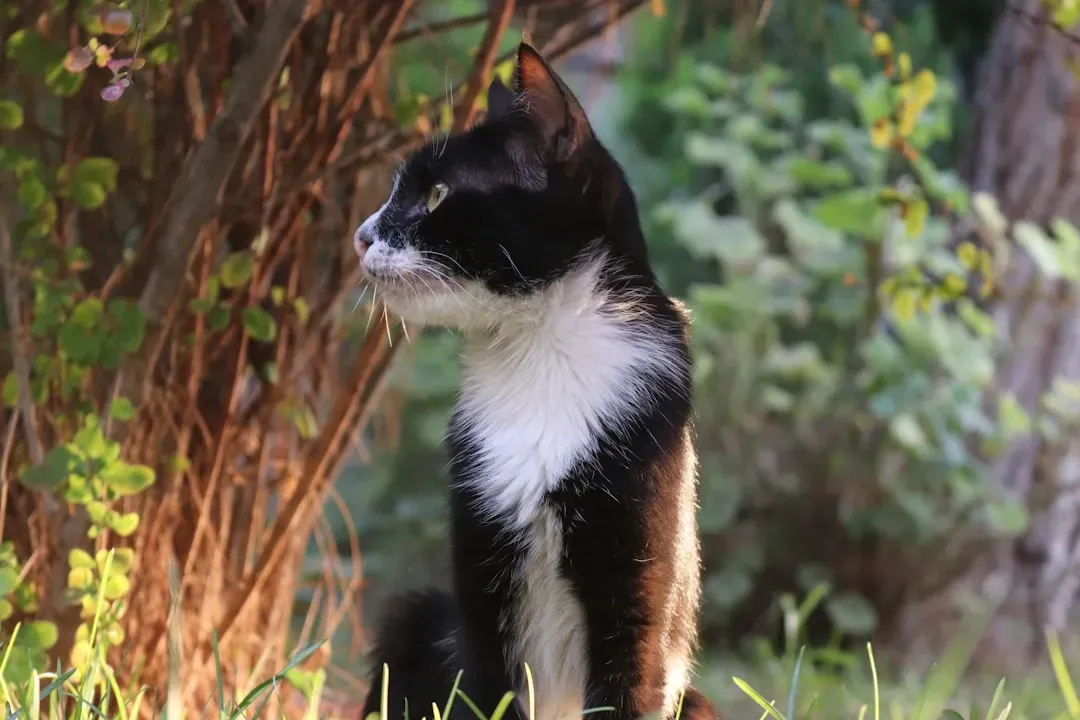
The overall way a cat holds and moves their body offers a quiet running commentary on how they’re feeling. A healthy cat moves fluidly, stretches freely, and settles into relaxed positions with ease. Cats who are relaxed will have loose, fluid body movements, and their breathing will be slow and steady. They might fold their feet in front of themselves, stretch their feet way out in front, or slouch over the side of a perch.
Tension and discomfort tend to show up in very specific postures. Sick cats might hold their head, feet, and tail very close to their body so that they’re tucked into a tight ball. Their third eyelids, which are found on the inside corners of the eyes, might be visible because they aren’t being retracted fully. The cat might roll to the side if they feel weak. Sometimes there isn’t any one thing that stands out, but a variety of subtle changes. Taken together, those subtle changes often form a picture that’s worth acting on.
Conclusion: Knowing Your Cat Is the Best Diagnostic Tool You Have
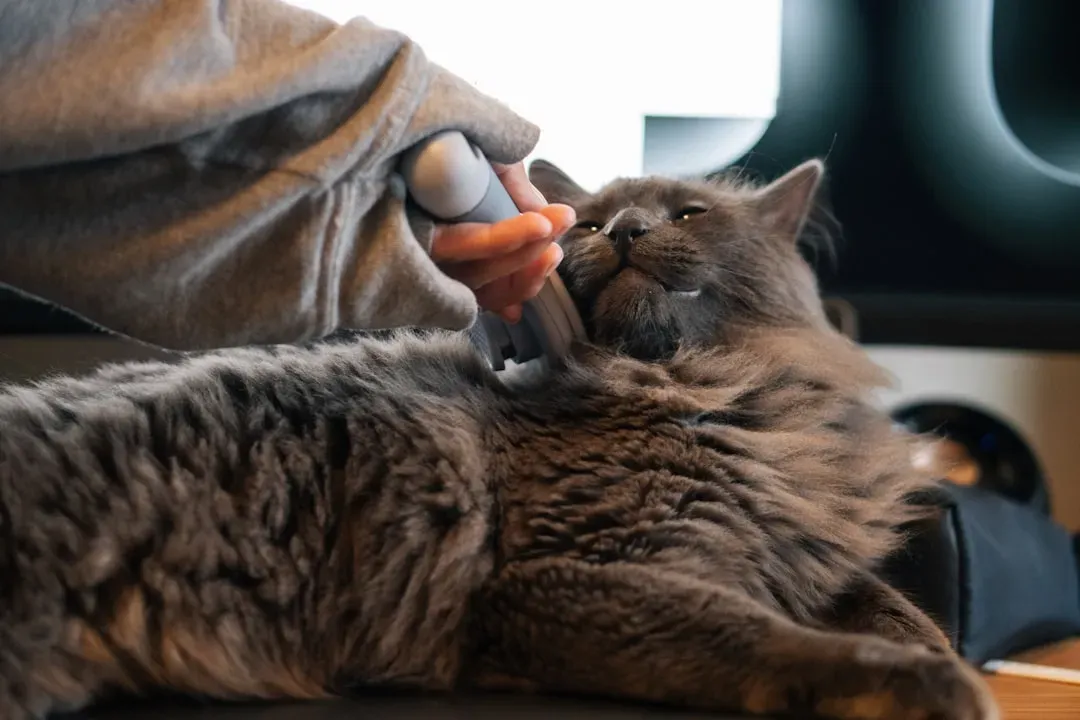
None of these clues require a medical degree to notice. They just require familiarity. Though stoic by nature, there are a number of tell-tale signs you can look out for that will indicate whether your cat is on top of the world or under the weather. These signs vary according to the animal, so the better you know your cat and its habits, the better placed you’ll be to work out if something is going right or wrong.
When something does seem off, early action almost always leads to a better outcome. Cats who receive prompt care for emerging health issues often have a much better prognosis. Early intervention can prevent a minor problem from becoming a major one, and it may also reduce the need for more invasive treatments. By keeping a close eye on your cat’s daily patterns and reporting any changes to your veterinary team, you give your pet the best chance at a long, healthy life.
Your cat is communicating every single day – through their posture, their eyes, their voice, and their habits. The more fluent you become in reading those signals, the more effectively you can advocate for their wellbeing. That attentiveness, more than any gadget or app, is the most powerful form of care you can offer them.