You’ve probably watched your cat sit motionless at the window for what feels like hours, or maybe you’ve noticed them pacing through each room like they’re on some kind of mission. Most people just shrug it off as typical cat weirdness. Yet there’s something deeper happening here. Your feline companion might actually be serving as your home’s secret guardian, and you’ve been missing all the signs. Cats have been protecting human spaces for thousands of years, going all the way back to ancient Egypt where they were revered as sacred protectors. That instinct hasn’t gone anywhere.
In the wild, cats are territorial animals that rely on vigilance to survive, and when domesticated, this instinct doesn’t disappear but simply redirects toward their human family, making your home their territory. Let’s dive into the fascinating ways your cat might be keeping watch over your home without you even realizing it.
They’re Doing Regular Patrol Rounds
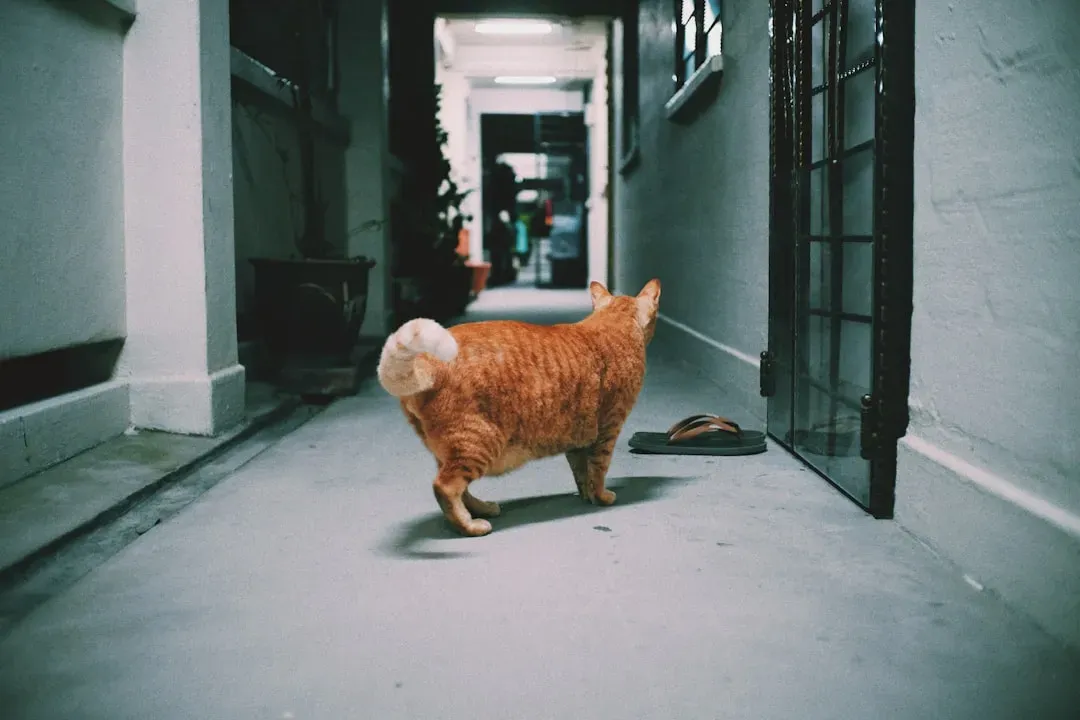
Cats are very territorial animals who naturally like to be in control of their living environment, and every corner of the house is considered their territory, with regular patrols ensuring the safety of this territory through walking, sniffing, and marking. Think of your cat as a little security guard doing their rounds. This isn’t just random wandering.
When you see your feline friend methodically moving from room to room with their tail held high, they’re actually checking for any changes or potential threats. Cats are very sensitive to changes in their surroundings, and even small changes can attract their attention, prompting them to immediately investigate new objects, smells, or sounds to see if these changes will affect their lives. It’s honestly quite impressive when you think about how seriously they take this responsibility.
Positioning Themselves at Entry Points
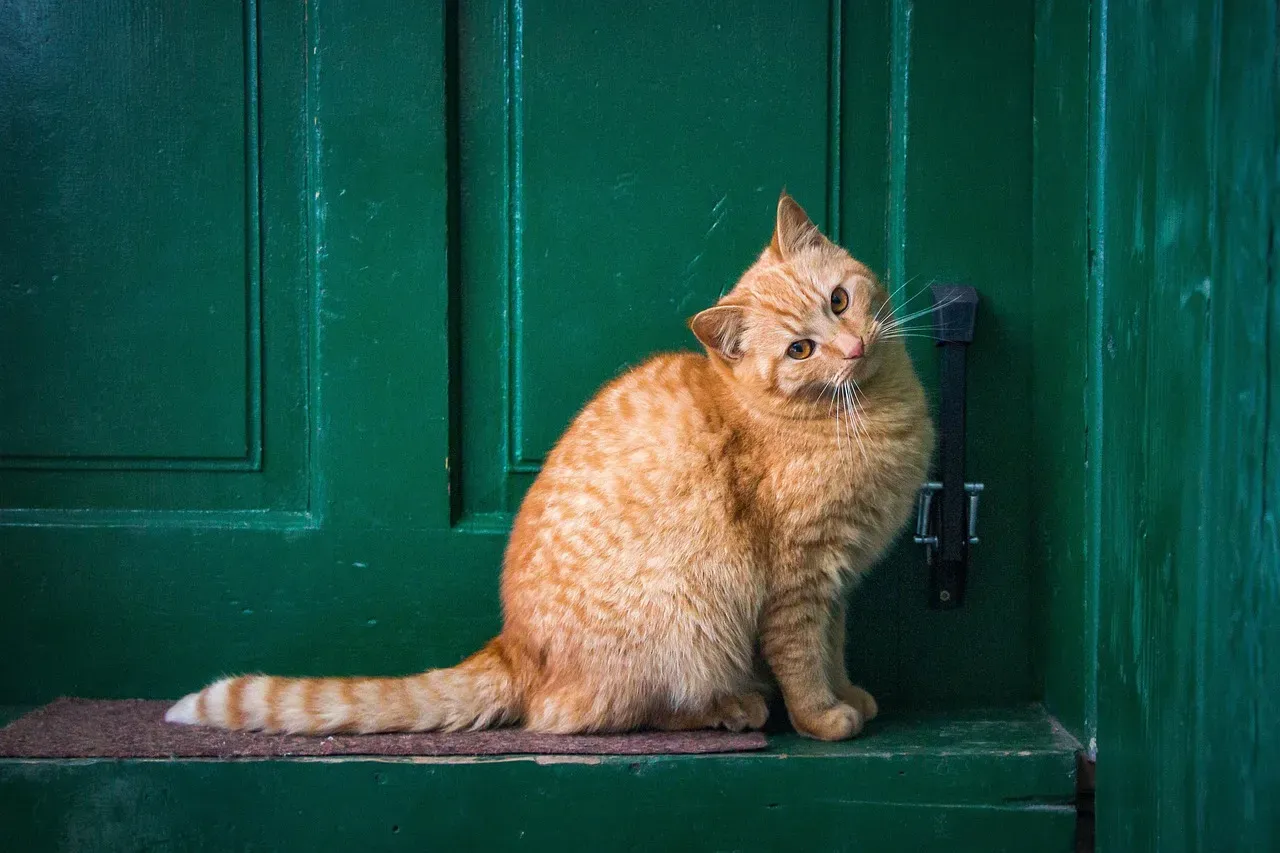
Have you ever wondered why your cat loves lounging right by the front door or sitting at the top of the stairs? Cats are territorial creatures by nature, and guarding doors may stem from their innate desire to defend their territory and assert their dominance, signaling to other animals that this area belongs to them. They’re basically claiming strategic positions where they can monitor who comes and goes.
This behavior becomes even more noticeable when someone rings the doorbell or knocks. Your cat might rush to that spot or refuse to move from it. In some cases, cats guard doors as a means of protecting themselves or their territory from perceived threats, feeling more secure and better equipped to defend themselves in the event of an intruder or unfamiliar presence. Here’s the thing: they’re not just being nosy. They’re actually standing guard.
Intense Window Watching
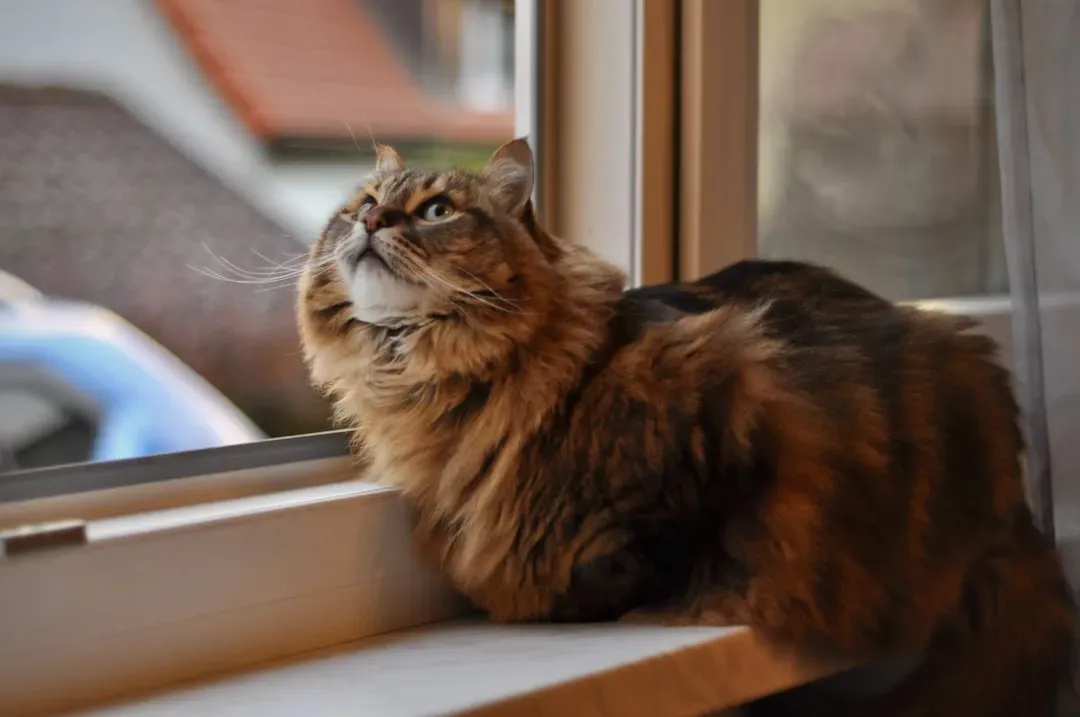
Signs of guarding behavior include positioning themselves in elevated spots to observe their surroundings, reacting to unusual sounds or movements, and displaying alert body language when strangers approach. That window perch isn’t just about bird watching for entertainment. Your cat is conducting surveillance.
They’re monitoring everything happening outside your home, from passing cars to neighborhood cats to unfamiliar people walking by. Their heightened senses allow them to detect things you can’t even notice. A cat’s senses are more finely tuned than ours, allowing them to hear, smell, or see things we can’t, and if your cat feels something is amiss, they may get clingy for their own protection as well as yours. I think this is one of the most underrated protective behaviors cats display.
Following You From Room to Room
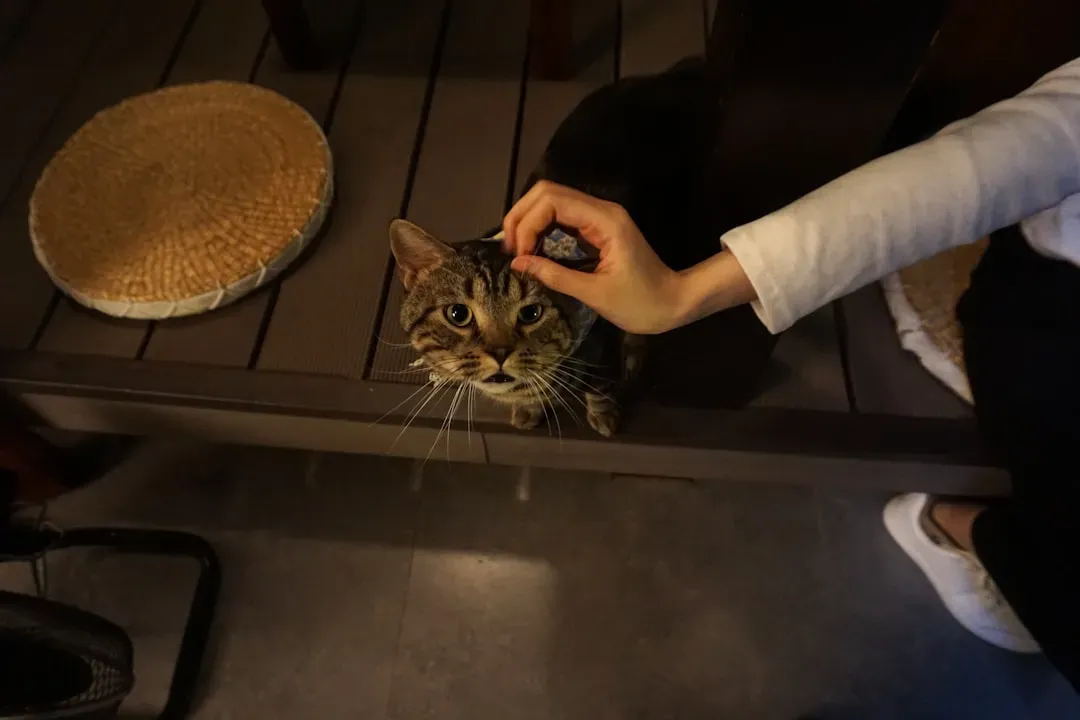
When your cat shadows your every move, trailing behind you like a furry little detective, there’s more going on than simple clinginess. A protective cat may follow you from room to room, keeping a close eye on your movements. They’re essentially providing close-range security.
This shadowing behavior intensifies when they sense you’re vulnerable or when something in the environment feels off to them. A cat that follows you from room to room, a behavior sometimes called “shadowing,” is not just seeking attention. They position themselves where they can quickly respond if needed. It might seem like they just want attention, but honestly, they’re probably making sure you’re safe.
Marking Territory With Scent
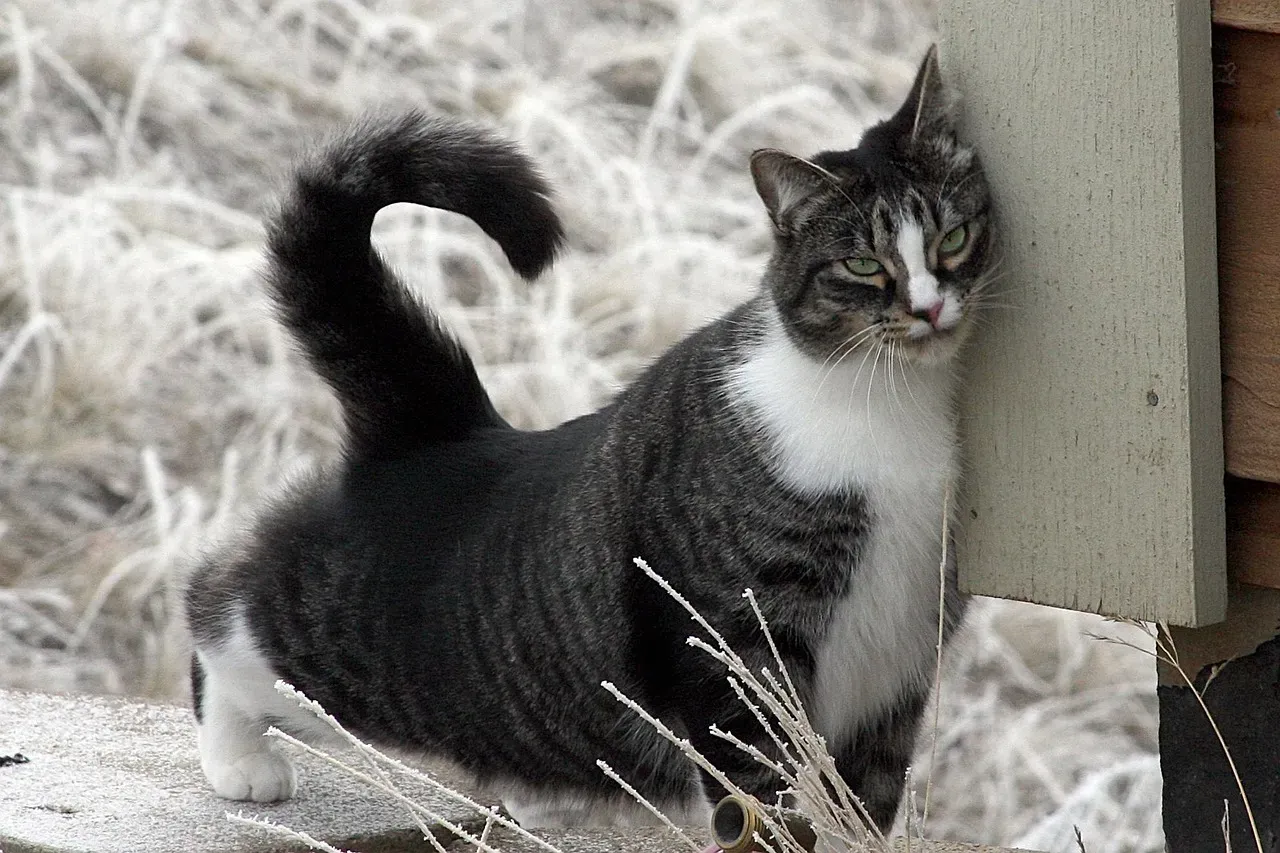
Your cat rubbing her body, especially her cheeks and head on everything from a corner of the wall to you, is one method of marking or scenting, and these marks make your cat feel secure in her surroundings. This isn’t just affection, though it certainly feels nice. It’s strategic territory marking.
By depositing their scent throughout your home, cats are essentially putting up invisible “No Trespassing” signs that other animals can detect. When they rub against you, they’re incorporating your scent into their protective perimeter. Cats demonstrate several territorial behaviors, primarily through marking, which you’ve seen when your cat rubs their cheeks and body against items in your home, including you and your family, and they can also mark by scratching. The entire house becomes a unified territory that they’re committed to defending.
Alerting You to Unusual Sounds
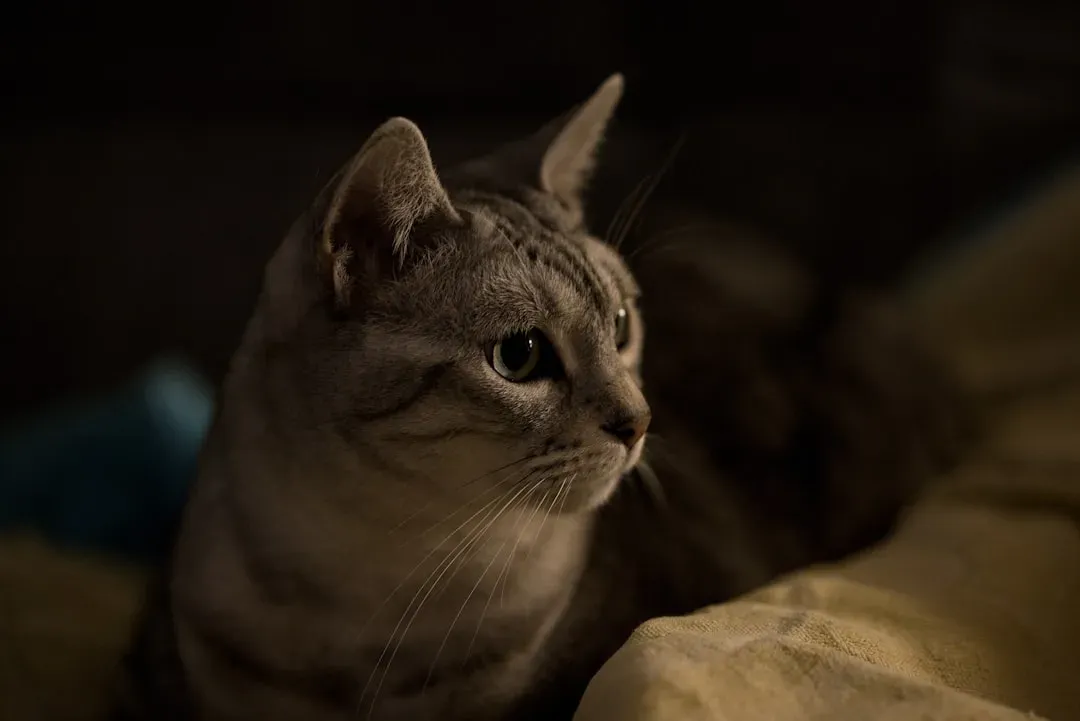
You know those moments when your cat suddenly freezes, ears swiveling toward something you can’t even hear? Even while resting, a cat’s sharp hearing remains active, and they may react to unfamiliar sounds to ensure there’s no immediate threat. They’re picking up on acoustic changes in your environment that are completely beyond your detection range.
Cats can hear frequencies much higher than humans can, which means they’re aware of sounds from rodents in the walls, animals outside, or even mechanical issues with appliances before you notice anything wrong. Your cat may vocalize in other ways to demonstrate aggression or protection, and growling and hissing are two familiar sounds that show your cat is agitated. When they start acting strangely or vocalizing without apparent reason, they’re actually giving you an early warning system.
Positioning Themselves Between You and Strangers
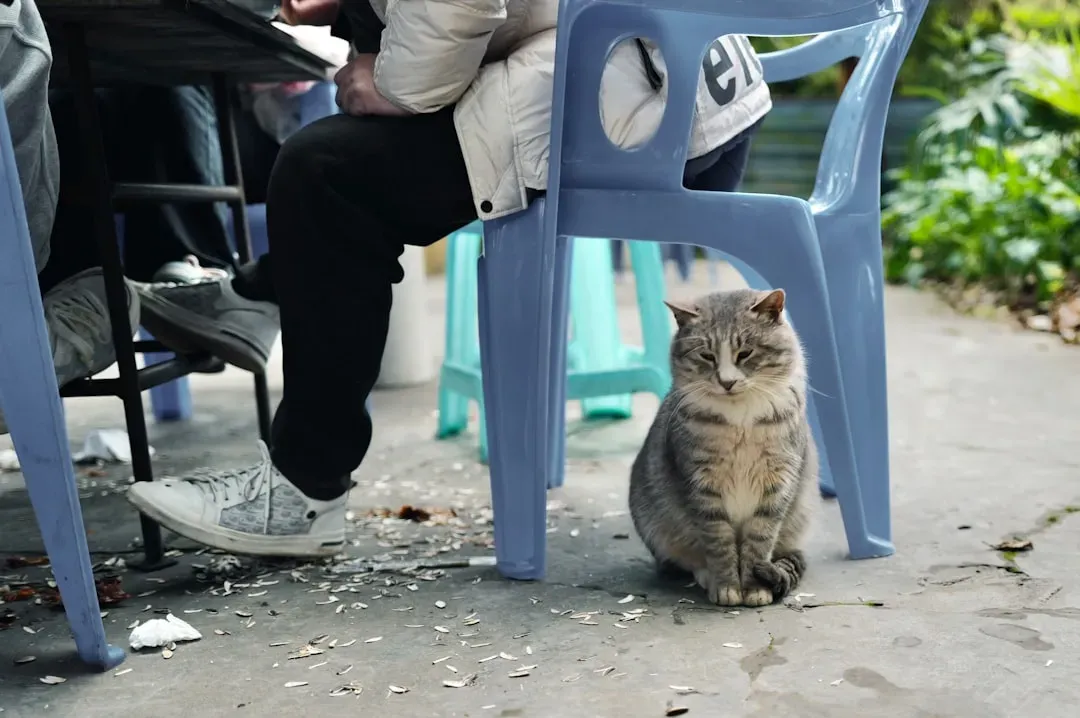
One of the most common signs is when your cat positions itself between you and something unfamiliar, such as a new visitor, another pet, or even a strange noise, signaling alertness and a readiness to assess potential danger before it reaches you. This is probably one of the most obvious protective behaviors, yet people often miss what it really means.
Your cat isn’t just being rude to your guests. They’re literally creating a physical barrier between you and someone they haven’t fully vetted yet. This behavior becomes especially pronounced if the stranger makes sudden movements or loud noises. Let’s be real, your cat is sizing up whether this person is a threat, and they’re not taking any chances until they’re satisfied the visitor is safe.
Maintaining Elevated Observation Posts
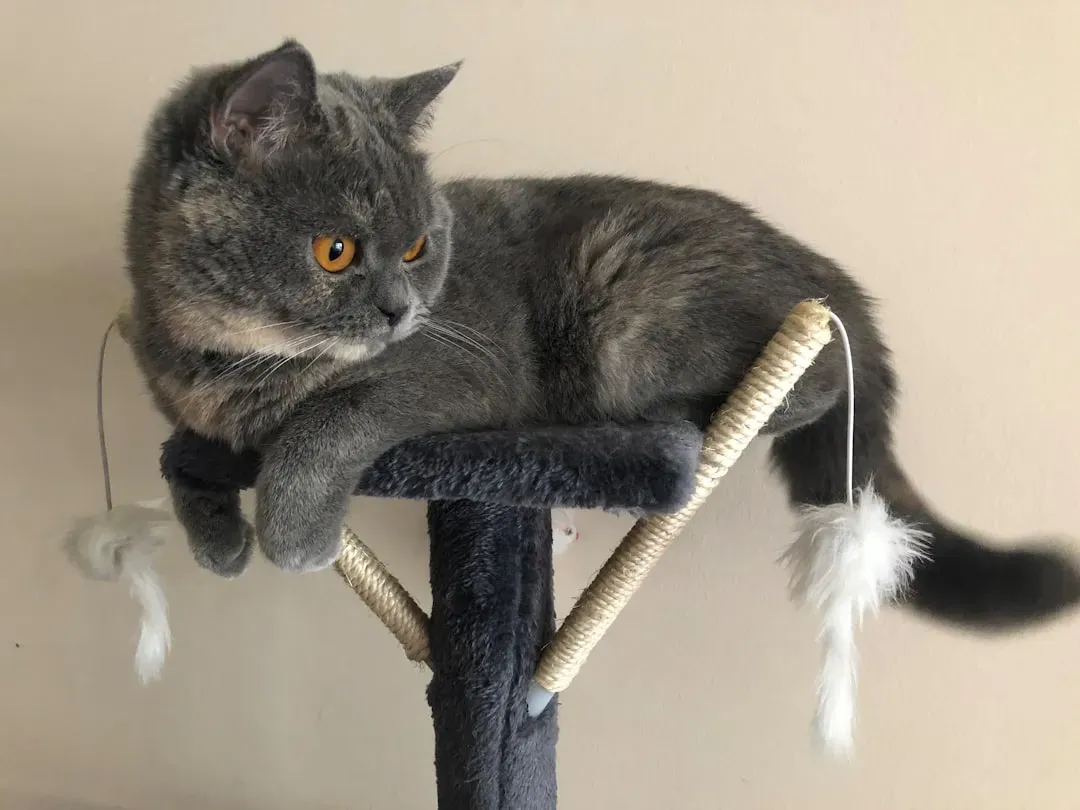
Cats naturally seek out high vantage points, and it’s not just because they enjoy being above everyone else (though that’s definitely part of it). Some cats like to have access to soft resting places up high where they can observe their territory and feel safe. From these elevated positions, they can survey the entire space.
Top of the refrigerator, cat trees, high shelves – these aren’t just comfortable spots. They’re tactical observation posts where your cat can monitor multiple rooms simultaneously. This gives them the advantage of spotting potential threats early while staying out of reach themselves. Cats use vigilance and warning signals rather than direct confrontation, and signs of guarding behavior include positioning themselves in elevated spots to observe their surroundings. It’s actually pretty clever when you think about it.
Staying Alert During Your Vulnerable Moments
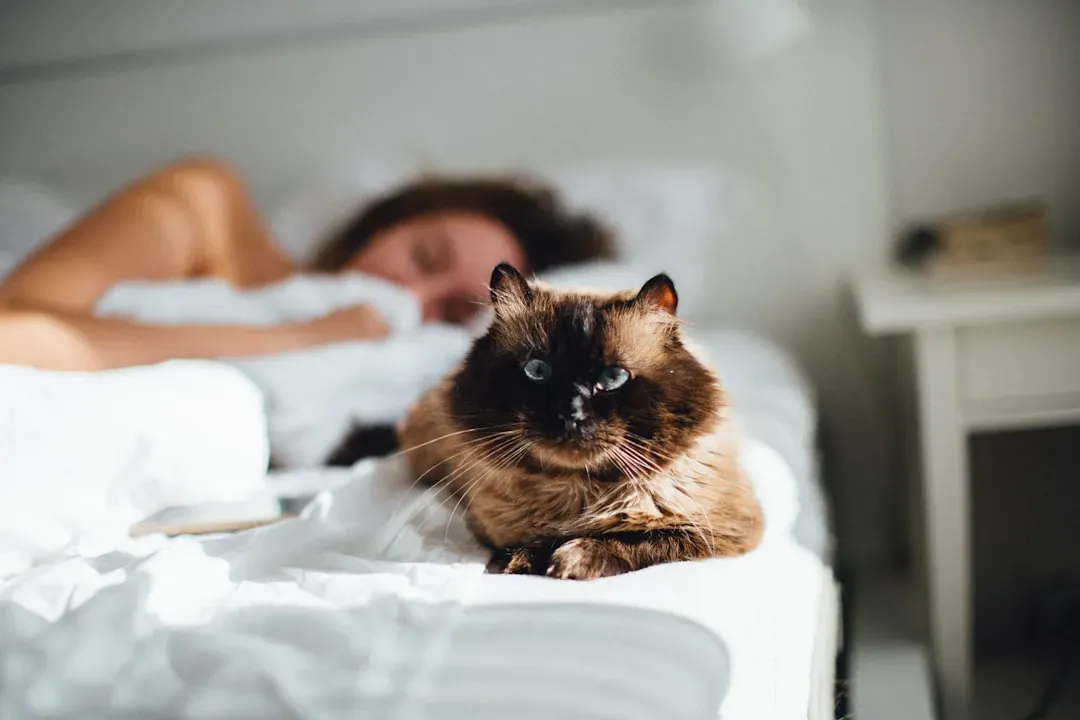
Cats that sleep close to or on their owner’s bed may be providing comfort while subtly keeping watch, particularly if they rest by the door or foot of the bed, and even while resting, a cat’s sharp hearing remains active, with some protective cats periodically checking in during the night by patting their owner, purring, or gently licking them. Ever noticed how your cat seems extra attentive when you’re sleeping or in the bathroom?
Guarding is a normal protective behavior that is often a display of affection, accompanied by purring, kneading, head butting, and licking. They recognize these as times when you’re distracted or unable to respond quickly to threats. It’s hard to say for sure, but it seems like they understand vulnerability better than we give them credit for. Some cats will even position themselves facing the doorway while you sleep, maintaining watch throughout the night.
Reacting to Changes in Your Routine or Home

Cats watch body language, pick up on subtle vocal shifts, and sense changes in daily routine long before anyone explains what’s going on, and when someone in the home is stressed, grieving, or anxious, a cat often becomes more attentive, hovering nearby, lying close, or monitoring the room from a strategic spot. This heightened awareness is all about maintaining security.
When you move furniture, bring home new items, or have your schedule disrupted, your cat immediately goes into assessment mode. They need to re-evaluate whether these changes pose any threat to their territory or their humans. This emotional attunement is a form of protection, and by staying close to you when you are vulnerable, they offer comfort and a watchful presence. Their protective instinct kicks into overdrive until they’ve determined everything is still safe. What do you think – have you noticed your cat acting differently after you’ve rearranged a room?
Conclusion
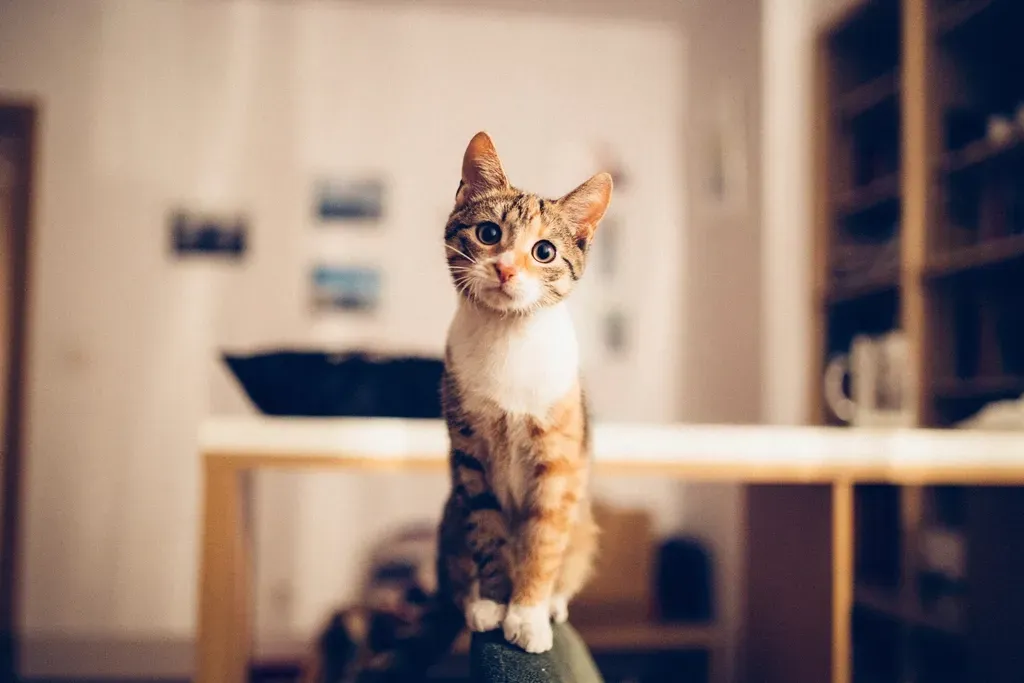
Cats can be just as protective of their people as dogs are of theirs, and cats love their family and their family loves them right back, with research showing that cat-human relationships are nearly identical to human-only bonds. Your cat’s protective behaviors might not look like a guard dog’s aggressive stance, but they’re no less genuine or effective.
From their vigilant patrols to their strategic positioning, cats are constantly working to keep your home secure in their own subtle way. While cats may not demonstrate protection in the same way as dogs, their unique form of guardianship combines instinct, intelligence, and emotional attachment, and understanding and appreciating these subtle yet meaningful behaviors can help strengthen the bond between cats and their owners. Next time you catch your feline friend doing one of these behaviors, maybe give them a little extra appreciation for the guardian they truly are. Have you noticed any of these protective signs in your own cat? Tell us in the comments – we’d love to hear your stories.