Cats are, without question, the most misunderstood creatures sharing our homes. They’ve been worshipped as gods, feared as witch familiars, and memed into the internet hall of fame. Yet somehow, despite living alongside humans for thousands of years, we still manage to get them spectacularly wrong.
Over time, the public image of cats appears to have been shaped by factors such as mysticism, excessive comparisons with dogs, and limited societal knowledge about feline biology. The result? A hilarious collection of myths that real cat owners repeat with total confidence, often while their cat is sitting right there, judging them silently. Get ready to have everything you thought you knew flipped upside down. Let’s dive in.
1. Cats Are Cold, Unfeeling Creatures Who Don’t Actually Love You
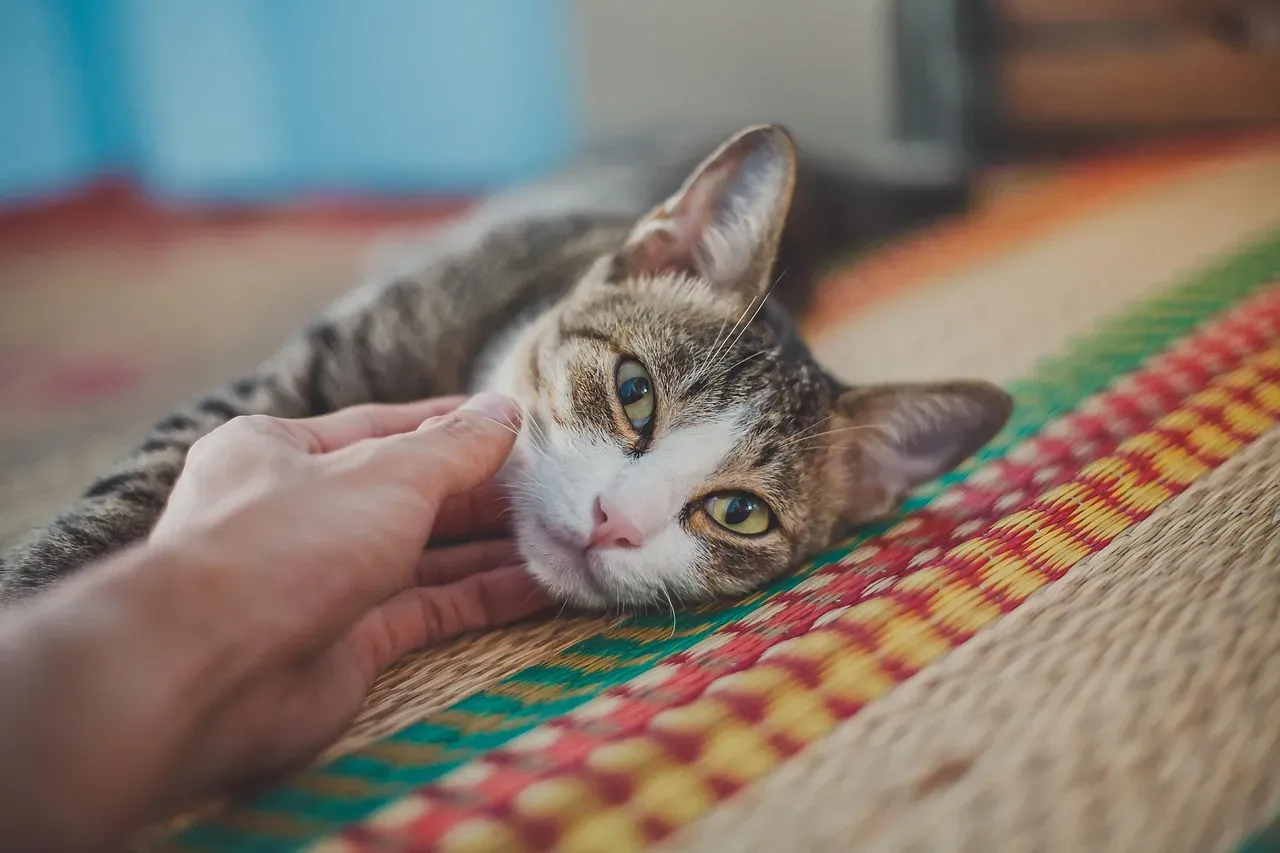
Let’s be real, this one stings a little to debunk, especially if you’ve been defending your cat’s icy stare for years. The truth is, your cat is not plotting your downfall from across the room. Cats may have a reputation for being indifferent and standoffish, but they bond with their people, often just as much as dogs do. Studies show that most cats create strong attachments to their guardians and experience feelings of comfort and safety by being around them.
Feline researcher Dr. Kristyn Vitale published research in 2019 showing that cats develop attachments to their caregivers in much the same way dogs do. The study placed cats in an unfamiliar environment, where they spent two minutes with their human caretakers, then two minutes alone, followed by a two-minute reunion. Cats with a “secure attachment” to their human caregivers showed reduced stress while the caregiver was present. So when your cat flops at your feet while you’re working, that is not coincidence. That is love, served in the most cat-like way possible.
2. Cats Are Completely Self-Sufficient and Need Minimal Care
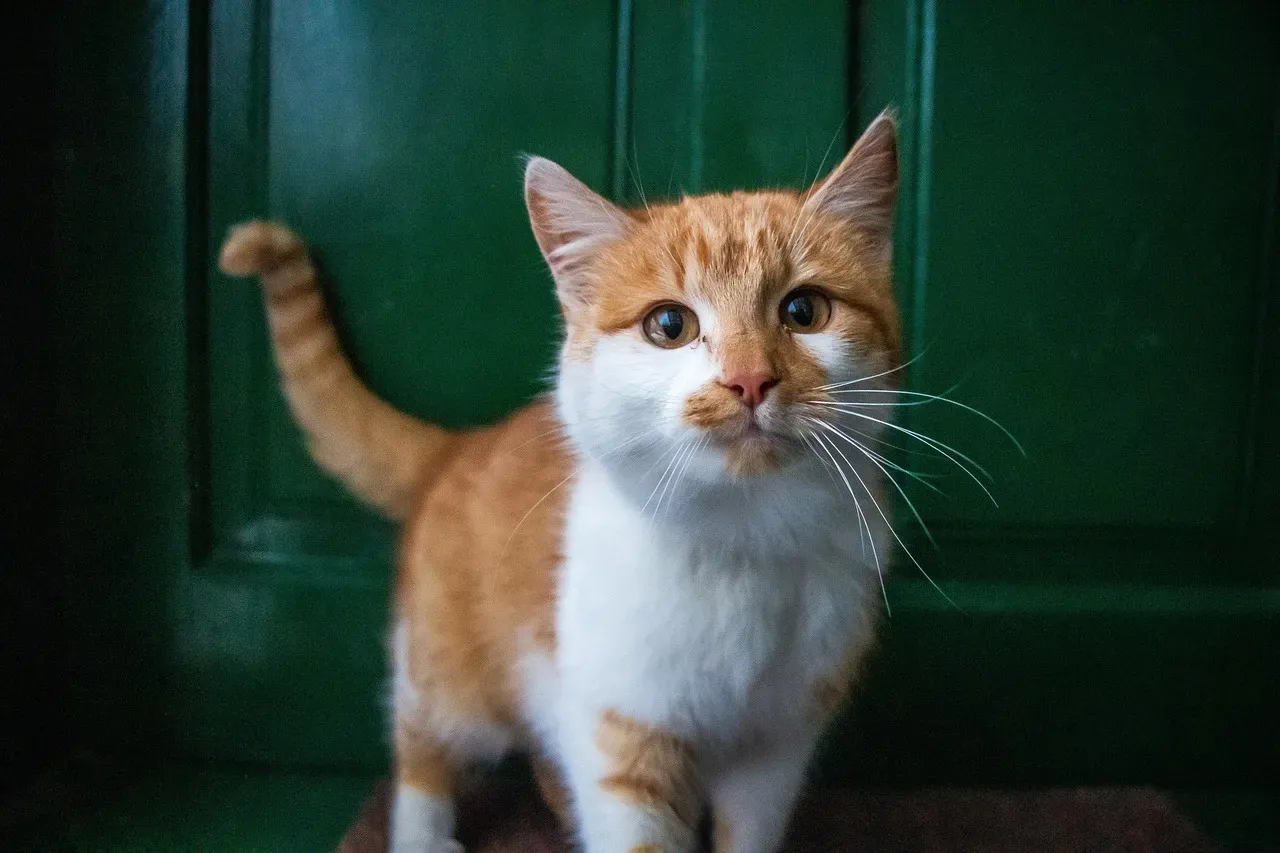
Honestly, this is one of the funniest myths going. You would not walk past a small child and think, “Oh, they’ll figure it out.” Though cats may appear to require less attention than dogs, being low maintenance is a common misconception. Cats need daily mental stimulation, interactive play, and veterinary care to thrive. They also benefit from a stable environment and consistent routines. Failure to provide these necessities can result in behavioral problems such as obesity, anxiety, and destructive behavior.
While cats have a reputation for being independent, they need just as much care as dogs do. Regular vet visits, daily exercise and mental enrichment, and plenty of positive attention from their guardians are all essential to a cat’s well-being. Think of your cat less like a houseplant and more like a tiny, fur-covered roommate who has very specific emotional needs and extremely strong opinions about their dinner time.
3. Cats Can’t Be Trained – They Just Do Whatever They Want
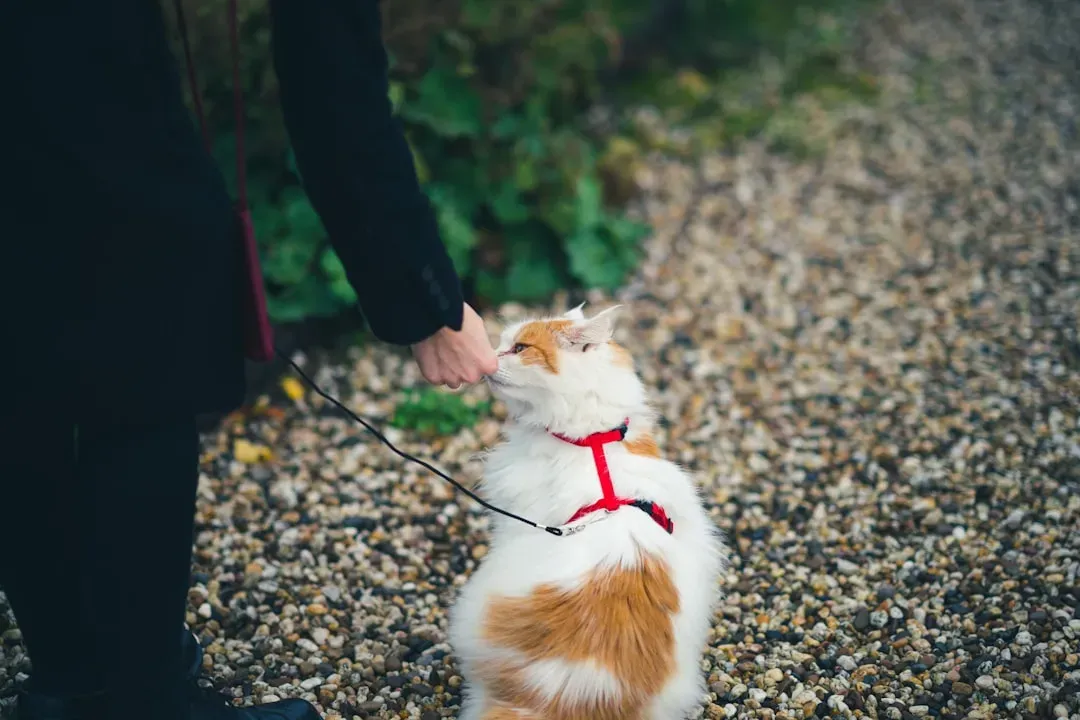
You’ve probably said this yourself, maybe while watching your cat knock a glass off the counter for the fourth time that morning. It feels true. It really does. Contrary to the widespread myth, cats are trainable and can learn tricks through positive reinforcement, much like dogs. Cats can learn to sit, fetch, or even compete in agility courses if training is approached with patience, consistency, and rewards like treats or toys. Training enhances the bond between owner and cat while providing cognitive benefits for the feline.
People often compare cats with dogs, forgetting that dogs were bred to be amenable, trainable, and eager to please. When you talk about the trainability of cats, you must not forget that cats have a wide range of personalities, aptitudes, and motivations. Cats are highly intelligent and capable of learning, so it is possible to train them. The key is understanding what motivates your individual cat. Spoiler alert: it is almost always a treat.
4. A Purring Cat Is Always a Happy Cat
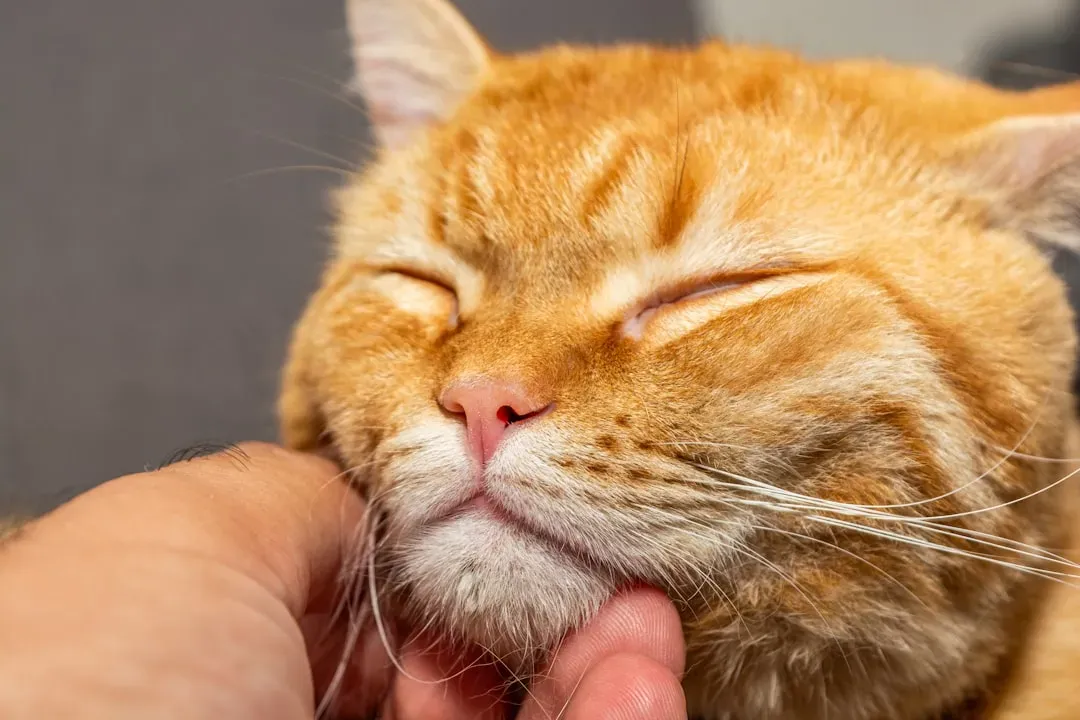
This is probably the most universally believed cat myth, and honestly it makes total sense why. You hear that gentle rumble, you feel warm inside, you assume everything is fine. Purring is often associated with contentment and happiness in cats, leading to the misconception that cats only purr when feeling positive emotions. While purring can indeed indicate happiness, cats may also purr in other situations, including when they’re anxious, stressed, or in pain. Cats may purr as a self-soothing mechanism to alleviate stress or discomfort, or as a way to communicate with their human caregivers.
Scientists believe that purring has self-healing properties, as the sound frequency of a cat’s purr may promote healing of bones and tissues. While a cat’s purr can indicate happiness, it is essential to observe other behavioral signals for a full picture of a cat’s emotional state. Think of purring like a person humming quietly to themselves. Sometimes it means they’re happy. Sometimes it means they’re barely holding it together. Context is everything.
5. Cats Are Solitary Animals Who Prefer to Be Alone
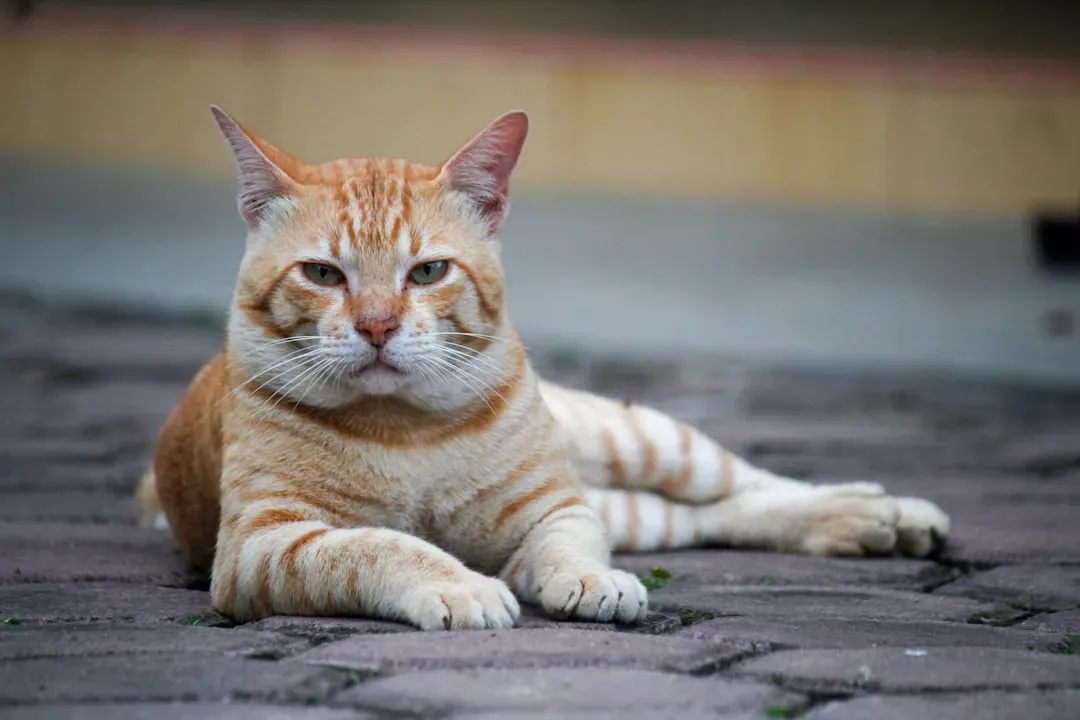
Here’s the thing: this myth is so widespread that even some cat owners use it to justify never engaging with their pets. But it is wildly inaccurate. Domestic cats are not universally anti-social. Rather, they are facultatively social, meaning that their social behavior is flexible and heavily influenced by their genetics, early development, and lifetime experiences.
Studies conducted on feral cat colonies reveal that cats can form complex social structures and establish genuine bonds with both humans and other animals. Indoor cats, too, often exhibit affectionate behavior, seeking companionship and playtime with their human counterparts. It is a bit like assuming all introverts hate people. Some do, sure. Most just recharge differently. Your cat is probably far more social than you give them credit for.
6. Cats Are Nocturnal Night Creatures Built for 3 AM Chaos
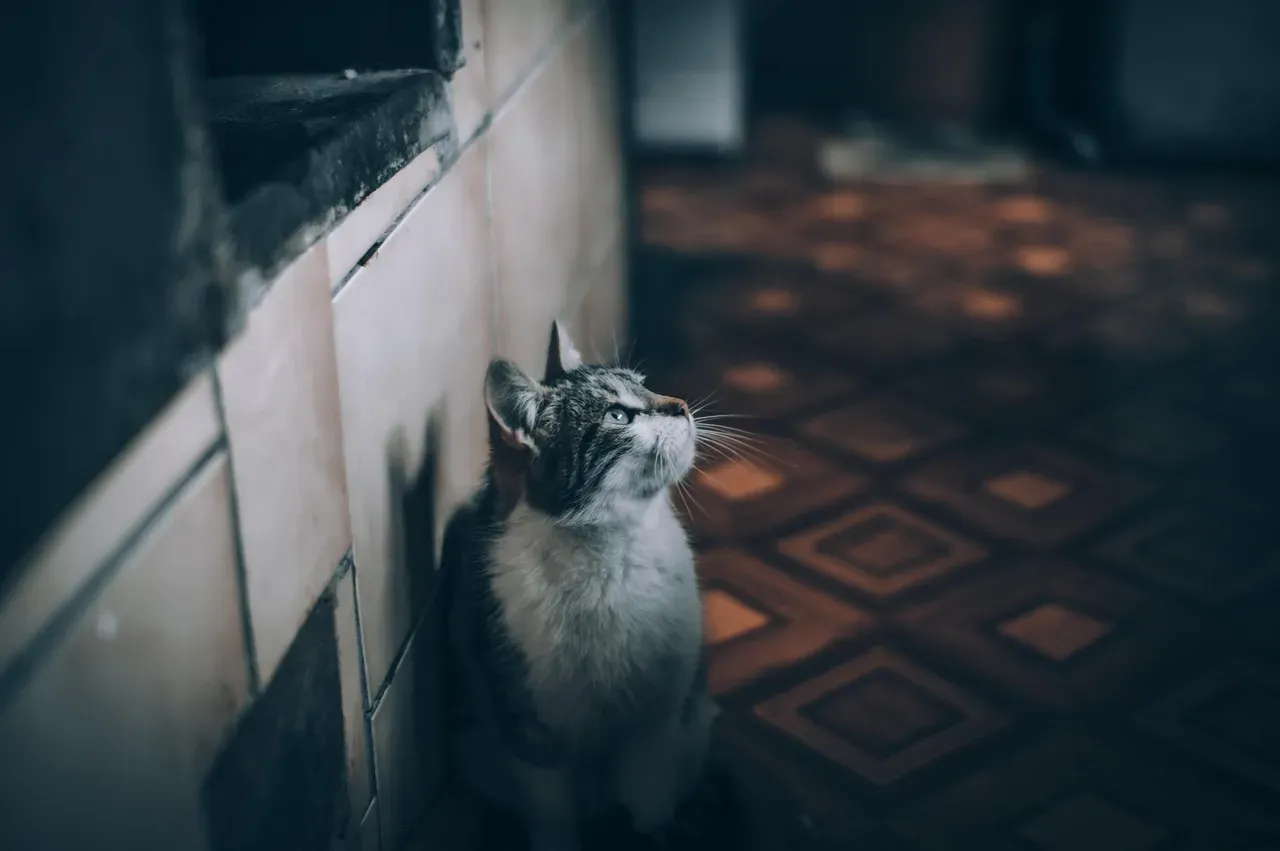
Every cat owner knows the experience of being jolted awake at 3 AM by something that sounds like a small horse galloping through the hallway. It feels undeniably nocturnal. Cats’ bursts of energy at night can give the impression they are nocturnal. In fact, domestic cats are crepuscular, meaning they are most active during twilight hours, dawn and dusk. These activity patterns stem from their wild ancestors’ hunting routines.
Birds and mice are very active at dawn, and cats evolved to take advantage of this by developing the ability to see in low-light conditions. They get the bulk of their hunting done while it’s mostly, but not entirely, dark. If your cat’s evening antics are a problem, consider a play session right before bed and feeding them a small amount, which can re-create the natural hunting cycle, allowing them to ease into the evening. So next time your cat loses their mind at dusk, know that they are simply following ancient, ancestral programming. It is biology, not personal.
7. Cats Bite and Scratch Randomly Without Warning

You’re sitting there, petting your cat peacefully, and suddenly, out of nowhere, they sink their teeth into your hand. Seems random, right? It almost feels like a personal attack. It’s a common misconception that cats bite unpredictably and without cause. In truth, cats use biting as a form of communication when something in their environment is amiss. Whether they are overstimulated during play, feeling threatened, or experiencing discomfort, biting can serve as a signal to stop or adjust their circumstances.
Learning to read a cat’s body language, such as changes in tail movements or ear positions, can preemptively prevent such incidents. Your cat has almost certainly been sending signals for a while before that bite lands. The flicking tail, the flattened ears, the slight skin twitch. They are not random. They are a full, detailed conversation you simply were not fluent in yet. Time to start learning the language.
8. All Cats Hate Water – No Exceptions
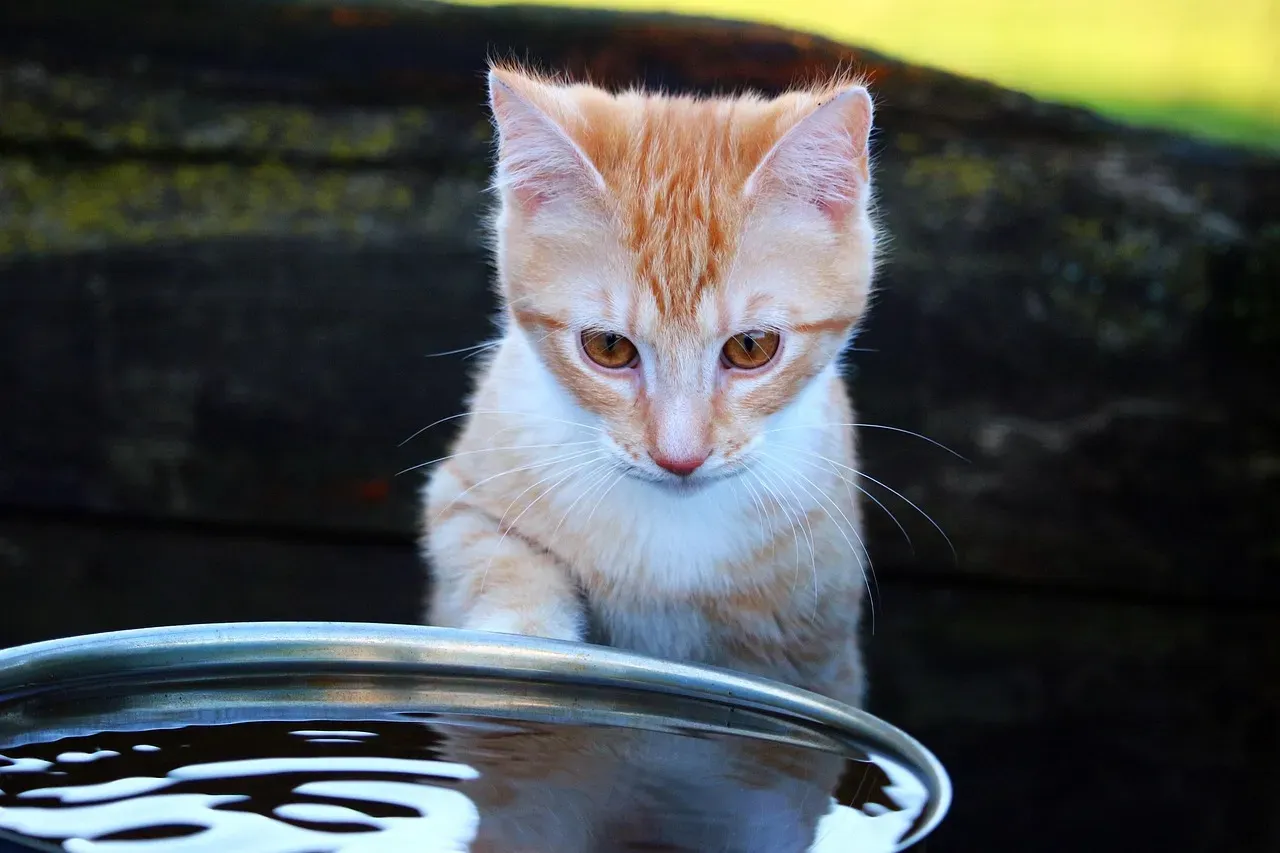
This misconception is so deeply embedded in our culture that people are genuinely shocked to learn some cats actively enjoy water. Like the kind who voluntarily wade into puddles. I know it sounds crazy, but it is absolutely true. The broad belief that all cats detest water is not accurate. While many domestic cats may indeed dislike getting wet due to their dense fur taking a long time to dry, some breeds like the Maine Coon and Turkish Van actually enjoy water. The distaste for water also depends on the individual cat’s early experiences and exposures.
While it’s true that many cats may not enjoy getting wet, not all cats hate the water. In fact, some cats are intrigued by water and will expose themselves to it, whether that’s popping into the shower with their pet parent, dipping a paw in the water, or even playing or fully submerging themselves. However, there are a few reasons why cats may not enjoy the water including the disruption to their grooming habits, the shock of being submerged, or the subsequent weight of wet fur. Each cat is a complete individual, and the water thing is no different.
9. A Lonely Cat Always Needs a Second Cat for Company
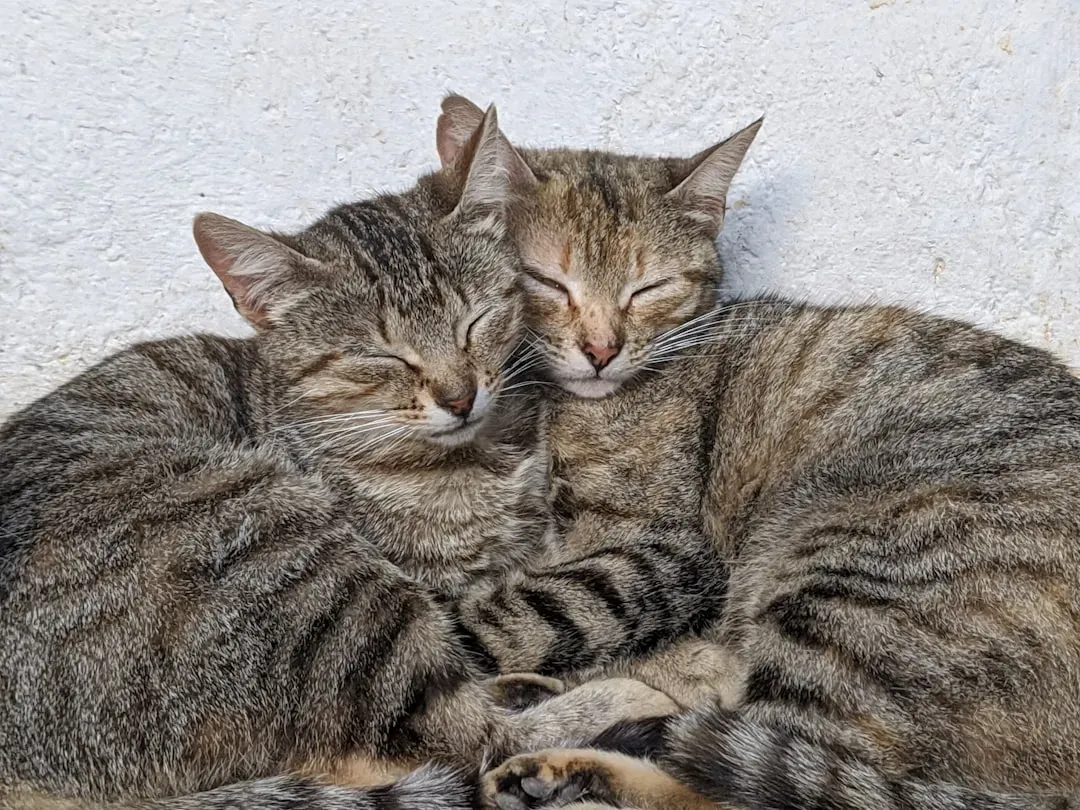
This seems like such a kind, logical idea on the surface. Your cat seems bored. You get another cat. Problem solved, right? Not quite. In fact, this well-meaning assumption can backfire spectacularly. A frequently encountered myth is that all singly kept cats are lonely and could benefit from having another cat brought into the home. While in some instances cats may indeed benefit from the company of their own kind, domestic cats have diverse social compositions that include both solitary and social group structures. Because many factors such as access to resources and early socialization experience influence the likelihood of cats enjoying or tolerating each other, it can be difficult to predict how unfamiliar individuals may respond when introduced in homes.
It’s not true that every singly kept cat is lonely and in need of a feline friend. Some cats form pair bonds and benefit from the presence of another cat, while for others, the company of an additional cat may be stressful. Owners need to consider the preferences of their individual cat when deciding whether to add another cat to their household. Getting a second cat to fix a problem might just double the number of problems. Read the room, or in this case, read the cat.
10. Cats Act Out of Spite When They’re Upset With You
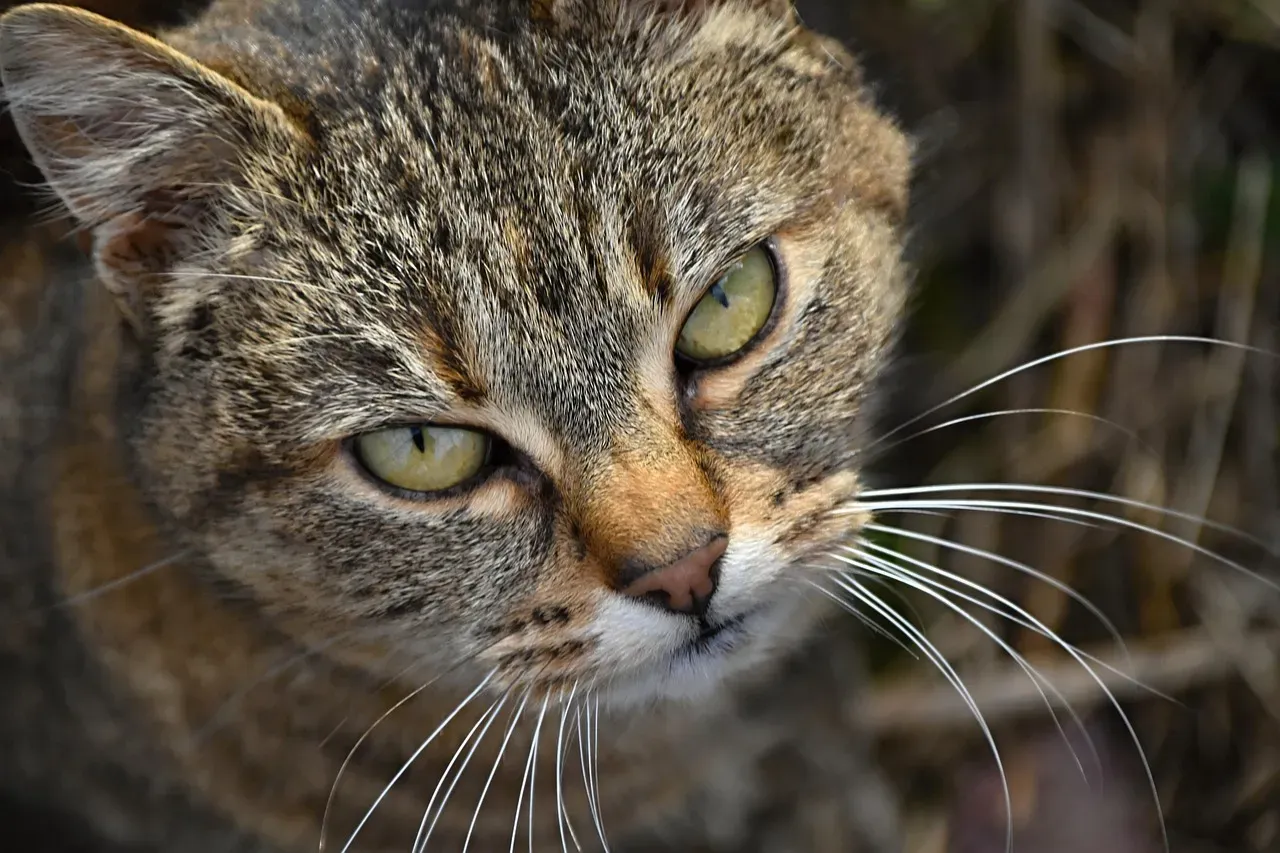
You stayed late at work, your cat knocked your favorite mug off the shelf, and now you are fully convinced they did it on purpose out of revenge. It feels so personal. It feels so deliberate. For a cat to act out of spite or revenge would require a long list of complex thoughts and feelings. “My human did something I don’t like, so I will do something they don’t like” reflects human reactions, which cats aren’t capable of. A cat’s thoughts and communications are different than people when they are trying to communicate a need.
If your cat bites you while you’re petting them, they may be telling you that’s enough petting and they want you to stop. If your cat is soiling outside the litter box, they may have a medical issue that needs to be treated. What looks like revenge is almost always anxiety, stress, boredom, or a health issue crying out for attention. Your cat is not the scheming villain of your household story. They are just a creature trying to communicate in the only ways they know how.
Conclusion: Your Cat Is Probably Smarter Than the Myths About Them
Honestly, after diving into all of this, it is hard not to feel a little humbled. Cats are among the most popular pets worldwide, but there are still major gaps in the public’s general understanding of their social behaviors and related needs. People often have negative or ambivalent attitudes about cats, which can directly impact their welfare outcomes. Insufficient attention to their behavioral ecology and failure to account for their highly variable individual preferences can lead them to experience distress that undermines both their welfare and the human-animal bond.
The good news is that correcting these misconceptions is genuinely life-changing, both for you and for your cat. These myths about cats’ physical, psychological, and social needs can have serious consequences. Cat behavioral problems, which are often rooted in anxiety, fear, and social stress, are regularly given as reasons for their abandonment, relinquishment, and euthanasia. A better understanding of cat behavior, and an appreciation for each cat’s individuality, will benefit cats as well as caretakers. Your cat is not aloof, not cold, not spiteful, and definitely not a vampire. They are a complex, emotional, deeply individual creature who just happens to express love on their own terms. So the next time your cat slow-blinks at you from across the room, blink back. That is them saying, in their own quiet language, that you are theirs. What other myths about your cat have you believed all along?