Ever wonder what your cat is really thinking when they stare at you from across the room? Or why they suddenly sprint through the house at three in the morning like they’re possessed? Cats are mysterious creatures, and understanding them goes far beyond just filling their food bowl and cleaning their litter box. Your furry companion’s behavior is deeply rooted in their development, and recognizing these patterns can transform your entire relationship with them.
What if you discovered that some of the quirky things your cat does are actually secret messages about how they’re feeling emotionally? The truth is, cats are complex beings with rich inner lives, and they’re constantly trying to communicate with you. Let’s dive into the essential knowledge that will help you decode your cat’s world and give them the best life possible.
Your Cat’s Early Weeks Shape Their Entire Personality
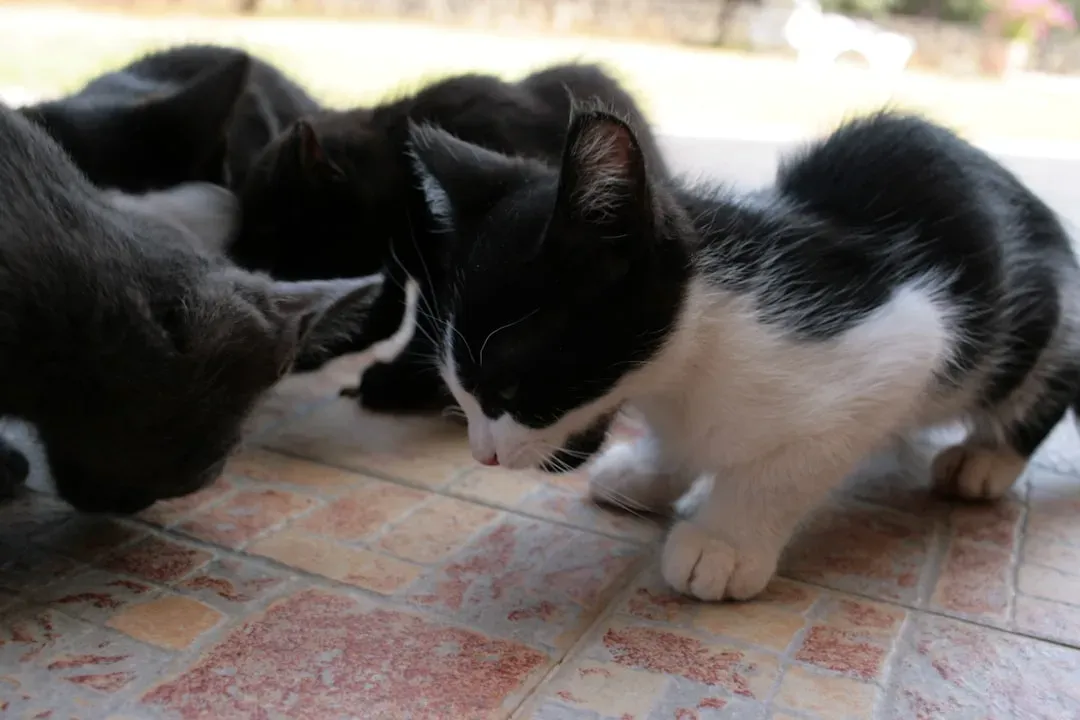
Kittens that are handled regularly during the first seven weeks are more likely to develop larger brains and become more exploratory and playful learners. This critical window is not just about physical growth. It’s about emotional and social development that will follow your cat for their entire life. Think of it like a foundation for a house. If you get those early weeks right, everything else builds more smoothly.
Skills not acquired during the first eight weeks may be lost forever. This is why proper socialization matters so intensely during kittenhood. Kittens should ideally stay with their littermates for at least 12 weeks, as those separated too early often fail to develop appropriate social skills like learning bite inhibition and play boundaries. If you’re adopting a kitten, knowing their early history can explain a lot about their current behavior.
Developmental Stages Actually Explain Why Your Cat Acts That Way

The junior stage, spanning from six months to two years, marks a crucial period where cats transition from playful exploration to boundary testing. This is basically your cat’s teenage phase, and yes, it can be just as challenging as human adolescence. During this time, you might notice your previously sweet kitten suddenly becoming more assertive or even a bit defiant.
Cats reach sexual maturity during the junior stage and may exhibit challenging behaviors as they become more assertive and push boundaries to establish their territory and independence. Understanding this helps you respond appropriately rather than taking it personally. Your cat isn’t being mean. They’re just going through a natural developmental phase that requires patience and consistent boundaries from you.
It could take anywhere from a year to a year and a half before kitten behaviors are replaced with their adult personality. So if you’re wondering when your hyperactive kitten will finally settle down, now you know.
Emotional Health Is Just as Important as Physical Health
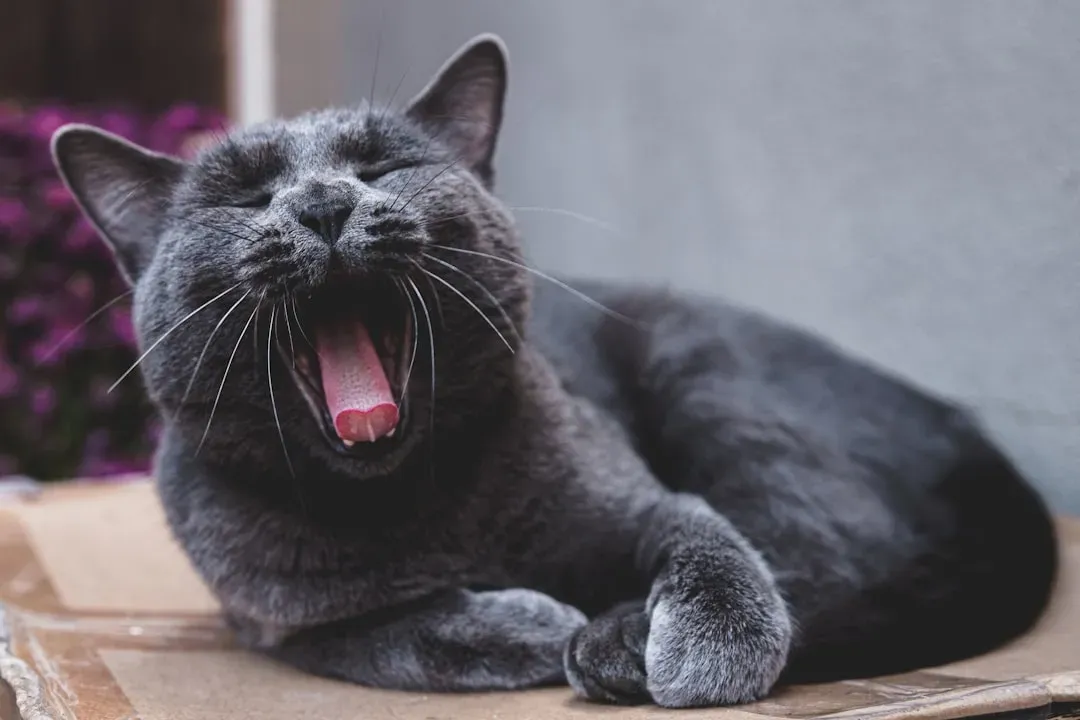
Here’s something that might surprise you: The physical, emotional and cognitive needs of cats are inextricably linked and equally important components of the health triad. We often focus on whether our cat is eating well or if their coat looks shiny, but their emotional state deserves equal attention. A stressed cat can develop physical illnesses, and a physically unwell cat will struggle emotionally.
Understanding emotions is at the heart of veterinary behavioral medicine and is key to preventing and treating behavioral problems, with emotional health being of equal importance to physical health. This means that when your cat starts acting differently, scratching furniture excessively, or avoiding the litter box, the root cause might be emotional distress rather than simple misbehavior.
While cats are sentient beings who experience emotions, the term emotional wellbeing is not as clearly defined for them as it is in humans, requiring us to increase our understanding of how it relates to their overall health. Your job as a cat owner is to become a detective of sorts, observing and responding to your cat’s emotional needs.
Cats Can Actually Read Your Emotions Better Than You Think

Cats integrate visual and auditory signals to recognize human and conspecific emotions and appear to modulate their behavior according to the valence of the emotion perceived. So the next time you think your cat doesn’t care about your feelings, think again. They’re paying closer attention than you realize.
Recent studies show cats can detect human emotions through scent, especially fear, suggesting our feline friends might understand us more than we realize. This is honestly kind of amazing when you think about it. Your cat might pick up on your anxiety before you even fully register it yourself. Research shows that cats display higher stress levels when exposed to human anger signals, suggesting they perceive the negative valence and respond functionally.
The Five Pillars Framework Will Change How You Care for Your Cat
The AAFP and ISFM Feline Environmental Needs Guidelines identify five pillars that describe the essential needs of a cat’s environment, and fulfilling these components is essential for overall wellbeing regardless of behavior and lifestyle. These aren’t optional extras or enrichment activities. They’re fundamental requirements that every cat needs to thrive, whether you have an adventurous outdoor explorer or a cozy indoor companion.
Providing an environment that meets natural and normal behavioral needs is essential to preserving optimal physical, emotional, and cognitive health, as many cats living indoors do not have their essential environmental needs met. This explains why some indoor cats develop behavioral issues or seem perpetually restless. The environment you create directly impacts your cat’s quality of life.
Body Language Reveals Everything Your Cat Can’t Say in Words
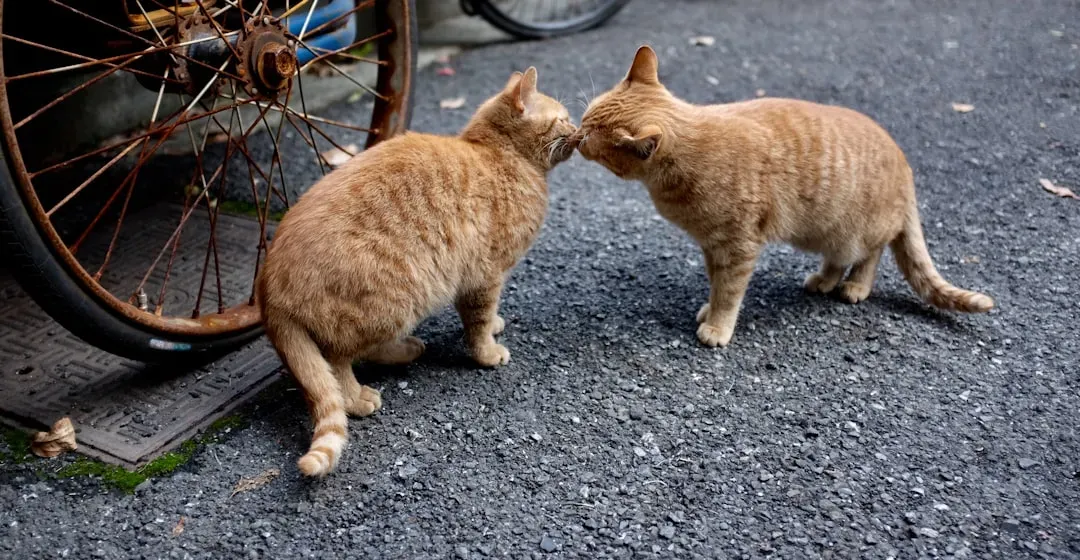
Cats communicate through various body signals including tail position, ear orientation, and vocalizations, and familiarizing yourself with these signals helps you better understand your cat’s mood and needs. Learning to read these signals is like learning a new language. Once you understand it, your entire relationship deepens.
Cats have a wide range of basic emotions including happiness, sadness, fear, relief and even frustration, just like humans. Pay attention to the subtle shifts. Is your cat’s tail held high with a slight curve at the end? That’s contentment. Are their ears flattened against their head? That signals fear or anger. These small details tell you volumes about their internal state.
A cat’s body language not only reveals their emotions but can also indicate illness, as cats are extremely good at hiding when they’re sick. Sometimes a change in posture or facial expression is your only clue that something’s medically wrong.
Proper Nutrition Goes Beyond Just Filling the Bowl
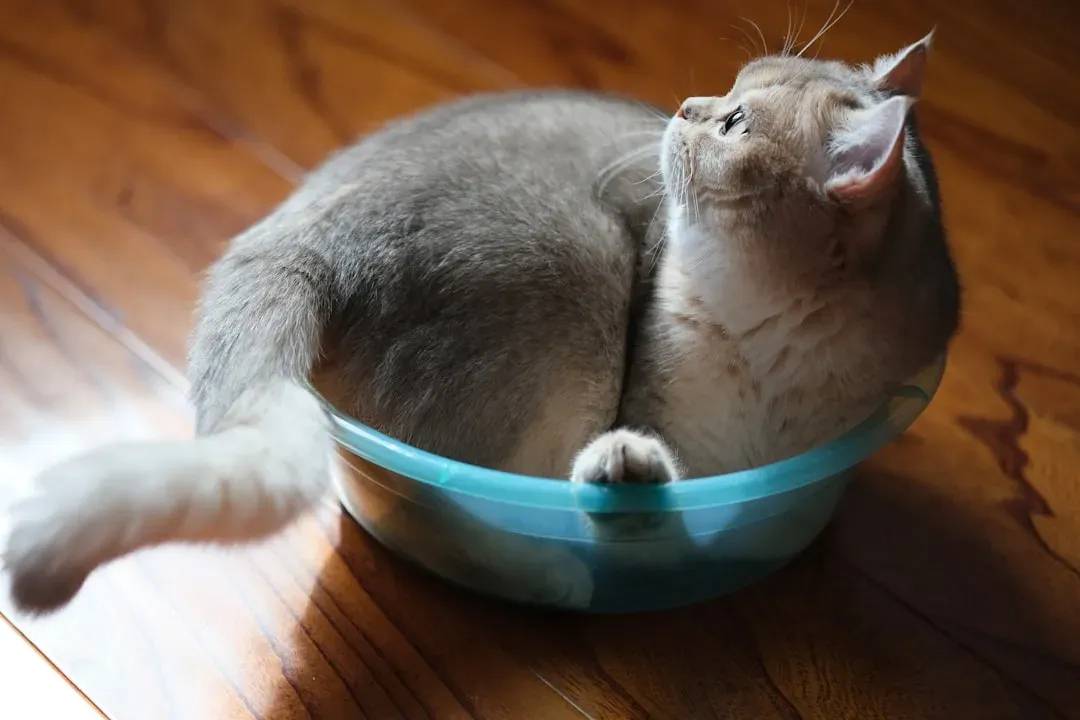
Cats require taurine, an essential amino acid for heart and eye health, and food should be balanced for their life stage. This is non-negotiable. Unlike dogs, cats are obligate carnivores, meaning they absolutely need meat to survive. Their bodies are designed differently, and they can’t thrive on a vegetarian diet no matter how well-intentioned you might be.
High-quality wet food is great for cats, keeps their teeth healthy, is a good source of protein, and should be fed twice daily while avoiding grains and too many carbohydrates. The quality of food you choose directly impacts your cat’s energy levels, coat condition, and long-term health. Your cat should always have access to fresh water that should be changed at least twice daily. Cats are notoriously picky about water, so keeping it fresh encourages proper hydration.
The Litter Box Situation Is More Critical Than You Realize
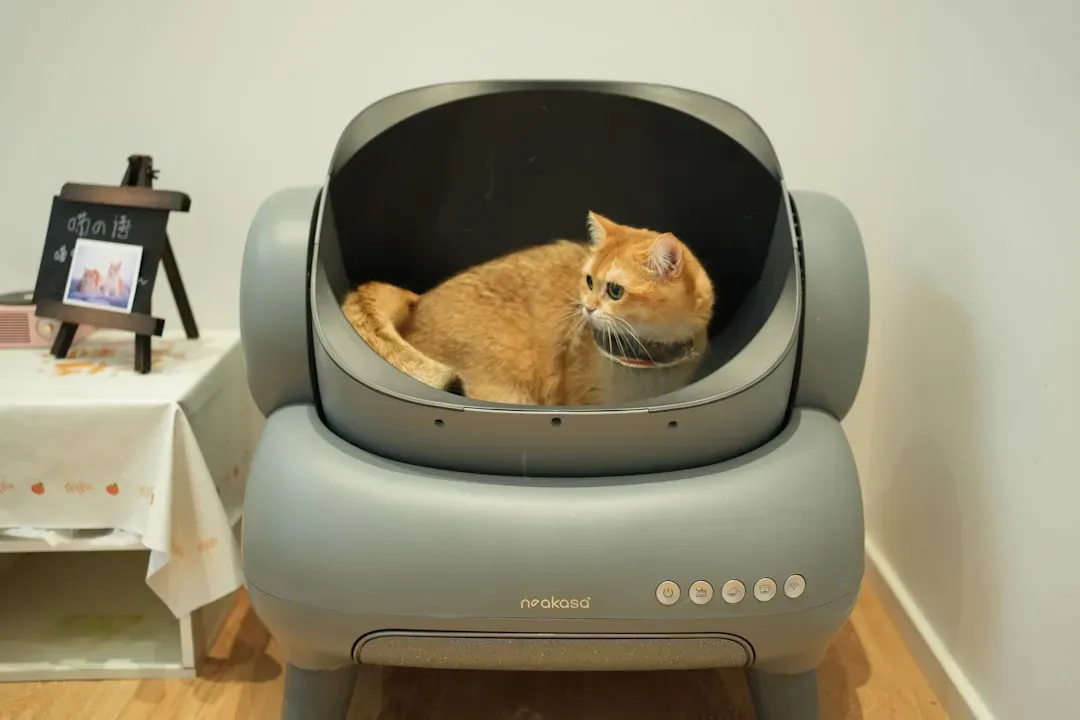
All indoor cats need a litter box placed in a quiet, accessible location, and in multi-level homes, one box per floor is recommended. The general rule that many cat owners don’t know about? Having the same number of litter boxes as cats, plus one extra. So if you have two cats, you actually need three litter boxes.
Cats won’t use a messy, smelly litter box, so scoop solid wastes at least once daily and dump everything, wash with mild detergent and refill at least once weekly. This isn’t about being obsessive. It’s about respecting your cat’s natural cleanliness instincts. A clean litter box is a significant aspect of your cat’s comfort and hygiene, as cats are notoriously clean animals and a dirty litter box can lead to stress and avoidance. Litter box problems are among the top reasons cats end up surrendered to shelters, but they’re almost always preventable with proper setup and maintenance.
Play and Mental Stimulation Are Actual Necessities
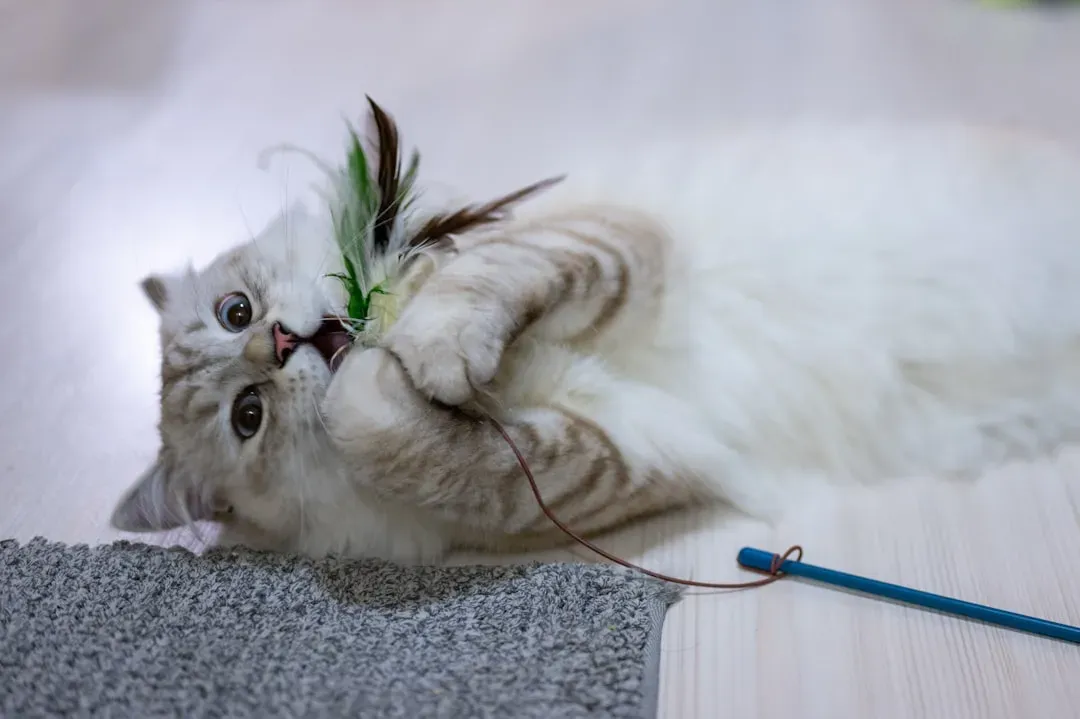
Schedule at least 15 to 30 minutes of cuddle and playtime with your cat twice daily. This isn’t just about keeping your cat entertained. It’s about meeting their natural hunting instincts and providing essential mental enrichment. Cats are intelligent, curious creatures who need challenges to stay emotionally balanced.
Cats are curious creatures needing a stimulating environment with plenty of places to hide and climb like cat trees and houses, along with a selection of toys and food puzzles to make meal times more engaging. Without proper stimulation, cats can become depressed, anxious, or develop destructive behaviors. Think of it this way: a bored cat is rarely a happy cat.
Play provides young cats with opportunities to practice skills they would normally need for survival. Even though your indoor cat doesn’t need to hunt for survival, their brain and body still crave this type of engagement.
Regular Veterinary Care Prevents Problems Before They Start

By ensuring your cat sees a veterinarian on a regular basis, you can help prevent health conditions from developing, catch small health issues before they become serious, and stay up to date on vaccination schedules. This seems obvious, but you’d be surprised how many cat owners only take their cats to the vet when something is visibly wrong. By then, a minor issue might have progressed into something much more serious and expensive to treat.
Dental health is often overlooked but is a critical component of overall wellbeing, as periodontal disease is common among cats and can lead to serious health issues if not addressed. Many cat owners have no idea their cat might be suffering from painful dental problems because cats are masters at hiding discomfort. Establishing a dental care routine that includes regular brushing can make a significant difference in your cat’s quality of life and longevity.
Each veterinarian and veterinary team member has a professional duty to understand and promote the physical, emotional and cognitive needs of cats at all life stages, and educating owners to maximize positive experiences is essential for wellbeing. Your vet is your partner in this journey, so building a good relationship with them pays dividends over your cat’s lifetime.
Conclusion: Understanding Creates Better Lives
Your cat’s behavior isn’t random or designed to annoy you. Every action has meaning rooted in their evolutionary history, developmental stage, and emotional state. When you understand what drives your cat’s behavior, you stop seeing problems and start seeing communication. You stop reacting with frustration and start responding with empathy.
The cats sharing your home are complex individuals with genuine emotional needs, sophisticated communication systems, and developmental patterns that shape who they become. By applying these ten essential insights, you’re not just becoming a better cat owner. You’re becoming a trusted companion who truly understands their feline friend. What surprised you most about your cat’s inner world? Share your experiences in the comments below.