Have you ever caught your cat mid-leap, suspended in the air like some kind of furry superhero? Or watched them squeeze through a space that looks impossibly narrow for their fluffy body? It’s hard to say what’s more impressive: the fact that they pull off these acrobatic stunts daily, or that they do it all with such complete nonchalance.
Your cat isn’t just lounging around between naps. Behind those sleepy eyes and leisurely stretches lies an athlete of extraordinary capability, performing feats of physical prowess that would make Olympic gymnasts jealous. From the moment your feline friend wakes up, they’re executing movements that showcase millions of years of evolutionary perfection. Let’s explore the remarkable agility your cat demonstrates every single day, often right under your nose.
The Death-Defying Vertical Leap
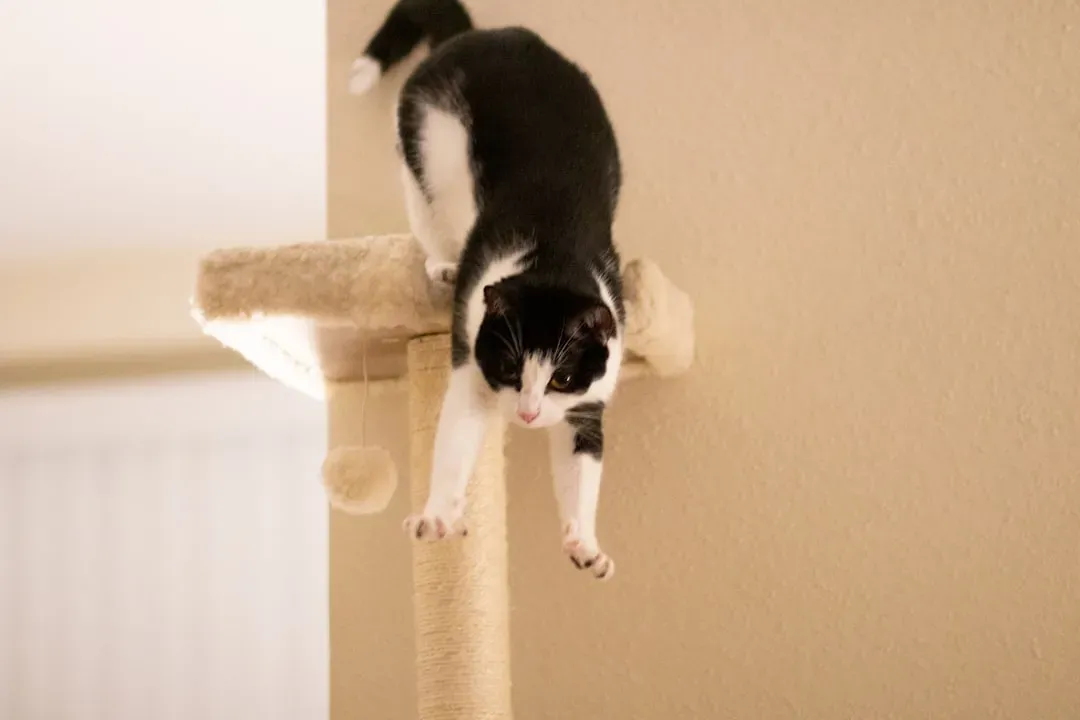
Your cat can typically jump up to five to six times their body length in a single leap. Think about that for a second. If you had the same ability, you’d be clearing two-story buildings from a standing position. Depending on whether they begin their jump running or standing, your cat can jump up to about five to six feet in the air.
What makes this even more astounding is the physics behind it. When a cat prepares to jump, they crouch down, loading their muscles like springs, storing potential energy that converts to kinetic energy during the jump. Cats have incredibly strong and flexible muscles in their hindlimbs that allow them to quickly launch themselves off the ground, giving them an extra boost of height and distance when they jump. Watching your cat effortlessly reach the top of the refrigerator isn’t luck; it’s pure biomechanical excellence.
The Spine-Bending Twist
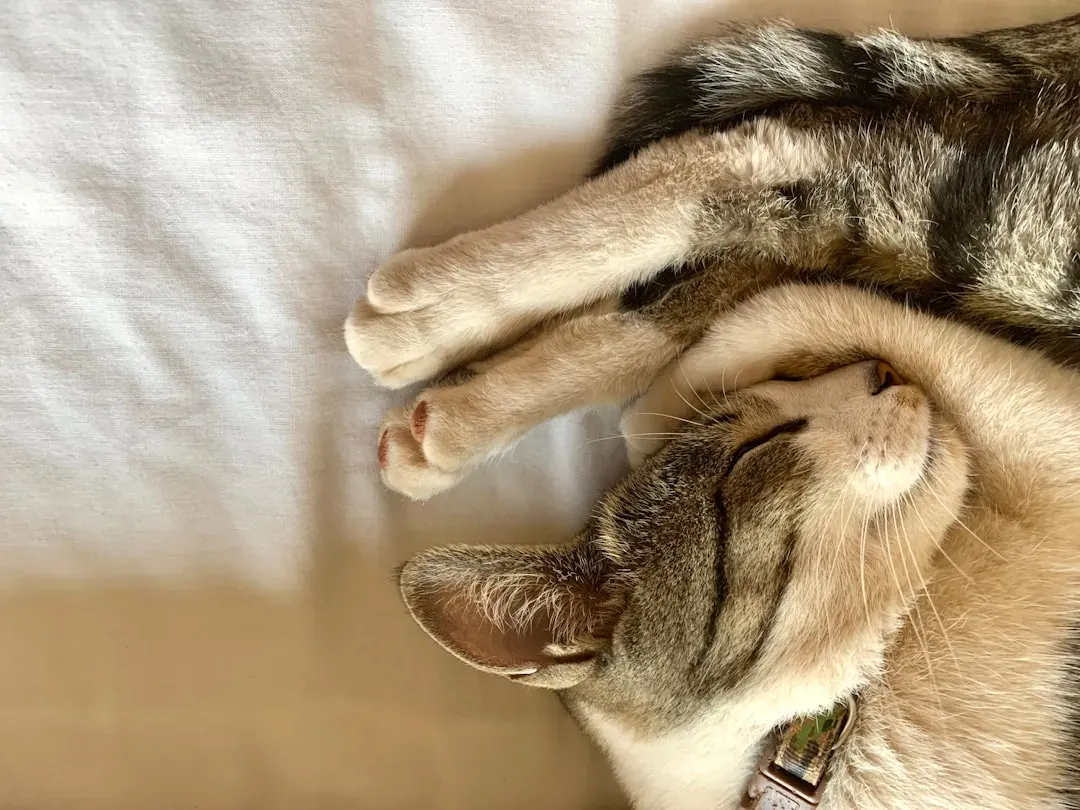
Cats possess an exceptionally flexible spine stemming from their loosely connected vertebrae, connected by elastic ligaments and cushioned by intervertebral discs, allowing for a greater range of motion and enabling them to arch their backs significantly. Cats can twist their torsos 180°, but a human’s range of motion is only as much as 90°.
This flexibility isn’t just for show. The cat’s spine acts like a spring, storing energy as they crouch and then releasing it explosively during the leap. You see this every time your cat stretches after a nap, arching their back into that distinctive Halloween-cat pose. That’s not just a stretch; it’s a demonstration of one of nature’s most sophisticated musculoskeletal systems.
The Impossibly Tight Squeeze
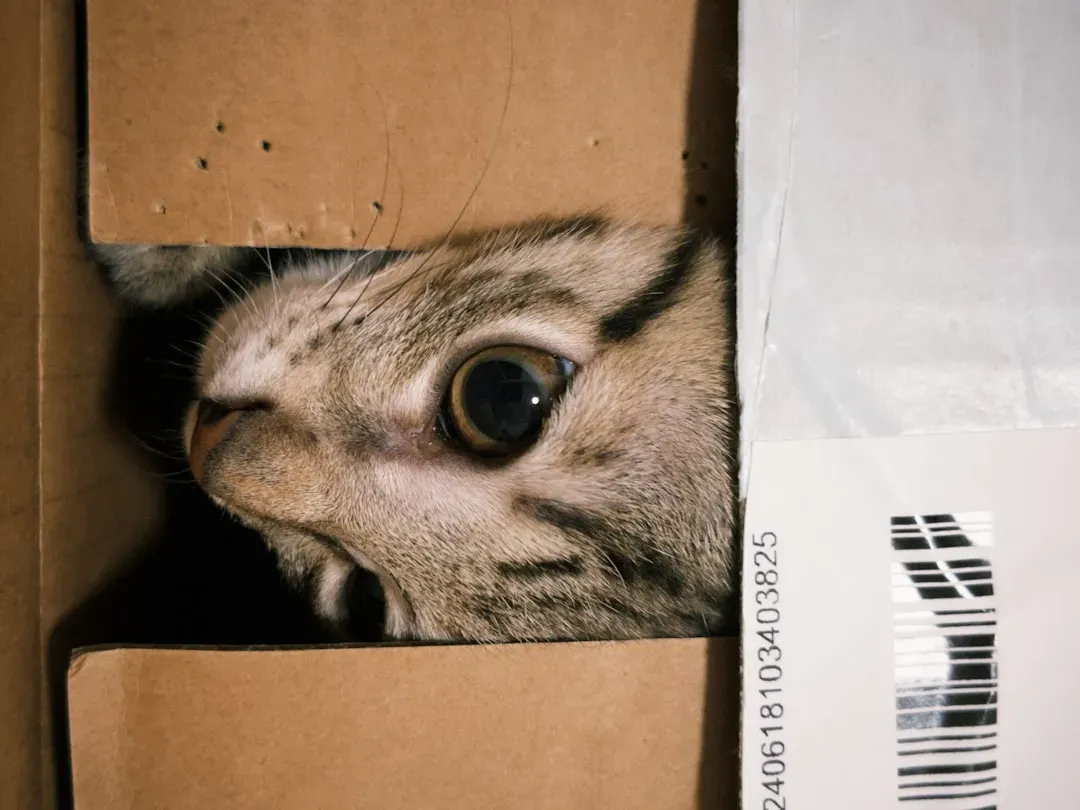
Let’s be real: your cat is basically a liquid. Their collarbones are attached to muscle, not bones like humans’ are, so if their head fits, they can shift their collarbones so their body can follow. This is why your cat can fit into boxes that seem three sizes too small or slip through gaps you’d swear were impossible.
Their shoulder blades are also attached to muscle, so they can adjust their shoulders to squeeze into tight places, and with these bones only attached to muscle, cats can quickly change direction and lengthen their strides while running. Next time you find your cat wedged behind the couch, remember: they’re not stuck, they’re just flexing their evolutionary advantages.
The Mid-Air Self-Correction
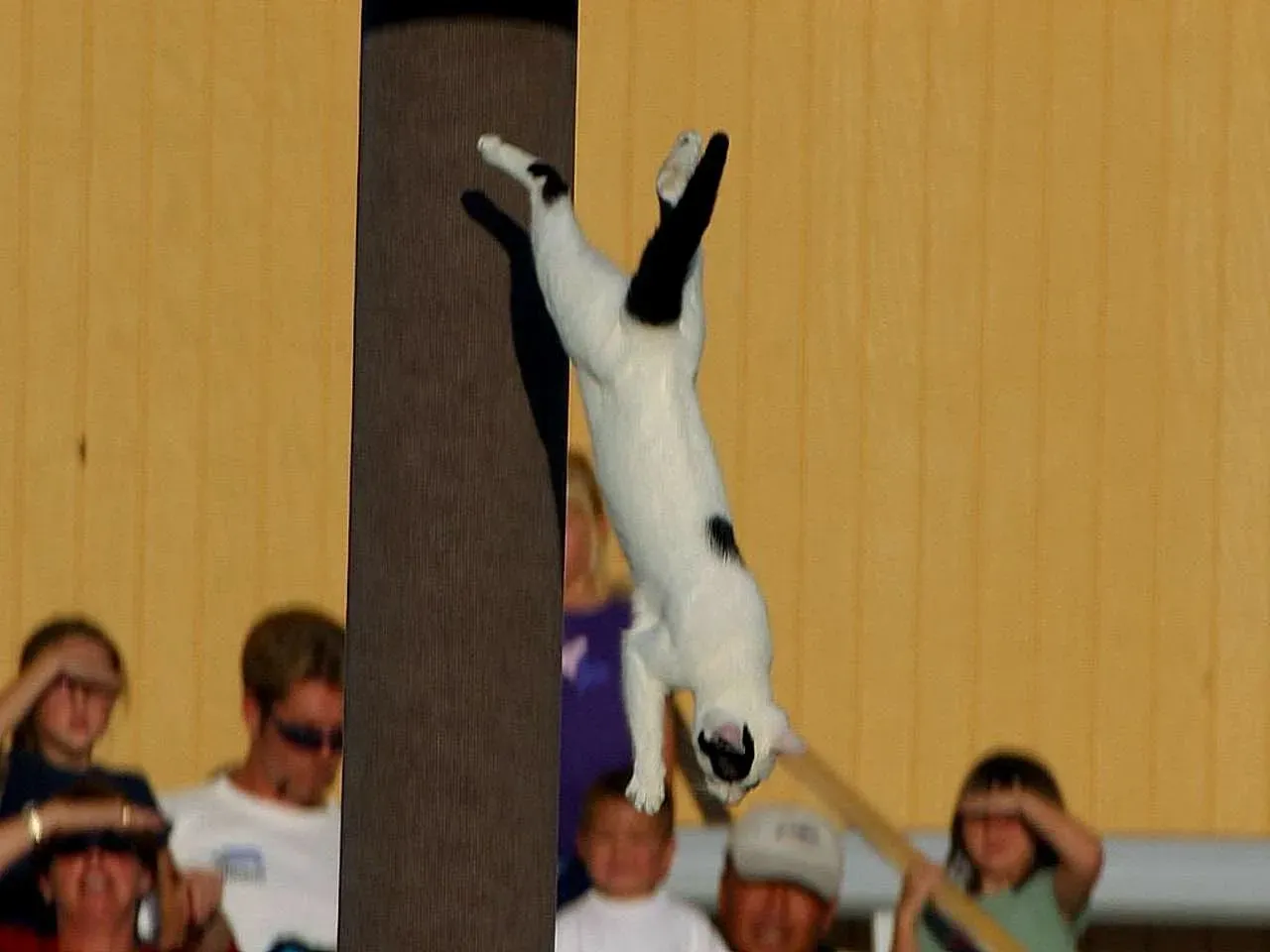
The cat righting reflex is a cat’s innate ability to orient itself as it falls in order to land on its feet. The righting reflex begins to appear at 3–4 weeks of age, and is perfected at 6–9 weeks. This isn’t a learned behavior; it’s hardwired into your cat’s biology from birth.
Here’s the really mind-bending part: Because cats have no collarbones and extremely flexible spines, they use their superior vestibular systems to figure out which way is up, and once the head is oriented in the right direction, the rest of the body twists to follow suit. The righting reflex can take less than a second and a cat needs at least two and a half feet to stick the landing. The whole maneuver happens faster than you can blink, a testament to millions of years of feline evolution.
The Precision Landing
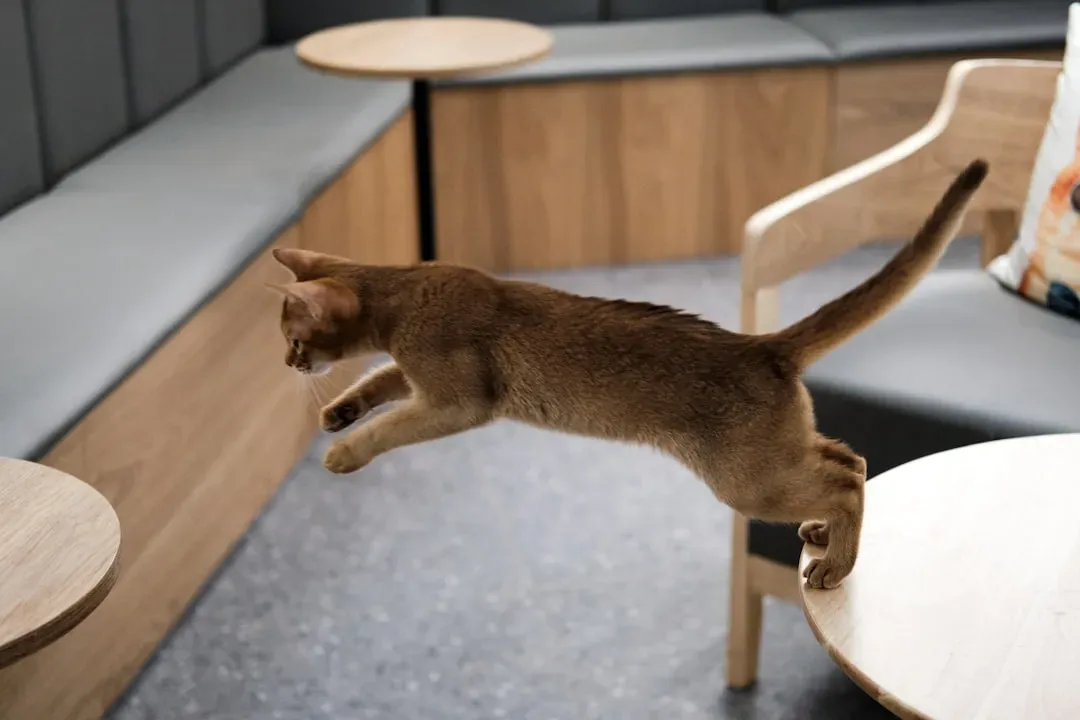
Landing is where cats truly shine. Cats have a keen sense of balance and exceptional coordination, allowing them to execute precise landings with ease. Watch your cat jump down from a high shelf sometime. They don’t just drop; they calculate distance, adjust their trajectory mid-air, and touch down as softly as a whisper.
Cats possess an innate righting reflex that allows them to twist their body mid-air, ensuring they land on their feet, and their specialized leg joints and muscles work together to absorb the impact of landing, distributing the force evenly throughout their body, combined with their keen depth perception and quick reflexes. Cats’ claws act as little spikes to gain traction during takeoff and landing. The entire process is so refined that your cat makes it look effortless.
The Horizontal Bound
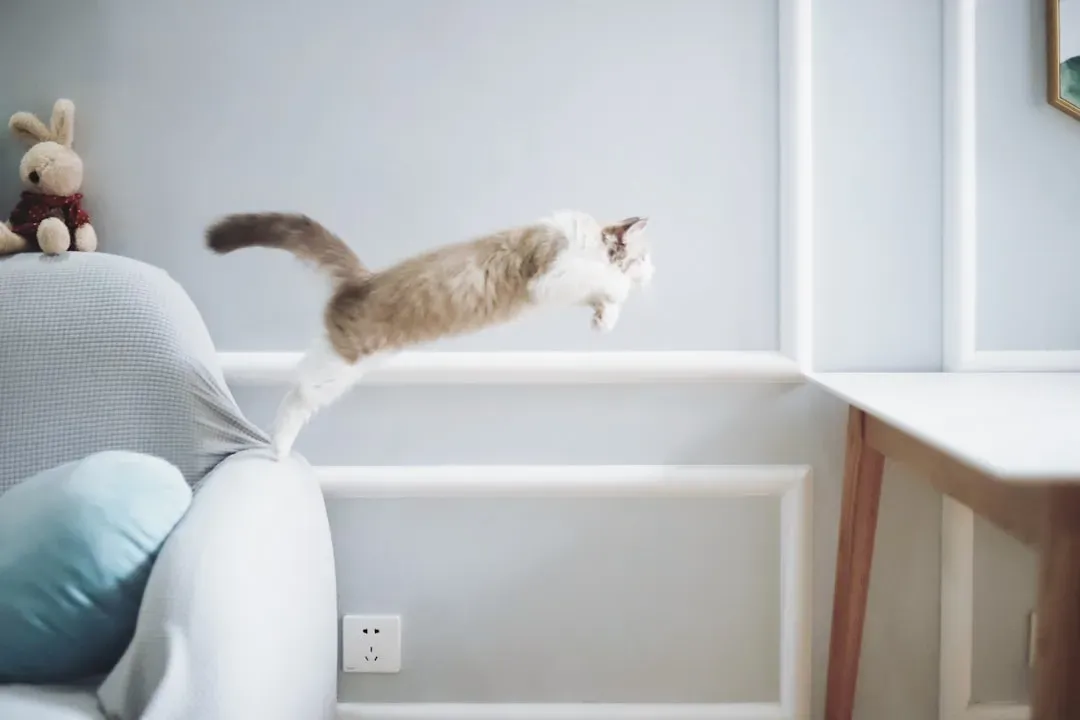
On average, a healthy cat can cover 6–8 feet in a single bound, and some particularly athletic cats may reach up to 10 feet. That’s the length of a small car. Most cats make several horizontal leaps every day, whether it’s clearing gaps between furniture, fences, or other obstacles.
What’s remarkable is the explosive power required for these leaps. As they prepare to jump, the powerful muscles contract, and the tendons release stored energy, launching the cat into the air, with their body adjusting effortlessly mid-air thanks to the agile movement of their hind limbs. Whether your cat is chasing a toy or simply moving from one favorite spot to another, they’re constantly showcasing this incredible capability.
The Obstacle Navigation
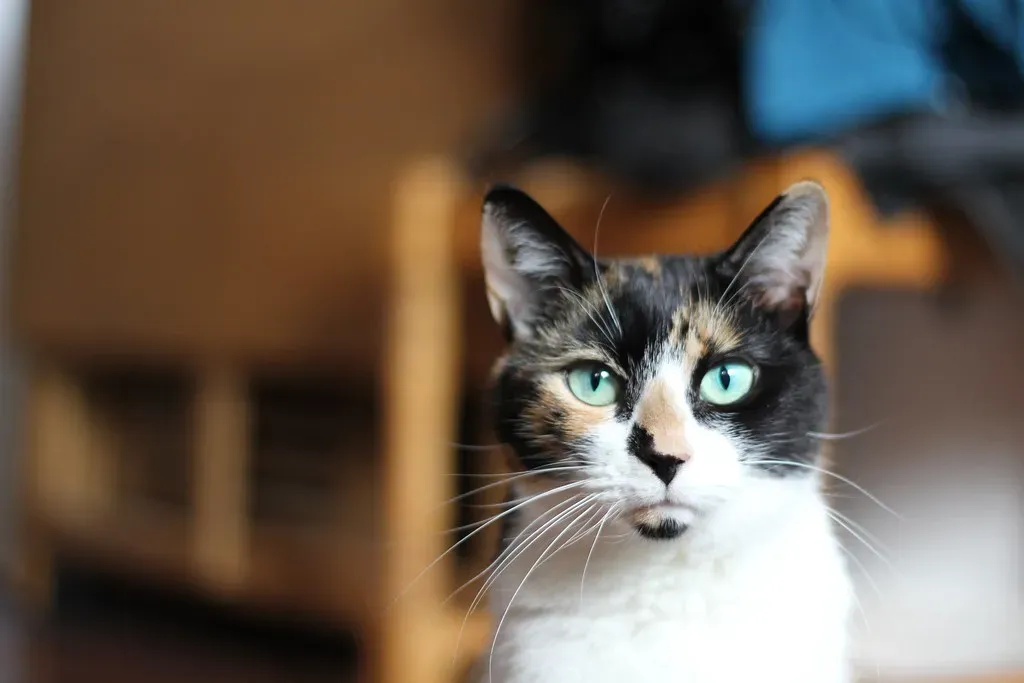
Cats depend on working memory to help them avoid obstacles, and once their forelegs have stepped over the obstacle, their working memory helps them position their hindlegs to avoid it, too. This isn’t instinct alone; it’s actual cognitive processing happening in real time.
Cats’ preferred strategy for avoiding small obstacles is to find a way around them, with the direction of the cat’s stride changing while the length and rhythm are not altered. Your cat is constantly problem-solving as they move through their environment, making split-second decisions about the most efficient path. It’s like watching a parkour expert navigate an urban landscape, except it’s happening in your living room.
The Balance Beam Performance
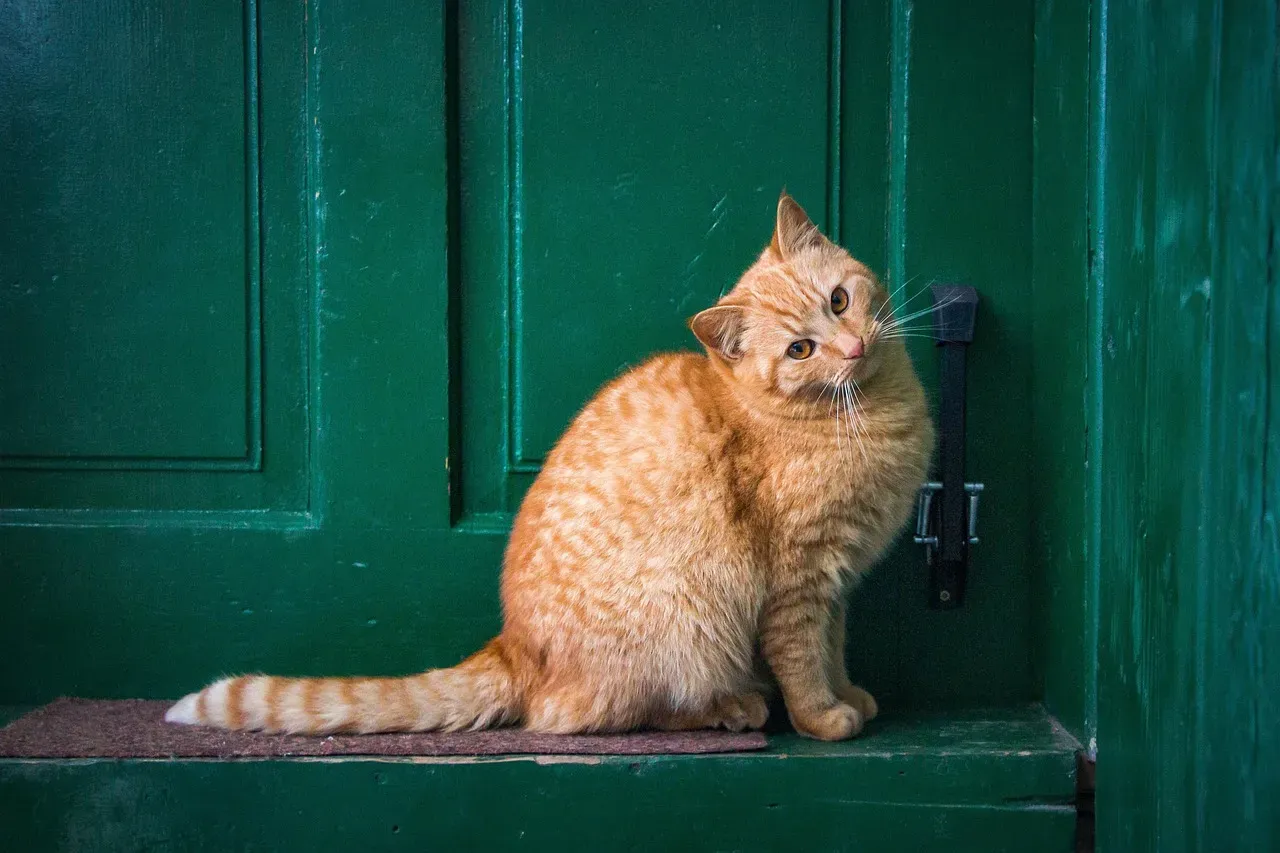
A cat’s tail can act as a counterweight to fine-tune their orientation; when a cat swerves to the right their tail will swing to the left, and when a cat jumps upwards their tail will go down. Watch your cat walk along the back of your sofa or balance on a fence post. That tail isn’t just swishing for show.
Their innate sense of balance and coordination, significantly aided by their tails, is essential. Cats use their tails to help them maintain balance and stability when they jump and climb. Even tailless cats manage impressive balance, proving that while the tail helps, the entire feline body is built for equilibrium. It’s honestly amazing that they don’t demand a salary for these daily gymnastics routines.
The Lightning-Fast Reflex Response
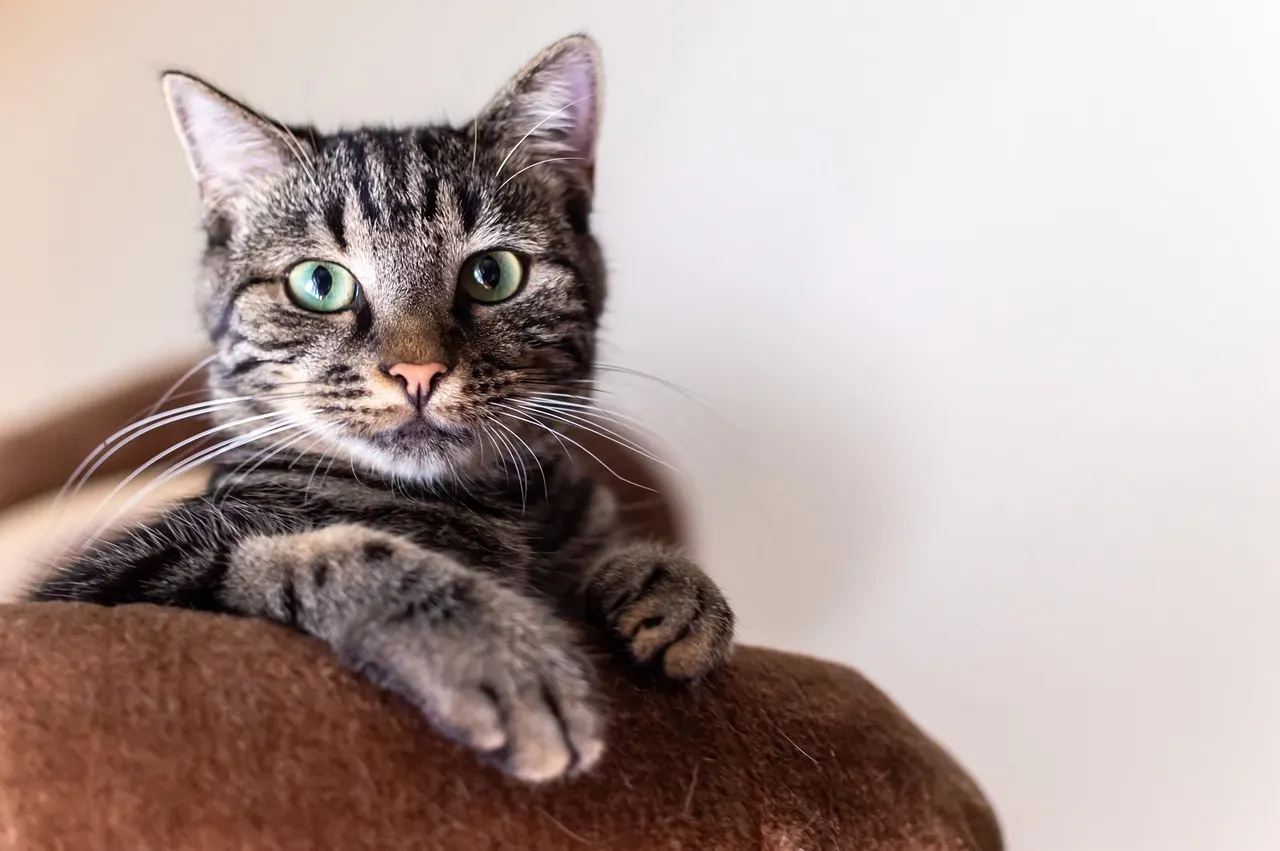
Cats have extraordinarily fast reflexes, crucial for their survival as both predators and prey, facilitating immediate reactions to environmental stimuli, making them adept hunters. You’ve probably seen this when you accidentally drop something near your cat. They react before you even finish processing what happened.
Cats are naturally agile creatures, known for their ability to leap, climb, and navigate obstacles with ease, with their flexible bodies, sharp reflexes, and keen senses making them excellent candidates for agility training. Those lightning-quick paw swats at flying insects? That’s millions of years of predatory evolution on display. Your cat isn’t just fast; they’re operating on a completely different timescale than you are.
The Controlled Descent
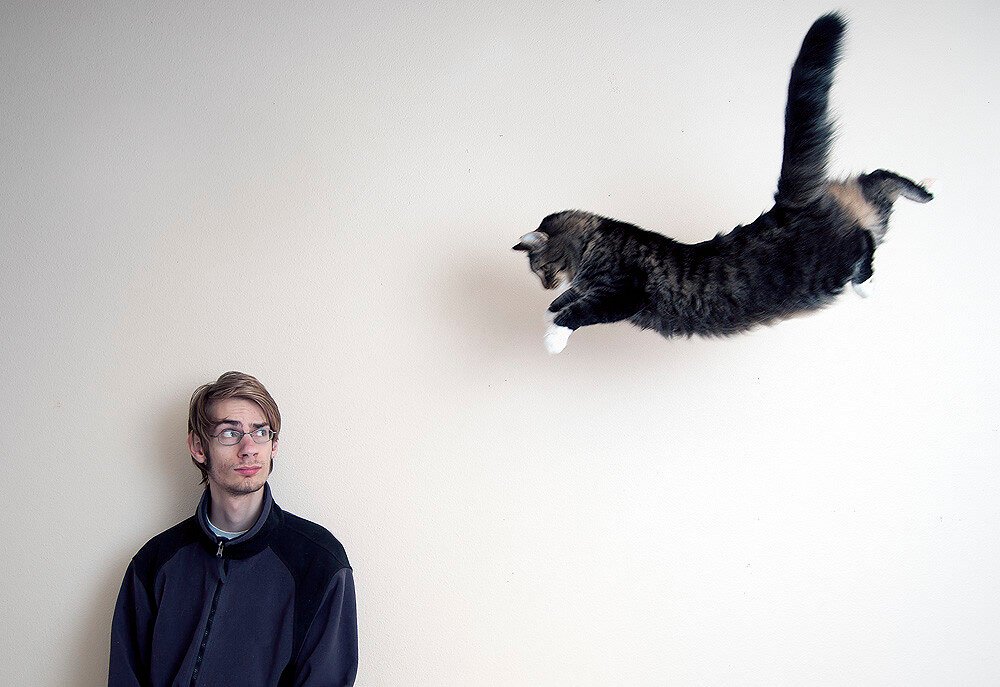
While falling, a cat spreads out its body to increase drag. An average-sized cat with its limbs extended achieves a terminal velocity of about 60 mph, around half that of an average-sized man. This natural parachute effect is yet another evolutionary marvel.
Studies of feline high-rise syndrome have found that cats orient their limbs horizontally after achieving maximum velocity so that the impact is more evenly distributed throughout the body. Even in the most dangerous situations, your cat’s body automatically adjusts to maximize survival chances. This doesn’t mean falls are safe, but it does mean your cat has built-in safety mechanisms that most animals can only dream about.
Conclusion
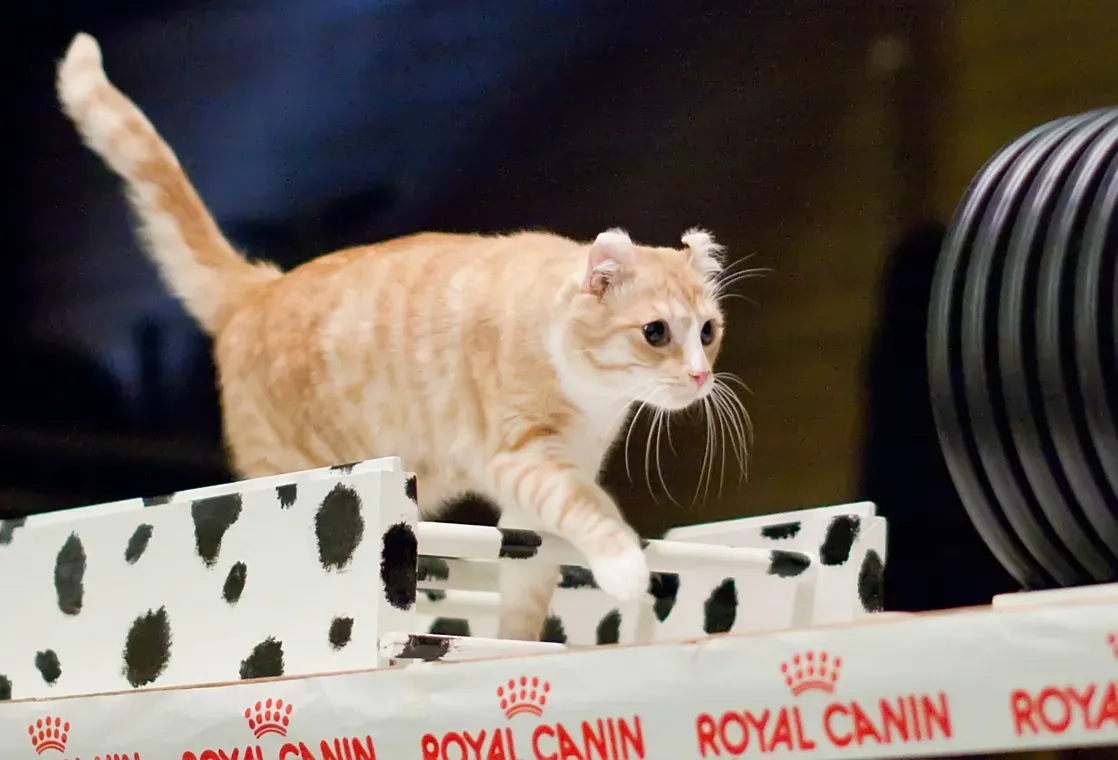
Your cat’s daily routine might look like a series of naps interrupted by occasional food breaks, but the truth is far more impressive. Every jump, twist, squeeze, and landing represents a masterclass in biomechanical engineering. Cats owe their agility to evolutionary adaptations that have been honed over thousands of years, with their flexible spines, powerful leg muscles, and lightning-fast reflexes all being traits developed through the process of natural selection, crucial for their ancestors’ success as predators.
The next time you see your cat casually leap onto a bookshelf or somehow fold themselves into a shoebox, take a moment to appreciate what you’re witnessing. These aren’t just random movements; they’re perfectly executed displays of one of nature’s most successful designs. Your cat is, quite literally, a walking wonder of evolutionary achievement. What do you think about these incredible abilities? Does your cat have a signature move that never fails to amaze you?