Your cat isn’t just a pet. She’s your furry companion, your morning alarm clock, and sometimes your therapist when you need to vent about a rough day. Yet despite your best intentions, you might be doing things that make her feel unwanted without even realizing it. Cats are surprisingly sensitive creatures who experience emotions like happiness, sadness, and even frustration. What seems harmless to you could be silently chipping away at the bond you share. The good news is that understanding these innocent mistakes can transform your relationship and unlock the full health benefits of cat ownership, from reduced stress to better heart health. Let’s explore what could be going wrong and how to fix it.
1. Petting in the Wrong Places
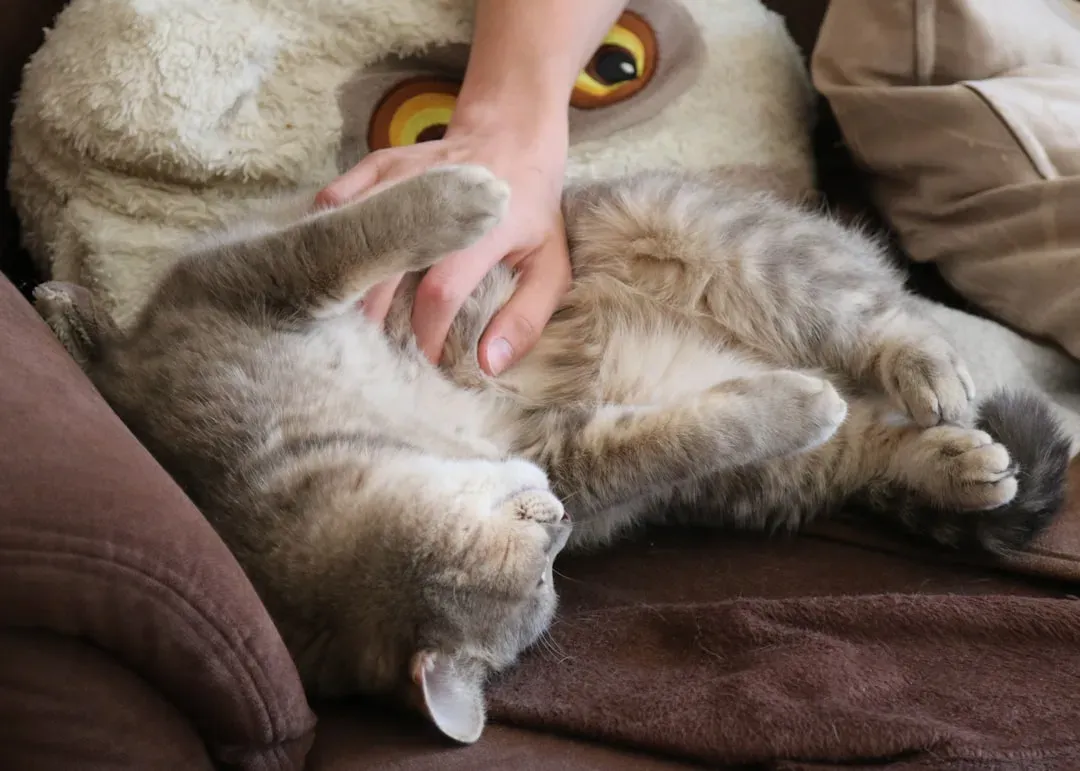
Research involving cat owners revealed that many people consistently pet cats in areas that felines find uncomfortable, including their legs, belly, back, and tail tip. It’s hard to believe, but what feels loving to you might actually be stressing your cat out. Cats have specific preferences rooted in their natural social behavior, and they prefer touch around their face, cheeks, and chin rather than more sensitive areas.
Cats have very specific preferences about where they enjoy being touched, and these preferences are rooted in their natural social behavior and sensory systems. When you ignore these boundaries, your cat might tolerate the attention but secretly wishes you’d stop. Over time, this can make her avoid you altogether, and honestly, who could blame her?
2. Forcing Affection When They Wants Space
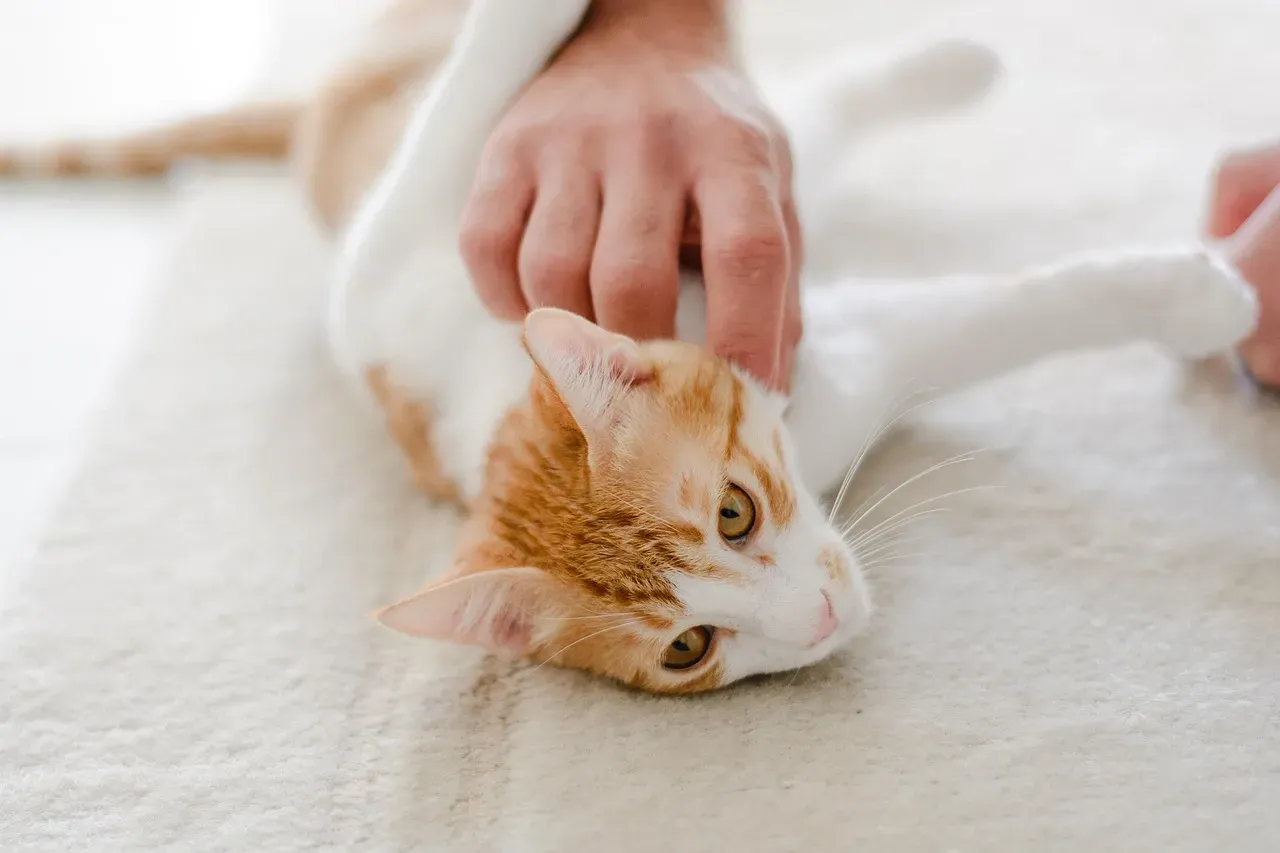
Many owners approach their cats and immediately begin petting or handling them without waiting for signs that the cat is receptive to contact. Think about it: would you want someone grabbing you for a hug when you’re trying to focus on something else? Your cat feels the same way. She values her independence and needs control over when interaction happens.
Cats aren’t dogs who eagerly seek constant attention. Cats like to be alone at times, just like humans do, and if your cat doesn’t seem upset but seems aloof, it probably means they don’t want to be petted or played with at that particular time. When you respect her boundaries and let her come to you, the affection becomes more meaningful. She’ll trust you more and actually seek you out when she’s ready for cuddles.
3. Yelling or Using Punishment
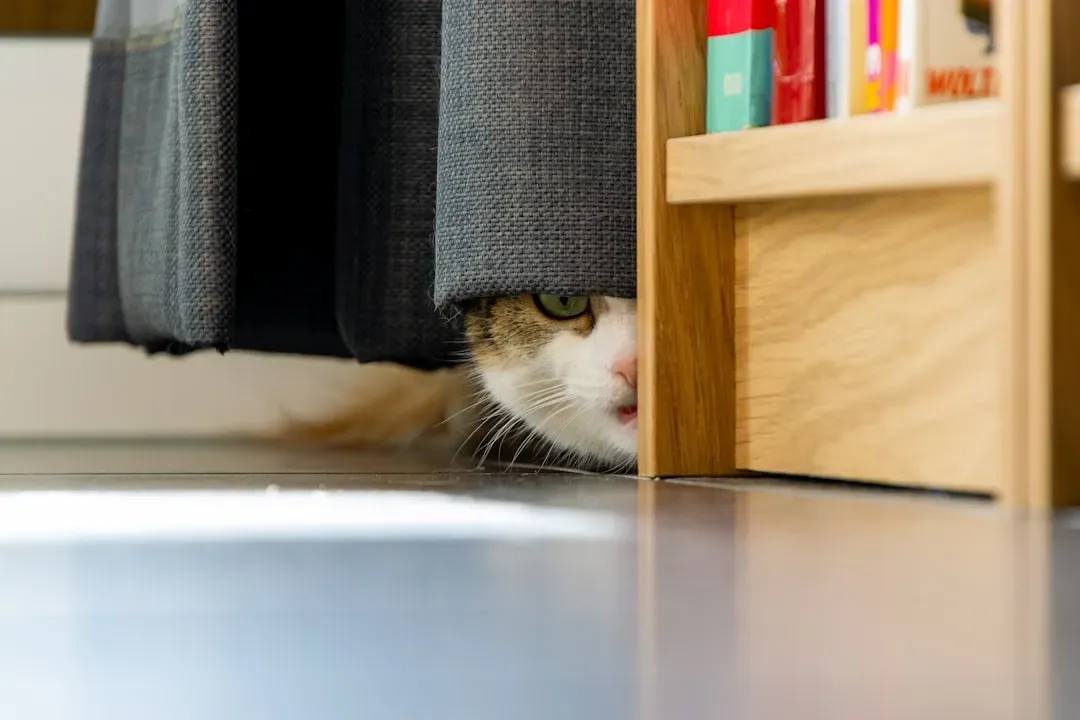
Studies have shown that punishment and confrontational training techniques are more likely to lead to fear, avoidance, and increased aggression. Raising your voice when your cat knocks something off the counter might seem justified in the moment, but all she hears is anger directed at her. Punishment can lead to increased fear, stress, or aggression, and cats may become fearful of the person administering the punishment, harming the bond between the cat and its owner.
Your cat doesn’t understand she’s being scolded for scratching the couch. She just knows you’re suddenly scary. The result? She avoids you or becomes anxious around you. Positive reinforcement works so much better and actually strengthens your relationship rather than damaging it.
4. Not Providing Enough Mental Stimulation
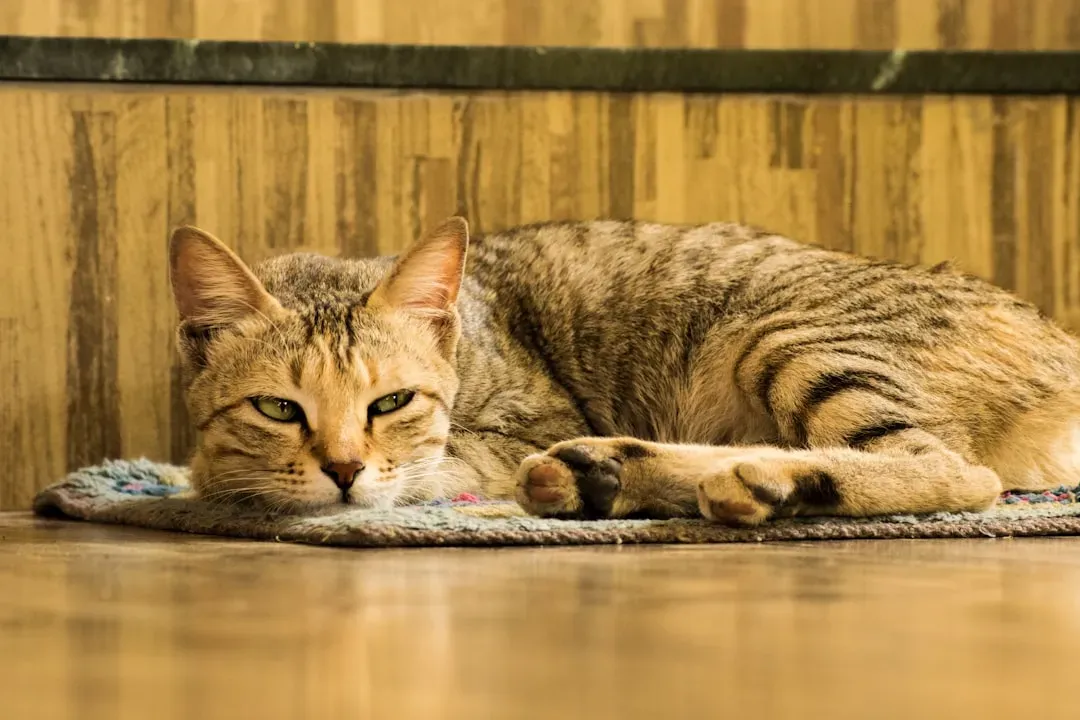
Boredom can lead to behavioral issues in cats, and if a cat doesn’t have enough toys, playtime, or other forms of psychological and physical stimulation, it may develop unwanted behaviors, such as excessive grooming, aggression, or destructiveness. Picture yourself stuck in a room with nothing to do all day. You’d go stir crazy, right? Your cat feels exactly the same way when her environment lacks enrichment.
Cats who aren’t getting the time, love and affection from their humans that they need will often feel bored and turn to unwanted behaviors as a way of boosting their happiness levels, and it’s your cat’s way of communicating to you that an important need isn’t being met. She might start scratching furniture or acting out not because she’s bad, but because she’s desperately trying to tell you something important.
5. Ignoring Their Emotional Signals
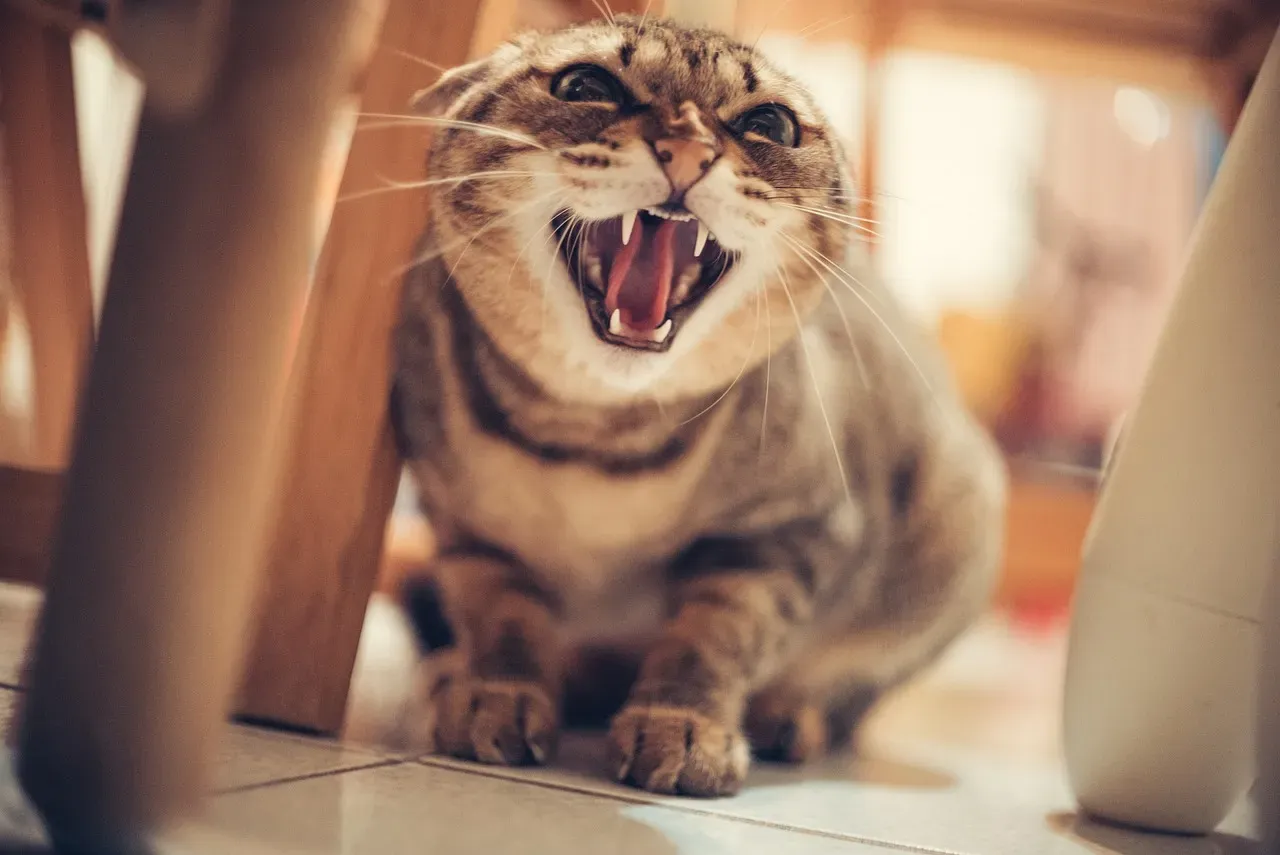
Hissing, growling, scratching, and biting are all ways of your cat saying she’s uncomfortable or scared, and ignoring this behavior will not help her feel safer or change the behavior. When your cat flattens her ears or swishes her tail rapidly, she’s speaking to you in her language. Dismissing these signals is like hanging up on someone mid-sentence.
Changes in a cat’s behaviors can be signs of emotional distress, and cats who suddenly stop using the litter box, playing, or eating may feel unhappy. Learning to read her body language is one of the most important skills you can develop as a cat owner. It shows her that you’re paying attention and that her feelings matter.
6. Neglecting Proper Litter Box Setup
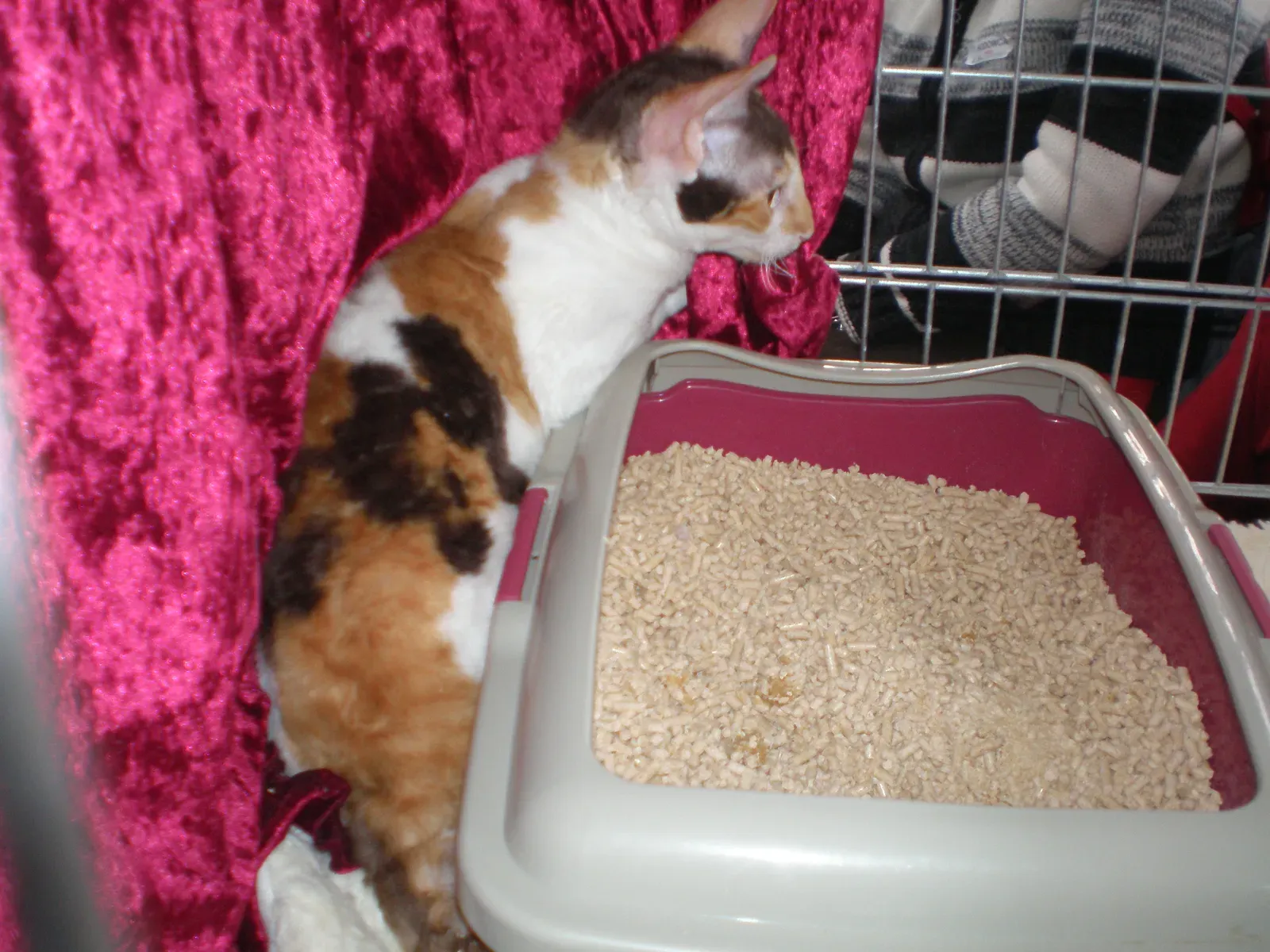
Inappropriate elimination is the most common behavior problem reported by pet parents, and it’s estimated that roughly one in ten cats will eliminate outside their litter box at some point in their lives. Your cat isn’t being spiteful when she avoids her litter box. She might be telling you it’s too dirty, in the wrong location, or that she needs more boxes.
Following the n plus one rule is important: provide one more litter box than the number of cats in your household, so one cat should have two litter boxes. When you ignore her bathroom preferences, she feels stressed every time nature calls. That’s a lot of daily anxiety that could easily be prevented with a few simple changes.
7. Disrupting Their Territory
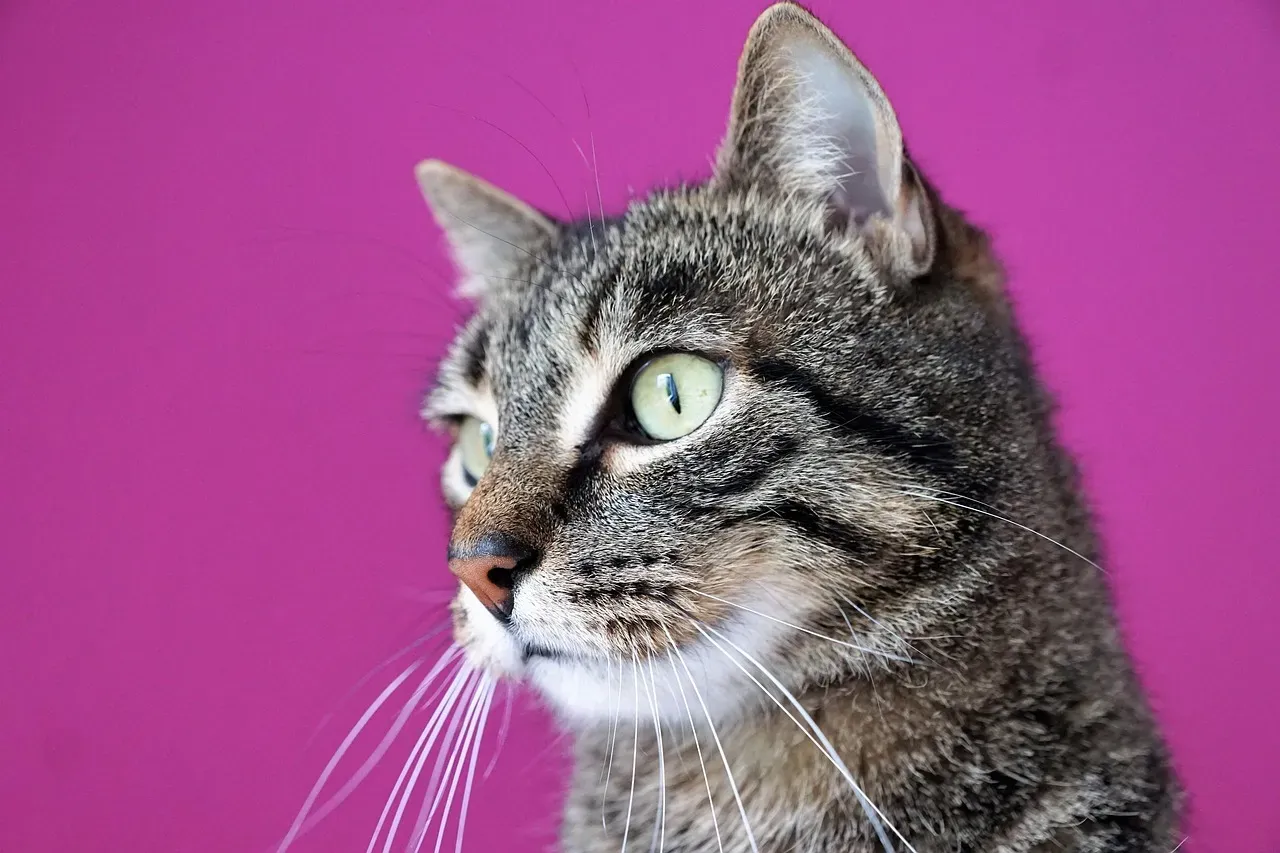
Cats are naturally territorial creatures and territorial aggression may develop if they feel an intruder has invaded their territory and they are competing for resources. Moving furniture around constantly, bringing home new pets without proper introduction, or even having too many guests over can make your cat feel like her safe space is under attack. She needs stability and predictability to feel secure.
If a cat is motivated to gain access to a resource and is denied the opportunity to do so, frustration will be triggered, which can lead to behaviors that are perceived to be aggressive in nature. Creating designated spaces where she can retreat and feel safe is essential. Think of it as giving her a sanctuary within your home where she’s always in control.
8. Overlooking Their Need for Routine
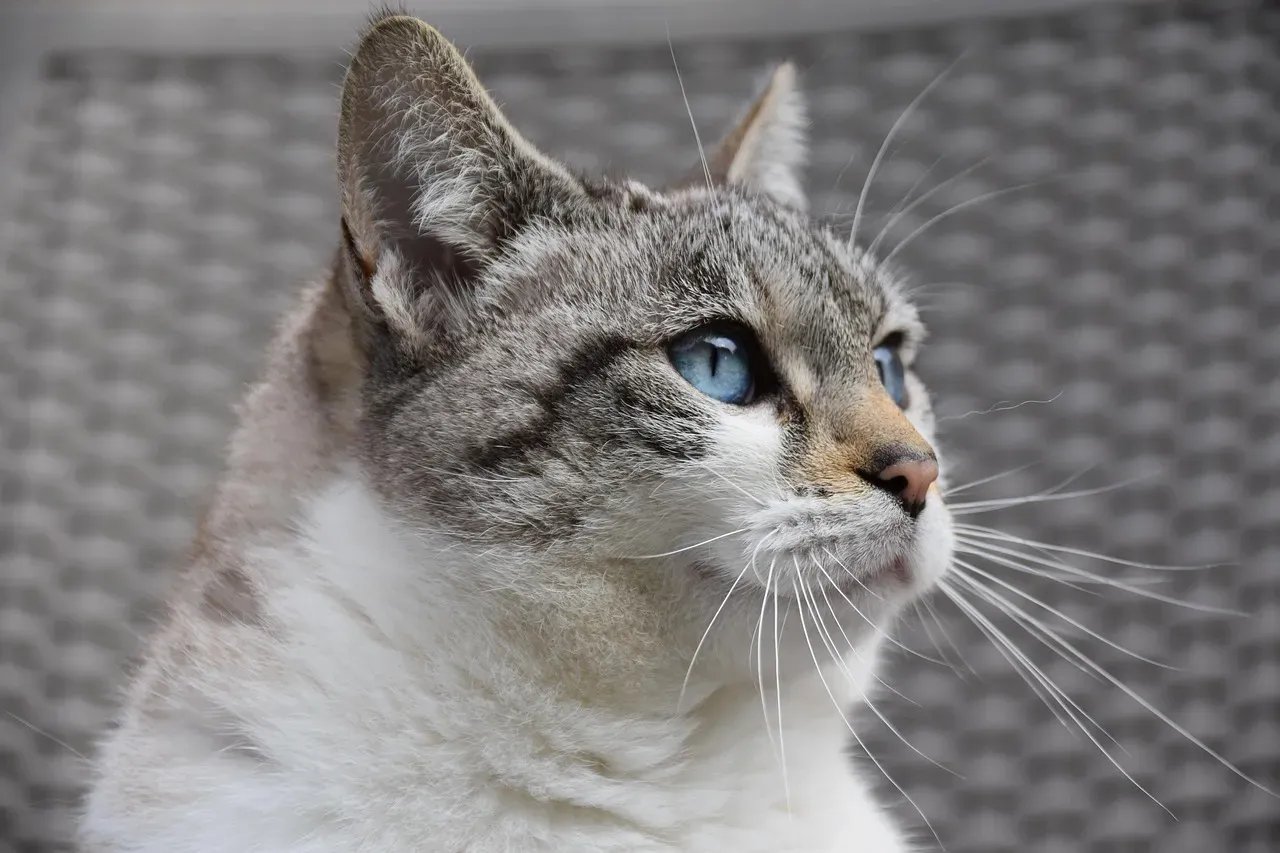
Cats are creatures of habit who thrive on routine and predictability. When you feed her at random times, change her environment frequently, or have an unpredictable schedule, it creates anxiety. Even something like construction in your house can cause sadness, and your cat may show subtle signs of stress, making it hard to notice any changes in behavior.
Imagine if your entire world suddenly changed without warning or explanation. Your cat experiences this when her routine gets disrupted. Maintaining consistent feeding times, play sessions, and sleep schedules helps her feel secure and wanted. She knows what to expect and can relax knowing her needs will be met.
9. Comparing Them to Dogs or Other Cats

The behaviors and temperament of cats, such as independence, is a unique trait compared to dogs, and even household cats frequently display autonomous behaviors like wild animals. Expecting your cat to greet you at the door like a golden retriever sets both of you up for disappointment. She expresses love differently, and those slow blinks and gentle head bumps mean just as much as a dog’s enthusiastic welcome.
Every cat has a distinct personality. Some are cuddly lap cats while others prefer to sit near you rather than on you. Some cats are more sensitive than others, so the signs may not be as obvious in all cats. Accepting her for who she is instead of wishing she were different makes all the difference in how valued she feels.
10. Missing Signs of Sadness or Depression
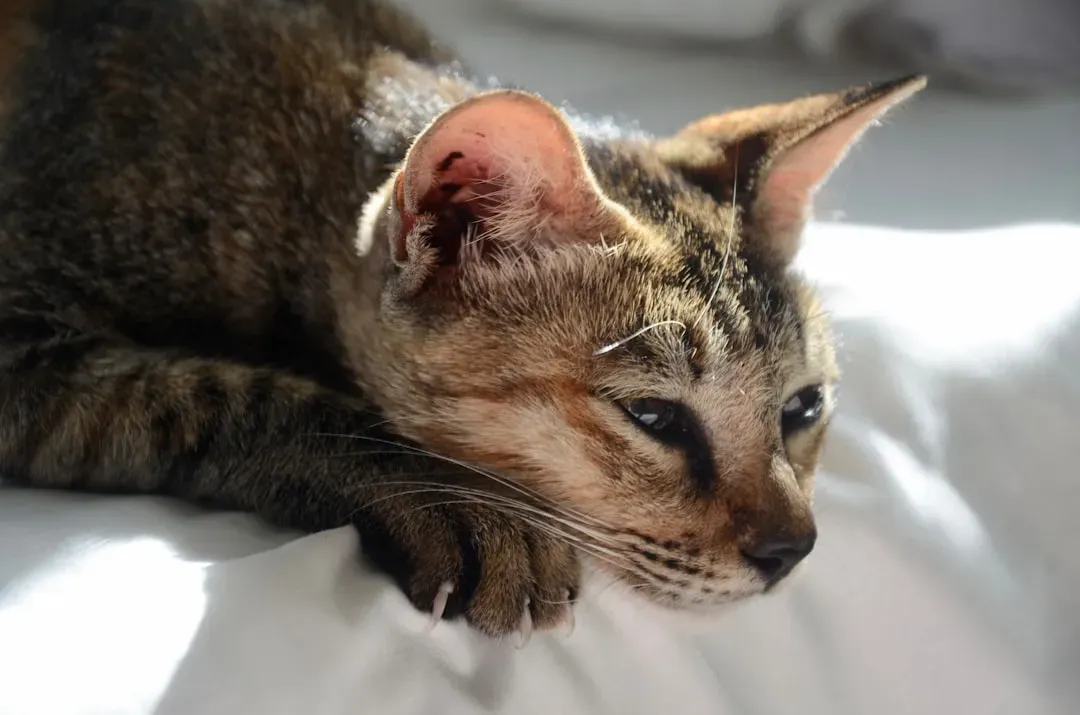
Depressed cats are listless, may lose their appetites, and tend to sleep more, and they lose interest in playing and may seek out a hiding place. Here’s the thing: cats are masters at hiding discomfort and unhappiness. By the time you notice something’s wrong, she might have been suffering for a while. Your cat may become sad when the expected relationship between you and them is lost, and it is important to spend quality time with your cat to keep both of you happy.
Paying attention to subtle changes in behavior, appetite, or energy levels can help you catch problems early. She might be feeling unwanted, unwell, or simply lonely. Taking the time to truly observe her and respond to her needs shows her that she matters deeply to you.
The Mutual Benefits of a Strong Cat-Human Bond
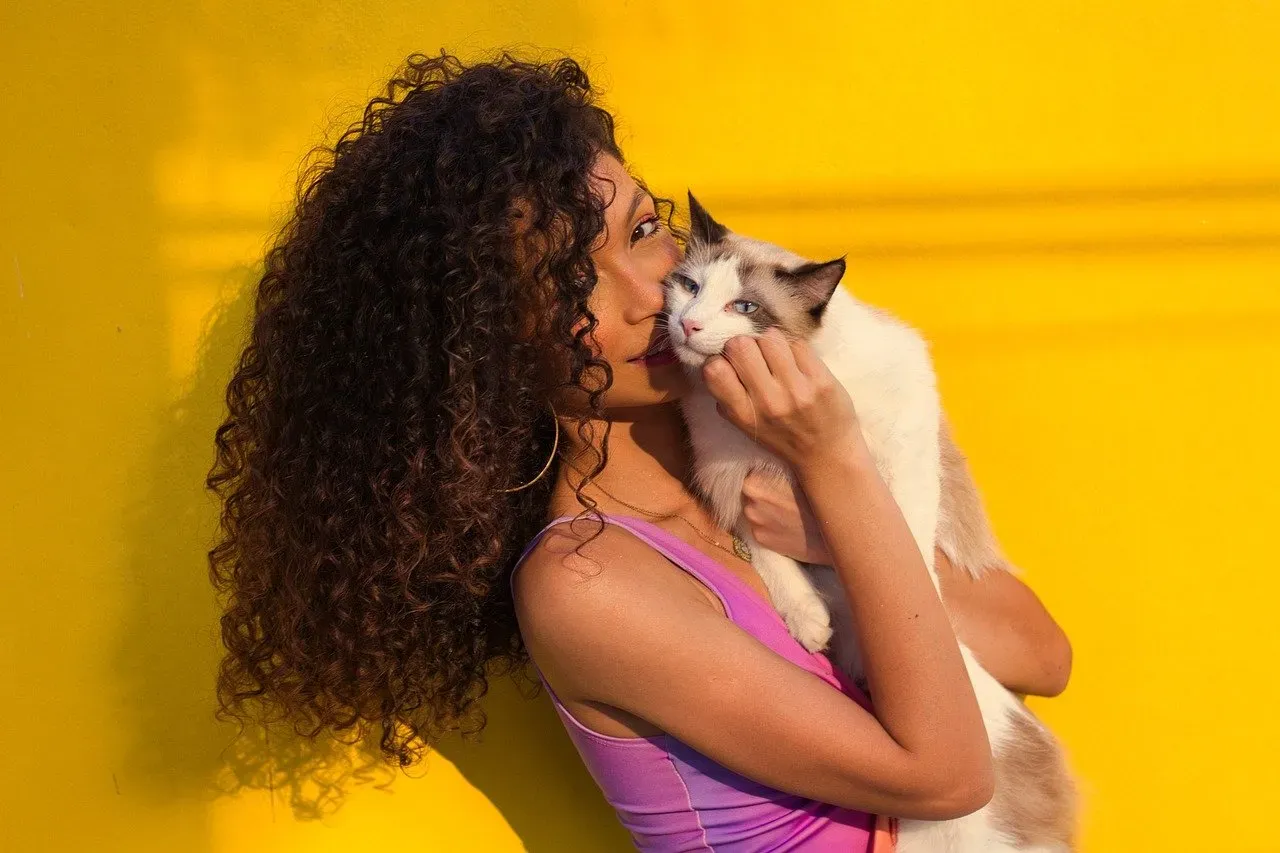
The relationship between you and your cat is a two-way street that benefits both of you. Cat ownership can reduce risk of cardiovascular disease and improve heart health, alleviate social isolation and loneliness, and reduce stress. Interacting with cats has positive effects on their owners’ brain, improving mood and activating the prefrontal cortex and inferior frontal gyrus in the brain.
Interacting with cats triggers the release of hormones in humans such as serotonin, dopamine and oxytocin, which are associated with good positive feelings, and cortisol decreases when people spend time with cats. When you avoid these innocent mistakes and strengthen your bond, you’re not just making her happier. You’re improving your own health, reducing your anxiety, and creating a partnership that enriches both of your lives in countless ways.
Understanding what your cat needs isn’t complicated, but it does require paying attention and making adjustments. The mistakes on this list are common and completely fixable. When you respect her boundaries, provide enrichment, read her emotional signals, and give her the stability she craves, you transform from just an owner into her trusted companion. The rewards are immeasurable: a confident, affectionate cat who knows she’s loved and wanted, and a healthier, happier you. So take a moment to consider which of these mistakes you might be making. What small change could you implement today to make your cat feel more valued?