Ever wonder what your cat is really up to when you’re fast asleep? Maybe you’ve been jolted awake by mysterious crashes at three in the morning or caught your feline friend sprinting through the hallway like they’re training for the Olympics. You’re definitely not alone in dealing with these midnight antics.
Your cat’s nighttime behavior is actually far more fascinating than you might think. It’s not just random chaos, I promise. There’s real science and ancient instinct behind those late-night zoomies and early morning wake-up calls. Understanding what’s happening behind those glowing eyes in the darkness can help you make sense of your furry companion’s mysterious nocturnal habits. Let’s dive in.
Your Cat Isn’t Actually Nocturnal
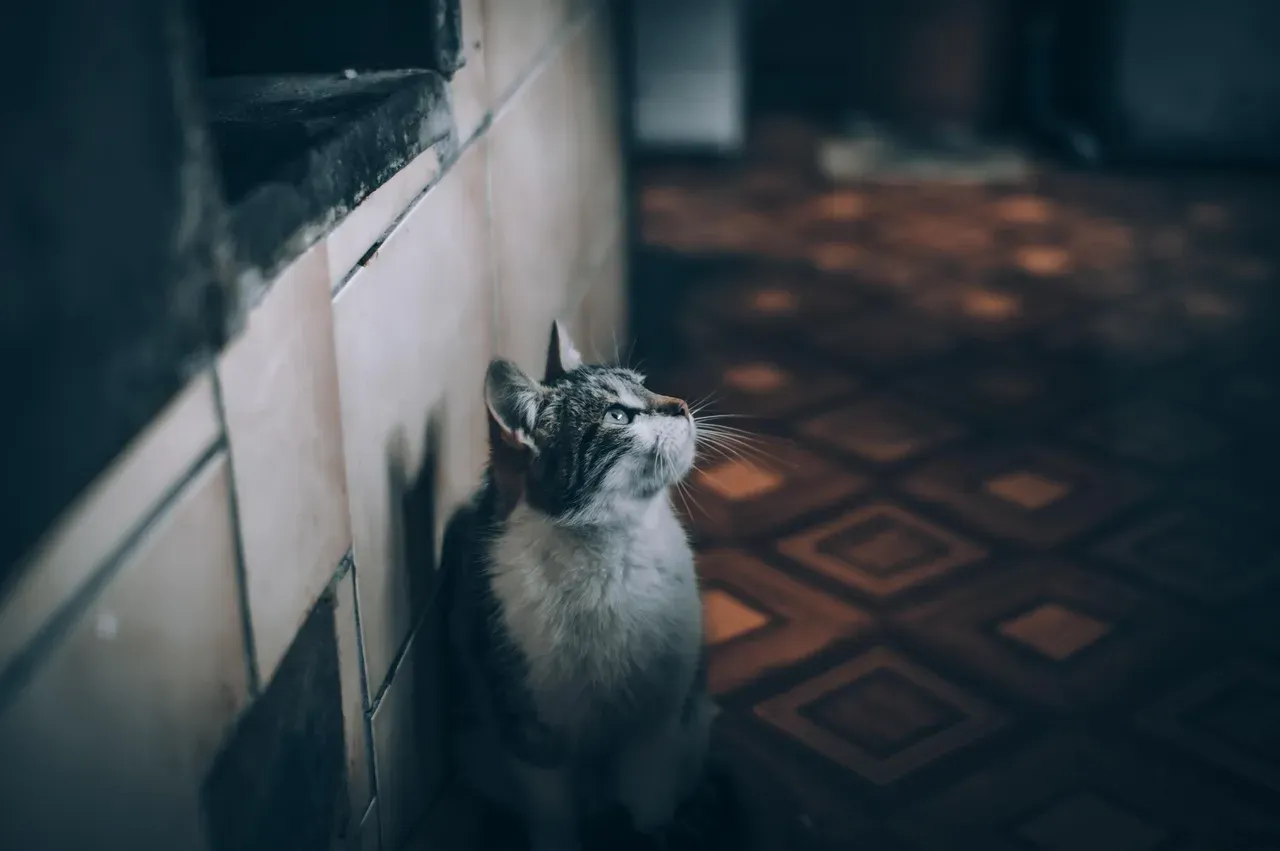
Here’s the thing. Most people assume cats are nocturnal creatures who prowl around all night long. Cats are crepuscular, which means they are most active at dawn and dusk. This isn’t just splitting hairs over terminology.
Cats aren’t truly nocturnal, rather they follow a crepuscular rhythm that has them more active during the low-light hours of the day, mainly around dawn and dusk, and then sleeping during the middle of the night and day. Think about it from an evolutionary perspective. This behavior stems from their wild ancestors who hunted during these times to avoid larger predators that were active during the day and to capitalize on the behavior of their prey.
Your cat’s internal clock is literally wired differently than yours. So when your kitty starts racing around just as you’re settling in for bed or wakes you at the crack of dawn, they’re simply following thousands of years of genetic programming.
They Sleep Way More Than You’d Expect
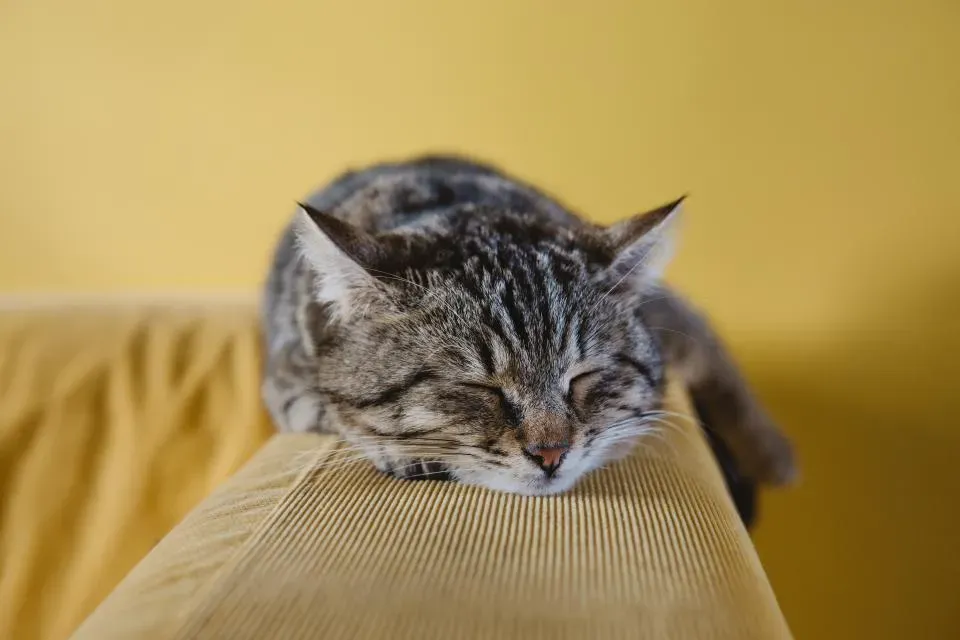
You might feel a bit jealous when you discover just how much sleep your cat gets. More than half of cats sleep between 12 and 18 hours a day, and nearly 40% of cats sleep more than 18 hours per day. That’s honestly a staggering amount.
Cats have a polyphasic sleep pattern, which means they sleep multiple times each day rather than in one, long period, like humans generally sleep. These cat naps average 78 minutes in length. This explains why your cat seems to be constantly dozing but also magically appears whenever you open a can of tuna. They’re resting in short bursts throughout both day and night, conserving energy for their next burst of activity.
Those Midnight Zoomies Have a Scientific Name
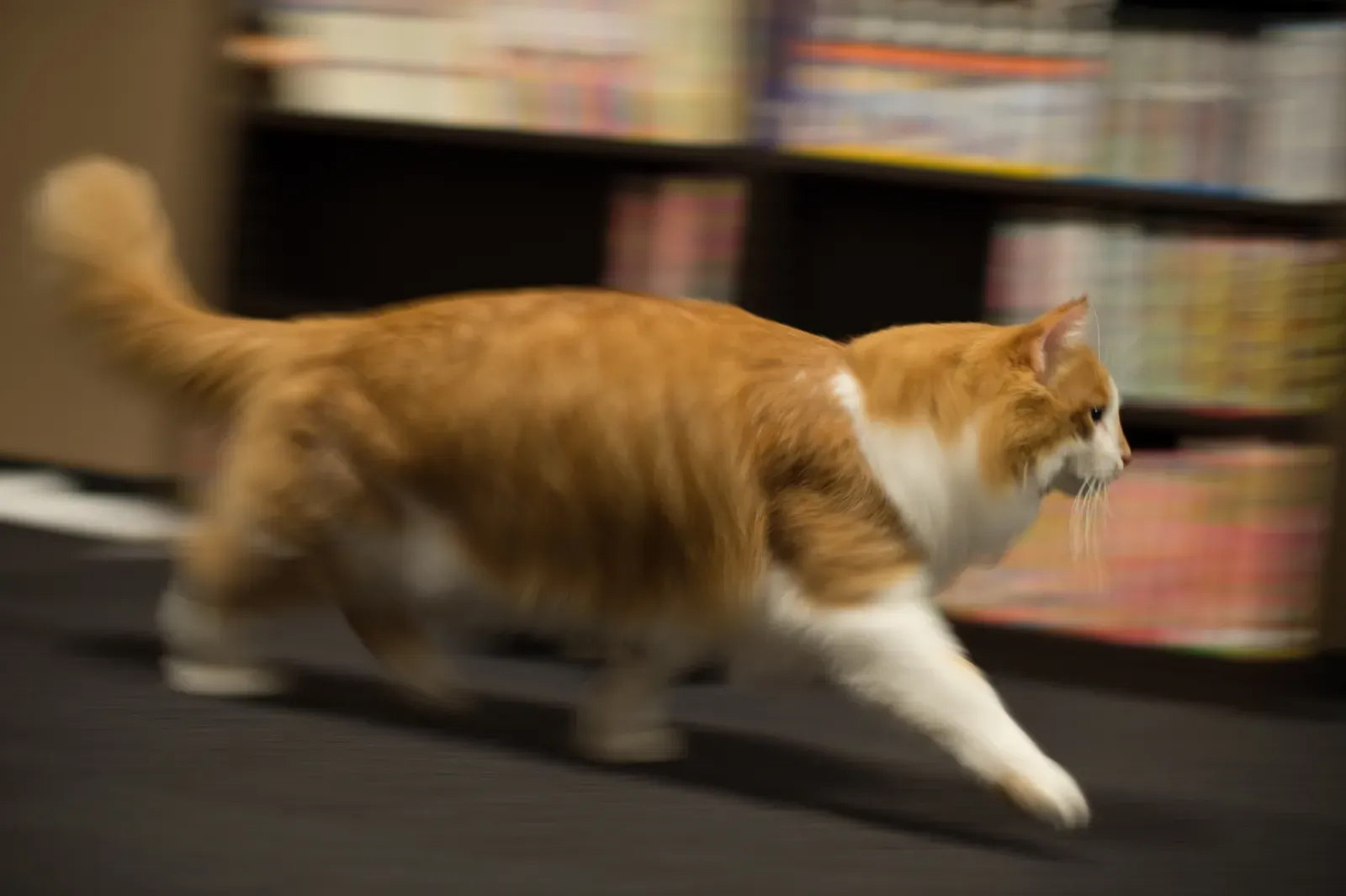
This behavior, known technically as Frenetic Random Activity Periods (FRAPs), lets cats release pent-up energy by energetically sprinting around the house. Yes, scientists actually came up with an official term for your cat’s insane midnight races.
Let’s be real, it can seem completely random when your cat suddenly flips a switch and goes from peaceful loaf mode to full-on sprinting maniac. Cats sleep for an average of 13 to 14 hours a day. That leaves plenty of stored energy for when they’re awake. If they haven’t expended enough energy during the day, they may have zoomies at night.
Indoor cats especially need an outlet for all that predatory energy they would normally burn through hunting. Your living room becomes their personal racetrack, whether you like it or not.
Their Night Vision Is Absolutely Incredible
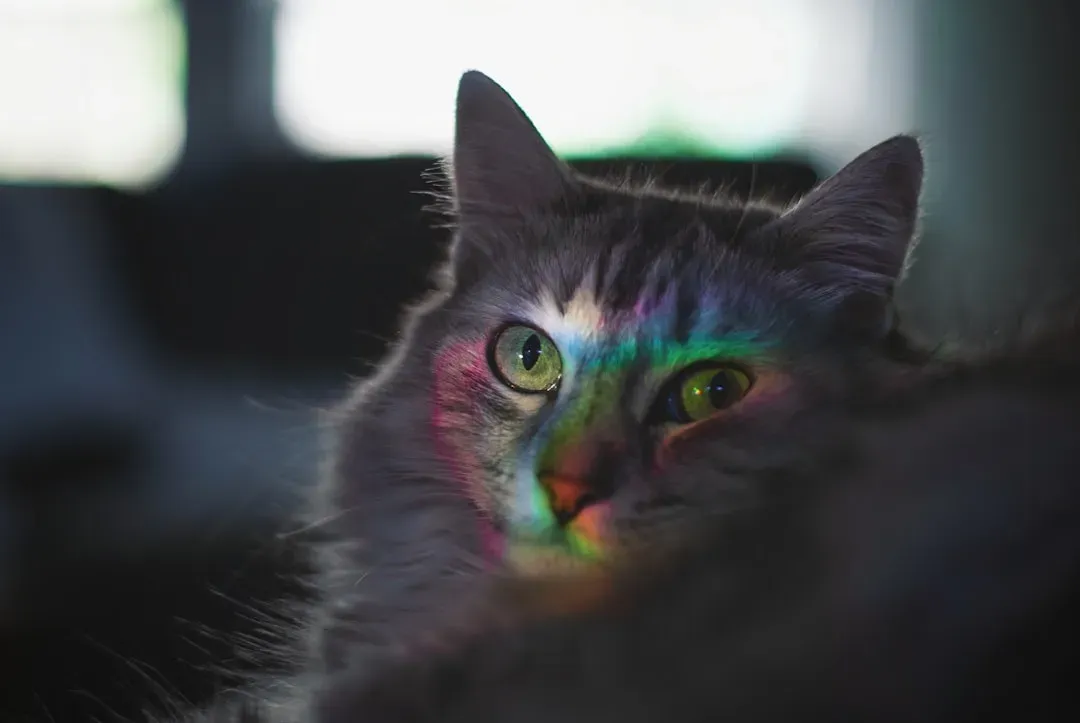
Their cat eyesight is six to eight times better in low light than yours. They can spot prey-like movement in near darkness, which explains those late-night zoomies. This is genuinely mind-blowing when you think about it.
Cats are exceptional at seeing in low light, thanks to a special structure in their eyes called the tapetum lucidum. This iridescent, reflective layer sits behind the retina and bounces light back through the eye, enhancing their ability to see in the dark. That’s also why your cat’s eyes glow eerily in photos or when light hits them just right. They only need one-sixth of the amount of light that humans do and can see in very low light.
So while you’re stumbling around in the dark trying to find the bathroom, your cat is navigating with perfect clarity.
They’re Actually Patrolling Their Territory
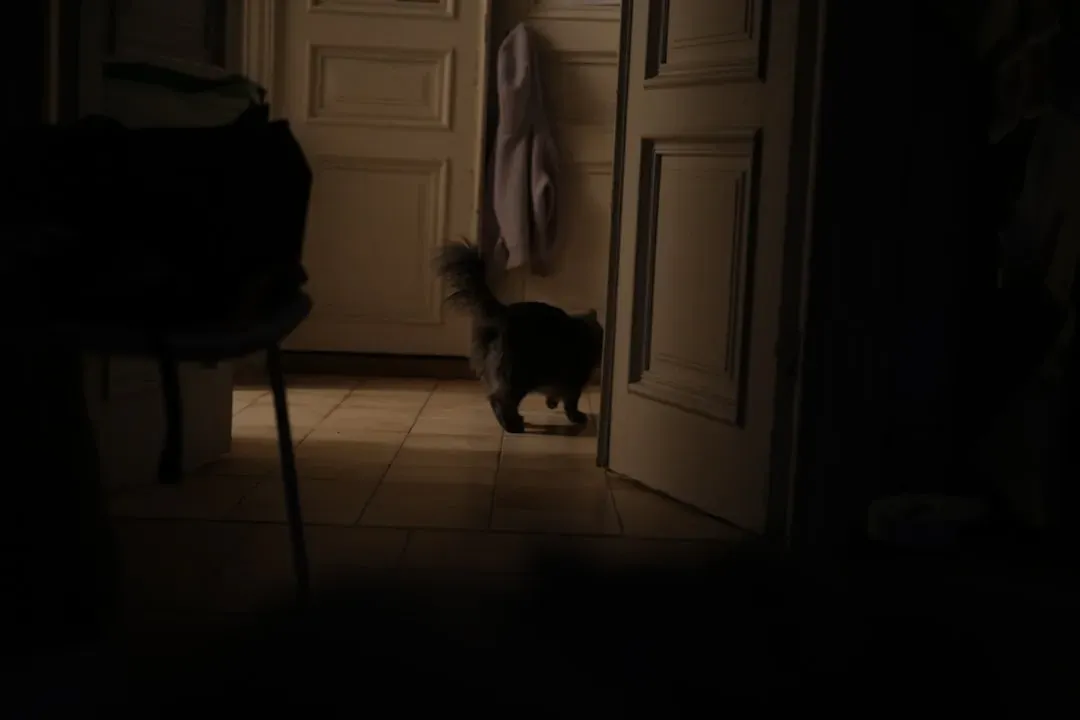
Ever wonder why your cat seems to make rounds through the house at night? It’s honestly not random wandering. Cats are incredibly territorial animals, even the pampered indoor variety.
During nighttime hours when the house is quiet and your cat feels most alert, they’re essentially doing security checks. They’re sniffing corners, checking windows, and making sure everything is as it should be in their domain. This behavior is deeply ingrained from their wild ancestors who needed to ensure their territory was safe from intruders and rival cats.
Your cat might pause at windows, listening intently to sounds outside, or inspect areas where they’ve previously detected interesting scents. It’s like they’re running their own little night watch program while you sleep.
Feeding Them Before Bed Can Help Everyone Sleep Better
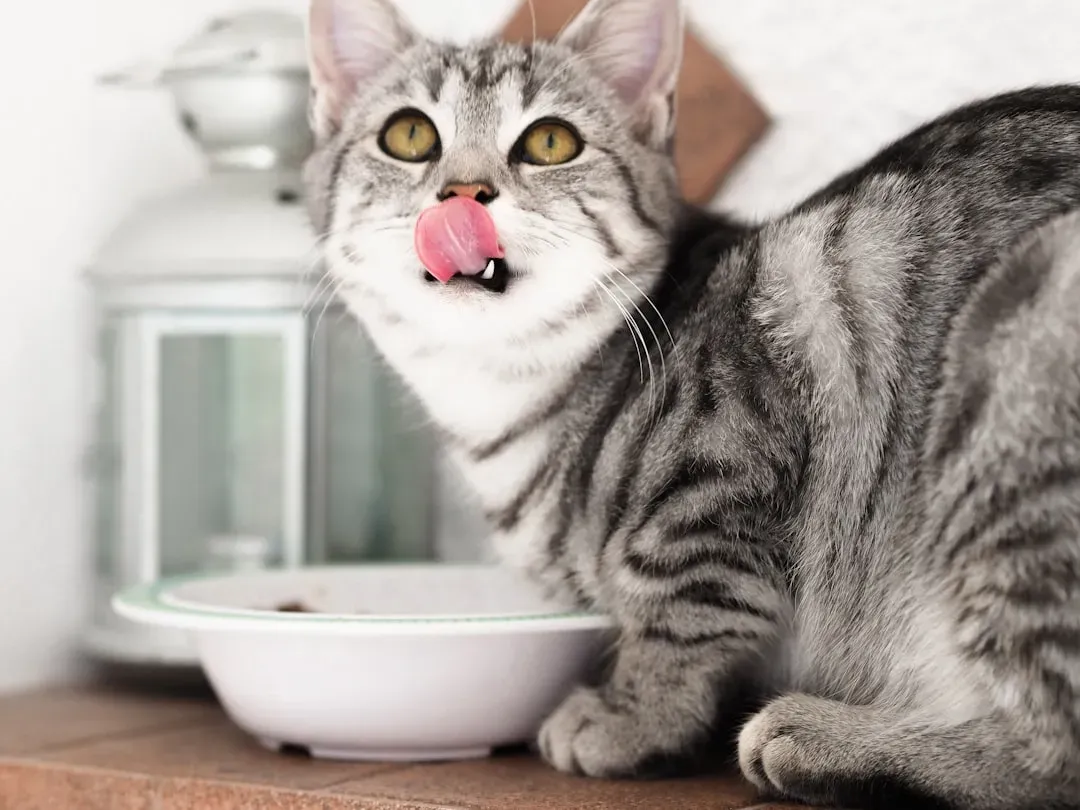
Feeding your cat a small meal before bedtime can also mimic their natural hunting cycle, making them feel sleepy after eating. This is actually one of the smartest tricks cat owners can use.
A few minutes of wand toy time with cats right before bed and then feeding them wet food immediately after helps get their energy out, and then eating protein-rich food helps keep their bellies full and lets them sleep longer overnight. Think about it like this: In the wild, cats hunt, catch prey, eat, groom themselves, and then sleep. By mimicking this natural sequence before your bedtime, you’re working with your cat’s biology rather than against it.
The combination of exercise followed by a satisfying meal triggers their natural instinct to rest and digest.
They Can Detect Movement You’d Never Notice
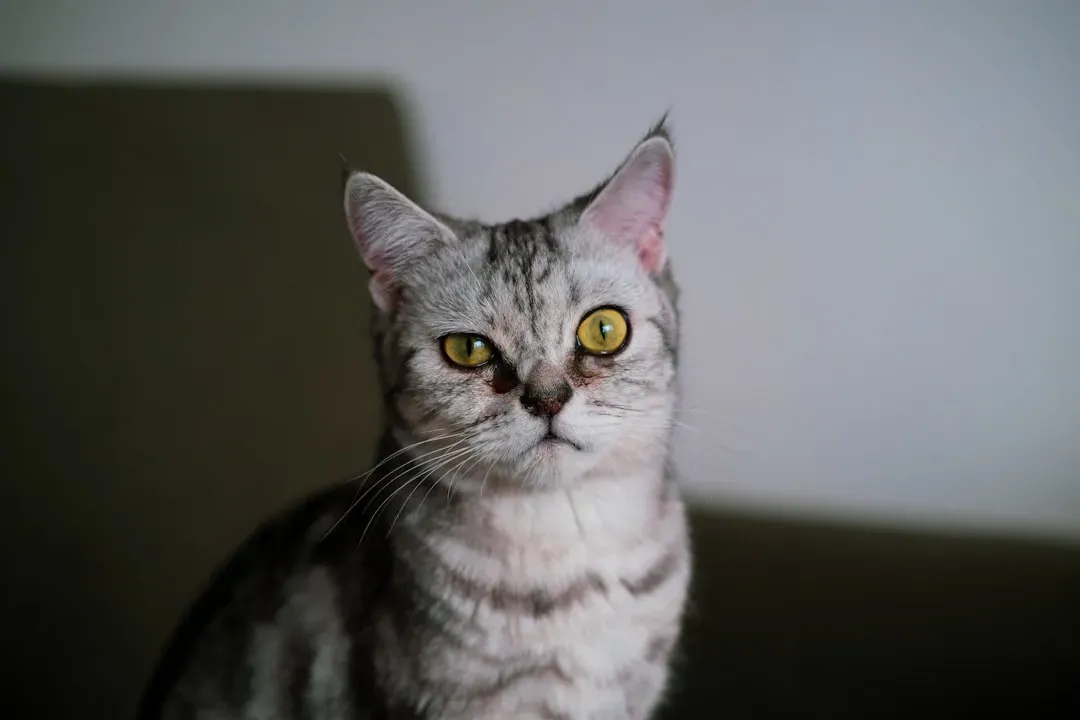
Thanks to their rod-dominated retina, they’re incredibly skilled at noticing even the slightest twitch in dim lighting. This ability is what makes them such effective hunters and explains why your cat might obsessively chase after the tiniest flick of a string.
During the night when you’re completely oblivious, your cat is detecting all sorts of movement. A tiny spider crawling across the ceiling, a moth fluttering near a window, even dust particles floating through the air can capture their attention. Their eyes are specifically designed to catch motion in low light conditions.
This is why your cat might suddenly stare intensely at what appears to be absolutely nothing. Spoiler alert: there’s almost always something there that you simply cannot see. Their visual system is tuned for hunting, not appreciating fine art or reading books.
Your Cat Might Be Experiencing “The Witching Hour”
Some may call it the witching hour, others know it as the nighttime “crazies,” and scientists refer to it as frenetic random activity periods (FRAPs). However, it’s most commonly known as the “zoomies” – this sudden burst of hyperactivity that mystifies many cat parents.
Honestly, if you’ve witnessed this phenomenon, you know exactly what I’m talking about. Your perfectly calm cat suddenly transforms into a hyperactive whirlwind, racing from room to room, leaping onto furniture, and possibly scaling the curtains. Cats are naturally crepuscular, meaning active at dawn and dusk, which is when their natural prey are active. So their internal rhythm just tells them, ‘It’s time to get active and start hunting.’
The witching hour typically hits in the evening when you’re winding down but your cat’s internal clock says it’s prime hunting time. It’s basically their version of your morning coffee kicking in.
They’re Probably Not Trying to Wake You on Purpose
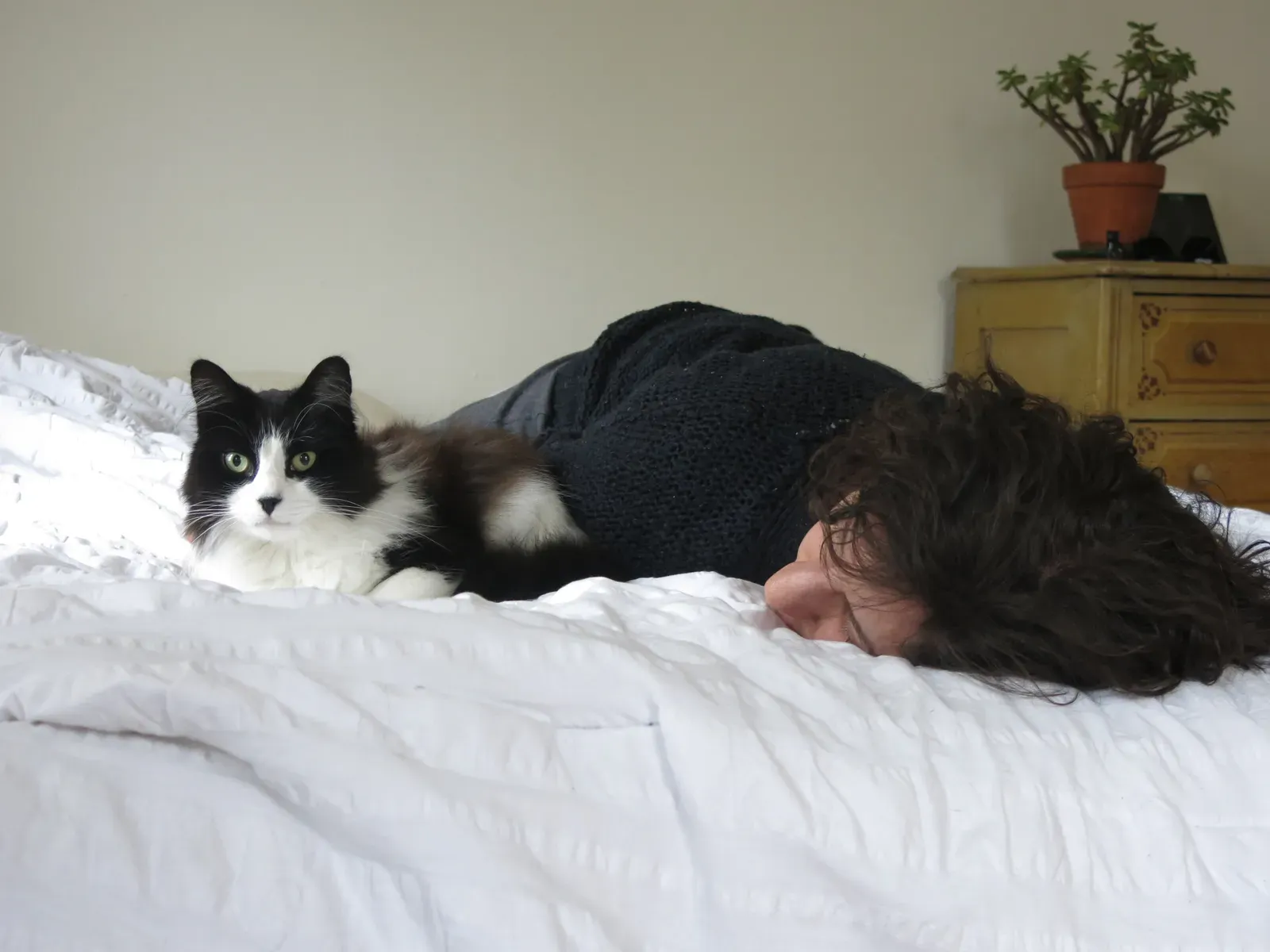
Many people reinforce boisterous nighttime activity without meaning to. They might get up to feed, play with, or simply chase them out of the room. All of these responses teach the cat that disturbing you gets attention. This one might be hard to hear, but it’s true.
When your cat walks across your face at five in the morning or starts meowing persistently, they’re not necessarily being malicious. They’ve just learned that these behaviors get results. Whether you’re giving them attention by scolding them or by feeding them, your cat registers it as a reward.
Reward calm, desired behavior, and ignore attention-seeking behavior at night. Don’t play or feed your cat when they wake you up, or they’ll repeat the behavior. I know it sounds tough when you’re exhausted, but consistency is key. Your cat is incredibly smart and will quickly figure out what does and doesn’t work to get your attention.
Their Whiskers Work Like Night Vision Goggles
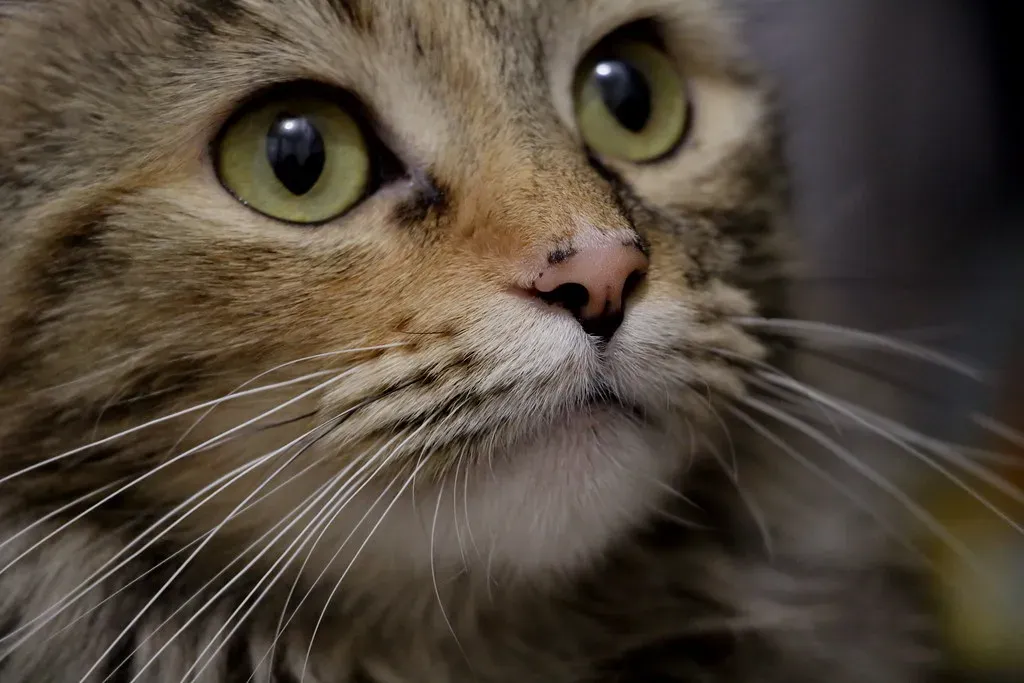
While we’ve talked about their incredible eyesight, your cat has another superpower for nighttime navigation. Their whiskers are essentially highly sensitive radar systems that help them move through darkness with confidence.
Cats rely on their whiskers to navigate their environment, both in dimly lit conditions and during the day. Whiskers located on their muzzle, above their eyes, and on the back of their limbs allow them to sense vibrations and fluctuations in air movements. These specialized hairs can detect the slightest changes in air currents, helping your cat avoid obstacles and sense nearby objects even in complete darkness.
This is why you should never trim your cat’s whiskers. They’re not just cute facial features but crucial sensory tools that your cat depends on, especially during their nighttime adventures around your home.
Conclusion: Understanding the Nighttime Cat
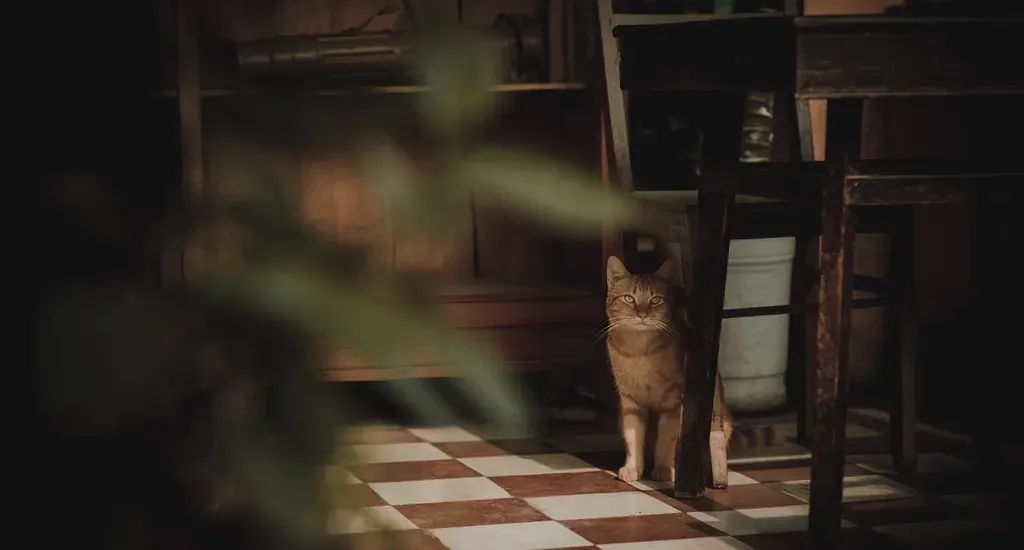
Your cat’s nighttime routines are a fascinating blend of ancient instinct and modern adaptation. From their crepuscular nature to their incredible sensory abilities, every quirky behavior has roots in evolutionary survival strategies. While those three a.m. zoomies might drive you slightly crazy, they’re actually a sign of a healthy, energetic cat following their natural programming.
The key to peaceful coexistence is working with your cat’s biology rather than fighting against it. Evening playtime, strategic feeding schedules, and understanding their need for activity during twilight hours can transform your nights from frustrating to restful. Remember, your cat isn’t being difficult on purpose. They’re simply being exactly what millions of years of evolution designed them to be: perfectly adapted twilight hunters.
What nighttime cat behaviors have you noticed in your own feline friend? Do they have their own unique routines that keep you up at night?