You’ve probably admired those cute, stiff whiskers on your feline friend’s face countless times, maybe even given them a gentle touch. They’re hard to miss, right? Yet, most cat owners don’t fully understand just how extraordinary these seemingly simple features really are. Your cat’s whiskers are not just decorative facial hair or simple balance tools. They’re sophisticated biological sensors packed with hidden abilities you likely never imagined.
Think of whiskers as your cat’s personal superpower, quietly working behind the scenes every single day. They’re gathering information, communicating emotions, and helping your furry companion navigate the world in ways that would make any high-tech gadget jealous. Let’s dive into the remarkable world of feline whiskers and discover what makes them so special.
Your Cat Has Whiskers All Over, Not Just on the Face
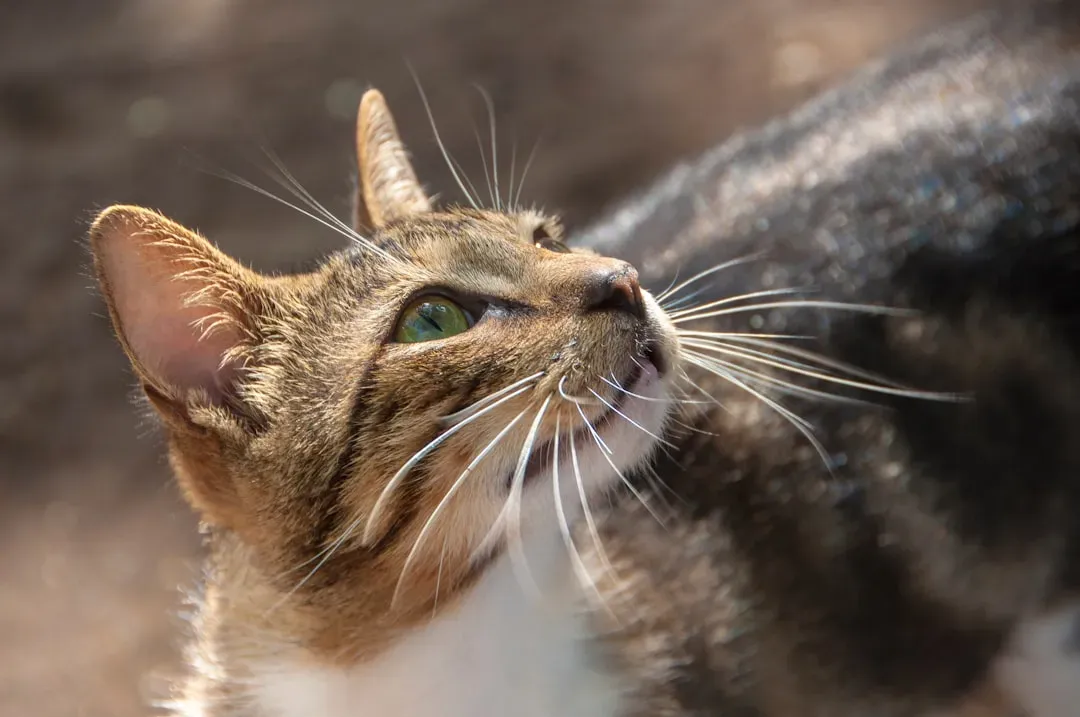
Most cats have 24 mystacial whiskers on their muzzle (12 on each side in four rows), but whiskers also appear above the eyes, on the chin, near the ears, and even on the underside of the wrists as carpal whiskers. When you picture cat whiskers, you’re probably thinking about those prominent ones flanking the nose. Those are certainly the most visible.
The carpal whiskers on the front legs help your cat understand the ground they’re walking on and aid during climbing by allowing them to perceive surfaces they’re clinging to, essentially helping cats hunt effectively. The whiskers above the eyes trigger a protective blink reflex if there’s a branch or brush that might get into your cat’s eyes. It’s a whole-body sensory network working in perfect harmony.
Each Whisker Connects to Hundreds of Nerve Cells
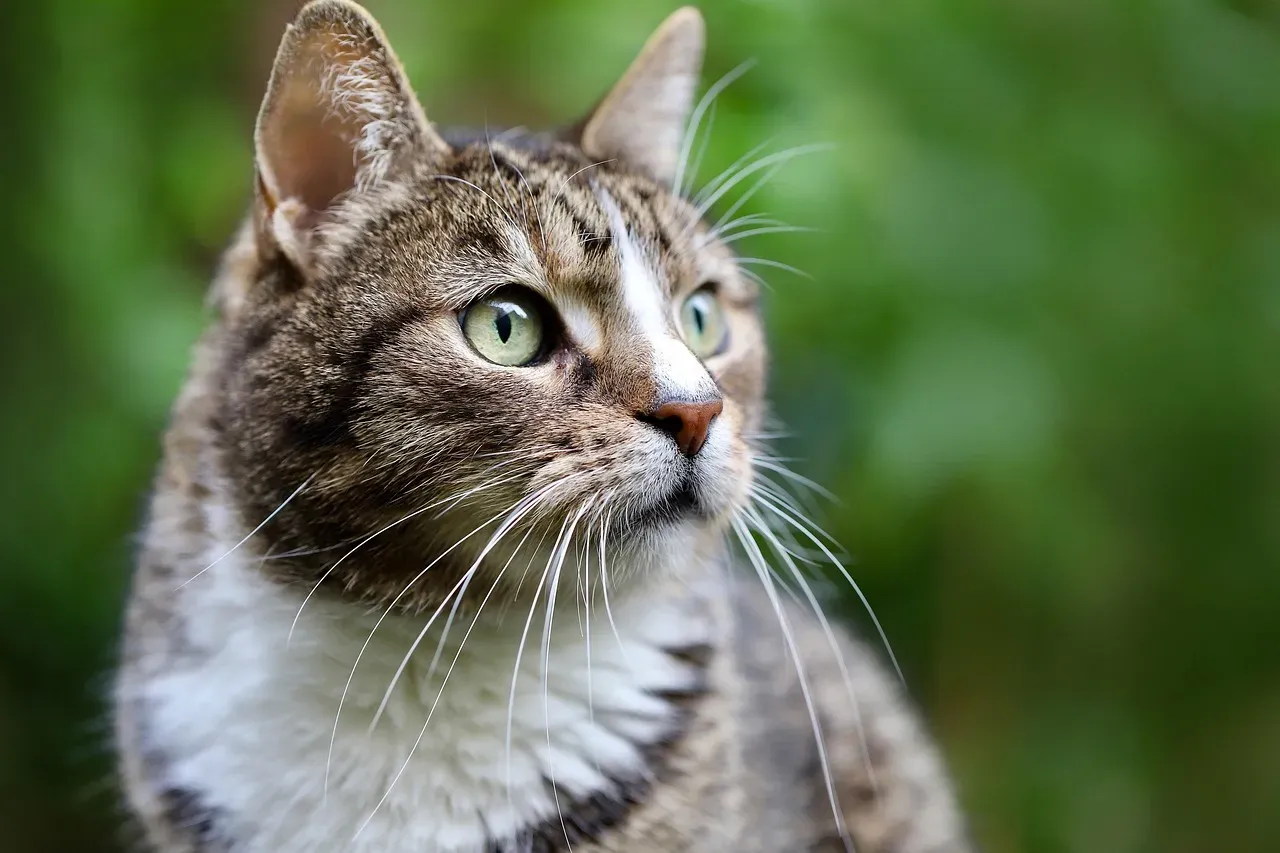
Here’s something that might blow your mind. In cats, each individual whisker follicle is innervated by 100 to 200 primary afferent nerve cells, which serve an even larger number of mechanoreceptors of at least eight distinct types, meaning even small deflections of the whisker hair can evoke a sensory response. That’s an incredible amount of neural firepower dedicated to just one hair!
A good portion of your cat’s brain is devoted to processing data from touch sensors, with whiskers occupying nearly 40% of the brain’s sensory area, and each individual whisker can be traced back to a specific spot in the brain. This means whiskers aren’t just random hairs with some nerves attached. They’re highly specialized sensory organs that your cat’s brain considers extremely important, perhaps even more important than some other senses.
Whiskers Create an ‘S’ Shape Inside the Follicle When Touched

Scientists recently discovered something fascinating about how whiskers actually work at a mechanical level. When a whisker touches something, the base of the whisker gets converted into an ‘S’ shape inside the follicle, and this ‘S’ shape then pushes and pulls specific sensor cells to transmit information to the brain. It’s hard to say for sure, but this discovery has completely changed how researchers understand whisker mechanics.
The sensing happens at the base of the whisker, hidden inside a small follicle, not along the whisker shaft itself. Think of it like a lever system that amplifies even the tiniest touch into meaningful neural signals. This explains why your cat can detect things so subtle that you’d never notice them.
Whiskers Inspired Cutting-Edge Medical Technology
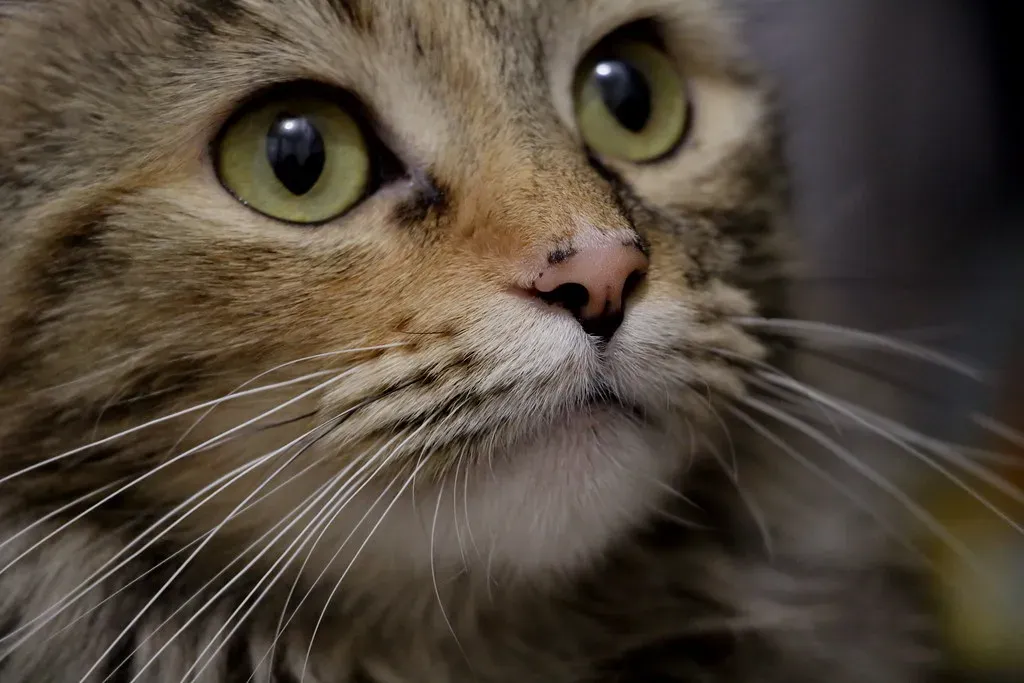
This one surprised me when I learned about it. Cat whiskers, or vibrissae, are robust yet highly sensitive tactile detectors deeply embedded within follicle-sinus complexes that amplify and convert weak mechanical signals into neural stimuli, allowing cats to detect even the smallest pressure variations. Researchers thought this biological design was so brilliant they decided to copy it.
Taking inspiration from cat whiskers, researchers developed novel biomass fiber aerogel-based sensors that demonstrated excellent pressure sensitivity, durability, and rapid response for human physiological monitoring and motion analysis. These new sensors could revolutionize wearable health monitors and sports analytics. Your cat’s whiskers are literally helping advance human medicine!
They’re Precise Measuring Instruments for Tight Spaces
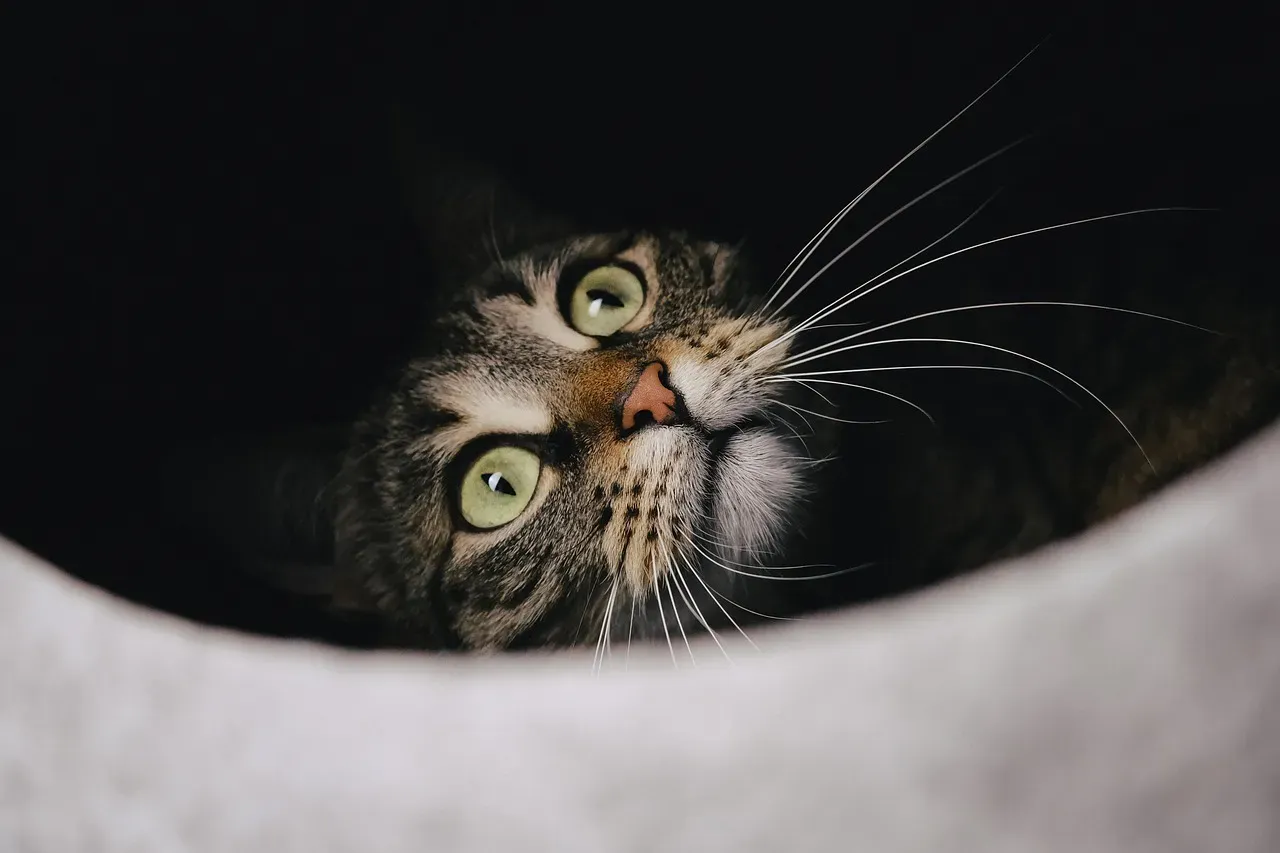
You’ve probably heard that cats use whiskers to gauge whether they can fit through openings. The bigger the cat, the longer the whiskers, and whisker lengths are roughly proportionate to the width of a cat’s body including the fur, helping determine if they can fit through narrow or tight spaces like a measuring tape. If the whiskers fit, so will the cat.
However, there’s an interesting caveat here. If the cat is overweight, that whisker function isn’t always accurate. Let’s be real, many indoor cats have gained a few extra pounds over the years, which means their built-in measuring system might be giving them faulty readings. That’s probably why some chubby cats still try to squeeze into boxes that are clearly too small!
Whiskers Detect Air Currents Like Biological Radar
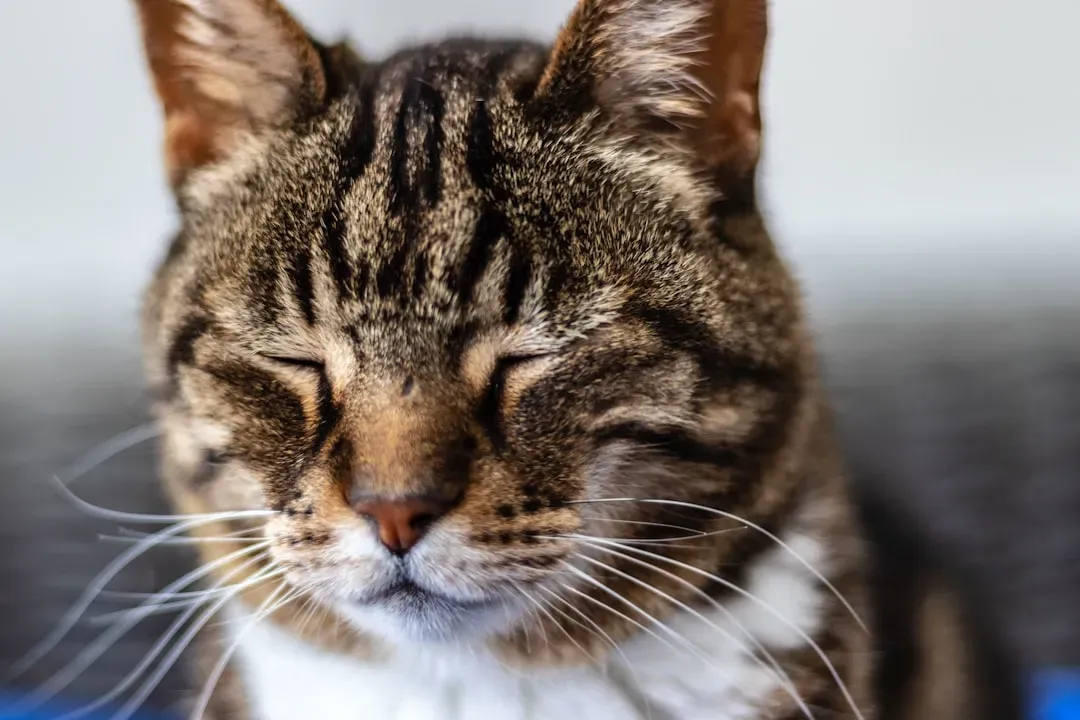
Your cat doesn’t need to physically touch something to know it’s there. Whiskers can detect the proximity of objects without direct contact by sensing how air currents change when they encounter obstacles, allowing cats to create detailed three-dimensional maps of their environment even in complete darkness, essentially functioning like a biological sonar system. Honestly, that’s pretty incredible when you think about it.
The whiskers are so sensitive they can aid cats in detecting vibrations in the air and changes in air currents, which helps them navigate in dark environments. This ability is especially useful since cats are most active during dawn and dusk when visibility is naturally low. Your cat is essentially walking around with a built-in motion detection system.
Whisker Position Reveals Your Cat’s Emotional State
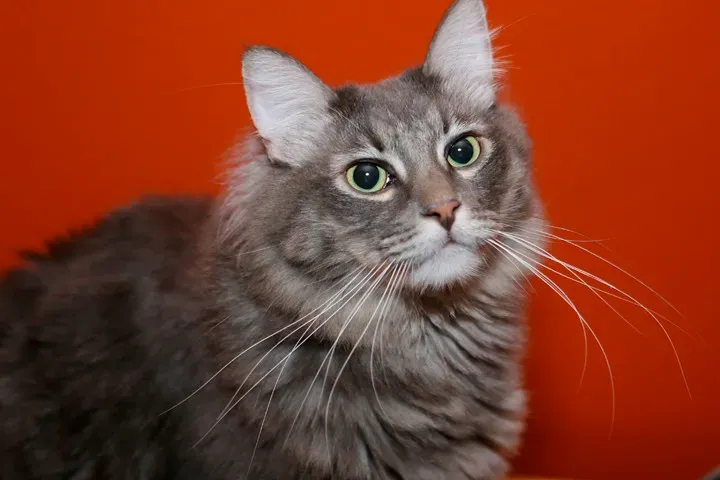
Cats can move their face whiskers forward or backward to indicate their mood or intentions – when curious or hunting, they may push whiskers forward, while when scared or angry, they may pull whiskers back against the face. Learning to read these signals can seriously improve your relationship with your cat.
In a happy, contented, or relaxed cat, whiskers are in a neutral position slightly to the side. When whiskers lie relaxed at the side of the face, the cat is calm and comfortable; if they shoot forward, the cat is alert, curious, or on the hunt; pulled tight against the cheeks signals fear or stress. Next time you interact with your cat, take a moment to observe those whiskers. They’re speaking a language you can learn.
Some Mother Cats Trim Their Kittens’ Whiskers
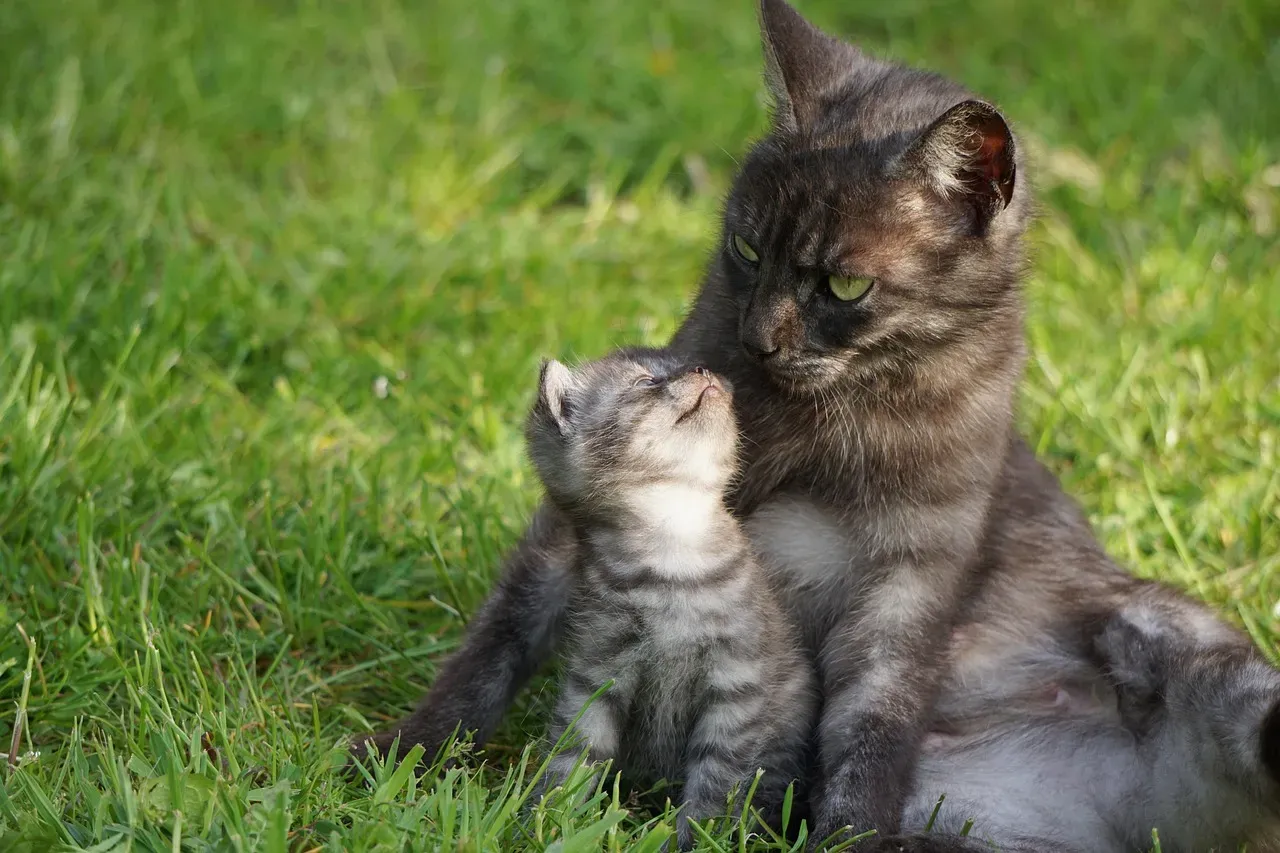
This might sound shocking, but it’s true. Five cases of whisker trimming by mother cats were observed in different breeds, and it’s remarkable that all cases occurred in cats raising their first litter. The behavior is rare but documented.
The trimming of the kitten’s whiskers by the mother began at different ages but lasted until the kittens were weaned, with remaining whiskers approximately 0.5 cm long, and one possible behavioral explanation is the inhibition of the kittens’ tactile perception, which may cause the litter to remain close to the nest. Nature can be pretty strange sometimes. Scientists are still trying to fully understand why first-time mothers might engage in this behavior.
Whiskers Can Change Color Just Like Human Hair
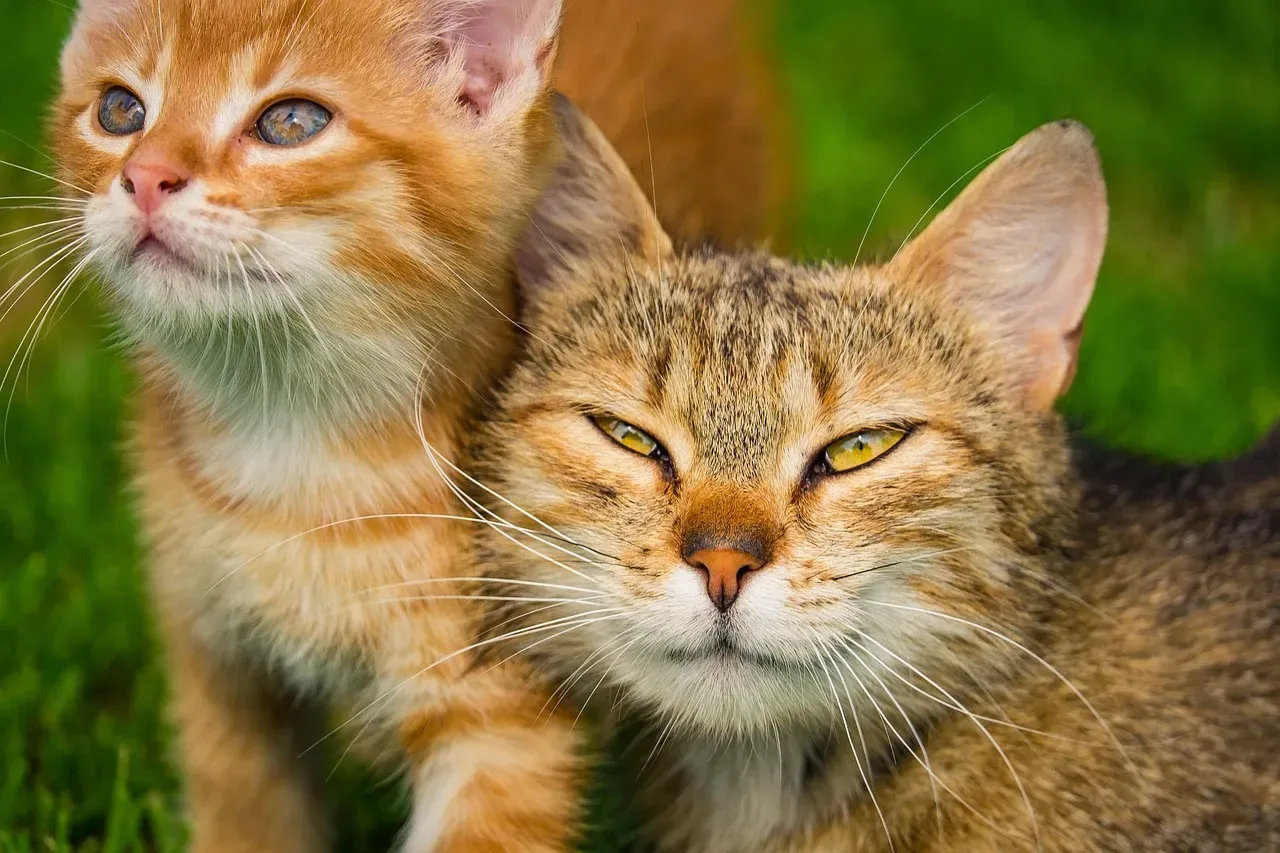
Like humans’ hair turning grey with age, cats’ whiskers can also change color, and genetics can also play a factor in whisker color changes. If you’ve had your cat for many years, you might have noticed this gradual transformation happening right before your eyes.
A few cats are born with black whiskers, but others may change to black with age (such as Bombay cats with sleek black coats), while in other cases, black whiskers may turn white or grey later in life. It’s basically your cat getting distinguished silver whiskers as they mature. Personally, I think it makes them look even more sophisticated.
Whisker Fatigue Is a Real Condition That Causes Stress
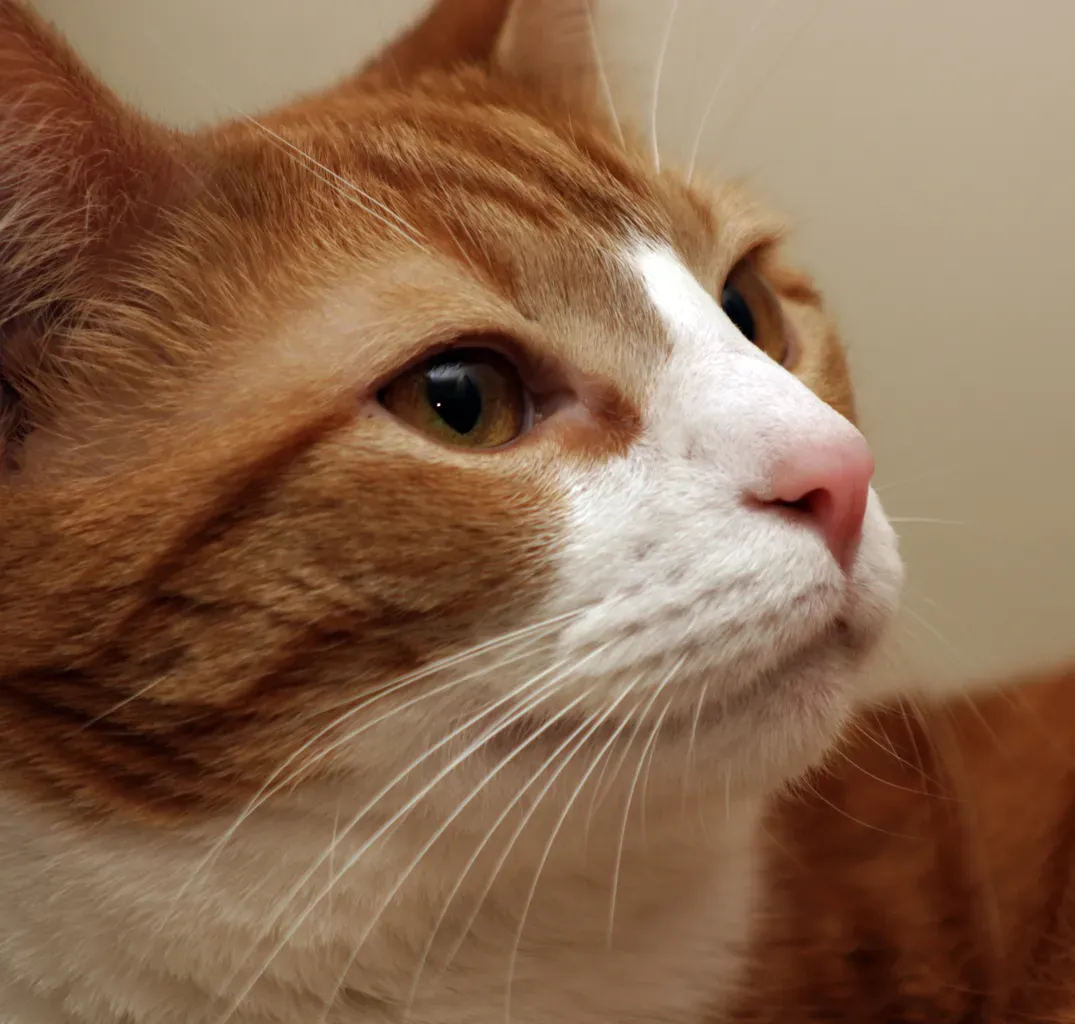
Whisker stress, also known as whisker fatigue, occurs when a cat’s sensitive whiskers are overstimulated, often by touching the sides of a narrow feeding dish, which can lead to mood changes and behavioral issues. If your cat has been acting strangely around their food bowl, this might be the culprit.
Whisker fatigue is a relatively newly recognized condition that occurs when cats’ whiskers are over-stimulated, often by frequently touching against the sides of their food or water bowls. Using wide, shallow dishes can prevent this. It’s such a simple fix that can make a huge difference in your cat’s daily comfort and happiness.
Conclusion: The Hidden World of Whiskers
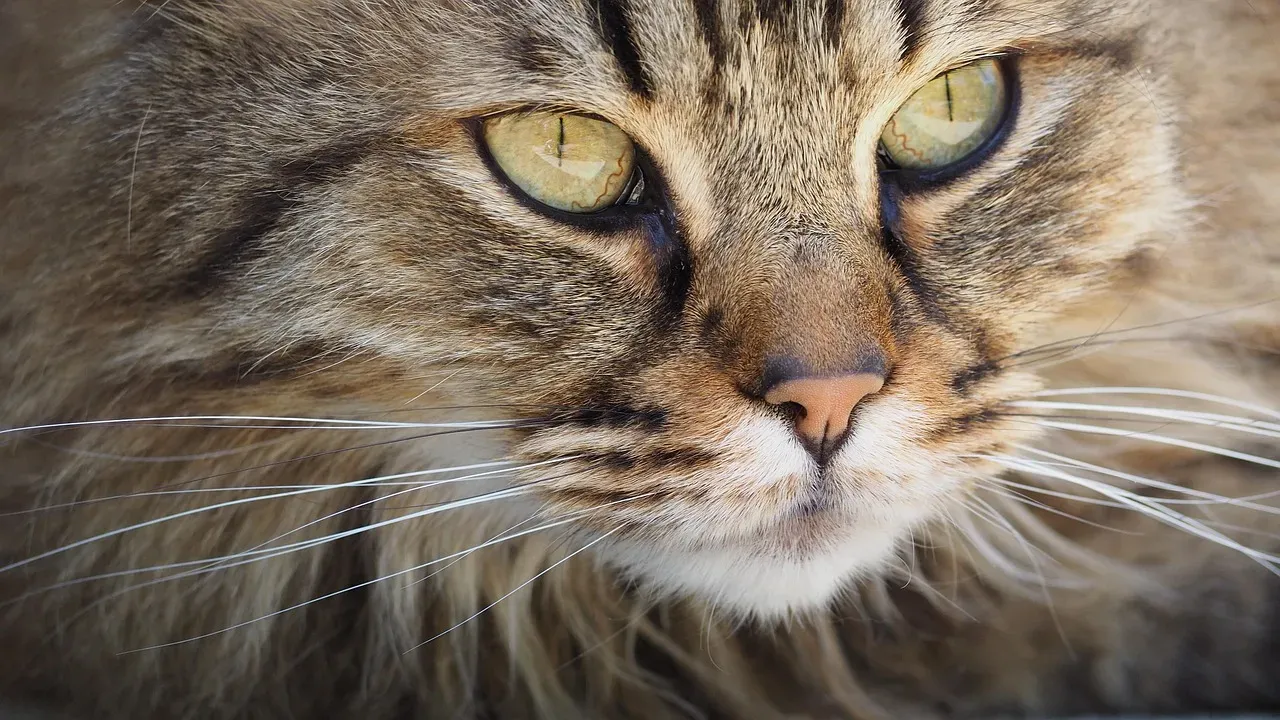
Your cat’s whiskers are far more sophisticated than most people realize. They’re not just cute facial features or simple balance aids – they’re complex sensory organs connected to hundreds of nerve cells, capable of detecting air currents, measuring spaces, revealing emotions, and even helping with those legendary cat landings. From inspiring medical technology to changing color with age, whiskers represent an evolutionary masterpiece.
The next time you see your cat’s whiskers twitching or moving, remember that there’s an entire hidden world of sensation and communication happening right before your eyes. Treat those whiskers with respect, invest in wide food bowls, and never trim them. What other surprising features does your cat have that you’ve overlooked? Have you noticed your cat’s whiskers telling you something lately? Let us know in the comments!