You might think your feline companion’s quirky habits like knocking things off counters or demanding attention at three in the morning are just amusing traits, but there’s something even more remarkable about certain cat breeds. They don’t just steal your heart – they stick around to do it for years, sometimes decades. While most household cats live somewhere between twelve to fifteen years, certain breeds have genetics that allow them to enjoy a much longer journey with you.
Imagine having a furry friend who not only sees you through college or your first job, but possibly through multiple life chapters. The world’s oldest cat on record lived to thirty eight years old, proving just how resilient our whiskered companions can be. Recent veterinary studies involving thousands of felines have given us fascinating insights into which breeds truly go the distance. Let’s explore the feline marathon runners of the cat world.
1. Burmese Cats: The Record Holders
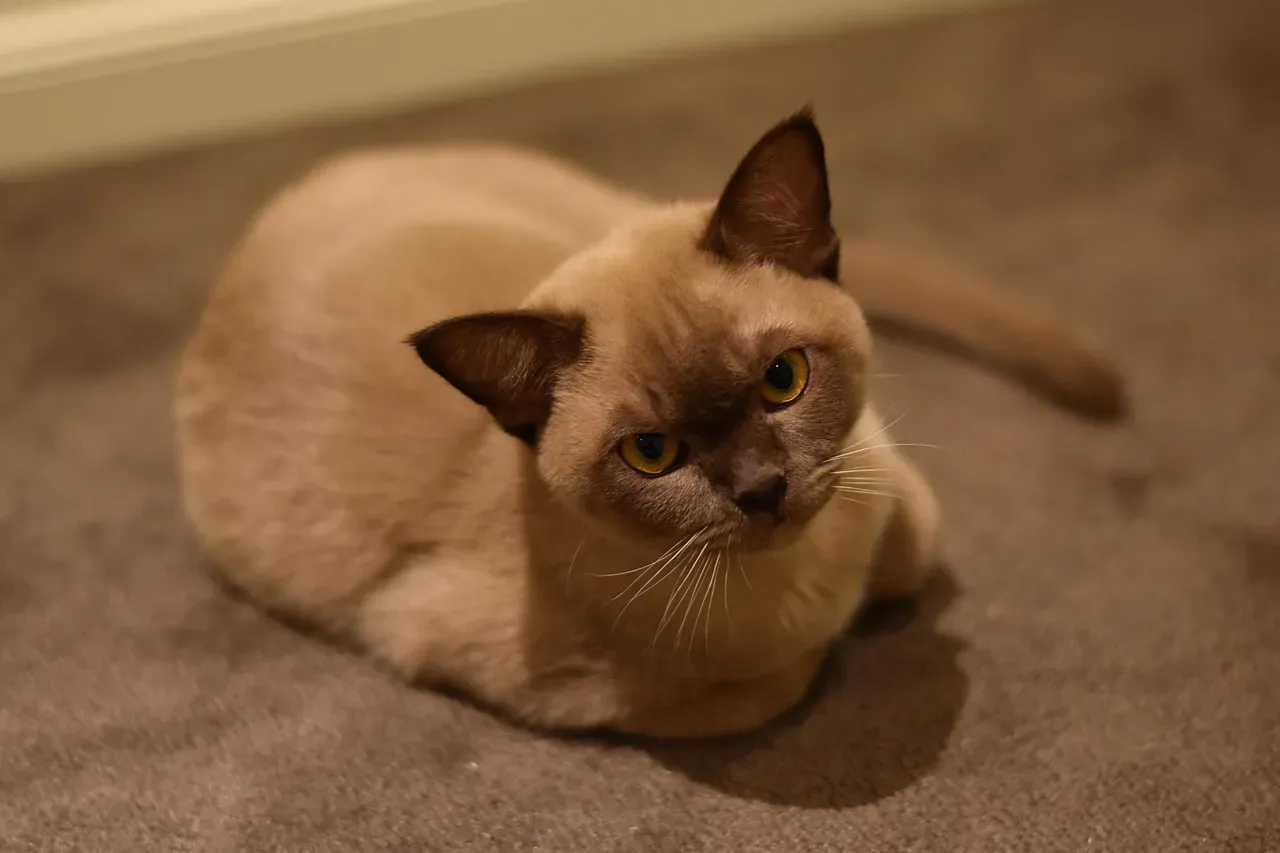
The Burmese cat takes the crown with a life expectancy of over fourteen years, yet many individuals far exceed that average. with some living remarkably long lives, demonstrating this breed’s incredible genetic resilience. The average lifespan for Burmese cats typically ranges of 12 to 16 years, giving them a remarkable advantage over most other felines.
These medium sized cats are anything but boring. Burmese cats are energetic, playful, and people friendly, making them perfect companions for families. They’re the type of cat who’ll greet you at the door like a dog and follow you from room to room, always curious about your activities. Their social nature means they thrive on interaction, so if you’re looking for an independent loner, you might want to keep browsing.
2. Birman Cats: The Elegant Companions
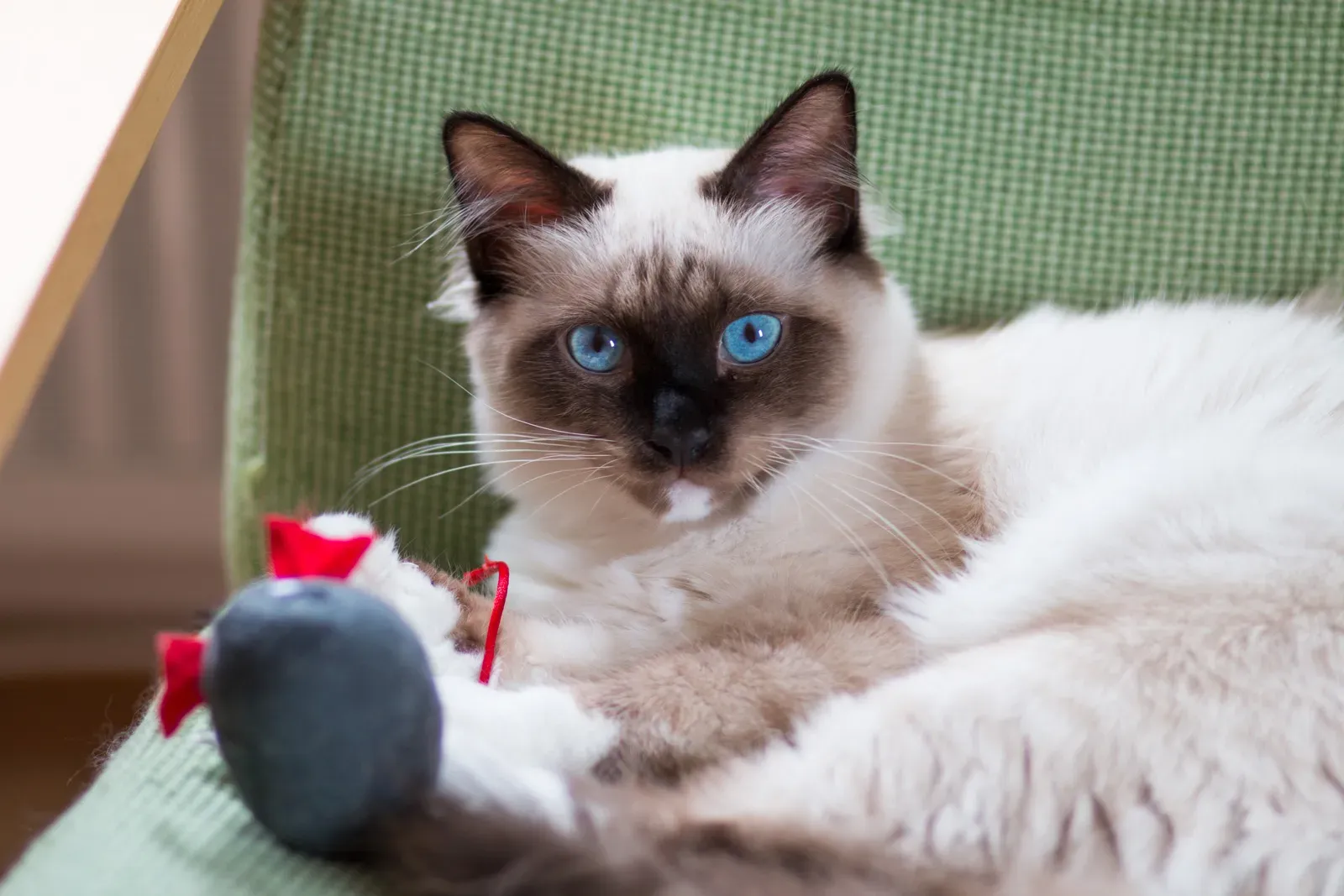
Right behind the Burmese are Birman cats, boasting a life expectancy of over fourteen years, though many live comfortably into their late teens. With their striking blue eyes and silky medium length coats, Birmans look like they walked straight out of a fairytale. Their color point pattern is distinctive, and those white paws they sport have earned them the nickname “Sacred Cat of Burma” in some circles.
Let’s be real though – they’re not just pretty faces. Birmans have calm, gentle temperaments that make them ideal for households with children or other pets. They don’t demand constant attention but appreciate affection when offered. You might find your Birman lounging regally on a windowsill one moment, then playfully chasing a toy the next. Their balanced personality is part of what makes them such enduring companions.
3. Siamese Cats: The Vocal Longevity Champions
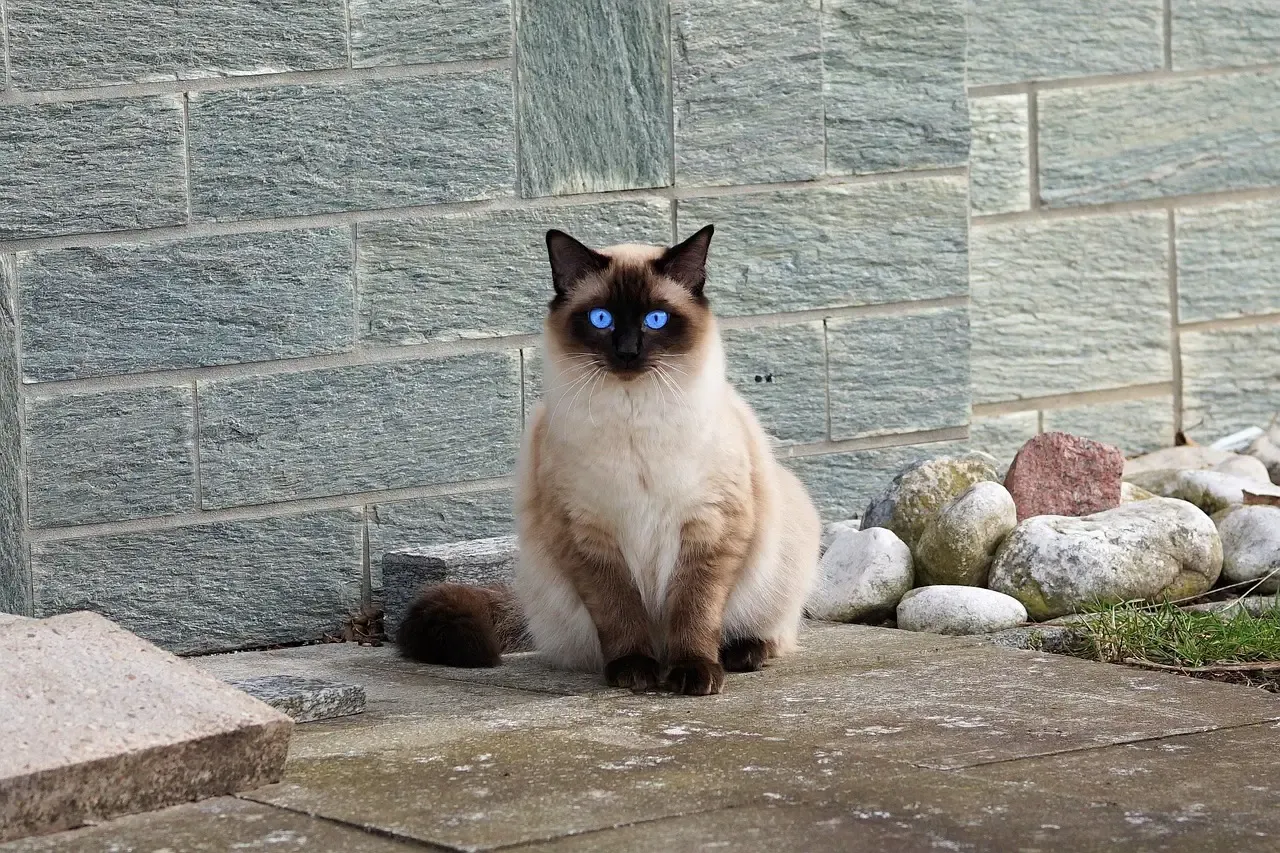
Originating from Thailand, Siamese cats live up to fifteen years on average, though some reach twenty years old. Here’s something wild: a Siamese cat named Scooter from Texas held a Guinness World Record after living to 31 years of age. Their striking appearance with blue eyes and sleek bodies makes them instantly recognizable, but it’s their personality that truly captivates.
If you want a quiet cat, keep searching. Siamese cats are sociable, playful, and entertaining, and they’re famous for being chatty. They’ll tell you about their day, comment on your choices, and probably have opinions about what you’re making for dinner. These cats are easily trainable and can learn to walk on a harness and perform tricks, which adds another dimension to the bond you’ll share with them over their long lives.
4. Balinese Cats: The Graceful Beauties
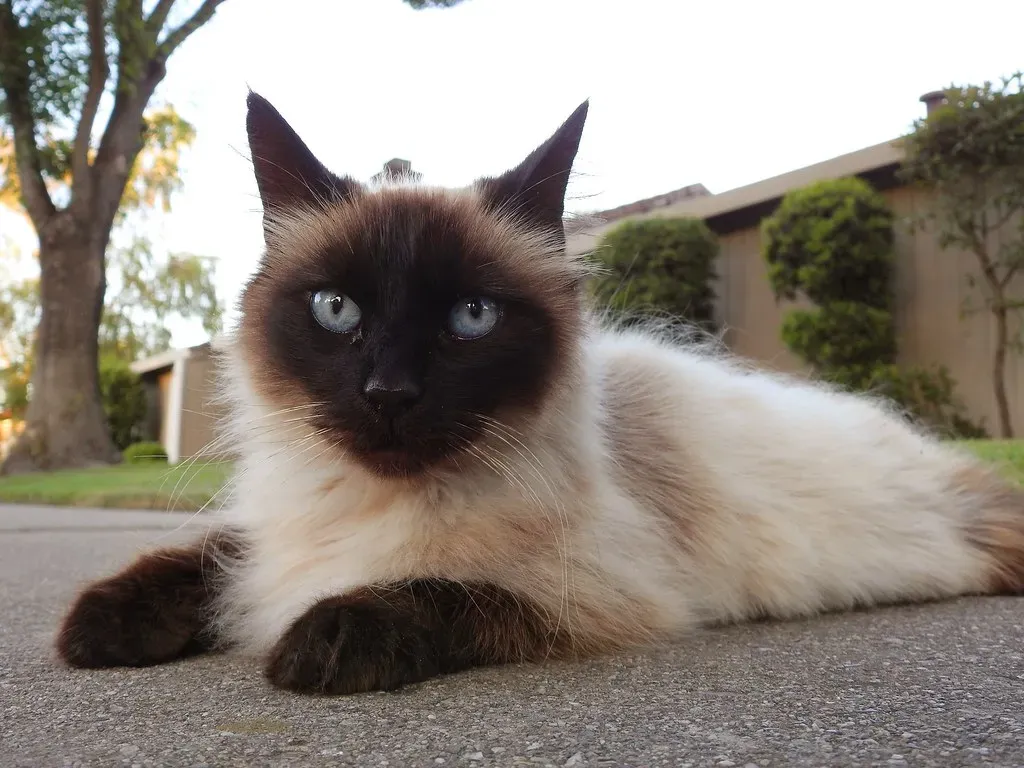
The Balinese cat reportedly lives eighteen to twenty two years on average, which is several years longer than most cats. Think of them as longhaired Siamese cats with the same elegant build but sporting luxurious, flowing coats. This close cousin of the Siamese shares DNA with the long living breed and is technically the longhaired version.
Balinese cats are outgoing, affectionate, active, intelligent, agile, and chatty – basically, they’re the overachievers of the cat world. They’ll want to be involved in everything you do, from helping you work on your laptop to supervising your cooking. Their hypoallergenic qualities make them appealing for people with sensitivities, though no cat is truly allergen free. The combination of stunning looks and vibrant personality means you’ll have an engaging companion for potentially over two decades.
5. Russian Blue Cats: The Quiet Aristocrats
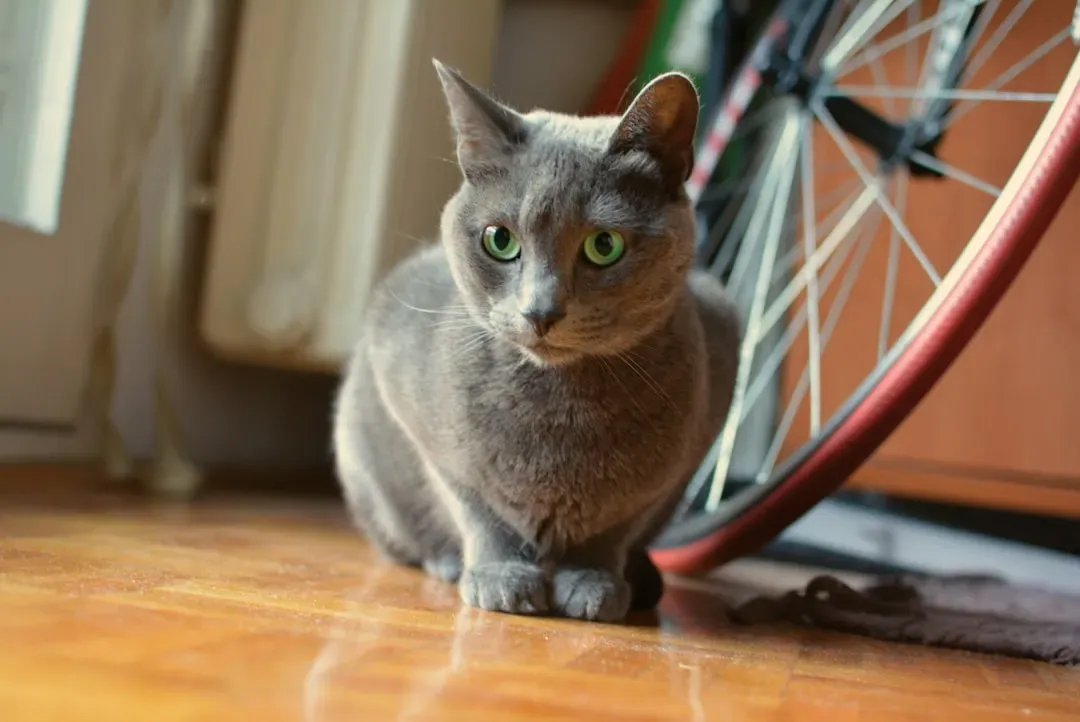
Russian Blue cats are affectionate with their owners and can live on average between ten to twenty years. This stunning breed is not only one of the most hypoallergenic of all cat breeds, but they also happen to live longer than most cats. With their dense, plush double coat in shimmering blue gray and those mesmerizing emerald green eyes, they look like feline royalty.
These cats are gentle souls who prefer a calm household. Russian Blue cats are easy to train, though they’re a bit shy around strangers but affectionate with their owners. Don’t mistake their reserved nature for aloofness – once they bond with you, that connection runs deep. They’re content with indoor life and won’t constantly demand entertainment, making them perfect for people who appreciate a more contemplative companion.
6. Ragdoll Cats: The Gentle Giants
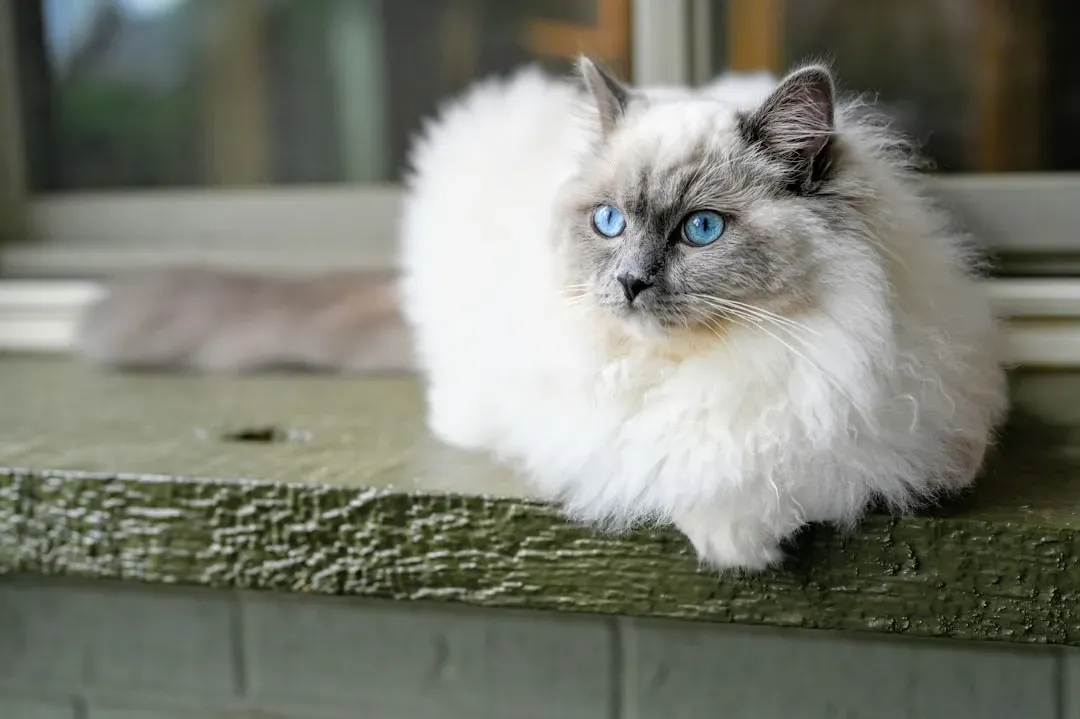
Despite their soft looking appearance, Ragdolls are actually a tough and healthy breed that can live up to fifteen to twenty five years. These cats earned their name from their tendency to go completely limp when you pick them up, like an actual ragdoll. It’s both endearing and slightly bizarre, honestly.
Ragdolls are easy going and friendly, even with strangers. They’re the type of cat who’ll greet your dinner guests instead of hiding under the bed. They’re laidback, gentle, and love to lounge, preferring indoor life and not fond of climbing. If you want a cat who’ll chill on the couch with you rather than scale your curtains, a Ragdoll might be your perfect match.
7. American Shorthair Cats: The All American Companions
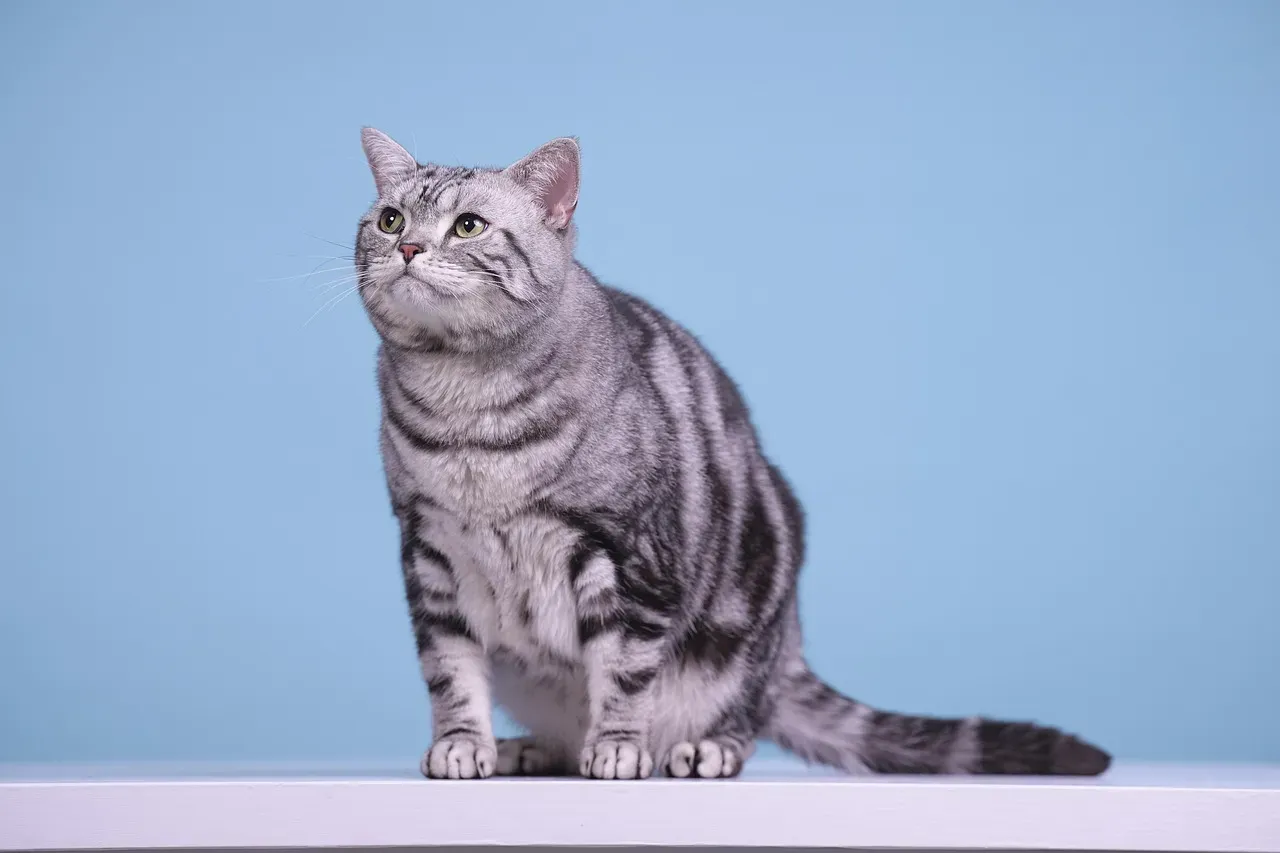
The American Shorthair breed has an average lifespan of fifteen to twenty years. These are the cats that define “family friendly” in every sense. Popular for families with children because of their playful and easygoing temperament, these cats are usually good at entertaining themselves, and they don’t demand attention but also appreciate interactive play and socialization.
Here’s the thing about American Shorthairs – they’re adaptable. They can handle a bustling household with kids and dogs or enjoy a quieter environment with an adult owner. They’re not needy but appreciate affection when offered. Most are generally healthy but can be prone to heart disease, so regular veterinary checkups become increasingly important as they age. Still, with proper care, you’re looking at nearly two decades of companionship.
8. Oriental Shorthair Cats: The Colorful Characters
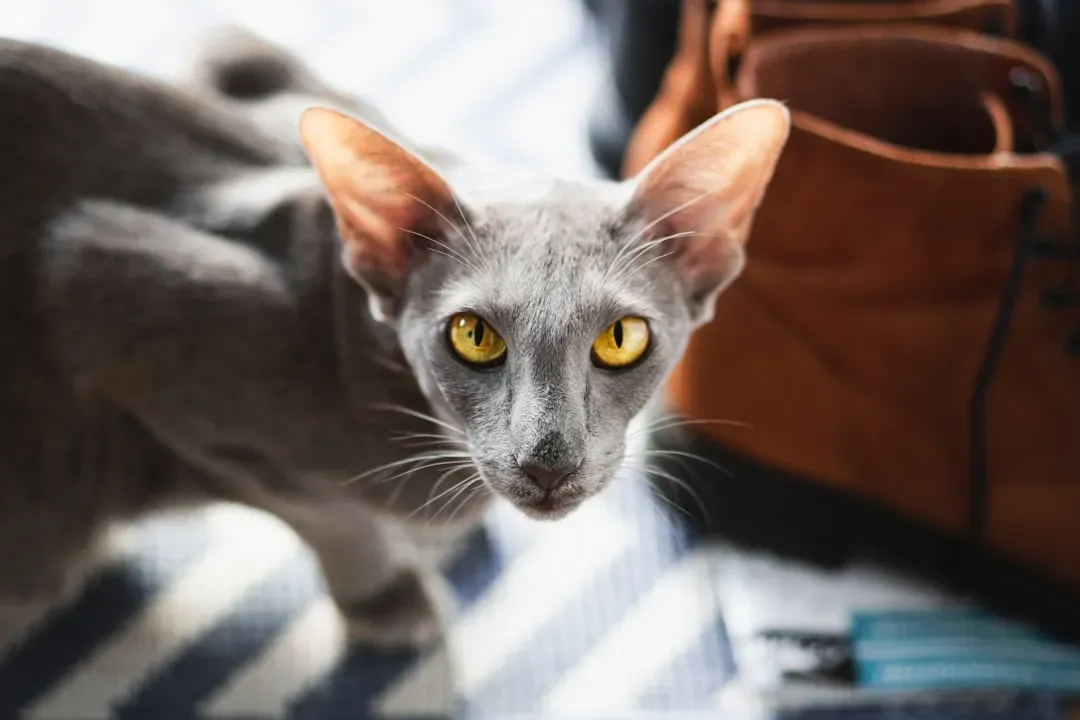
The Oriental Shorthair is a crossbreed using Siamese as the base, with appearances that are unique and coats that come in three hundred colors and patterns. Yes, you read that right – three hundred variations. These cats have a long life expectancy of over fifteen years, inheriting the longevity genes from their Siamese ancestors.
Since they’re a crossbreed from Siamese cats, they share the same wonderful personalities: smart, curious, and loving. They’re extroverts who demand attention and interaction. If you work from home, expect your Oriental Shorthair to be your very vocal coworker. Their large ears and slender build give them an exotic appearance, and their playful antics will keep you entertained throughout their long lives.
9. Manx Cats: The Tailless Wonders
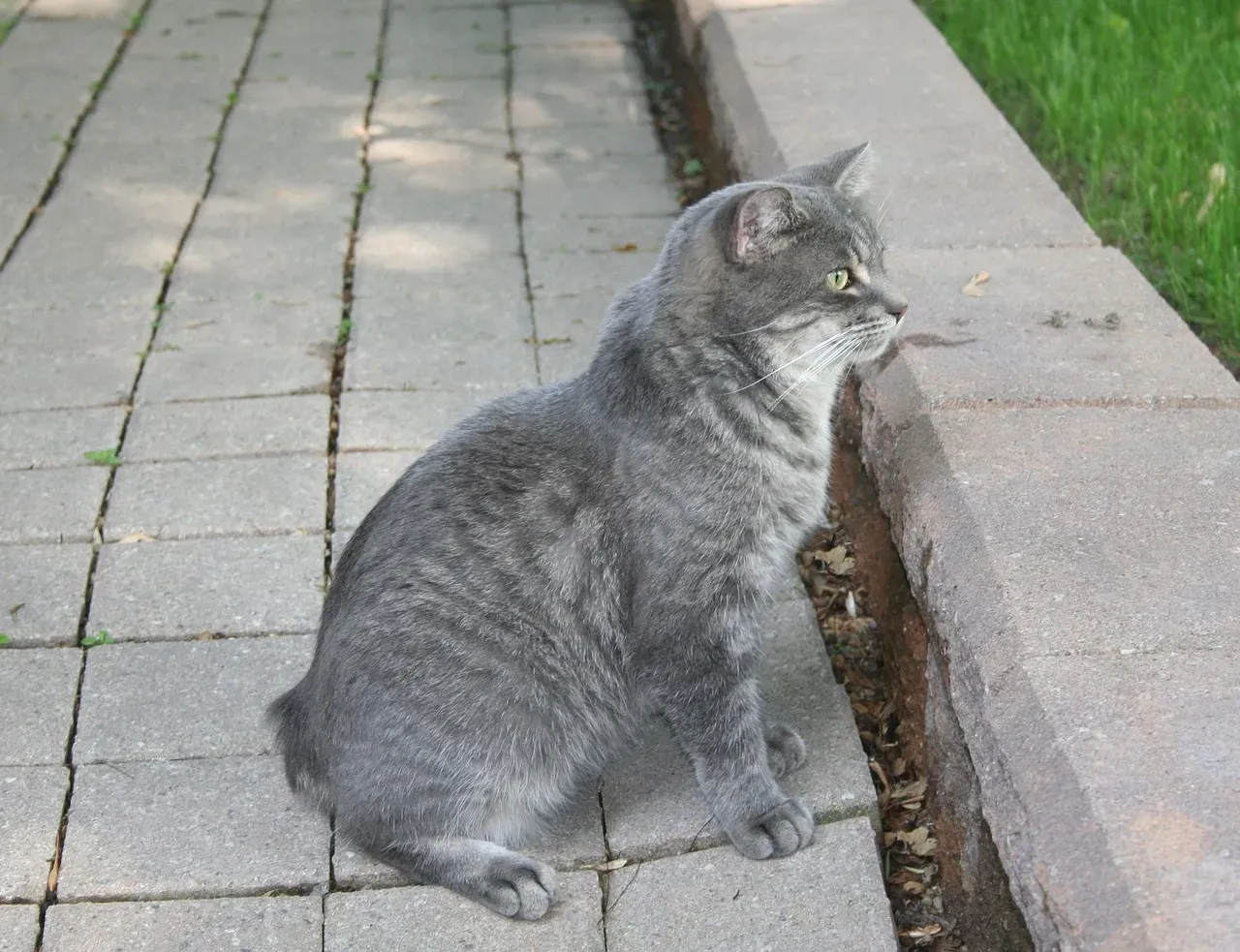
Manx cats are known for their sense of loyalty, love of interactive play, and their ability to live well beyond fifteen years. The Manx cat is usually tailless and this becomes its most distinctive characteristic, though some are born with partial tails or full tails. That absent appendage is the result of a natural genetic mutation, not selective breeding gone wrong.
Manx cats are intelligent and can get along with other animals, and they’re often said to behave like dogs because of their sense of loyalty to their owners and their love for interactive play. They’ll fetch, follow you around, and even come when called. It’s hard to say for sure, but their dog like devotion combined with cat independence might be the perfect combination for many pet owners.
10. Bombay Cats: The Miniature Panthers
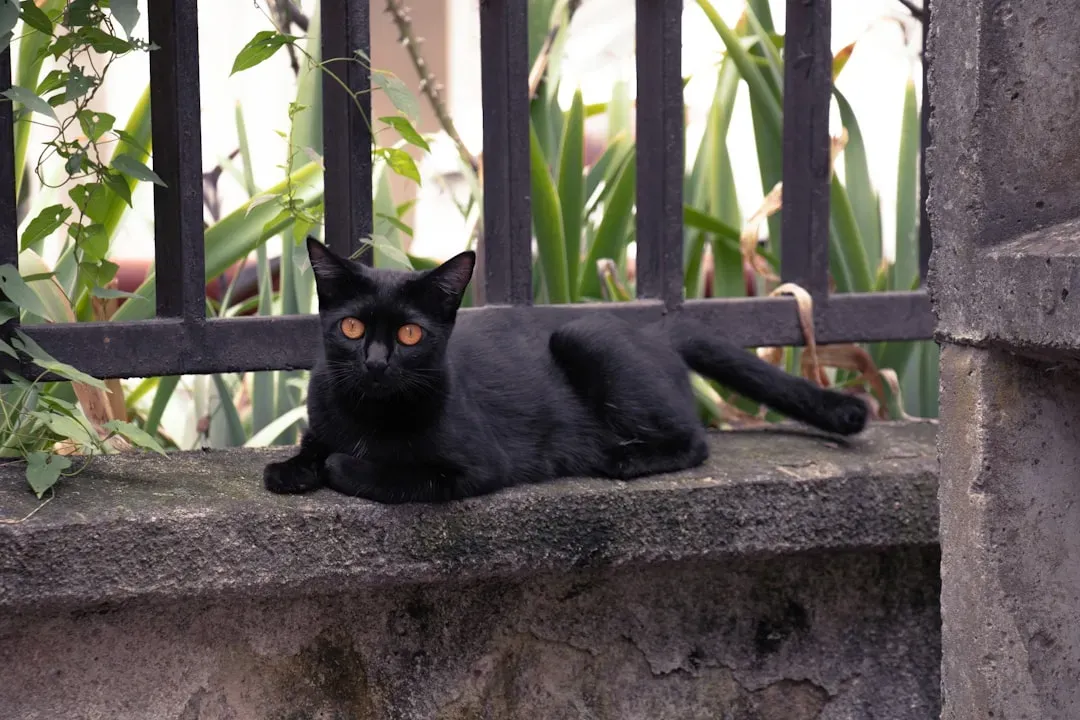
Bombay cats are considered to be intelligent, playful, and attention seeking and can enjoy a life expectancy lasting up to twenty years. This cat breed is all black from tip to toes, with the coat, whiskers, and paw pads all black, with the only accent being the cat’s bright gold eye color. They look like miniature panthers prowling through your living room, which is exactly the aesthetic their breeders were aiming for.
These cats crave human companionship and aren’t shy about demanding it. They’ll follow you everywhere and expect to be included in family activities. Their playful, affectionate nature makes them wonderful pets, though they’re not the best choice if you want an independent cat. While relatively rare and without much documented health research for the breed, the basics of feline care usually lead to a lifespan reaching up to fifteen years, with some living twenty years or more.
Making the Most of Your Cat’s Long Life
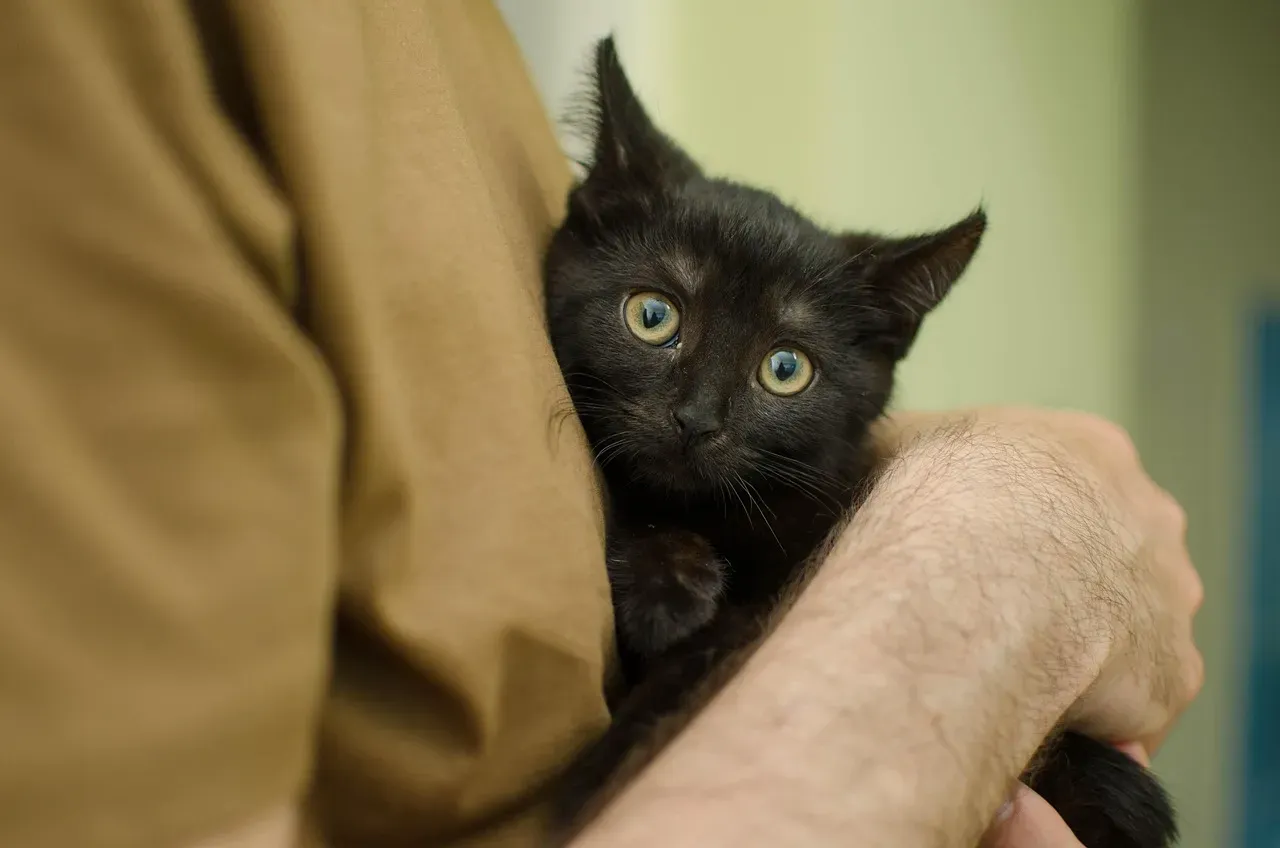
Understanding which breeds have longevity potential is just the beginning. Regular veterinary care, a nutritious age appropriate diet, and maintaining a loving relationship all contribute to a cat’s highest quality of comfort, but genes will play an important role. You can’t control genetics, but you can absolutely influence the other factors.
Don’t forgo routine vet visits, which can be invaluable in diagnosing and treating common cat health problems before they progress, as early detection can make all the difference. Think of it like regular maintenance on a car – catching small issues before they become expensive, heartbreaking problems. Weight management matters too. Overweight and obese cats do not live as long and have a higher risk of diseases than cats at a healthy weight.
Indoor versus outdoor lifestyle makes a massive difference. The lifespan of outdoor cats is much shorter, with many outdoor cats living to be only two to five years old due to the many dangers they face outside. If you want your long lived breed to actually reach their genetic potential, keeping them safely indoors is essential. Supervised outdoor time in a catio or on a harness can provide stimulation without the risks.
Even dental care plays a bigger role than most people realize. Cats with healthy teeth have a lower risk of diseases, including kidney disease and heart disease, and live a much happier life without infected teeth and gums. It might seem tedious to brush your cat’s teeth, but those few minutes could translate into extra years together.
Every cat is an individual, regardless of breed. Some members of shorter lived breeds defy expectations while some from long lived breeds face health challenges. What matters most is the quality of care you provide throughout their lives. Did you know that the love and attention you give your cat might be just as important as any genetic advantage? Think about what makes your own feline friend special – those quirks and behaviors that make you smile – and celebrate them for however many years you’re blessed to share together.