You’ve probably crossed paths with a black cat at some point in your life. Maybe you felt a tiny flutter of unease, or perhaps you just thought they looked gorgeous. Either way, black cats have been saddled with more myths and misconceptions than any feline deserves. For centuries, these sleek, stunning creatures have been unfairly blamed for everything from bad luck to witchcraft, and honestly, it’s about time we set the record straight.
Let’s be real, the superstitions surrounding black cats are ridiculous when you really think about it. The color of a cat’s fur has absolutely nothing to do with its personality, behavior, or ability to bring good or bad fortune into your life. Yet, these myths persist, affecting real lives in tangible ways. Shelters report that black cats often spend more time waiting for homes, and some face heartbreaking outcomes simply because of outdated beliefs. So let’s dive in and bust these myths wide open, shall we?
Myth 1: Black Cats Bring Bad Luck
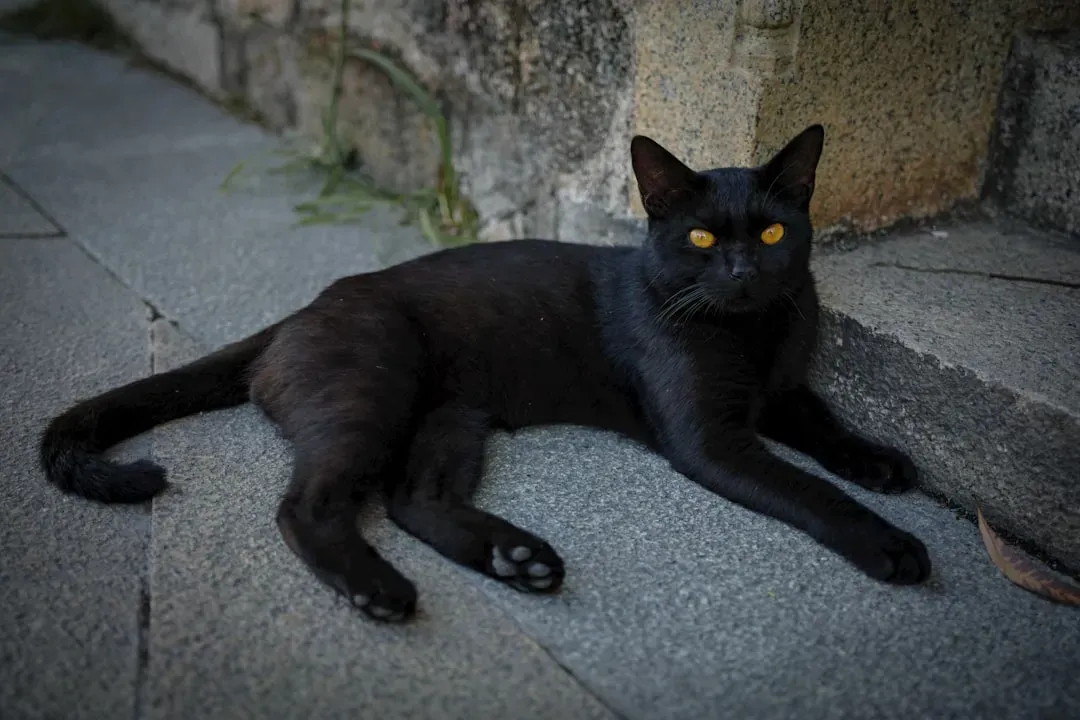
This is probably the most famous myth of all, and it’s completely baseless. There is no scientific evidence that black cats bring bad luck. This belief is rooted in centuries-old superstitions rather than facts. The whole idea traces back to medieval Europe when people believed all sorts of wild things, but here’s the thing: luck isn’t something that can be delivered by an animal with a particular fur color.
What makes this even more interesting is that black cats are considered good luck in many cultures. In Scotland, it’s lucky for a strange black cat to arrive at your doorstep. In Japan, black cats are thought to help single women find suitors. So depending on where you are in the world, that black cat crossing your path might actually be doing you a favor! The truth is, your fortune has nothing to do with feline encounters and everything to do with your own choices and circumstances.
Myth 2: Black Cats Are Associated With Witches and Dark Magic
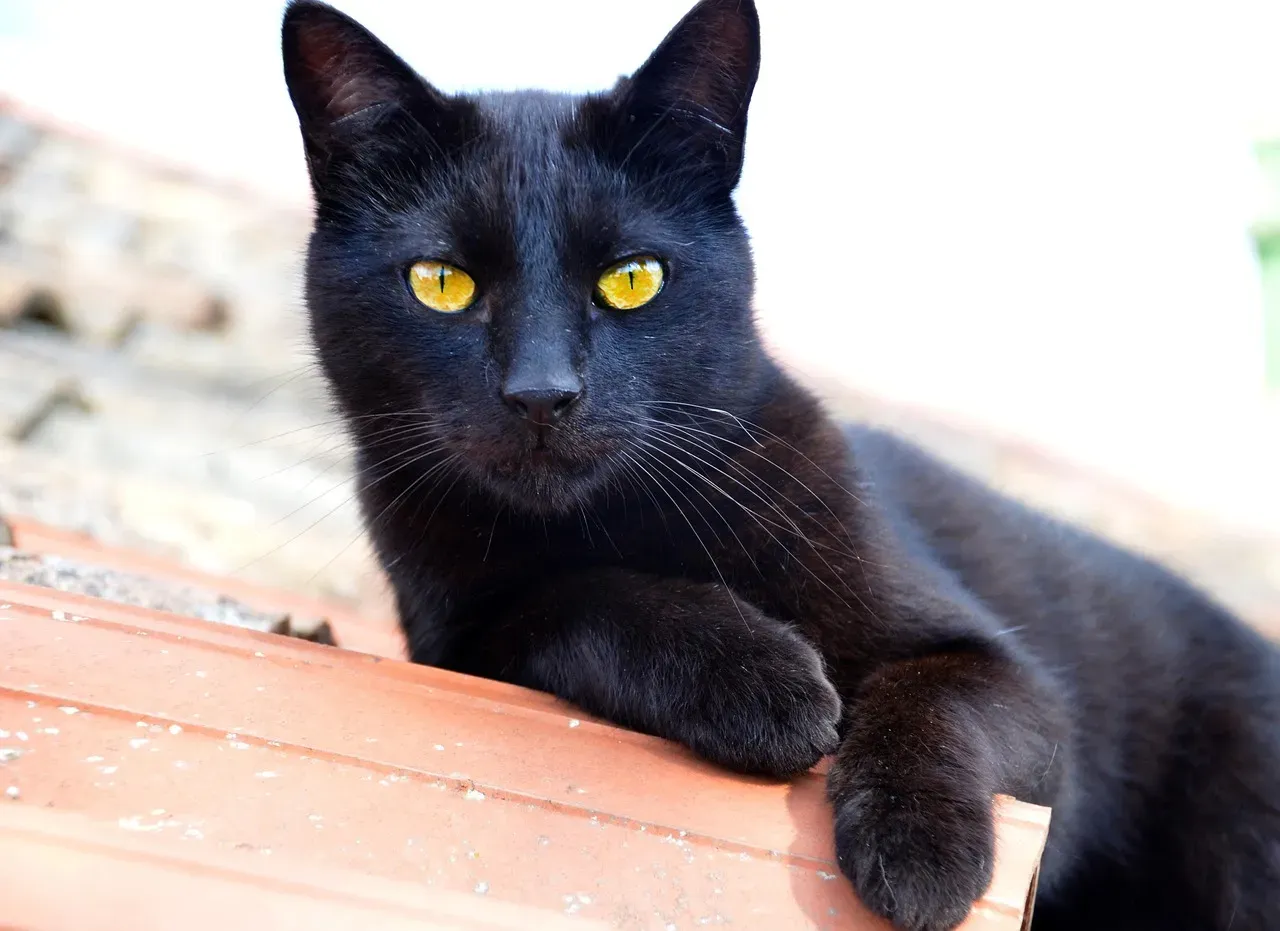
In the Middle Ages, people feared that black cats were “familiars” to witches, assisting them in dark magic. This connection became so deeply ingrained that simply owning a black cat could lead to persecution. The reality? Many of the early pagan practitioners labeled “witches” held a deep respect for the natural world and great affection for animals, including cats. The association was more about companionship than anything sinister.
Honestly, think about it logically. Cats are independent, mysterious creatures that are active at night. In a time when people didn’t understand much about the natural world, it’s not surprising they cooked up elaborate stories to explain things that seemed strange. Today, we know better. Black cats aren’t magical beings, they’re just regular cats with beautiful dark coats who deserve to curl up on your couch without carrying the weight of centuries of superstition.
Myth 3: A Black Cat Crossing Your Path Means Death Is Coming
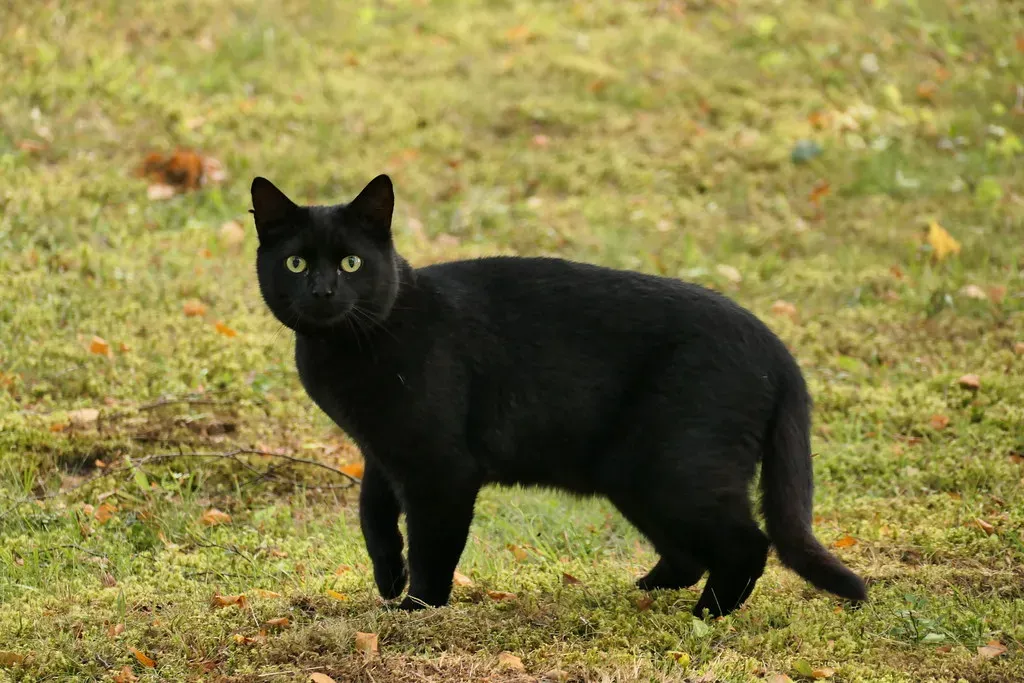
The myth about black cats being an omen of death comes from the days when people thought witches would send them curses. This belief has persisted in various forms across different cultures, with some claiming that seeing a black cat at a funeral means another death is imminent. It sounds dramatic, but it’s pure fiction.
Here’s a refreshing perspective: Pets help people live longer. There are numerous health benefits associated with having pets – they can lower stress, improve heart health, boost mental health, and more. So if anything, welcoming a black cat into your life might actually extend your years rather than shorten them. The idea that these sweet animals are harbingers of death is not just wrong, it’s almost comically backwards.
Myth 4: Black Cats Are More Aggressive and Less Friendly

Some people genuinely believe that black cats have different temperaments than cats of other colors. Research has shown that black cats were rated as less friendly and more aggressive than non-black cats. The problem? This perception is based on appearance and difficulty reading their facial expressions, not on actual behavior.
Most black cats are known to be loyal, sensitive, caring companions. In fact, many cat lovers claim that black cats tend to be extra friendly and affectionate. The color of a cat’s coat has zero correlation with its personality. What matters is the individual cat’s upbringing, socialization, and unique character. I’ve known black cats who were absolute sweethearts and others who were a bit standoffish, just like cats of every other color.
Myth 5: Black Cats Are Harder to Photograph (So They’re Less Adoptable)
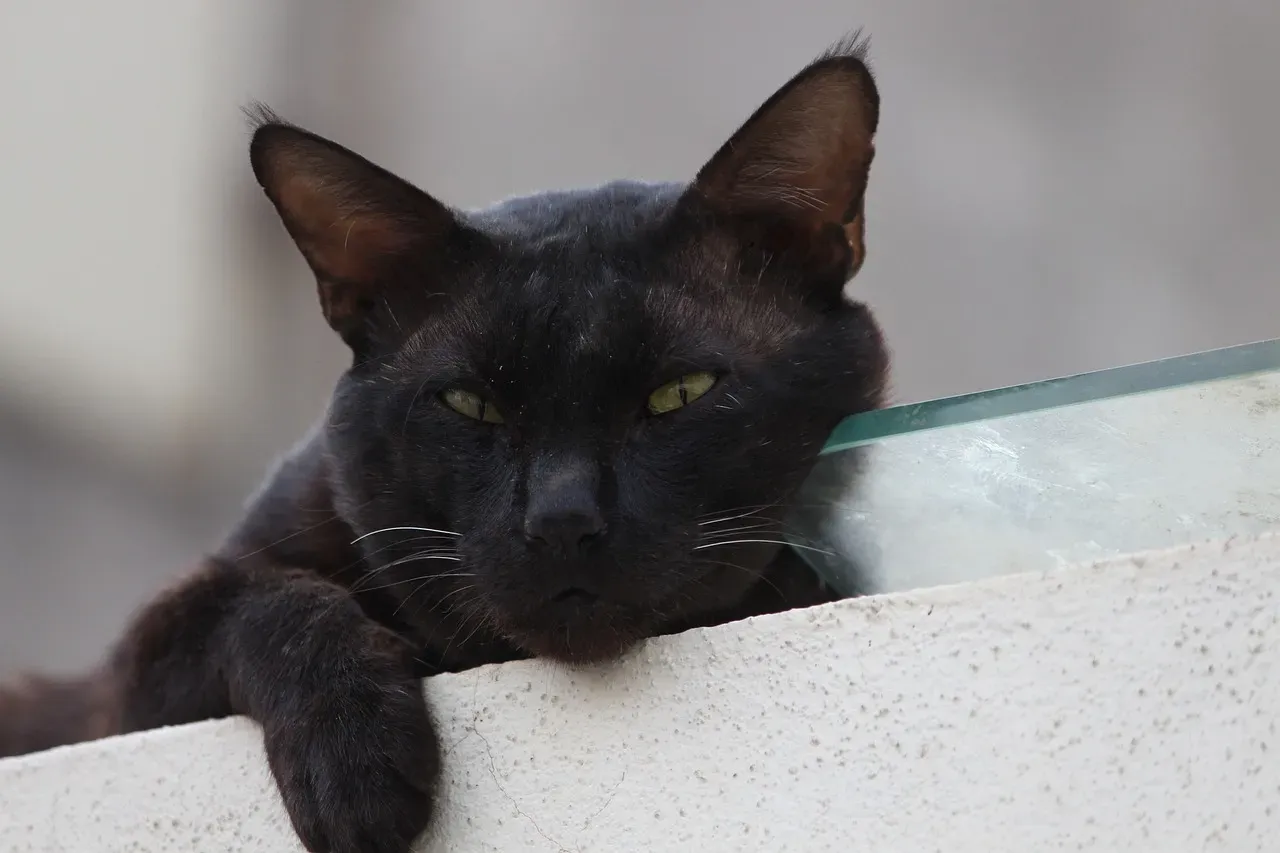
It’s true that black cats can be harder to photograph, especially in animal shelters where the lighting may be dim. Their dark fur doesn’t always show up well in photos, making it difficult to capture their expressions and personality. This has genuinely impacted their adoption rates in the digital age when people browse pets online.
Still, this is a solvable problem, not a reason to overlook these beautiful animals. From getting the right lighting, using smart backdrops, posing your cats and using your phone’s exposure settings, there are plenty of tips to make your black cats look ameowzing in pictures. With a little extra effort and some photography know-how, black cats can look absolutely stunning in photos. Their sleek coats and often bright, contrasting eyes can create truly striking images.
Myth 6: Black Cats Face More Danger During Halloween
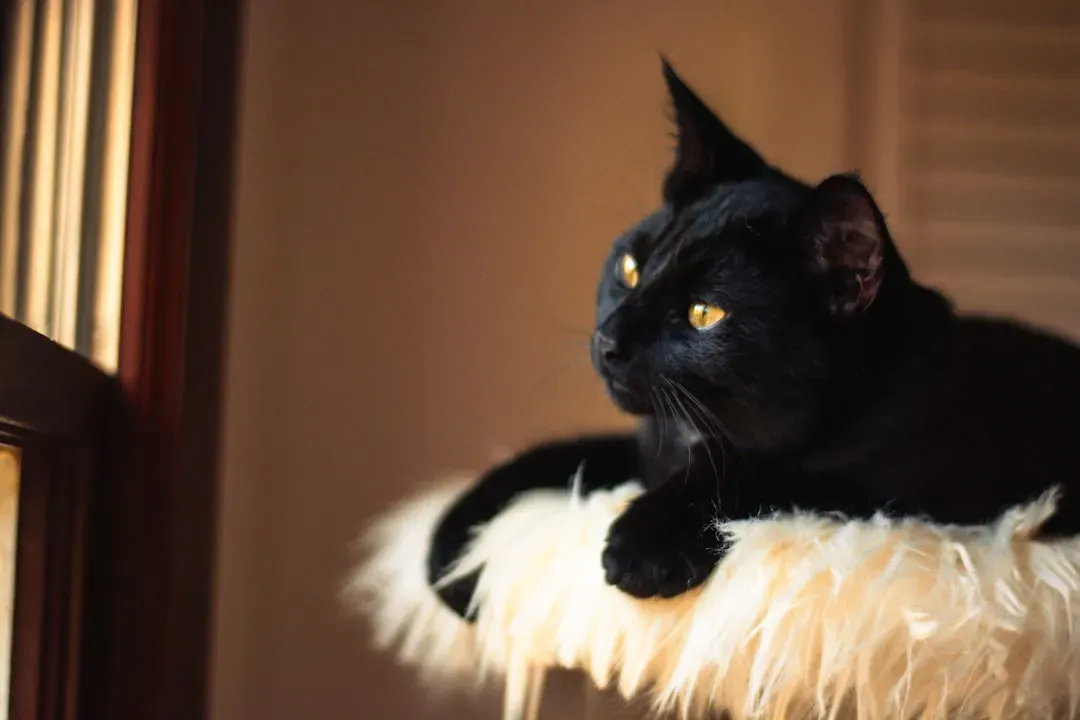
You’ve probably heard the alarming claim that black cats are at heightened risk of harm around Halloween, possibly being adopted for cruel purposes or harmed in rituals. This myth has led some shelters to stop adopting out black cats in October. However, black cats don’t actually face more danger during Halloween, and there is no data to suggest they are at a higher risk of abuse during this time compared to other cats or times of the year.
There is no reliable data supporting the claim that black cats are targeted for rituals; this is widely regarded as an urban myth. What actually happens during Halloween? Many shelters use this season to promote black cat adoptions through special events and reduced fees. Rather than being a time of danger, October can actually be an opportunity for black cats to find loving homes. The whole scare story has no basis in reality.
Myth 7: Black Cats Are Carriers of Disease
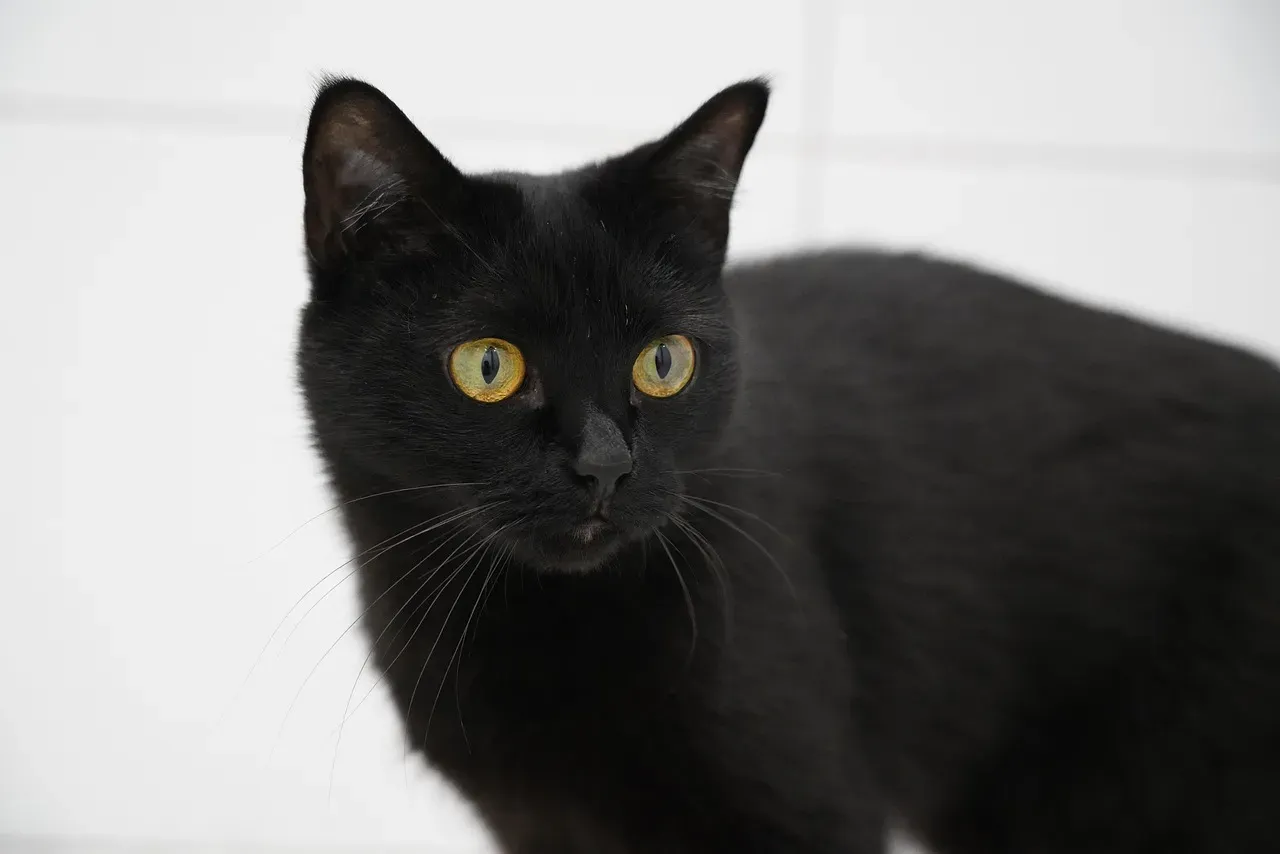
Another common myth surrounding black cats is that they are carriers of disease. This misconception has led to unfounded fears and prejudice against black cats as potential sources of illness. This belief likely stems from the medieval period when black cats were blamed for various plagues and misfortunes.
Let me be crystal clear: Scientific studies have consistently shown that the colour of a cat’s fur has no correlation with their ability to transmit diseases to humans or other animals. Black cats are no more likely to be disease carriers than cats with any other coat colour. Your black cat is just as healthy (or unhealthy, depending on care) as any tabby, calico, or white cat. Health depends on veterinary care, environment, and genetics, not fur color.
Myth 8: Black Cats Have Lower Adoption Rates Because of Superstition Alone
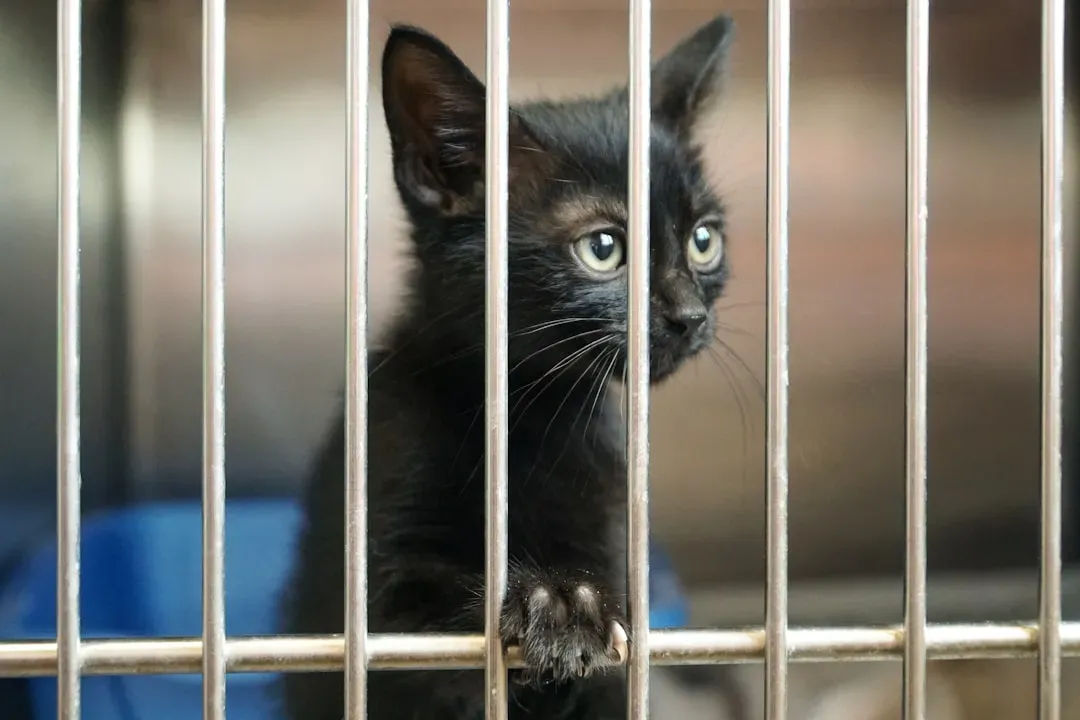
While superstition plays a role, the reality is more complex. Research does support the claim that black cats take longer to adopt, but superstition may not be the sole reason. Black cats can be harder to photograph, and there may be more black cats in shelters, so there just may be more of them. According to recent data, there are more black cats than any other color because of the “black” gene.
Here’s an interesting fact: Although euthanasia numbers for black animals are at or near the top, their total adoption numbers were also the highest of any color. Thirty-two percent of canine adoptions in 2013 were black dogs. The same pattern holds for cats. So while black cats do face challenges, the picture isn’t as simple as superstition equals rejection. It’s more about sheer numbers and practical visibility issues.
Myth 9: Black Cats Were Only Ever Seen as Bad Luck Throughout History
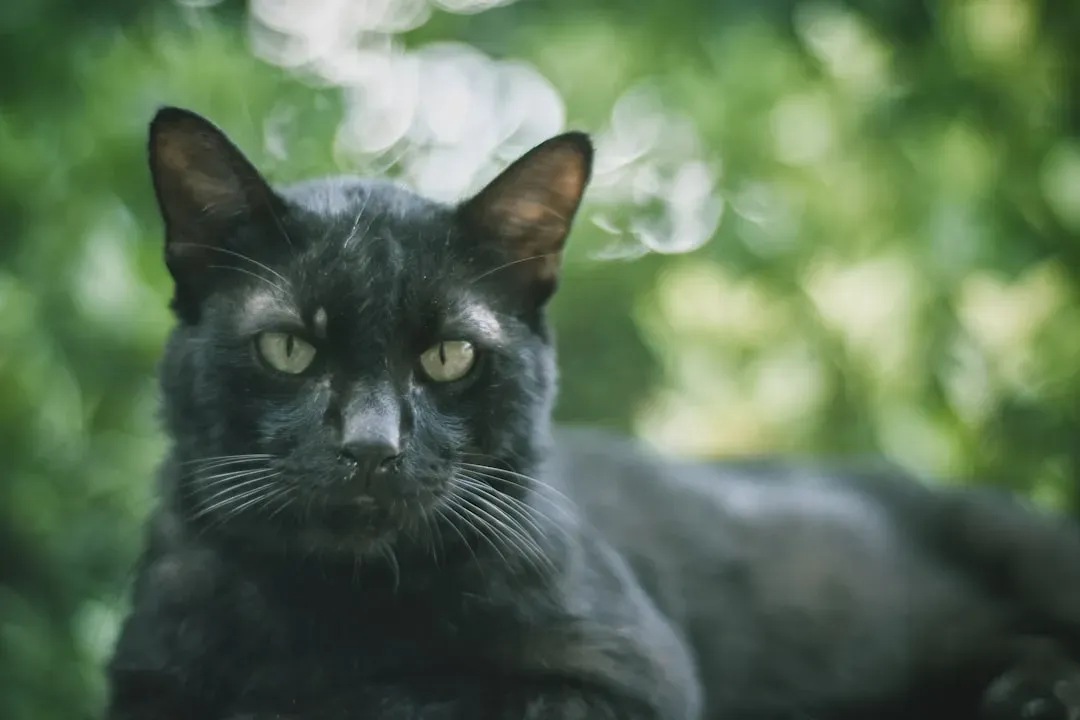
Many people assume that black cats have always been viewed negatively, but that’s simply not true. In ancient Egypt, black cats were revered and considered sacred. The connections between humans and cats can be traced back to some of the world’s earliest civilizations, most notably, ancient Egypt, where cats were considered divine symbols.
In Japan, black cats are good luck and are associated with Maneki-neko. Scottish culture associates black cats with prosperity and the goddess Brigid. In Latvia, black cats on farms mean prosperity and a good harvest. In Italy black cats mean upcoming good luck. The negative associations are primarily a Western European phenomenon that developed during the Middle Ages. Throughout much of history and across many cultures, black cats have been celebrated, not feared.
Myth 10: There’s Something Genetically Wrong With Black Cats
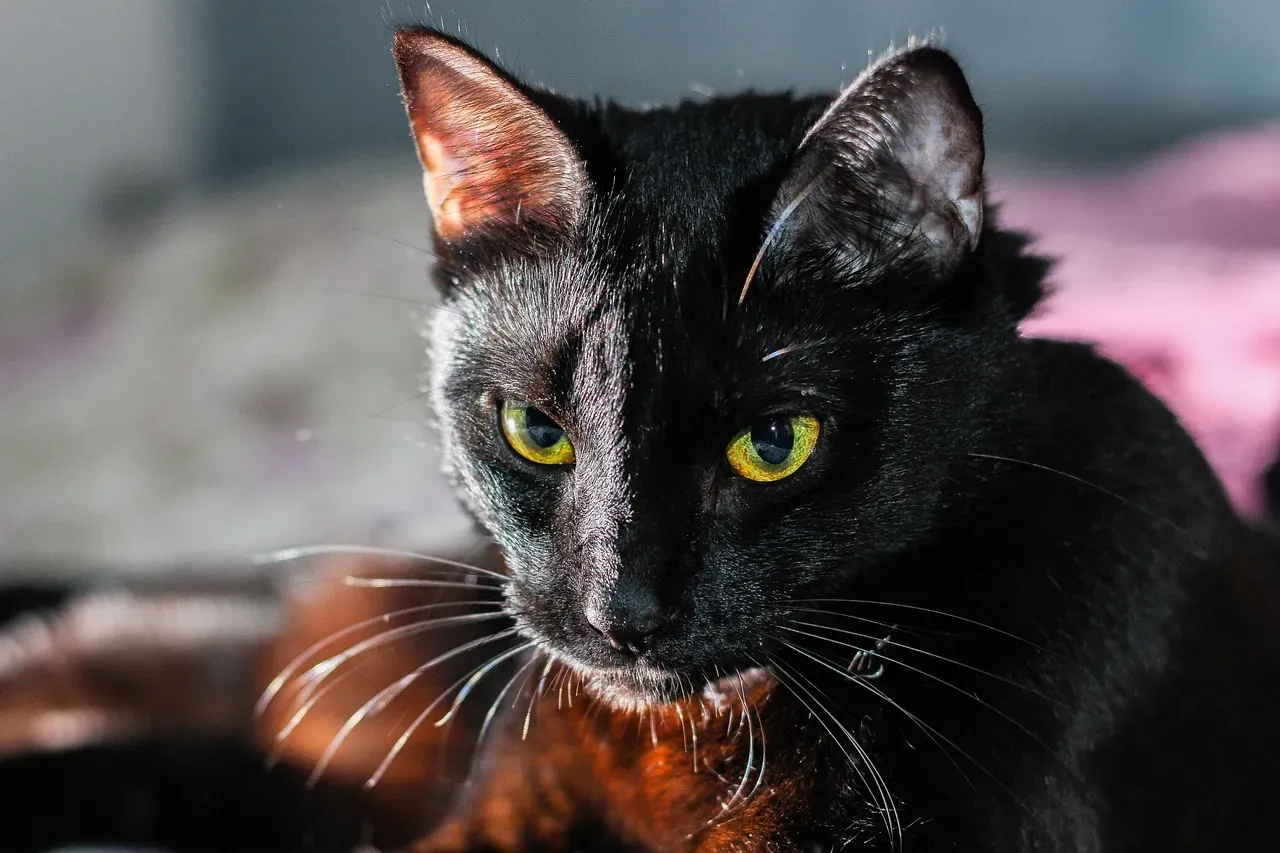
Some people wonder if there’s something unusual or problematic about the genetics that create black cats. Actually, it’s quite the opposite. The gene that causes black hair in cats is a result of high levels of melanin. Scientists say that the genetic mutation that causes a cat’s fur to be black also could protect them from certain diseases.
Their dark fur helps to protect them from skin cancer, and it allows them to hide more easily from predators than their lighter-colored counterparts. Rather than being a genetic flaw, black coloration may actually offer some advantages. The melanin that creates their gorgeous dark coats might even provide health benefits. Black cats are beautifully adapted, perfectly healthy, and deserve to be recognized for the genetic marvels they are.
Conclusion
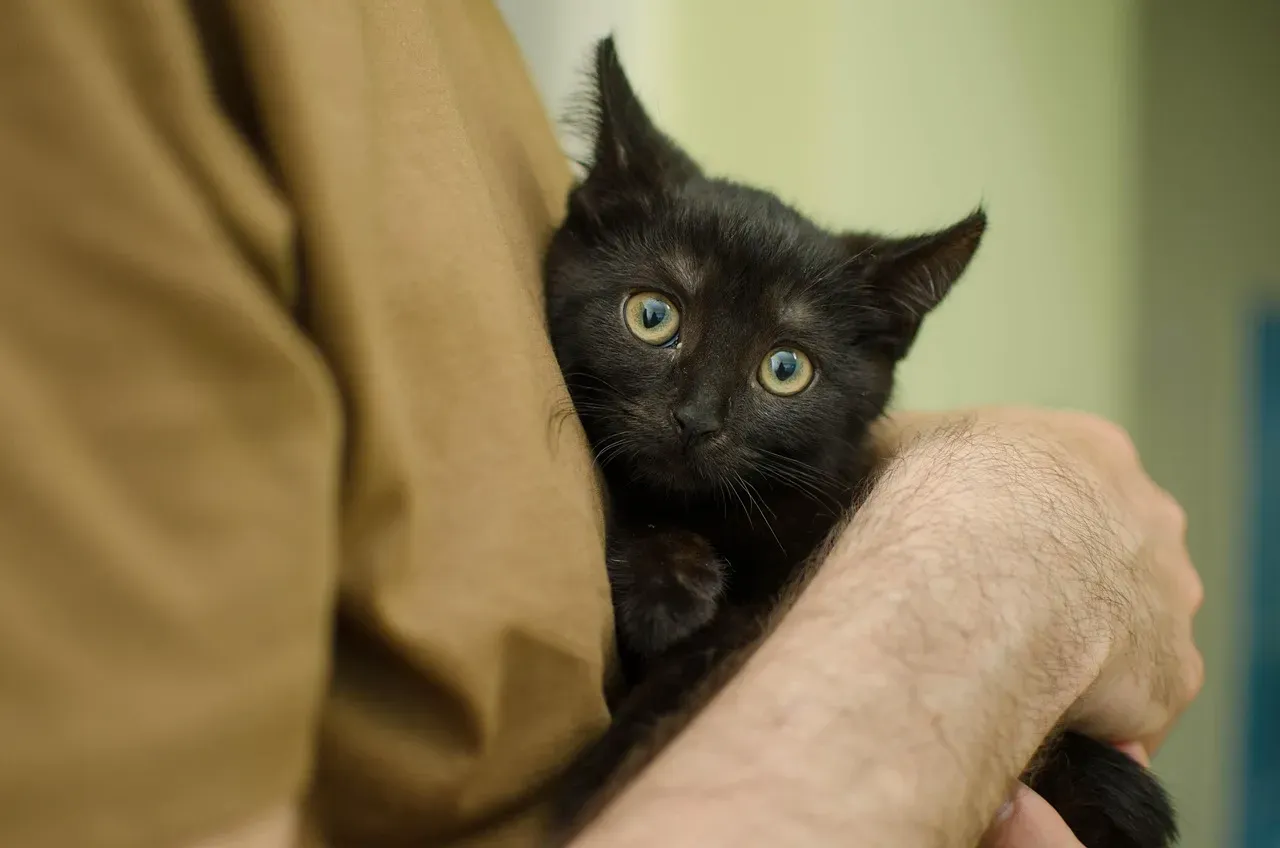
Black cats have gotten a raw deal for far too long. These myths have real consequences, affecting adoption rates and the way people perceive these wonderful animals. The truth is simple: The only supernatural powers that black cats possess are ones of unconditional love and affection, just like any other cat. They’re not witches in disguise, they won’t curse you with bad luck, and they certainly don’t bring death or disease.
If you’re thinking about adopting a cat, I genuinely hope you’ll consider giving a black cat a chance. They’re beautiful, often overlooked, and just as deserving of love as any other feline. Next time you see a black cat, whether crossing your path or sitting in a shelter cage, maybe pause for a moment and appreciate them for what they really are: gorgeous, loving companions wrapped in sleek midnight fur. What do you think about black cats now? Would you welcome one into your home?