Most people walk past the older cats at the shelter without a second glance. They reach straight for the kittens, drawn in by the tiny paws and wild energy. It’s completely understandable – but honestly, it’s a decision built almost entirely on misconceptions.
Senior cats are surrounded by a fog of outdated beliefs, half-truths, and myths that do real harm – not just to these animals, but to the people who own them. If you’ve ever dismissed an older cat as “too much trouble” or assumed your ageing feline is just winding down, you might be surprised by what the facts actually say. Let’s dive in.
Myth #1: Senior Cats Are Always Sick and Falling Apart
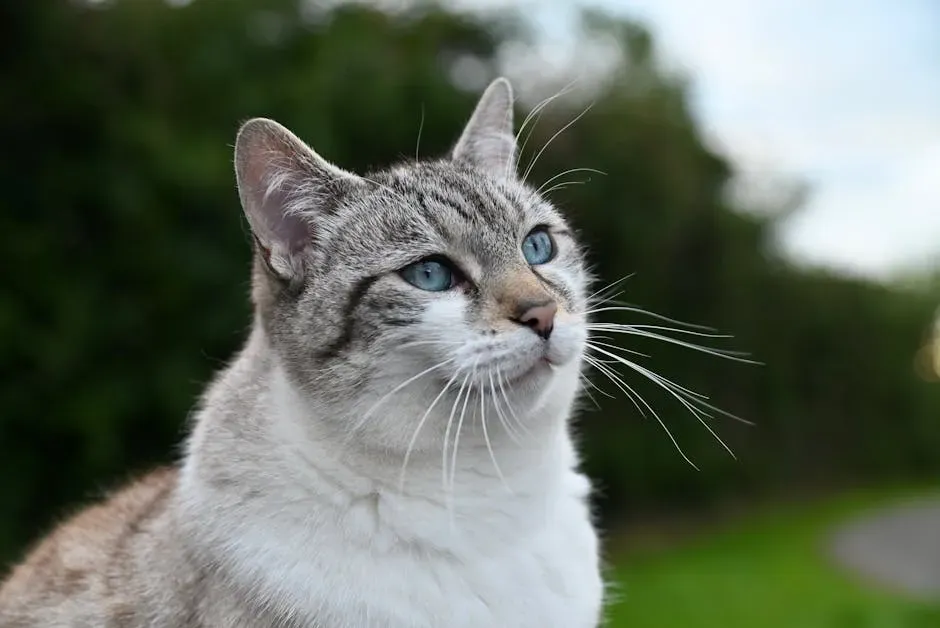
Here’s the thing – this is probably the most damaging myth of all. As cats get older, they can develop health conditions just like people can. However, that does not mean every older cat is going to get sick or deal with health issues. Many cats, just like many people, do not experience serious health conditions as they age. Think about your own grandparents – some are hiking at 75, others need more care. Cats are no different.
Growing older is not a disease. While it’s true that senior cats are more likely to get different conditions, some older cats are perfectly normal and don’t change at all. So if you’ve been treating your older cat like she’s made of glass, you might actually be doing her a disservice. A healthy senior cat, with the right care and regular vet visits, can be just as vibrant as she was at five.
Myth #2: Slowing Down Is Just Part of Getting Old – No Need to Worry
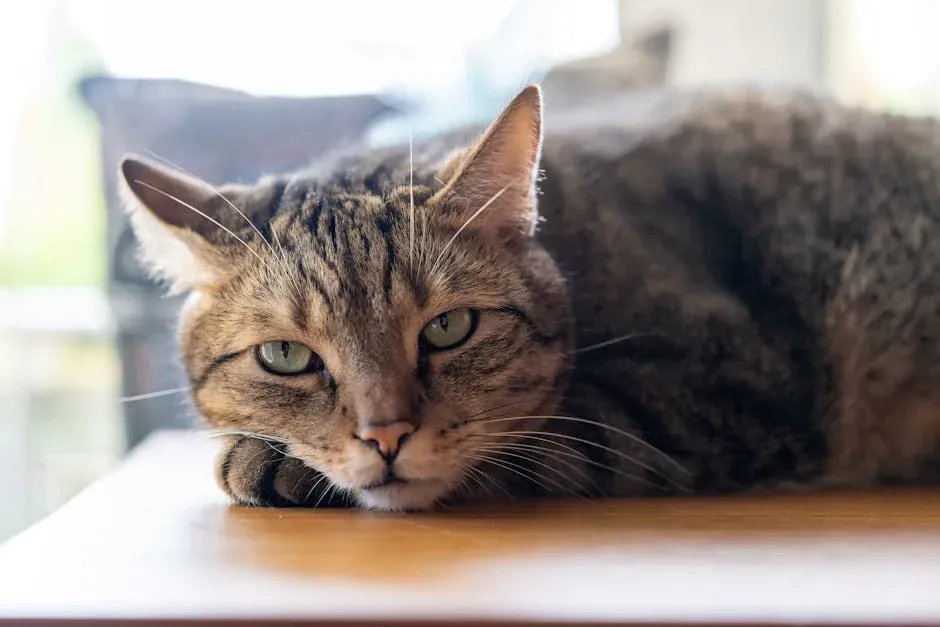
This one gets a lot of cats into real trouble. People see their cat lounging more, moving slower, and think “well, she’s just getting older.” One common misconception is that slowing down is inevitable and requires no intervention. While older pets may not have the boundless energy of their youth, significant lethargy or reluctance to move is not solely due to old age. It could be a sign of underlying conditions, such as arthritis, which can be effectively managed with medication, physical therapy, or joint supplements.
It’s a mistake to assume that slowing down is just age. It’s entirely possible that there’s a treatable medical condition behind not wanting to play or be petted. If you see a sudden slow down, it’s definitely time to see the veterinarian. The difference between “my cat is aging” and “my cat is in pain and needs help” can be invisible to the naked eye. Never just assume. Always check.
Myth #3: Senior Cats Become Grumpy and Difficult
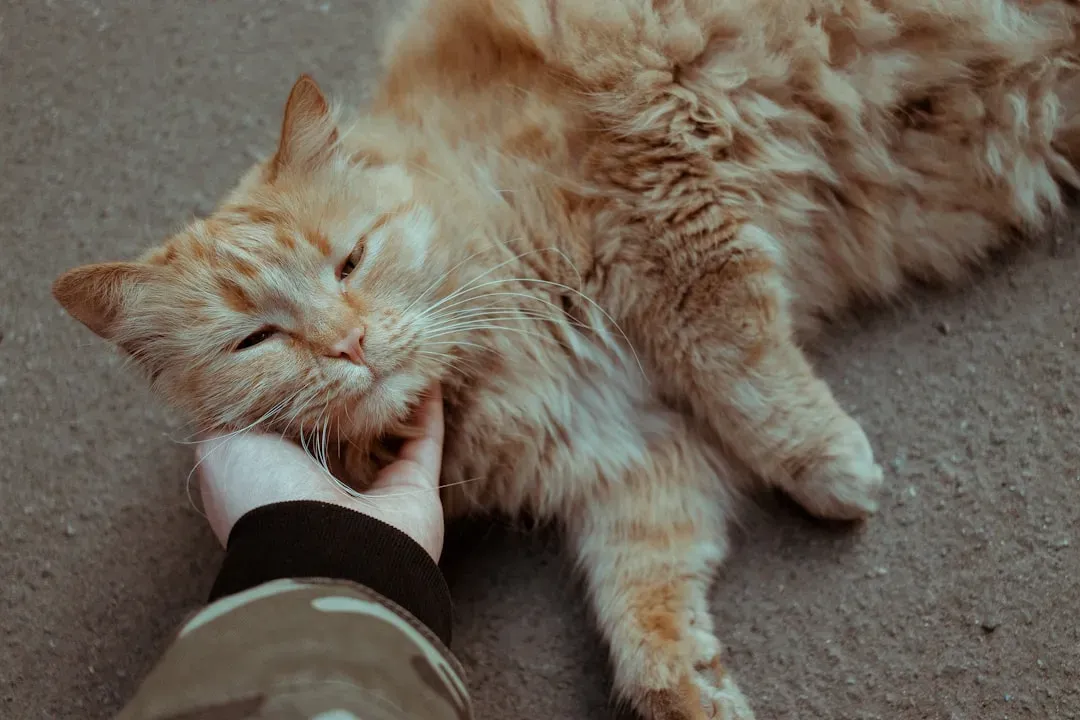
You’ve probably heard someone say “oh, old cats are so grouchy.” Honestly, I think this one gets repeated so often that people accept it as gospel. A common misconception is that older cats become grumpy as they age, which is simply not true. While some cats may experience mood changes as they age, many senior cats actually mellow out as they get older, seeking more affection from their human companions. That’s practically the opposite of what the myth claims.
Sudden mood changes could signal a real issue. If a cat is aggressive or behaving unusually, she’s probably uncomfortable or in pain, and you should take a trip to the vet to determine the source of the problem. Grumpiness isn’t a personality flaw – it’s often a cry for help. Once pain or discomfort is addressed, you might find your “grumpy” senior transforms back into the affectionate companion you’ve always known.
Myth #4: Older Cats Don’t Need as Much Protein in Their Diet
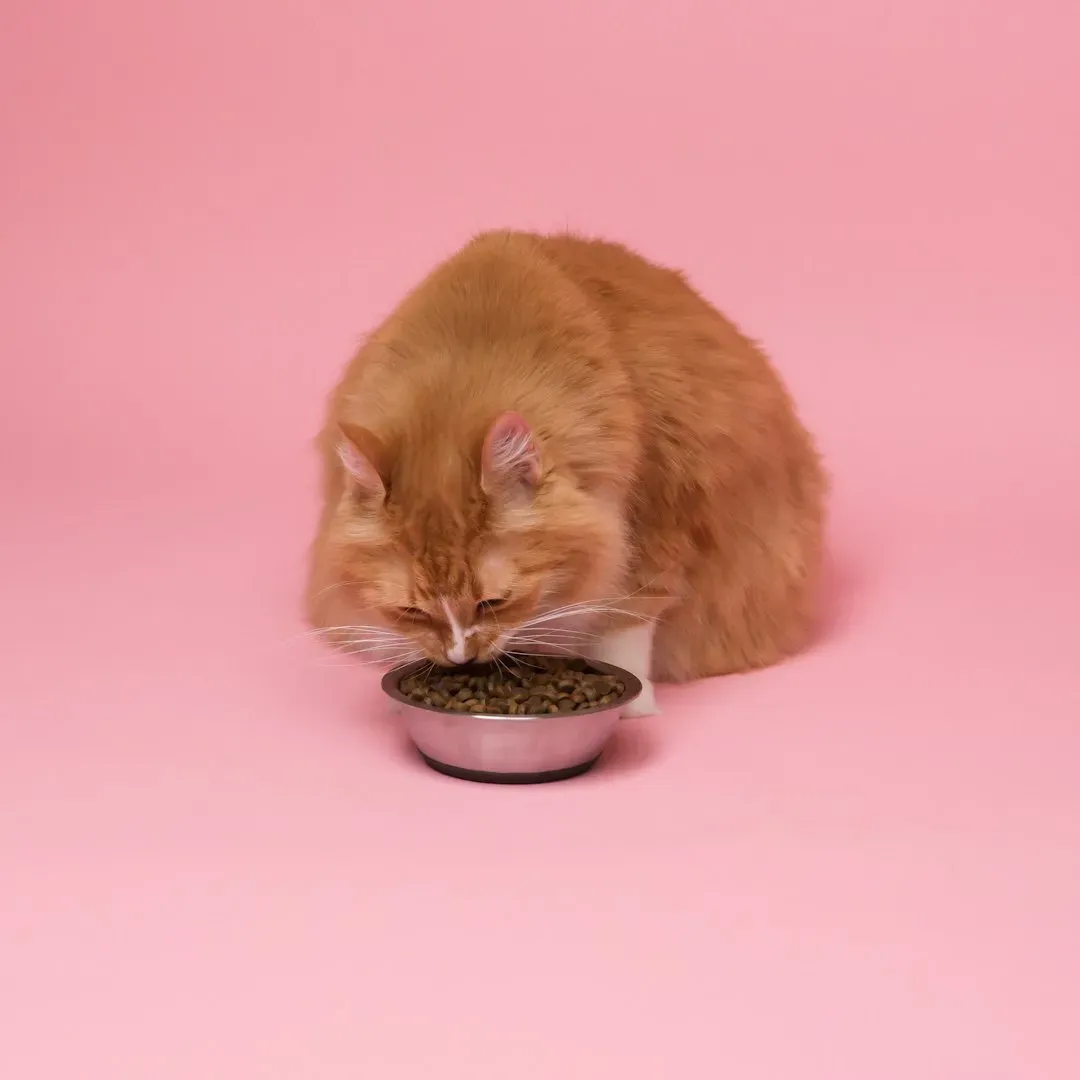
This is a nutritional myth that has genuinely caused harm over the years. For a long time, the thinking was that less active cats need less protein. It was once believed that aging cats should be fed less protein than younger cats. The thought process was that decreased activity meant a decreased need for energy-rich protein. But veterinary nutritionist Delmar Finco debunked this theory in the 1990s, proving that senior cats actually need more protein. More protein, not less. That’s a pretty significant reversal of what most people believe.
Senior cat parents must be careful to choose a diet that meets their kitty’s protein needs without causing weight gain or other aging problems. Kitties with kidney disease that has developed to stage 2 or higher should be fed a lower protein and phosphorus diet to help delay the onset of nausea and decreased appetite. So it’s not a one-size-fits-all answer. Always talk to your vet before changing your senior cat’s diet, especially because the exceptions to the rule matter enormously here.
Myth #5: Senior Cats Don’t Need Regular Vet Visits
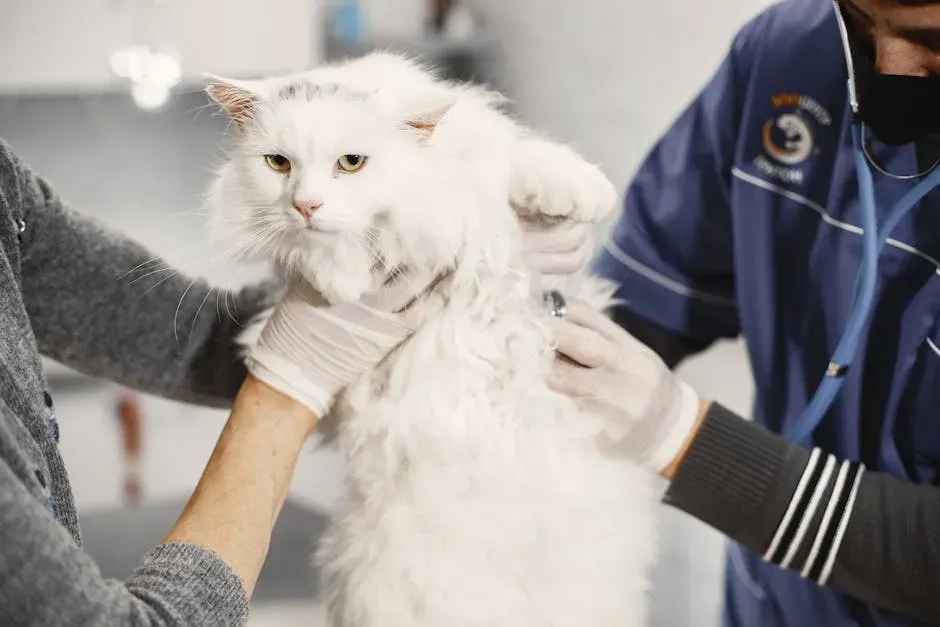
Some people assume that once a cat gets older, vet visits are mainly for emergencies. That logic couldn’t be more backwards. Another harmful myth is that older pets require less veterinary care. The opposite is often true. Senior pets are more prone to developing age-related diseases like kidney disease, heart problems, and cancer. Regular check-ups become even more crucial for early detection and management of these conditions.
Because most of the chronic diseases seen in senior cats are slow to progress, early recognition is usually only possible through diagnostic tests. The earlier a disease is diagnosed, the more likely its progression can be slowed or reversed. Senior cats should have regular health checks twice yearly. Think of it like your own annual medical check-up – you don’t wait until something feels wrong. You go in proactively, and the same principle applies completely to your senior cat.
Myth #6: Behavioral Changes in Older Cats Are Normal and Untreatable
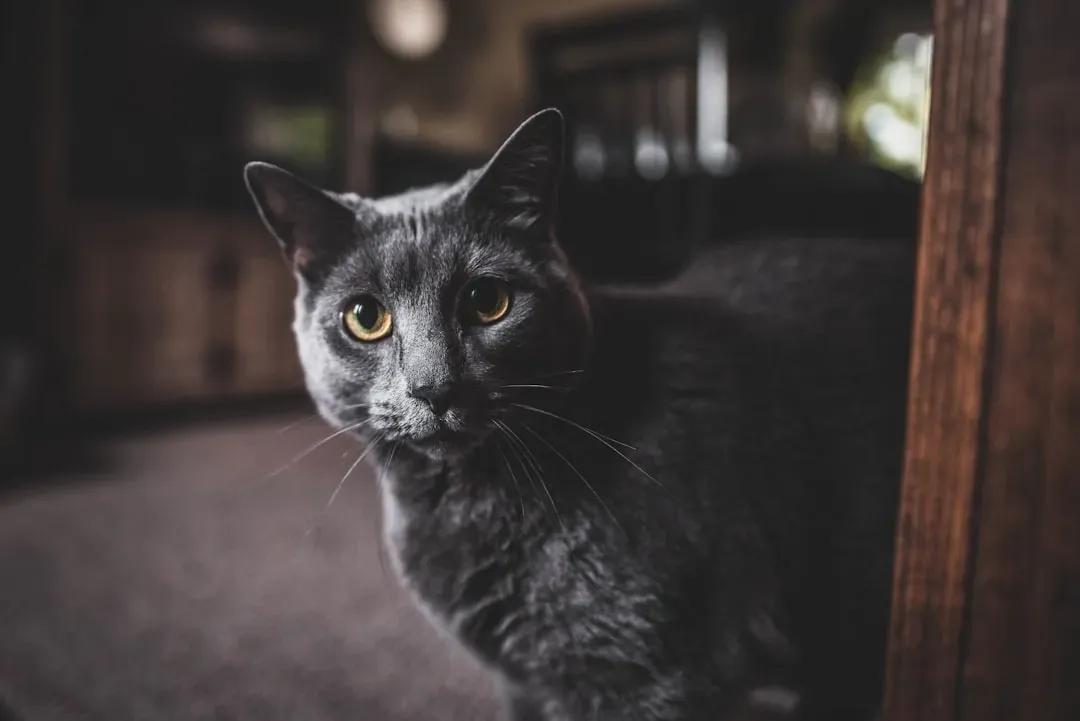
Many owners notice their senior cat acting differently – restless at night, more vocal, occasionally disoriented – and just chalk it up to “old age behavior.” That reaction, while understandable, could mean missing something treatable. The idea that behavioral changes are an inevitable part of aging and cannot be addressed is untrue. While some cognitive decline can occur, sudden or significant changes in behavior like increased anxiety, disorientation, or altered sleep patterns could indicate cognitive dysfunction syndrome, sometimes referred to as pet dementia.
Senility can affect cats, although it’s a bit more common in dogs. In veterinary medicine, senility is called cognitive dysfunction. Some of the signs include restlessness, pacing, staring, increased vocalization, inappropriate urination or defecation, and decreased interest in play. The important takeaway is that many of these symptoms can be managed with the right veterinary support. Labelling everything as “just old age” robs your cat of the chance at real relief.
Myth #7: Senior Cats Don’t Bond With New Owners
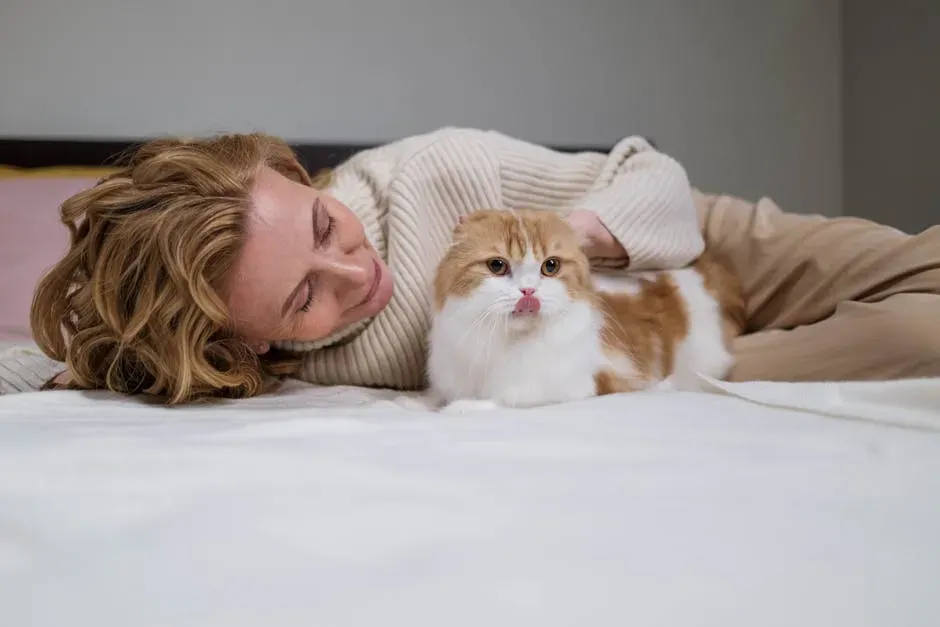
This myth is the one that breaks my heart the most. It keeps so many wonderful older cats stuck in shelters, waiting. The heartbreaking myth that older pets are less affectionate or don’t bond as strongly couldn’t be further from the truth. In many cases, the bond between an owner and a senior pet deepens over time. These companions have often shared years of love and experiences, and their capacity for affection remains strong. They may express it in quieter ways, perhaps through gentle nudges or contented purrs, but their love is just as profound.
Many senior cats are surrendered not because of behavioral issues, but due to changes in their previous owner’s life, illness, relocation, or housing restrictions. That’s worth sitting with for a moment. These are not cats who failed their owners – these are cats looking for a new chapter. In reality, many maintain vibrant personalities well into advanced age, responding positively to gentle interaction and stimulation. Give them the chance, and you’ll likely be amazed at how quickly they settle in.
Myth #8: You Can’t Teach an Old Cat New Tricks
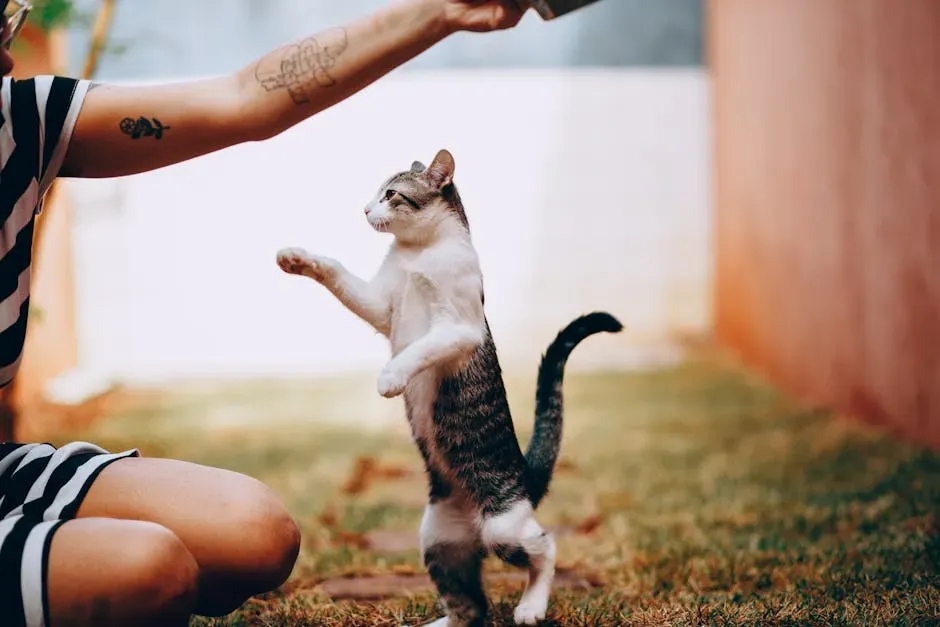
This phrase has been borrowed from dogs and applied to cats with zero evidence. Let’s be real – it was always more of a saying than a fact. The old adage that you can’t teach an old dog new tricks is not true at all. More mature pets may be even more willing to learn new tricks, as they have more patience and focus. Senior cats, having moved past the frenetic, distracted energy of kittenhood, can actually be far more receptive to learning.
Pets can be trained at any age, and older pets also come with valuable problem-solving skills gained by experience. You can absolutely teach a senior cat to respond to cues, use a new litter box location, or adapt to a modified home environment. Their ability to learn does not switch off at a certain age. It simply changes in style, and patience on your end goes a long way.
Myth #9: Dental Care Is Less Important for Older Cats
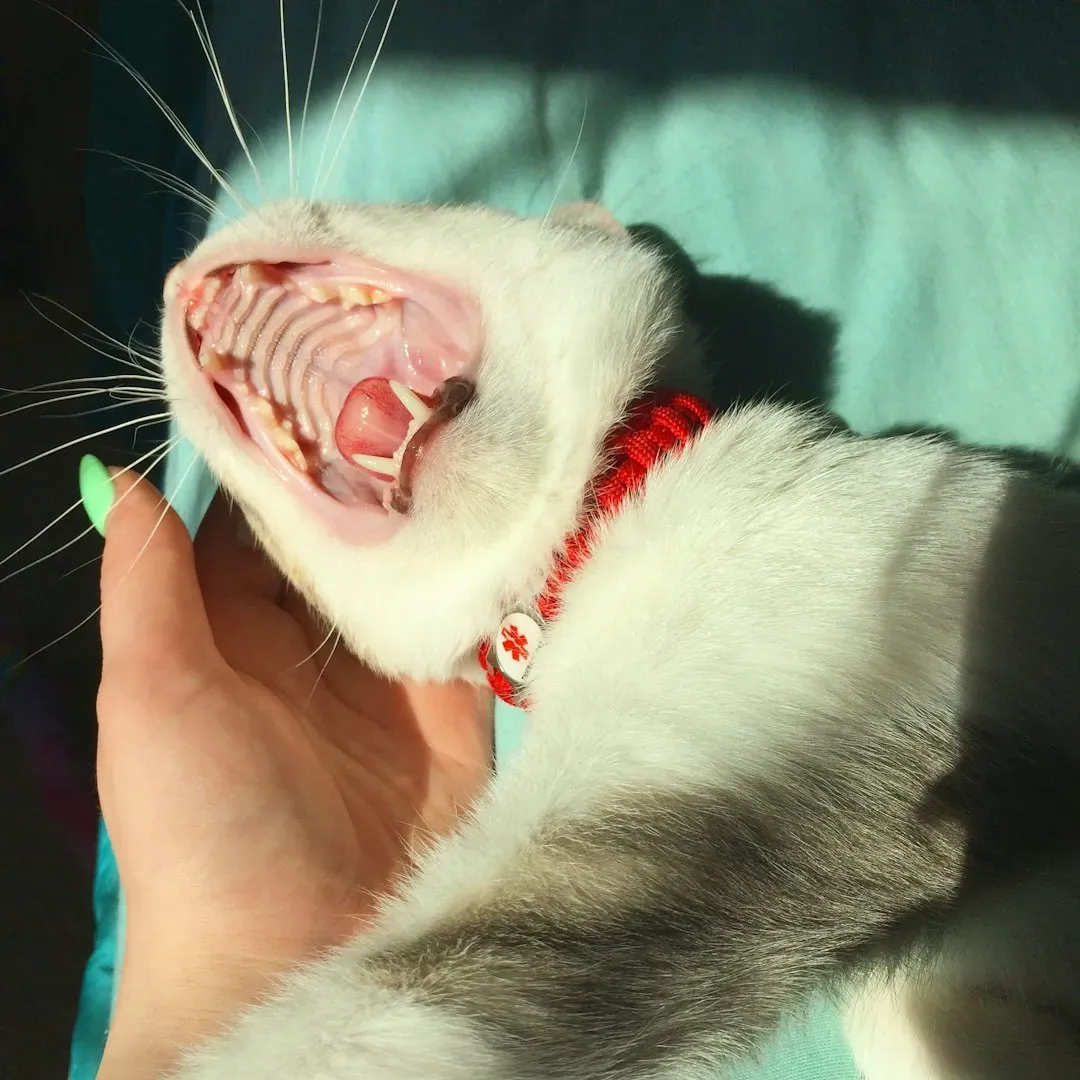
Some owners assume that by the time a cat is older, what’s done with its teeth is done. That mindset can lead to serious suffering that goes completely unnoticed. Dental disease is extremely common in older cats and can hinder eating and cause significant pain. Although many different diseases can cause a loss of appetite, a decreased sense of smell may be partially responsible in healthy senior cats, but the discomfort associated with dental disease is a more likely cause of reluctance to eat.
Dental disease is one of the most significant issues in elderly cats. Many senior cats develop tartar and gingivitis, which can cause tooth decay, pain, difficulty eating, and serious infections. Routine dental cleanings and exams are important for cats of all ages, but they are especially vital for older cats. Here’s a sobering thought: your cat cannot tell you her mouth hurts. She’ll just stop eating, lose weight, and decline quietly. Regular dental care is not optional for senior cats – it’s essential.
Myth #10: A Senior Cat’s Life Is Nearly Over, So Why Bother?
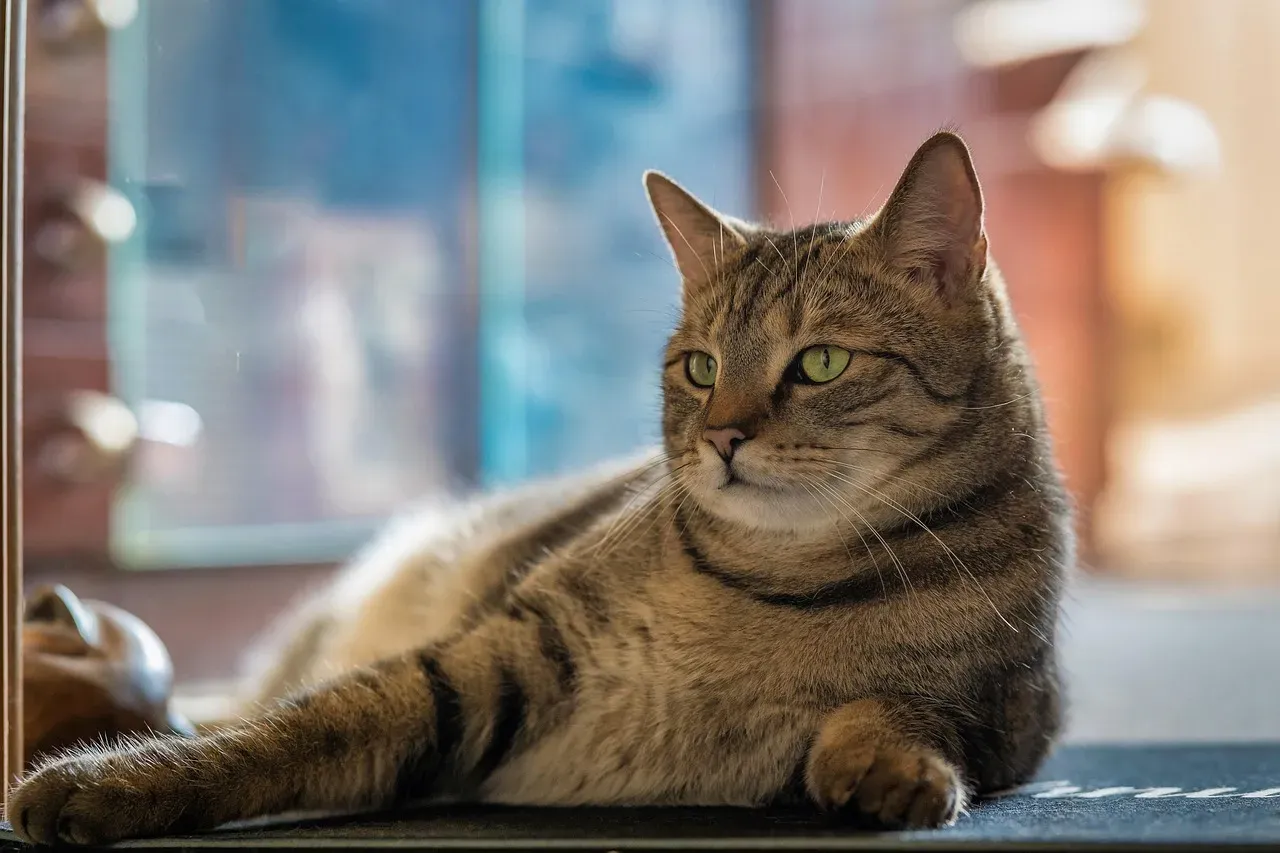
This is perhaps the most tragic myth of all, and it often stops people from adopting an older cat or investing deeply in the care of the one they already have. A cat is considered a senior between seven and ten years of age, and some people hesitate to adopt these older friends because of that designation – but cats can actually live for decades. Calling a ten-year-old cat “nearly at the end” is a bit like calling a 45-year-old human middle-aged and suggesting their best days are behind them.
Thanks to veterinary innovations in feline nutrition, cats are living three to five years longer than they did twenty to thirty years ago. Today, it’s not unusual for veterinarians to have feline patients in their twenties. Thanks to improved nutrition, living indoors, and advances in veterinary medicine, cats live longer and are now considered older at twelve to fourteen years. So if your cat just turned ten, there’s a very real possibility you’re only halfway through your journey together. That’s not a reason to give up – that’s a reason to double down on great care.
Conclusion: Your Senior Cat Deserves Better Than Outdated Myths
The myths surrounding senior cats don’t just live in shelters or casual conversations – they live in the decisions we make every single day about the animals in our care. When you believe your cat’s slowness is “just age,” when you skip vet visits because she seems fine, when you cut back on protein or stop engaging her mind, you’re letting myths do real damage.
Even though many conditions that affect older cats are not correctable, they can often be controlled. The key to making sure your senior cat has the healthiest and highest quality of life possible is to recognize and reduce health risks, detect disease as early as possible, and improve or maintain the health of the body’s systems. Your older cat is not a problem to manage. She’s a companion who has given you years of loyalty.
Senior cats are wise, affectionate, deeply bonded, and – with the right care – capable of thriving for years to come. The question isn’t whether they’re worth the effort. It’s whether you’re willing to see past the myths long enough to find that out for yourself. What do you think – has one of these myths changed how you see your senior cat? Share your thoughts in the comments!