Cats are mysterious creatures. They curl up in sunbeams, knock things off shelves, and look at you with those wide, unreadable eyes. Most people assume that if something were seriously wrong, their cat would make it obvious. Here’s the thing though – that assumption might be costing your cat more than you realize.
Cats may not display their emotions as clearly as dogs, but their behavior can provide subtle indications that they are stressed, if you know what to look for. The signs are often so quiet, so woven into everyday behavior, that they fly right under the radar. Let’s dive in – because once you know what to look for, you might never see your cat quite the same way again.
1. Your Cat Has Started Disappearing More Often
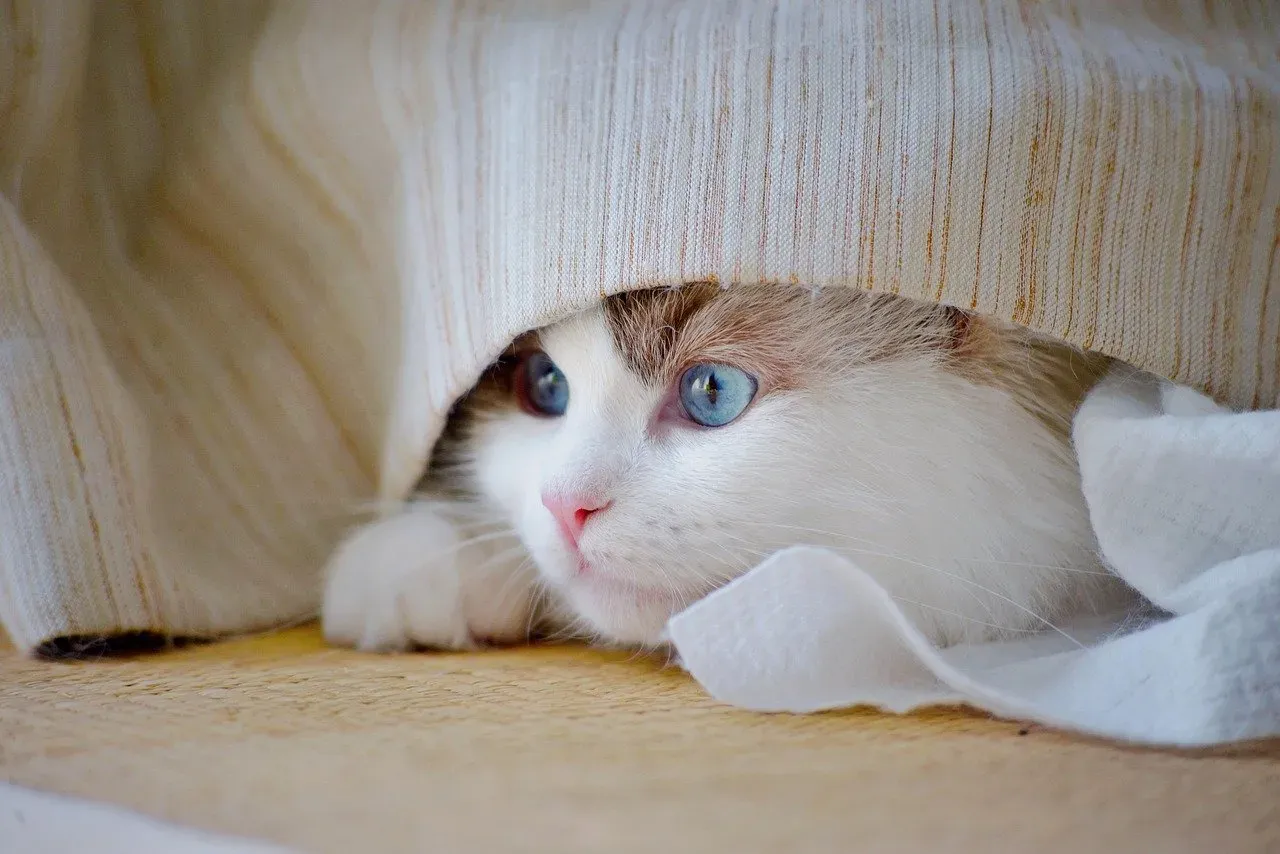
A stressed cat may seek solitude in a dark, quiet place, away from other pets and people. If your cat disappears more frequently than usual, they may be feeling stressed. This isn’t just your cat being dramatic or “doing cat things.” It’s a real signal that something in their world feels threatening or unmanageable.
One of the most obvious stress signals in cats is retreating to a quiet, enclosed space. Whether it’s under the bed, in a closet, or behind furniture, hiding helps cats feel safe when they’re overwhelmed. Think of it like a person who locks themselves in the bathroom when family gatherings get too intense. Your cat isn’t being antisocial – they’re surviving. Pay close attention to how often and how long they disappear.
2. You Notice a Sudden Change in Appetite
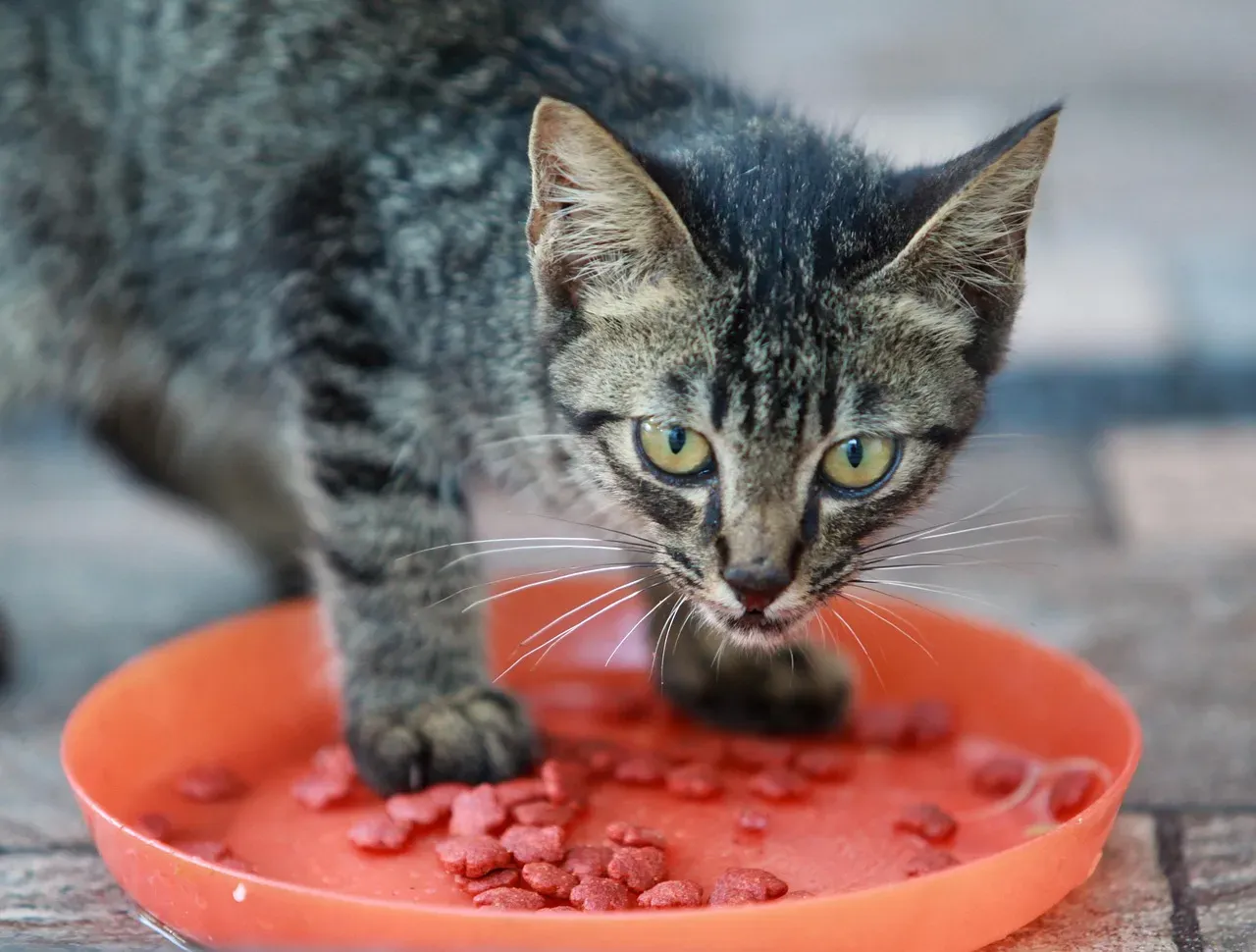
Anxious cats may lose interest in food or eat more than usual, depending on the reason for their stress. A sudden appetite change is always concerning in a cat, whether it is linked to a physical or mental health issue. Honestly, this is one of the sneakiest signs because it’s so easy to chalk it up to pickiness or boredom with the same food.
Along with a lower activity level, your cat may not want to eat when stressed. This is because cortisol, a stress hormone, is released into the body, which suppresses her appetite and may even cause nausea. Cortisol does the same thing in humans – think about the last time you were too anxious to eat. Your cat’s body is wired very similarly. So if their bowl is suspiciously full, it might be worth asking why.
3. Your Cat Is Sleeping Far More Than Usual
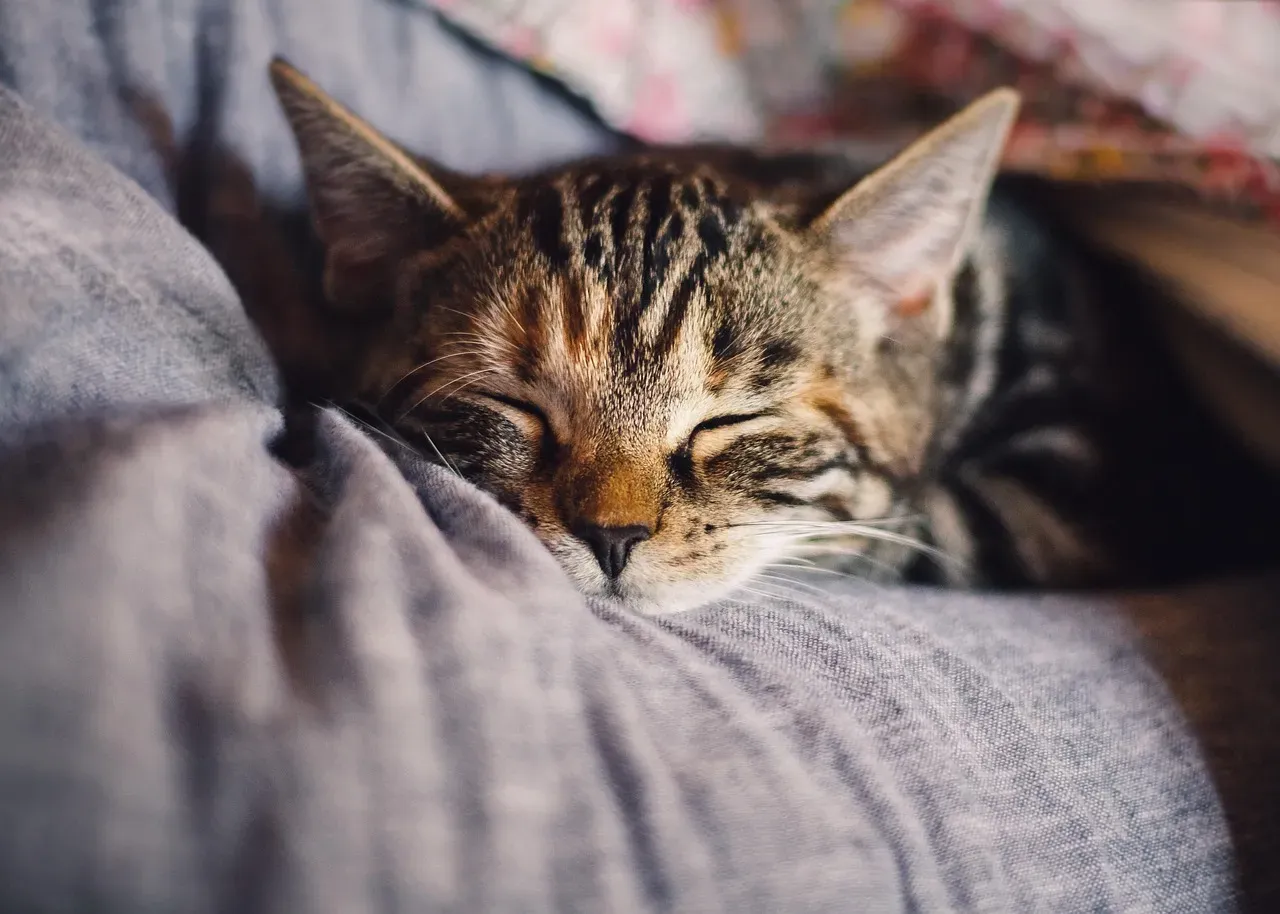
Although it’s natural for cats to sleep 16 to 20 hours a day, a further reduction in your cat’s activity level may indicate she’s feeling stressed. Similar to hiding, increased sleeping and lower activity levels are a way for your cat to cope with stress by removing herself from an overwhelming situation. It’s a fine line between “normal lazy cat” and “cat who has emotionally checked out,” and that line is worth watching.
Similar to hiding, increased sleeping and lower activity levels are a way for your cat to cope with stress by removing herself from an overwhelming situation. Because stress also places a high demand on your cat’s body, she may sleep more to help her body recover from this physical strain. Stress is genuinely exhausting – physically, not just emotionally. If your cat used to greet you at the door and now barely lifts their head, something has shifted.
4. Excessive Grooming or Patches of Missing Fur
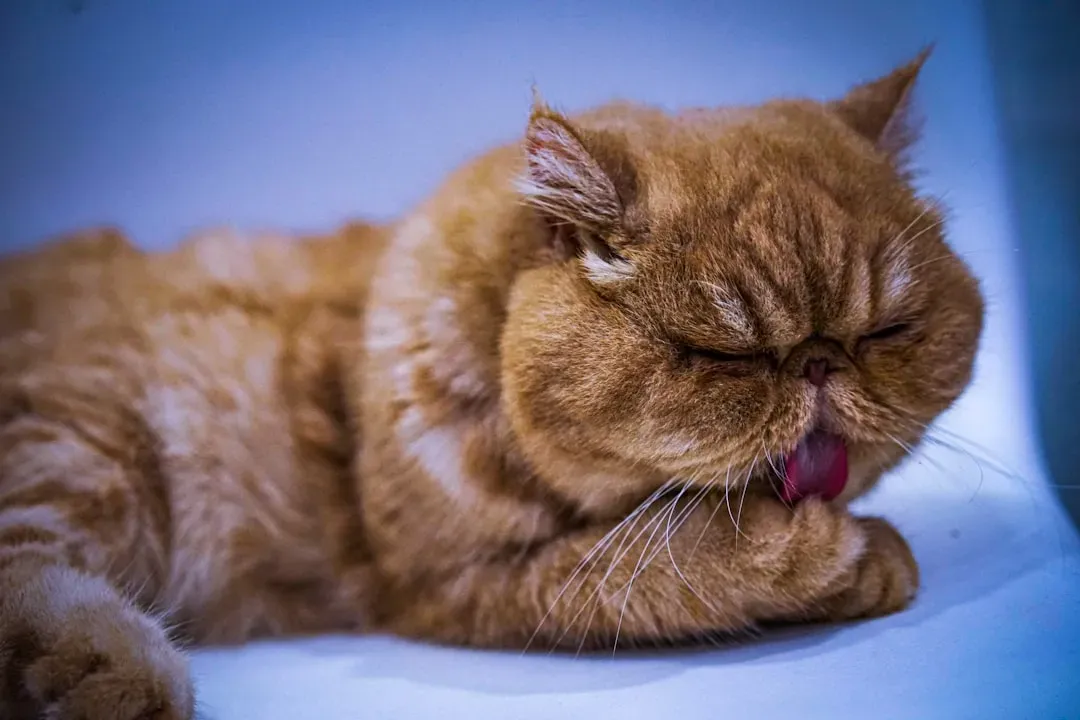
Stress can trigger excessive and compulsive grooming in cats, sometimes causing bald spots or skin irritation on the belly or legs. Frequent grooming or hair-pulling without an underlying medical issue often indicates anxiety or stress. This one surprises a lot of cat owners. You expect grooming to be healthy – and in moderation, it is. When it tips into obsession, though, it becomes something else entirely.
Cats are meticulous groomers, but excessive grooming, especially to the point of bald patches, is a stress response. This behavior, known as psychogenic alopecia, can occur when cats are anxious or feel out of control. Imagine stress-eating, but for cats, it’s stress-grooming. Grooming behaviors release endorphins into a cat’s body, which can increase feelings of contentment and happiness. Stressful situations may drive cats to perform these grooming behaviors to feel better. It makes a strange kind of sense when you think about it that way.
5. They’ve Gone Quiet – or Suddenly Much Louder
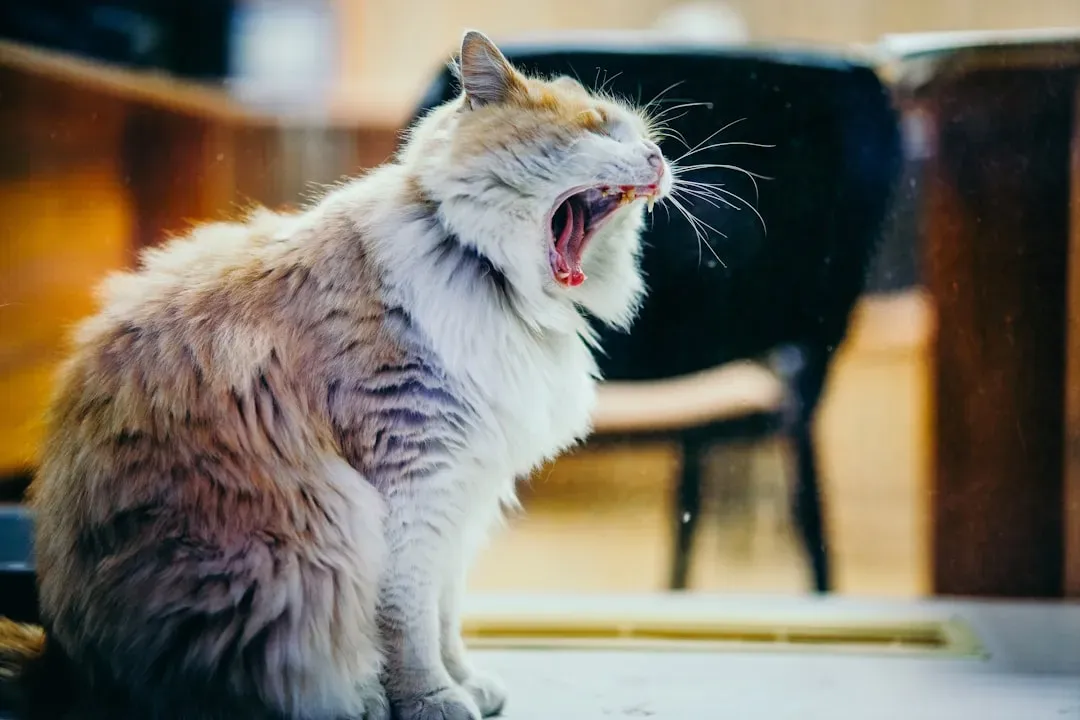
Stress may lead to more frequent meowing, yowling or crying. On the other hand, silence in a normally chatty cat can also be a sign that something’s off. This is the sign most people miss, because they only think of stress as making a cat noisier. In reality, the shift can go either direction, and both are worth noting.
If your cat becomes more vocal than usual, it could be a sign of stress. Increased meowing, yowling, or crying, especially if it’s out of character for your cat, often indicates that something is bothering them. Pay attention to when and where this behavior occurs to identify potential stressors. Think of it like a friend who normally texts you constantly suddenly going radio silent. You’d worry, right? Give your cat that same level of attention.
6. Litter Box Behavior Has Changed
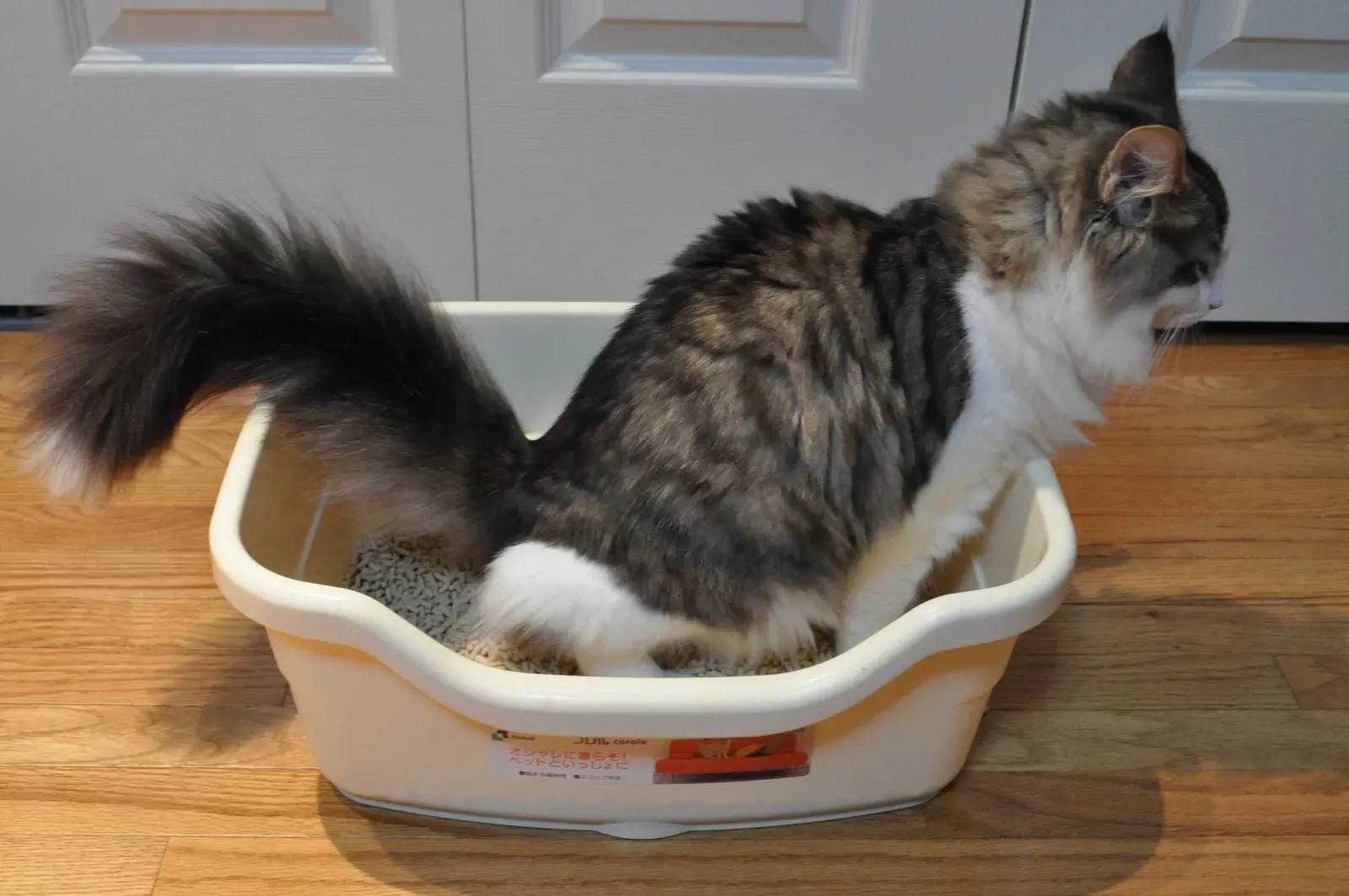
One of the most common signs of stress in cats is urinating outside the litter box. Before you chalk it up to bad manners or spite, consider what your cat might be trying to tell you. Stress can cause cats to develop litter box problems. They might start urinating or defecating outside the litter box, even if they were previously well-trained. This behavior can be a result of anxiety or a way for the cat to communicate their distress.
One of the most common signs of stress in cats is urinating outside the litter box. Cats usually do this because the smell of their own urine is comforting for them, and litter absorbs the smell. Cats may also spray onto vertical surfaces to mark their territory. This marking behavior can also be comforting to cats when they are stressed. It’s not revenge. It’s self-soothing through scent. Understanding that completely changes how you should respond to it.
7. Their Body Language Is Tight and Closed Off
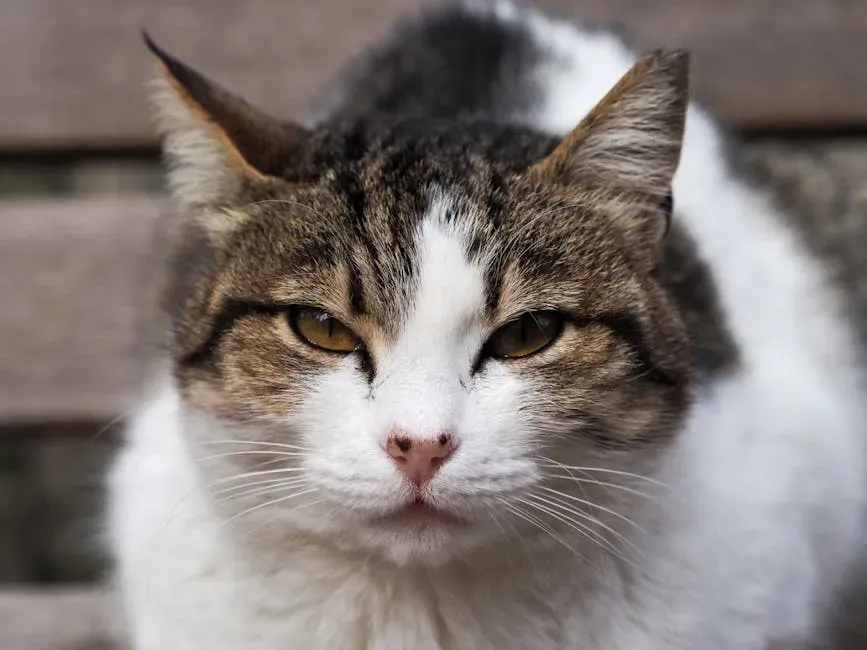
When a cat is feeling stressed, they may have a stiff and tense body held low to the ground. The cat may also engage in displacement behaviors – meaning normal behaviors such as licking their lips, scratching, grooming, and yawning – that are performed out of context, to cope with underlying stress. These displacement behaviors are subtle gold. They look so mundane that you’d never guess they’re actually your cat’s version of quietly panicking.
Hypervigilant scanning of the room, increased blinking and squinting are signs of stress in cats. Eyes might appear ‘black’, ‘dark’ or ‘fixed’ and ‘hard’ as pupils are dilated and the animal stares. When fearful, ears may be tucked tight towards the head or neck or the cat may adopt ‘airplane ears’ that look like wings held out to the side when upset and reacting defensively. Once you learn to read “airplane ears,” you’ll see them everywhere. It’s a small thing that speaks volumes.
8. Sudden Aggression Toward You or Other Pets
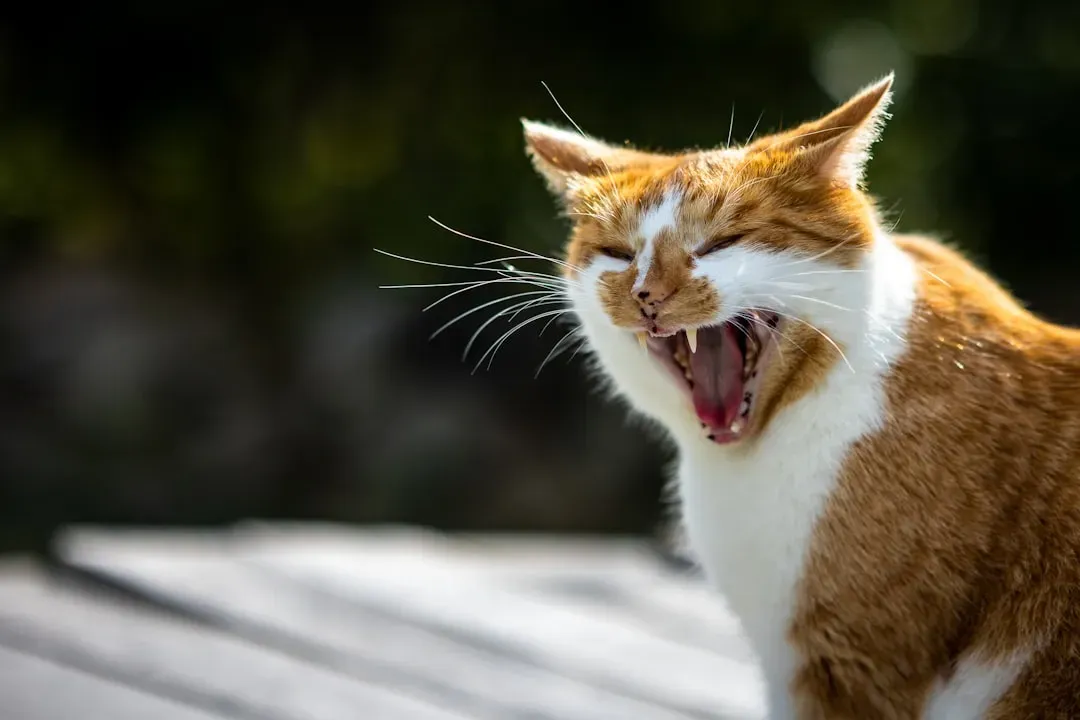
Swatting, hissing, biting and growling are normal behaviors cats use to distance themselves from something or someone they find threatening. When they happen out of the blue or are directed toward those they typically enjoy spending time with, it can indicate they are feeling overwhelmed. It’s tempting to feel hurt or offended when your cat suddenly swipes at you. I think the more useful response, honestly, is curiosity about what’s driving it.
One of the most noticeable signs of stress in cats is a change in their behavior, particularly increased aggression or irritability. If your normally gentle cat suddenly becomes aggressive, hisses, or swats at you or other pets, it might be a response to stress. This behavior often stems from fear or anxiety about a perceived threat. Think of an overwhelmed person who snaps at someone they love. It’s rarely personal. It’s overload finding a way out.
9. Digestive Upset and Physical Symptoms
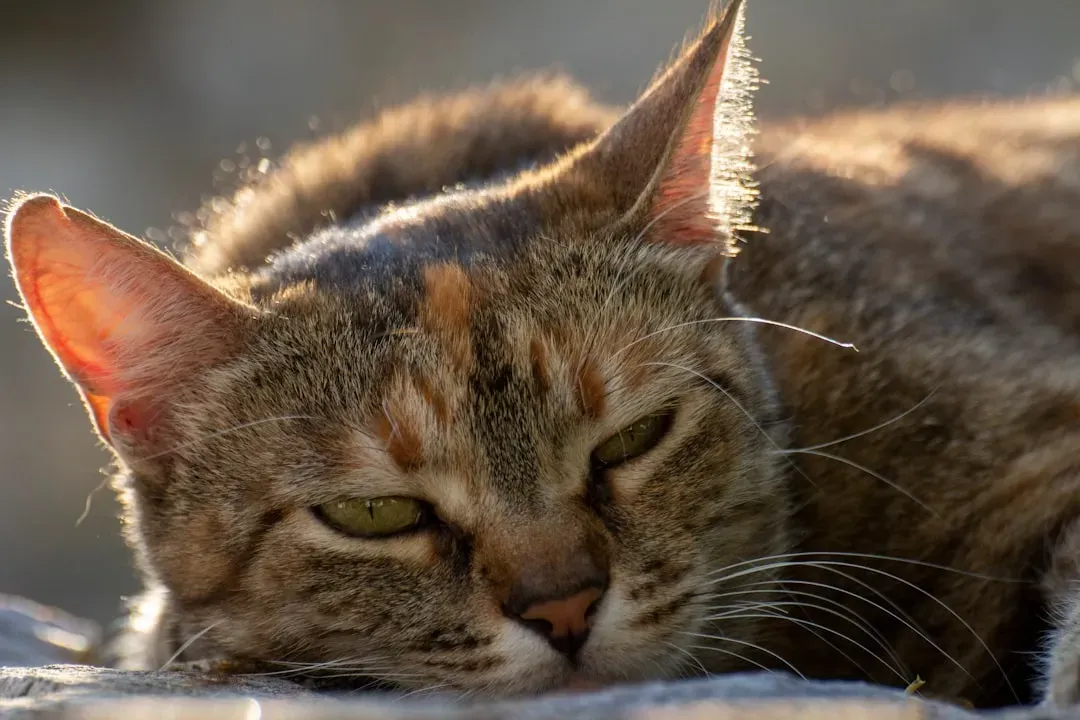
Stress can lead to inflammation in a cat’s digestive system. This means your cat is more likely to vomit and have diarrhea when experiencing stress. Most people assume vomiting in cats is a hairball situation and move on. Sometimes that’s true. Other times, it’s your cat’s gut reacting to a nervous system that’s been running in overdrive for too long.
An anxious cat may have physical reactions such as increased heart and respiratory rates, panting, trembling, and salivation. These are real, measurable physiological responses – not imagined or exaggerated. If your cat’s stress behaviors persist despite your best efforts, it may be time to consult your veterinarian. Chronic stress can lead to health issues like urinary tract infections or gastrointestinal problems, and a vet can rule out medical causes and suggest additional treatments. The body keeps the score, for cats just as much as for humans.
10. They’re Reacting Strongly to Changes in Their Environment
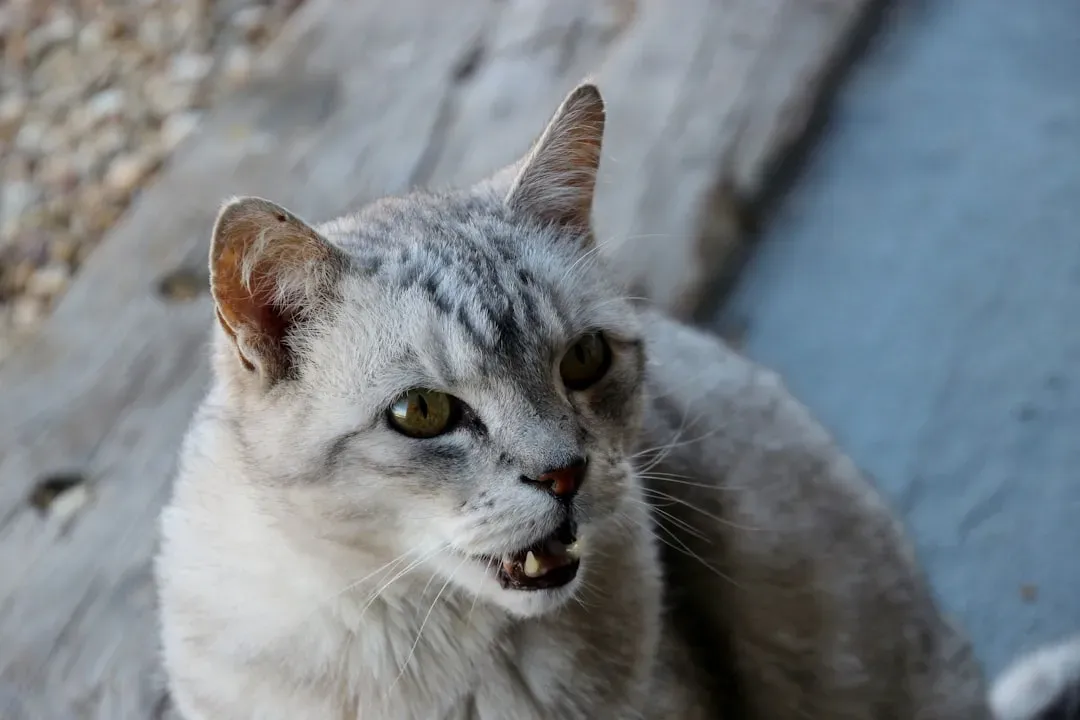
Cats are creatures of habit, which means that small changes to their environment can be enough to upset their routine. Common stress triggers could include environmental changes, such as moving to a new home, rearranging furniture, loud renovations and new people or pets in the household. Individual cats vary in their sensitivity to change, with some adapting quickly and others becoming overwhelmed easily. It’s almost funny how much a rearranged couch can spiral into a full cat emotional crisis – until you realize it’s not funny at all.
The biggest source of stress for cats is often something new in their environment or routine. A move to a new house, a new baby or pet, weird new noises, or even unfamiliar guests in the house may trigger your cat. Some cats may be thrown by a change in your workday routine. Others may show stress if you suddenly move their food dishes, water, or litter to a new place, even inside the same house. If you’ve recently made changes – even small ones – and your cat’s behavior has shifted, now you know why. You hold more power over their sense of safety than you might think.
What You Can Do Right Now to Help
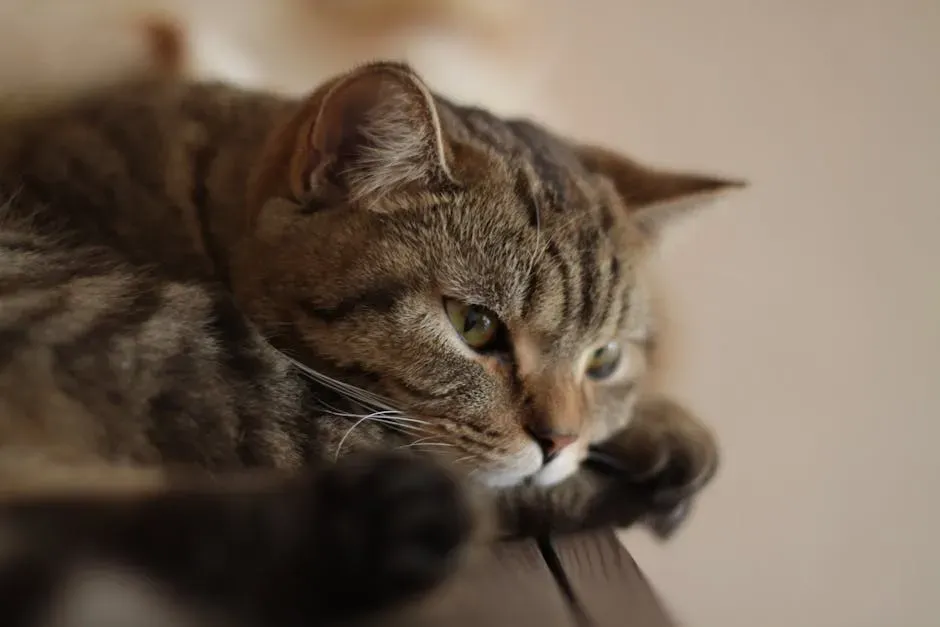
Recognizing the signs is only half the battle. The good news is that you can genuinely make a difference in your cat’s world without overhauling your entire life. Set up an ideal space for your cat with all the resources she needs to feel comfortable and express normal behaviors. This includes elevated perches for her to view the outdoors, horizontal cat scratch pads and vertical scratch posts, well-placed cat bowls to encourage her to eat and drink regularly, and clean litter boxes in easily accessible locations.
Cats thrive on routine. Feeding, playtime, and grooming should happen at regular times each day. A predictable schedule helps them feel secure and reduces stress. Routine is like an invisible safety net for cats. It tells them that the world is still in order, even when something feels off. If your cat’s abnormal behavior is damaging your bond or harming their health, it’s time to consult your veterinarian. After ruling out medical issues, your veterinarian may be able to provide recommendations for behavioral modification techniques, pheromone products or anti-anxiety medications that can help. Never underestimate what professional guidance can do when things feel stuck.
Your Cat Is Counting on You to Notice
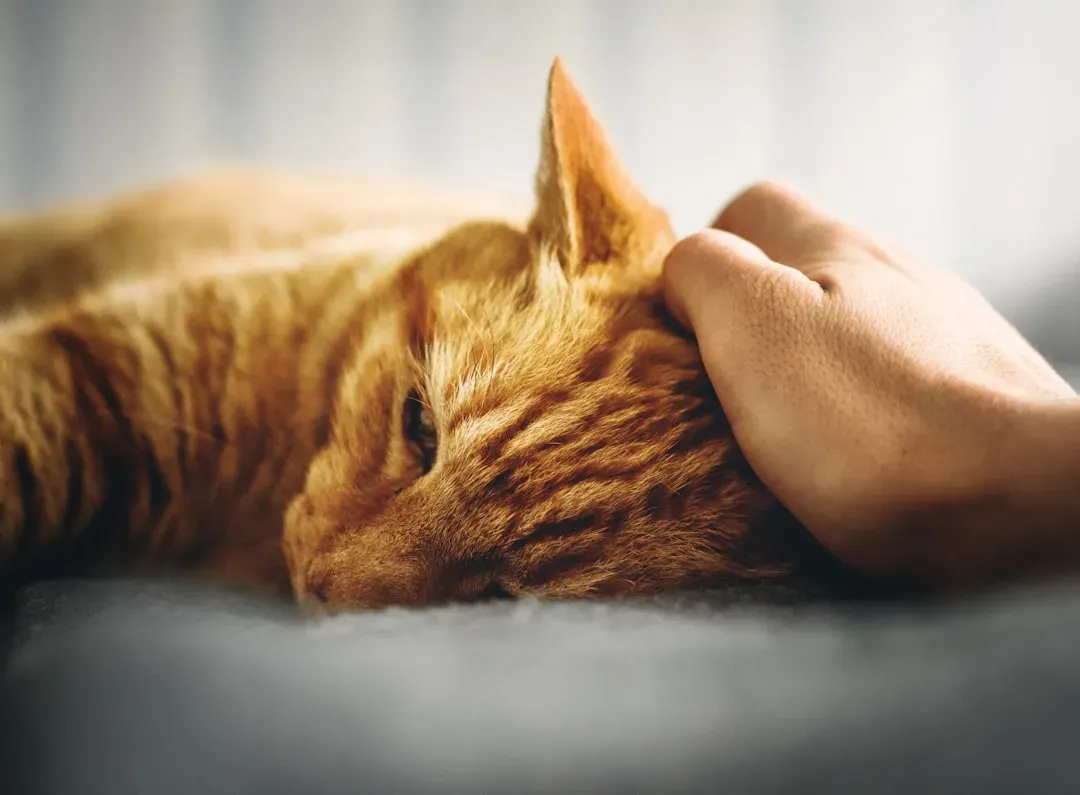
The domestic cat can be great at hiding signs of stress or signs that they’re in pain – it’s in their nature. In the wild, this would help them avoid becoming an easy target for predators. That ancient survival instinct works against them in a domestic setting, where hiding distress only delays the help they need. You are their only advocate.
Cats are hard-wired to hide signs of stress and illness, but missing your cat’s subtle signs can have a lasting impact on their health and well-being. Knowing how to identify signs of stress in cats and how to address cat stress can help ensure your feline friend feels safe, secure and happy in your home. Your cat can’t say “I’m overwhelmed today.” They can only show you – quietly, subtly, in all the ways this article has just walked you through. Now that you know the language, you’ll never miss it again. Have you noticed any of these signs in your own cat? Share your experience in the comments – you might help another cat owner connect the dots too.