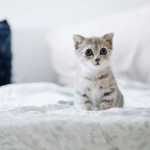
You’ve probably noticed your cat doing that thing where they vanish right when your friends arrive, or how they seem perfectly content sitting alone in the corner while you’re practically begging for their attention. Maybe you’ve chalked it up to typical cat behavior. The thing is, what if your cat isn’t just being standoffish or aloof? What if they’re actually an introvert, quietly recharging in their own private world?
Cats have long been misunderstood. We often label them as antisocial or independent without really considering what’s happening beneath the surface. Recent research into feline psychology has revealed fascinating parallels between cat behavior and human introversion. So let’s dive in and explore the signs that your furry companion might be living their best introverted life right under your nose.
They Choose Quality Over Quantity in Friendships
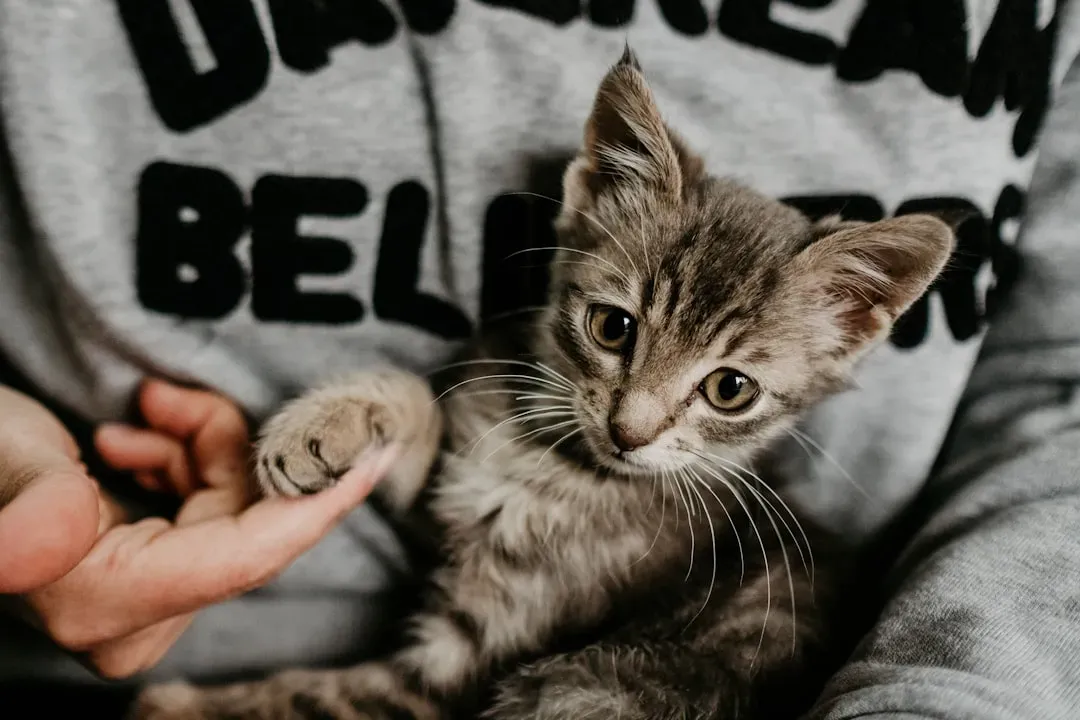
Cats take a long time to form bonds with others, making them appear aloof to strangers, but once someone passes their personal test, that rare person automatically levels up to VIP status in their world. Think about it. Your cat probably has one or two people they genuinely adore, and everyone else is just background noise.
This selective bonding isn’t rudeness or coldness. Cats usually take more time to get to know and trust people, and others have to pass a few tests before they are invited into their inner circle. When your cat finally accepts someone, they’re completely loyal. It’s not about having a house full of admirers. It’s about finding those few souls who truly get them.
They Need Serious Alone Time to Recharge
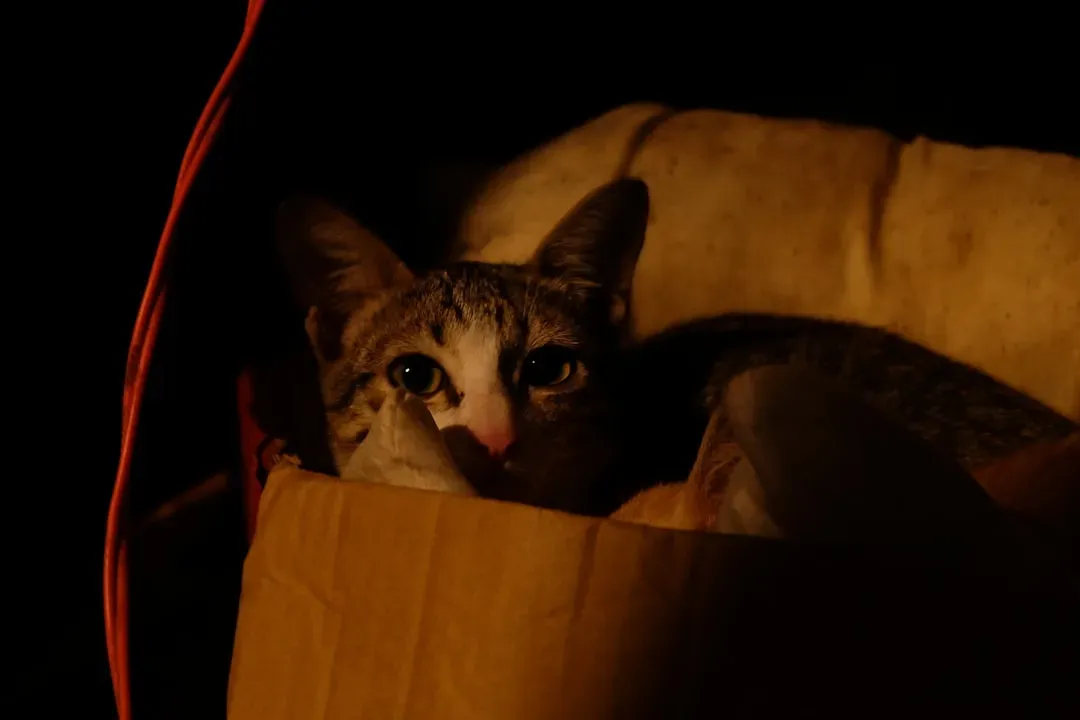
Cats need time alone to recharge, even though extroverted humans often think they’re aloof and uncaring. Watch your cat retreat to their favorite hiding spot after a particularly busy day in your household. They’re not avoiding you because they dislike you. They’re refueling their internal battery.
Introverts need lots of alone time to replenish their energy and function at their best, and solitude is the very thing that allows them to find meaning in their relationships. Your cat operates on the same principle. After giving you affection or tolerating that noisy dinner party, they need to retreat and reconnect with themselves. It’s self-care, feline style.
They Observe Before Participating
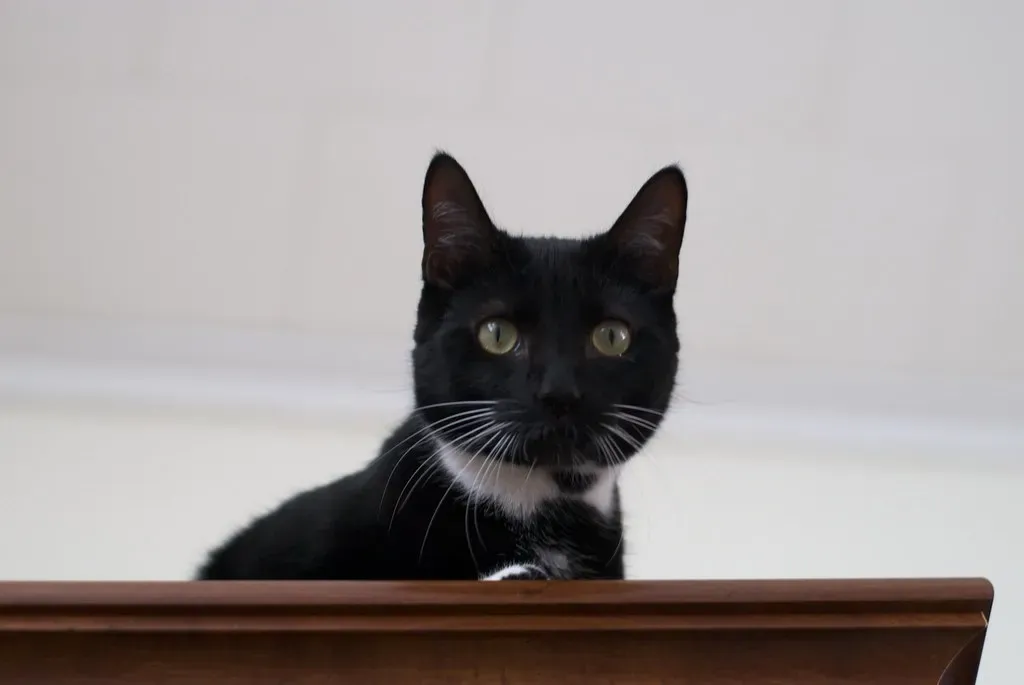
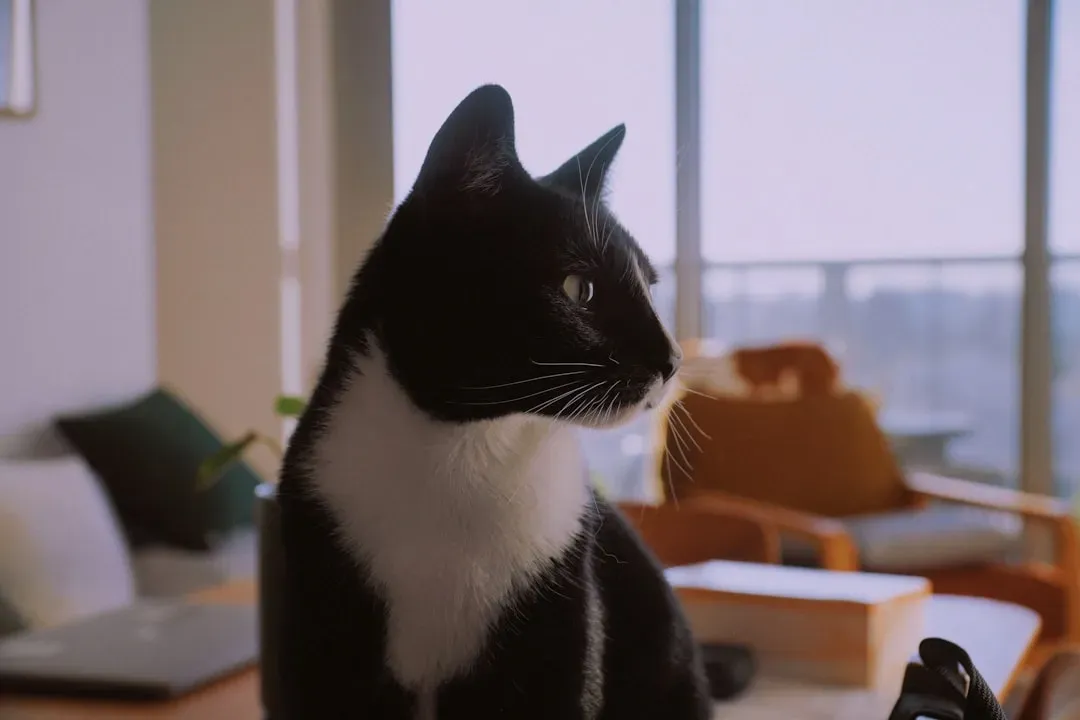
Cats find comfort in observation, quietude, and self-possession, processing their surroundings through contemplation rather than participation. Have you ever caught your cat perched on a high shelf, just watching everything unfold below? They’re not plotting world domination. They’re taking it all in, quietly assessing the situation before deciding whether to engage.
This contemplative approach to life is classic introvert behavior. While an extroverted dog might barrel into a room full of strangers, your cat prefers to hang back and analyze. Some cats choose an elevated position to hide, which has the added benefit that they can still observe what is going on without being seen. They’re gathering information, reading the room, and only joining when they feel comfortable.
They Find Large Gatherings Overwhelming

It’s not unusual for your cat to hide when you have a house guest, and a few hours after the coast is clear, your cat will emerge as if nothing happened. Sound familiar? Your cat disappears the moment the doorbell rings and doesn’t resurface until everyone’s gone home.
Most cats and introverts find being with noisy people for too long exhausting. That holiday party you hosted where your cat spent the entire evening under the bed wasn’t them being antisocial. They were protecting their energy from the chaos. If you have a busy home where kids or other animals are constantly seeking out the cat for interaction, cats will find places to hide to have some alone time. They know their limits and respect them.
They’re Highly Sensitive to Environmental Changes
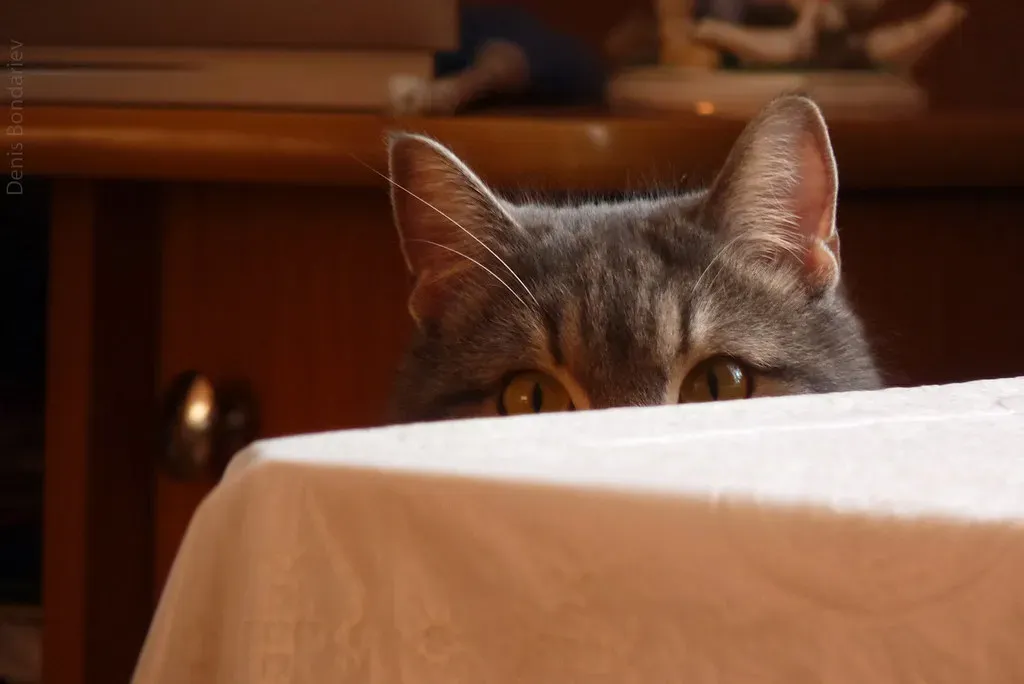
Cats are sensitive to changes in their environment, so a new home, new pet, new baby or changes to their routine could cause your cat to feel stressed. Even something as simple as rearranging furniture can throw them off for days. This heightened sensitivity is characteristic of introverted personalities who prefer predictable, stable environments.
Any change in their environment, no matter how small, can cause anxiety for your cat and cause them to seek out a safe, comfortable place. While you might barely notice that new couch, your cat has registered every detail and needs time to adjust. A predictable and consistent routine is important, as an inconsistent routine can be a source of chronic stress for cats. They thrive on stability, not spontaneity.
They Express Affection Subtly and Selectively
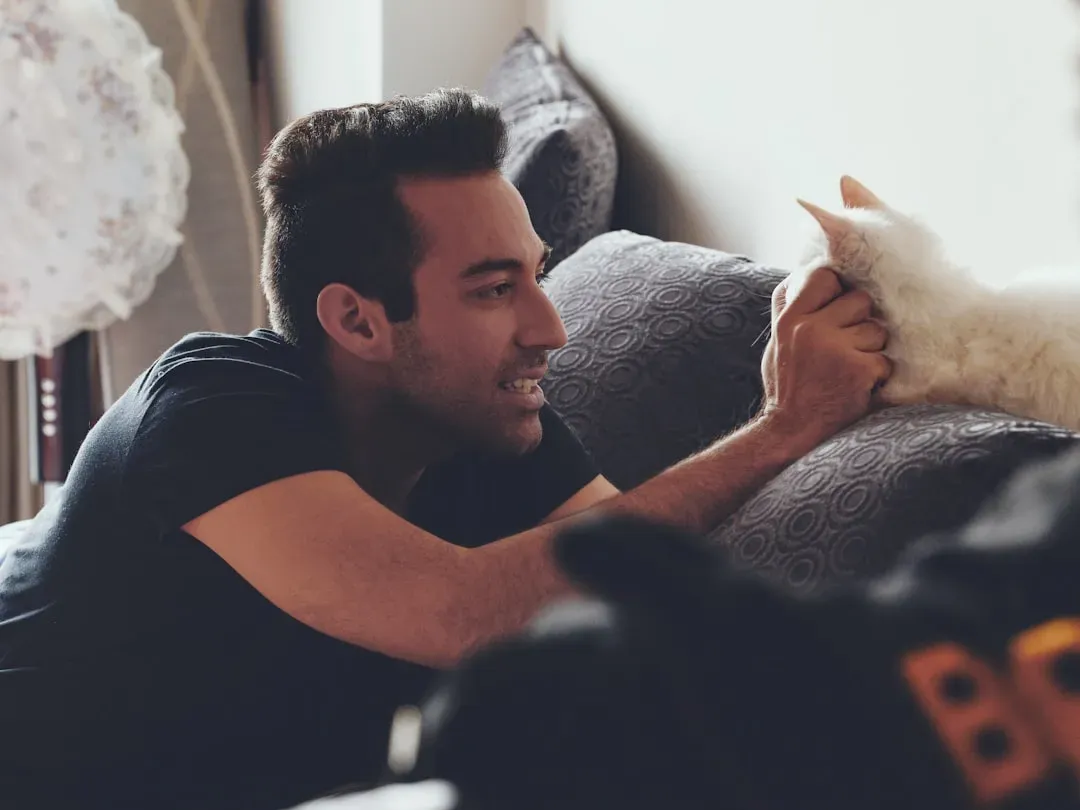
Some cats are sweet and like affection, but they’re quiet and won’t demand it, appearing so reserved that they seem aloof. Your cat’s love language isn’t loud or obvious. They won’t tackle you at the door or follow you everywhere. Instead, they show affection through quiet moments, a slow blink, or choosing to sit near you.
This understated approach to showing love doesn’t make it any less genuine. Some cats just want you to respect their space, aren’t mean, may even love to be near you, just not picked up or petted much. They’re saying “I love you” in their own introverted way. It’s intimate and meaningful, even if it’s not dramatic.
They Have Rich Inner Worlds
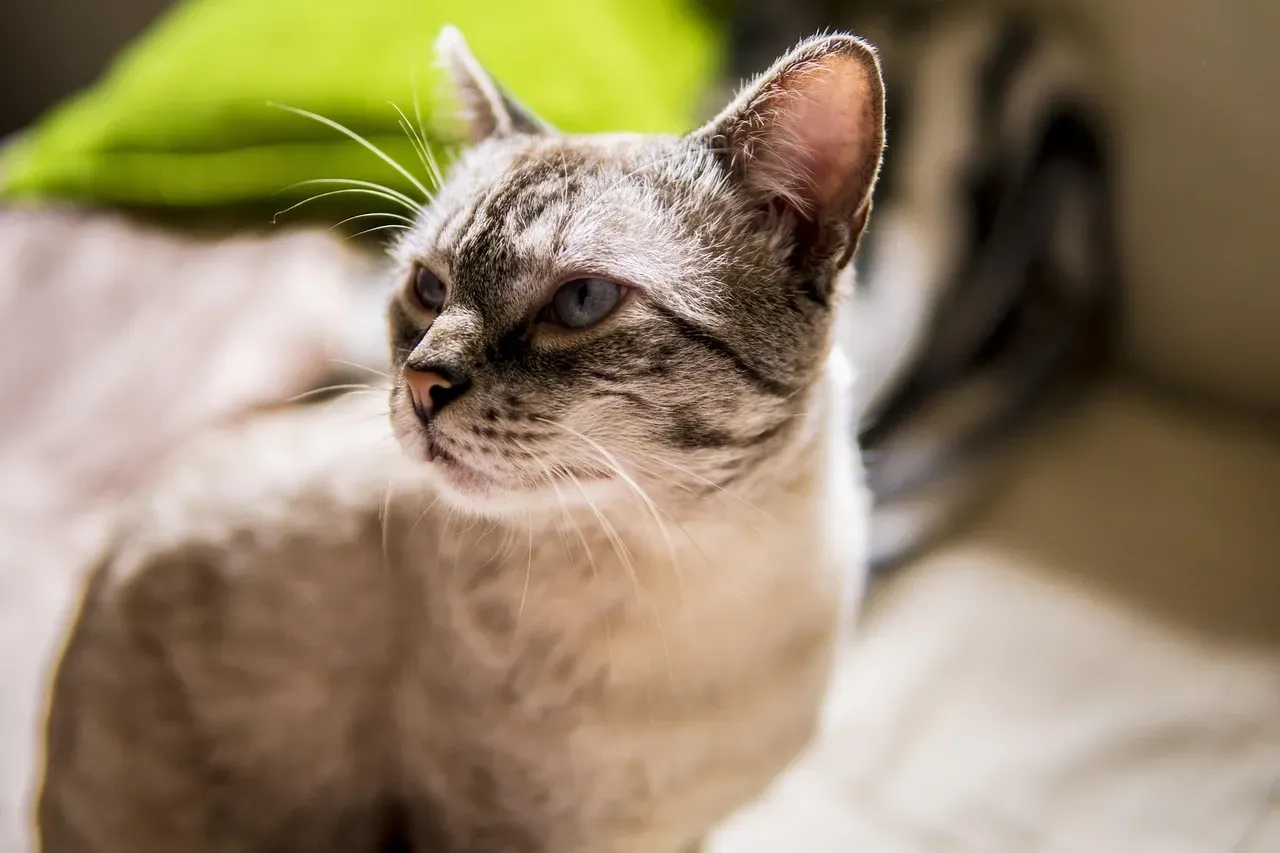
Cats and introverted people both think deeply and need time to ponder and reflect, having rich inner worlds and imagination. Ever wonder what your cat’s thinking about during those long stretches when they just stare into space? They’re probably processing their experiences, daydreaming, or working through complex feline thoughts we can’t begin to understand.
From a Jungian lens, the introverted type focuses on the subjective experience and how the world feels to them, and cats may appear aloof but their apparent indifference is actually psychic independence. Your cat’s contemplative nature reveals a depth that’s easy to miss if you’re expecting constant external engagement. They’re living full, complex lives inside their own minds.
They’re Naturally Solitary Hunters
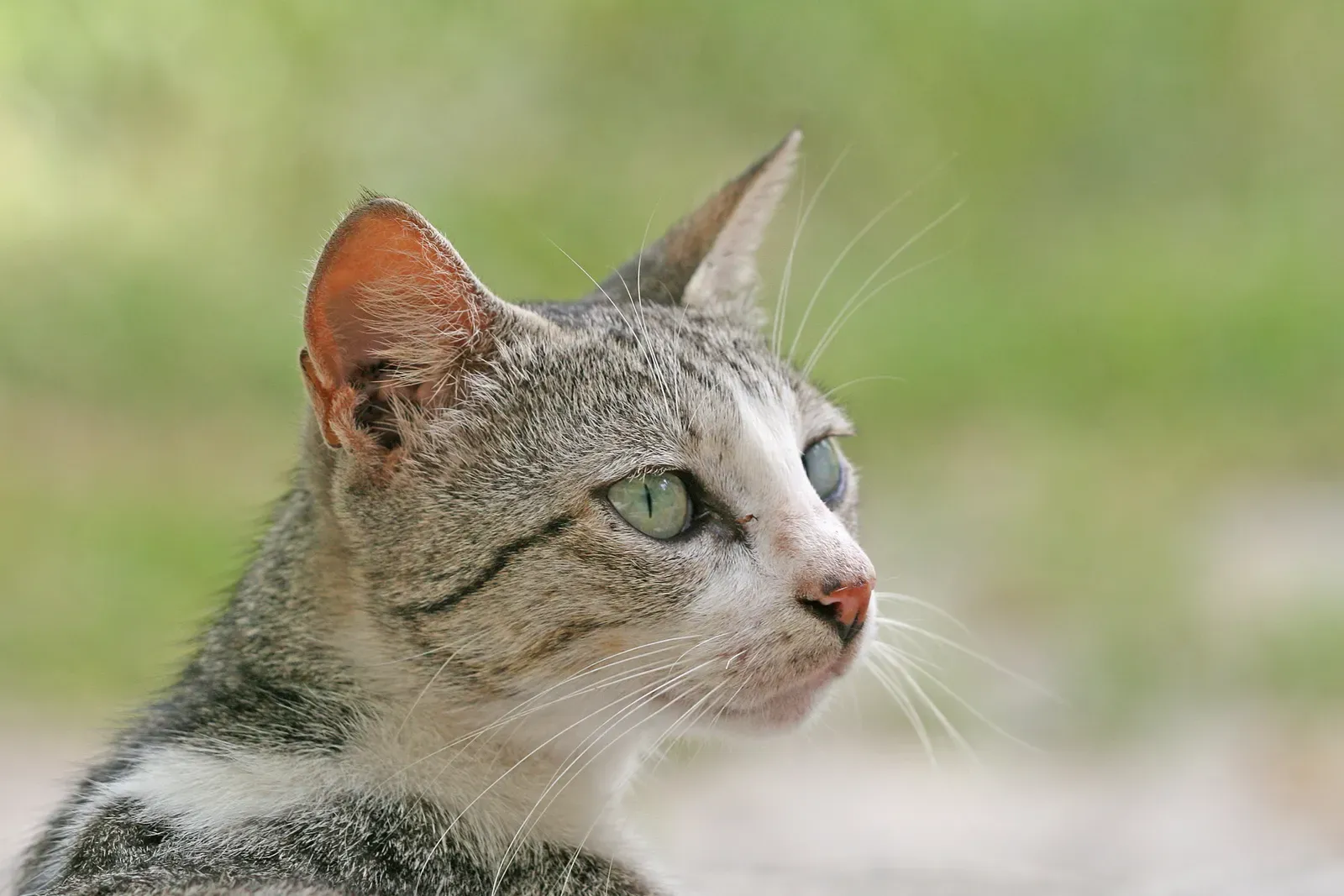
Most cats are solitary hunters, though they are social animals. This contradictory nature explains a lot about your cat’s personality. They can enjoy your company while still preferring to do certain things alone. Cats are not pack animals and are lone wanderers who can’t be bothered to follow the group, doing what they want regardless of what others think.
This independent streak isn’t arrogance or coldness. It’s an evolutionary trait that makes them self-sufficient. Cats, though they can be social, still need their own space away from each other. Even when they love you deeply, they still need to operate on their own terms. Honestly, there’s something admirable about that level of self-possession.
They Create Safe Spaces for Themselves
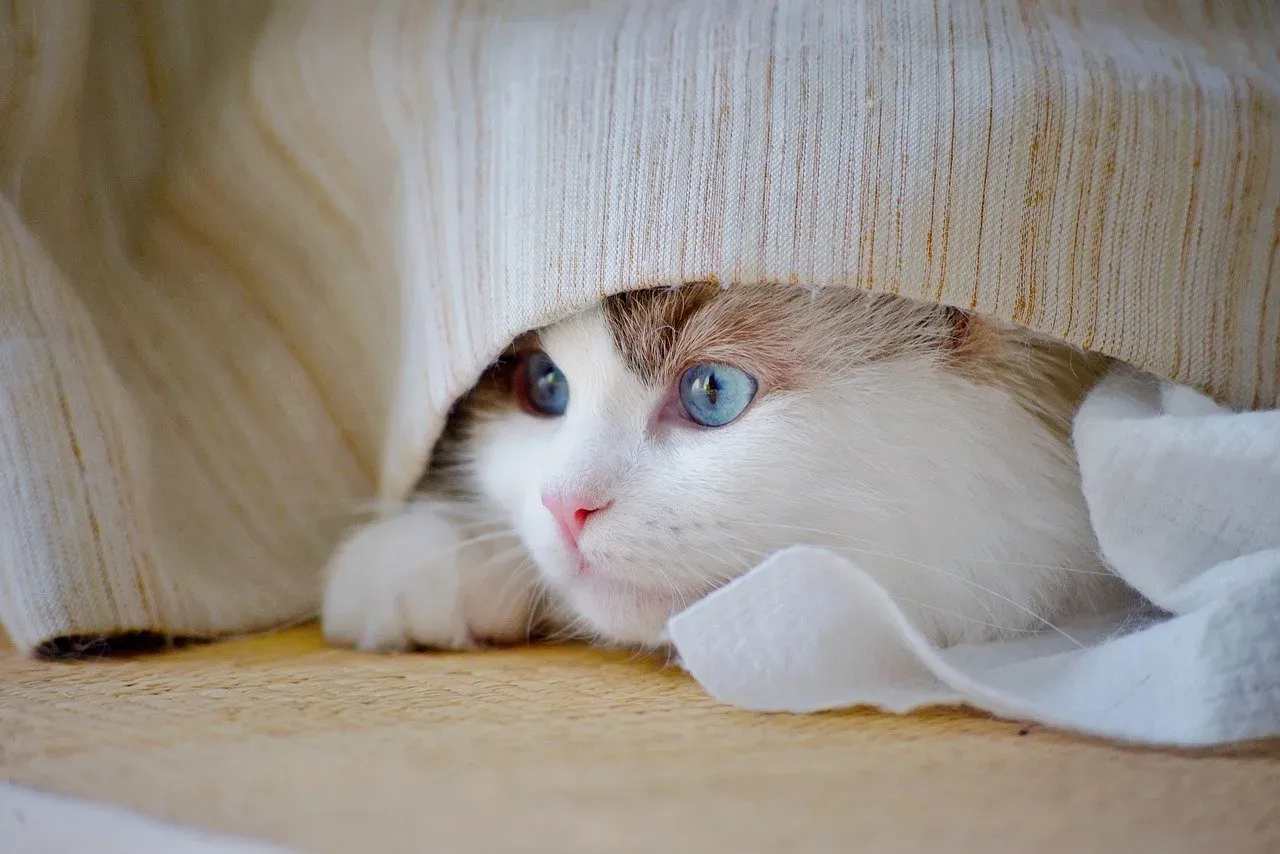
Hiding places provide warmth, quiet, safety, and even a good vantage point to keep watch, and cats enjoy being in enclosed spaces because they like to feel safe and secure. Your cat’s collection of hiding spots throughout your home isn’t random. They’ve carefully curated retreats where they can escape when the world becomes too much.
Hiding places are one of your cat’s basic needs, and providing options such as open cupboard doors, areas under beds, cardboard boxes and gaps behind sofas gives your cat choices. These sanctuaries serve the same purpose as an introvert’s bedroom or favorite reading nook. They’re essential for maintaining emotional equilibrium. Hiding is a natural instinct for cats, and hiding makes them feel like they’ve got their back covered.
They’re Selective About Social Interactions
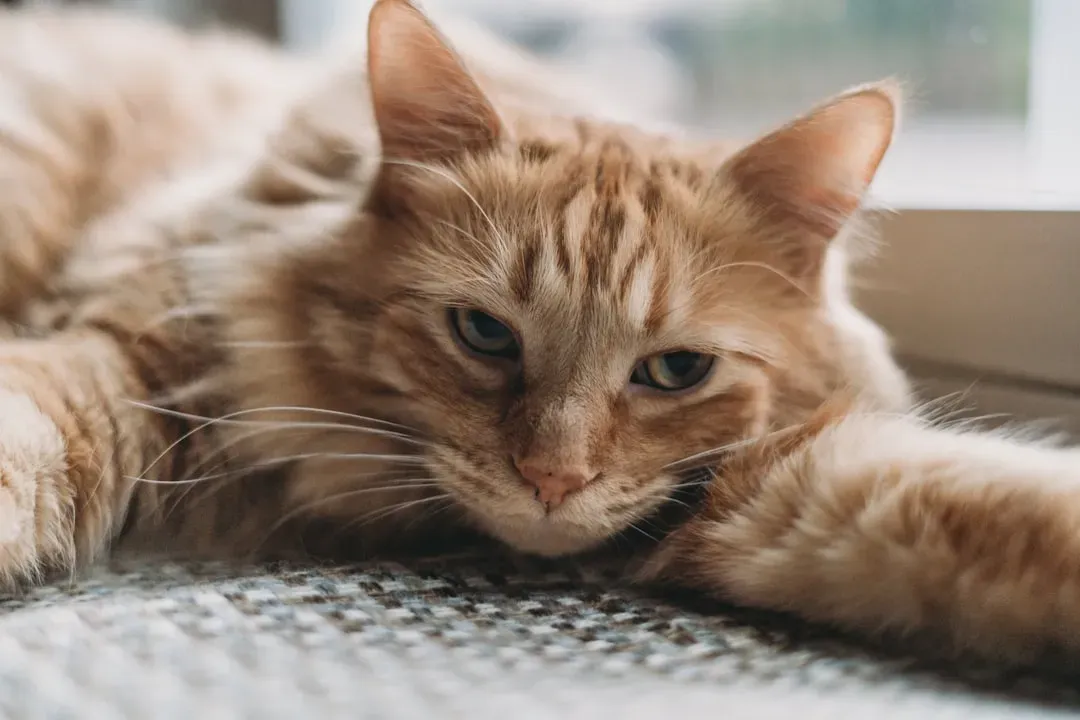
If a cat isn’t in the mood for company, it will simply find a quiet, secluded spot to inhabit without ever apologizing for preferring time alone. Your cat doesn’t feel guilty about setting boundaries. When they’ve had enough interaction, they leave. No explanations, no apologies, just a clear assertion of their needs.
Cats hate to be forced to do anything, like socialize, but if you leave them alone, they’ll eventually come out to play. This boundary-setting is healthy and should be respected. Cats like to be in charge of their interactions. They’re teaching us an important lesson about self-respect and knowing when to say no. It’s hard to say for sure, but maybe we could all learn something from their unapologetic approach to personal boundaries.
Conclusion
Understanding your cat as a potential introvert changes everything about how you interpret their behavior. What once seemed like aloofness or indifference is actually a complex personality navigating the world in their own unique way. Cats may appear aloof, but their apparent indifference is actually a kind of psychic independence. They’re not rejecting you when they need space. They’re simply honoring their authentic nature.
The next time your cat retreats to their favorite hiding spot or politely declines your invitation to cuddle, remember that they’re just being true to themselves. They’re living their best introverted life, and there’s something beautiful about that kind of self-awareness. What do you think? Does your cat exhibit these introverted tendencies? We’d love to hear your stories in the comments.