You’ve been there before. It’s two in the morning, and you’re jolted awake by the thundering sound of tiny paws racing through your hallway. Your peaceful feline companion has transformed into a wild, frenzied blur of fur, leaping off furniture and skidding around corners like their life depends on it. What on earth is happening?
These chaotic episodes, affectionately known as the zoomies, might seem utterly baffling at first. You might wonder if your cat has lost their mind or if something’s seriously wrong. Here’s the thing though: those midnight marathons are actually far more beneficial than you’d think. Let’s be real, while they might disrupt your beauty sleep, your cat’s nighttime zoomies reveal some fascinating insights about their health, happiness, and natural instincts. So let’s dive in and discover why these energetic bursts are something to celebrate rather than curse.
They’re Releasing Pent-Up Energy in the Healthiest Way Possible
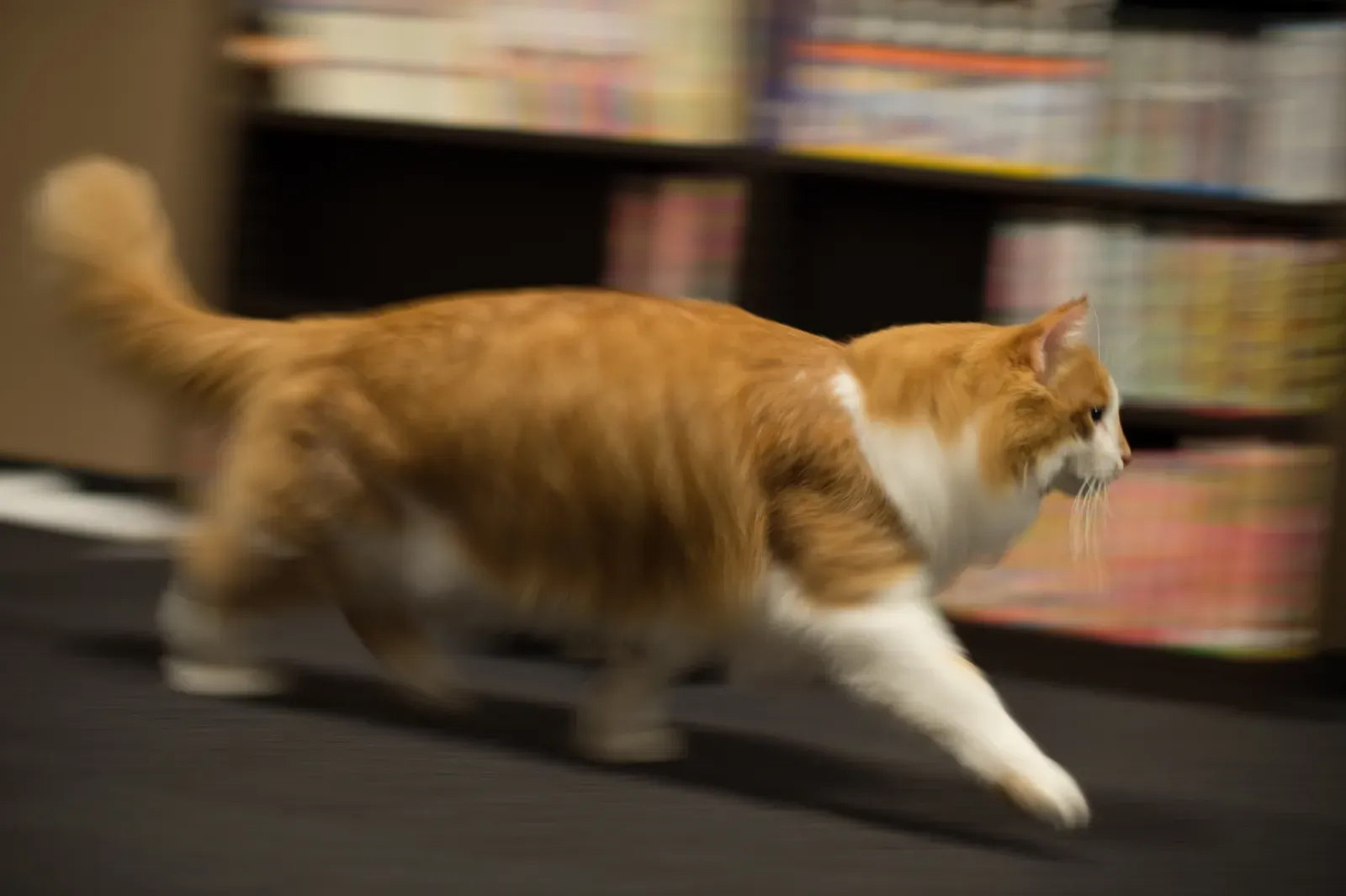
Your feline friend needs to release pent-up energy just like humans need to move after sitting too long, and zoomies provide the perfect outlet, especially for indoor cats who have fewer opportunities to exercise. Think about it: your cat spends a massive portion of their day lounging around, napping in sunny spots, and conserving energy. Cats sleep for an average of somewhere between 13 to 14 hours a day, which leaves plenty of stored energy for when they’re awake, and if they haven’t expended enough energy during the day, they may have zoomies at night.
Those zoomies you witness at odd hours are your cat’s way of burning off all that accumulated energy in one intense burst. It’s hard to say for sure, but honestly, this is probably one of the most natural things they can do. Zoomies provide a healthy outlet for your cat to release pent-up energy, which is beneficial for their mental and physical stimulation needs. Rather than becoming restless or frustrated, your cat channels everything into a high-speed chase around your home.
Your Cat Is Tapping Into Their Natural Hunting Instincts
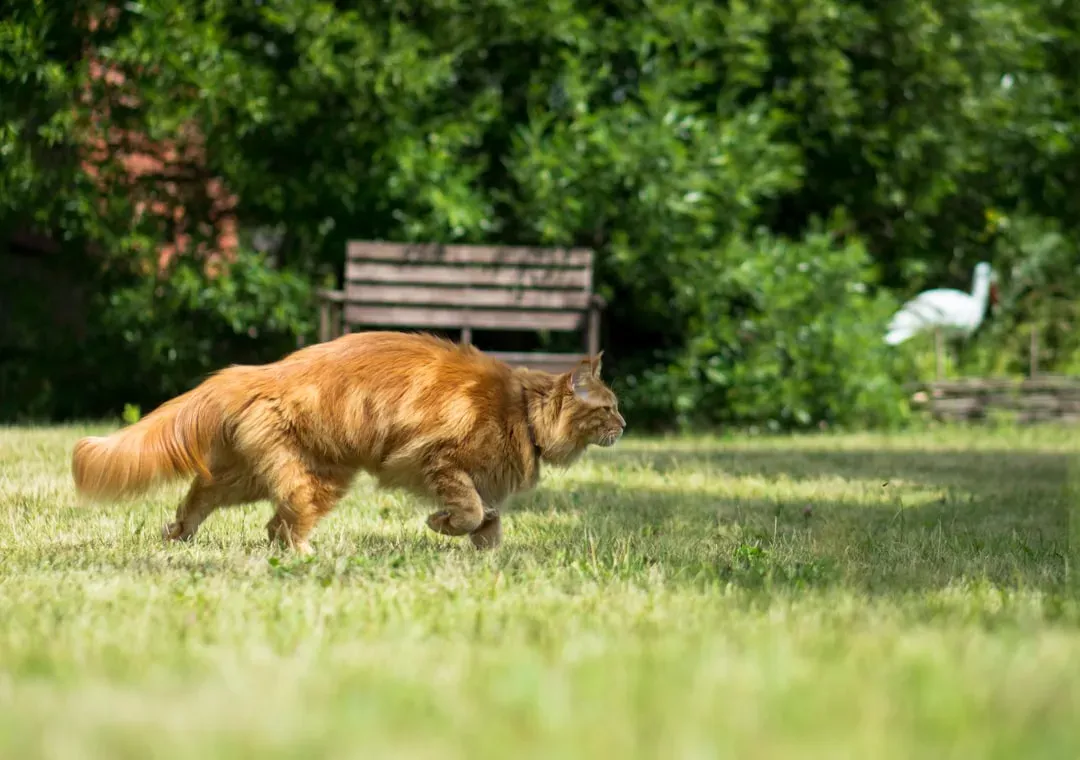
These sprints tap into your cat’s inner hunter, as the bursts of activity with their sudden sprints and sharp turns may represent hunting behaviors. Even though your domesticated kitty doesn’t need to catch mice for survival, those predatory instincts remain deeply embedded in their DNA. Cats are generally hunters that expend energy in big bursts while chasing prey, so indoor cats don’t get to do that, and the zoomies are often their way of letting out some natural energy.
When your cat zooms around at night, they’re essentially practicing their hunting skills. They’re stalking invisible prey, pouncing on imaginary targets, and honing the reflexes they’d use in the wild. Zooming behavior is often how cats engage their inner predator, as these play periods allow cats to hone their survival instincts – think stalking, pouncing and pursuing. It’s their way of staying connected to their ancestral roots, even in the comfort of your living room.
It’s a Sign Your Cat Is Actually Happy and Healthy
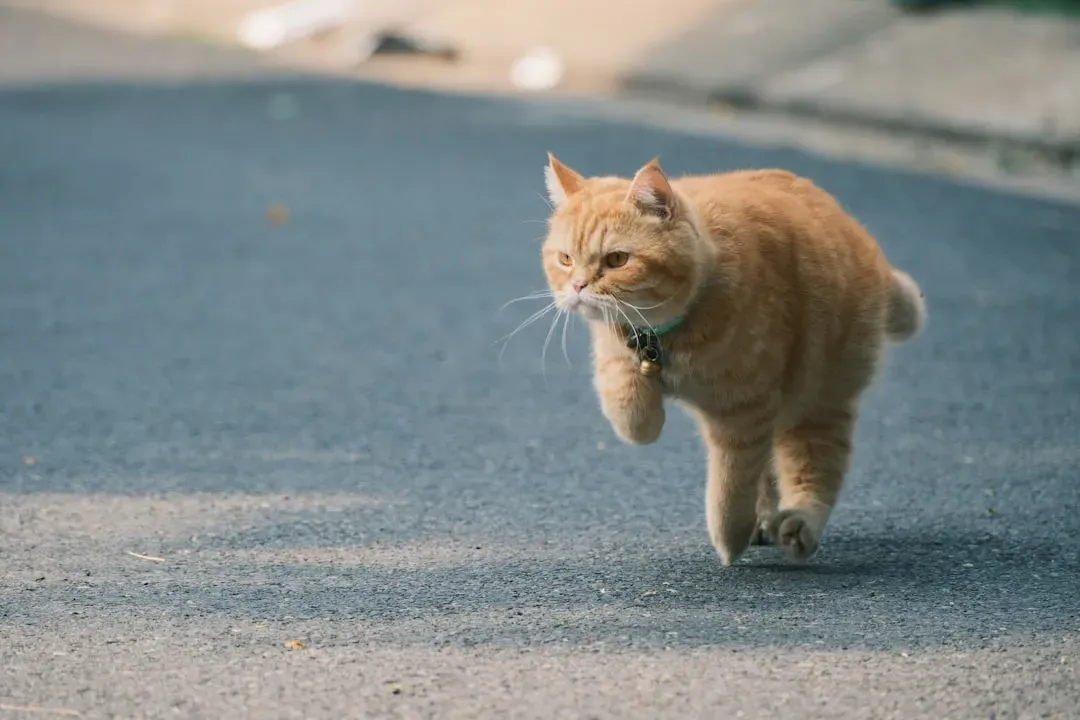
A cat with the zoomies is usually a healthy and happy cat, as most veterinarians agree that the zoomies are simply a release of energy in our cats and dogs, and it is a pretty normal behavior that most pets experience. I know it sounds crazy, but those frantic sprints are actually a positive indicator of your cat’s overall well-being. Zoomies are a natural way for your feline friend to burn off their excess energy and exhibit their playful side, and if your cat frequently engages in zoomies, it’s usually a sign of good health.
Think of zoomies as your cat’s way of expressing joy and contentment. They feel secure enough in their environment to let loose and be playful. Sometimes, zoomies are simply a sign of pure happiness and excitement, and you might notice your cat getting the zoomies when you come home from work, or it could be right before mealtime, or after a particularly fun play session. It’s like their version of doing a happy dance.
Zoomies Help Build Stronger Muscles and Better Cardiovascular Health
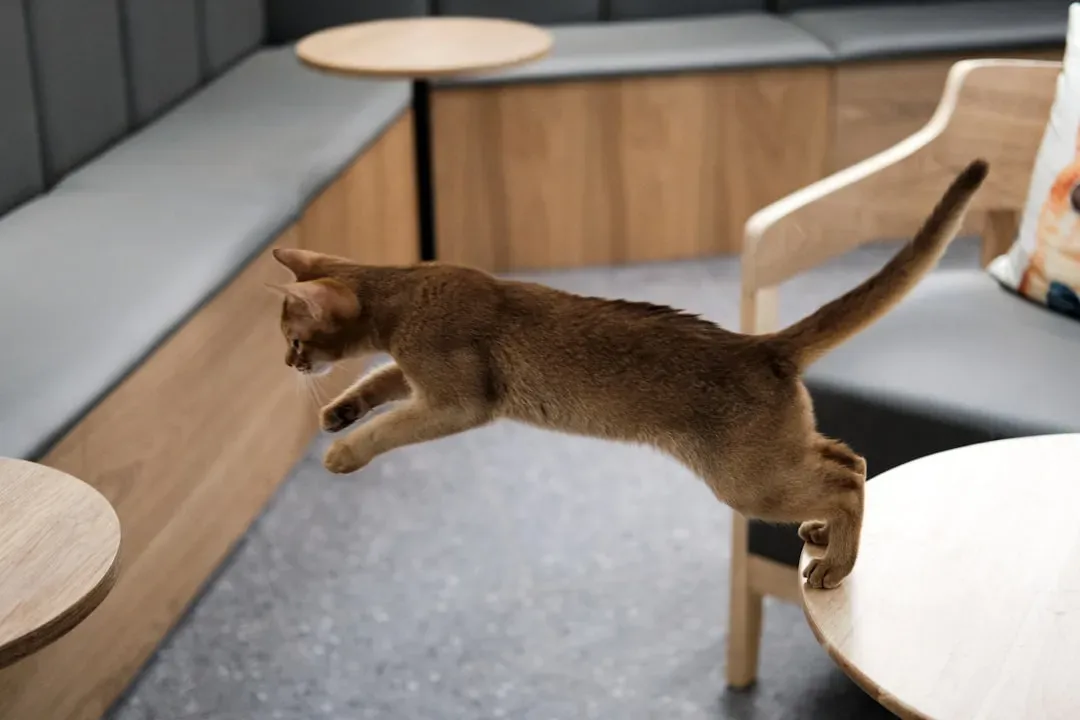
From a physical standpoint, these bursts of activity can strengthen muscles, boost cardiovascular health, and support overall well-being. Those wild sprints aren’t just entertaining – they’re actually a fantastic workout for your cat. When they tear through the house at top speed, they’re engaging multiple muscle groups and getting their heart rate up.
Young cats, especially kittens, tend to have frequent and intense zoomies due to their high energy levels and rapid growth, as these bursts of activity help practice essential skills like agility, coordination, and motor control. Even for older cats, regular zoomie sessions help maintain muscle tone and joint flexibility. It’s like they’re hitting the gym without even realizing it, keeping themselves in prime physical condition through pure instinct.
They’re Following Their Natural Crepuscular Clock
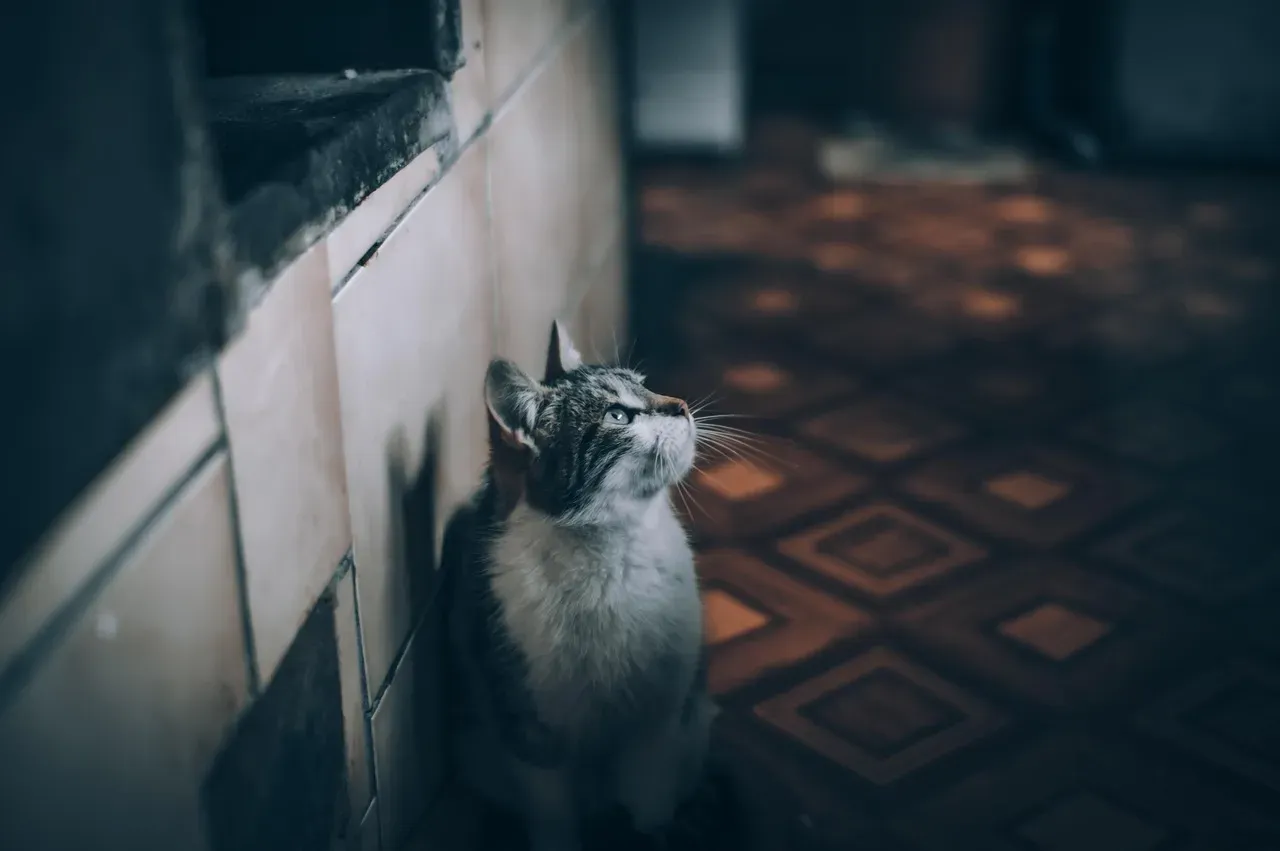
Cats are naturally crepuscular, meaning active at dawn and dusk, which is when their natural prey like rodents are active, and cats are not really nocturnal as many people think, so their internal rhythm just tells them it’s time to get active and start hunting. Your cat isn’t deliberately trying to ruin your sleep schedule – they’re simply following millions of years of evolutionary programming.
Many pet parents notice zoomies happening during the early morning or evening hours. This timing makes perfect sense when you understand that wild cats traditionally hunted during twilight hours when the temperatures were cooler and prey was most active. This behavior can be traced back to their wild ancestors, who hunted during these times to take advantage of cooler temperatures and the movement of prey. Your indoor cat still operates on this ancient schedule, even if their biggest prey is a feather toy.
Zoomies May Release Feel-Good Endorphins
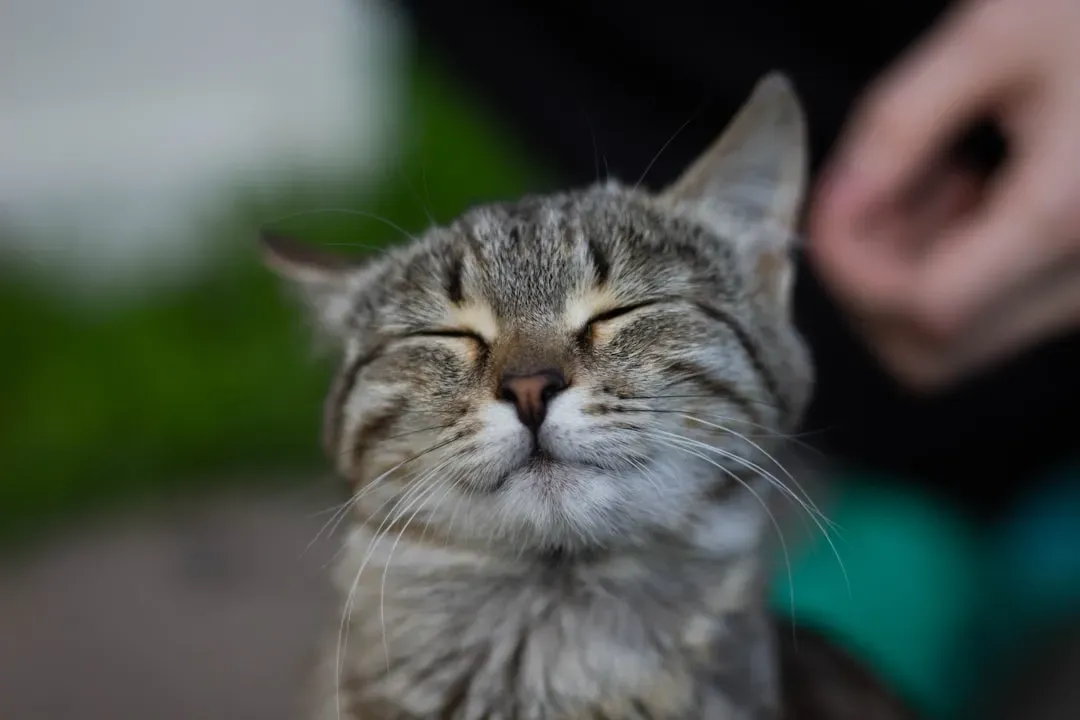
FRAPs may release endorphins, causing a pleasurable or euphoric response. Honestly, your cat might genuinely enjoy their zoomie sessions on a chemical level. Those bursts of activity could be triggering the same kind of runner’s high that humans experience after intense exercise.
This means your cat isn’t just releasing physical energy – they’re also boosting their mood and mental state. The euphoric feeling they get from zooming around may help reduce stress and anxiety, promoting better emotional health overall. It’s their natural antidepressant, if you will. Let’s be real, watching them zoom around with that wild-eyed expression suggests they’re having an absolute blast.
They Help Your Cat Feel More Comfortable in Their Environment
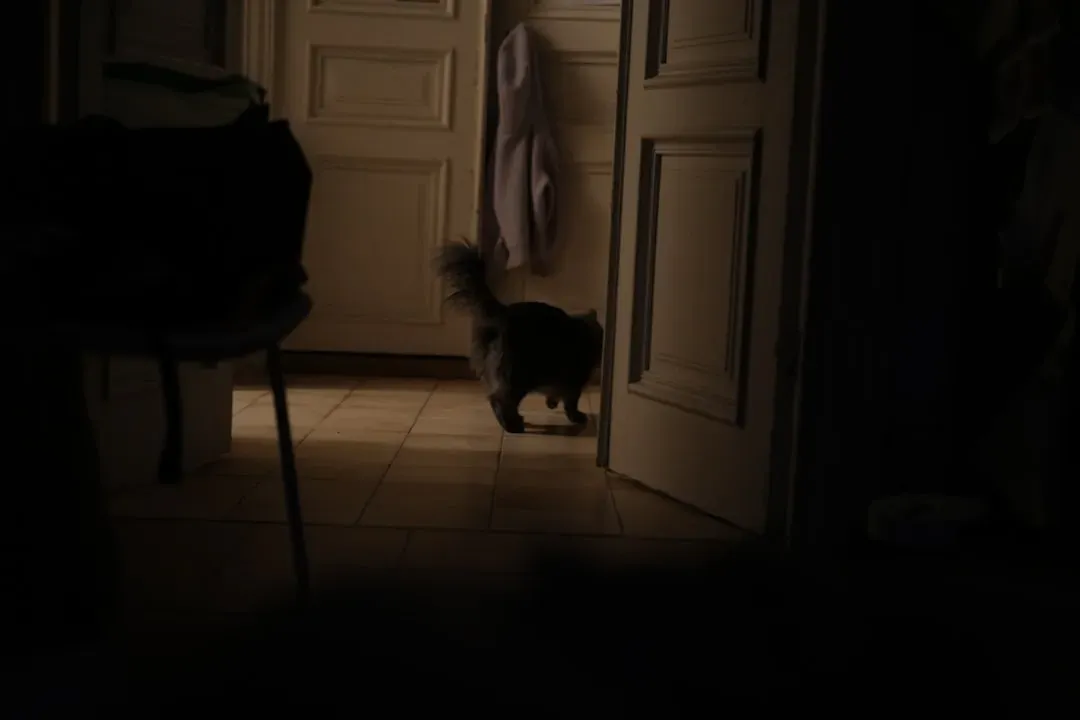
The quiet of the night might make your cat feel more comfortable exploring and playing, as during the day, the noise and activity associated with daily life can be intimidating for some cats, causing them to rest and wait for the tranquility of nighttime to get active. For more timid or sensitive cats, nighttime provides the perfect opportunity to really let loose without the distractions and stresses of daytime activity.
When your household finally settles down for the night, your cat feels safe enough to express their full personality. The absence of loud noises, unexpected visitors, and general household chaos gives them the confidence to sprint freely. This is actually a wonderful sign that your cat feels secure and at home in their space.
Zoomies Strengthen the Bond Between You and Your Cat
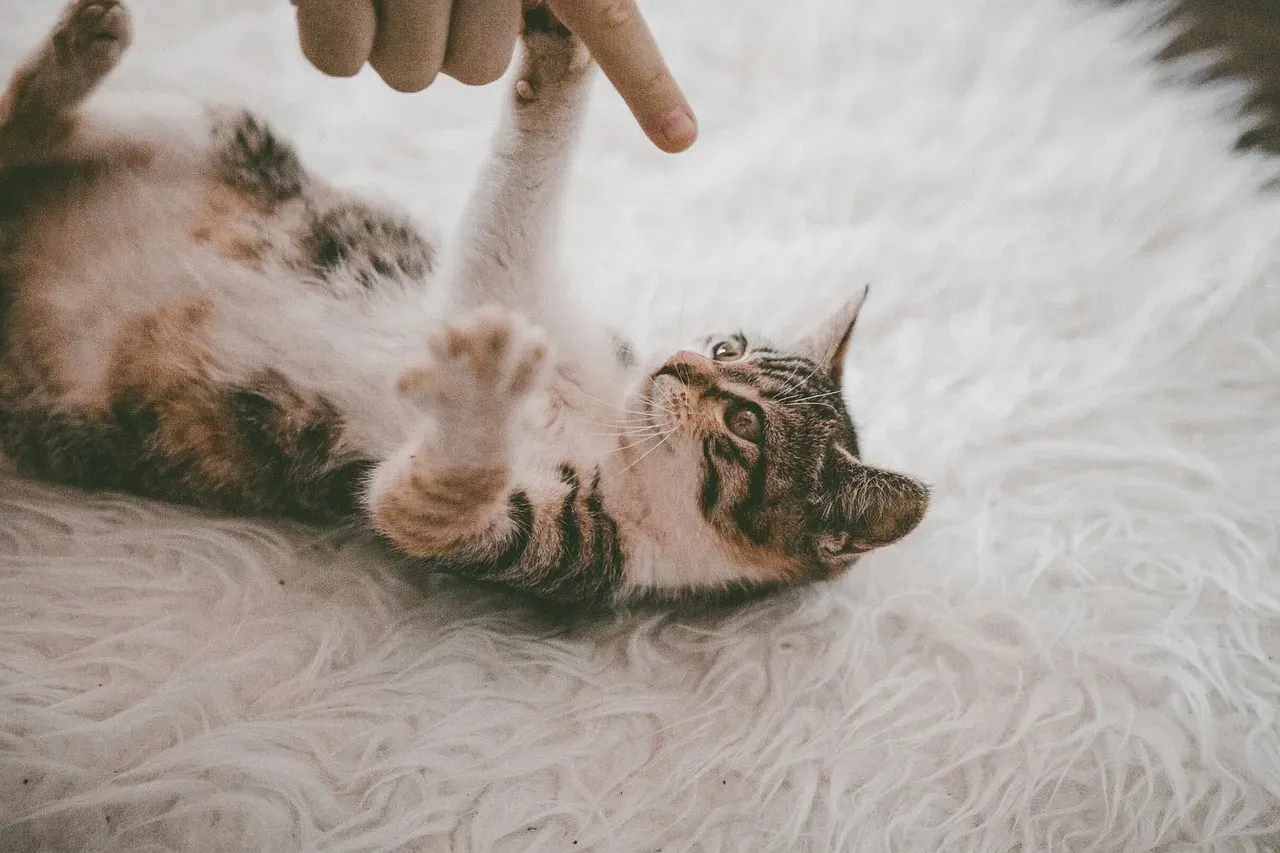
Research has shown that play isn’t just fun – it’s an important indicator of animal welfare, as cats who engage in a variety of games and interact regularly with their guardians tend to have better quality of life and stronger human-animal bonds. While your cat’s zoomies might happen solo, they create opportunities for quality interaction and bonding.
Treat the cat zoomies as an invitation to enjoy some extra-special bonding time with your best friend! When you participate in their play by tossing a toy during their energetic episodes or simply appreciating their antics, you’re strengthening your relationship. You can try tossing your cat a toy if they seem interested, and if the cat seems to involve people in their zoomies by running over or past them repeatedly, it’s probably fine to grab a toy and get into the mix.
They Provide Mental Stimulation and Prevent Boredom
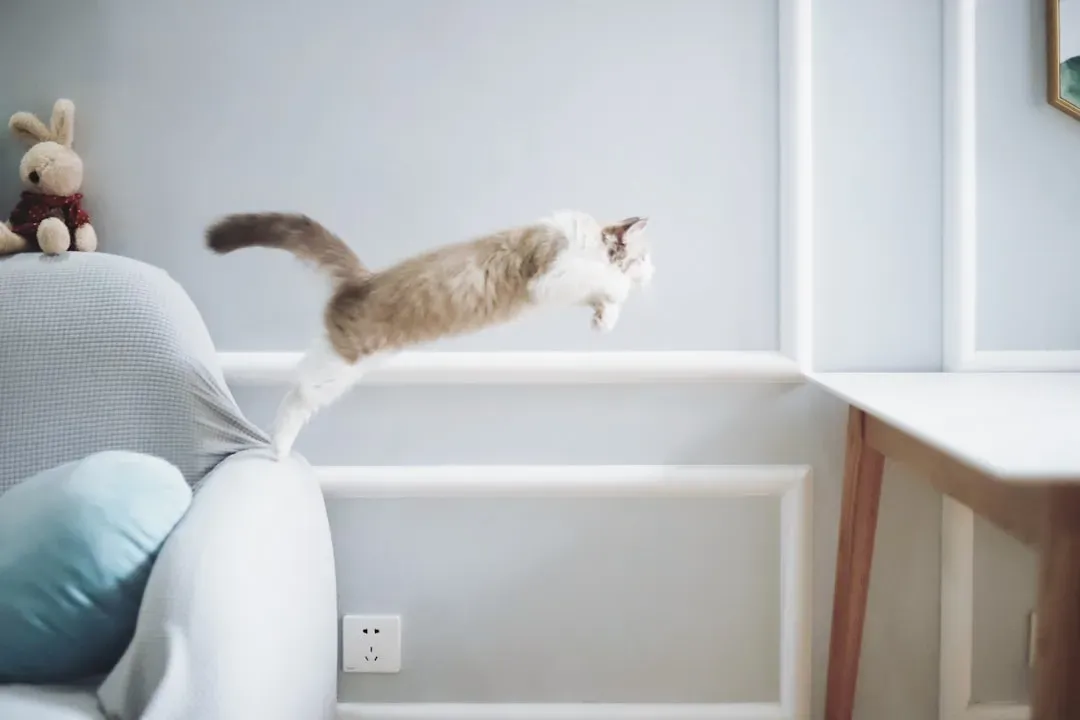
Cats need mental stimulation just like humans do, and if they don’t get enough stimulation during the day, they might become more active at night. Your cat’s brain needs exercise just as much as their body does. Those nighttime zoomies aren’t just physical releases – they’re mental workouts too.
During their frenzied sprints, your cat is making split-second decisions about where to run, what to pounce on, and how to navigate obstacles. This kind of spontaneous problem-solving keeps their mind sharp and engaged. Zoomies can be a sign that your cat isn’t getting enough physical or mental stimulation, which is most common in indoor cats as they’re not able to be outside practicing their natural hunting skills. Rather than sitting around feeling understimulated, they’re creating their own entertainment in the most energetic way possible.
Your Cat Is Expressing Their Unique Personality
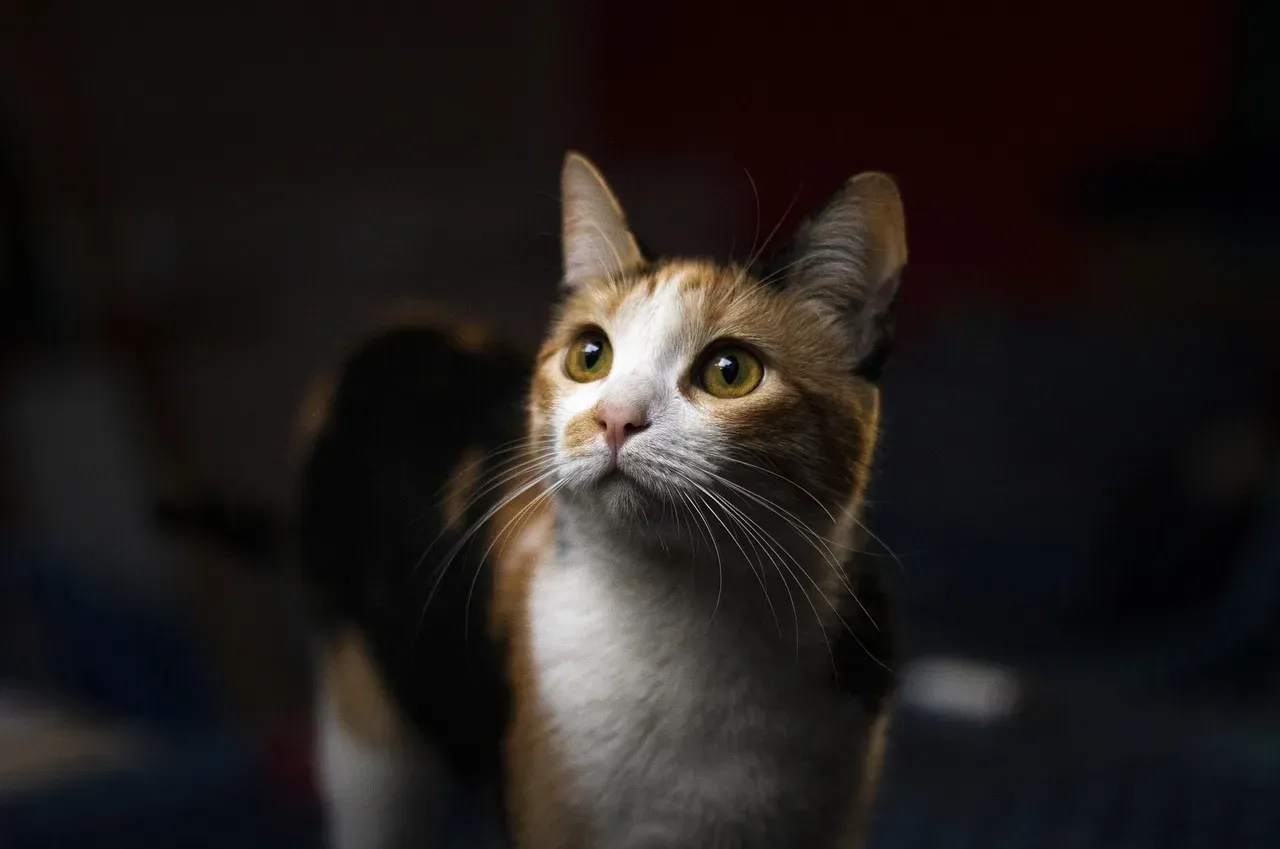
It’s one of the most common reasons why cats get the zoomies, as for the most part, it’s just a completely normal expression of their quirky personality! Every cat has their own distinct character, and zoomies are one of the ways your feline friend shows off who they really are. Some cats are wild sprinters, others are acrobatic leapers, and each displays their personality in these moments.
One of the best parts about having a furry companion is discovering their unique personality and eventually learning how to predict when your feline likes to let out their crazies. Over time, you’ll start recognizing the telltale signs that zoomies are about to happen – the dilated pupils, the twitching tail, the crouched position. These little quirks make your cat wonderfully unique and give you deeper insight into their inner world.
Conclusion
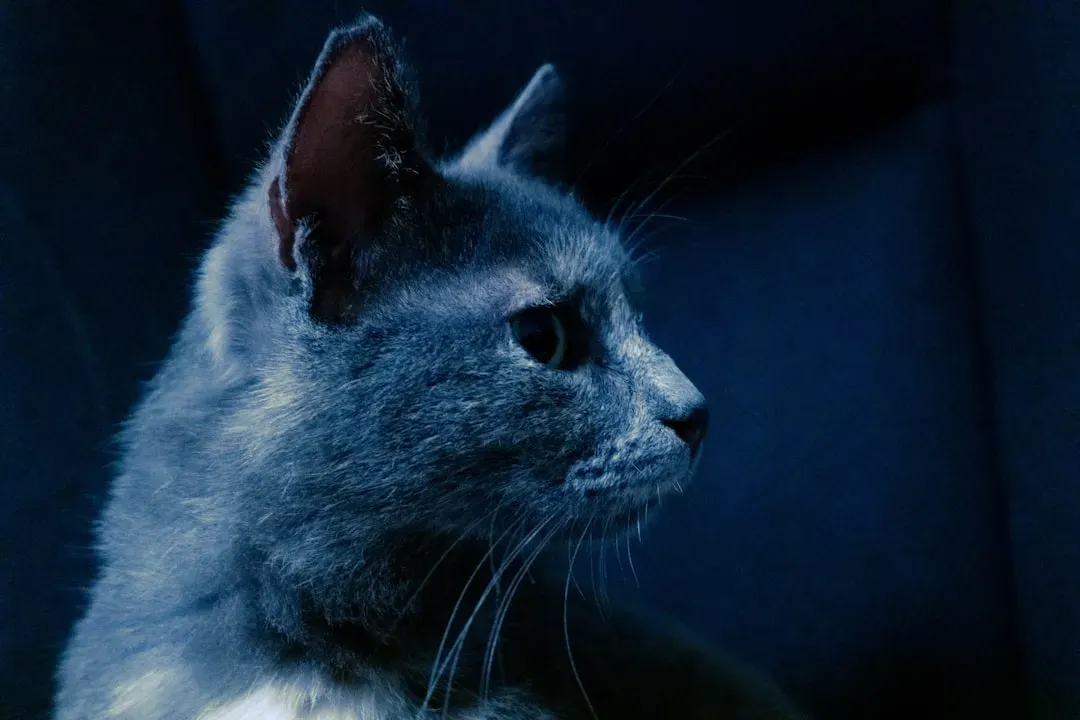
Your cat’s nighttime zoomies might initially seem like chaotic disruptions to your peaceful evenings, yet they’re actually wonderful indicators of a healthy, happy feline. These energetic episodes allow your cat to express their natural instincts, maintain physical fitness, and experience genuine joy in their daily life. Rather than viewing those midnight marathons as nuisances, try embracing them as the delightful quirks that make your cat uniquely themselves.
The next time you hear those familiar thundering paws racing through your home at an ungodly hour, remember that your cat is doing exactly what nature intended. They’re staying fit, releasing stress, and living their best life – even if it happens to be at two in the morning. What do you think about your cat’s zoomies now? Tell us in the comments.