Your feline friend might be sending you distress signals you never noticed. Cats are masters of disguise when it comes to hiding their discomfort, but their subtle behavioral changes can reveal a profound truth: they don’t feel safe in their own home. Understanding these warning signs could transform your relationship with your cat and restore their sense of security.
Unlike dogs who wear their emotions on their fur, cats communicate through whispers rather than shouts. They’ve evolved to mask vulnerability as a survival instinct, making it challenging for even devoted pet parents to recognize when something’s wrong. Today, we’ll decode the mysterious language of feline stress to help you create the sanctuary your cat deserves.
1. Excessive Hiding and Withdrawal
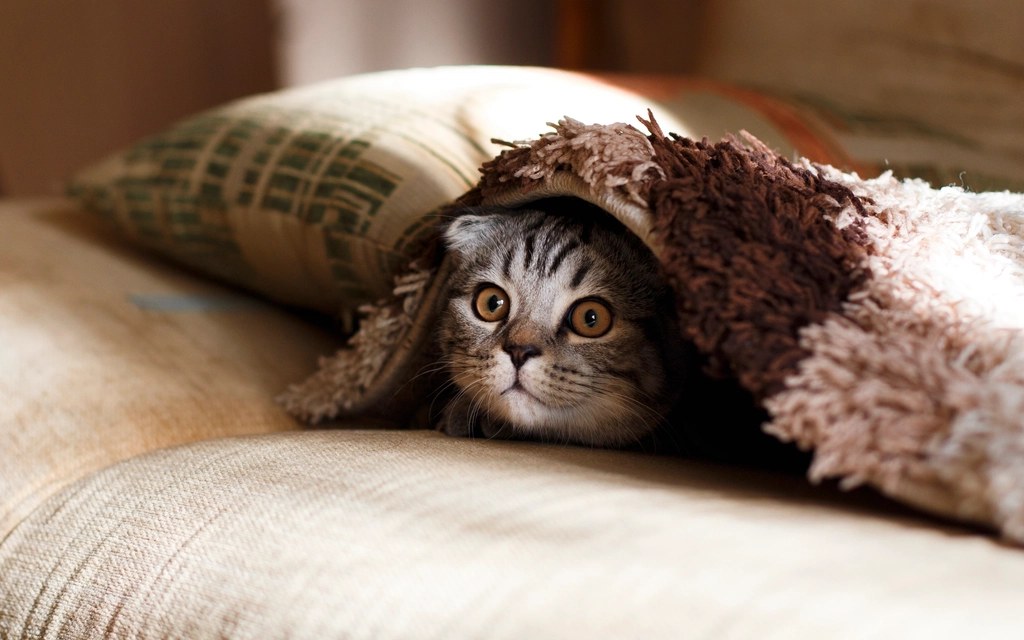
When cats suddenly disappear and you find them hiding under the bed, behind furniture, or in small spaces, they may be stressed. This isn’t the playful game of hide-and-seek you might remember from their kitten days.
Your typically social cat may hide more as a coping mechanism to handle stress. Cats can become quiet if they are stressed, as they won’t want to draw attention to themselves and prefer to hide and remain out of sight.
Think of it like this: when we feel overwhelmed, we might retreat to our bedroom and close the door. Your cat does something similar, except their “bedroom” might be that cramped space behind your washing machine. If your once-social butterfly has become a hermit, it’s time to investigate what’s making them feel unsafe.
2. Compulsive Overgrooming
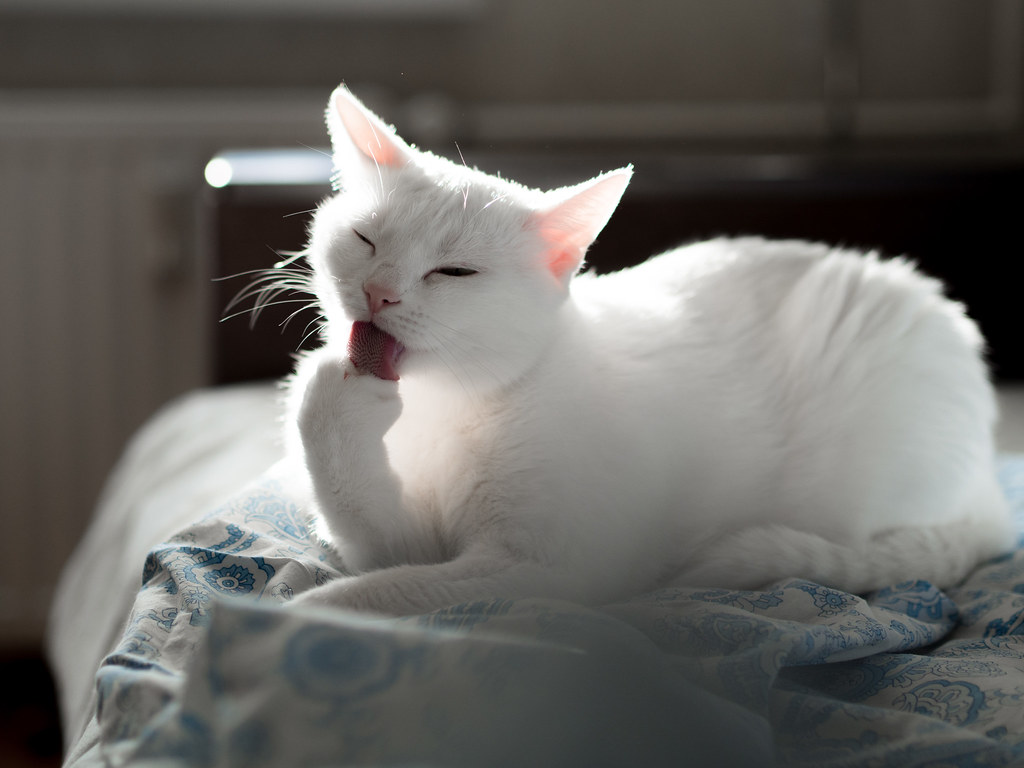
Excessive scratching or licking, especially aggressive grooming that results in bald spots or irritated skin, signals stress. Some cats use overgrooming to cope with stress or boredom, as licking is believed to release endorphins that help relieve anxiety.
Overgrooming goes beyond normal coat maintenance and may seem obsessive, with actions like licking, chewing, plucking, and biting areas of hair or skin. You might notice symmetrical bald patches on their belly or inner thighs, areas they can easily reach when stress-grooming.
The irony is heartbreaking: your cat grooms excessively to self-soothe, but this creates a vicious cycle. Compulsive grooming leading to fur loss, known as psychogenic alopecia, is usually triggered by changes in the cat’s daily routine or environment.
3. Complete Silence or Vocal Changes
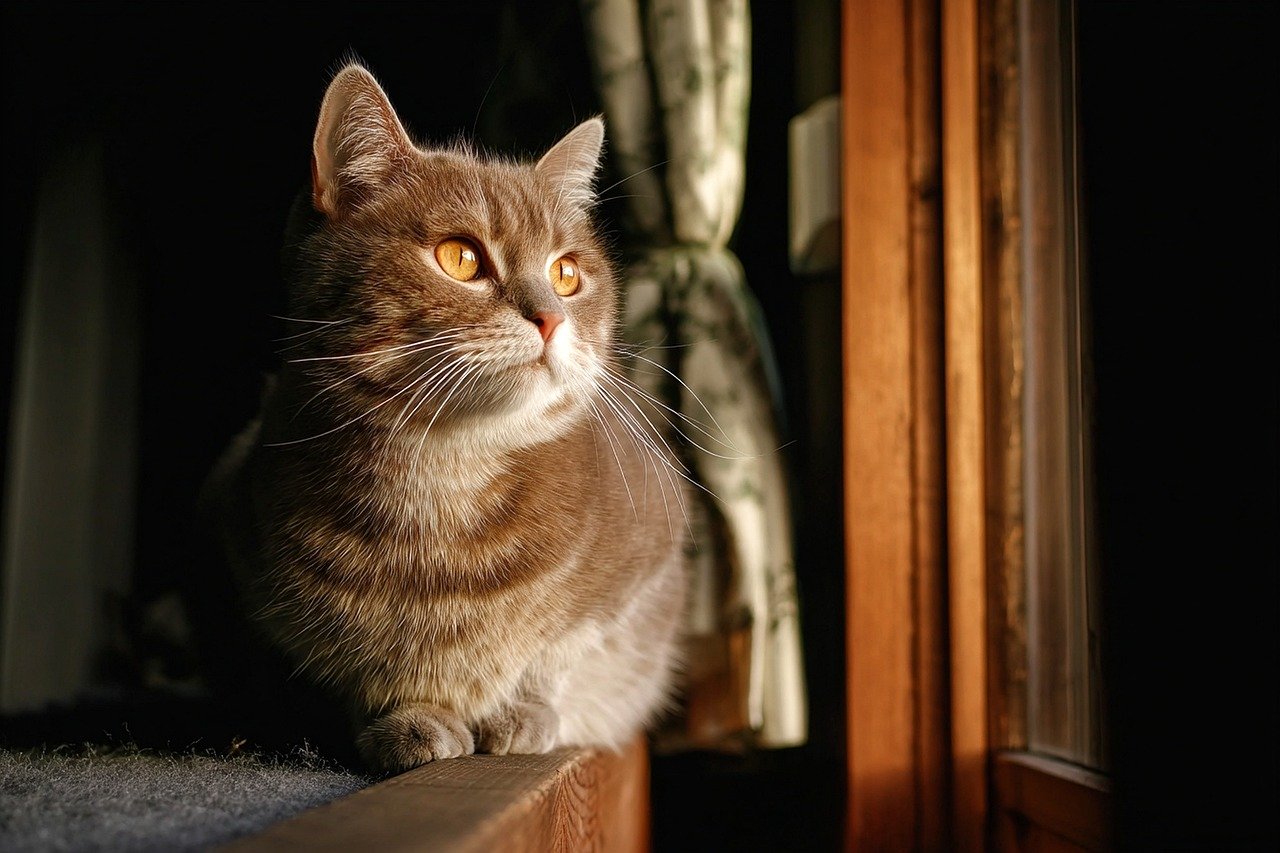
Cats can become quiet if they are stressed, as they won’t want to draw attention to themselves. A sudden stop in purring can indicate stress or illness. This dramatic shift from your chatty companion to a silent shadow should raise immediate concern.
Cats are creatures of habit, and changes in their environment can lead to increased vocalization as they express their discomfort. However, some stressed cats do the opposite and retreat into silence. It’s their way of saying, “I don’t feel safe enough to make noise.”
If your cat is upset, they may not meow, as cats may not feel very sociable if they are sad or stressed, often occurring when cats experience changes such as a move or loss of a companion.
4. Inappropriate Elimination Outside the Litter Box
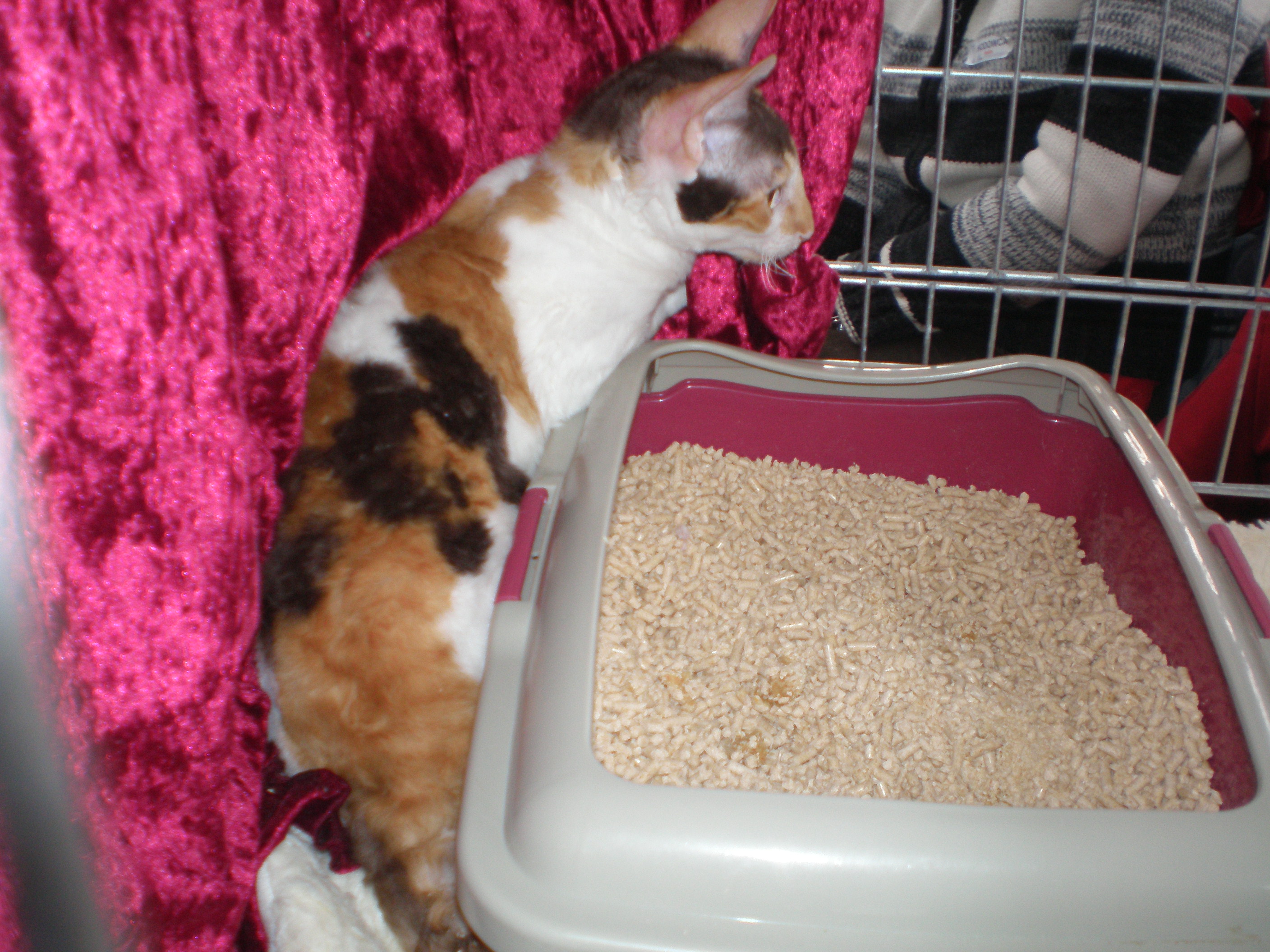
One of the most common signs of stress in cats is urinating outside the litter box, as cats usually do this because the smell of their own urine is comforting and litter absorbs the smell. This isn’t spite or revenge – cats don’t think that way.
Many stressed cats stop using the litter box, not because they are being vindictive, but because they may be afraid to come out of hiding, feel unsafe in the box, or experience pain from urinary issues.
Your cat might be telling you the litter box area feels dangerous or that they’re too anxious to make the journey. Sometimes, they’ll eliminate near doorways or windows, unconsciously preparing for a quick escape if needed. It’s a primitive survival response that reveals just how unsafe they feel.
5. Loss of Appetite or Eating Changes
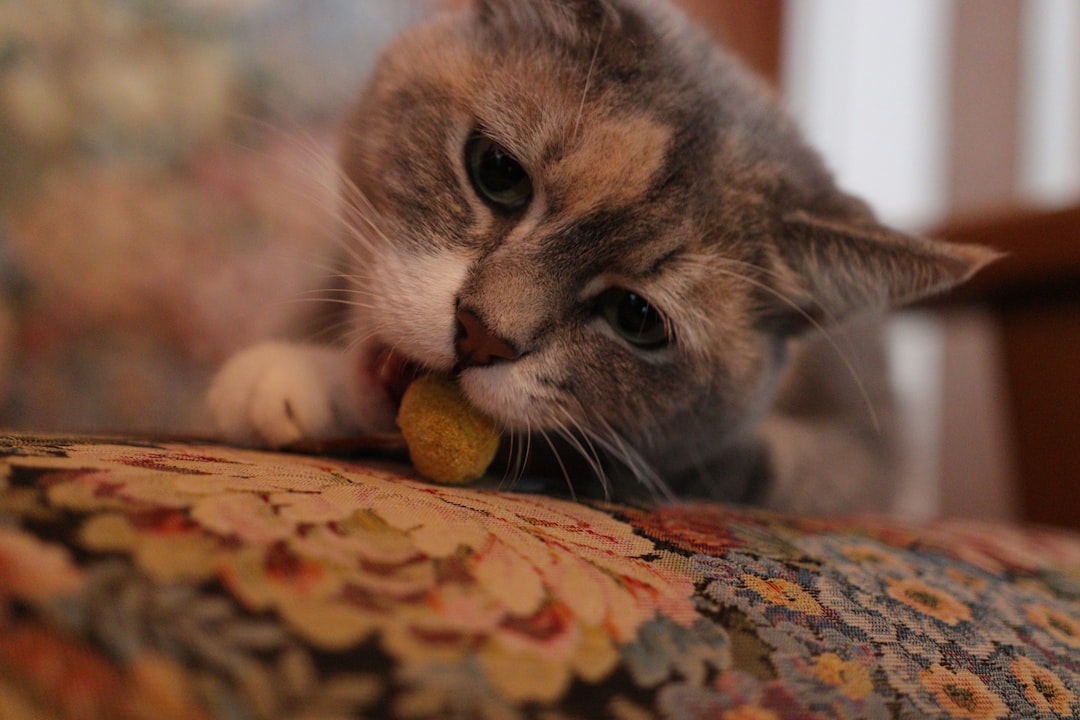
Stress can significantly impact a cat’s eating habits, with some cats losing their appetite and refusing to eat, while others might overeat as comfort, both scenarios leading to health issues. Food is one of life’s basic pleasures for cats, so when they stop enjoying meals, something serious is happening.
Stressed cats may have a decreased appetite or become more focused on their food. You might notice your cat hovering anxiously over their food bowl, eating rapidly as if someone might steal it, or conversely, walking away from their favorite treats untouched.
Consider how your own appetite disappears when you’re anxious about something important. Your cat experiences this same physiological response to stress, except they can’t explain what’s bothering them or ask for help.
6. Increased Aggression or Defensive Behavior
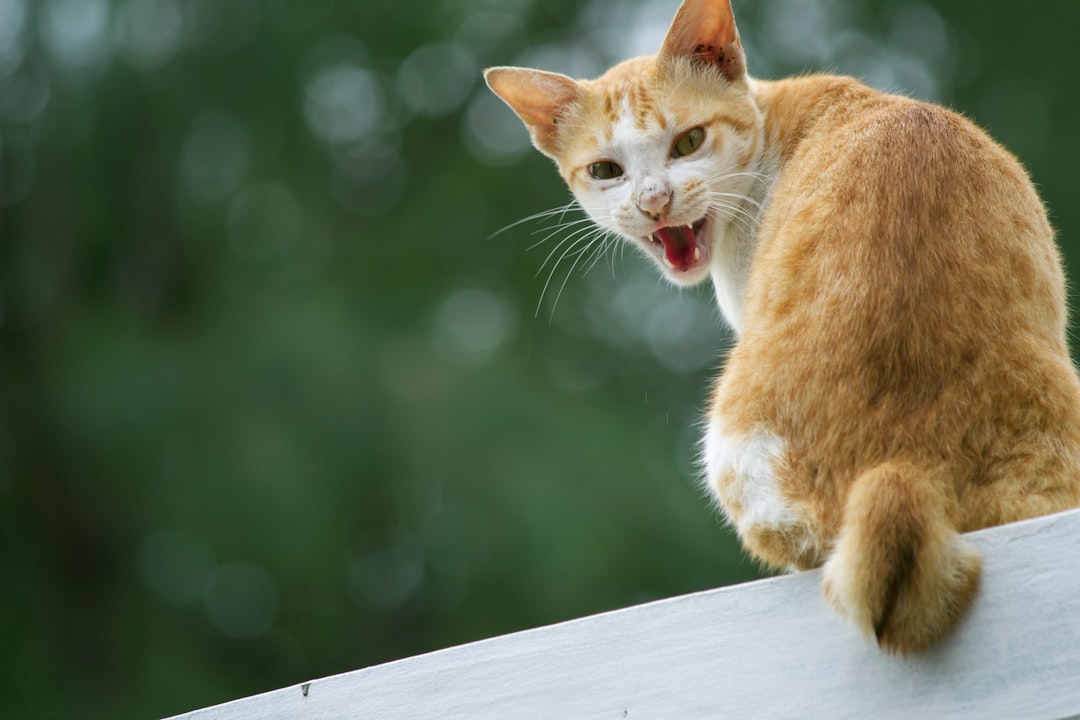
Unusual aggression, including hissing or biting you or others, can be a sign of anxiety. If the addition of a new pet stresses your cat, they may act aggressively toward the new cat or dog, or changes in household dynamics can cause reaction toward long-time housemates.
One of the most noticeable signs of stress in cats is increased aggression or irritability, where a normally gentle cat suddenly becomes aggressive, hisses, or swats, often stemming from fear or anxiety about a perceived threat.
Your sweet, gentle cat might suddenly become the neighborhood bully, picking fights with other pets or even swatting at your hand during petting sessions. This isn’t a personality change – it’s a desperate attempt to control their environment when everything feels threatening.
7. Disrupted Sleep Patterns and Restlessness
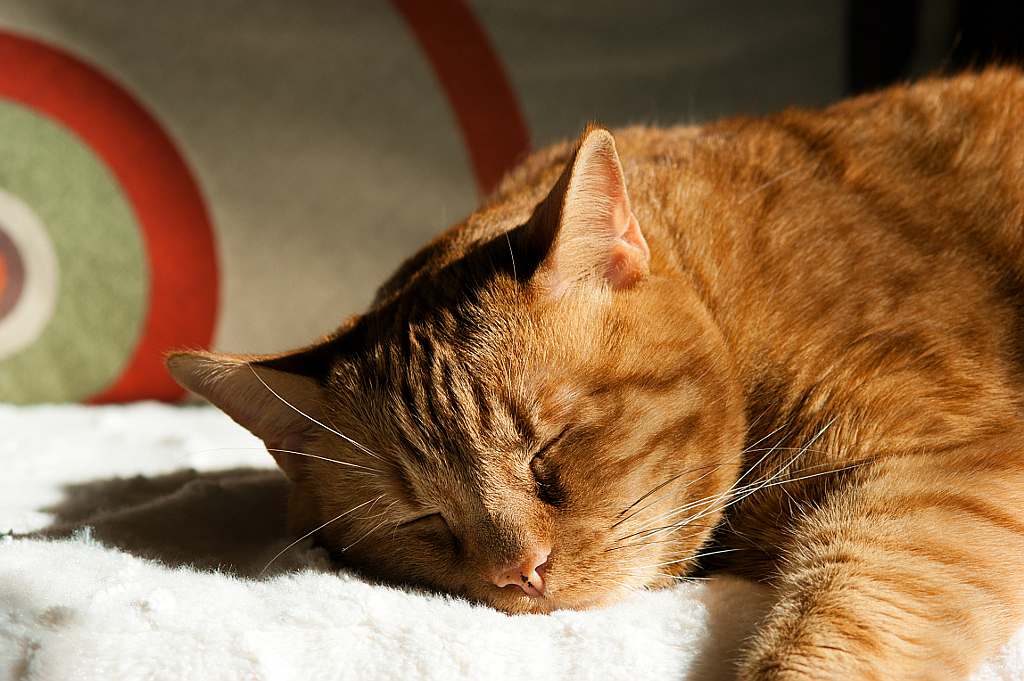
Cats sleep a lot, but a stressed cat may sleep more than usual. Changes in behavior such as restlessness or lethargy can indicate stress. Your cat’s sleep schedule can reveal volumes about their emotional state.
Stressed cats might sleep excessively as an escape mechanism, similar to how humans with depression often oversleep. Alternatively, they might pace restlessly, unable to settle into their usual comfortable spots. You’ll notice they’re no longer sprawled confidently in sunny windowsills but instead remain tensely curled in dark corners.
They might also develop nocturnal anxiety, becoming more active at night when the house is quiet and they feel marginally safer to move around. This disrupts the entire household’s sleep and creates a cycle of stress for everyone involved.
8. Avoiding Physical Contact and Affection
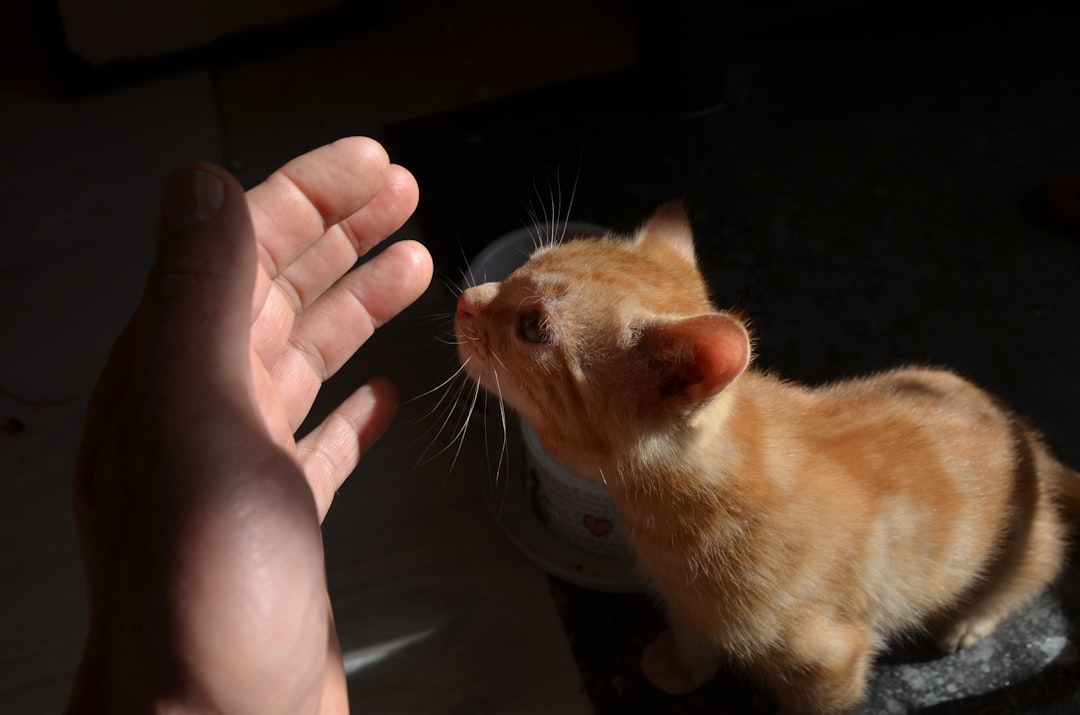
Cats will often display changes to their behavior, including avoiding situations or people more than usual, for example, not wanting to interact with you anymore. If your cat is in pain, they may also hide or shy away from your touch.
Your lap cat who once sought out cuddles now flinches when you reach for them. This dramatic shift in affection-seeking behavior often breaks cat parents’ hearts, but it’s not personal. When cats feel unsafe, physical contact feels like a vulnerability they can’t afford.
Stressed cats may withdraw from interaction with other household pets or their owners. They’re conserving emotional energy for survival mode, where every interaction feels potentially threatening rather than comforting.
9. Obsessive Scratching in New or Inappropriate Places
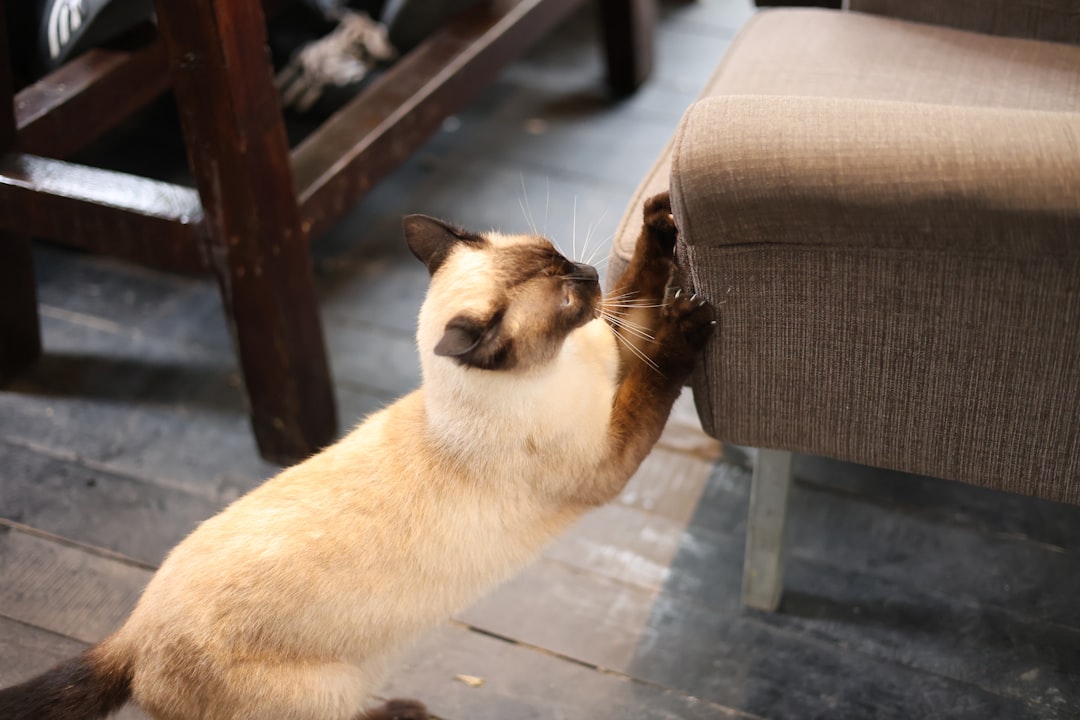
If your cat suddenly starts shredding your curtains and furniture, this could be a sign they are stressed. Cats can become stressed because they lack environmental enrichment, entertaining themselves by scratching in inappropriate areas, or the presence of a strange cat around your home can stress your cat, who will claw frames around windows or doors.
Normal scratching maintains claw health and marks territory, but stress-scratching looks different. You’ll notice frantic, repetitive clawing at doorframes, walls, or furniture they’ve never touched before. This behavior often focuses near entry points like doors and windows, revealing their anxiety about potential threats.
Cats may scratch furniture more than usual, with increases or scratching in new places suggesting a rise in stress. It’s their attempt to create familiar scent markers in a world that no longer feels predictable or safe.
10. Digestive Issues and Vomiting
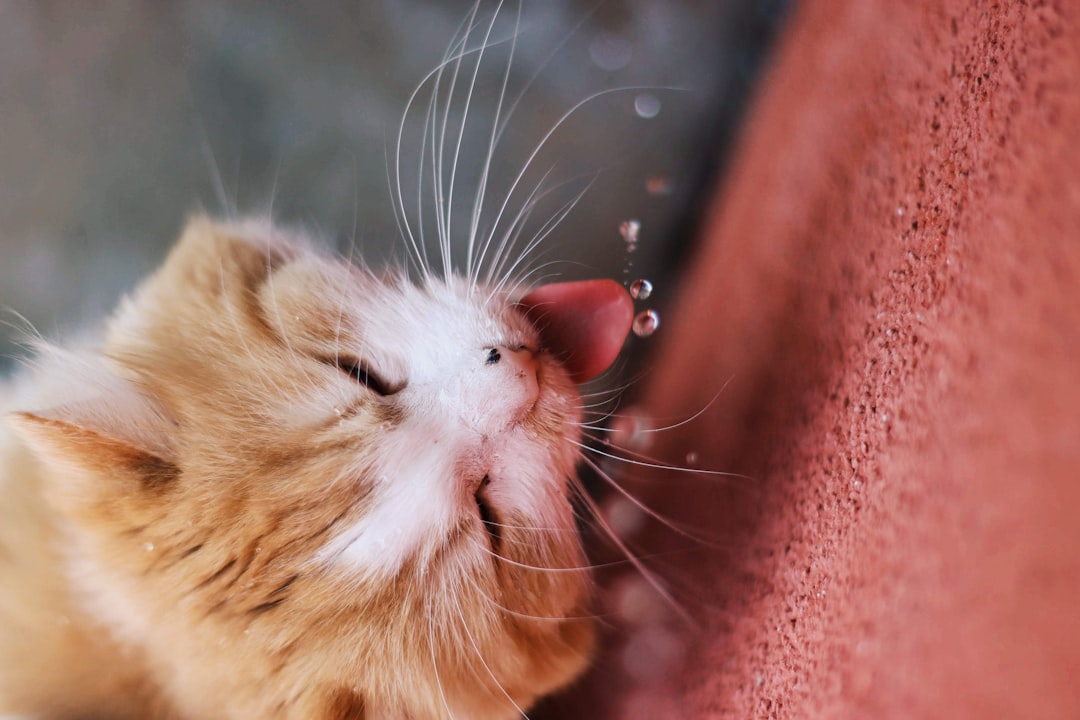
Cats are more likely to vomit and have diarrhea when experiencing stress. Some stressed cats experience gastrointestinal upset, resulting in vomiting or diarrhea. The gut-brain connection in cats is remarkably strong, making digestive issues a reliable indicator of emotional distress.
You might notice your cat occasionally throwing up undigested food, having loose stools, or developing sensitive stomach issues that weren’t there before. Chronic stress can have a physiological effect on your cat’s health. Their stomach literally churns with anxiety, just like ours does during stressful periods.
These symptoms require immediate veterinary attention because if your cat shows signs of low appetite, low water intake, diarrhea, or vomiting, other medical conditions can cause these symptoms and need to be ruled out.
Conclusion
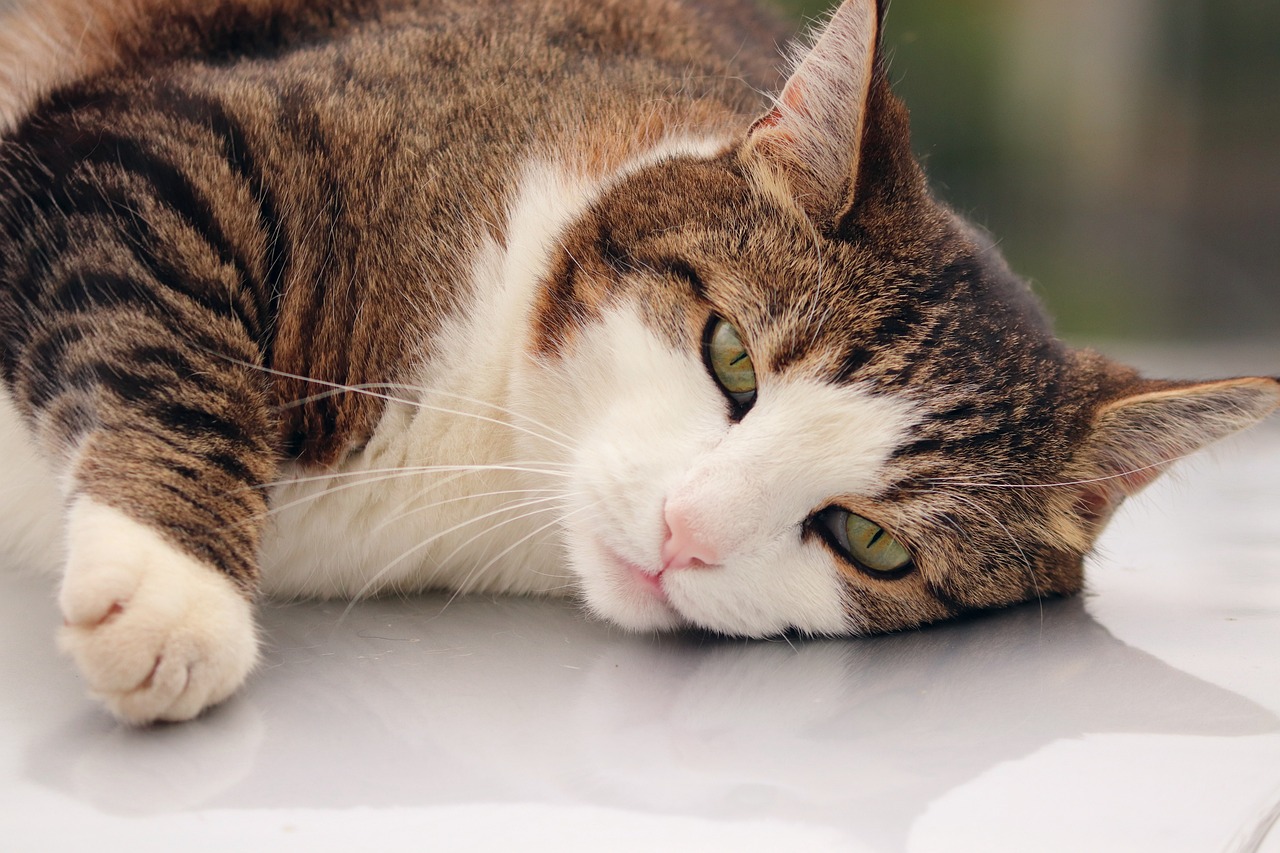
Recognizing these ten warning signs transforms you from a pet owner into a cat whisperer, capable of reading the subtle language of feline distress. Getting your cat the care they need is in their best interest and helps maintain a peaceful home – with love, patience and help from your veterinarian, your cat can get back to their healthiest, happiest self.
Remember, cats don’t display these behaviors to be difficult or attention-seeking. They’re communicating the only way they know how, using their bodies and actions to tell you their world doesn’t feel safe. The good news? Most stress-related behaviors are completely reversible once you identify and address the underlying causes.
What surprises you most about these subtle signs of feline distress? Share your observations in the comments – your experience might help another cat parent recognize their furry friend’s silent cry for help.