You’ve probably spent years living with your cat, feeding them, scratching behind their ears, and wondering what on earth is going on inside that mysterious little head. Here’s the thing – your cat has been talking to you all along. Not with meows alone, not with the slow blink, but with every flick, curl, and twitch of that expressive tail.
Every swish, wag, flick, and curl contains a hidden message, and understanding cat tail positions and movements can give you deeper insight into your cat’s personality and feelings. Think of it like learning a second language – one spoken entirely in body parts. Once you crack the code, you’ll realize your cat has been broadcasting their emotions, loud and clear, this whole time. Let’s dive in.
1. The Sky-High Tail: “I’m Happy to See You!”
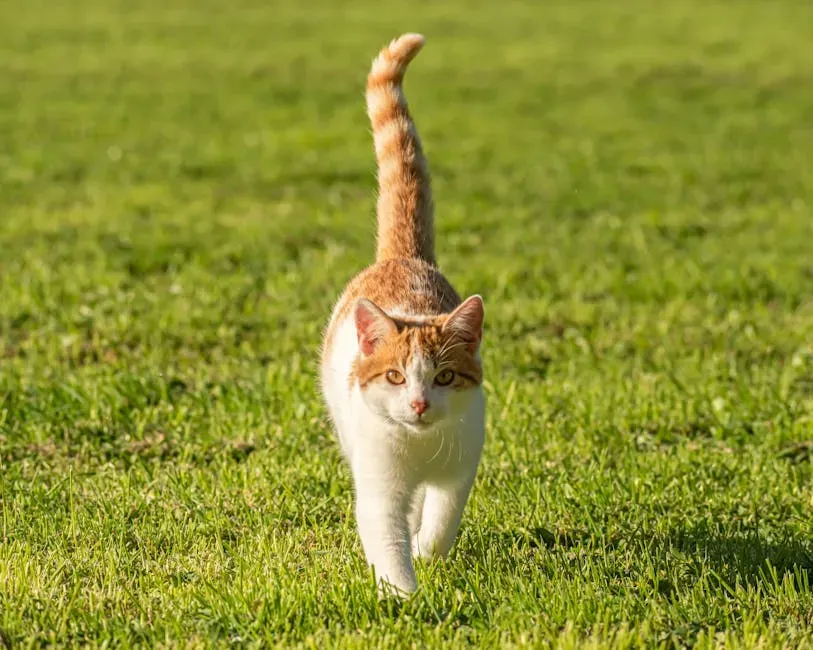
Imagine if every time someone was genuinely thrilled to see you, they wore a neon sign on their head. Well, cats actually do something similar. When a cat walks into the room with their tail sticking straight up, they’re feeling confident, comfortable, and ready to engage in some friendly interaction – and it basically means all is right in the world, at least from the cat’s perspective.
A tail held high like a flagpole is the ultimate sign of sociability and confidence, and it actually mimics the posture kittens use to greet their mothers. So when your cat struts toward you with their tail pointing at the ceiling, they’re essentially reverting to their most affectionate, kittenlike self. That’s honestly kind of adorable if you think about it.
2. The Question Mark Tail: “Let’s Play!”
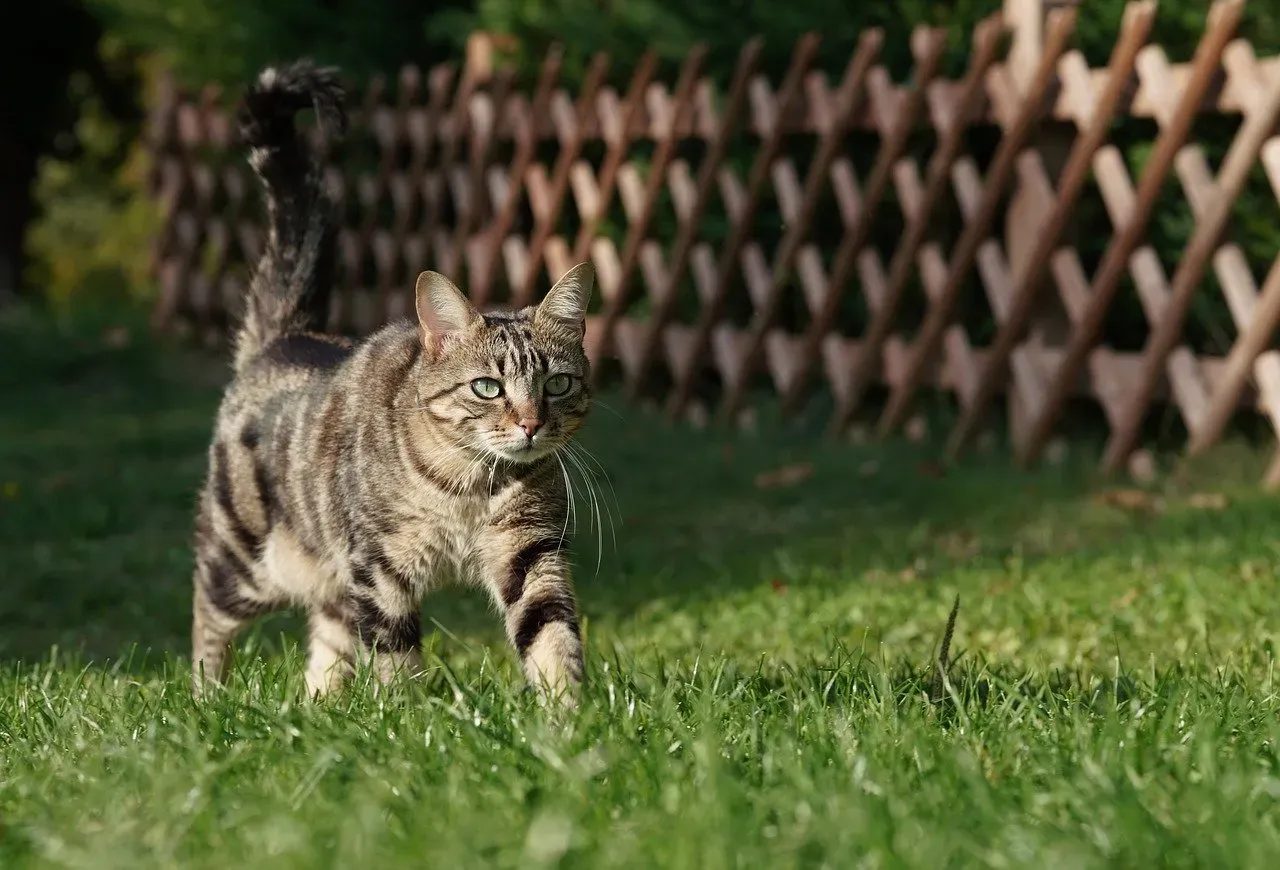
When your cat bends their tail into the shape of a hook or question mark, this is a very positive sign – it’s considered a pro-social behavior. It’s basically your cat walking up to you with the widest smile they can manage, ready to hang out. You should absolutely take them up on it.
The question mark tail position is a cat’s way of asking, “Would you like to play?” – and cats may also move the tip of their tail back and forth with the question mark changing orientations, which is an even more intense play signal. So next time you see it, grab a toy and get moving. Your cat is practically begging you.
3. The Puffed-Up Bottle Brush: “Back Off – Right Now!”
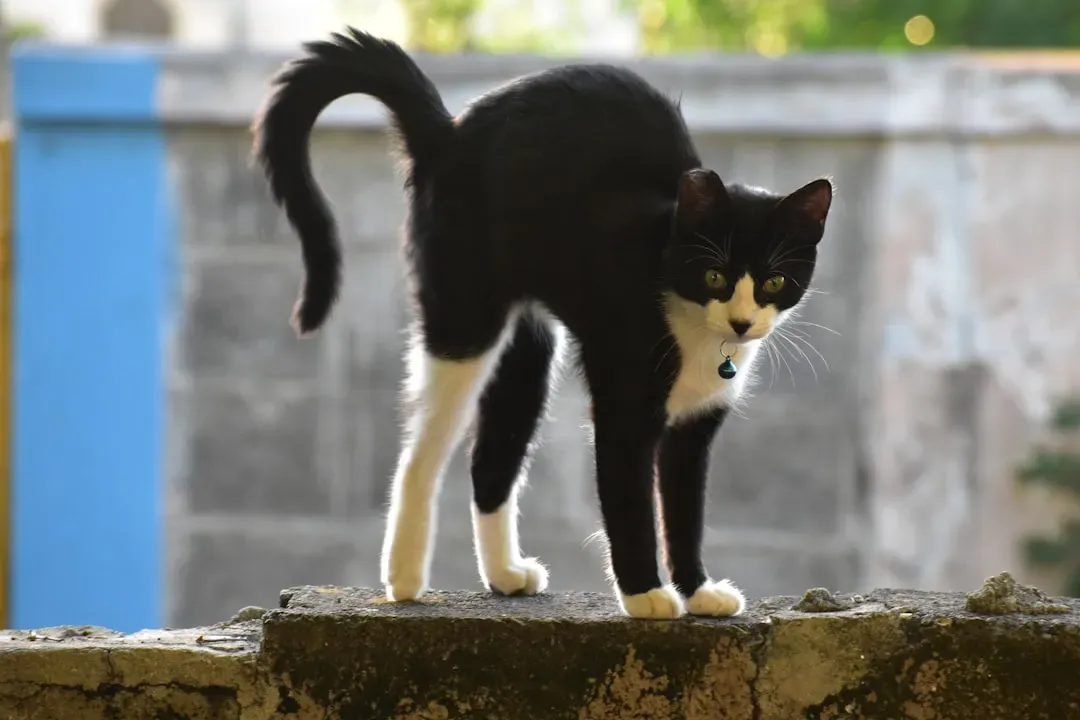
You’ve seen this one before, probably during a Halloween decoration phase where your cat encountered something unexpected. When your cat assumes the quintessential Halloween-cat posture with a puffed tail and arched back, they are startled or frightened by a sudden, severe threat – their hair stands on end so they can appear to be larger, and this is a defensive reaction indicating that your cat wishes to be left alone.
It’s a defense mechanism designed to communicate that they’re actually very large and scary and not worth fighting – however, your cat wouldn’t puff their tail if they weren’t feeling threatened to begin with, so the behavior almost always stems from a fearful reaction. Remove the thing that’s scaring them if you can, but don’t try to move your cat, who’s in panic mode and may respond by trying to protect themselves. Give them space, keep things calm, and let them come down on their own timeline.
4. The Tucked-Under Tail: “I’m Scared or Hurting”
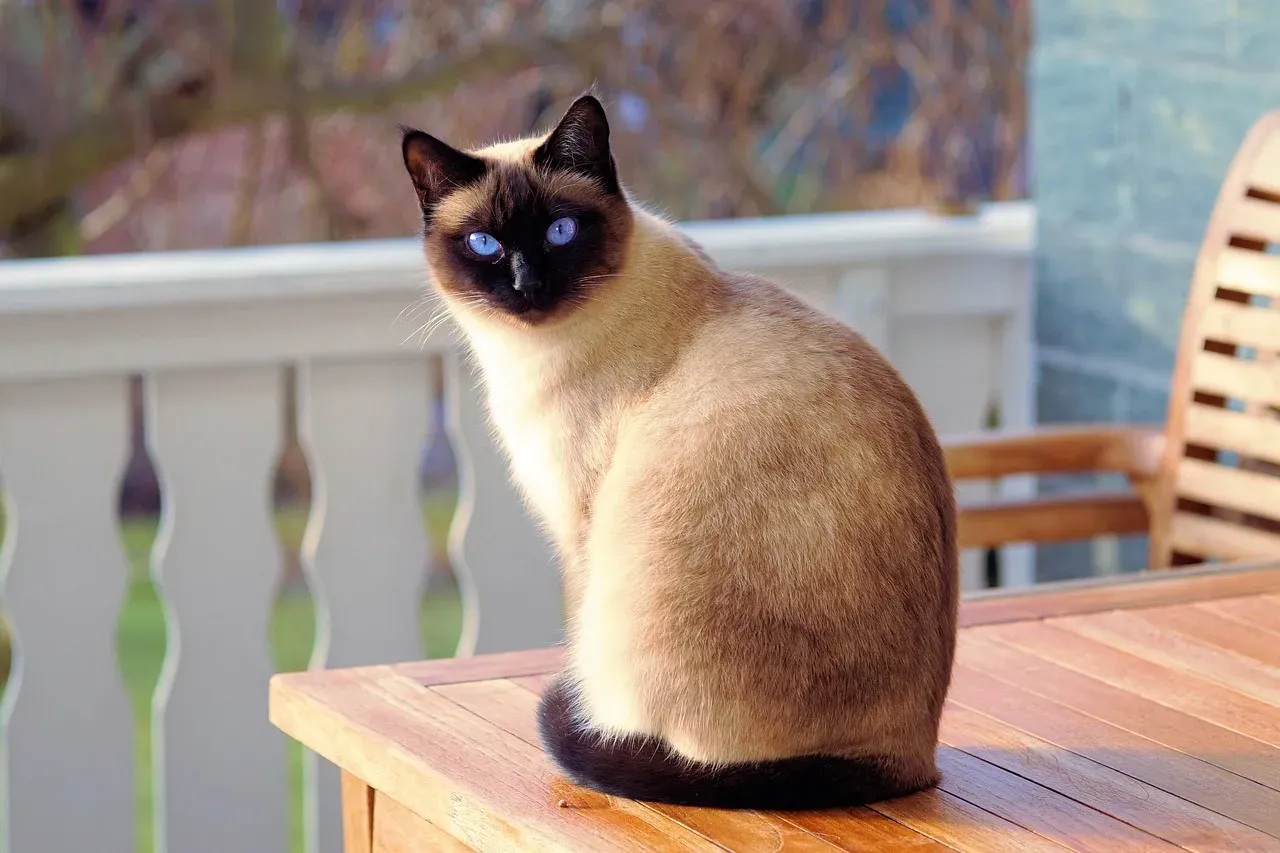
This one is harder to spot, but it matters a lot. Similar to the way a dog tucks their tail between their legs when scared, a tucked cat tail means “I’m worried” – cats will walk or stand with their tail tucked very close to their body as a sign of submission or fear, and unfortunately, this can also communicate pain. That last part is what cat owners really need to pay attention to.
When a cat tucks their tail under their body or wraps it around themselves, this can be a sign of uncertainty that may indicate feelings of fear and submission – and this is especially true when the tail position is accompanied by wide eyes, dilated pupils, and flattened ears. If you see this combination frequently and without an obvious cause, a vet check-up is worth considering. Context, as always, is everything.
5. The Slowly Swishing Tail: “I’m Focused – Don’t Interrupt”
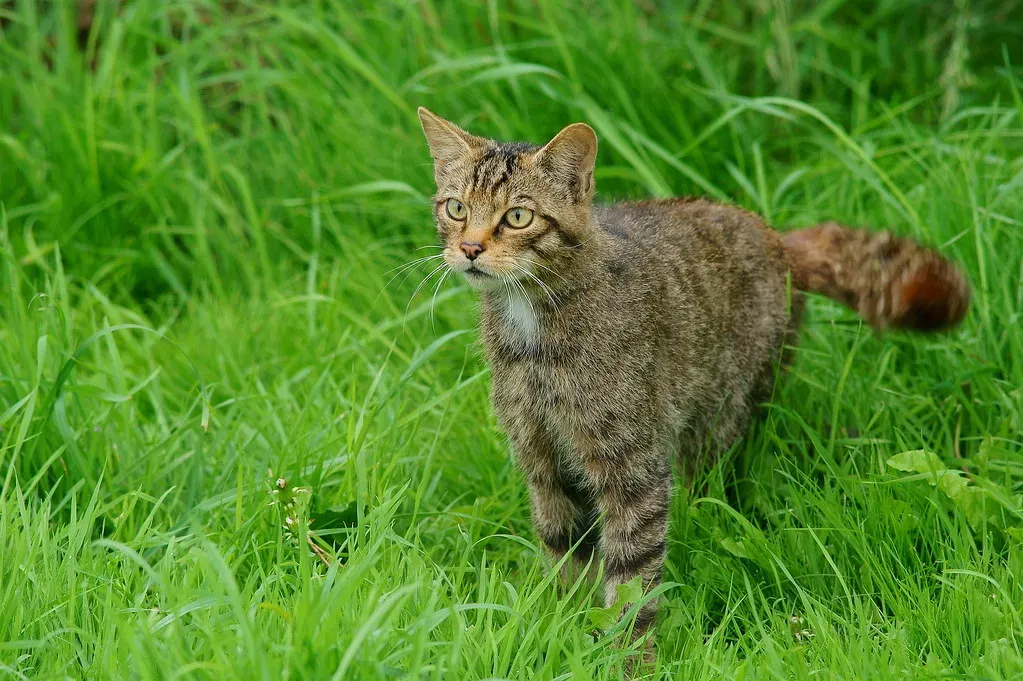
Here’s one that confuses a lot of people, especially those who come from dog households. A slow, fluid swish doesn’t necessarily mean your cat is happy or friendly. When your cat slowly swishes their tail from side to side, they may be intently focused on something like a toy, another animal in the home, or something outside – and they may be about to pounce, so engaging in predatory behavior like stalking is good enrichment for your cat, so let them continue.
Swishing tails slowly from side to side in a soft, fluid manner indicate cats who are relaxed, calm, and perhaps mildly interested in something – just let these purring machines hang out and enjoy life. If that swishing changes to just the tip of the tail flicking, your cat is ready to play with you or a toy. Watch carefully for that shift. It’s the difference between “I’m chill” and “Game on.”
6. The Thrashing or Thumping Tail: “Stop What You’re Doing – Seriously”
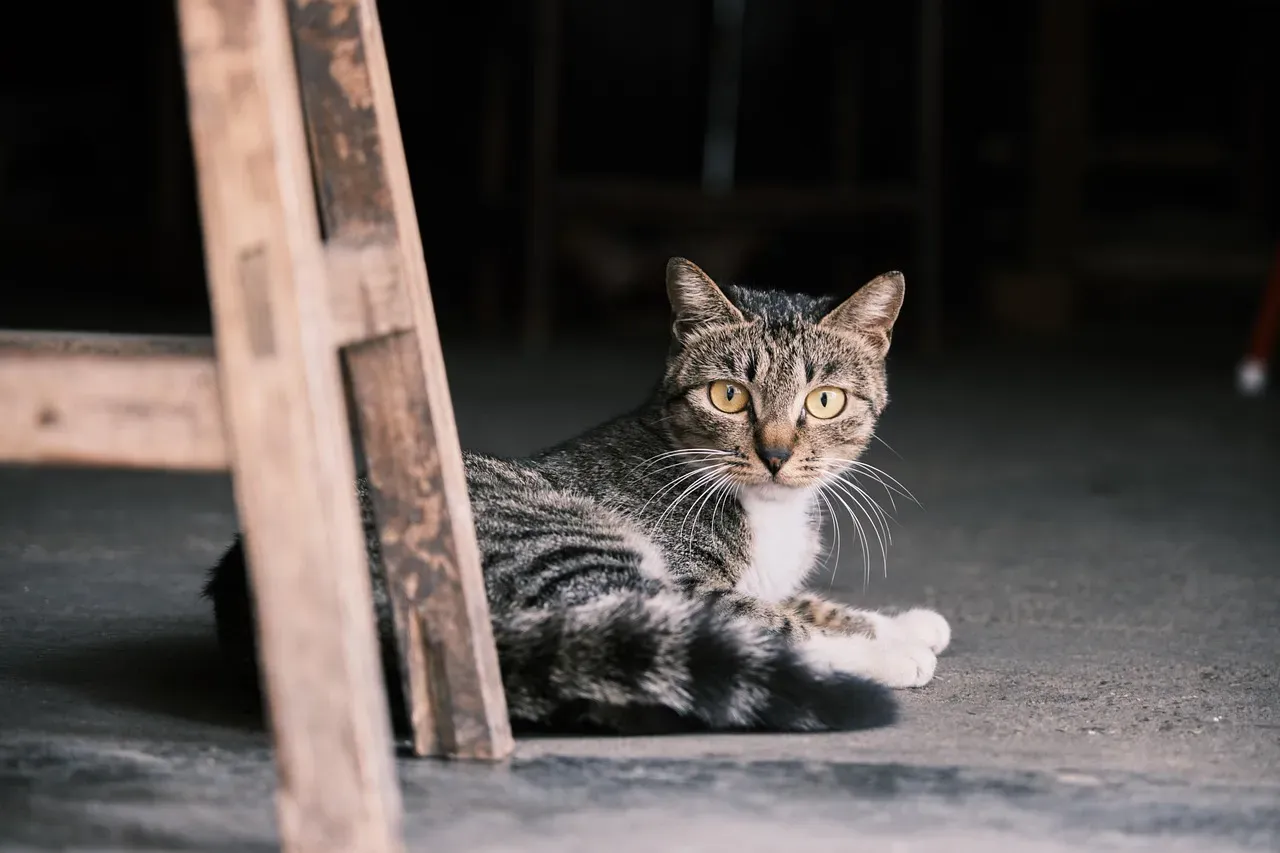
Let’s be real – most cat owners have ignored this signal at least once and paid for it with a scratch or a nip. When your cat thrashes their tail or is thumping it on the ground, they are irritated, annoyed, or angry – this tells you something is bothering them, it’s a distance-increasing behavior, and if you are petting your cat and they start thrashing their tail, they are trying to tell you to stop. If you don’t, then the thrashing tail may be a prelude to hissing, growling, swatting, or biting.
A cat who is wagging, swishing, thumping, or thrashing their tail is usually feeling irritated or angry – they could be signaling that they don’t like how you’re petting them or that they’re done with the play session. Think of it as their version of saying “I’ve told you twice already.” You really should listen the third time.
7. The Quivering Tail: “I’m SO Excited Right Now!”
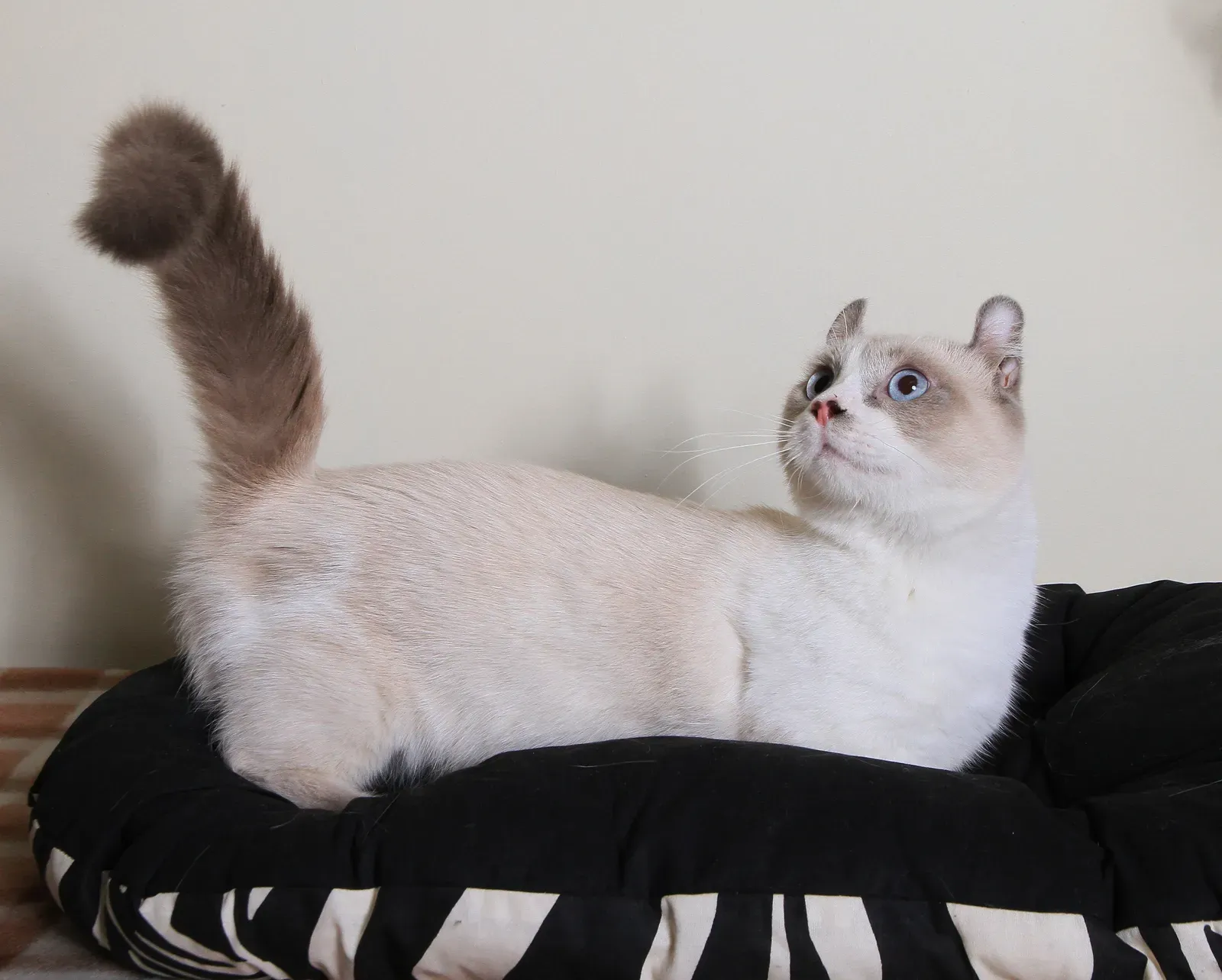
This one is pure joy, and once you see it you’ll never forget it. Your cat may quiver their tail when they are especially excited to see you or another cat. It happens fast, it’s subtle, and it’s one of the most genuine expressions of delight a cat will ever show you. Think of it as the feline version of a wagging dog tail.
A tail that points up accompanied with a quiver at the base of the tail is often an indication your cat is especially excited to see you or to be getting a tasty bowl of cat food. The cat is excited or anticipating something – you may notice your cat’s tail quivering while waiting for you to prepare a meal. I think this is genuinely one of the most underrated signals in all of cat communication. It’s tiny, quick, and absolutely precious.
8. The Tail Wrap: “You’re My Person”
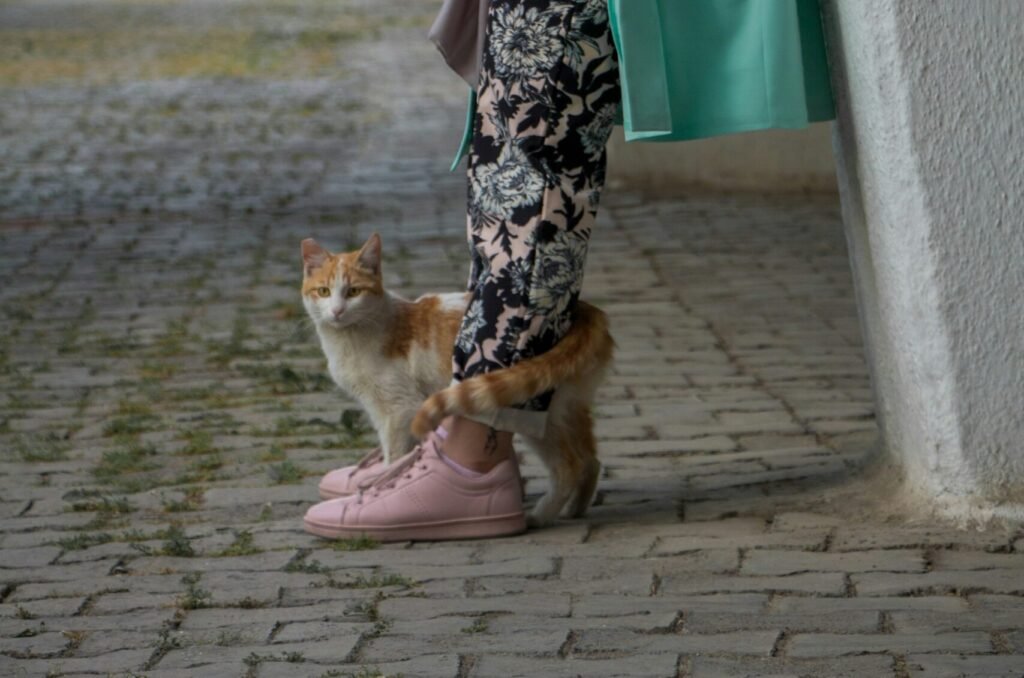
If your cat has ever curled their tail around your leg or draped it gently over your arm, congratulations – you’ve been officially claimed. Just as we greet one another with handshakes or hugs, cats may greet by curling their tails around people and by intertwining their tails with other cats. It’s one of the most intimate things a cat can do, and a lot of people don’t even realize they’ve been given such a meaningful gift.
When a cat curls its tail around your arm, leg, or neck, it is essentially a feline hug – they consider you part of their “inner circle,” and it serves as both a friendly greeting and a way to mark you with their scent. It’s a way of marking each other with their scent and signaling who their friends are – and if your cat snuggles up next to you with their tail curled around you, it means you’re part of their in-crowd. Honestly, it doesn’t get much better than that.
9. The Low or Tucked-Down Tail: “I’m Uneasy Right Now”
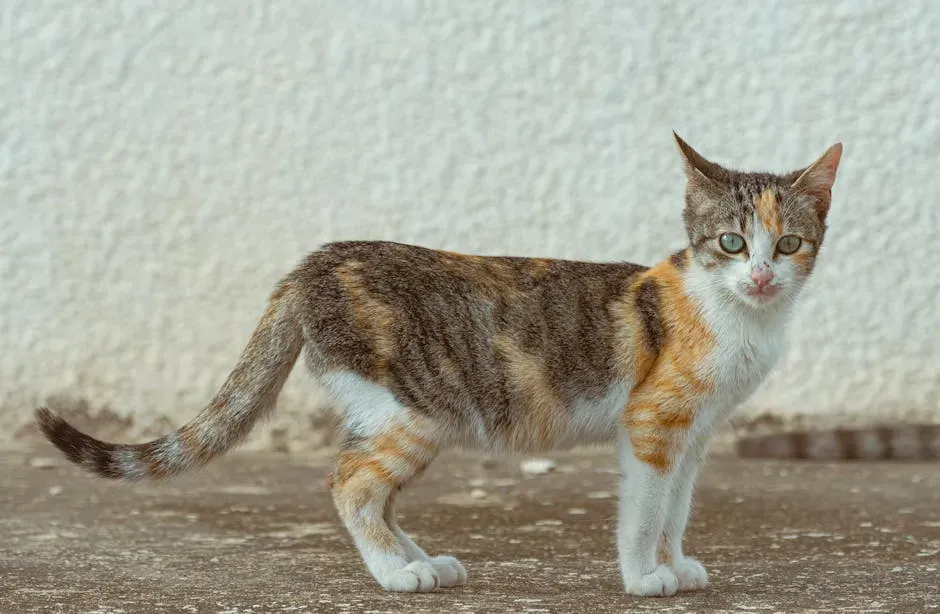
This signal is different from the fully tucked tail, but it’s equally worth knowing. A tail lowered to the ground indicates fear, uncertainty, and possible aggression – this is a signal letting you know it’s best not to interact, and a cat will also have a lowered tail position when hunting or about to pounce. Context really is the key here, since the same position can mean two very different things.
A cat may lower their tail below the level of their back if they are frightened or anxious – and if your cat’s tail is tucked between their legs, then they are really scared or may be experiencing pain. If the cat is crouching when walking with a half-mast tail, and facial expressions are not relaxed, then this is a tail position indicating concern. Keep an eye on those ears and eyes at the same time to get the full picture. It takes a little practice, but you’ll get there.
10. The Tip Twitch: “Something Has Caught My Attention”
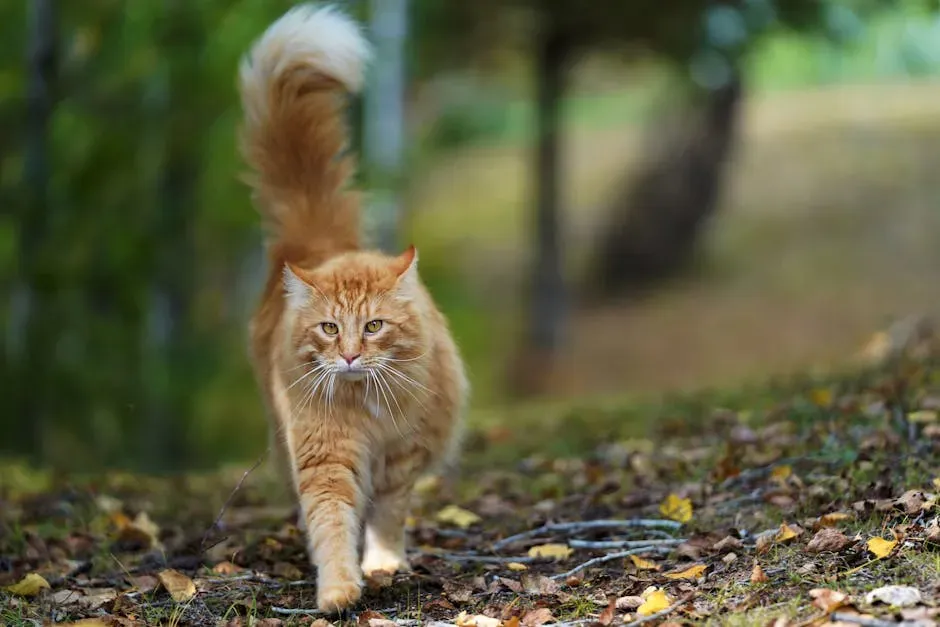
This one is subtle. Just the very tip of the tail, twitching back and forth, almost like a tiny metronome. Cats twitch the end of their tails when they are hunting and playing, as well as when they are mildly irritated and frustrated – in this case, read the scene and look for other clues to their mood. If they’re not playing or stalking something, then the twitching tail movement probably means that they are annoyed.
Felines often signal their displeasure with plenty of cues, so pay attention when you see a cat’s tail twitching at the tip – and cats may also twitch the tip of their tail if they are focusing on prey or preparing to pounce on a toy, so make sure you interpret their tail position in accordance with the situation and other body language cues. It’s a small movement, but it carries real weight. Think of it as your cat’s version of quietly drumming their fingers on a table. Something is definitely happening in that head.
Conclusion: Your Cat Has Been Speaking All Along
Once you start paying attention to your cat’s tail, you genuinely cannot unsee it. A cat’s tail is one of their most expressive features, and they use it to let us in on a world of feelings and emotions – once you better understand feline body language and know what your cat is trying to convey, you can respond to them when they’re feeling happy or assist them when they’re stressed, and all this knowledge can help you form a deeper bond with your furry friend.
Domestic cats use their tails in a range of different ways to communicate with other cats, and with humans – cat tail language can tell you about a cat’s moods, their emotions, and their intentions, and the movement of the tail can tell you as much as a purr, a meow, or a yowl. It’s hard to say for sure that you’ll master every signal overnight, but every time you pay attention, you’re investing in a richer, more trusting relationship with your cat. Now that you know the ten signals, watch your cat for just one afternoon – you might be amazed by how much they’ve been telling you all this time. What signal surprised you the most? Tell us in the comments!