You probably think your cat is just a fluffy, pampered house pet. Maybe you see them lounging on the couch or batting at a toy mouse half-heartedly. But look closer. Your cat is not just some lazy domestic animal that sleeps twenty hours a day. Behind those innocent eyes and soft purrs lies a calculated predator whose instincts are sharper than you think. Your home might seem like a sanctuary of comfort, but to your cat, it’s a hunting ground. So let’s dive in and uncover the subtle signs that prove your feline is, in fact, a secret indoor hunter.
The Silent Stalk Across Your Living Room Floor
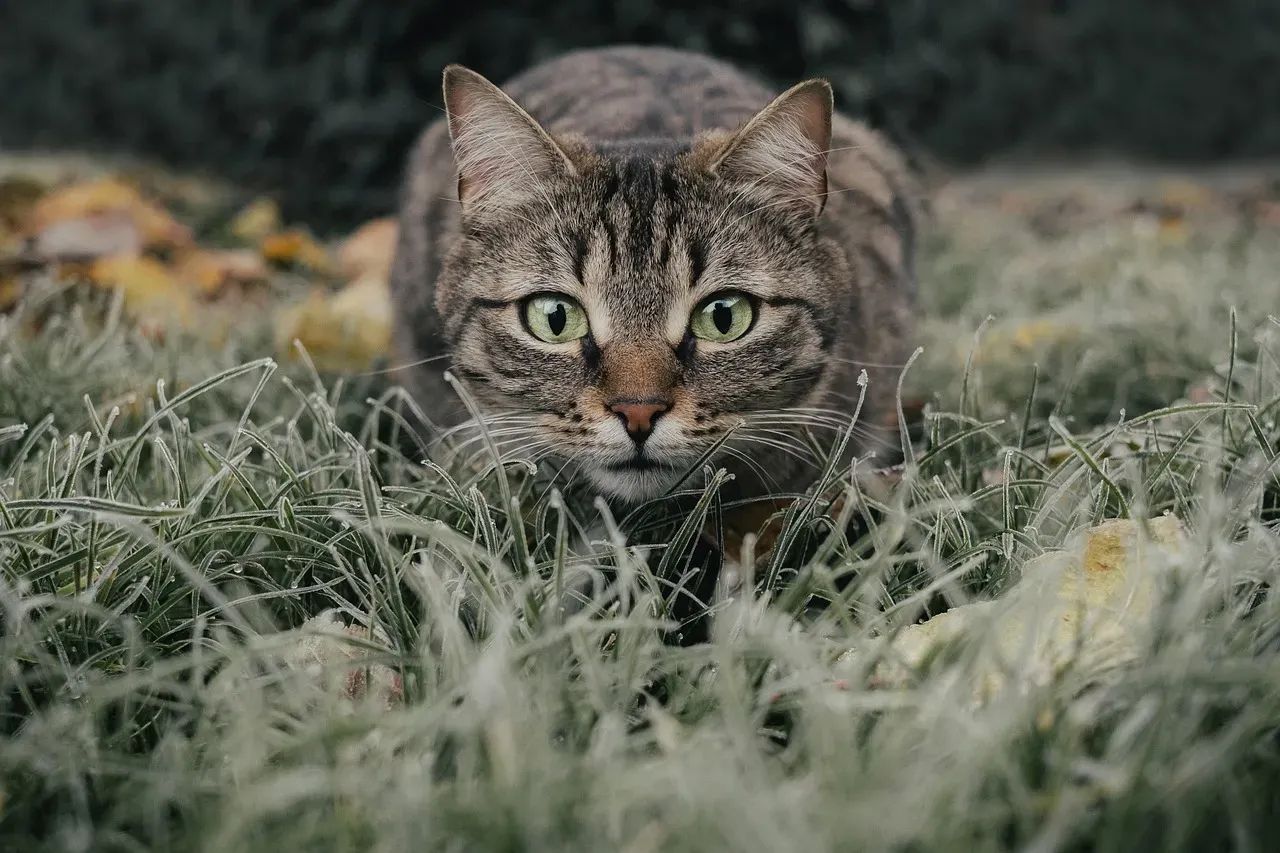
You’ve probably caught your cat crouched low, inching forward with a slow, deliberate gait while staring at something you can’t even see. That’s not random behavior. Cats usually approach their prey by stalking them, which involves the cat moving in a crouched position with their head outstretched. Even when you think your cat is just wandering around, every step might be part of a calculated approach.
This stalking technique isn’t something cats learn from YouTube tutorials. Slow movements are used on the initial approach, which may speed up to a sprint the closer the cat gets to their prey. Maybe they’re tracking a dust mote or an insect you haven’t noticed yet, but that stalking posture is the same one used by wild felines on the hunt. Your living room is essentially a training ground for a miniature apex predator.
The Pre-Pounce Butt Wiggle
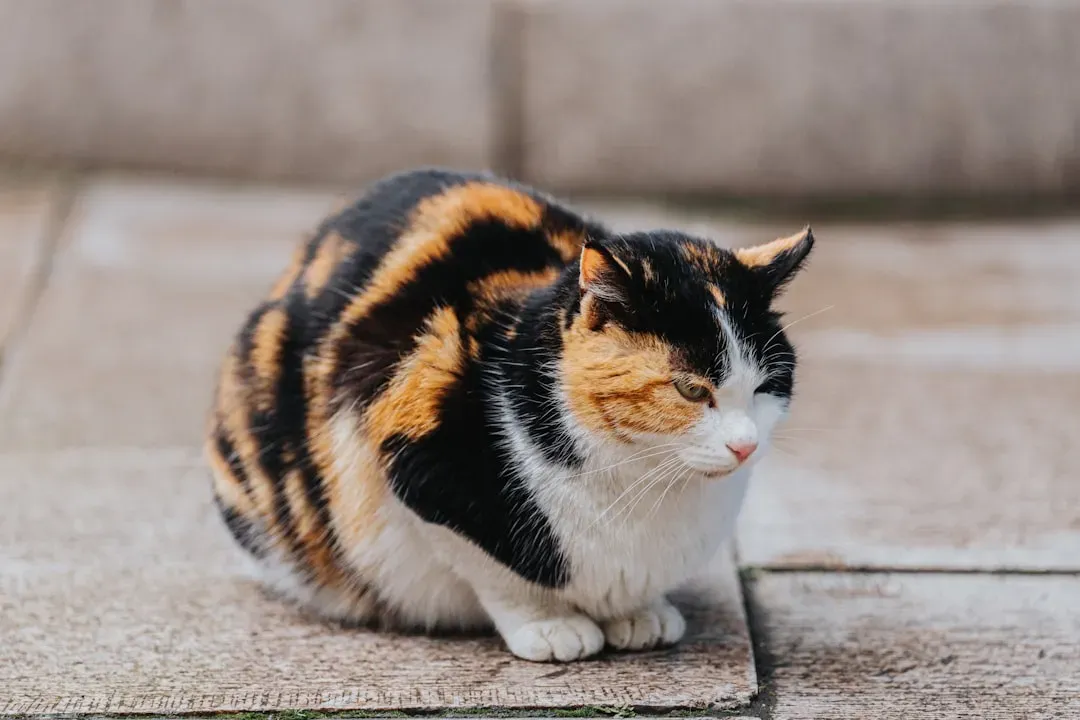
Let’s be real, if there’s one thing cat owners recognize instantly, it’s that iconic butt wiggle before a pounce. Your cat locks eyes on a target, lowers their body, and then starts this rhythmic wiggle with their hind end. Although this butt wiggle can seem really funny, it is actually a crucial step. Wiggling and adjusting their back end helps ground them to get a good leap.
This isn’t just for show or cuteness overload. Cats will size up their target and adjust the force needed to have a solid pounce and take down the prey. Whether it’s a toy, a bug, or your unsuspecting ankle, that wiggle is a sign your cat is calculating distance, angle, and force. It’s math, physics, and predatory skill wrapped into one adorable motion.
They Hunt Even When They’re Not Hungry
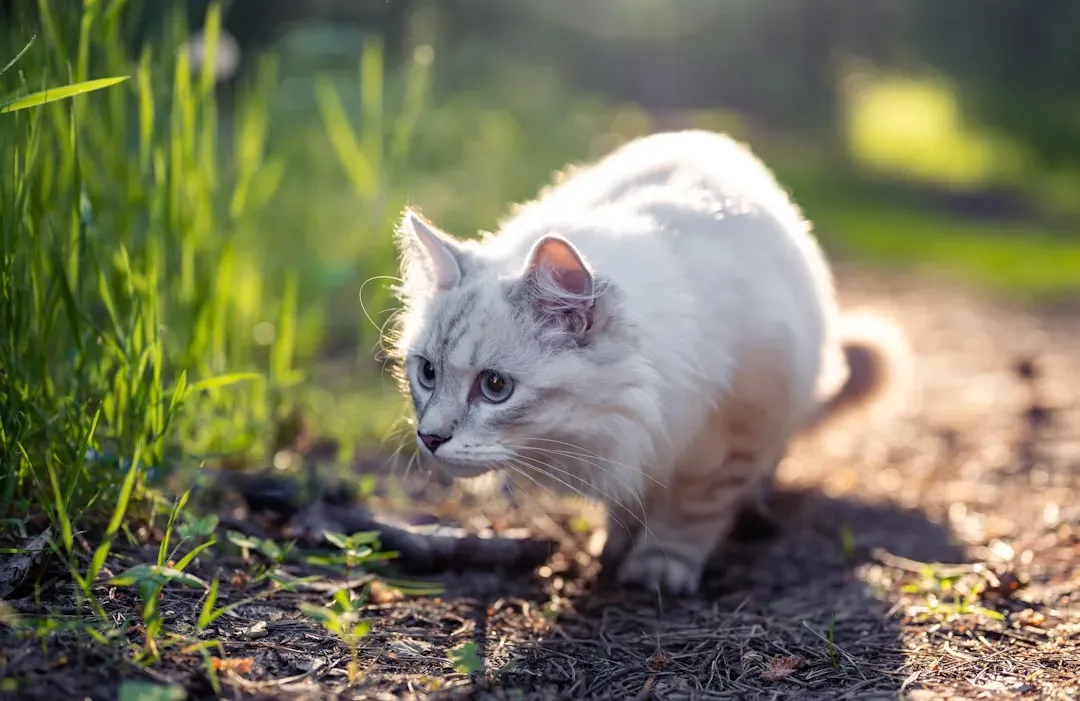
Here’s the thing that confuses most people: you feed your cat premium food twice a day, yet they still chase down moths at midnight. Why? There’s been very little selective breeding of cats, so their instinctive need to hunt remains strong. Your cat doesn’t hunt because they’re starving. They hunt because it’s hardwired into their DNA.
Today’s domestic cat, however, hunts more for fun and entertainment. The sight or sound of prey triggers your cat’s hunting instinct, making it near-impossible for them to resist the sound of a bird’s wings flapping or the sight of a darting object. Even a well-fed indoor cat will pounce on anything that moves in a prey-like manner. It’s not about survival anymore; it’s about instinct satisfaction.
The Midnight Zoomies That Aren’t Random at All
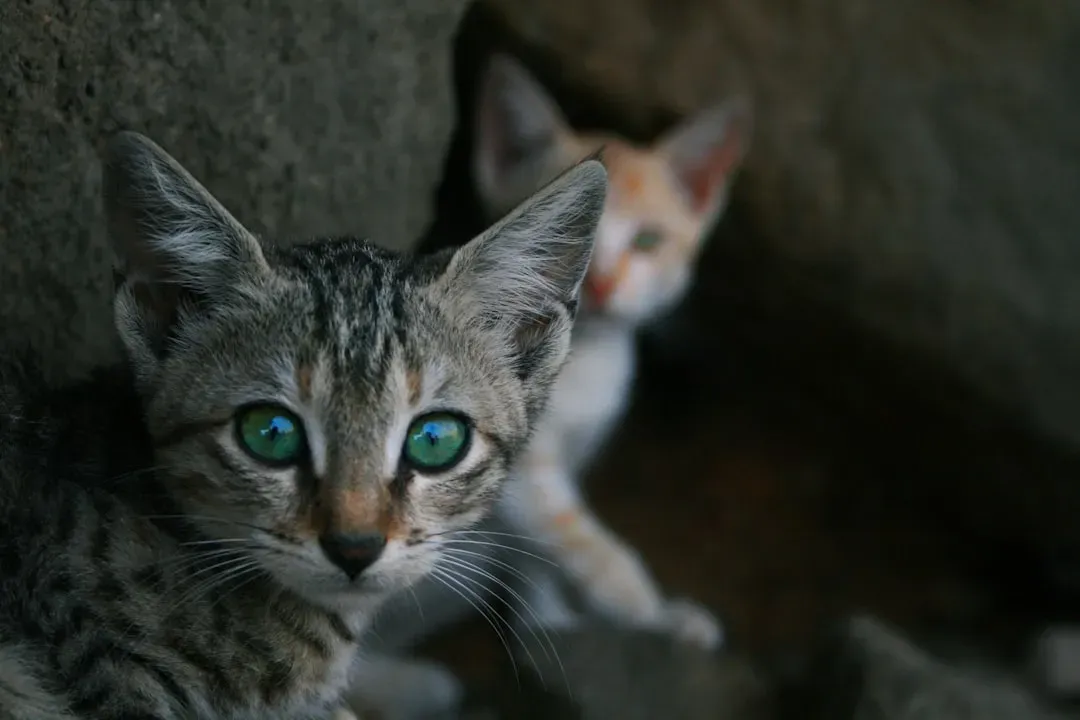
Your cat tears through the house at three in the morning, knocking things off shelves and racing from room to room. You might think they’ve lost their mind, but there’s method to this madness. Cats engage in three to ten hours a day of typical hunting behaviour (locating prey, lying in wait, pouncing, killing), and this should be borne in mind when keeping domestic cats.
Those sudden bursts of energy are your cat’s way of expressing predatory behavior when there’s no actual prey around. It’s hard to say for sure, but indoor cats that don’t get enough outlets for their hunting drive often redirect that energy into wild sprints and chaotic play. If your cat had access to real prey, they’d be spending hours each day in pursuit mode. Instead, you get the zoomies.
The “Gifts” They Leave for You
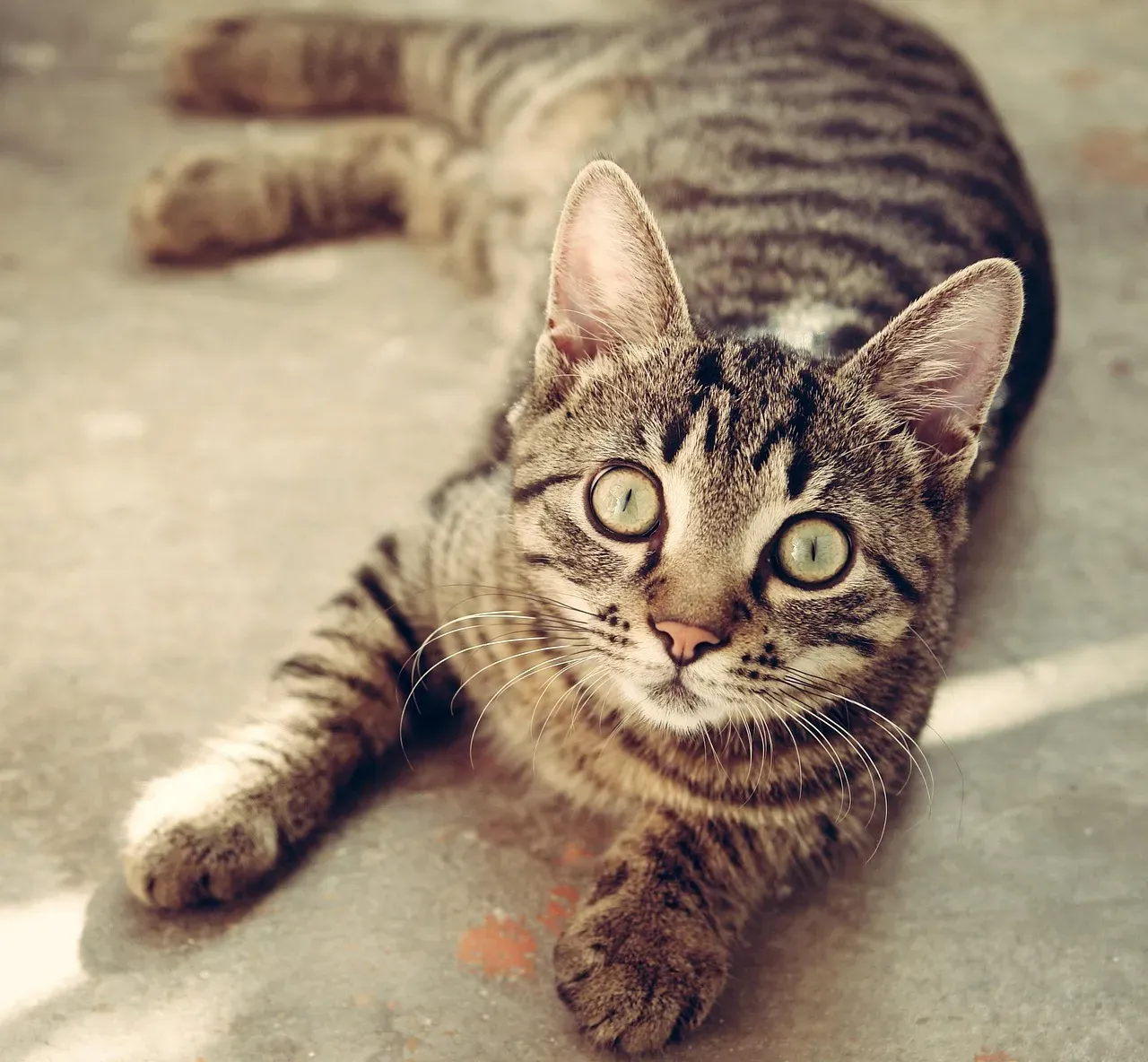
Maybe your indoor cat doesn’t bring you dead mice, but they might drop toys at your feet or leave their “kills” in strategic places. It may be similar to the way wild cats provide for their young while teaching them valuable survival skills. Since most domestic cats are neutered, however, and have no young to provide for, they may transfer these instincts to their owners instead.
Honestly, this behavior is weirdly touching when you think about it. Your cat sees you as part of their family and wants to share their hunting success. Even if that success is just a crumpled piece of paper or a toy mouse, the gesture is the same. They’re not just playing; they’re practicing the full hunting sequence, and you’re their audience.
They Track Movement With Laser Focus
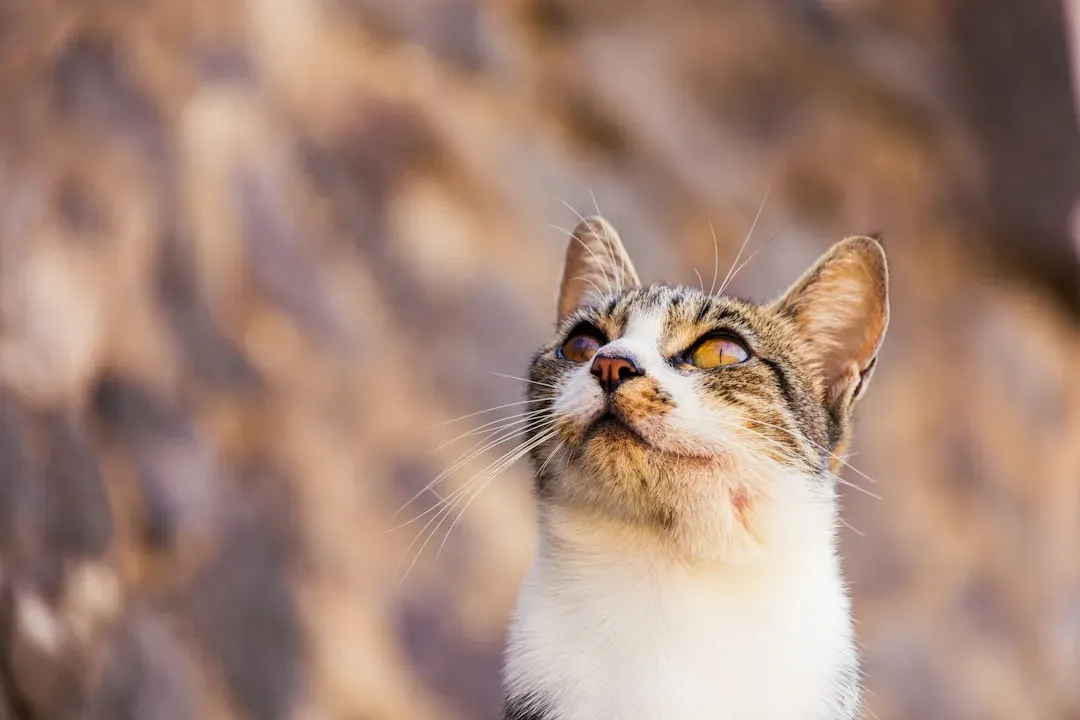
Ever notice how your cat’s head follows every tiny movement in the room? A fly buzzing past, your hand gesturing while you talk, even a shadow shifting on the wall. They use their acute vision and sensitivity to high-pitched sounds to locate their prey. Your cat’s eyes are built to detect motion, especially the kind that mimics small animals.
This tracking behavior isn’t casual observation. Cats chase fast, flickering things because their eyes and brains are tuned for hunting small prey at dawn and dusk. Their visual system is optimized for low light and rapid movement. So when your cat stares intently at something you can barely see, they’re not spacing out. They’re locked onto potential prey with the focus of a sniper.
The Pounce-and-Bat Routine With Their Toys
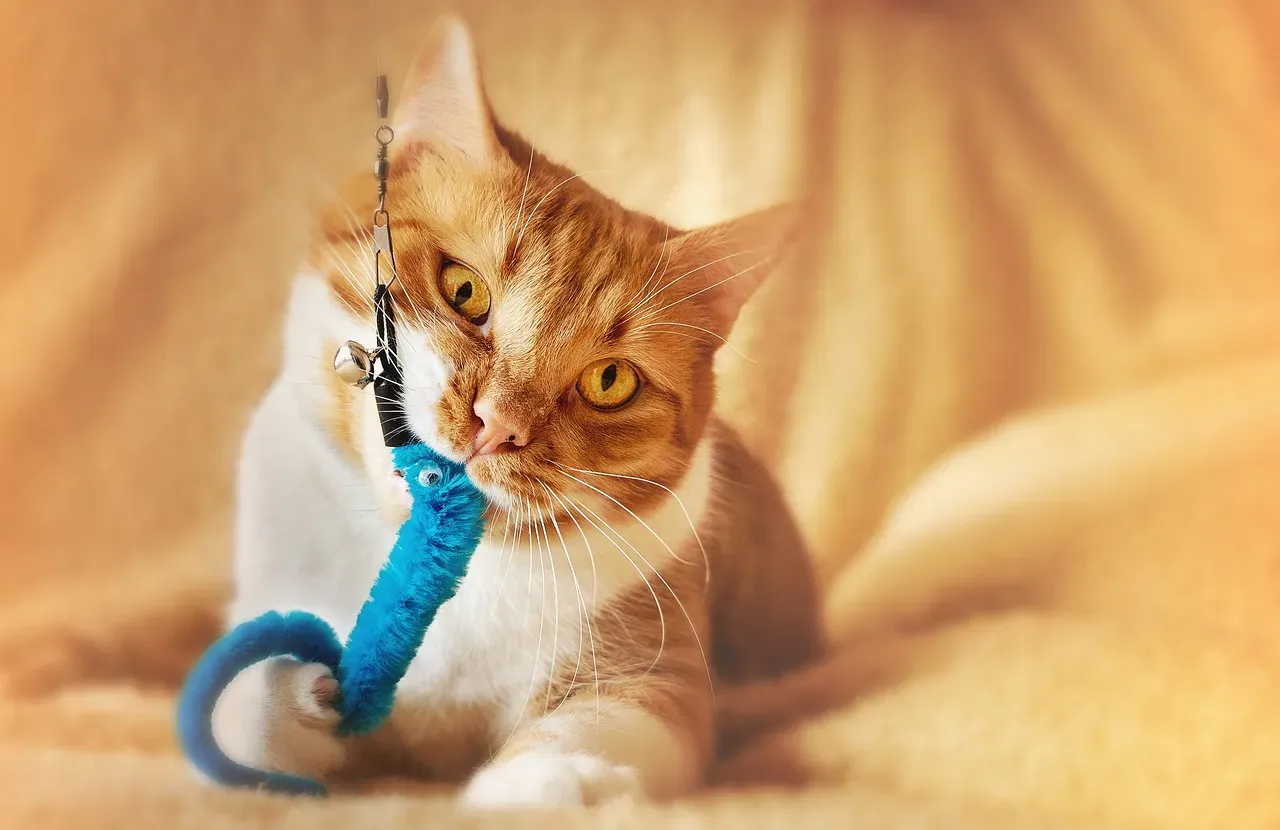
When your cat catches a toy, they don’t just hold it. They bat it around, toss it in the air, pounce on it again. It looks like they’re toying with it, and in a way, they are. When a cat bats around its prey after the initial pounce, it may seem like they want to “play” with their catch. But in reality, the cat is tiring out the animal until it’s safe to go in for the killing bite.
Although it may seem like your cat is just playing around with the toy, cats have an instinct to kill the prey with a bite to the neck. Since cats use a lot of energy on the pounce, they need to make the kill as quickly and with the least amount of effort as possible. So that seemingly playful batting isn’t cruelty or boredom. It’s strategy. Your cat is practicing how to subdue prey safely before moving in for the final strike.
They Ambush You From Around Corners
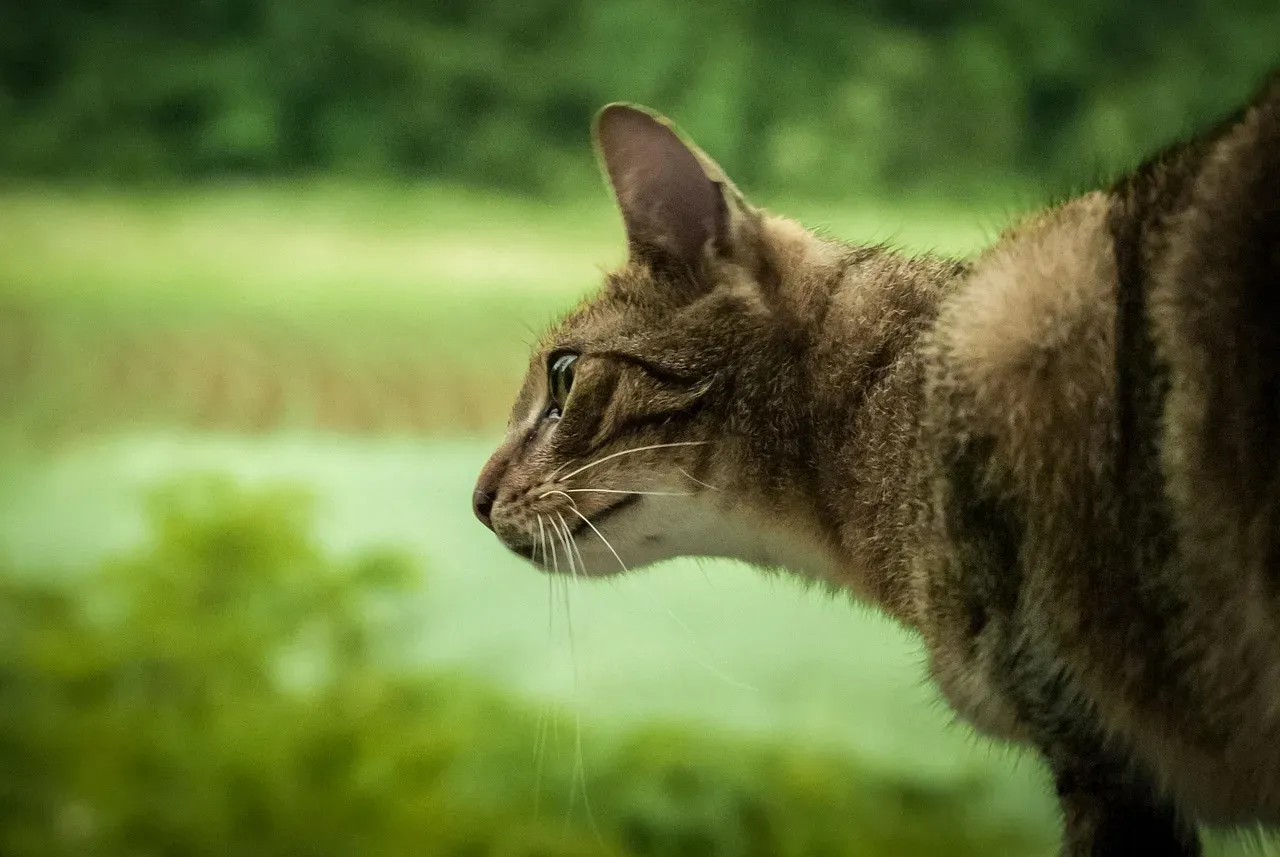
You walk down the hallway, minding your own business, and suddenly your cat springs out from behind a door and grabs your ankle. As ambush predators, cats need to stalk their prey and conceal their presence as best as possible to maximize the chances of success. Your cat isn’t being mean. They’re practicing a core hunting technique.
I know it sounds crazy, but your legs are basically the perfect practice prey. They move, they’re roughly the right size for a pounce, and they react when caught. They see you as a moving target, as they are instinctively drawn to moving objects/creatures and your legs could just be their next victim! This ambush behavior is deeply ingrained, and honestly, it’s kind of impressive when you think about the stealth and timing involved.
The Chattering Noise at the Window
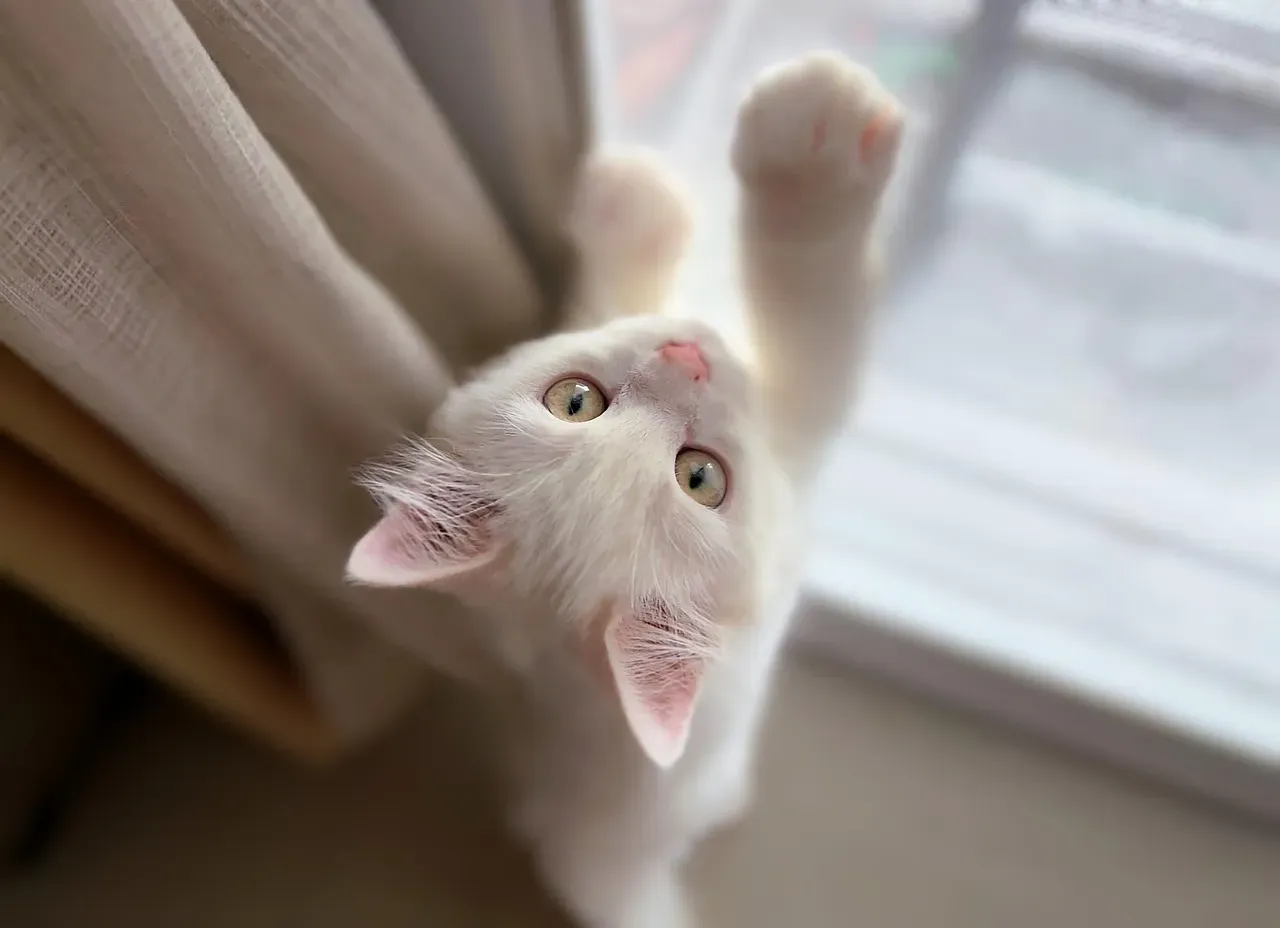
Your cat sits at the window, staring at birds outside, and starts making this weird chittering or chattering sound with their jaw. A cat sees a bird through the window. Even if it can only watch the bird through the glass, it switches immediately to hunting mode, making a chattering sound caused by special jaw movements.
No one knows exactly why cats do this, but it seems to be part of their predatory response when they can’t actually reach their target. The frustration of being so close yet unable to pounce might trigger this vocalization. It’s like they’re rehearsing the killing bite in their minds, even though they’re stuck inside. That chattering is your cat’s hunting instinct screaming to get out.
They Ignore You Until Something Moves
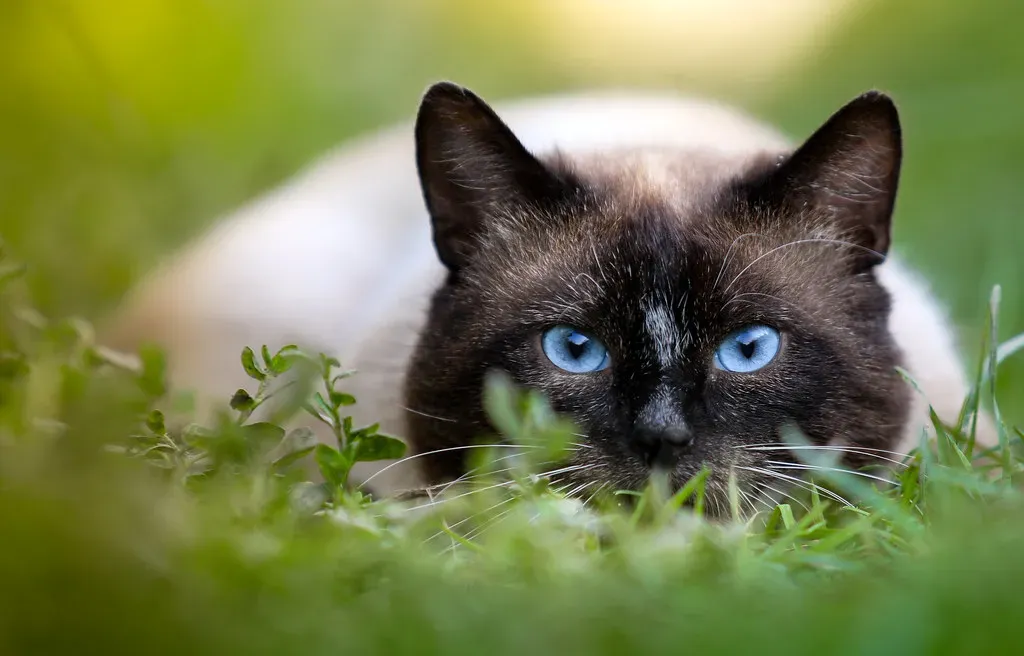
Your cat might seem aloof most of the time, but the second something moves quickly, they’re alert and focused. Much like their wild ancestors, domestic cats are solitary hunters. They conserve energy and wait for the right moment to strike, which is why your cat can seem lazy one second and then explode into action the next.
This selective attention isn’t rudeness; it’s efficiency. Wild hunters can’t afford to waste energy chasing every distraction. The average well-fed pet cat only hunts for around 3 hours each day, compared to an unowned, feral cat that’s not being fed, who may hunt for around 12 hours each day. Your indoor cat still has those instincts, but they channel them into short, intense bursts of activity when the right stimulus appears.
Conclusion: Your Cat Is More Wild Than You Think
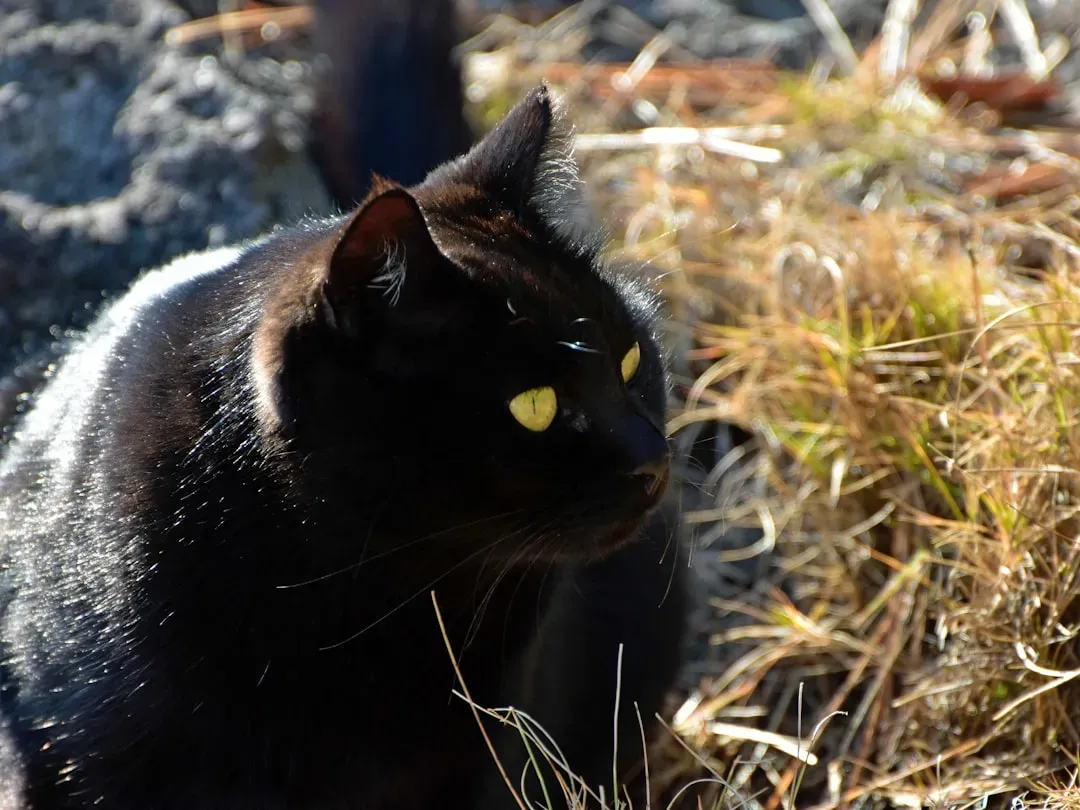
So there you have it. Your supposedly lazy, pampered housecat is actually a highly skilled predator disguised in a cute, fluffy package. Every stalk, every pounce, every butt wiggle is a reminder that domestication hasn’t erased millions of years of evolution. Your cat’s hunting instincts are alive and well, even if the only prey they encounter is a toy mouse or your unsuspecting toes.
The next time you watch your cat in action, take a moment to appreciate the wild hunter living in your home. Did you expect that your couch-lounging companion had such a fierce side? What do you think about these hidden hunting signs? Share your own stories in the comments.