Have you ever caught your cat staring at that questionable throw pillow you bought on sale? You know the one. The pumpkin spice colored monstrosity that seemed like a good idea at the time. Your feline friend hasn’t blinked in three minutes, and honestly, you’re starting to feel a little attacked. Turns out, cats have opinions about everything, including your interior design choices, and they’re not afraid to show it through their behavior.
While we might think our cats are just being weird (which, let’s be honest, they definitely are), their reactions to our homes tell a fascinating story about how they perceive their environment. From their superior senses to their territorial instincts, cats are constantly evaluating their surroundings. So let’s explore the hilarious ways your furry roommate is silently critiquing your taste.
The Prolonged Wall Stare
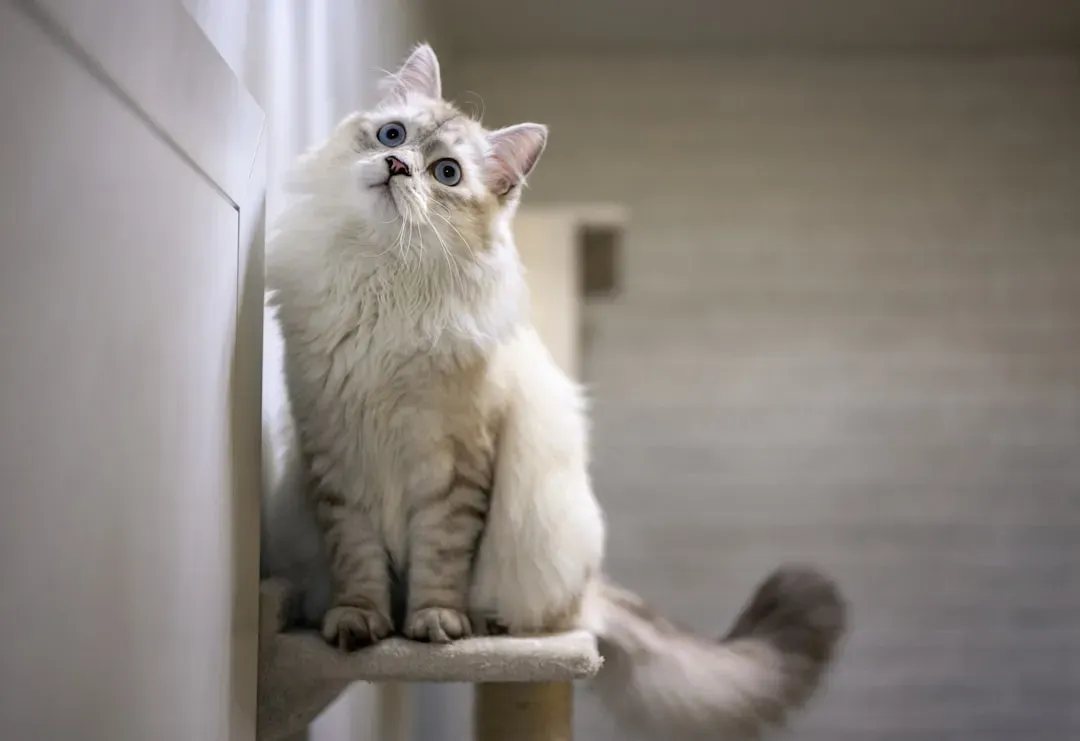
Cats have heightened senses that allow them to spot small insects or specks of light on walls that we completely miss. Sometimes though, they’re just staring at your accent wall color wondering what possessed you to choose “Millennial Beige” for the third room in a row.
With hearing ranges from 48 Hz to 85 kHz, cats possess one of the best hearing abilities among mammals, meaning they might detect sounds behind your walls. Or maybe they’re contemplating the artistic merit of that canvas print you got from a big box store. The jury’s still out. When your cat fixates on a specific wall for extended periods, it’s hard not to wonder if they’re mentally redecorating in their head.
Strategic Item Elimination
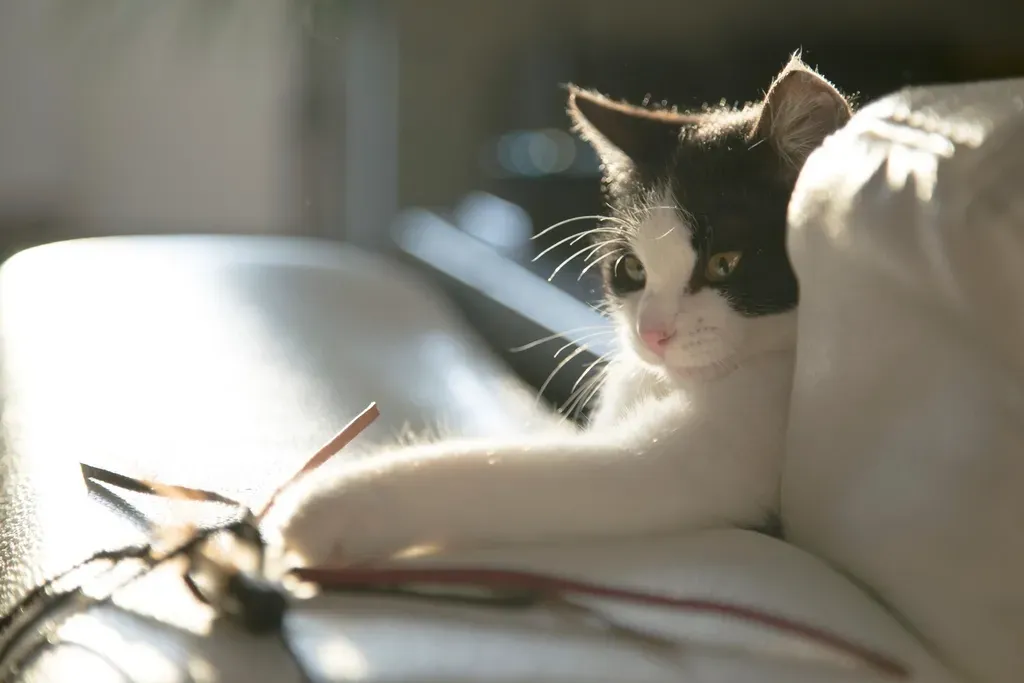
Your cat hasn’t accidentally knocked over your decorative succulent for the fifth time this week. Cats examine the world by knocking things over to see how objects move, if they break, or if they contain something inside. They’re basically conducting a very destructive quality control test on your decor.
Knocking things over is instinctive and connected to predation, as motion triggers their predatory instincts. That ceramic owl figurine from your grandmother? Your cat’s just testing whether it’s prey worthy. The fact that it crashes spectacularly to the floor is merely collateral damage in their ongoing assessment of your questionable knickknack collection. Deep down, you know they’re doing you a favor by getting rid of the clutter.
Refusing to Use the Expensive Cat Furniture
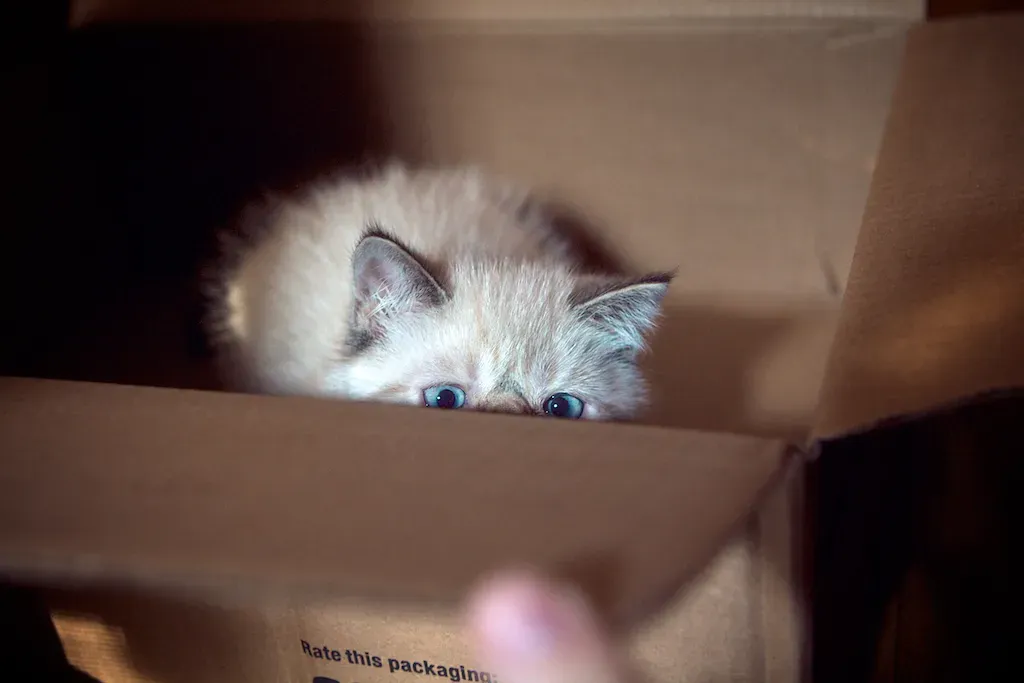
You spent a small fortune on that designer cat tree that matches your living room aesthetic perfectly. It’s sleek, it’s modern, it coordinates beautifully with your color scheme. Your cat took one look at it and decided the cardboard box it came in was far superior. This is peak judgment.
Cats are telling you something profound here. They don’t care about your mid century modern minimalist vibe. Cats like to organize their environment based on their needs and have an inherent desire to maintain an independent territory. That fancy cat tower you bought because it looked good in the Instagram photo? It doesn’t meet their exacting standards. The ratty Amazon box, however, is apparently five star accommodations.
The Slow Blink From Atop Your Forbidden Surfaces
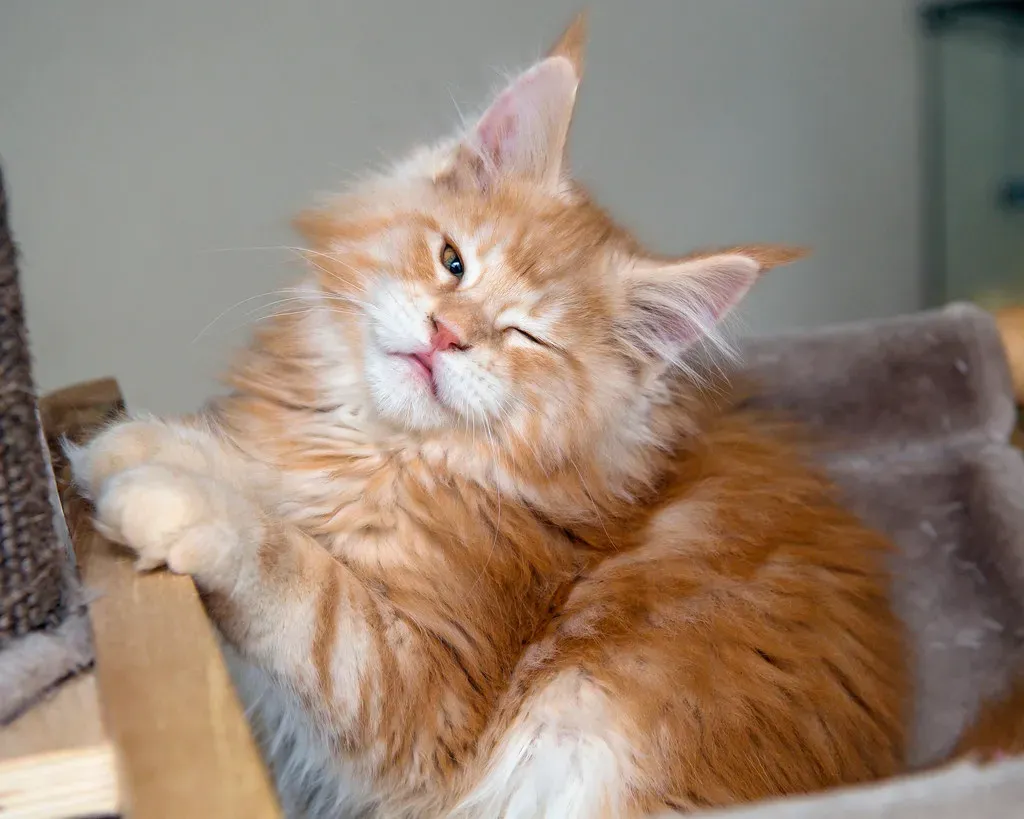
Slow blinking is a cat’s way of saying they trust you and feel comfortable in their environment. When your cat slowly blinks at you from the top of your antique dresser (the one they’re absolutely not allowed on), they’re expressing comfort while simultaneously disrespecting your rules. It’s the ultimate power move.
They’ve claimed the high ground, literally. Your carefully arranged vignette of framed photos and vintage perfume bottles has been deemed the perfect perching spot. The slow blink translates roughly to “I see you decorated this surface, and I’ve decided it’s mine now.” There’s a reason they always choose the most inconvenient locations with the most breakable items.
Inappropriate Scratching Location Selection
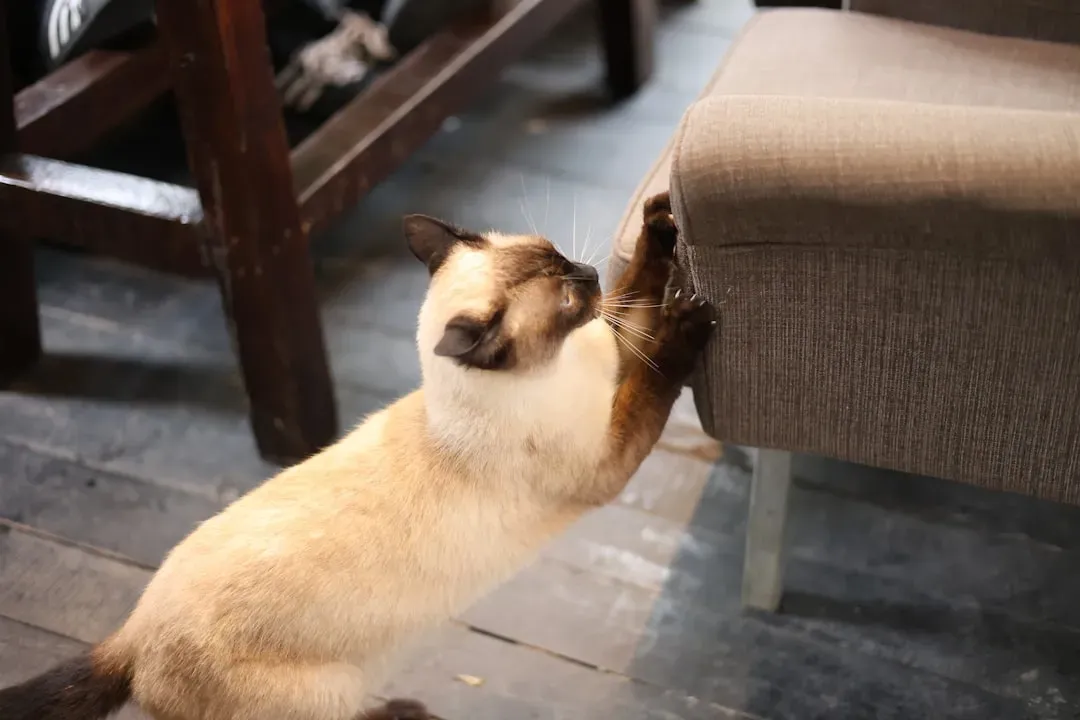
You provided three scratching posts in tasteful neutral tones strategically placed throughout your home. Yet your cat has zeroed in on the one piece of furniture you actually like, the vintage velvet armchair you found at an estate sale. Scratching is natural behavior cats use to mark territory and sharpen their claws.
Your cat’s deliberate choice to ignore the designated scratching areas in favor of your best furniture is absolutely a statement. They’re saying your interior design priorities are all wrong. That armchair? Too nice. Too precious. It needs some character, some texture, some shredded fabric hanging off the arms. Consider it their contribution to your home’s “lived in” aesthetic.
The Aggressive Loaf Position on Your Ugliest Blanket
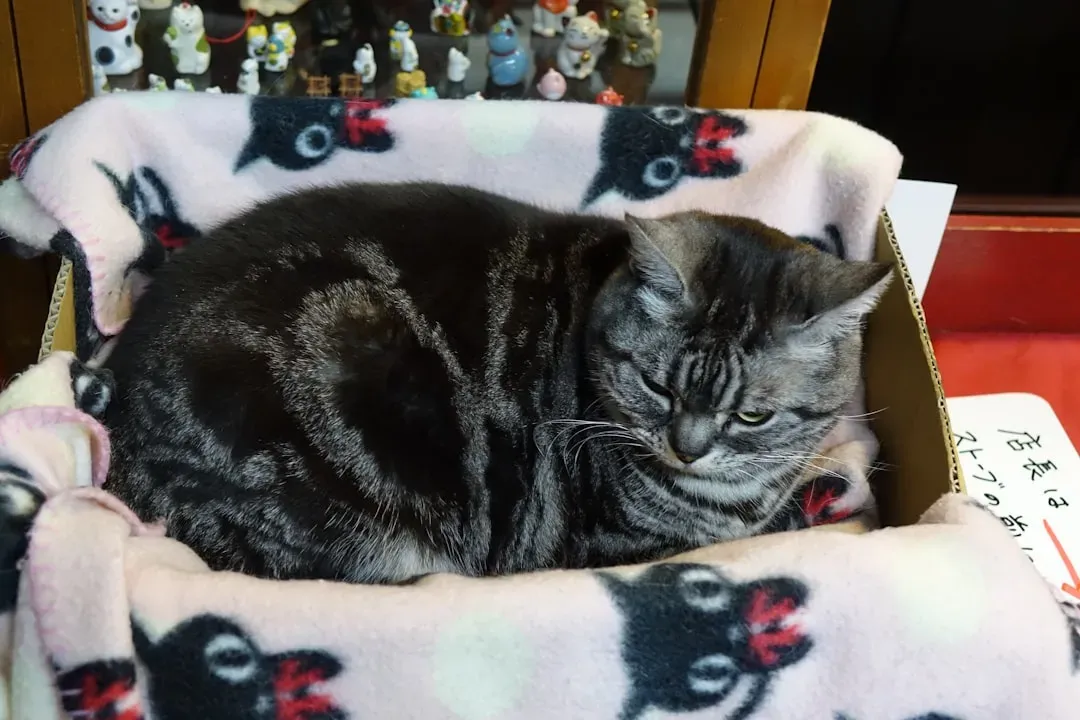
Happy cats display loose posture with limbs and tail stretched out when lying down, but when they’re tucked into a tight loaf position on that hideous fleece blanket your aunt gave you, they’re making a point. They’ve surveyed all available soft surfaces in your home and chosen the one that offends the eye most.
Honestly, it’s like they know. You’ve hidden this blanket in the closet multiple times, but somehow it keeps ending up on the couch. Your cat has decided this particular eyesore is their favorite spot, ensuring you can never get rid of it. They’re committed to keeping your decor choices humble. That blanket stays, and so does their judgment of everything else you’ve chosen.
Sitting Directly in Front of Your Art
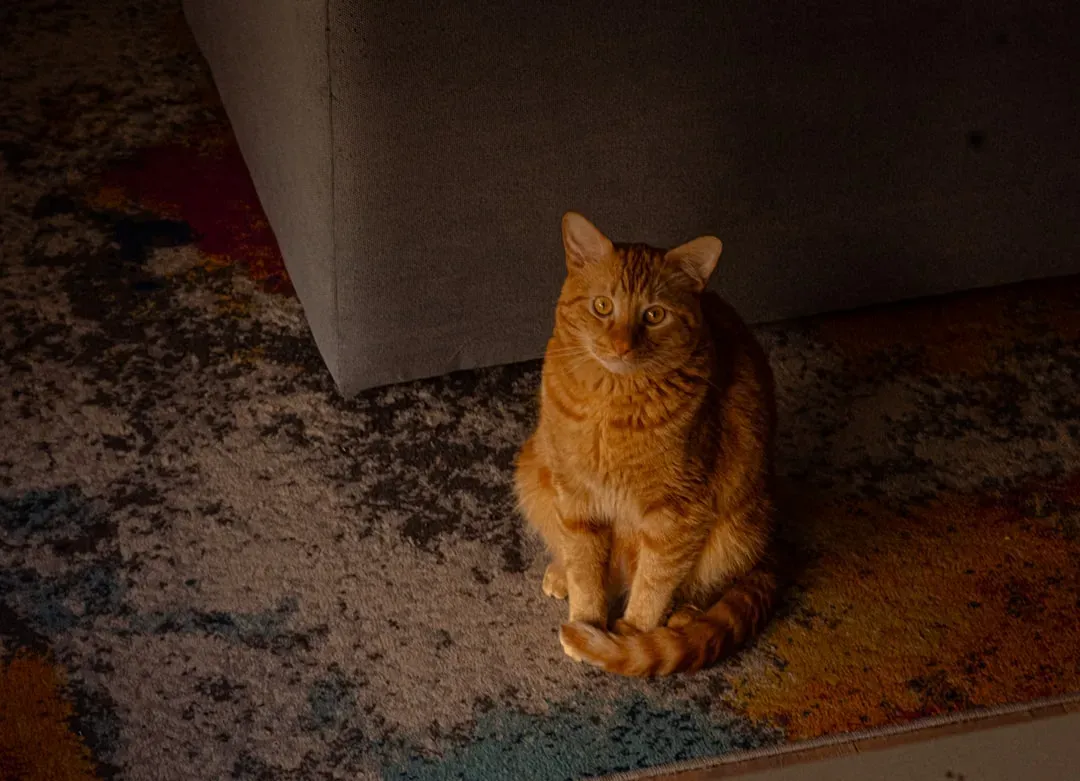
You hung that piece at the perfect height. The lighting hits it just right. It’s the focal point of the entire room. Much of a cat’s body language is through tail, ears, head position, and back posture, and when they position themselves right in front of your carefully curated gallery wall, their body language screams “No.”
Cats naturally prefer elevated observation points where they can survey their territory. The fact that your cat has chosen the floating shelf displaying your art collection as their new throne isn’t coincidental. They’re blocking your view on purpose. That abstract painting you paid too much for? Your cat thinks the back of their head is a better focal point. You have to admit, they might be right.
The Disdainful Sniff of New Decor

You brought home new throw pillows, and your cat is conducting a thorough investigation. Cats rub their body against objects to mark territory, but before the rubbing comes the sniffing. And judging by the expression on their face, your new pillows have failed inspection.
That little nose wrinkle says everything. The pattern is too busy, the texture is wrong, and quite frankly, the color clashes with their fur. You didn’t consult them before making this purchase, and now they’re letting you know this was a critical oversight. Until these pillows smell appropriately like cat, they will be treated with suspicion and contempt. Your cat is the ultimate interior design consultant you never asked for.
Claiming the One Spot That Ruins Your Feng Shui
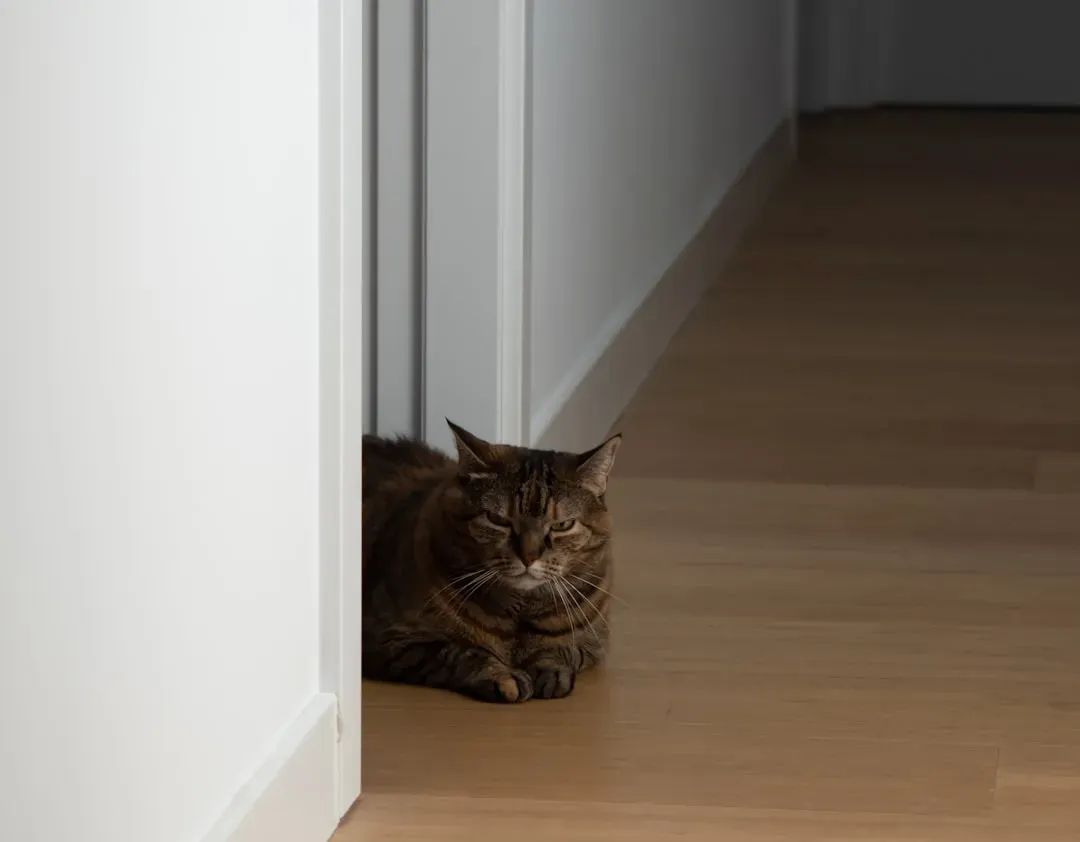
You’ve arranged your furniture according to principles of flow and balance. Everything has a purpose and a place. Then your cat decides the absolute perfect spot in your entire home is smack in the middle of the walkway between your kitchen and living room. Cats love relaxing on high open perches where surroundings can be seen easily, but apparently, they also love prime floor real estate.
They’re sprawled out in their full glory, forcing everyone to walk around them. It doesn’t matter that this disrupts the entire traffic pattern of your home. This is their spot now, and your carefully planned layout means nothing. They’ve decided your feng shui was too perfect and needed some chaos. Balance is overrated anyway.
The Pointed Avoidance of Your Favorite Room
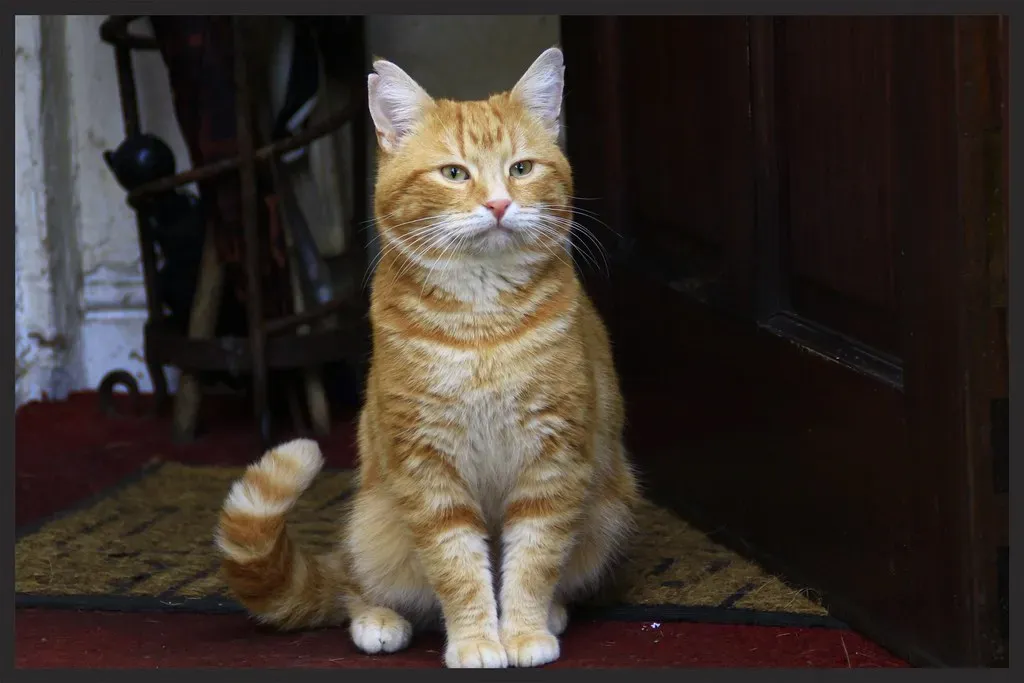
You spent weeks perfecting your home office. Every detail is intentional. The color palette is soothing. The plants are thriving. Your cat refuses to set one paw in there. Interpreting cat body language requires considering everything in their environment, including how sights, sounds, and smells might make them feel.
Their complete avoidance speaks volumes. Something about this room doesn’t pass the vibe check. Maybe it’s the overhead lighting you were so proud of. Perhaps it’s the essential oil diffuser. Or it could be that minimalist desk chair that cost more than your rent. Whatever the reason, your cat has deemed this room unworthy of their presence, and that’s the harshest review possible. When a cat won’t even walk into a space, you know you’ve made some serious design mistakes.
The Conclusion
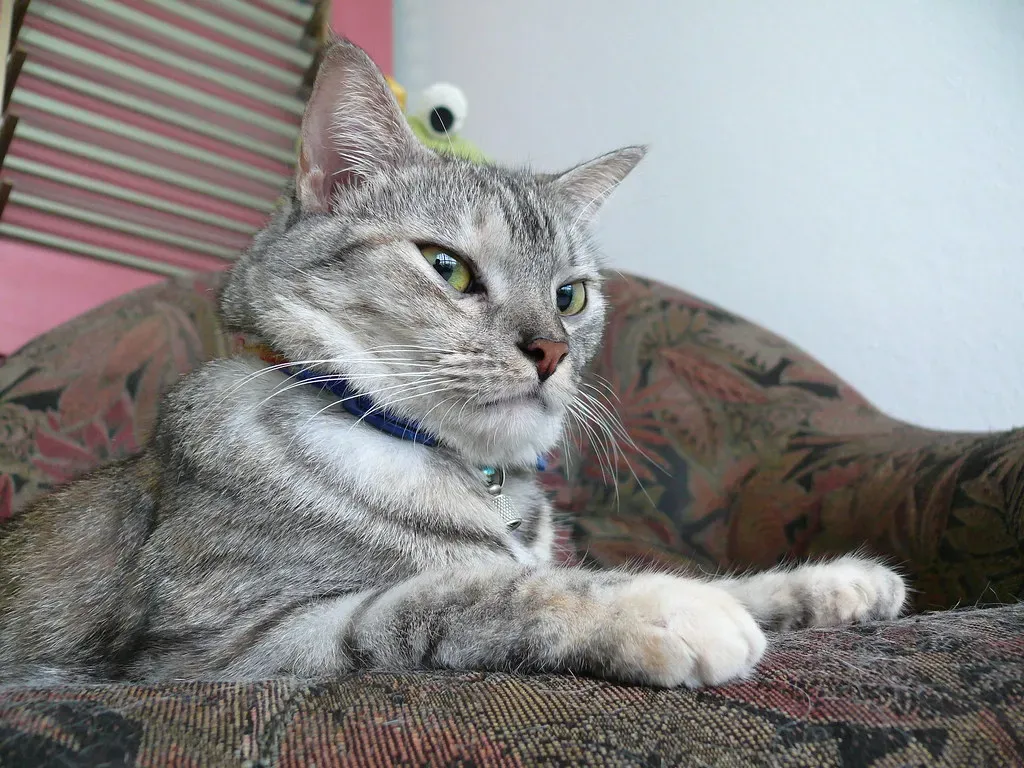
Let’s be real here, living with a cat means accepting that you’ll never be the sole authority on your home’s aesthetic. Cat behavior is always contextual, and paying attention to their body language helps us understand their needs and build stronger relationships with them. Their constant evaluation of your decor choices is just part of how they interact with their environment.
Your cat’s judgment of your home isn’t personal, even though it definitely feels that way when they knock over your favorite vase while maintaining eye contact. They’re simply expressing their preferences through the only means available to them: passive aggressive behavior and strategic destruction. The next time you catch your cat staring at your questionable design choices with what can only be described as disappointment, remember they’re just keeping you humble. So tell us, what’s the worst decor crime your cat has called you out on?