You hit play on your favorite playlist, settle back into the couch, and feel genuinely proud of your musical selections. Meanwhile, your cat opens one eye, stares at you for exactly three seconds, then slowly gets up and walks out of the room. Coincidence? Honestly, I’m not so sure.
Cats have been studied, observed, and lovingly debated for centuries, yet their inner emotional world still manages to surprise us. The relationship between cats and music is one of those corners of science that is way more fascinating than most people expect. So if you’ve ever felt like your cat was silently rating your Spotify habits, you might be closer to the truth than you think. Let’s dive in.
They Leave the Room Every Single Time You Press Play
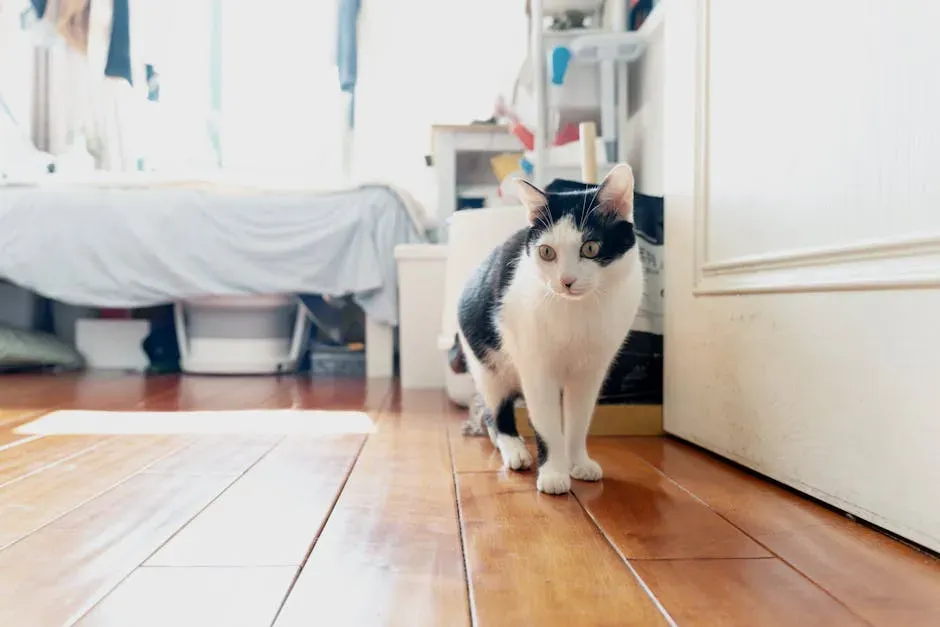
If your cat has a habit of suddenly needing to be somewhere else the moment your music starts, pay attention to that. Cats generally prefer quiet, gentle, natural sounds over loud, unpredictable noises. So if your playlist leans toward bass-heavy beats or anything with sudden dynamic shifts, your cat’s exit isn’t dramatic – it’s actually very sensible.
You might think they’re just restless or looking for food, but the pattern is telling. If at any point your cat appears startled, shows stressed body language, or leaves the room, they don’t like the music and would prefer some peace and quiet instead. That little retreat to the bedroom? That’s a one-star review, and your cat just posted it silently.
Their Ears Flatten Every Time a Heavy Beat Drops
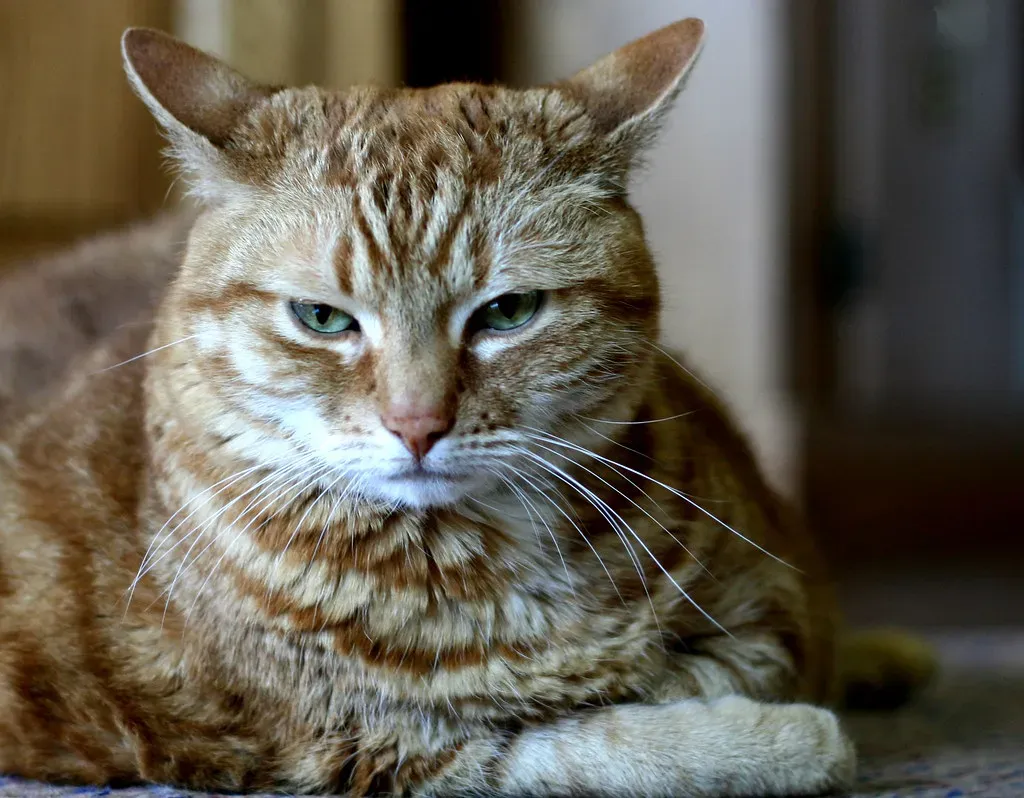
Here’s the thing about cats and their ears: those two little triangles on their head are incredibly expressive. Signs of stress in cats include flattened ears, dilated pupils, tail flicking, or leaving the area. So if you notice those ears pressing back against their skull every time your music kicks up, that’s not a quirky personality trait. That’s feline body language for “please stop.”
Cats are extraordinary listeners in the most literal sense. Cats are able to hear frequencies up to 64,000 hertz, while humans can only hear frequencies between 20 and 20,000 hertz. In other words, what sounds perfectly fine to you might feel genuinely overwhelming to your cat. Imagine hearing every frequency at three times the intensity. Yeah. Your bass line hits differently through their ears.
They Gravitate Toward the Speaker and Then Immediately Walk Away
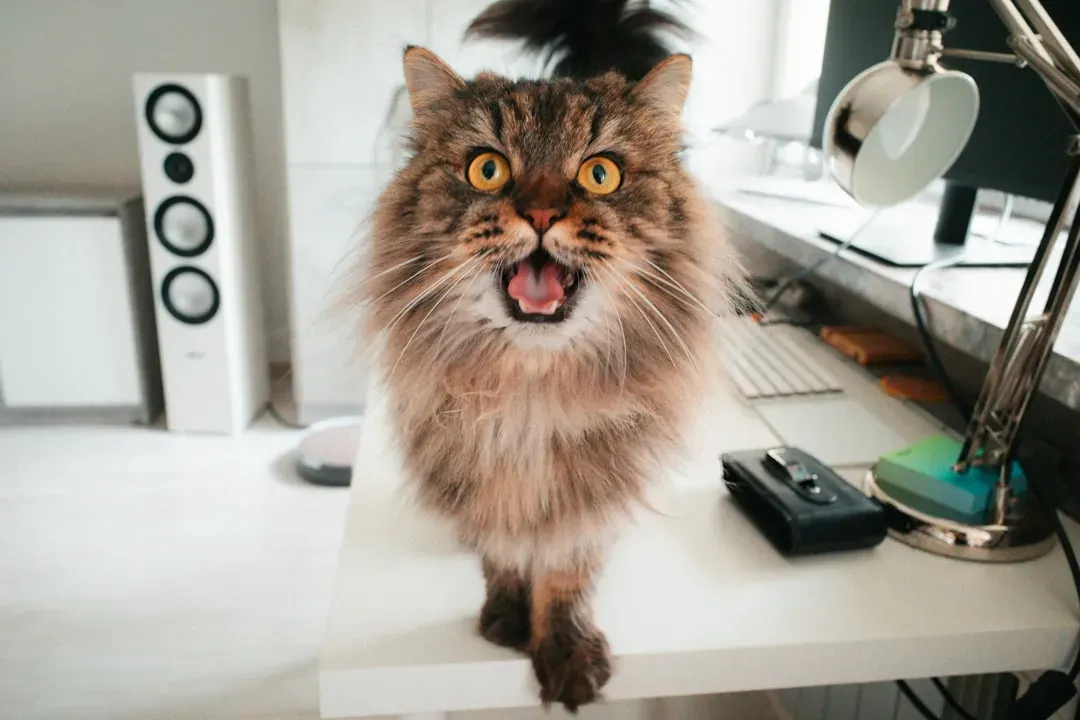
This one is a quiet act of judgment most owners miss entirely. Your cat walks up to the speaker, sniffs it, gives it a long look, and then turns and walks away with all the energy of a restaurant critic who just decided the entrée isn’t worth finishing. Purring, walking toward the speaker and rubbing against it were considered positive responses, while hissing, arching the back, and erecting the fur were negative.
The walk-up-and-walk-away move tells you everything. Cats responded to music positively by orienting and approaching speakers playing cat music more often and quicker than to speakers playing classical music. So when your cat approaches your speaker but doesn’t stay, doesn’t rub, and doesn’t orient toward it with any warmth, they’ve essentially conducted their own little review and the results are not great for your playlist.
They Stare at You With That Particular Look of Pity
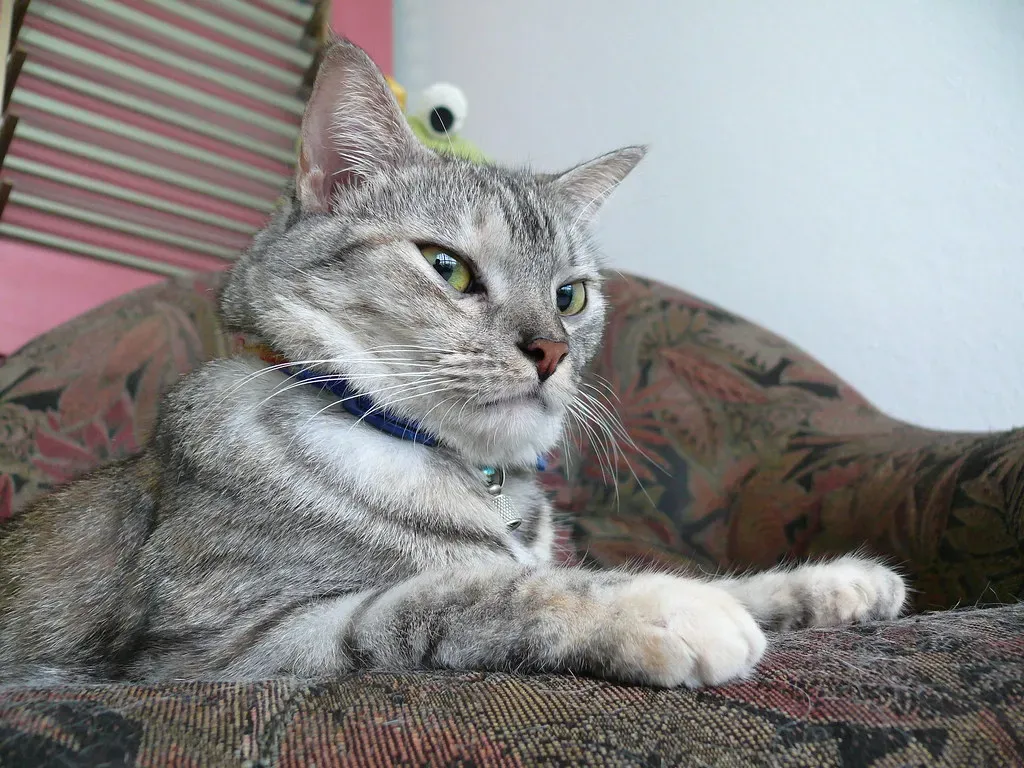
You know the look. It’s the slow blink combined with an almost theatrical stillness, like a professor waiting for a student to realize they’ve gotten the answer completely wrong. Let’s be real, your cat has a full vocabulary of judgment expressed entirely through their eyes, and music is definitely something they have opinions about.
Just like humans, cats have unique personalities and preferences. Some cats may prefer classical music, while others may respond better to nature sounds or even heavy metal. The stare isn’t random. If your cat locks eyes with you at the exact moment your most questionable song comes on, it’s worth considering that they’ve been keeping track of your choices for a while now.
They Only Relax When You Play Something Soft and Natural
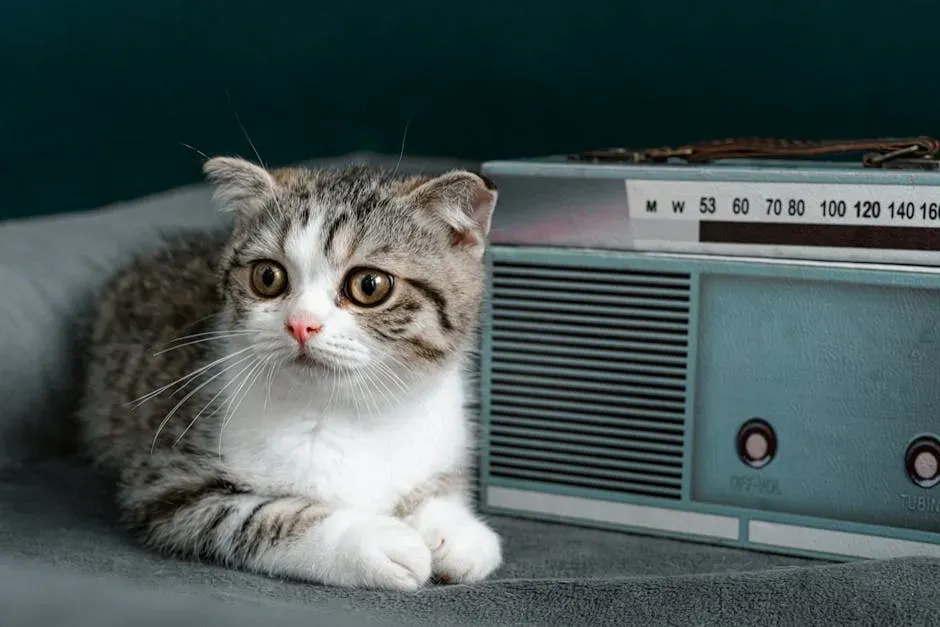
Notice that your cat seems completely different on those rare evenings when you put on ambient nature sounds or something with a slow, gentle tempo? That shift in their behavior is real and rooted in science. Researchers have found that cats have a preference for sounds that fall within a frequency range similar to that of their own communications, such as purring or meowing. When your music accidentally lands near that range, your cat finally exhales.
Nature soundscapes like rain or soft wind may have a calming effect, while playful sounds like crinkling toys or tapping noises can encourage activity. So when your cat melts into the couch during a slow acoustic set but sits bolt upright during your energetic morning playlist, they’re not just reacting randomly. They’re responding to sound science. They are, in the most literal sense, better music critics than you expected.
They Start Grooming Themselves Aggressively Mid-Song
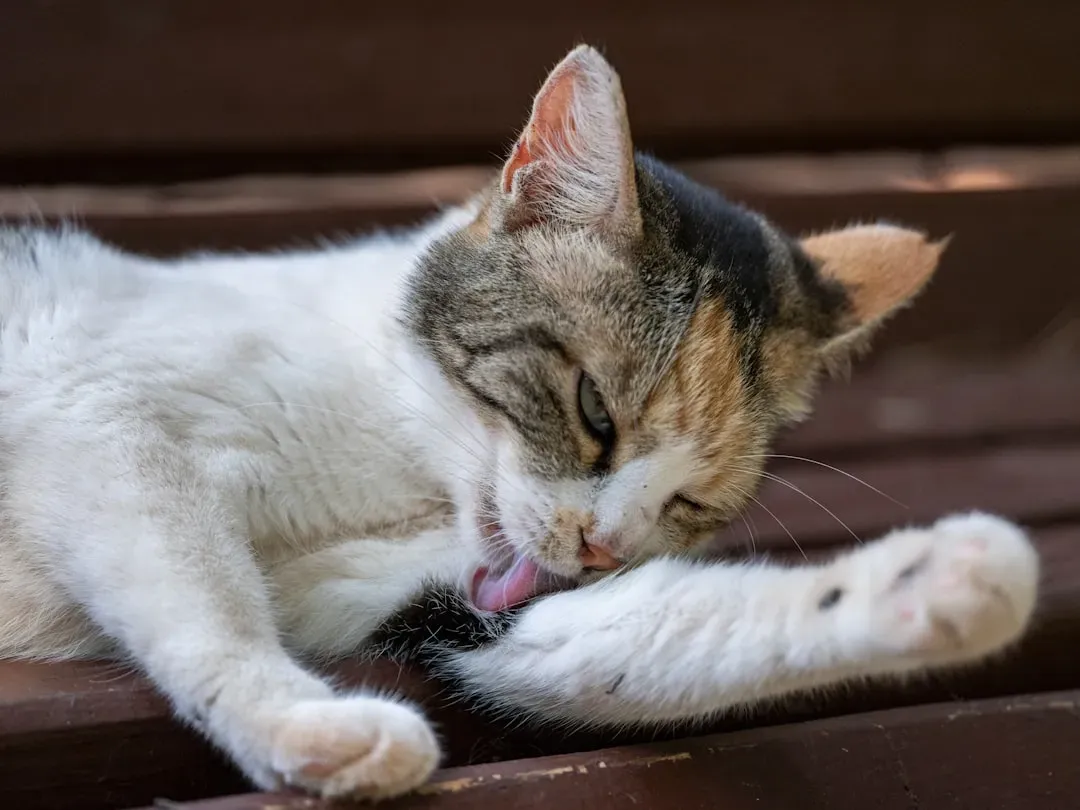
Excessive or sudden self-grooming in cats is a well-known displacement behavior, meaning they do it when they’re stressed, confused, or just trying to cope with something unpleasant. If you’ve noticed your cat launching into an intense grooming session right as a particularly loud track kicks in, that’s not coincidence. Think of it like a person stress-eating during a bad movie. It’s a coping mechanism.
Your favorite pop or rock songs are structured to appeal to human ears, meaning cats might find them less engaging or even stressful. When your music crosses from “tolerable” to “actively unpleasant” in a cat’s experience, their body responds. Loud or fast-paced music may cause stress or anxiety in your cat. The grooming is their way of self-soothing, and honestly, it’s one of the more polite forms of commentary they could offer.
They Completely Ignore Human Music but Perk Up at Natural Sounds in the Mix
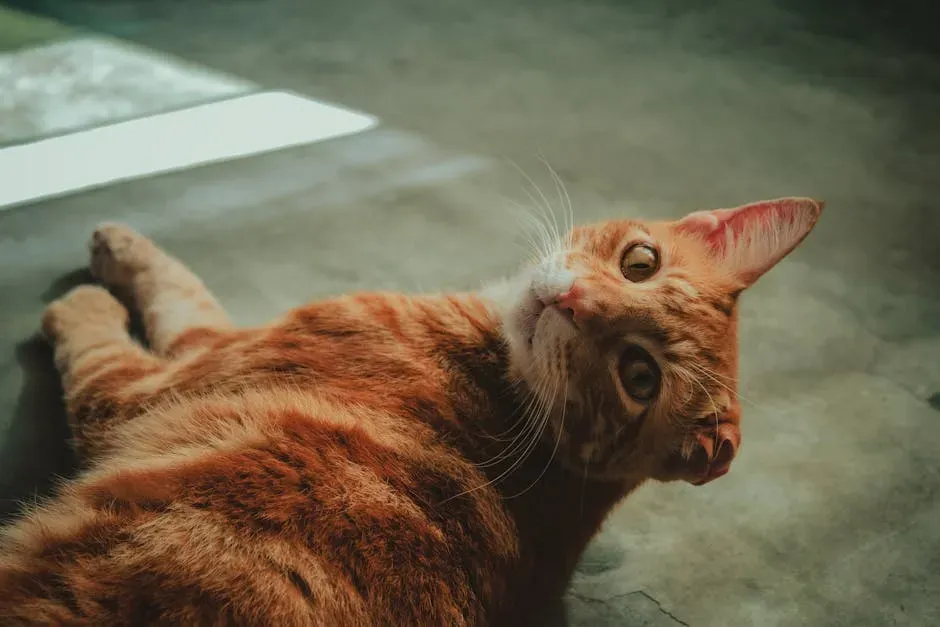
Your cat sits through a full album without so much as twitching an ear. Then a bird chirp sounds in a commercial on TV, and suddenly they are completely alert, laser-focused, and sitting at attention. This isn’t selective hearing for fun. It reveals something deep about what their auditory system is actually designed to process. In order for music to be effective with other species, it must be in the frequency range and with similar tempos to those used in natural communication by each species.
High-pitched sounds that mimic prey can trigger hunting instincts, while the sound of water could pique a cat’s curiosity. When your music contains none of these biologically relevant cues, your cat’s brain essentially files it under “not relevant.” It’s hard to say for sure, but when they finally react to something buried in your playlist, it’s almost certainly because something in there briefly sounded like actual nature. The rest of it? Politely dismissed.
Their Tail Flicks Rhythmically – Just Not to Your Beat
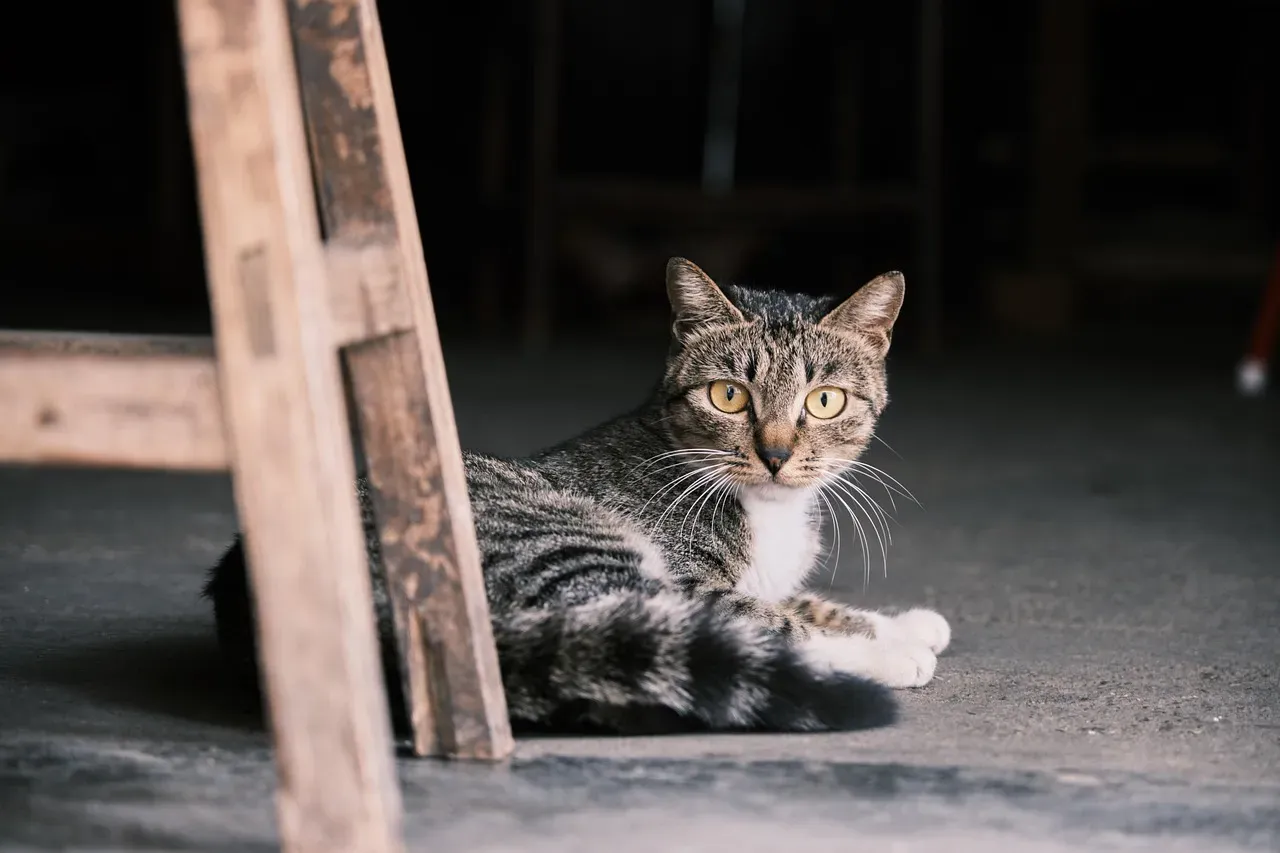
A gently swishing tail can indicate mild irritation or heightened alertness. If your cat’s tail starts that slow, deliberate flick while your music is playing, they’re communicating something. It’s not dancing along with you. It’s closer to the feline equivalent of tapping your fingers impatiently on a table. The rhythm of that tail is their own rhythm, and it has nothing to do with your playlist’s tempo.
Every species has an intuitive biological response to sounds based on their brain development and vocalizations. The idea behind species-specific music is to use the recipe that humans use for making music, but with ingredients taken from the voices and development of another species. Your cat’s internal rhythm is built around purring, meowing, and the sounds of hunting. Your music simply doesn’t match it. That tail tells the whole story.
They Calm Down Noticeably When You Play Cat-Specific Music
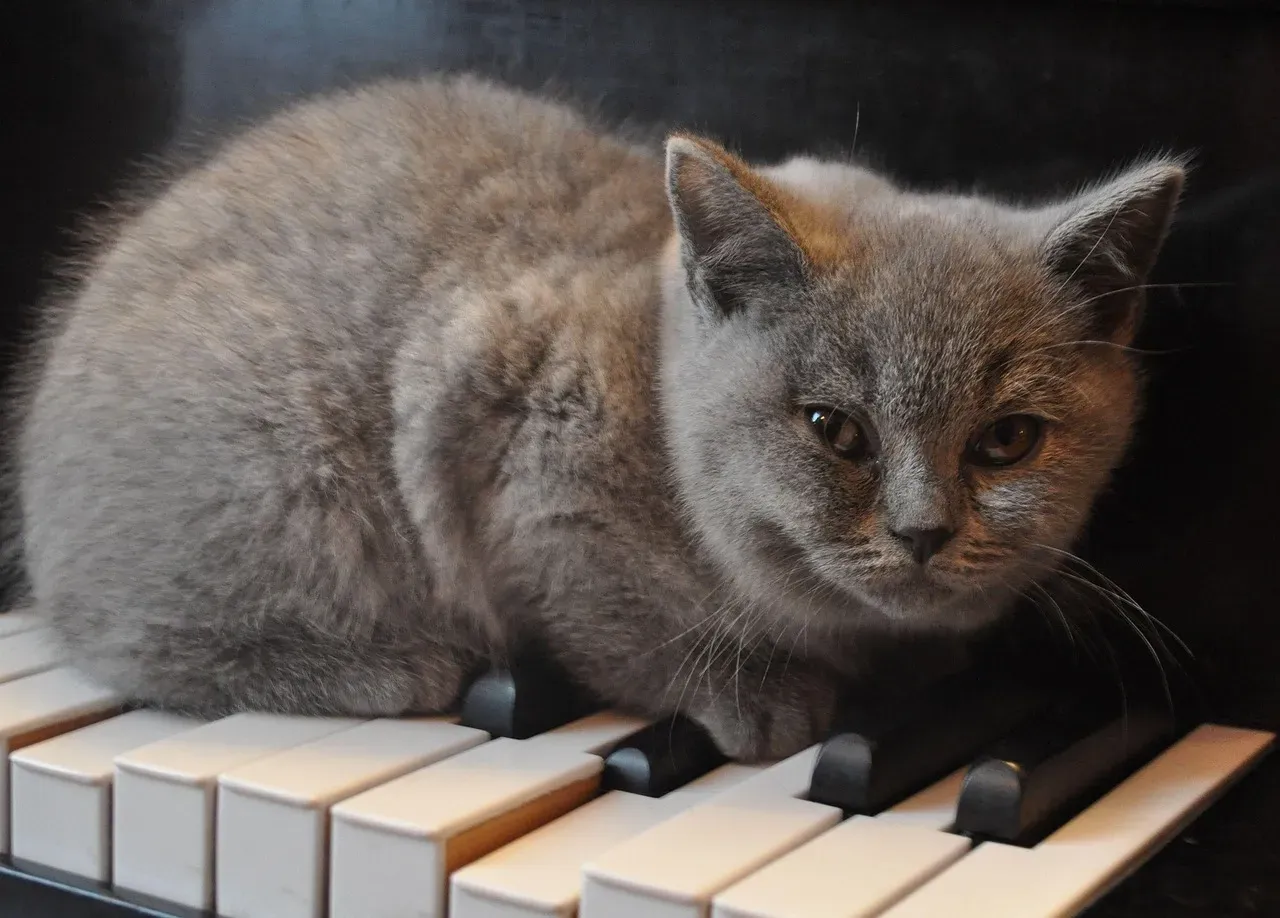
Here’s where things get genuinely interesting. If you’ve ever experimented with the growing genre of music actually composed for cats and noticed a dramatic behavioral shift in your pet, that reaction is backed by solid research. Cats listening to music in their homes prefer music specially made with cat vocalizations, with preferred tempos and normal vocal frequencies as primary considerations. Cats responded to music positively by orienting and approaching speakers playing cat music more often and quicker than speakers playing classical music.
Music specifically composed for cats often includes tempos and frequencies that mimic natural cat sounds. Such compositions might use purring-like rhythmic patterns or melodies that replicate the tones of meowing. The contrast between how your cat behaves during human music versus cat-specific music is essentially them telling you exactly what they think of your playlist. The science has confirmed it. The silence during your sessions says it all.
Younger and Older Cats Are the Most Vocal About Their Disapproval
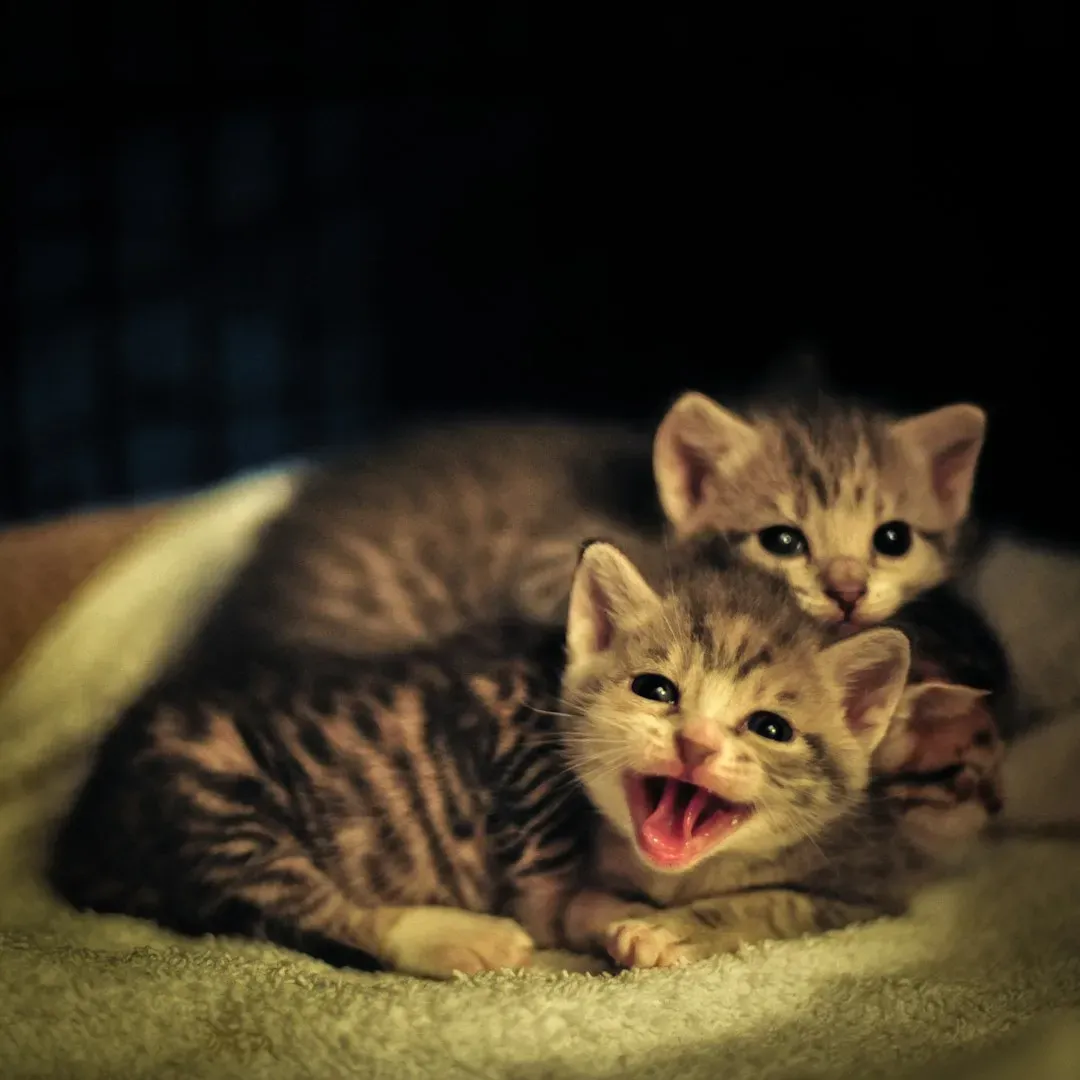
It’s not just your imagination if you’ve noticed that kittens and senior cats react more dramatically to music than middle-aged felines. Younger and older cats were more responsive to cat music than middle-aged cats. That heightened sensitivity means the judgment is also louder from them. A kitten bolting at the first chord, or a senior cat offering a long, withering glance, are both expressing the same verdict with extra emphasis.
Research shows cats are less engaged when listening to music made for people. So if you’re getting strong reactions from a very young or very old cat in your home, consider it a particularly honest form of music criticism. Observing and understanding your cat’s reactions to different types of music can help you choose the right music that they enjoy the most. Their disapproval, it turns out, is one of the most useful pieces of feedback you’ll ever get about your taste.
Conclusion: Your Cat Has Standards, and They’re Higher Than Yours
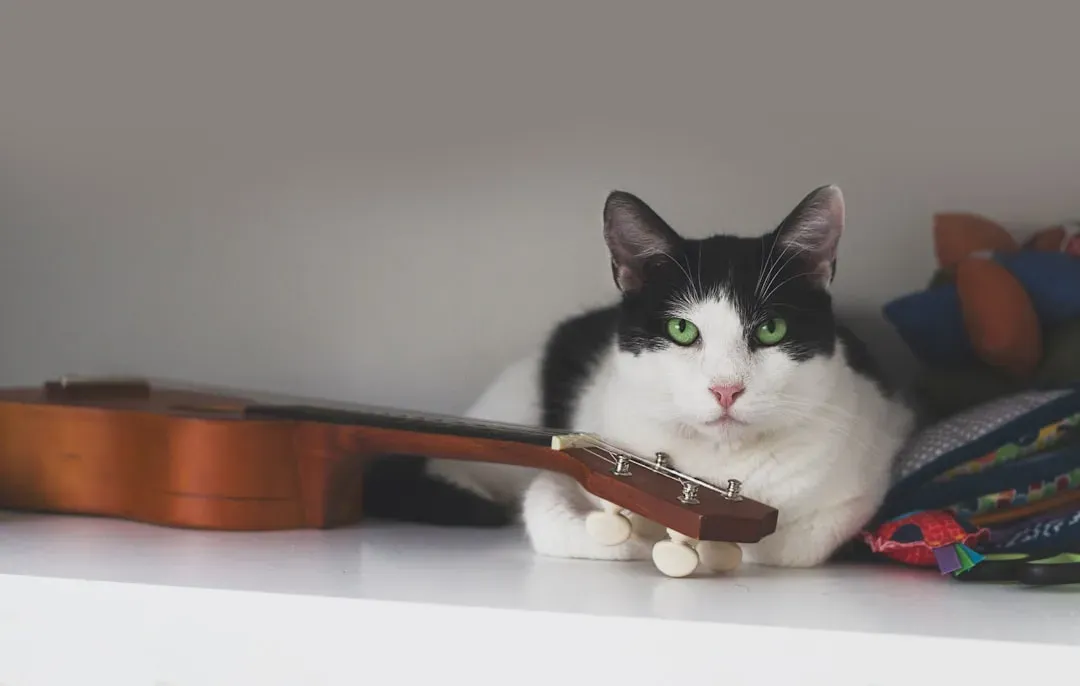
The science is clear and honestly a little humbling. Although cats don’t demonstrate any particular preference for the music their owners listen to, that doesn’t mean they’re indifferent to music altogether. They simply have their own deeply biological, evolutionarily wired musical preferences. And your playlist, however beloved, probably doesn’t make the cut.
The good news is that paying attention to your cat’s reactions gives you an incredibly honest window into their emotional state. Paying attention to your cat’s body language, facial expressions, and overall demeanor can help you gauge their response to the music. The flattened ears, the loaded stare, the strategic retreat to the next room – all of it is data. Glorious, slightly judgmental data.
So next time your cat slowly turns and walks away mid-song, maybe don’t take it personally. Take it as a compliment. You live with a creature discerning enough to have genuine aesthetic preferences. The real question is: are you brave enough to let them curate the playlist?