Ever caught yourself wondering if your feline friend is actually enjoying their life with you, or just tolerating your existence while plotting world domination? Cats can be notoriously difficult to read, especially compared to their canine counterparts who practically wear their hearts on their furry sleeves. The truth is, your cat is constantly communicating with you through subtle body language cues, vocalizations, and behaviors that are easy to miss if you don’t know what to look for.
Understanding whether your cat is genuinely content or secretly stressed can make all the difference in your relationship and their overall wellbeing. So let’s dive into the fascinating world of feline emotions and decode exactly what your mysterious companion is trying to tell you.
The Slow Blink: Your Cat’s Version of a Kiss
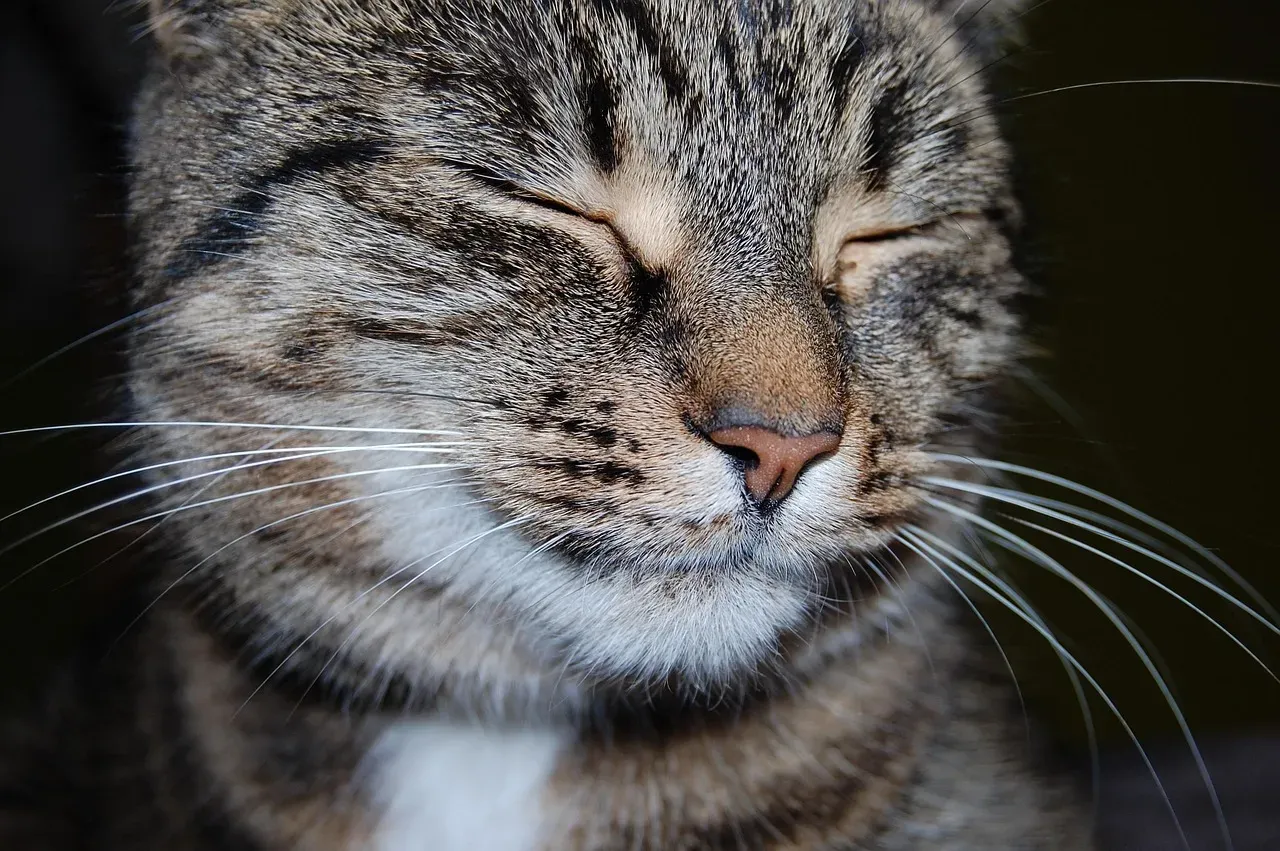
When your cat looks at you and slowly closes their eyes, opening them at the same gentle pace, they’re giving you what’s often called a “cat kiss,” a subtle but meaningful gesture showing they’re content and calm being with you. This slow blink is one of the most subtle but powerful signs your cat is happy, and in cat language, it usually means something along the lines of “I trust you,” as it has something to do with dropping their guard.
Cats are always alert in nature, so by closing their eyes, they trust you to keep them safe. If you’re lucky, you can actually return the gesture by slowly blinking back at your cat, which communicates the same sense of trust and affection. It’s a beautiful moment of connection that might seem insignificant but speaks volumes in the feline world.
Making Biscuits: That Adorable Kneading Motion
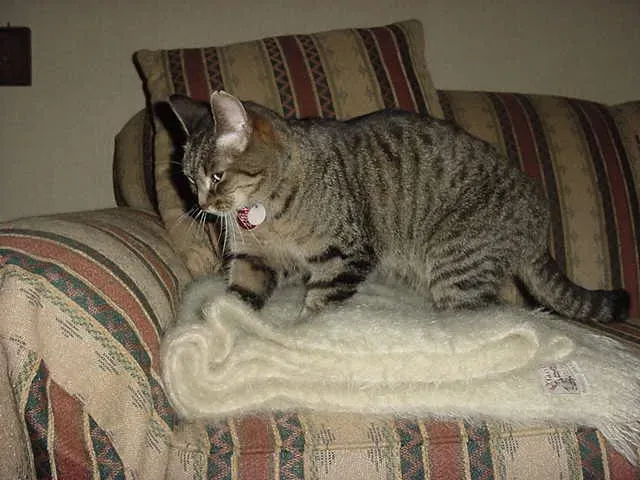
A good sign of a happy cat is kneading their paws into their bed, blanket, or your stomach, and this behavior is often accompanied by purring, usually another signal of contentment. You might wonder why your cat suddenly turns into a tiny baker, rhythmically pressing their paws against soft surfaces. This behavior starts at a young age, when nursing kittens knead their mother’s belly to help with milk flow, and adults typically knead when they feel safe, happy, and contented.
Watching your cat make biscuits on your lap is genuinely one of the most endearing sights you’ll witness as a cat owner. The motion is instinctive and connects back to those early days of kittenhood when life was simple and safe. If your cat is doing this to you, consider it a huge compliment.
The Relaxed Flop: Total Trust on Display
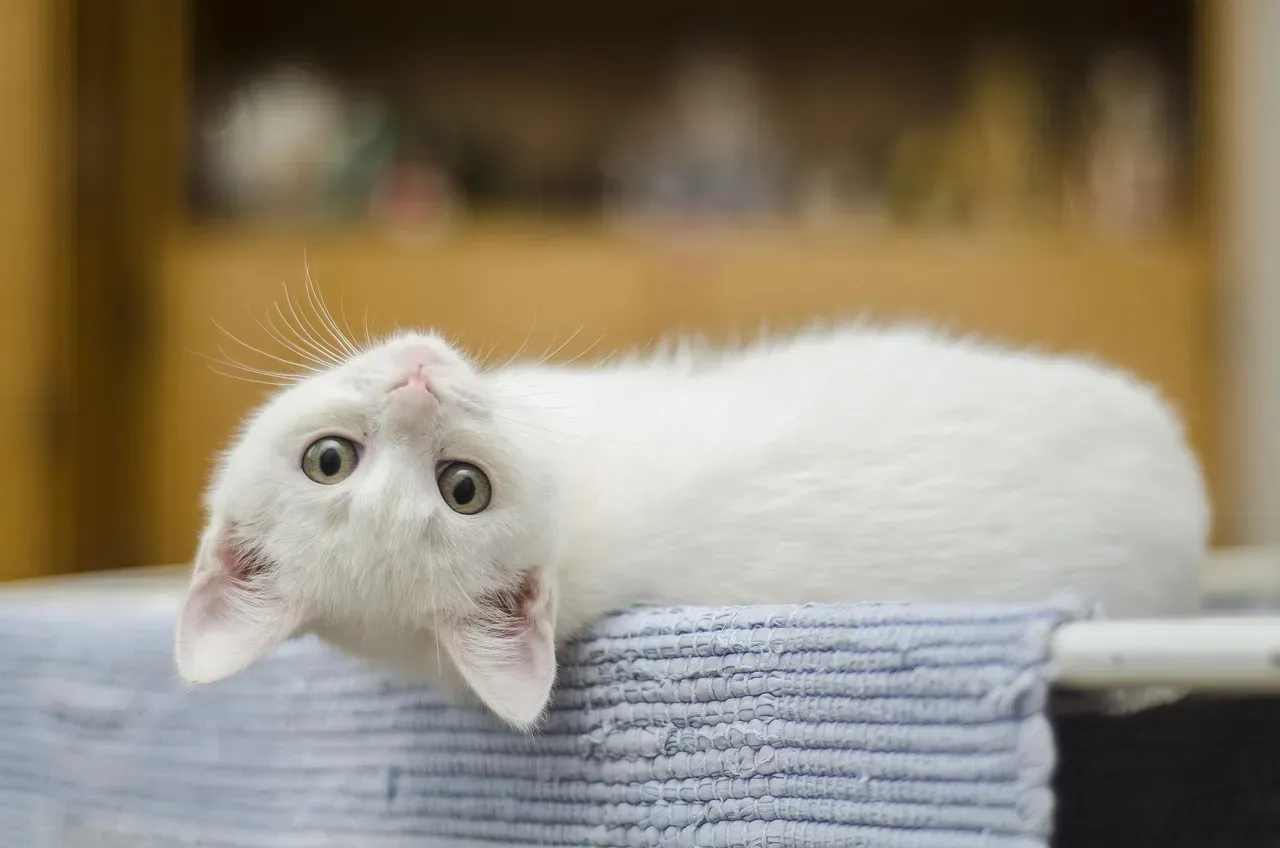
When your cat stretches out, rolls over, or exposes their belly, they’re showing complete trust and comfort around you, and it’s like they’re saying, “I feel safe enough to be totally goofy!” A cat that stretches out, flops over, and exposes their belly is a cat who’s telling you they feel safe and secure around you and in their environment.
This vulnerable position is huge in the cat world because in nature, exposing the belly makes them susceptible to predators. When your cat does this spontaneously, lounging in ridiculous positions around your home, they’re basically telling you they feel completely at ease. Just remember that showing you their belly doesn’t always mean they want it rubbed, many cats simply find it a comfortable way to rest.
Playful Energy: The Sign of Mental Wellness
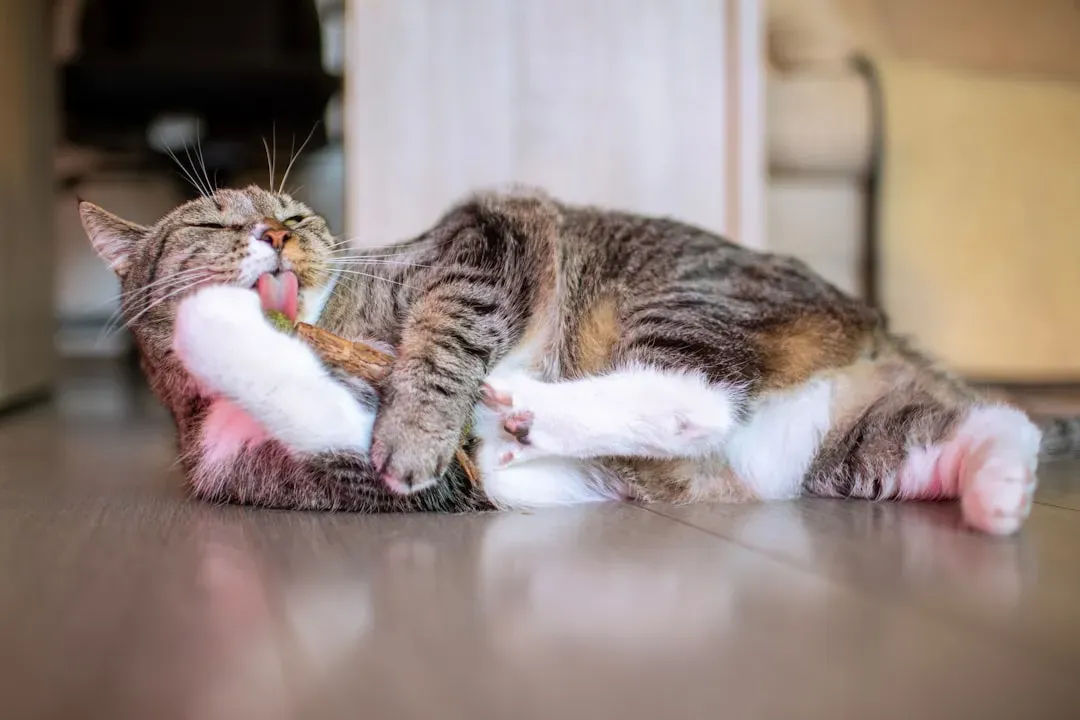
One of the most delightful happy cat signs that may seem funny to observe is your cat’s playful, silly side, as even well past kittenhood, cats love to bat at toys, chase strings, or zoom around the house, turning everyday moments into tiny bursts of joy. Happy cats will play with their toys and with other people and cats, while stressed cats tend to hide, avoid interaction, and ignore or refuse to play.
A cat that initiates play, whether it’s stalking a toy mouse down the hallway or suddenly racing through the house at three in the morning, is demonstrating positive mental health. These bursts of activity show they’re engaged with their environment and feeling good. Let’s be real, those random midnight zoomies might be annoying, but they’re actually a wonderful sign your cat is thriving.
That Gentle Purr: The Classic Contentment Sound
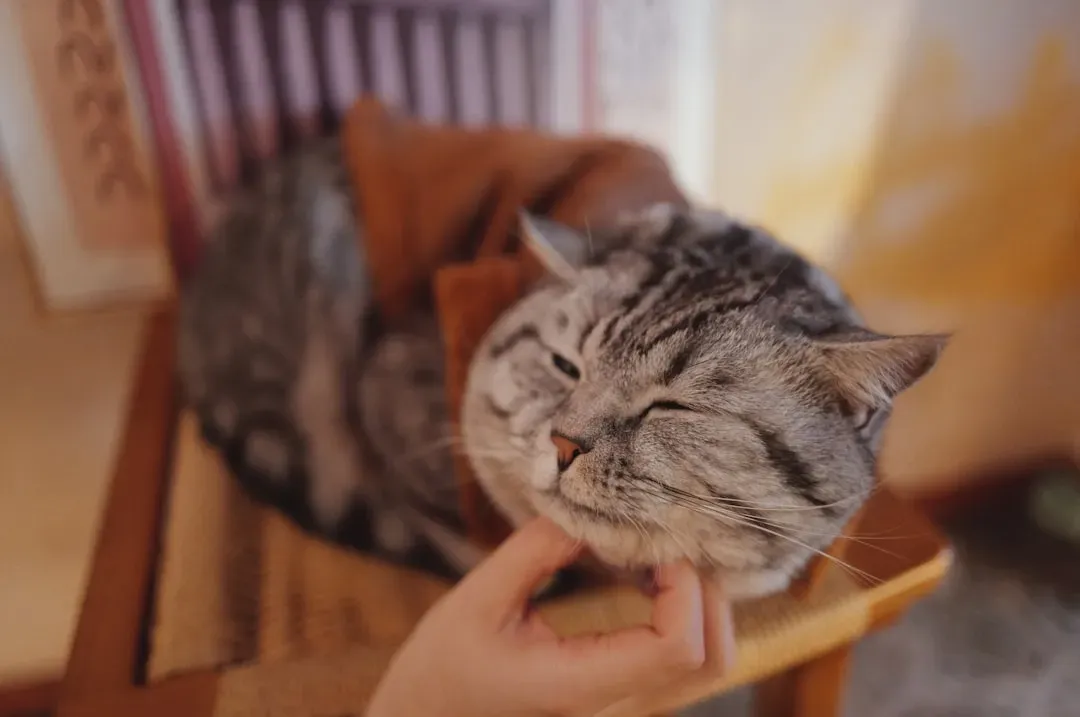
Purring is the classic sign of a happy cat, a soft, steady rumble that usually means your cat feels relaxed and comfortable, and you’ll often hear it when your cat is being petted, cuddling with you, or settling down for a nap. However, it’s important to note that purring isn’t always a happiness indicator. For the most part, if a cat is purring, you can be assured that they are happy, though there are rare instances when a cat purrs because they are frightened or hurt.
The key is looking at the context and their overall body language. A cat purring while stretched out in a sunny spot with half closed eyes is definitely content. The rhythmic vibration is soothing not just for them but for us humans too, which is probably why so many of us find it incredibly calming to have a purring cat on our lap.
The Upright Tail: A Confident Greeting
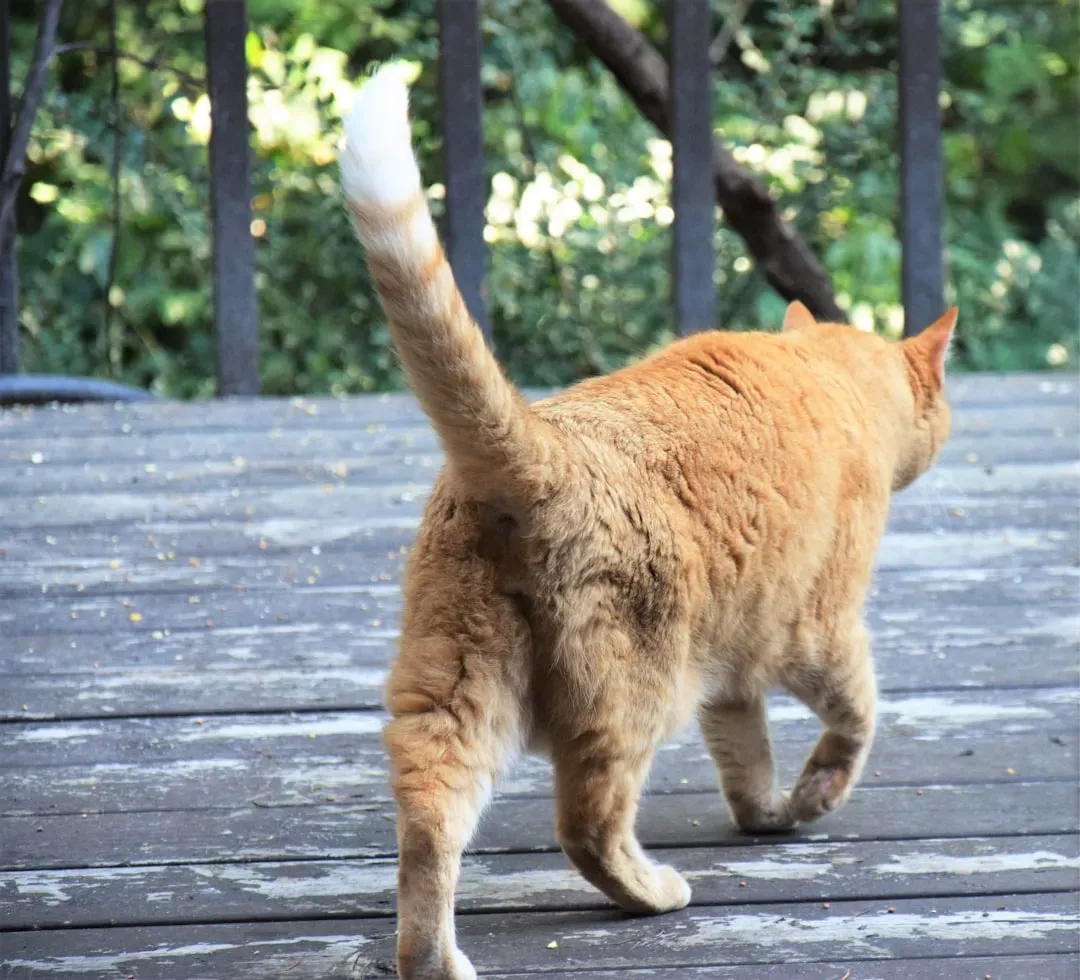
Happy cat tail signs include an upright tail, which is basically a cat’s way of saying “Hi! Nice to see you!” and a quivering tail pointed up and held high is also usually a declaration of happiness and excitement. When your cat approaches you with their tail held high like a furry flagpole, they’re essentially giving you an enthusiastic greeting.
This tail position is one of the most reliable indicators of a confident, happy feline. You’ll often see this when you come home from work or when it’s approaching mealtime. Sometimes the tip might even have a little hook or curve at the end, which is another positive sign of friendliness and contentment.
Chirping and Trilling: Happy Vocalizations
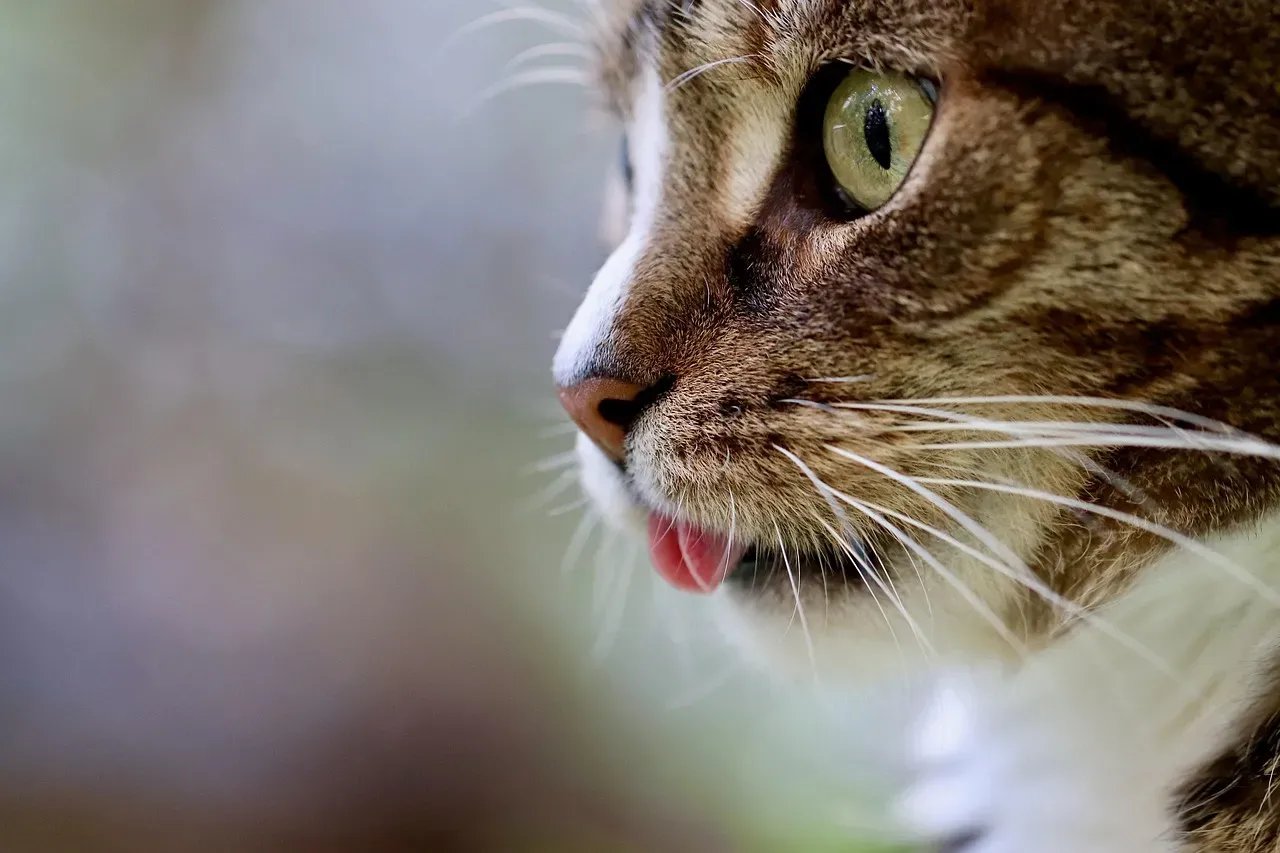
Not all cats chirrup, but when you hear this trilling sound, you’ll know your cat is happy, as a chirrup is often an invitation to follow your cat somewhere or to ask for affection or play. These sounds are distinctly different from regular meows. A trill is similar to a purr, but it has a higher pitch, and your cat may use this to greet you or to get your attention, and in some cases, cats trill and expect you to follow them.
It’s honestly one of the most delightful sounds a cat can make, like a little rolling “brrrp” that seems to bubble up from their throat. If your cat greets you with these cheerful chirps, you should feel pretty special because they’re genuinely pleased to interact with you.
Good Appetite: Eating with Enthusiasm
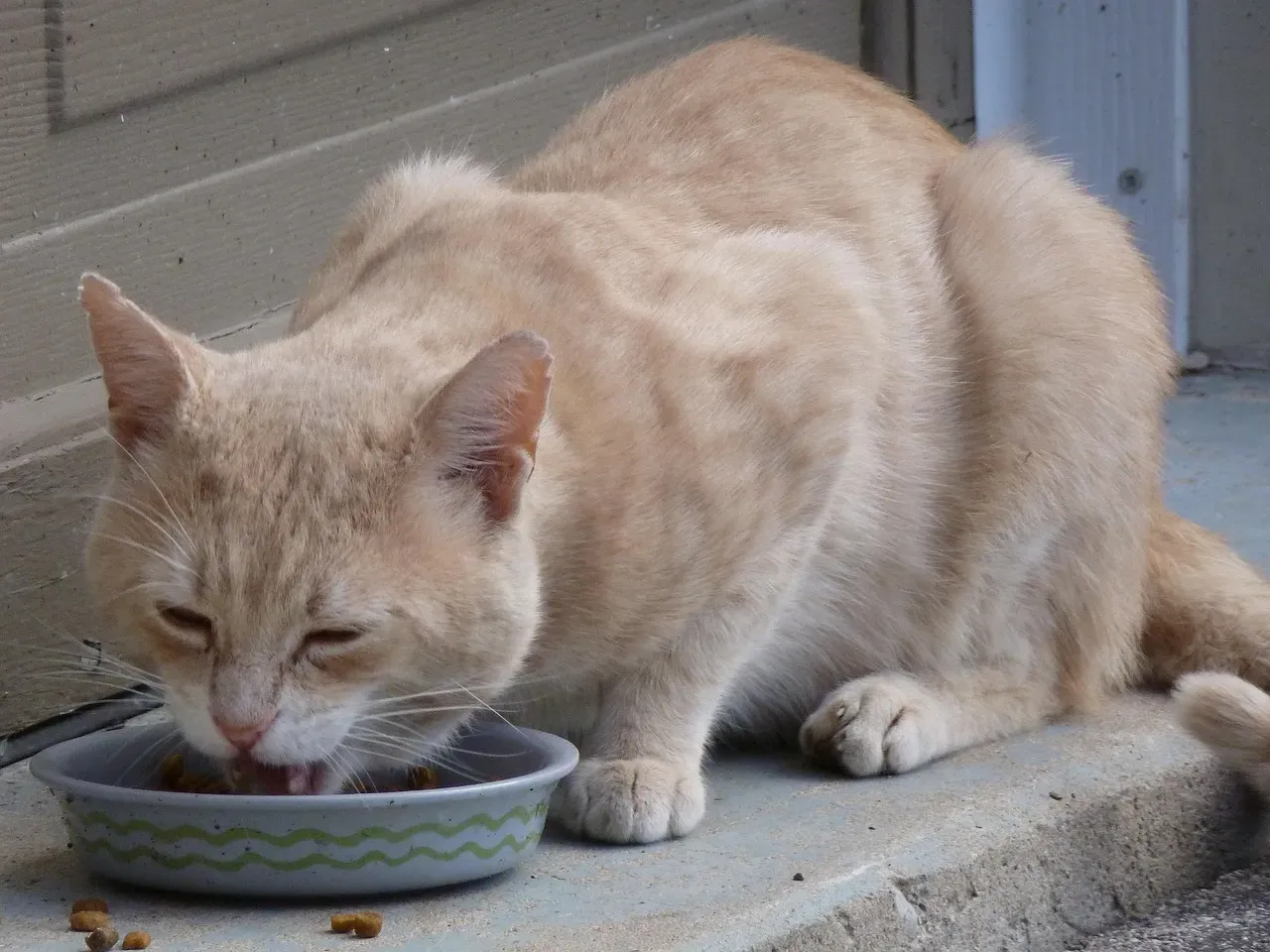
When your cat looks forward to meals, eats with enthusiasm, or shows interest in treats or snacks, it’s a good sign of overall happiness, as a cat’s appetite is a huge indicator of their health and overall mood. Cats who are stressed, anxious, or unwell often lose their appetite or show disinterest in food.
A happy cat will typically come running when they hear the sound of their food being prepared, show excitement when treats are offered, and maintain a healthy weight. If your cat is eager to eat at every meal and perhaps even gently reminds you when it’s dinner time, that’s a wonderful indicator that all is well in their world.
Regular Grooming: Self-Care as a Happiness Sign
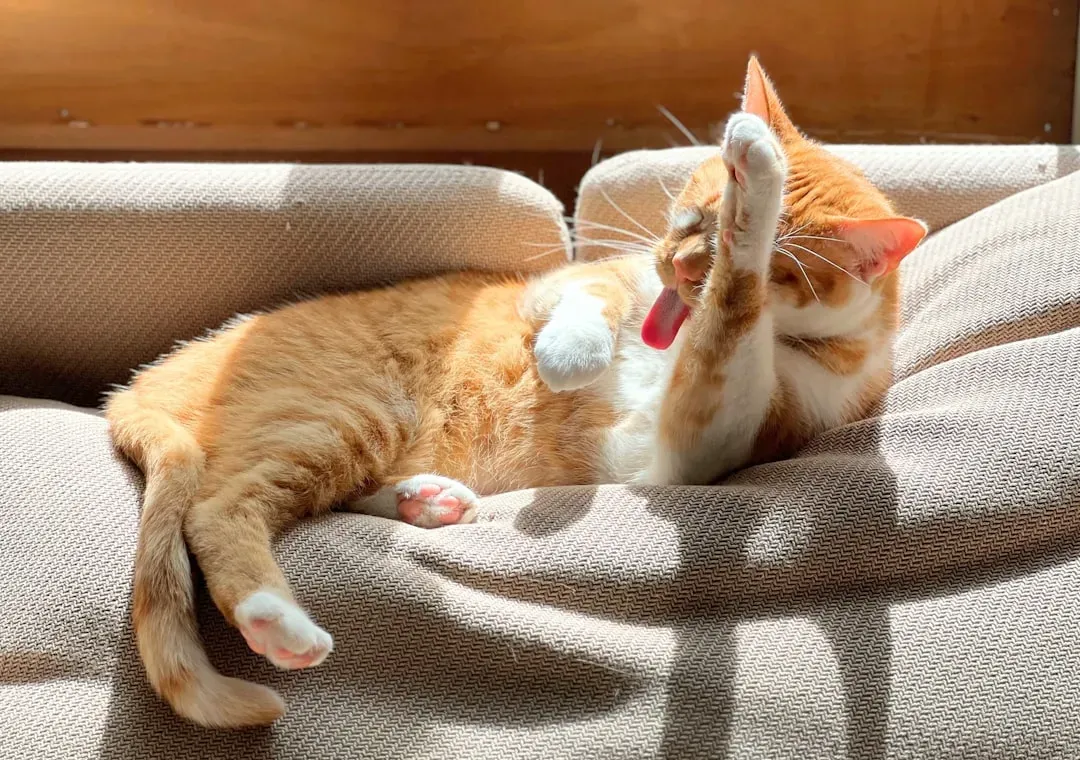
Cats who are happy regularly groom themselves, as it’s their way of taking care of themselves while feeling good and relaxed, and happy cats will groom themselves daily, taking the time to lick their paws and tail. If cats feel good, they will keep themselves well groomed, and a cheerful kitty will also groom other cats or even bite and lick their owner, which also shows trust and a positive relationship.
Cats are naturally fastidious creatures, so when they’re maintaining their coat and keeping themselves clean, it signals emotional and physical wellbeing. If your cat has stopped grooming or their coat looks unkempt, that could be a red flag that something is wrong, either physically or emotionally.
Social Interaction: Seeking Out Your Company

You’ll know your cat is happy if they show affection to you and want to interact with you, as a content kitty loves scritches, snuggles, head boops, and lap sits, and in general, a happy cat shows it by being close to their human. Some cats are naturally more independent than others, but even the most aloof feline will seek out their favorite person when they’re feeling good.
Your cat following you from room to room, sitting nearby while you work, or curling up next to you on the couch are all signs they’re bonded with you and content. They might not be as obviously affectionate as dogs, but these subtle gestures of companionship mean just as much.
Hiding More Often: Withdrawal from Interaction
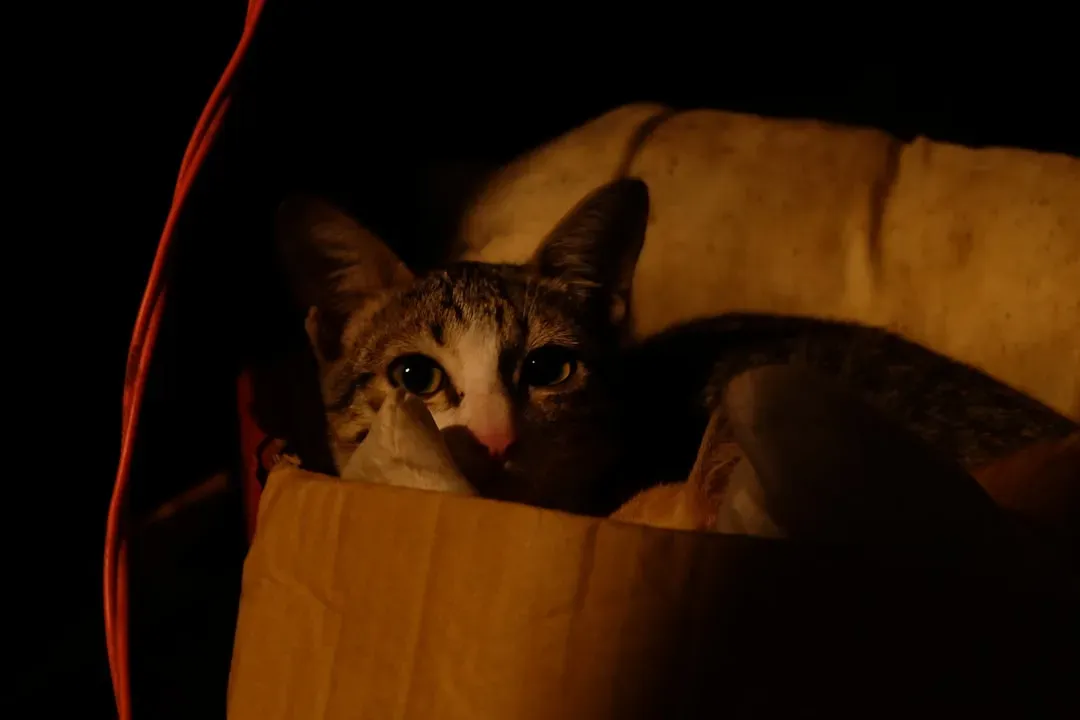
A stressed cat might start hiding more often or withdraw from social interactions, as they might seek out secluded spots and spend more time alone. Some cats prefer a little isolation but if your pet is actively trying to avoid you or other people and pets in the house, they may be stressed.
If your normally social cat suddenly becomes a recluse, spending hours under the bed or in the closet, something is definitely bothering them. Cats naturally seek out quiet spots occasionally, but a dramatic increase in hiding behavior suggests they’re feeling overwhelmed, anxious, or possibly even ill. This change shouldn’t be ignored.
Litter Box Issues: Accidents Outside the Box
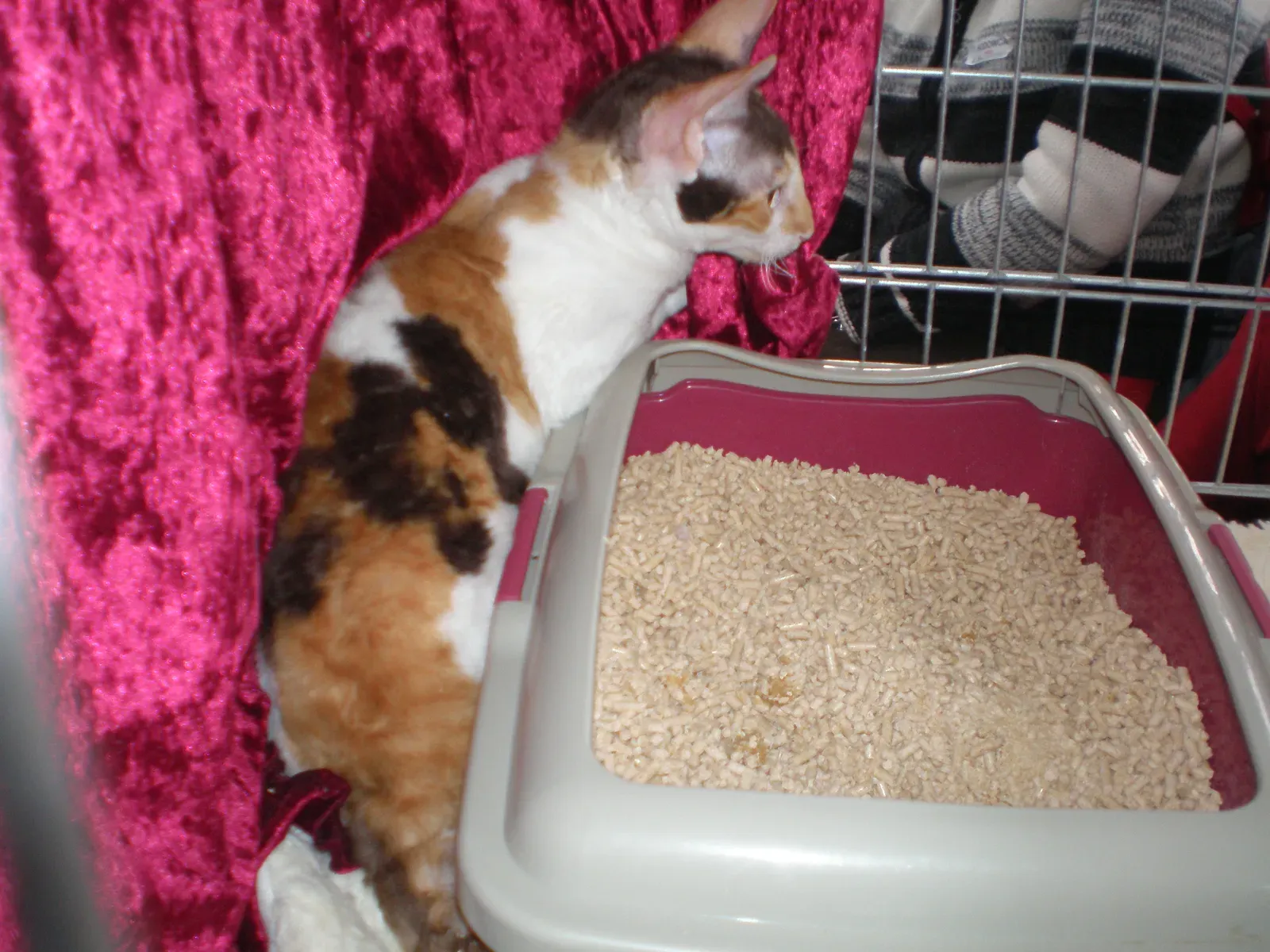
One of the most common signs of stress in cats is urinating outside the litter box, as cats usually do this because the smell of their own urine is comforting for them, and litter absorbs the smell, and cats may also spray onto vertical surfaces to mark their territory, as this marking behavior can also be comforting to cats when they are stressed. Happy cats use the litter pan as expected, while cats can show stress by urinating or defecating in places they aren’t supposed to, so a cat that isn’t using the litter box often or at all either has a medical issue or is trying to communicate that they are under stress.
This behavior is frustrating for owners but it’s important to understand it’s not your cat being spiteful. They’re either dealing with a medical problem or trying to cope with environmental stress. Either way, it requires attention and possibly a vet visit.
Excessive Grooming: When Self-Care Becomes Harmful
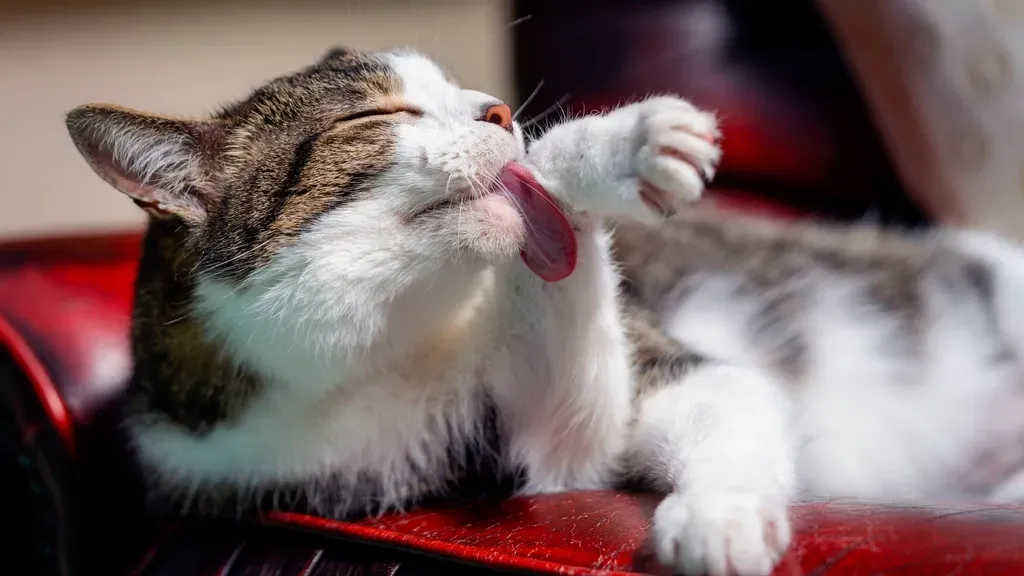
Cats are known for their grooming habits, but excessive grooming can be a sign of stress, and when stressed, some cats may groom themselves so frequently that they develop bald spots or skin irritations, as this behavior is often a coping mechanism to deal with anxiety. What starts as normal self-care can turn into an obsessive behavior that causes physical damage.
You might notice patches of missing fur, raw skin, or your cat constantly licking the same spot over and over. This overgrooming is their way of trying to soothe themselves when they’re feeling anxious or uncomfortable about something in their environment.
Changes in Appetite: Eating Too Much or Too Little
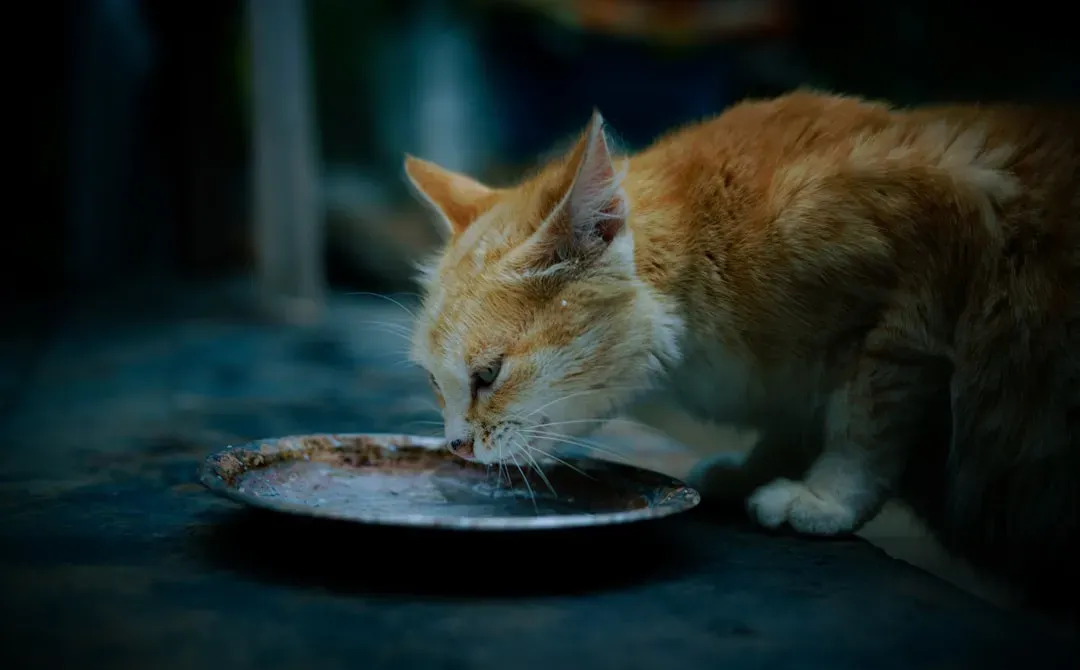
Stress can significantly impact a cat’s eating habits, as some cats may lose their appetite and refuse to eat, while others might overeat as a form of comfort, and both scenarios can lead to health issues, so it’s crucial to monitor any sudden changes in your cat’s eating patterns. A cat who suddenly becomes disinterested in food or conversely, one who seems ravenous all the time, is sending you a signal.
Weight loss or gain in cats can happen surprisingly quickly, so paying attention to their eating habits is crucial. If your cat’s relationship with food changes dramatically, it’s time to investigate what might be causing them stress or discomfort.
Aggressive Behavior: Hissing and Swatting
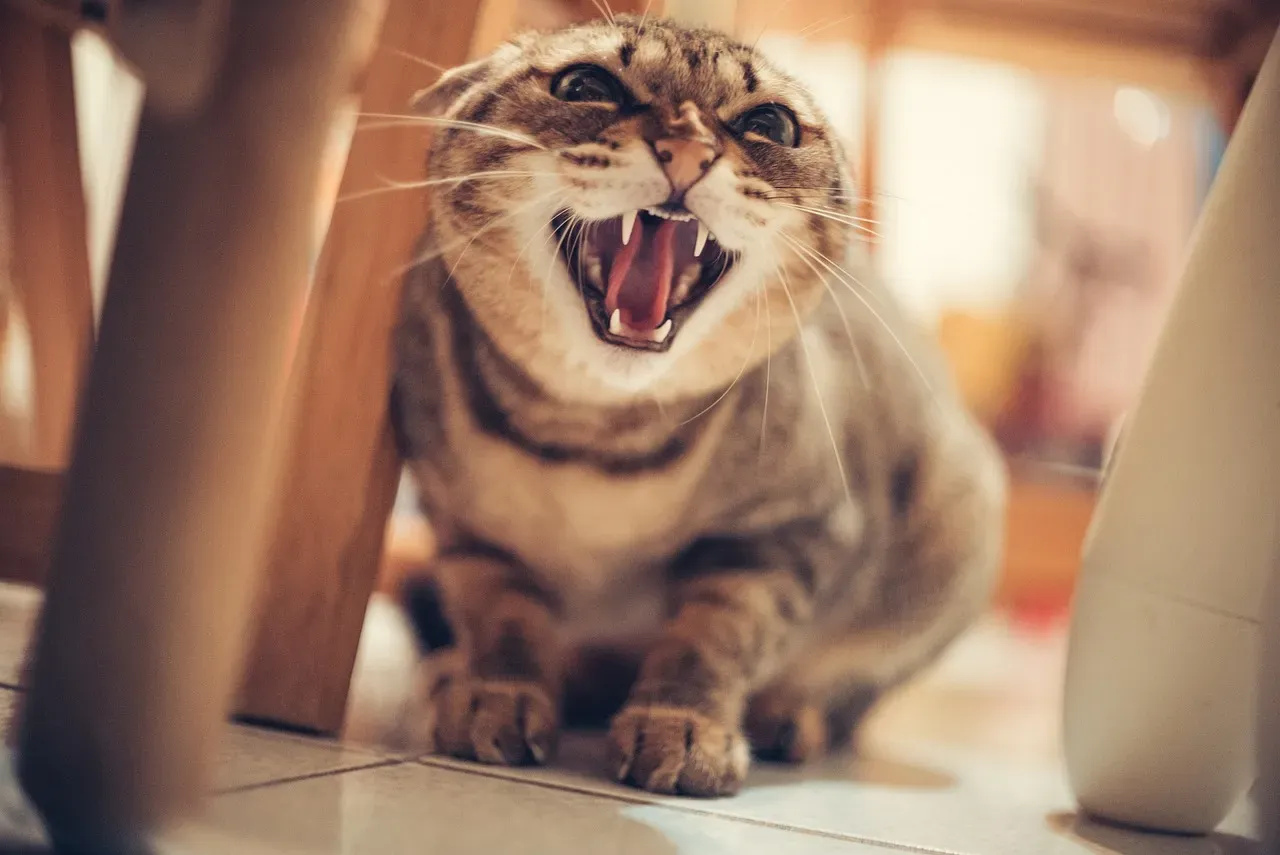
One of the most noticeable signs of stress in cats is a change in their behavior, particularly increased aggression or irritability, and if your normally gentle cat suddenly becomes aggressive, hisses, or swats at you or other pets, it might be a response to stress, as this behavior often stems from fear or anxiety about a perceived threat. Sudden aggression is alarming and can seem to come out of nowhere.
Your sweet, cuddly cat might suddenly lash out during petting or react negatively to situations they previously tolerated. This change in temperament is their way of saying they’re overwhelmed and need space. It’s not personal, even though it might feel that way when you’re on the receiving end of those claws.
Flattened Ears and Tense Posture: Fear Signals
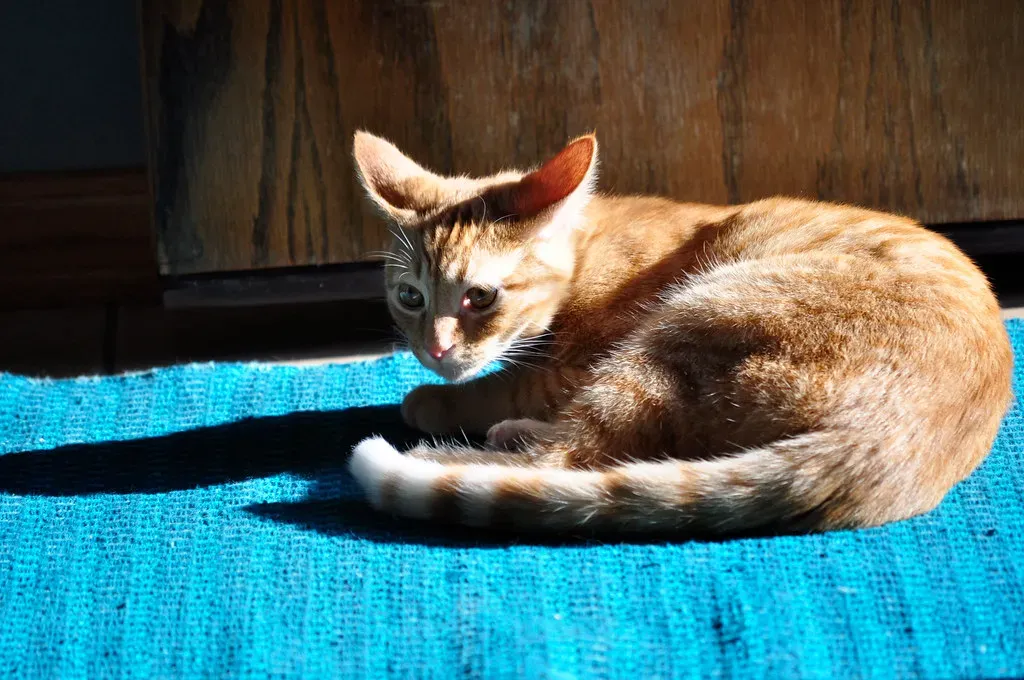
When a cat is feeling stressed, they may have a stiff and tense body held low to the ground, and the cat may also engage in displacement behaviors, meaning normal behaviors such as licking their lips, scratching, grooming, and yawning that are performed out of context, to cope with underlying stress. A stressed cat’s eyes may appear wide or narrowed, and their ears may be rotated to the sides in an “airplane ears” pose or angled backward.
Body language tells you everything you need to know if you’re paying attention. A cat with airplane ears, a low crouched body, and wide eyes is definitely not happy. They’re either scared or preparing to defend themselves, and the best thing you can do is give them space and try to identify what’s triggering their fear response.
Excessive Vocalization: Crying for Help
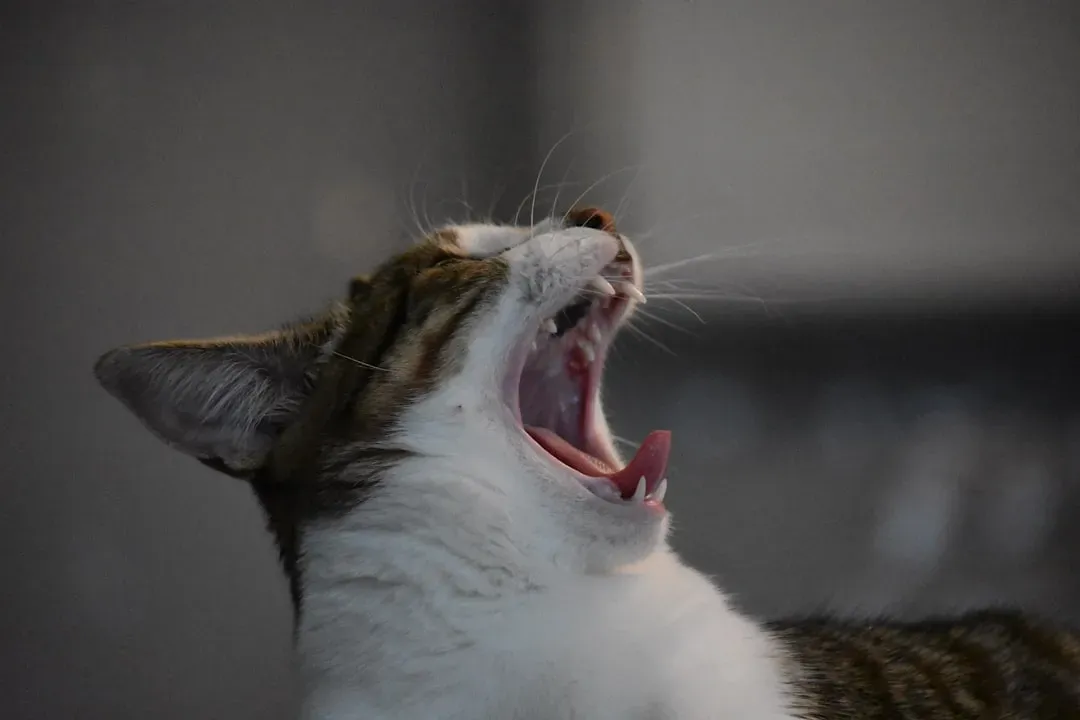
If your cat becomes more vocal than usual, it could be a sign of stress, as increased meowing, yowling, or crying, especially if it’s out of character for your cat, often indicates that something is bothering them, so pay attention to when and where this behavior occurs to identify potential stressors. Some cats are naturally chatty, but when a typically quiet cat suddenly won’t stop vocalizing, they’re trying to tell you something.
This can be particularly noticeable at night or when they’re alone. The vocalizations might sound distressed or insistent, very different from their usual meows. It’s their way of expressing discomfort or anxiety about their situation.
Digestive Problems: Vomiting and Diarrhea
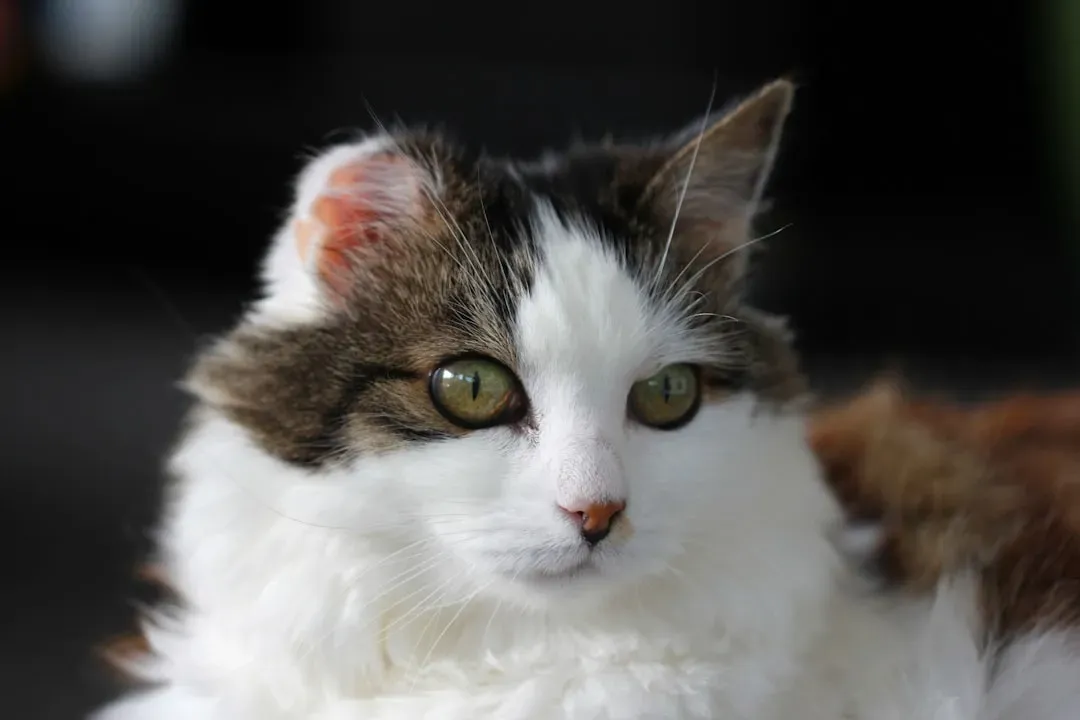
Stress can lead to inflammation in a cat’s digestive system, which means your cat is more likely to vomit and have diarrhea when experiencing stress, and if your cat is showing signs of a low appetite, low water intake, diarrhea, or vomiting, schedule a veterinary visit. The gut-stress connection is real in cats just as it is in humans.
When cats are anxious or stressed, their bodies react in physical ways, and the digestive system is often the first to show problems. While these symptoms can indicate various medical conditions, stress is a significant factor that shouldn’t be overlooked, especially if the symptoms coincide with environmental changes.
Avoiding Eye Contact: Turning Away from Interaction
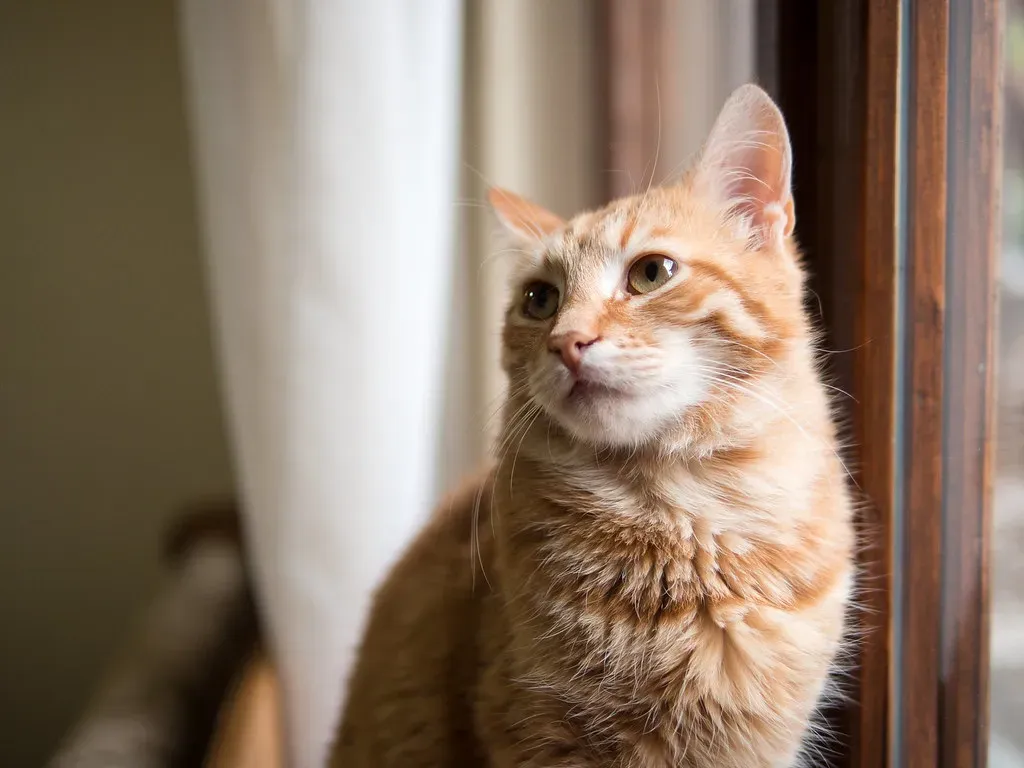
Cats will often display a combination of signs to show they’re stressed, including changes to their behavior such as avoiding situations or people more than usual, for example, not wanting to interact with you anymore. When a cat who normally enjoys your company suddenly won’t look at you or consistently turns away when you approach, they’re communicating discomfort.
They might refuse to make eye contact, turn their head away when you try to pet them, or simply walk away whenever you enter the room. This avoidance behavior suggests they’re dealing with something that makes them uncomfortable, whether it’s related to you directly or something else in their environment that they associate with you.
Changes in Sleep Patterns: Too Much or Too Little Rest
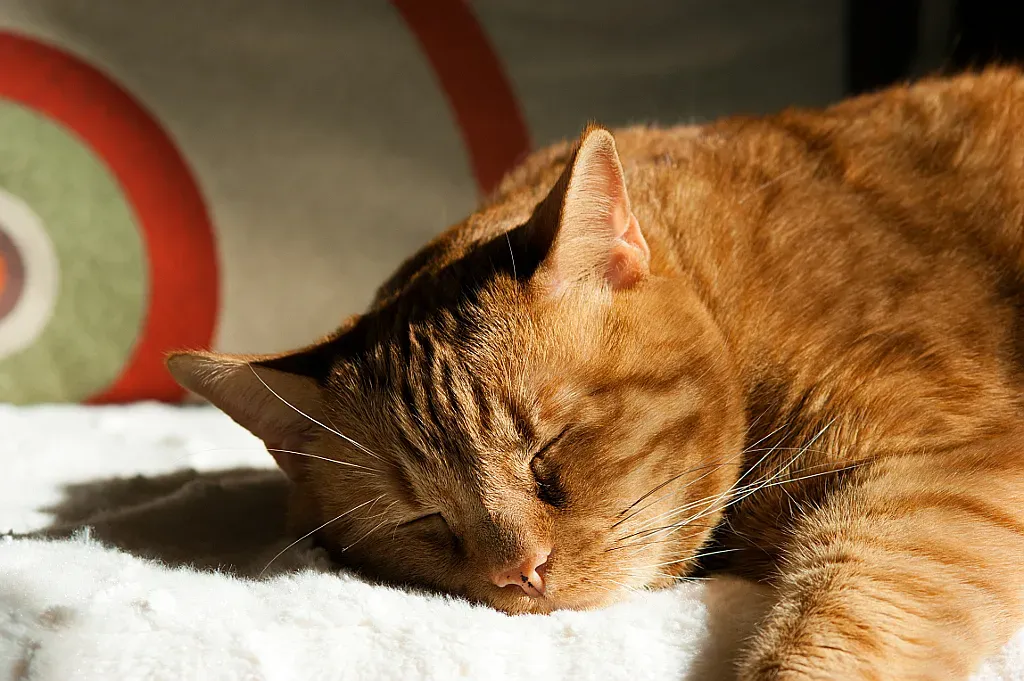
Cats naturally sleep a lot, averaging somewhere between twelve to twenty hours a day depending on their age and personality. However, dramatic changes in sleep patterns can indicate stress or unhappiness. A cat who’s suddenly sleeping far more than usual, barely moving throughout the day, or conversely, seems restless and unable to settle might be struggling emotionally.
Body language that shows they are worried includes slinking low to the ground, crouching or arching, ears back, and sudden changes in behaviour such as a social cat wanting to be alone or an active, playful cat that doesn’t want to play anymore. These behavioral shifts often include changes in how much and when your cat sleeps, disrupting their normal rest cycle.
Conclusion: Listening to What Your Cat is Really Saying
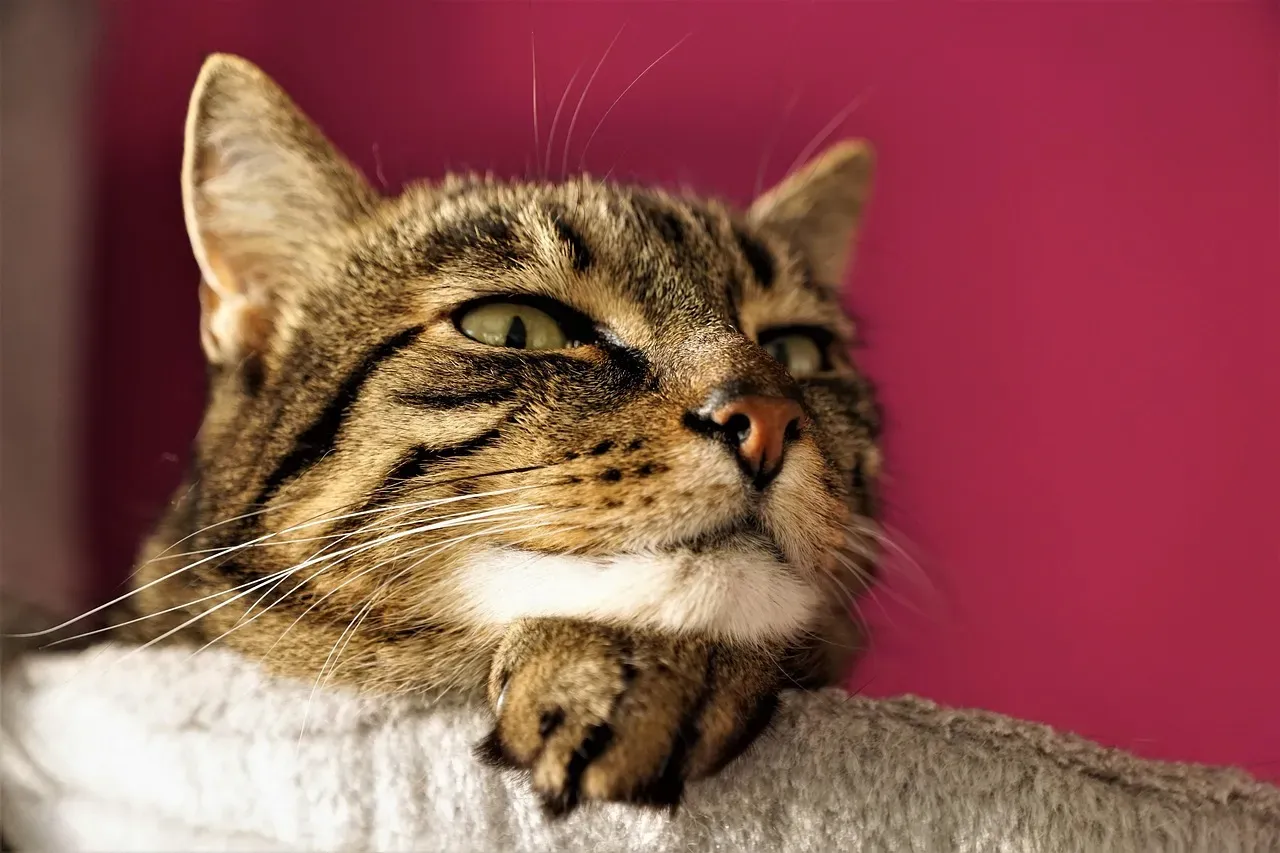
Learning to read your cat’s emotional state isn’t just about avoiding the pointy end of their claws or figuring out when they want treats. It’s about building a deeper, more meaningful relationship with a creature whose language is fundamentally different from our own. The signs of happiness and unhappiness in cats can be subtle, but once you start paying attention, you’ll notice these signals everywhere.
Remember that every cat is unique, and what stresses one might not bother another at all. The key is knowing your specific cat’s baseline behavior so you can spot when something changes. If you notice multiple signs of unhappiness or stress, don’t ignore them. Consider what might have changed in your cat’s environment, consult with your veterinarian, and make adjustments to help your feline friend feel safe and content again.
After all, our cats give us so much companionship, entertainment, and affection in their own mysterious ways. The least we can do is learn to speak their language and ensure they’re living their best nine lives. What surprised you most about these signs? Have you noticed any of them in your own cat?