There is a long-running joke that cats are indifferent creatures who simply tolerate their humans in exchange for food and a warm spot on the couch. Honestly, it is one of the most unfair reputations in the entire animal kingdom. Cats show love differently than humans do, often expressing affection through subtle behaviors, and things like slow blinking, headbutting, and following you around are all signs that a cat genuinely loves you.
Here is the thing though – most people simply do not know how to read the signals. A study published in Current Biology found that cats form attachment bonds to their human caretakers in very much the same way that dogs and human children do, with researchers from Oregon State University concluding that we may be seriously underestimating cats’ socio-cognitive abilities. So if you have ever questioned whether your cat truly cares, prepare to be surprised. Let’s dive in.
1. Your Cat Gives You the Slow Blink
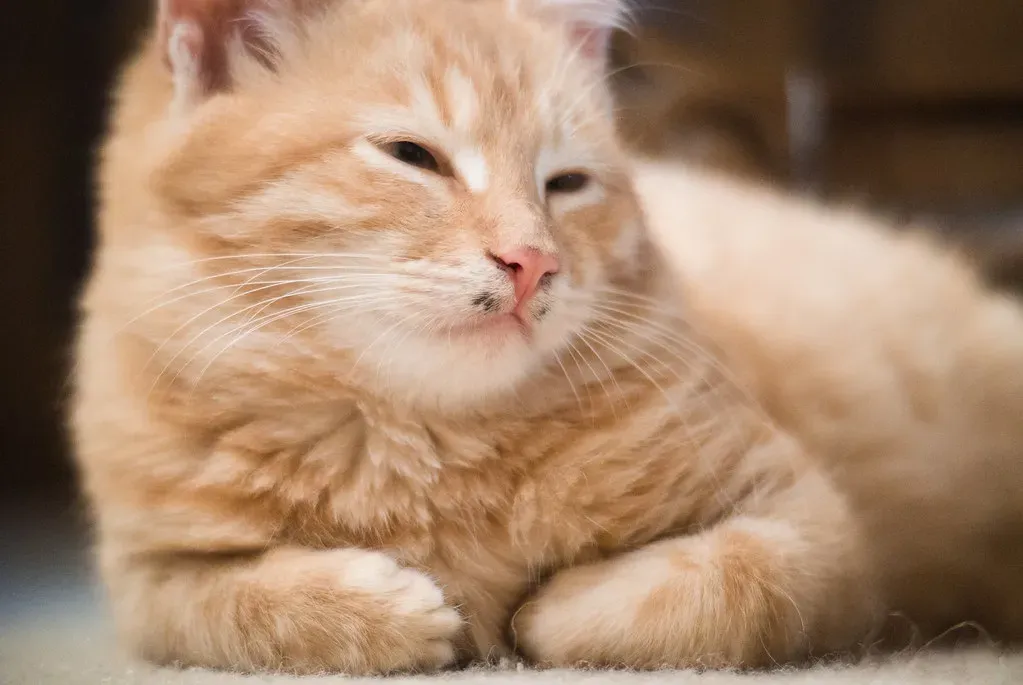
You are sitting across the room from your cat, making eye contact, and suddenly those eyes narrow into a slow, deliberate close and open. It feels random. It is anything but. Research suggests slow blinks are associated with a positive emotional state and can be a sign of trust, contentment, and affection, similar to a human smile. Think of it as your cat whispering “I love you” without making a single sound.
Cats will often make eye contact with their humans and then slowly close and open their eyes, and this behavior is sometimes referred to as “kitty kisses.” In feline language, when a cat makes direct eye contact it can be a sign of aggression, so when a cat slow blinks at you, it is specifically a sign of trust and love. Research has even found that if you initiate slow blinks or kitty kisses yourself, your cat is more likely to approach you and seek out attention. Go ahead, try it tonight.
2. Your Cat Head-Butts and Cheek-Rubs You
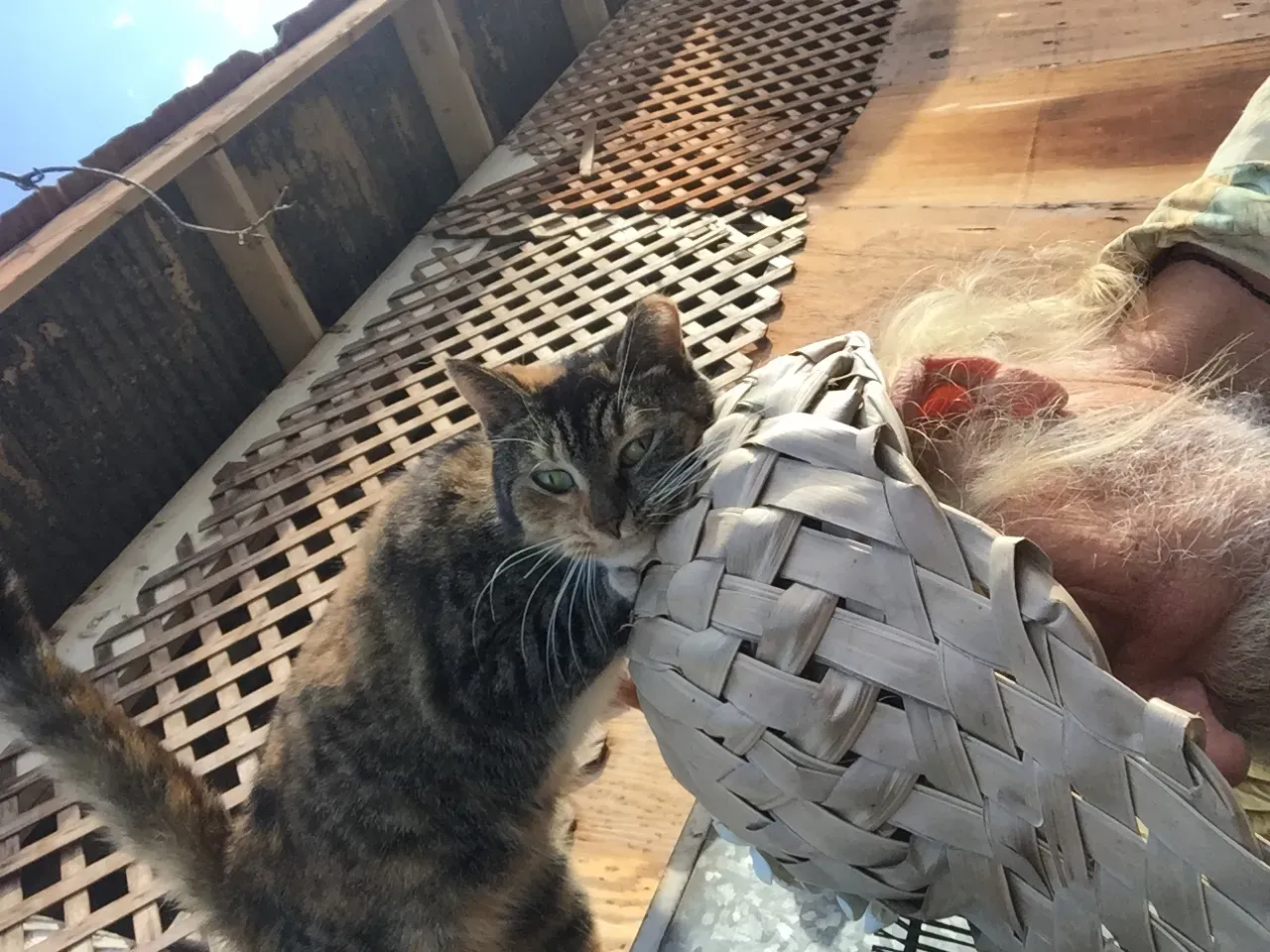
When your cat walks up and presses their forehead firmly into your chin or cheek, it might look almost comically aggressive. In reality, it is one of the most tender gestures a cat can offer. When your cat “boops” you with her forehead, she is not just being cute – she is depositing pheromones from scent glands on her head, and these head butts, also called “bunting,” are a way of marking you as safe.
Cats usually bump heads only with members of the same social group to reinforce their bond, and the scent glands in their cheeks and head enable them to create a group scent when they headbutt and rub against each other. So when they headbutt you, they are essentially seeing you as one of their family. It is an action known as head “bunting,” and it is usually reserved for members of a cat’s colony. You have officially been inducted.
3. Your Cat Kneads You Like Bread Dough
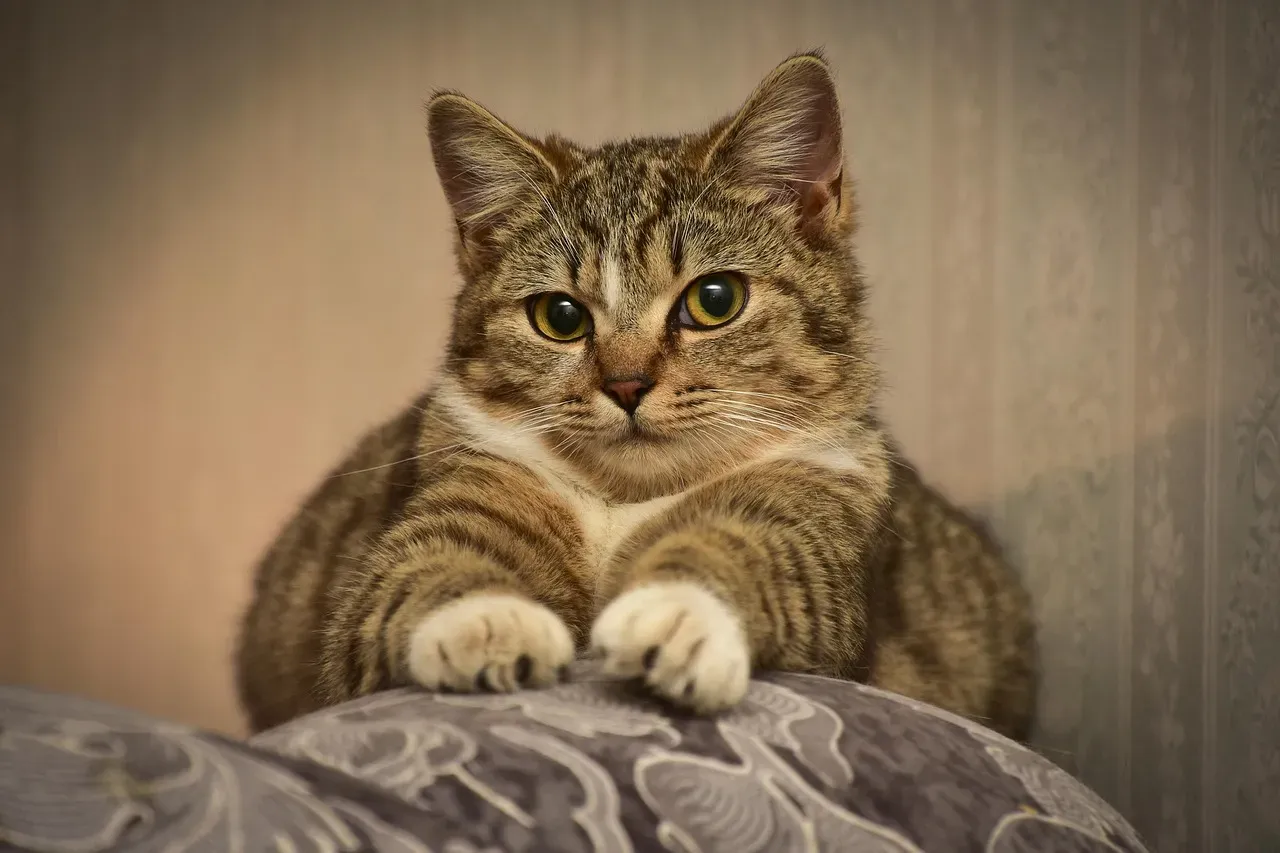
Watch your cat settle onto your lap, begin rhythmically pushing their paws in and out, eyes half-closed, motor running. It looks adorable. It is also deeply meaningful. Kneading is a behavior cats often carry over from kittenhood, when they would knead their mother’s belly to stimulate milk flow, and as adults, cats knead soft surfaces like blankets or even their human’s lap when they are feeling content, safe, and affectionate.
Kneading is believed to bring comfort by releasing endorphins to reduce stress and promote relaxation, and relaxed cats that knead are showing contentment. They will often knead when you gently pet or stroke them. Unfortunately for your poor lap, this can also mean that the happier your cat is, the harder they knead you! Consider it a deeply affectionate inconvenience.
4. Your Cat Purrs When You Are Near
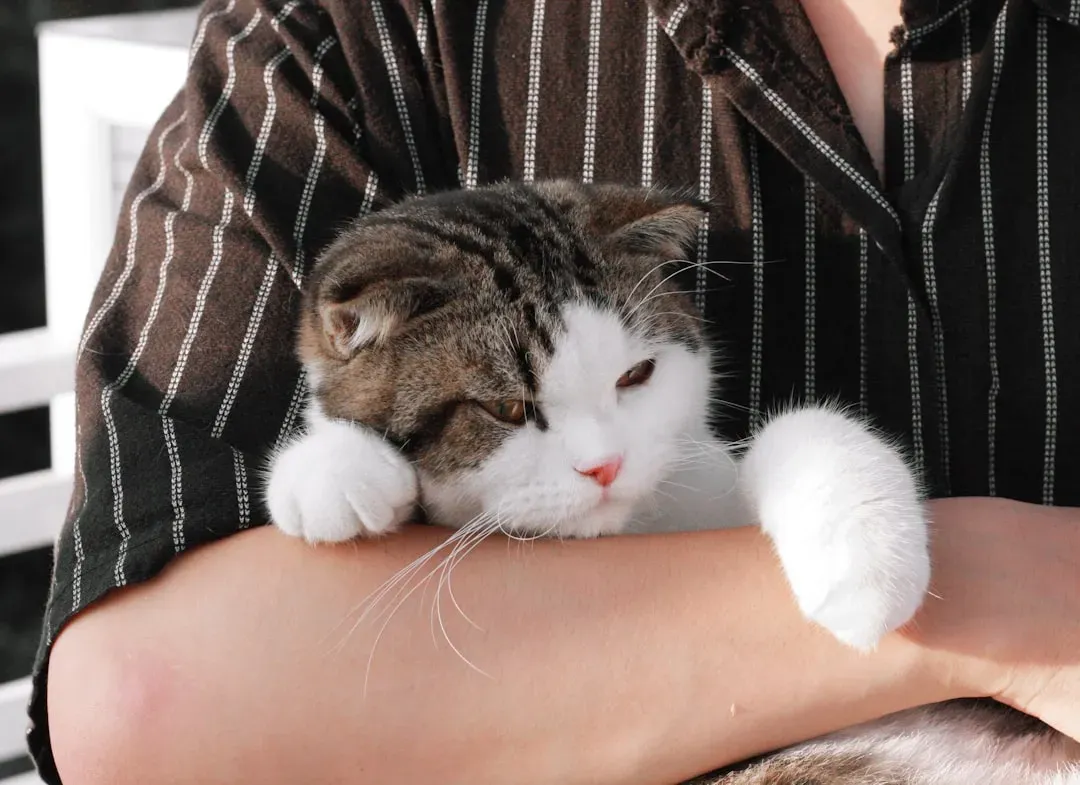
Few sounds in the world are as instantly comforting as a cat’s purr rumbling against your chest. It is not just pleasant – it is personal. Feline behaviorists have found that cats purr for a variety of reasons, but they believe that purring first starts as a form of communication and bonding mechanism between kittens and their mothers, and it is also a common indicator of comfort and ease.
Purring is often associated with a cat’s contentment and happiness, and when a cat purrs while being petted or sitting on your lap, it is a sign of deep affection and comfort. Purring may occur when a cat feels safe and relaxed, often while being petted or enjoying your close presence, though you should read the behavior alongside body language to distinguish contentment from distress. When the body is loose and the purr is rolling, you can be pretty confident you are loved.
5. Your Cat Follows You From Room to Room
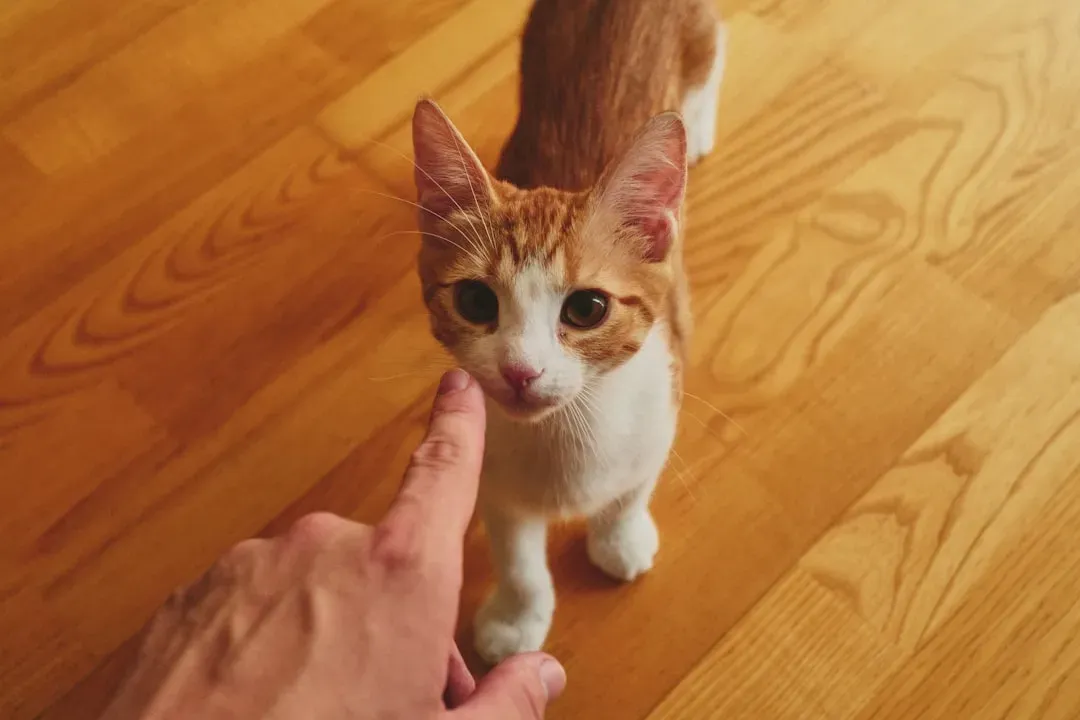
You get up to grab a glass of water. Your cat materializes behind you in the kitchen. You move to the living room. Your cat is already there. It can feel like being tailed by a tiny, furry detective – and honestly, it is kind of sweet. Cats can be independent creatures, but if your cat is constantly following you from room to room, it is a sign they enjoy your company, and this behavior is your cat’s way of saying, “I want to be where you are.”
There can be many reasons for a cat trailing you around the house, from wanting food to being anxious, but there are many cases in which your cat simply enjoys your company and wants to be with you. If it is not close to feeding time and your cat is not acting like they want anything, chances are they are just trying to bask in your presence. That is companionship, plain and simple.
6. Your Cat Grooms You With Their Tongue
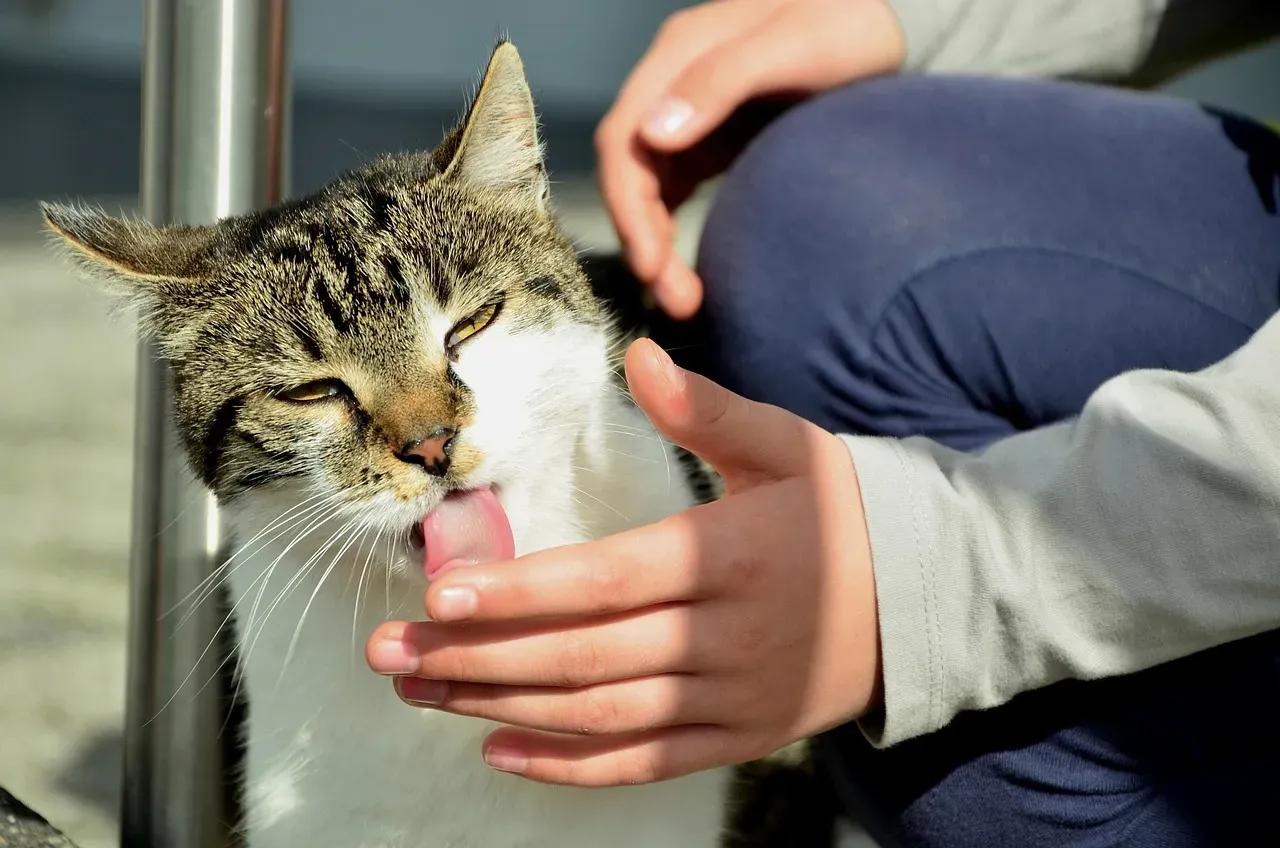
Those tiny barbed tongues are not exactly silky smooth, so when a cat licks your hand, your forearm, or somehow manages to get your hair, it might not feel like a luxury spa treatment. Still, it means a great deal. Just as mother cats will groom their young, cats who are bonded with each other will often groom one another, showing comfort and familial acceptance, and if you find your kitty licking you repetitively, they very likely see you as a close family member.
Cats lick other cats in their social group partly to bond but also to create a group odour, and the group smell helps both pet cats and feral cats tell who is in their social group. So if your cat licks you, it is probably because they know they are a part of your family. Grooming only happens between cats with a warm relationship, so licking your hand or face can be a show of endearment, even though those barbed tongues may not feel all that gentle.
7. Your Cat Sleeps On or Near You
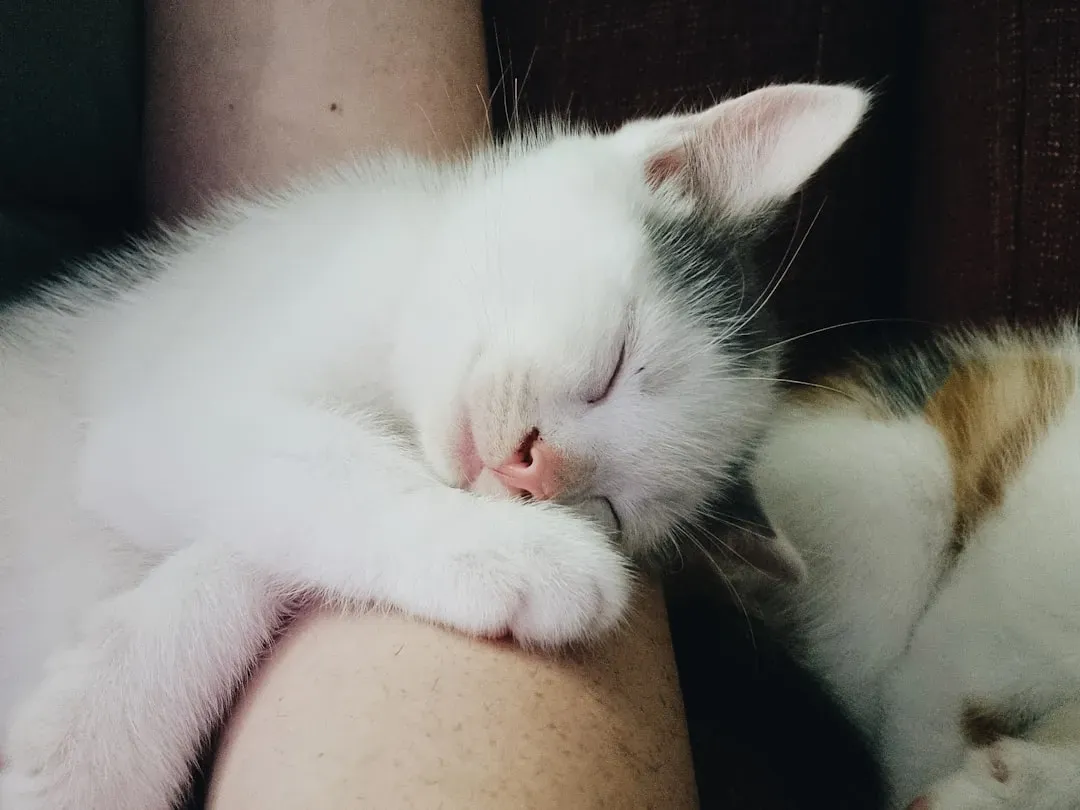
Where a cat chooses to sleep speaks volumes. These are naturally cautious animals with a powerful self-preservation instinct built deep into their DNA. Sleep is a moment of genuine vulnerability – and who a cat chooses to be vulnerable near is no coincidence. Cats spend a large portion of their lives sleeping, and where they choose to nap can tell you a lot about how they feel. If your cat chooses to sleep near you, or better yet directly on your lap, it is a sign they feel secure and trust you enough to be vulnerable. Cats are very cautious about where they sleep, so if they have chosen you as their resting spot, take it as a sign of complete trust.
Choosing to sleep on or against a person is one of the strongest signs of trust, as cats are at their most vulnerable when resting. Curling up on your lap for a nap is a sign of deep trust. Think of it this way: your cat is essentially saying you are the safest place in their entire world.
8. Your Cat Greets You at the Door
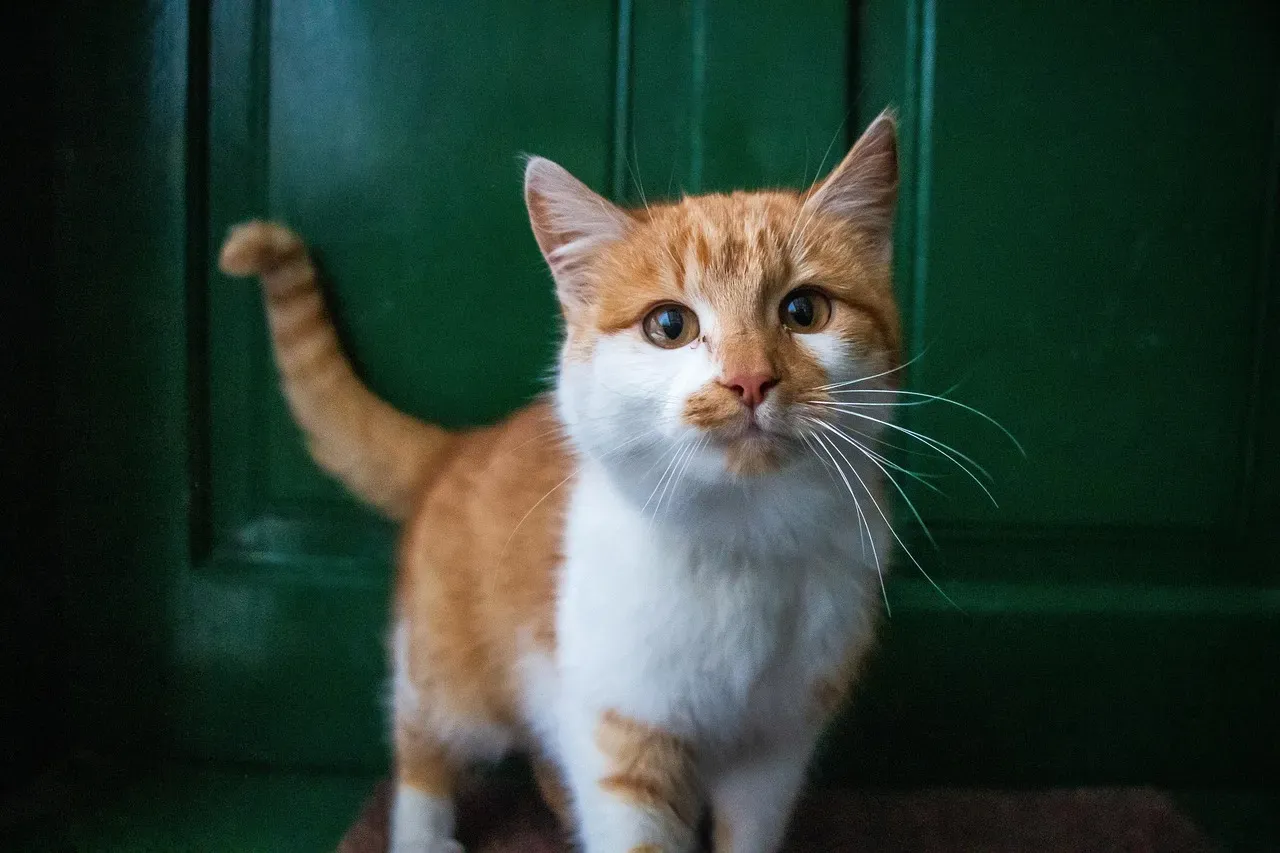
You insert your key. You hear the soft thud of paws hitting the floor on the other side. The door swings open and there is your cat, tail raised, possibly meowing their head off. It is a genuinely wonderful feeling every single time. Your cat is trying to show you that they missed you when they greet you at the door, and this is often followed by walking in between your legs and curling their tail around your legs, sometimes accompanied by meowing and “rattle-tail” behavior where your cat will shake their tail quickly.
One of the most obvious signs that your beloved pet is fond of you is the way that your cat greets you. When cats greet members of their social group they show signals to indicate friendship and a desire to move closer, and they show these same signals to humans. A tail held in the upright flagpole position shows a friendly intention, indicating familiarity, trust, and affection. If that welcome does not feel like love, it is hard to say what does.
9. Your Cat Brings You Gifts
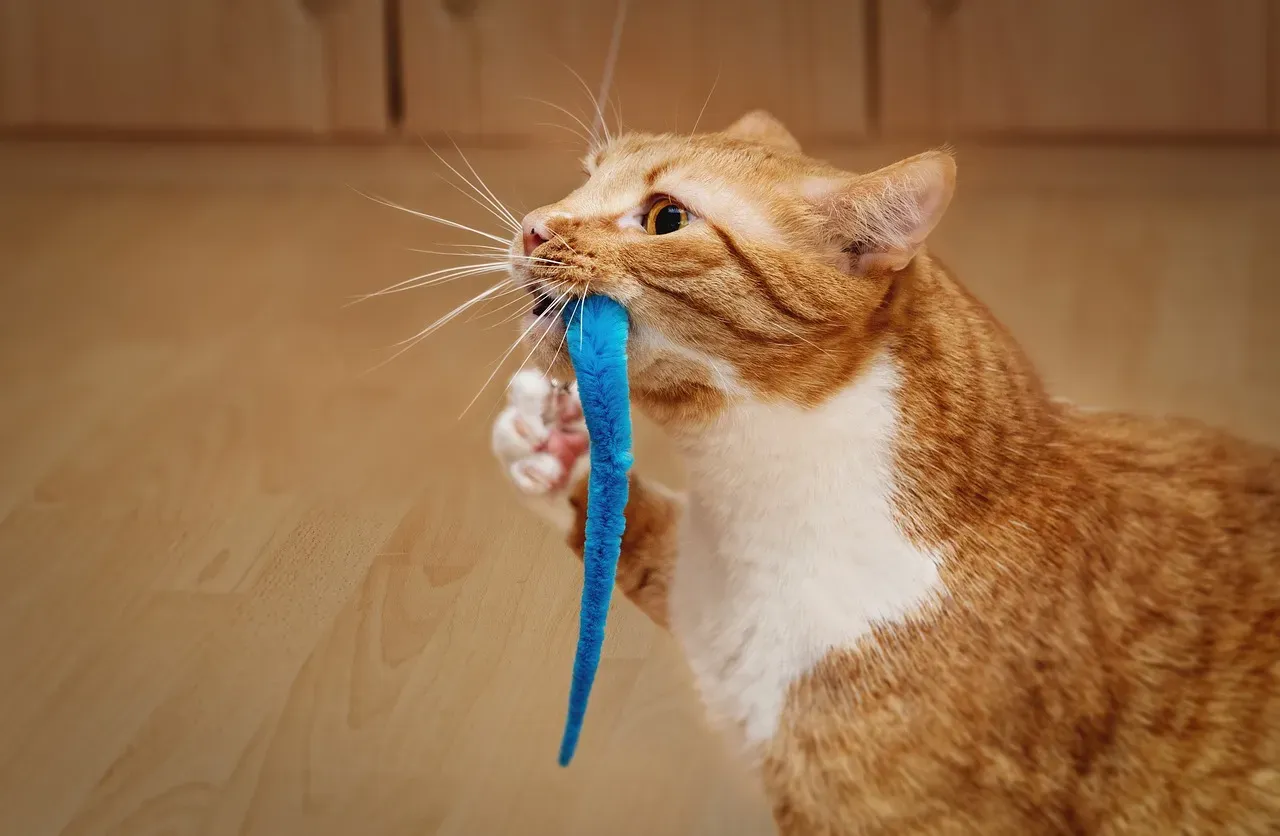
Let’s be real – finding a dead mouse at your feet at six in the morning is not exactly a heartwarming experience. Your cat, however, could not be more proud of themselves. While it might be unpleasant to find a dead mouse or bird at your doorstep, this behavior is a sign of love and trust from your cat. In the wild, cats bring prey to their families, and by bringing you gifts, your cat is sharing its “hunt” with you, showing that they consider you part of their family.
Some cats love to show their affection in the most adorable and sometimes slightly shocking ways by bringing you gifts. Whether it is a favorite toy left carefully outside your bedroom door or a real-life catch of the day, your kitty is proudly sharing their hunting success with you, and cat behavior experts say this is a classic sign your cat has bonded with you. Accept the offering with grace. Your cat is genuinely trying to provide for you.
10. Your Cat Exposes Their Belly to You
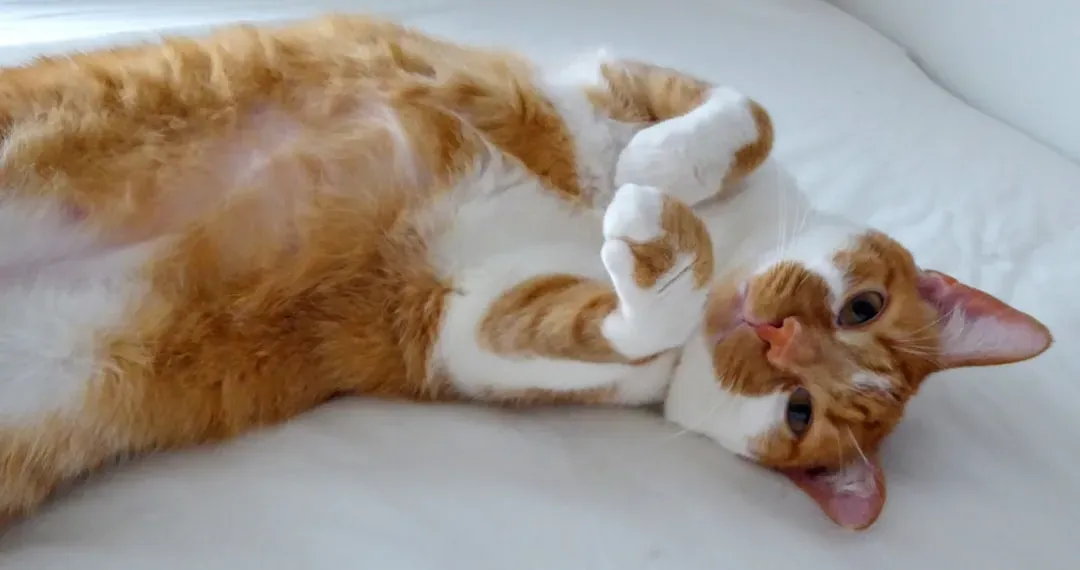
A quick word of warning before we get into this one: a belly display is not necessarily an invitation to reach in and start rubbing. That lesson tends to be learned the hard and slightly bloody way. This is often considered the ultimate sign of trust for a cat. Cats only lie on their backs and show their bellies when they are in their most relaxed state, and they are simply communicating that they feel comfortable and safe enough to reveal one of the most vulnerable parts of their body.
Rolling over and exposing their vulnerable underbelly is another gesture showing that a cat has ultimate trust in you. However, cats generally prefer to be petted on the head and neck area, so this is not usually a request for a belly rub. Cats also expose their bellies only to the people on their most-favorite list. So when your cat flops over and shows you the goods, take the compliment – and then proceed with caution before touching anything.
Conclusion
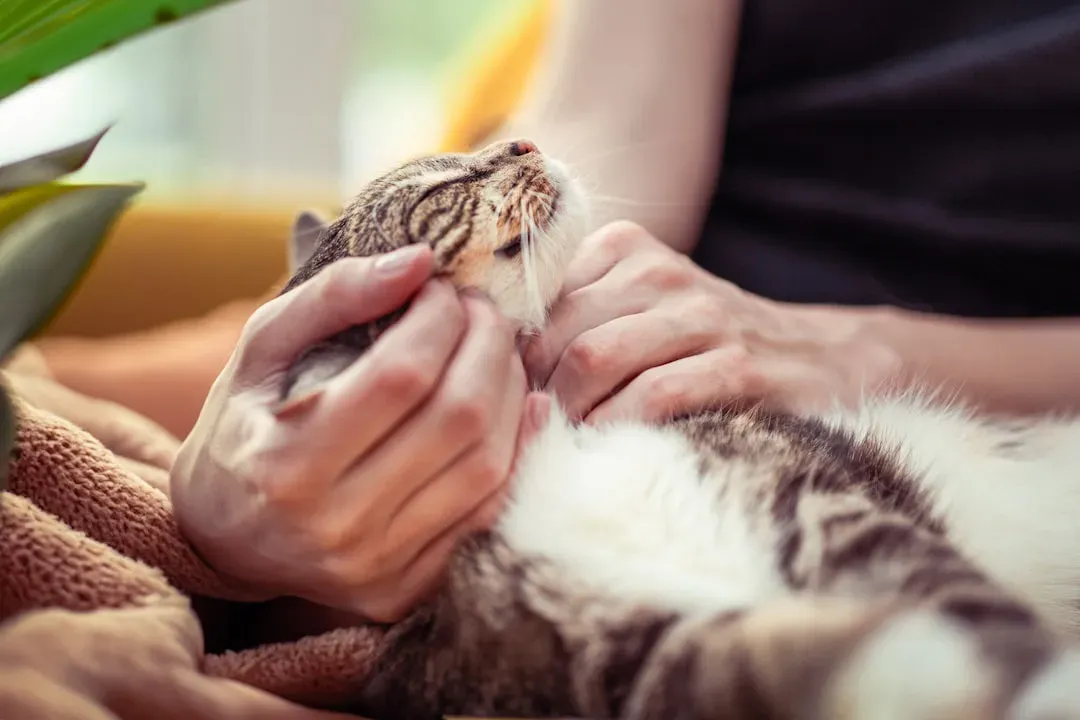
Here is the beautiful truth about cats: they may not announce their love from the rooftops or knock you over with excitement at the front door. Their language is quieter. More deliberate. And in many ways, far more meaningful because of it. Cats are much more subtle in showing their love, though that does not mean the shared bond between cats and humans is any less than with dogs. It just means you will need to work harder to understand your cat’s love language and boundaries to build trust.
Once you start recognizing these signals, you will see them everywhere – in the slow blink from across the sofa, in the rhythmic kneading, in the simple choice to curl up against your leg on a quiet evening. When you enjoy signs of bonding from your cat, you can be absolutely certain it is genuine. Cats cannot fake affection, and with love and nurturing, that bond will only grow stronger over time. So the next time your cat head-butts your chin at an inconvenient hour, smile. You are deeply, profoundly loved – in the most feline way possible. Have you noticed any of these signs in your own cat? Tell us in the comments below.