Your cat might be suffering right now, and you may not even realize it. Unlike dogs who whimper or whine when something hurts, your feline friend is hardwired to hide discomfort. It’s a survival instinct deeply rooted in their evolutionary history as both predator and prey.
In the wild, showing weakness means becoming vulnerable. That instinct hasn’t disappeared just because your cat lives in a cozy home. This makes recognizing pain in cats incredibly challenging, even for the most devoted pet parents. The subtle shifts in behavior can be so gradual that you might mistake them for normal aging or simply “cat moods.”
Learning to decode these quiet signals could make the difference between catching a health problem early and letting your beloved companion suffer in silence. Let’s dive into the warning signs your cat might be silently communicating.
They’re Suddenly Hiding More Than Usual
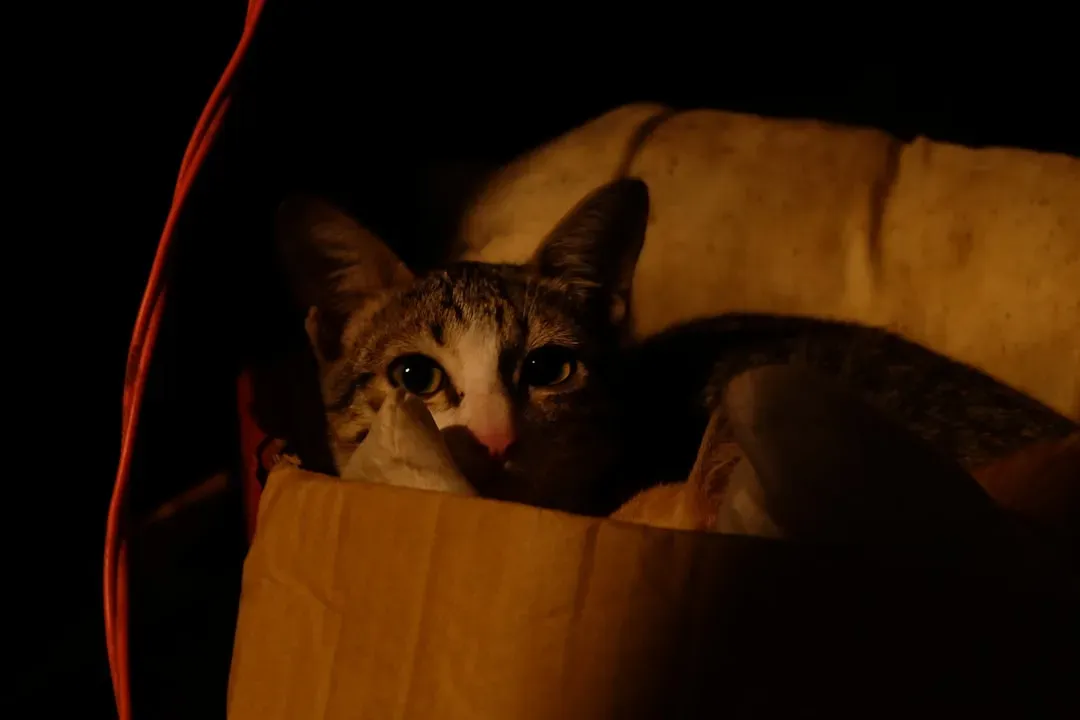
Hiding is the most common sign of pain in cats. If your normally social kitty suddenly starts spending hours tucked under the bed, squeezed behind the couch, or nestled in the back of a closet, something’s wrong. In the wild, a cat that shows weakness becomes an easy target. Domestic cats retain this evolutionary behavior.
Think about it this way: when you’re feeling terrible, you might want to curl up alone in bed. Your cat feels the same impulse, but with an added layer of instinct telling them to find a safe, hidden spot. Cats in pain often retreat to quiet, secluded areas and may be more difficult to coax out. Pay attention if your cat who usually greets you at the door is now mysteriously absent.
Their Grooming Habits Have Changed Dramatically
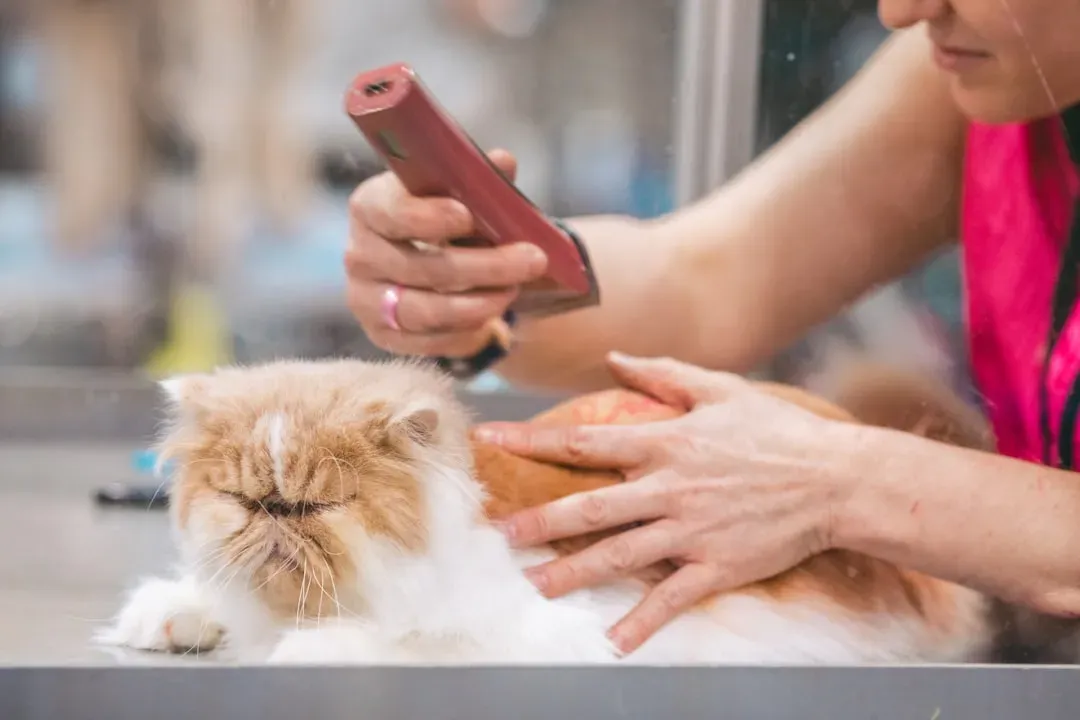
Cats are famously fastidious groomers, so any change in this routine is a red flag. Most cats with osteoarthritis stop grooming themselves as well as they used to. They develop a messy hair coat and may become matted over their painful body parts. If you notice your cat’s coat looking dull, greasy, or tangled, they might be too uncomfortable to reach certain areas.
On the flip side, cats that are in pain also repetitively lick and bite the affected area. They may do it so often that they cause secondary trauma to their body in the form of wounds, skin infections, and hair loss. It’s their way of trying to soothe what hurts. Watch for bald patches or raw spots on your cat’s body.
They’re Moving Differently or Avoiding Jumps

Limping or favoring certain limbs when walking is one of the most noticeable signs that cats are in pain. However, it’s not always this obvious. You might notice your cat hesitating before jumping onto the couch or choosing to stay on lower surfaces rather than leaping to their favorite windowsill.
When they feel stiff, cats shuffle. They walk gingerly and avoid the usual leaps they do. If your cat seems hesitant to jump onto furniture, is avoiding stairs, or has trouble standing up after lying down, it could be a sign of joint pain or another physical issue. These changes can be so gradual that they’re easy to miss unless you’re actively watching.
Their Appetite Has Suddenly Decreased or Disappeared
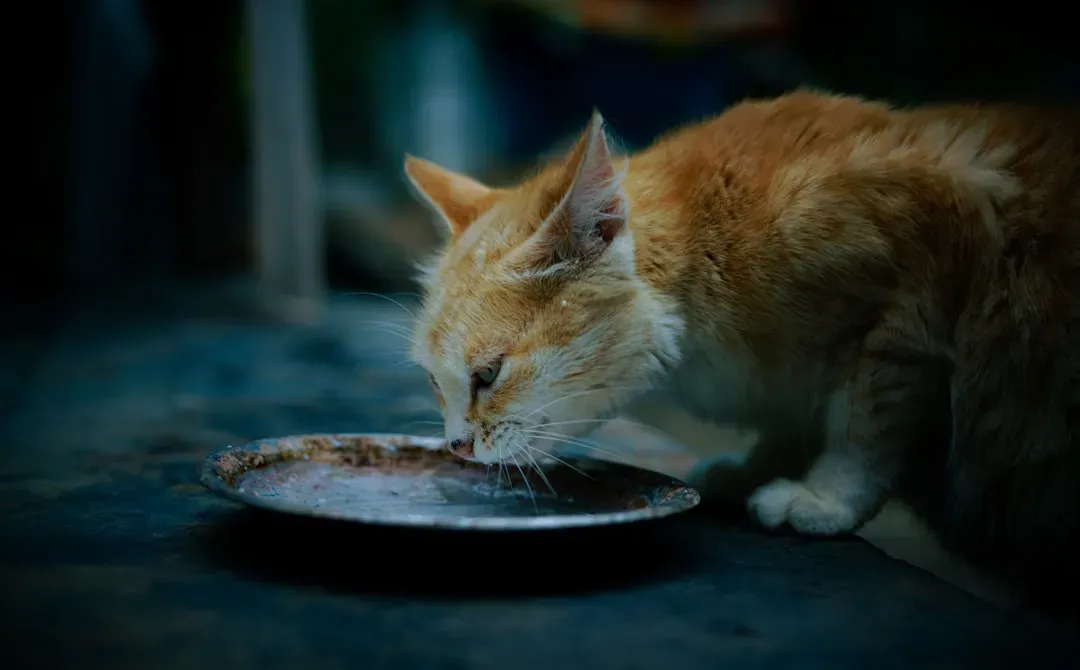
A cat whose appetite suddenly drops may be feeling too much pain to eat, or they may be experiencing nausea from a disease. This is particularly true for dental pain, which is shockingly common and often overlooked. Dental problems can be very painful for cats and may cause them to stop eating, leading to other health problems.
If your cat approaches their food bowl but then backs away, or if they’re showing interest in food but not actually eating, pain could be the culprit. They want to eat, but it simply hurts too much to do so. Weight loss following these changes is a serious concern that needs immediate veterinary attention.
They’ve Become Unusually Aggressive or Irritable
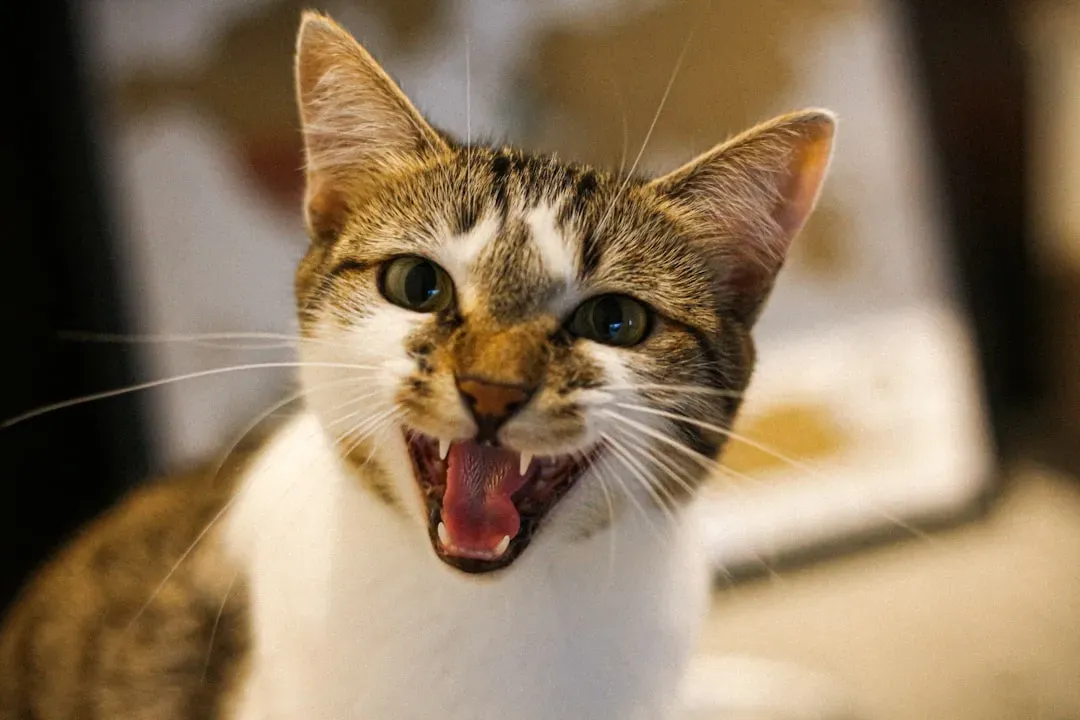
Your sweet, gentle cat suddenly hissing or swatting at you? If your usually friendly cat starts to hiss, bite, or scratch, it could be a sign they’re in discomfort. Pain can transform even the most affectionate feline into a defensive, irritable creature.
A lap cat who suddenly can’t stand being held may be experiencing pain when they are touched or petted. They’re not being mean on purpose. They’re protecting themselves from what they perceive as a threat to their already painful body. This type of aggression is common with pain. If your cat flinches or pulls away when you touch certain areas, that’s a crucial clue.
Their Facial Expression Looks Different
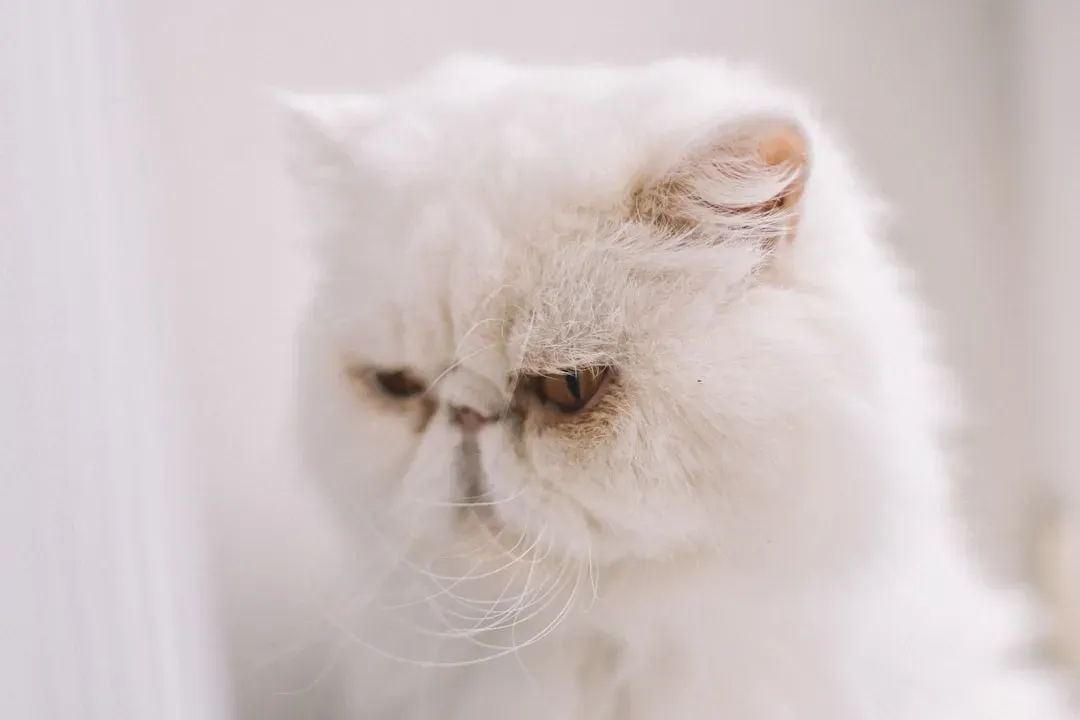
This one’s subtle, but veterinarians now use something called the Feline Grimace Scale to assess pain. Relaxed cats have open or gently squinted eyes. Partially closed, squinted, or tightly shut eyes can be a sign of pain. Ears that are flattened, turned outward, or pulled back may indicate discomfort.
Your cat may squint or close their eyes. Their ears may appear slightly flattened or pressed to the sides. Their mouth, nose and cheeks may appear tenser and more compressed. Learning to read these facial cues takes practice, but once you know what to look for, they become unmistakable markers of distress.
They’re Using the Litter Box Inappropriately
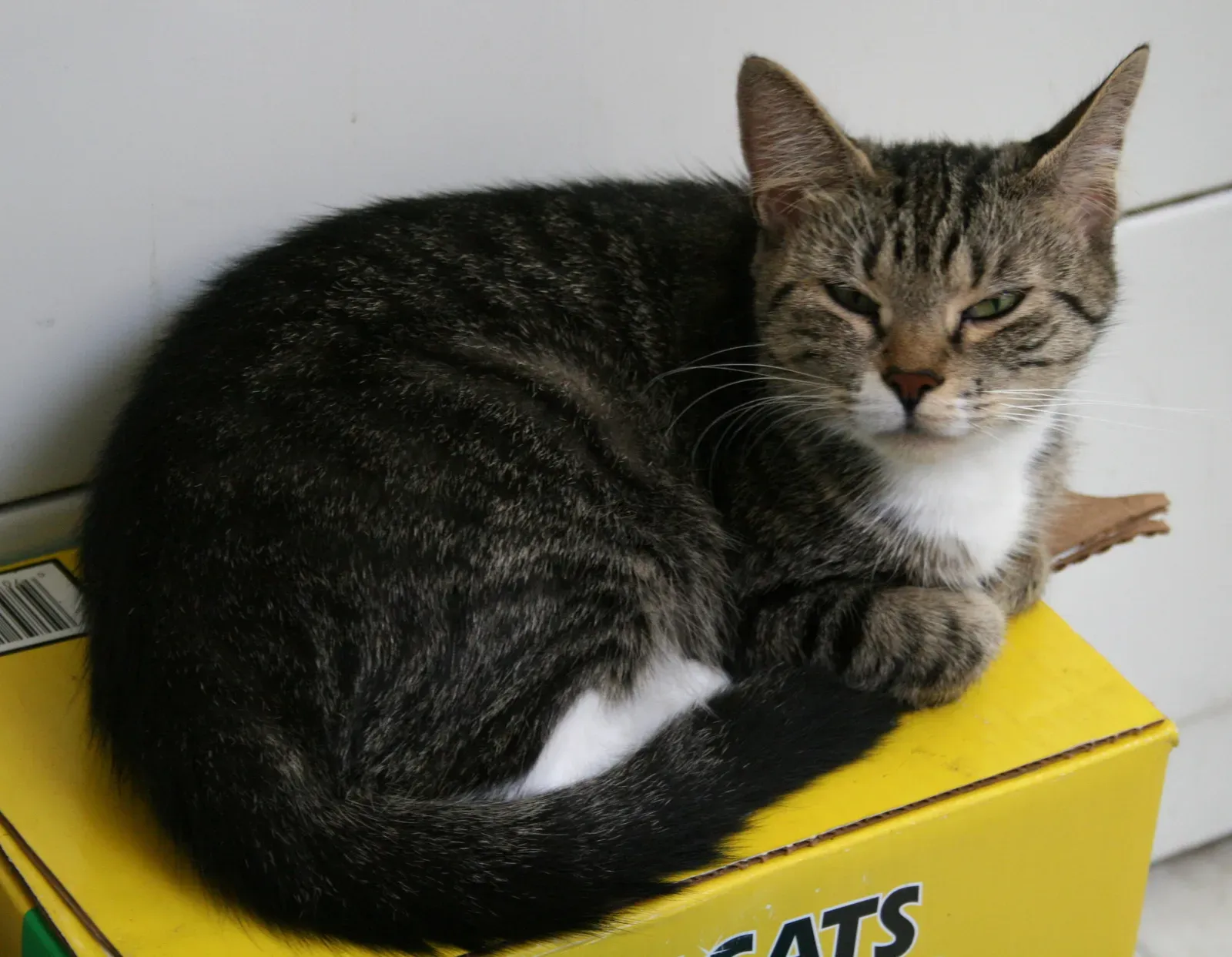
Accidents in the house from a previously house-trained cat are often dismissed as behavioral issues. Let’s be real though, it might be pain. Cats that suddenly have accidents in the house after years of using the litter box, may be in too much pain to get in and out of a box with high sides.
Avoiding the litter box, struggling to urinate or defecate, or changes in posture while using the litter tray could point to pain or discomfort, especially related to urinary or digestive issues. Constipation and urinary tract infections are common causes of discomfort in cats and should be addressed promptly. If your cat is straining or crying while using the box, that’s an emergency situation.
They’re Vocalizing More or Less Than Normal
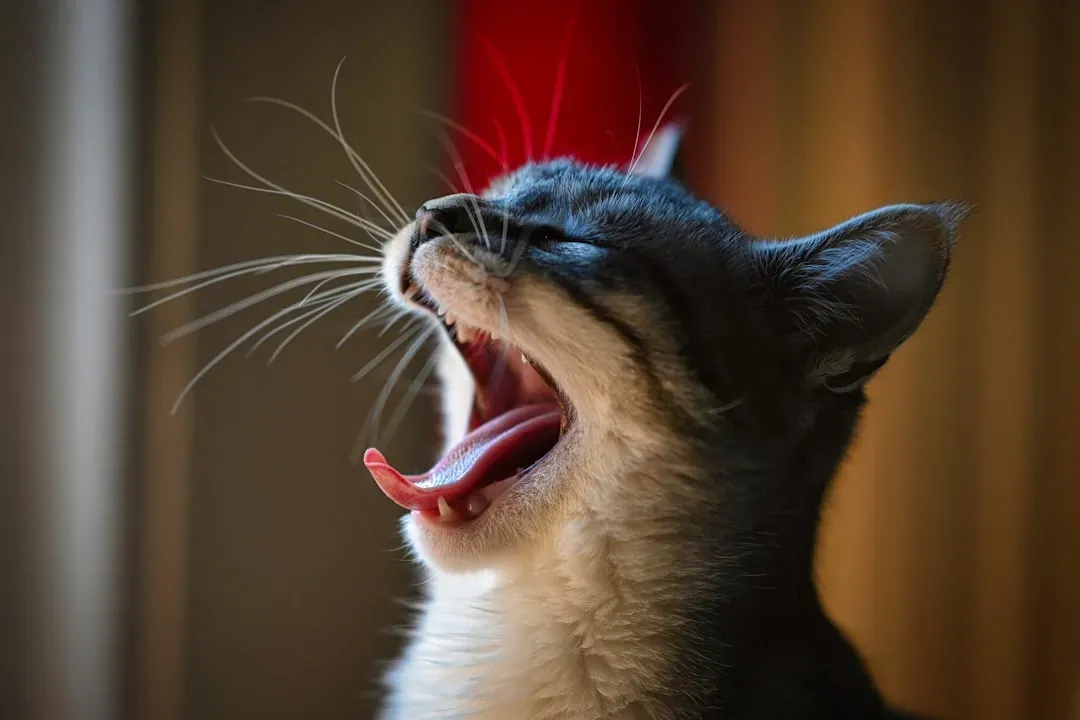
Here’s something surprising: meows and purrs can be signs of a cat in pain. Purring is usually thought of as a sign of contentment, but some cats purr when they are frightened or hurting. Honestly, this threw me when I first learned it. We’re conditioned to think purring always equals happiness.
A cat in pain meow is often louder, longer, or more frequent than normal. If your typically quiet cat starts vocalizing at odd hours or cries out when moving, take it seriously. Conversely, a normally chatty cat who goes silent might also be telling you something’s wrong. Changes in vocalization patterns deserve your attention.
Their Body Posture Looks Tense or Hunched
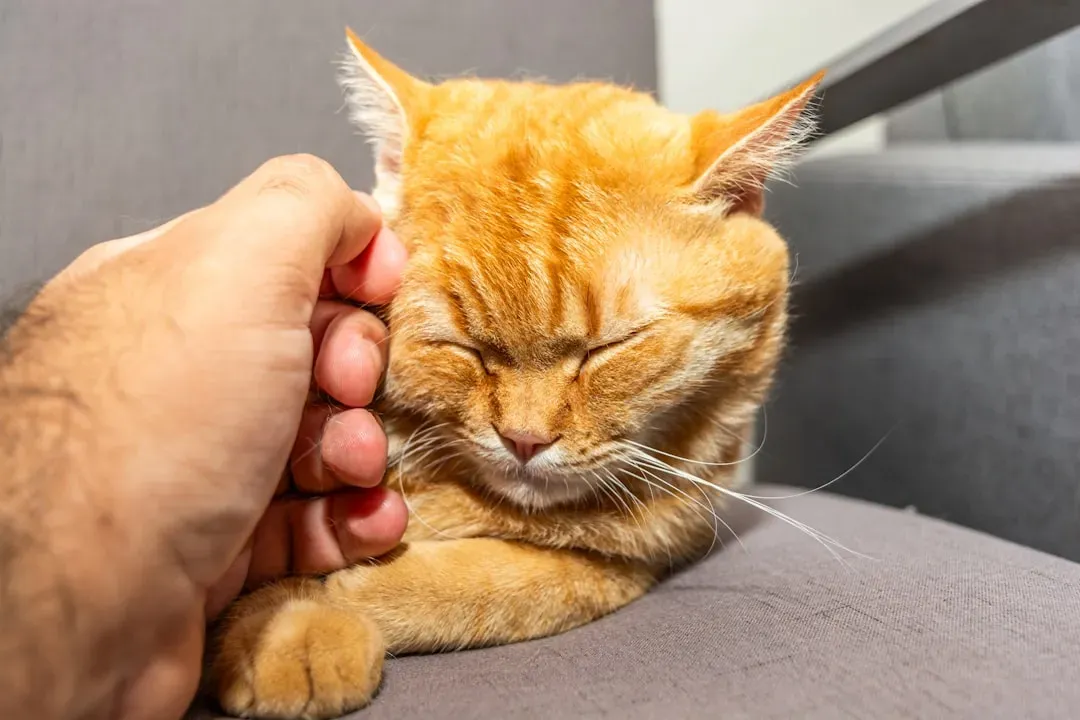
Common signs of pain include hunched or tense body posture, where they may arch their back or keep it rigid. A cat with abdominal pain may have a hunched back, tucking in their abdomen in a protective posture. This stance is their body’s way of guarding what hurts.
You might also notice your cat constantly shifting positions, unable to get comfortable. Cats in pain may have trouble finding a comfortable resting or sleeping position. They might constantly get up and shift positions or pace in an attempt to alleviate their discomfort. If your cat seems restless or keeps repositioning themselves without settling, pain is likely the reason.
They’re Sleeping More and Playing Less
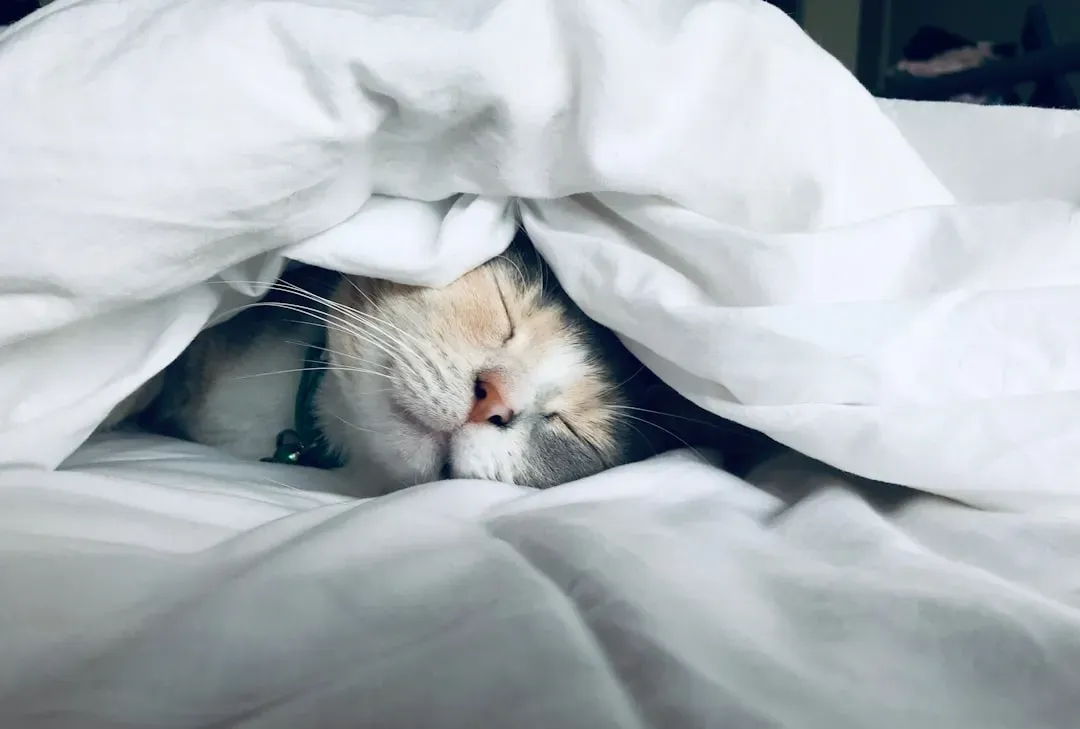
A change in activity level can be a sign of pain in cats. Cats might become less active and sleep more hours than they used to. Sure, cats already sleep a lot naturally, but we’re talking about a noticeable increase beyond their normal snooze schedule.
Has your once-playful cat become withdrawn? Avoiding interaction, hiding for long periods, or losing interest in toys and playtime can all be signs of discomfort or illness. Cats in pain may retreat to quiet, dark places to rest undisturbed. If the laser pointer or feather toy that once drove them wild now gets barely a glance, your cat might be telling you they hurt too much to play.
Conclusion: Trust Your Instincts and Act Quickly

Cats are experts at hiding their pain. That’s why the responsibility falls on you to be observant and proactive. A cat’s human family members are in the best position to identify subtle changes in behavior that may signal pain. You know your cat better than anyone else, so if something feels off, it probably is.
Take your cat to the veterinarian if they show signs of pain for more than 24 hours. Never try to medicate your cat with human pain relievers. Many human painkillers are toxic to cats. Never give ibuprofen, aspirin, or acetaminophen. Your veterinarian has safe, effective options designed specifically for feline patients.
The sooner you recognize and address pain in your cat, the better their quality of life will be. These signs aren’t always dramatic or obvious, which makes your role as their advocate even more critical. What changes have you noticed in your cat’s behavior lately? If you’re seeing any of these warning signs, don’t wait. Schedule that vet appointment today and give your feline friend the relief they desperately need but can’t ask for.