Your feline friend might seem content lounging in a sunbeam, but beneath that purring exterior, something could be terribly wrong. Cats are masters at hiding their emotions, making it incredibly difficult to detect when they’re struggling with sadness or emotional distress. Unlike dogs who wear their hearts on their sleeves, cats evolved as both predators and prey, which means showing vulnerability could have meant death in the wild. This survival instinct remains deeply embedded in your domestic companion.
Understanding the subtle signals your cat sends when experiencing emotional turmoil can mean the difference between addressing a problem early and letting it escalate into something far more serious. The signs aren’t always obvious, which is exactly why so many cat owners miss them entirely. Ready to learn what your cat might be silently trying to tell you?
Sleeping More Than Their Usual Sixteen Hours
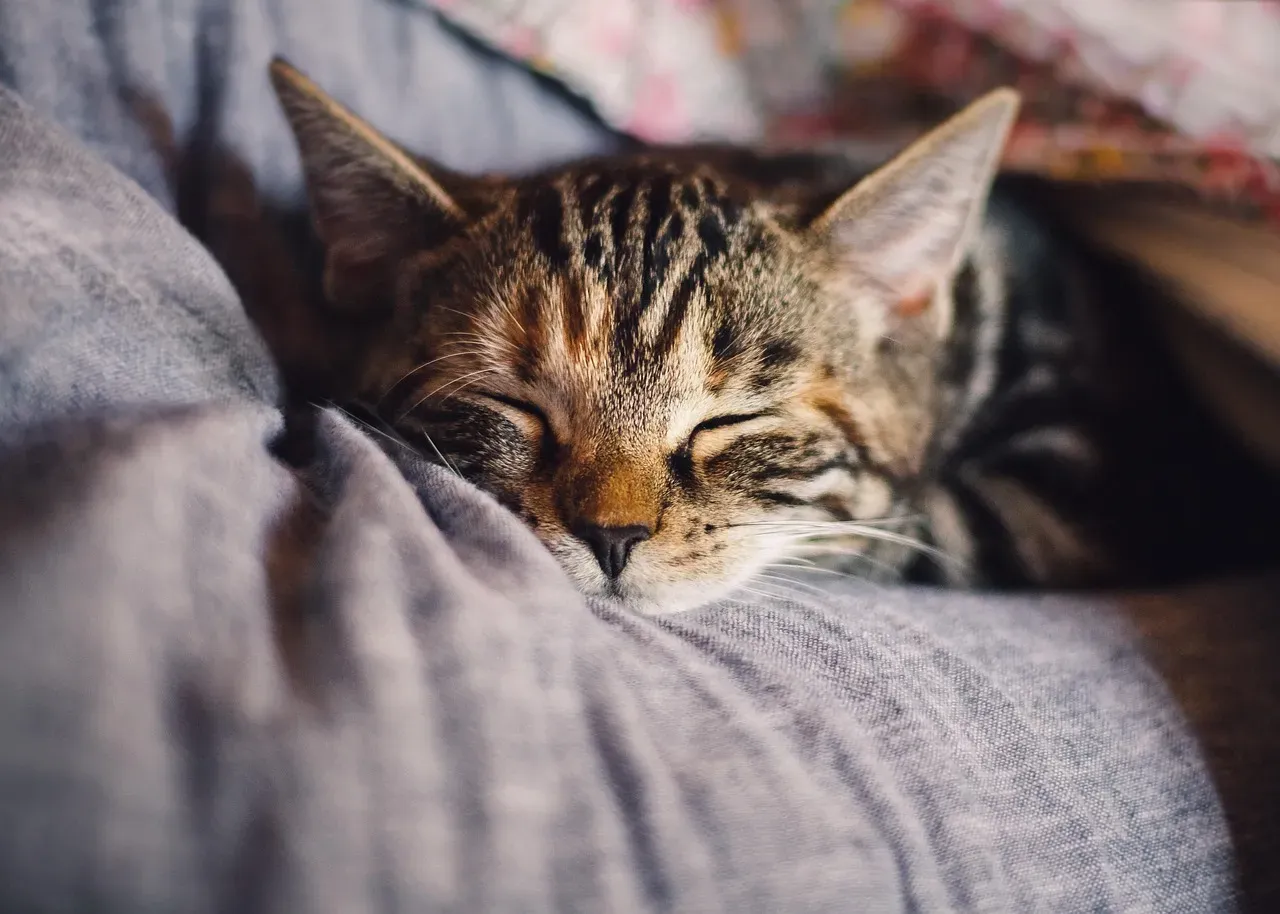
You probably know that cats typically spend around sixteen to eighteen hours a day sleeping, which already sounds like a lot. However, when your cat starts sleeping significantly more than this or seems completely unresponsive even during their normal waking times, you’re looking at a potential red flag.
While physically and emotionally healthy cats enjoy activities like jumping, scratching, stretching, and playing, a depressed cat may sleep more than usual and show complete disinterest in what used to excite them. Think about it this way: if your normally curious cat suddenly ignores the sound of a treat bag or doesn’t even lift their head when you enter the room, something’s definitely off. Excessive lethargy isn’t just about being tired; it’s often your cat’s way of withdrawing from a world that no longer brings them joy.
Changes in Their Vocal Patterns
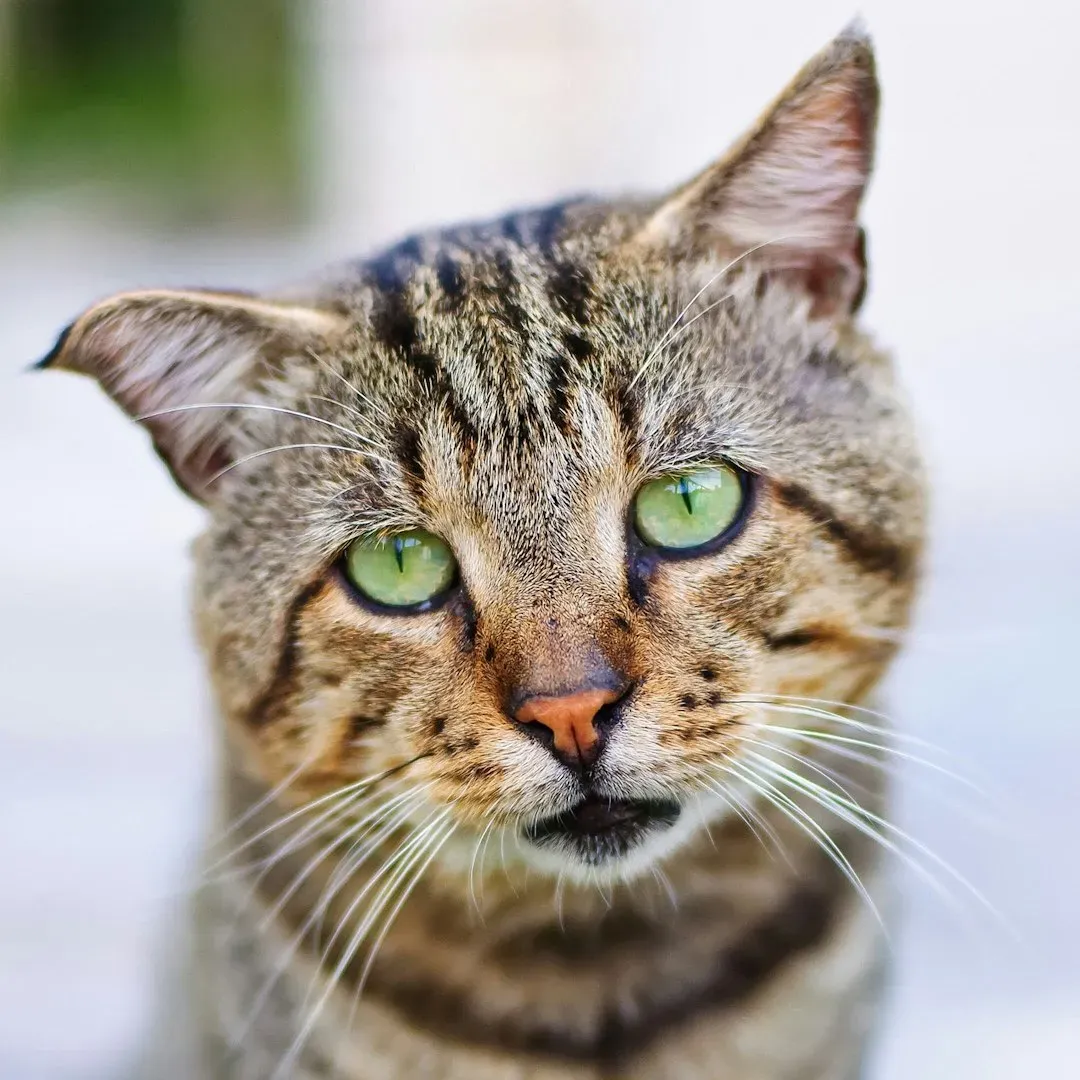
Depressed cats may produce low-pitched, mournful yowls that sound distinctly different from their usual meows. Here’s the thing: every cat has their own communication style, and you’ve probably learned to recognize your cat’s different sounds over time.
Cats that are normally quite vocal may become unusually quiet, while those that are normally quiet may become louder if suffering from depression. It’s almost like they’re speaking a language you’ve never heard before. What’s particularly unsettling is that a cat’s purr doesn’t always indicate happiness; even cats that are unhappy or in pain may purr to comfort themselves. So that soothing rumble might actually be a cry for help disguised as contentment.
Sudden Loss of Interest in Food
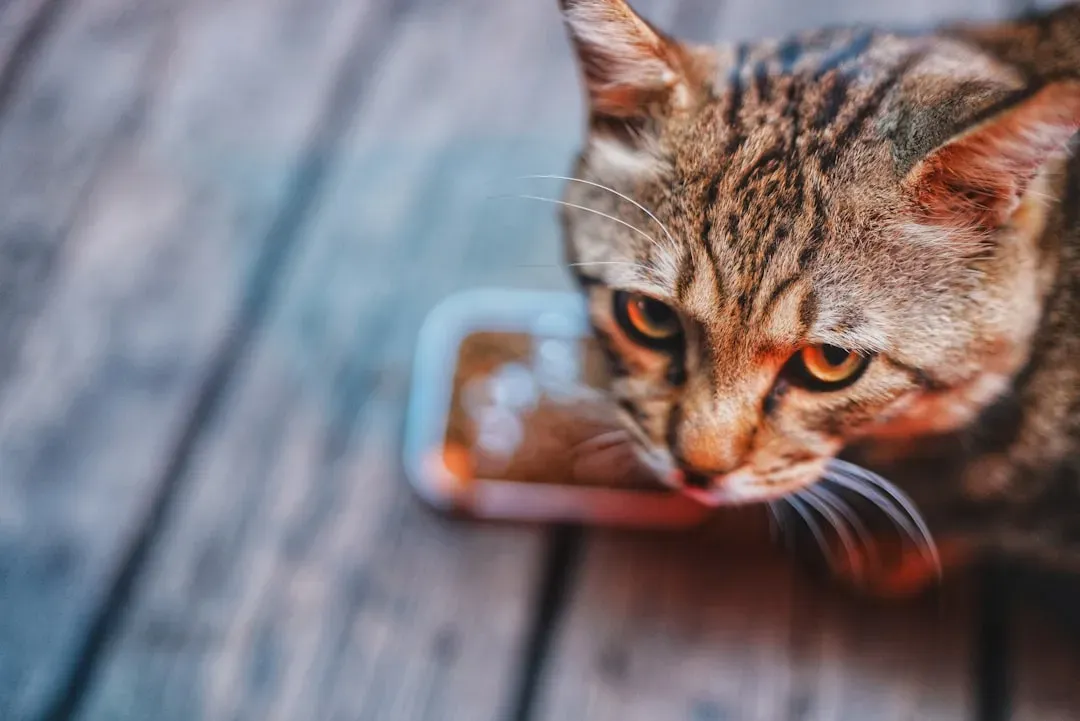
When your cat changes their usual eating behavior, it could signal depression, as sad cats may lose interest in their regular diet. I’ve seen cats who would practically break down doors for dinner suddenly walk away from a full bowl as if it were invisible.
Reduced or completely lost appetite is a sign of depression, with depressed cats refusing to eat even if they’re otherwise food-motivated. This isn’t just about being picky or wanting a different flavor. The scary part? Cats can develop hepatic lipidosis after not eating for just three to four days, a potentially fatal condition with a mortality rate of over ninety percent if untreated. That’s why any significant appetite change demands immediate attention.
Neglecting Their Grooming Routine
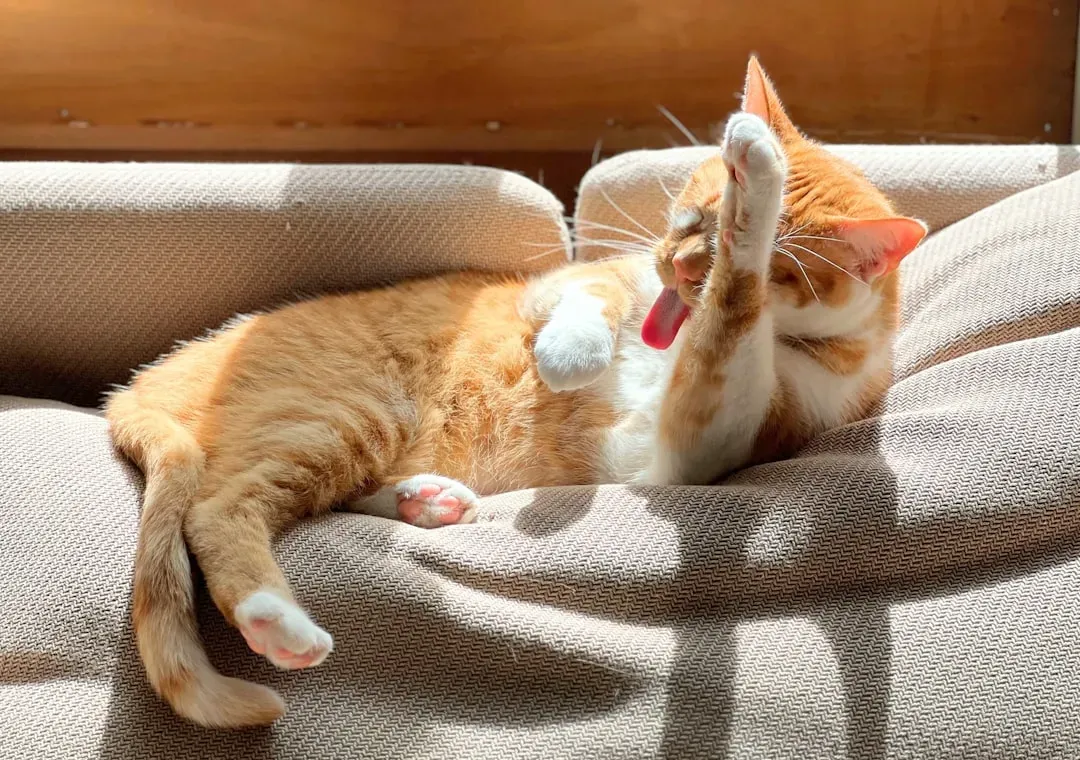
Cats groom themselves daily starting from the kitten stage, and it’s normal healthy behavior that becomes a warning sign when it stops or happens only infrequently. Your once-pristine cat might suddenly sport a matted, greasy coat that looks nothing like their usual glossy fur.
Some depressed cats stop grooming themselves entirely, while others do it compulsively to the point of creating bald patches or skin irritation. It’s like they’ve either given up on self-care completely or they’re obsessively trying to soothe themselves through repetitive behavior. Both extremes tell you the same thing: your cat is struggling emotionally and needs help getting back to their normal routine.
Avoiding the Litter Box
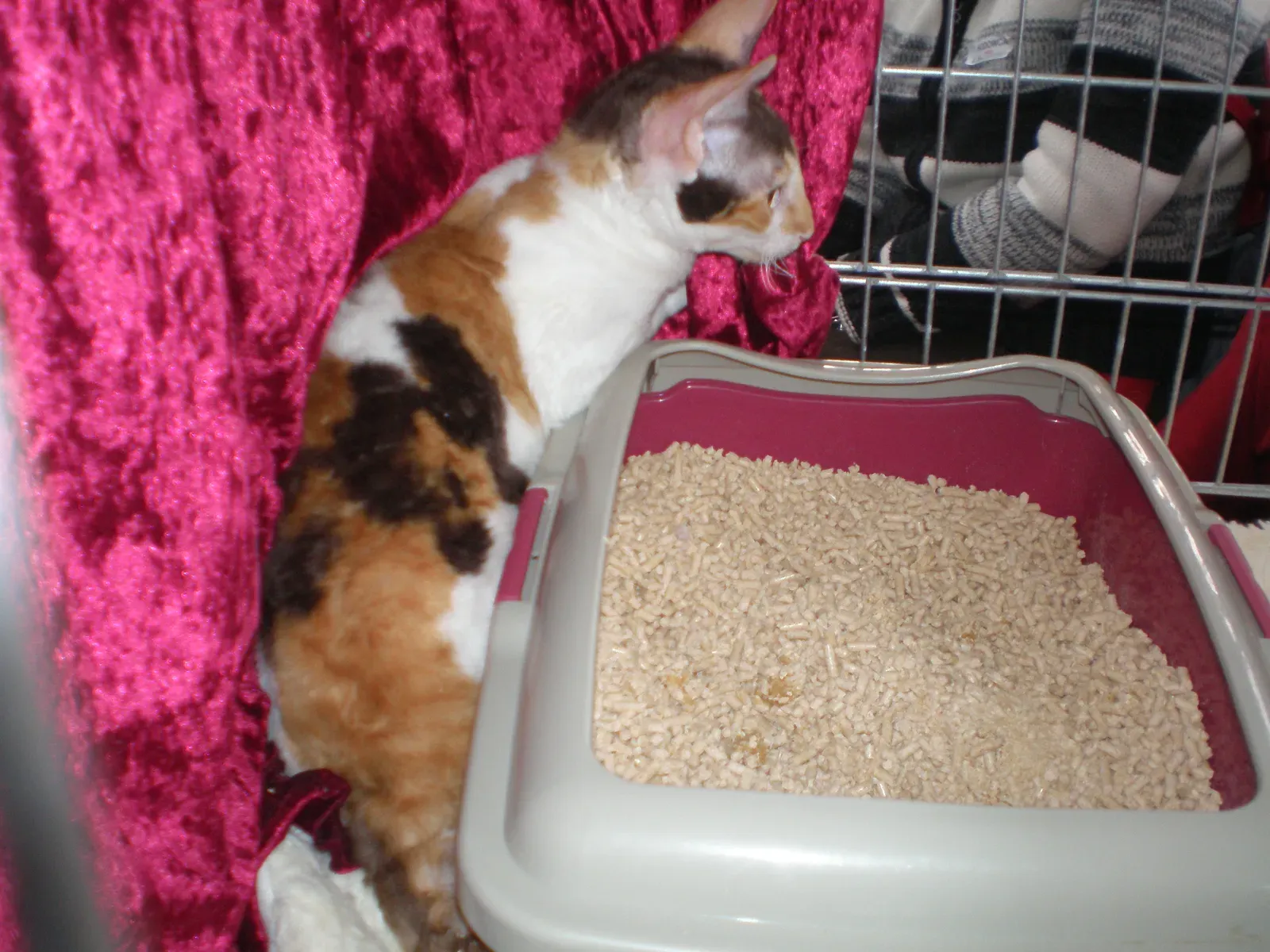
A depressed cat may start having urinary issues, like avoiding the litter box, urinating or defecating outside of it, or using it less frequently. Let’s be real, this is one of the most frustrating signs for cat owners because it creates a mess and disrupts your household.
A cat in medical distress often starts eliminating outside its litter box, which could indicate arthritis making it too painful to navigate to the box. Sometimes the box itself isn’t the problem at all. A depressed cat may start urinating in inappropriate places simply to feel better or mark territory as a stress-relief mechanism. Before you get angry about ruined carpets, consider that your cat might be sending an urgent distress signal in the only way they know how.
Becoming Unusually Aggressive or Withdrawn
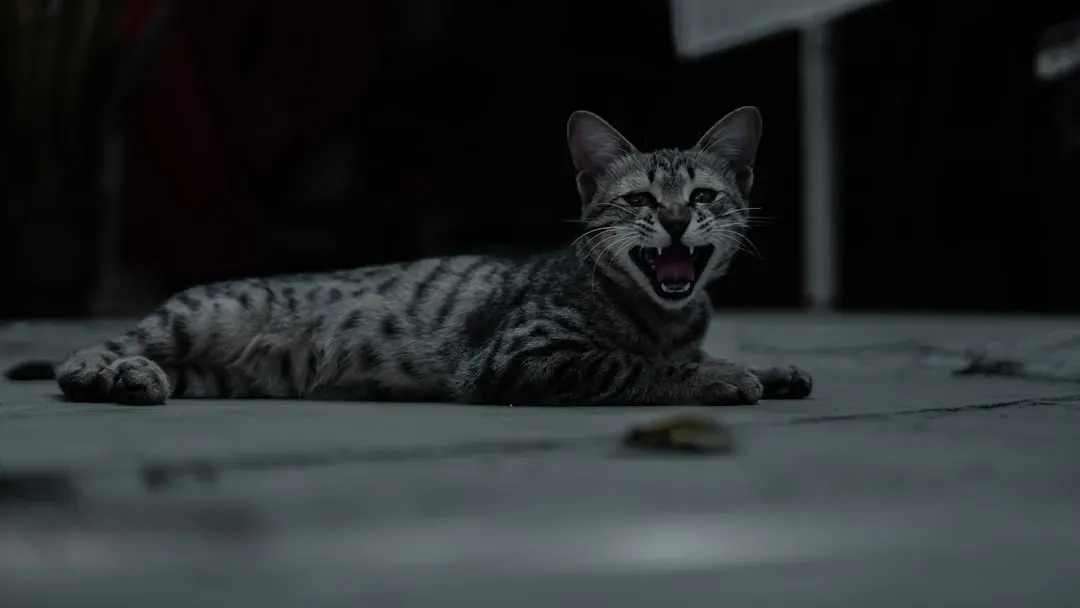
A sad cat becomes more aggressive, displaying behaviors like hissing, biting, chasing, and growling. Honestly, this catches many owners completely off guard because their sweet, gentle cat suddenly seems like a different animal altogether.
Sad cats tend to become irritable and reactive, often acting out with aggression or fearfulness and wanting to be left alone, which can result in hissing, growling, and even attacking anyone who doesn’t respect their space. On the flip side, once-affectionate cats may become distant and avoid petting and snuggling, while some may seek constant reassurance and follow their owners around the house. Either extreme represents a dramatic personality shift that shouldn’t be ignored.
Hiding More Frequently
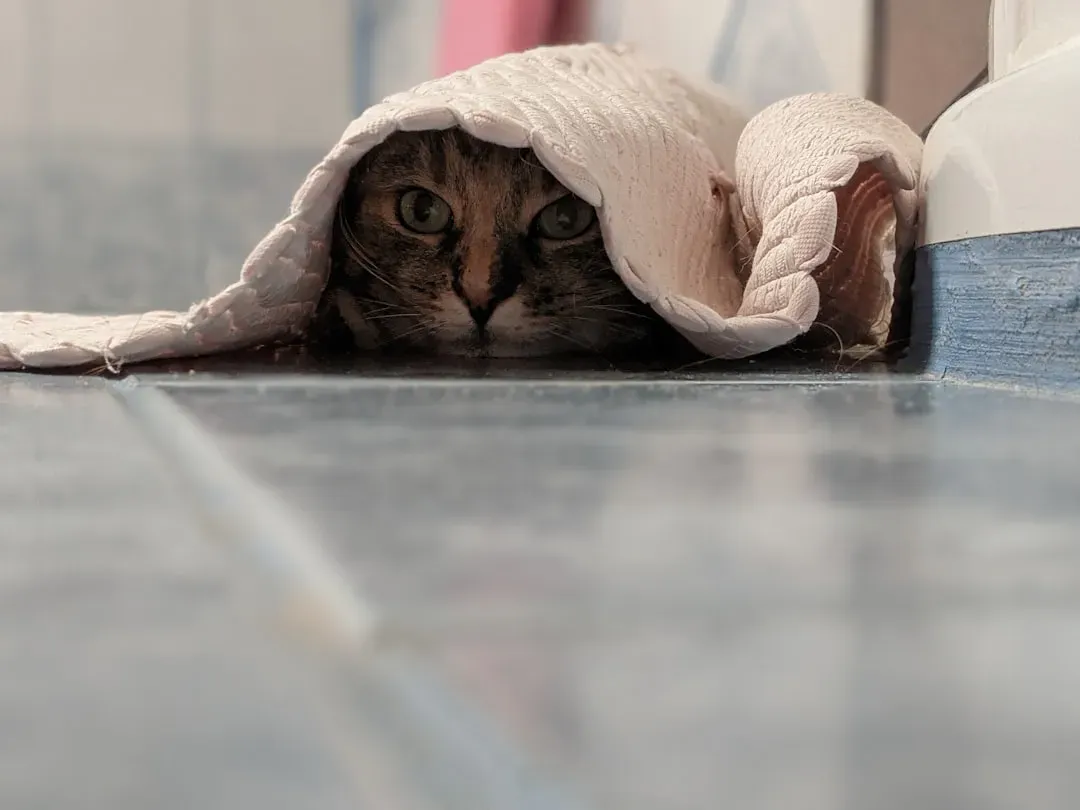
Hiding more than usual or avoiding contact with people and other pets can signal sadness or discomfort. You might find your cat spending hours under the bed, in closets, or behind furniture where they never used to go.
This withdrawal from normal household activity is their way of creating a safe bubble when the world feels overwhelming. Think of it as their version of pulling the covers over their head and not wanting to face the day. If your cat seems quieter than usual, doesn’t show interest in everyday activities, and just isn’t as playful or affectionate as usual, this could be a sign of a low mood state. It’s heartbreaking to watch your social butterfly transform into a recluse, especially when you’re not sure what triggered the change.
Displaying Unusual Body Language
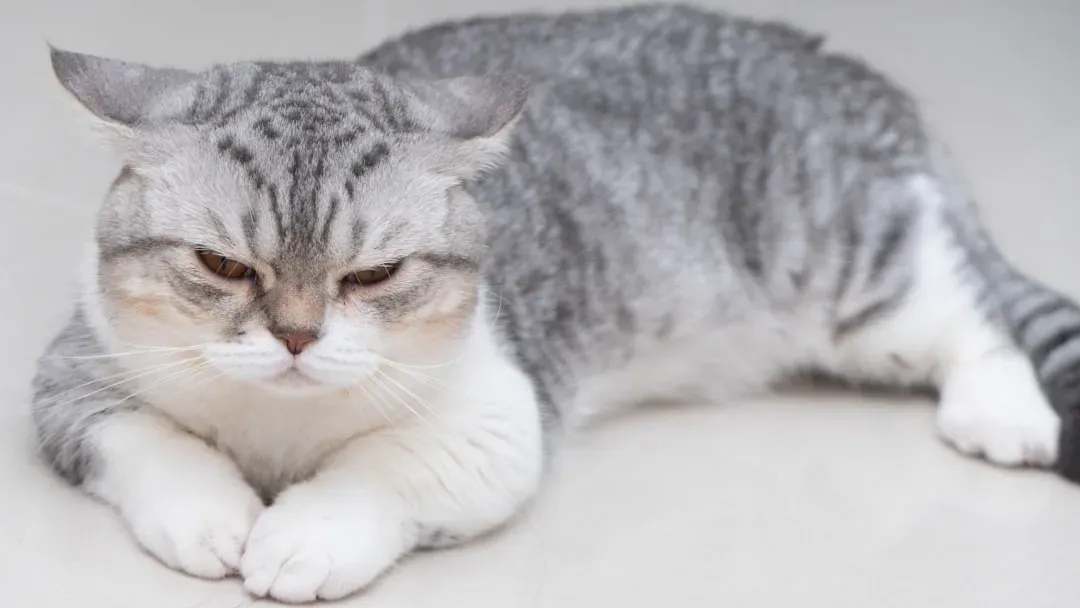
Body positions such as ears held back, tail tucked underneath them, hair standing on end, or eyes seeming wider than normal are all signs of possible stress, anxiety, or depression in cats. Your cat’s body tells an entire story if you know how to read it.
A happy cat’s tail moves like a soft feather duster, but a sad or depressed cat will often swish and twitch its tail in agitation. I know it sounds crazy, but you can actually gauge your cat’s emotional state just by watching their posture throughout the day. Your cat’s body language will be a telltale sign when figuring out if they’re suffering from a low mood state, and you’ll know what your cat looks like when they’re happy, so any changes indicate they aren’t happy.
Excessive Scratching or Territory Marking
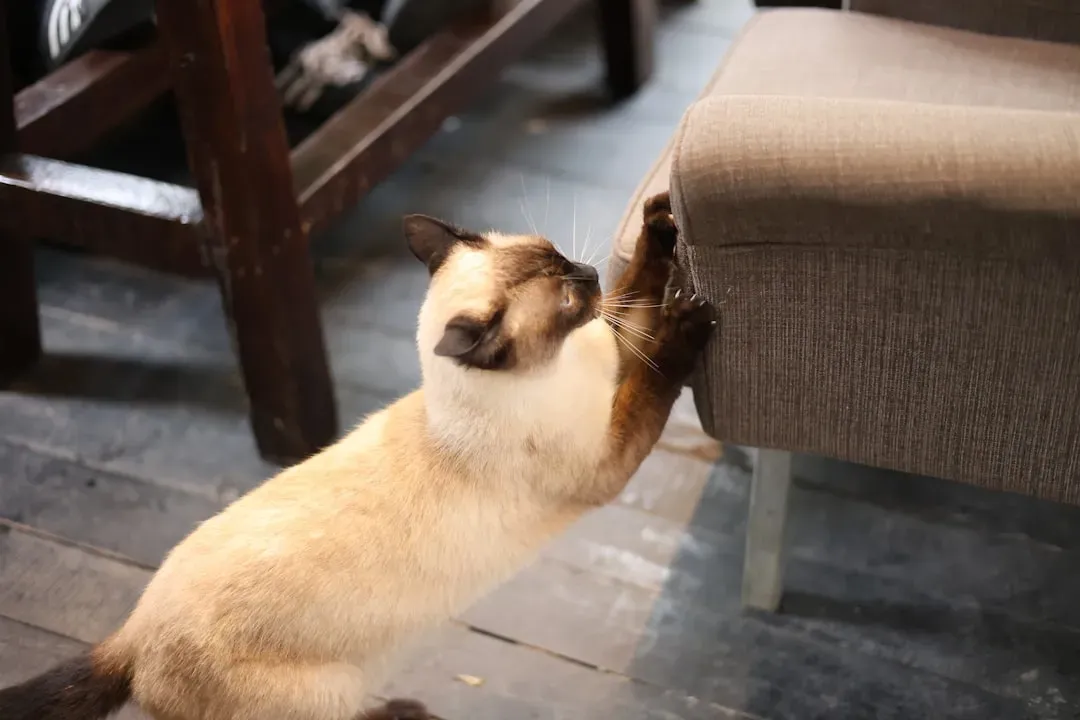
If your cat is depressed, it may start scratching objects more often to mark its territory and relieve stress. You might notice your furniture, walls, or carpets bearing the brunt of this increased scratching behavior.
When a cat scratches an object, pheromones are released from the paw pads, which is part of their territory marking behavior that helps them feel at ease; if you notice your cat scratching surfaces more than usual, this could be a sign that your cat is stressed and may even be depressed. It’s their way of trying to establish control in an environment where they feel insecure. This behavior isn’t about destroying your belongings; it’s about desperately trying to feel safe and anchored in their own home.
Loss of Interest in Play and Activities
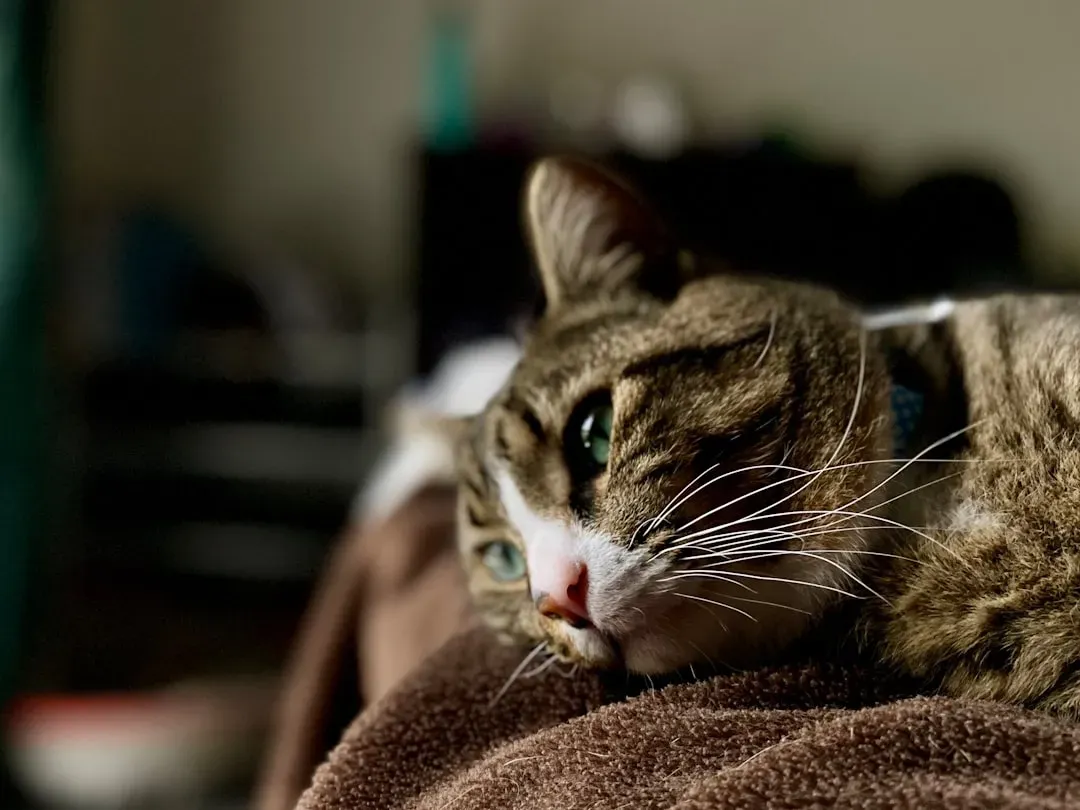
A sad cat may lose interest in an activity that initially made them happy. That feather toy that used to send them into a frenzy? Completely ignored now. The laser pointer that caused them to bound across the room? They won’t even glance at it.
Behavioral changes such as your cat sleeping more often, loss of appetite, and loss of interest in play may signal that your cat has become depressed; if your cat is no longer engaging in daily activities they once enjoyed, this may be a sign of depression. It’s hard to say for sure what’s going through their mind, but the joy they once found in these simple pleasures has clearly evaporated. When roughly the vast majority of their waking hours used to involve some form of play or exploration and now they show zero interest, that dramatic shift demands investigation.
Conclusion: Trust Your Instincts and Seek Help
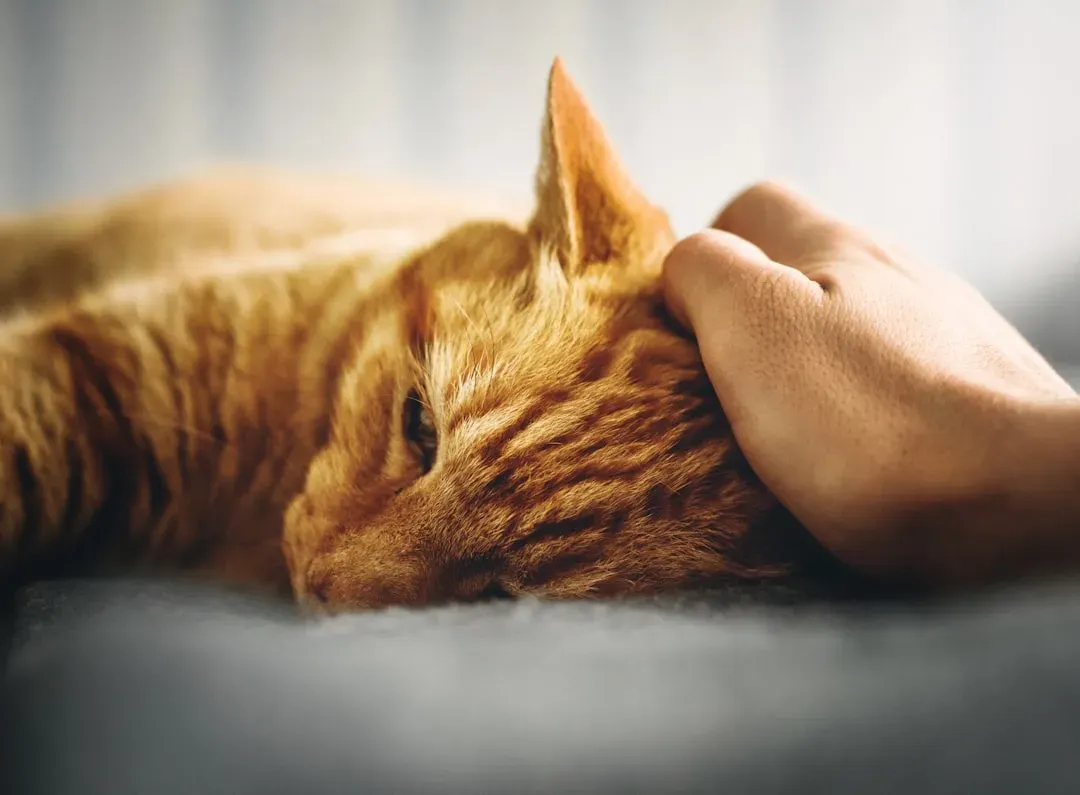
Similar to humans, cats can experience mental health challenges such as anxiety and depression, with various factors leading to feline depression including alterations in their surroundings, sickness, and genetic predisposition. The signs we’ve explored might seem subtle individually, but together they paint a clear picture of a cat in emotional distress.
Depression in cats is often a temporary response to a change in their life, and some cats are quite sensitive, experiencing mild depression over what seem to us like small things such as moving their litter box or getting a new collar. The good news? If you suspect your cat is depressed, consulting a veterinarian is the first step, as a vet can rule out underlying medical conditions and suggest behavioral or dietary changes.
Your cat depends on you to notice these silent signals and take action. Did you recognize any of these signs in your own feline companion? What changes have you noticed in your cat’s behavior lately?