Your cat is not just a pet. Honestly, your cat is a tiny, mysterious roommate with very strong opinions about furniture arrangement, napping schedules, and the placement of their water bowl. If you’ve ever watched your feline companion stare blankly at an empty wall at 3 a.m., you already know there’s a lot going on inside that furry little head that most of us rarely think to address.
Here’s the thing – creating a cat-friendly home doesn’t mean turning your living space into a pet store showroom. It’s about understanding how your cat actually thinks, what drives their instincts, and making a few clever, affordable tweaks that transform an ordinary house into a true feline paradise. You might be surprised how small the changes need to be. Let’s dive in.
1. Build a Vertical Kingdom for Your Cat
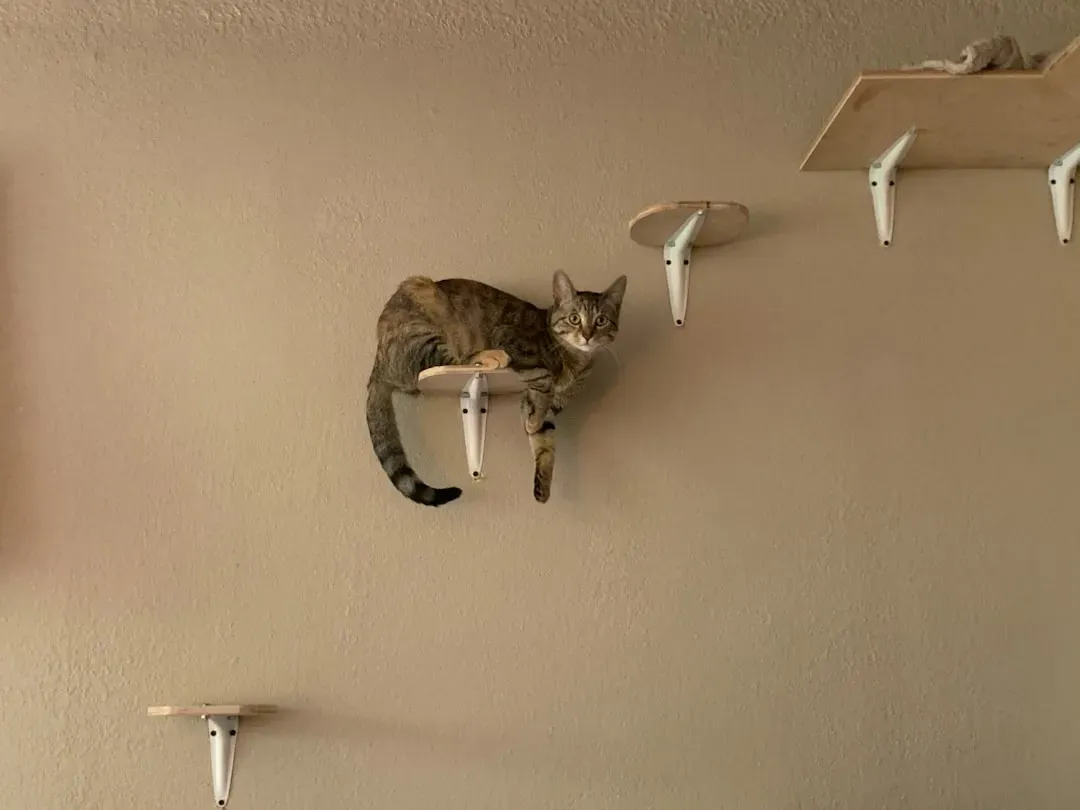
As predators, cats are instinctively drawn to elevated spaces that give them a strategic vantage point from which to survey their home. Think of it like this: your cat doesn’t just want to live in your house – they want to own the airspace above it. Vertical territory is everything to them.
You can build “cat superhighways” – continuous elevated pathways linking furniture, shelves, ladders, and wall-mounted platforms. Vertical terrain gives cats room to explore, claim territory, and avoid conflicts in multi-cat homes. If you’ve got more than one cat and constant drama at floor level, this is probably the single most impactful change you can make.
2. Invest in the Right Scratching Surfaces
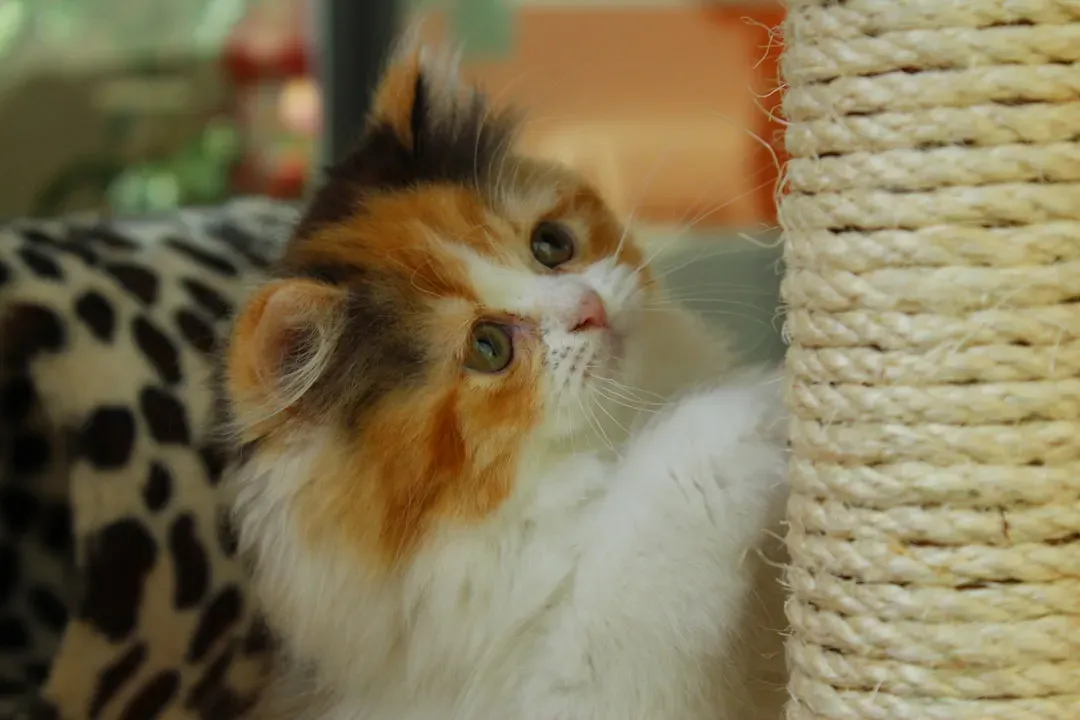
Cats scratch to mark territory, stretch, and shed old claw layers. Offer scratching posts of different textures like sisal, cardboard, and carpet, in both vertical and horizontal angles. Without proper outlets for this behaviour, your sofa doesn’t stand a chance. Let’s be real – your cat will scratch something, so you might as well make it something you’re okay with.
Cats have a need to stretch their long muscles, so don’t opt for a short post. Place the post in an area you spend a lot of time. Cats also use scratching as a marking tool, so they’ll want to mark near where their person is. Positioning is everything here. A scratching post hidden in a back corner will be ignored, while one placed in the living room will actually get used.
3. Create Cozy Hideaways and Quiet Retreats
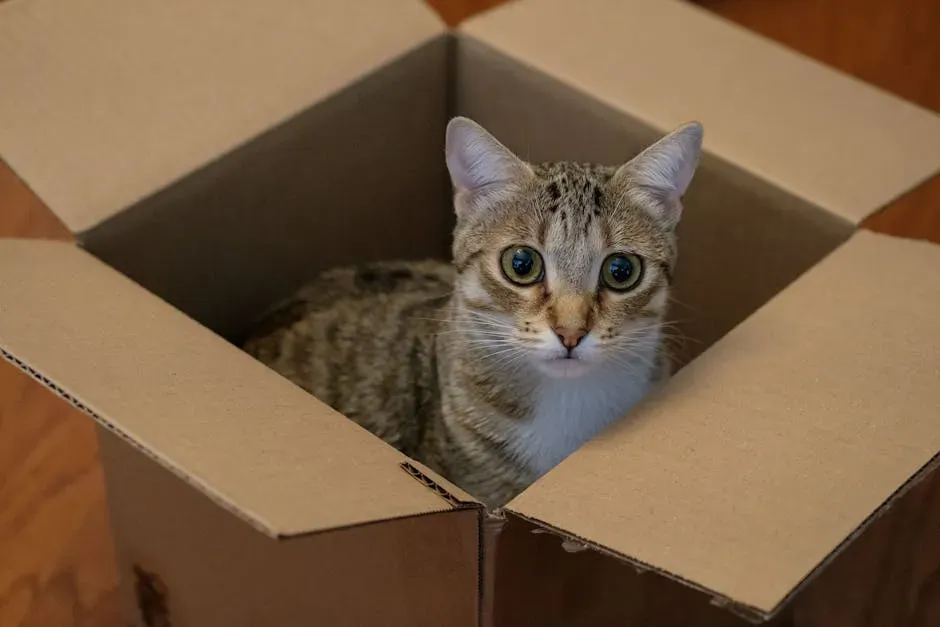
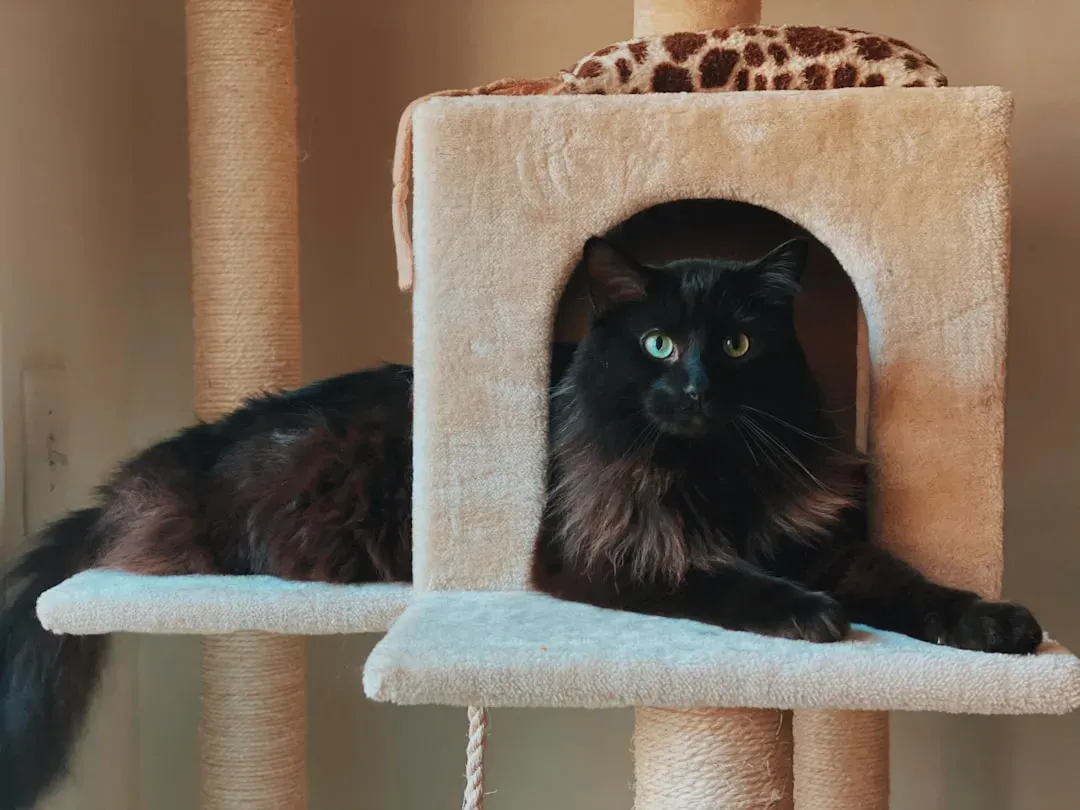
Cats need cozy, quiet spaces where they can retreat, nap, or just disappear for a bit. Think cardboard boxes, hammocks, soft beds, or even a designated shelf inside a closet. It sounds simple, but this matters more than most cat owners realize. A cat without a safe retreat is a stressed cat, and a stressed cat can develop all kinds of behavioural and health problems.
Providing a private and secure place for a cat to hide in or retreat to – like boxes, perches, and cat condos – satisfies their deep-rooted need for safety. Cats evolved to avoid and hide in the wild, and providing a place where indoor cats feel safe satisfies this need. Even a simple cardboard box with a blanket thrown inside can do the trick. Don’t underestimate the power of a good hiding spot.
4. Set Up a Window Watching Station
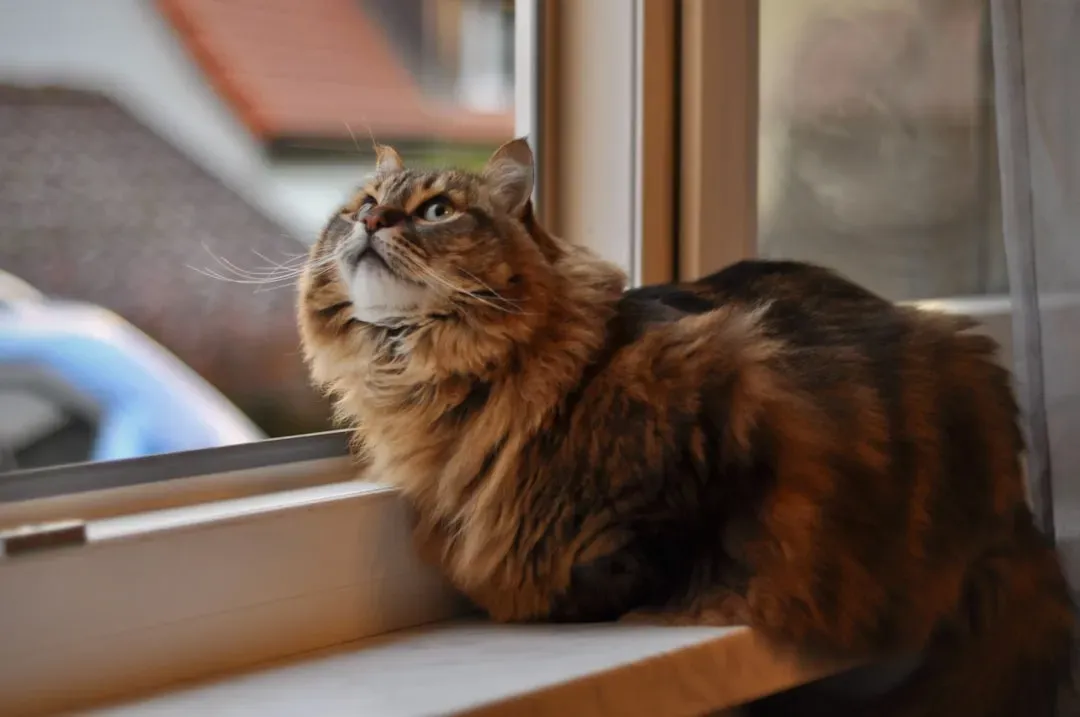
Cats can be entertained for hours when looking outside through the windows. Placing bird feeders, squirrel feeders, or other wildlife attractions within view can entertain your feline friend. This simple activity can provide hours of mental stimulation. Think of it as free, on-demand cat television. The outside world is endlessly fascinating to a cat who can’t access it directly.
Upright structures and elevated perches serve your cat’s climbing and clawing needs. To let your cat experience a bit of the outdoors while indoors, place perches, cat furniture like cat trees, or resting areas by the windows in your home. Something as easy as clearing off the back of a couch that’s near a window can expand your cat’s horizons. That’s basically a free upgrade that takes about thirty seconds.
5. Switch to Puzzle Feeders for Mealtime Enrichment
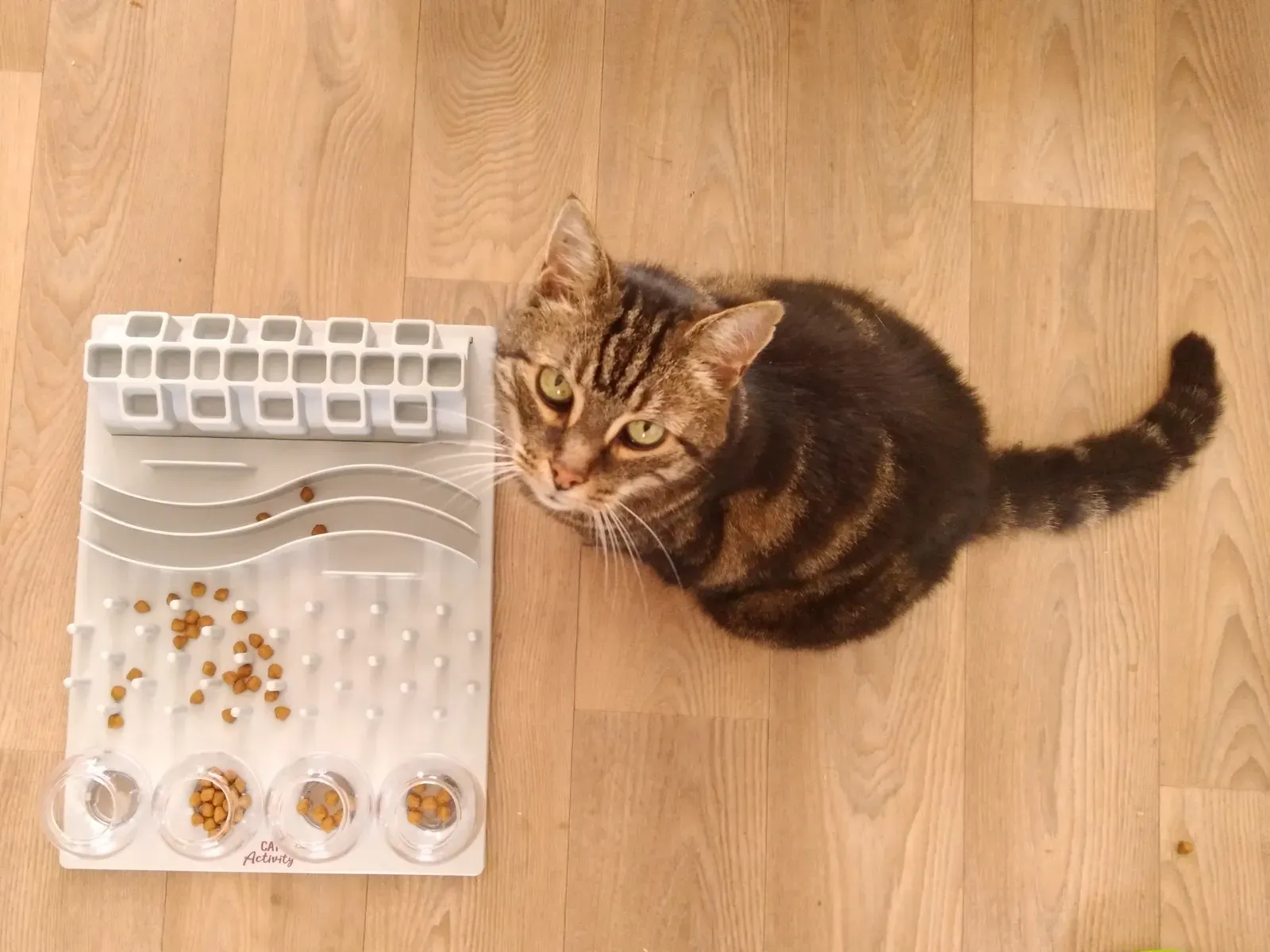
Making mealtime fun, challenging, and interactive for domestic cats is a great way to satisfy their innate instincts and curiosities. Every meal is an opportunity for enrichment. When you pour food into a bowl, you’re essentially handing your cat a solved puzzle. That’s boring for them, even if it’s convenient for you. Puzzle feeders completely change the dynamic.
Puzzle feeders and interactive toys encourage mental stimulation by making your cat work for their food. They dispense small amounts of kibble when your cat interacts with them, stimulating their hunting instincts and providing a rewarding challenge. They challenge your cat to work for their food or treats, engaging both their body and brain, and these feeders can reduce fast eating habits and support weight management as well. Two benefits in one, not bad for a simple swap.
6. Rotate Toys Regularly to Fight Boredom
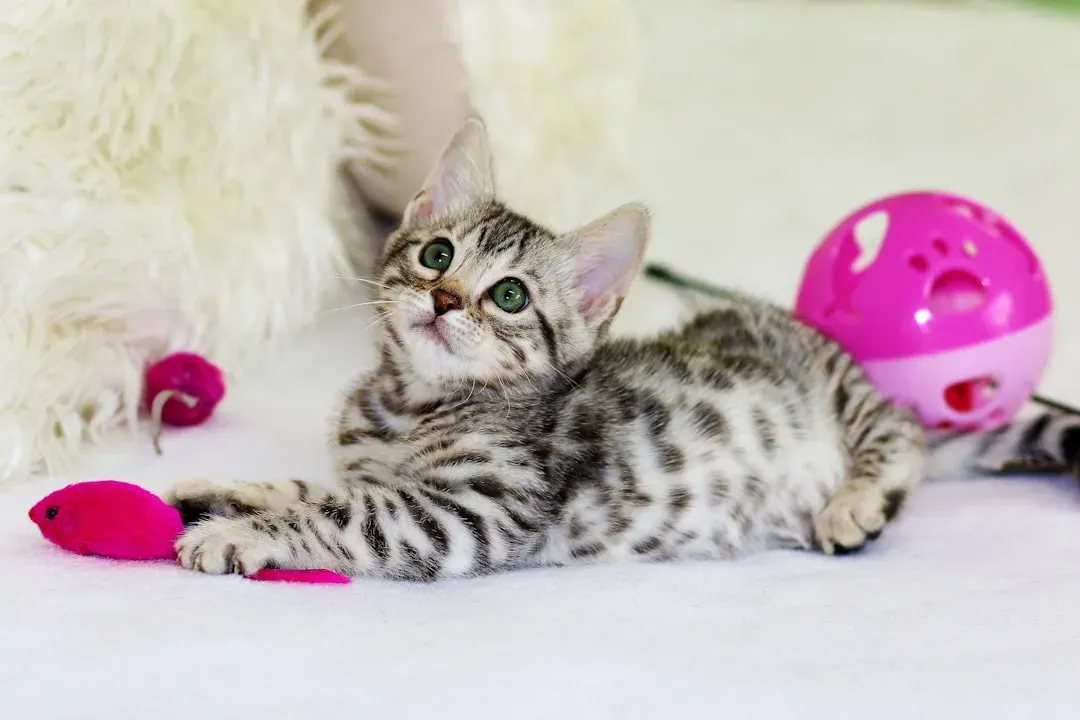
Just like humans, cats can get bored while cooped up at home. Boredom in cats can take the form of unwanted behaviours like scratching, chewing, and aggression, and can even cause health issues. If your cat is acting out, before assuming they’re being difficult, ask yourself honestly when you last introduced something new into their environment.
Rotating toys regularly keeps things novel and exciting. Cats may lose interest in items that are always available. To prevent boredom, rotate toys, perches, or hide-and-seek challenges regularly. Think of toy rotation like a rotating restaurant menu. The same dish every day gets old fast, but bring it back after a month of absence and suddenly it’s exciting again. Your cat works the exact same way.
7. Tap Into Your Cat’s Powerful Sense of Smell
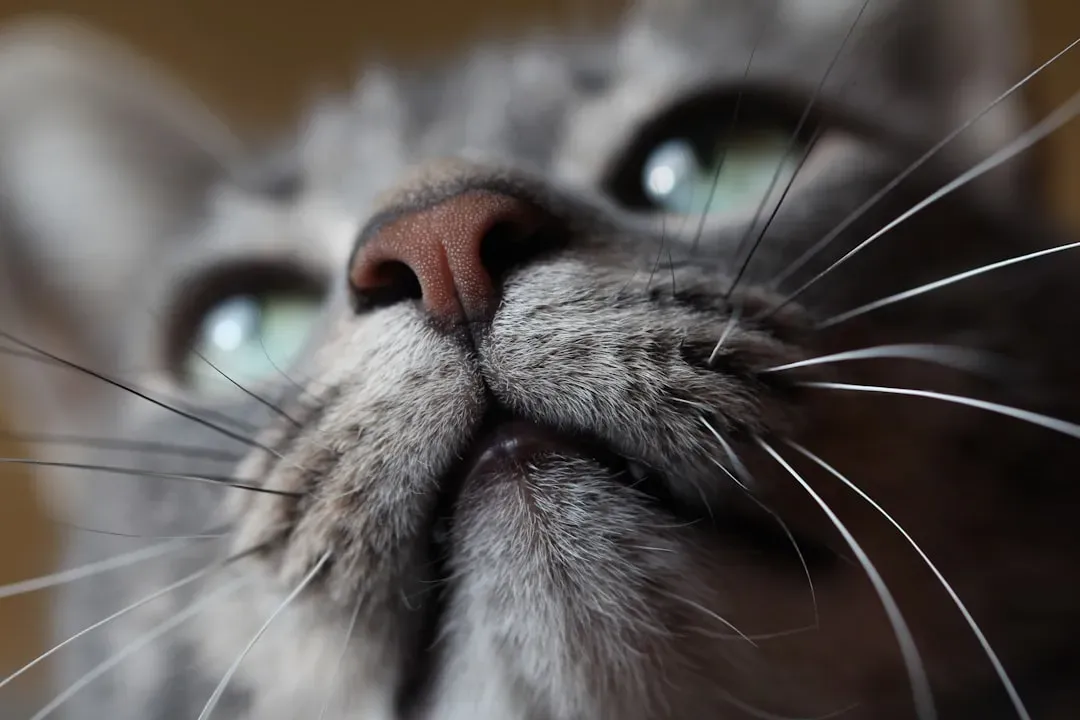
Cats depend on their sense of smell to make sense of their environment and perceive threats. Disrupting normal scent cues can lead to unwanted behaviours. Steps owners can take to address this need include avoiding scented cat litter and using synthetic pheromones to reduce anxiety. It’s a wildly underestimated aspect of feline wellbeing. Your strongly scented cleaning products might literally be stressing your cat out.
Cats have powerful senses of smell and you can use that sense of smell in a variety of DIY enrichment activities. You can start using scent through catnip, silver vine, or valerian root powder to get your cat engaged with a toy you already have on hand. Try scent exploration by rubbing different scents like catnip, mint, or rosemary on small pieces of fabric and placing them around the room for your cat to investigate. It sounds almost too simple, but the effect on engagement can be remarkable.
8. Grow Cat-Safe Indoor Plants
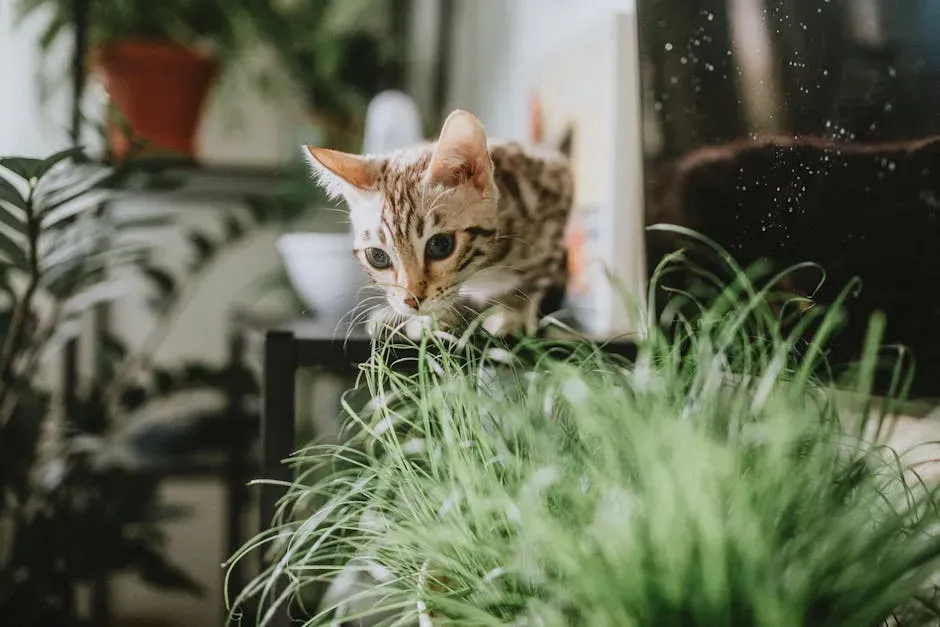
Cats love greenery. They enjoy snacking on it, playing in it, and just enjoying the smells. You can create an indoor cat garden using cat-friendly plants, including cat grass, catnip, silvervine, spider plants, and impatiens. You can check the ASPCA Toxic and Non-Toxic Plants List to find more cat-friendly plant options. Growing cat grass is especially clever because it serves double duty – it keeps them entertained and steers their nibbling instincts away from your beloved houseplants.
Growing some kitty grass can help your cat stay away from your other plants and provide your kitty with some enrichment. It’s like bringing the outside world home. Indoor cats often lack exposure to varied scents and textures. Introducing cat-safe plants like cat grass or catnip can enrich their sensory environment. A small pot of cat grass on a sunny windowsill costs almost nothing and delivers real, genuine joy to your cat every single day.
9. Keep Their Private Spaces Truly Private
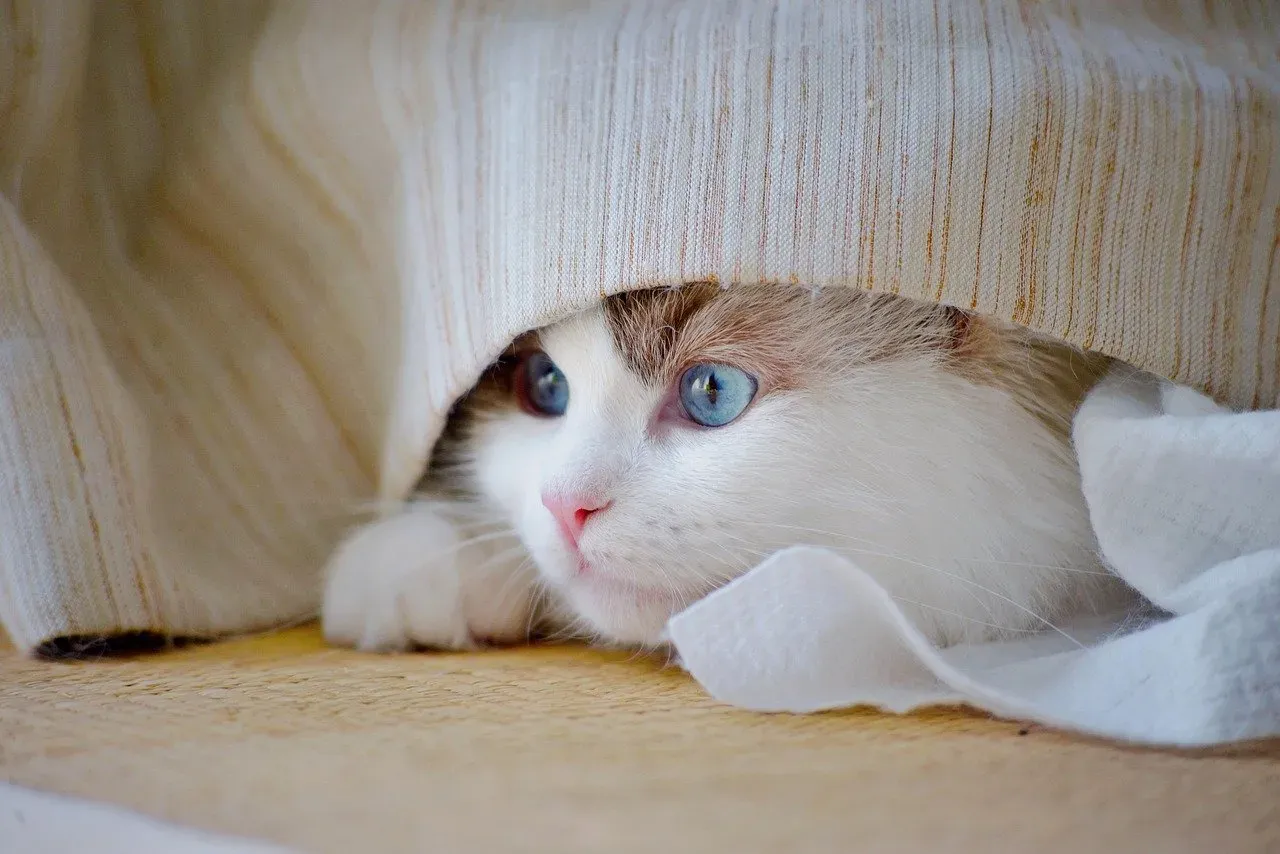
Cats are private, solitary creatures by nature, and in the wild, they prefer to hang out by themselves in areas of their own choosing. You can skip their choosiness by creating the perfect space they’ll be instinctively attracted to. At a minimum, provide a private feeding area, a litter box area, and a place they can relax or retreat to when overwhelmed. Ideally, each of these places is somewhere that doesn’t get a lot of foot traffic.
A common mistake is to put these in easily accessed places next to rooms with lots of foot traffic, like the kitchen. However, that’s actually likely to stress your cat out. To make them feel more at ease, try to make the litter, feeding, and private areas as secluded as possible. Picture trying to eat your lunch in the middle of a busy train station. That’s basically what you’re doing to your cat when you put their food bowl right next to the main walkway of your home.
10. Engage in Daily Interactive Play Sessions
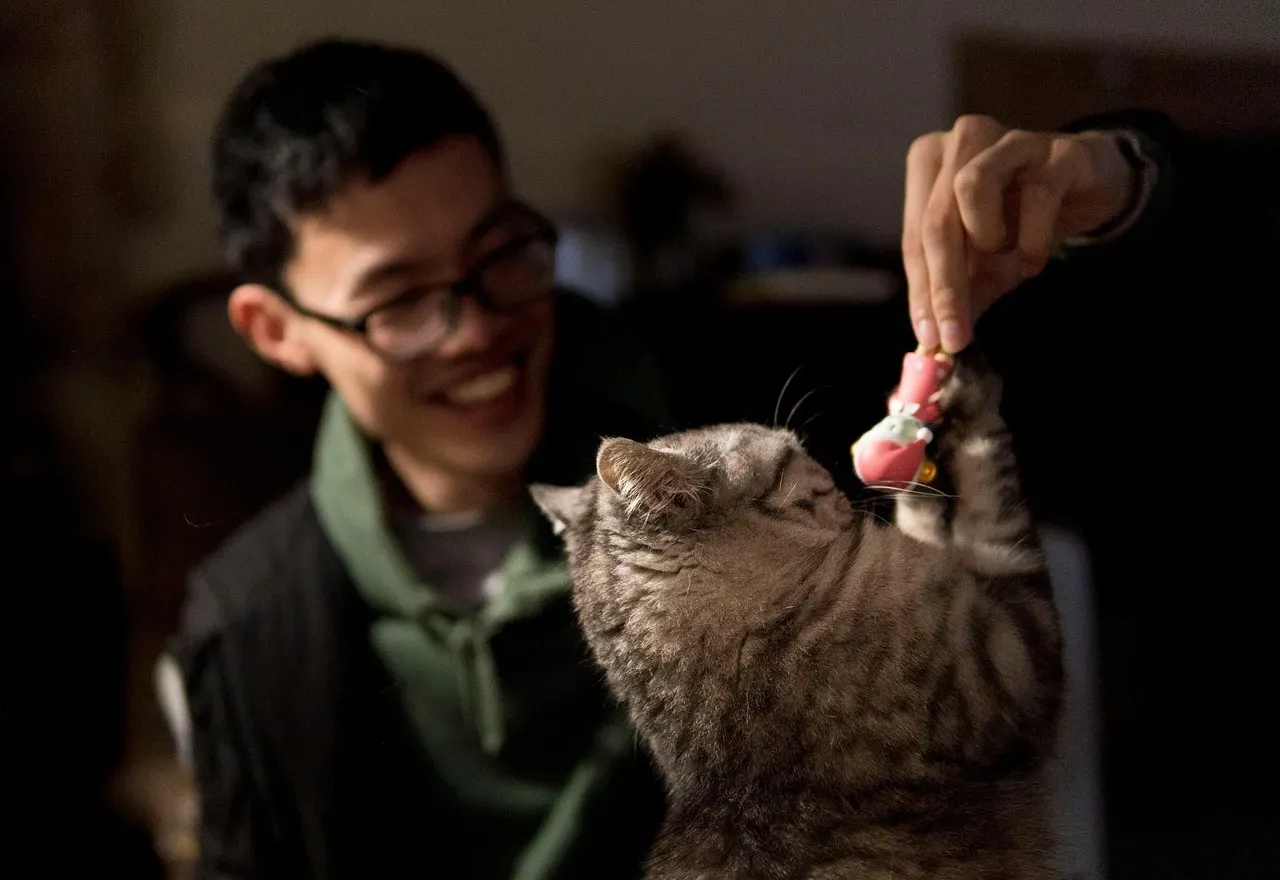
Regular interactive play sessions with your indoor cat are vital for their physical and mental well-being. Use a variety of toys such as wand toys or feather teasers to mimic prey-like movements. Engage in play sessions that encourage jumping, pouncing, and chasing, allowing your cat to release energy and express their natural hunting instincts. This is the one hack that costs absolutely nothing but your time – and it may be the most powerful of all.
Interactive toys help strengthen the bond between you and your cat. They let you share fun and positive experiences, provide exercise for your cat, and allow your cat to feel like the predator they were born to be. Providing positive, consistent, and predictable human-cat social interaction is essential. Actions such as petting, grooming, or playing with your cat reinforce the bond between you. Even just fifteen focused minutes a day of genuine play can dramatically change your cat’s mood, behaviour, and overall quality of life.
Conclusion: Small Changes, Big Impact
Your home doesn’t need a renovation to become a feline paradise. It needs intention. The ten hacks above are proof that thoughtful, affordable adjustments – a better-positioned scratching post here, a window perch there, a handful of cat grass on the sill – can completely transform how your cat experiences their world.
Think of your cat as a tiny predator with ancient instincts that are just itching to be expressed. When you give those instincts healthy, safe, and stimulating outlets, the result is a calmer, happier, and healthier cat who trusts their environment completely. That’s not just good for them. It’s genuinely good for you too, because a content cat makes for a far more peaceful home.
You don’t need to do all ten things at once. Start with one or two, watch how your cat responds, and build from there. Your cat has been communicating their needs all along – the real question is, have you been listening? What change will you make first?